Attractions and Places To See around Borrenes - Top 20
Best attractions and places to see around Borrenes include historical sites and natural monuments shaped by Roman gold mining. This village in the El Bierzo region of León, Spain, features a landscape of reddish earth formations and ancient settlements. The area offers a blend of historical and natural attractions, many linked to its Roman and pre-Roman past. It is an ideal destination for exploring nature and history.
Best attractions and places to see around Borrenes
- The most popular attractions is…
Last updated: May 10, 2026
Orellán Galleries
Highlight • Historical Site
Translated by Google •
Tip by

La Encantada Cave and La Cuevona
Highlight • Cave
Translated by Google •
Tip by
Sign up now to discover places like this
Get recommendations on the best single tracks, peaks, & plenty of other exciting outdoor places.
Sign up for free
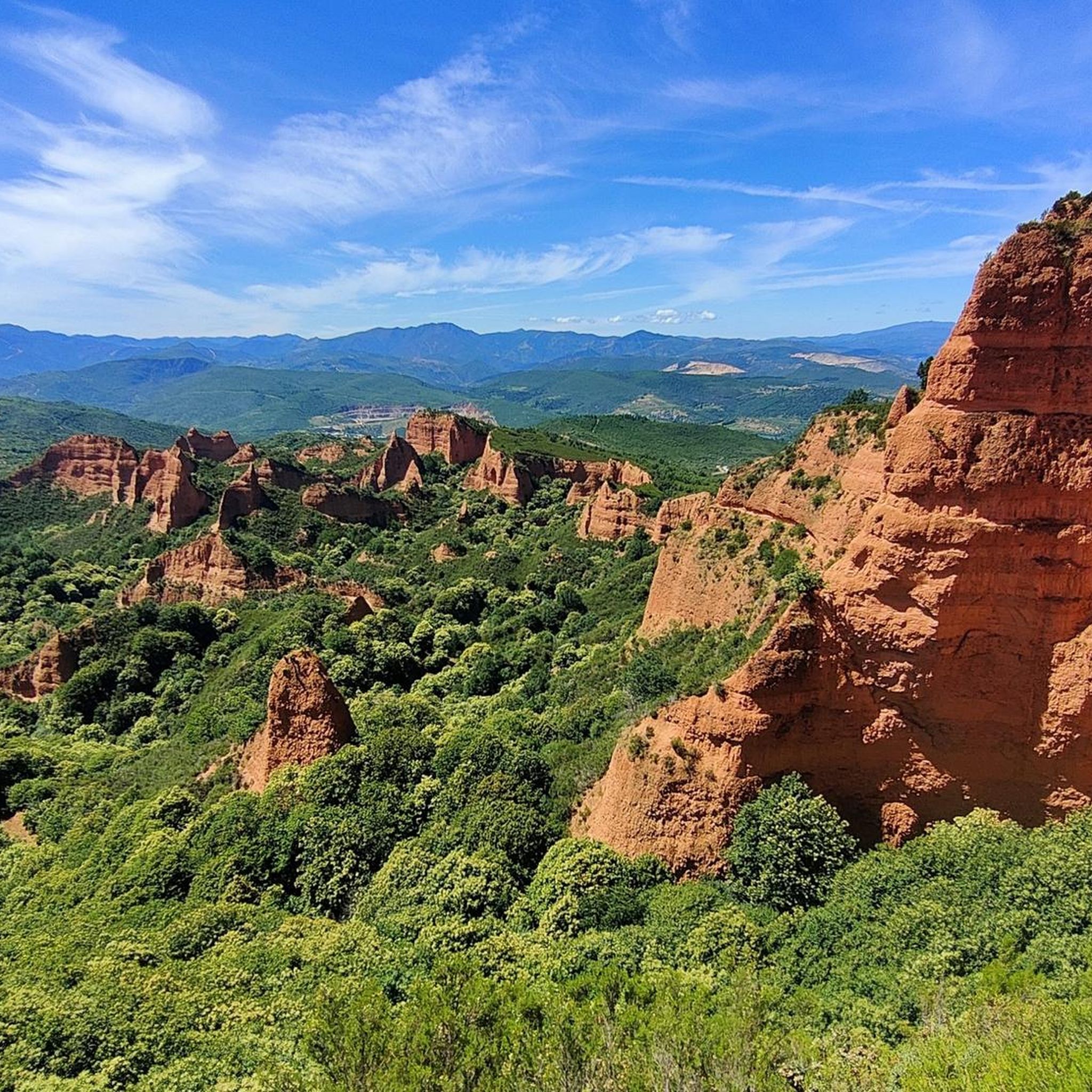
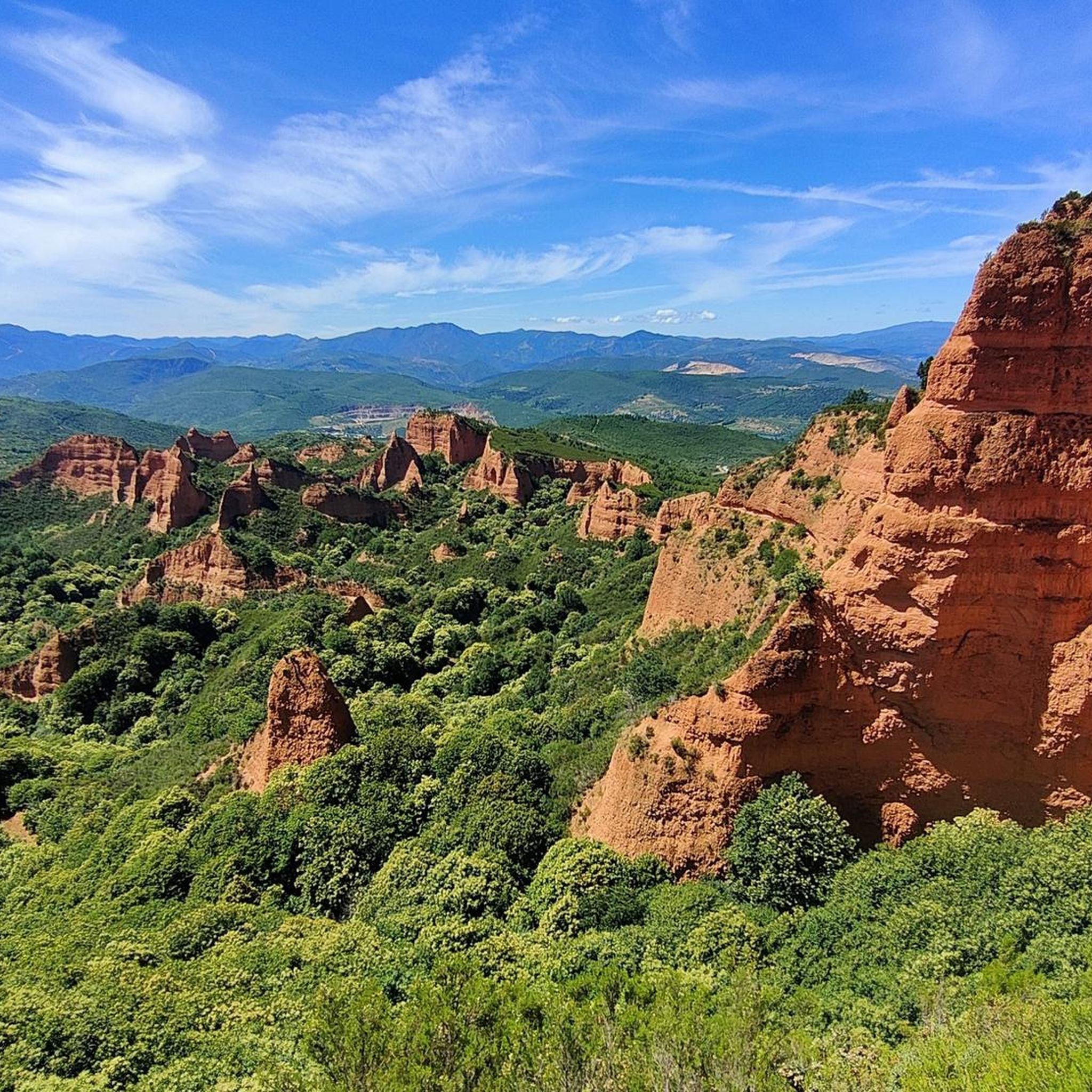
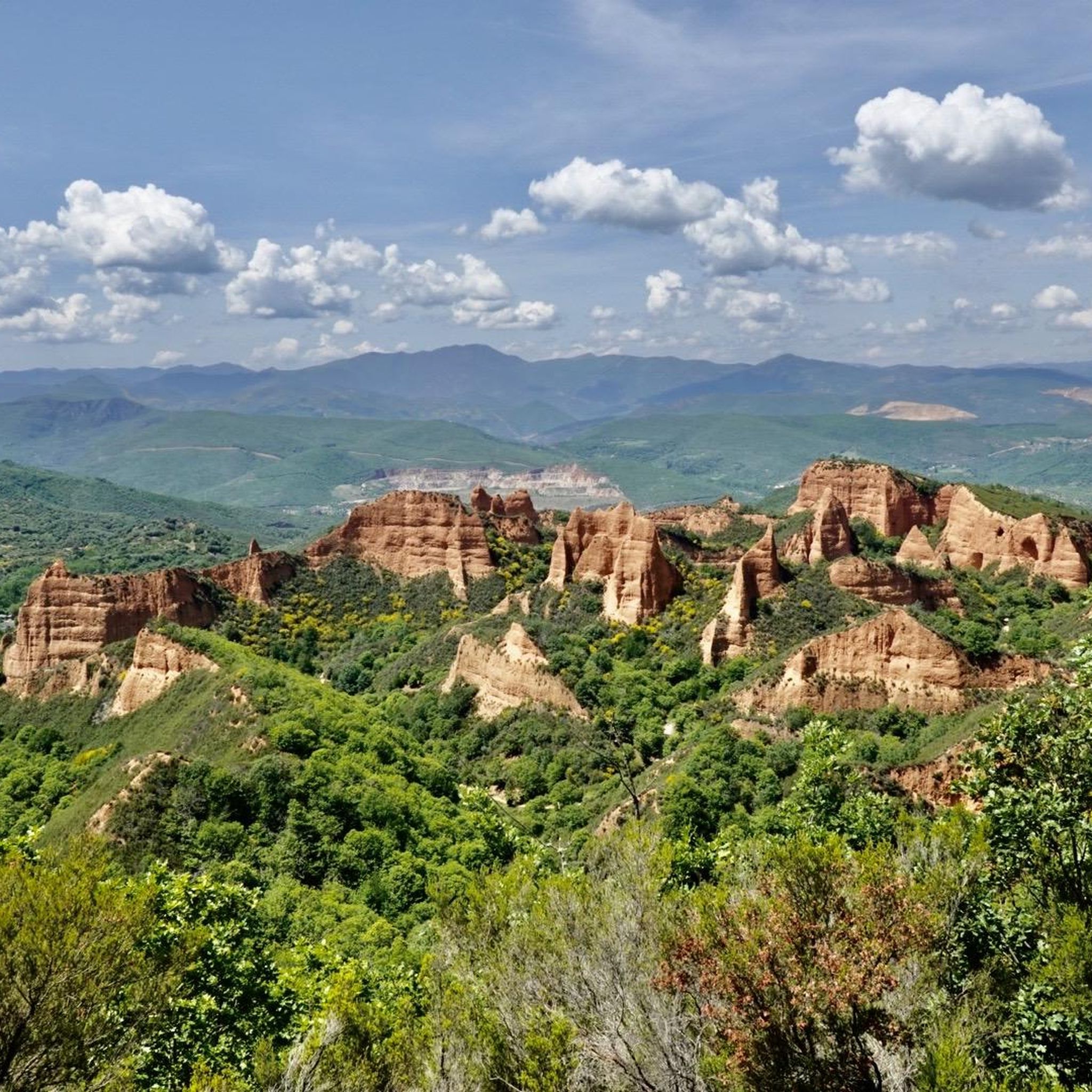
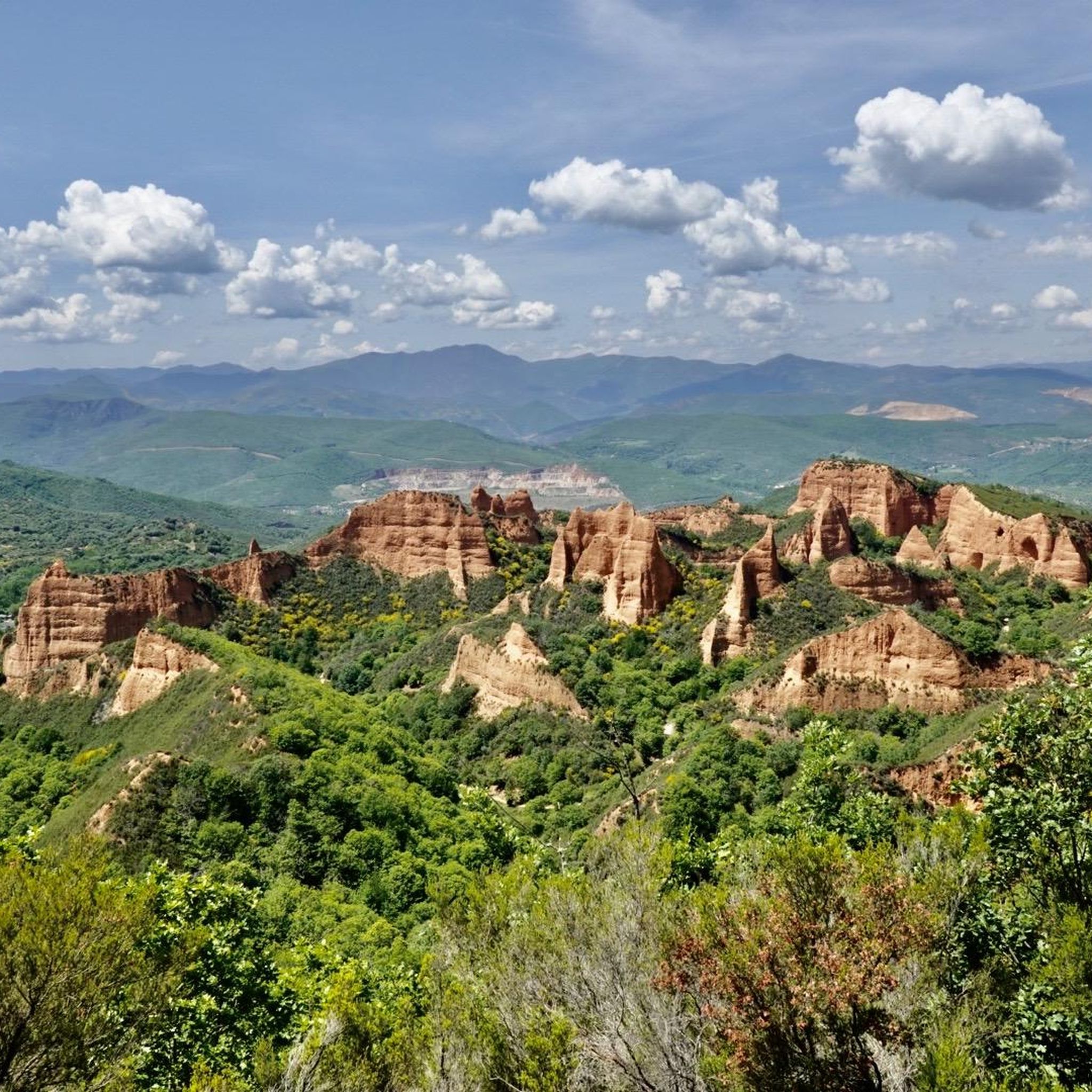
Las Médulas
Highlight • Historical Site
Translated by Google •
Tip by
Las Médulas Roman Gold Mines
Highlight • Historical Site
Translated by Google •
Tip by
Church of Saint Mary of the Assumption of Cacabelos
Highlight • Religious Site
Translated by Google •
Tip by
Sign up for free to discover even more attractions around Borrenes.
Sign up for free
Already have an account?
Start today with a free account
Your next adventure awaits.
Login or Signup

Tips from the Community

The Church of Santa María in Cacabelos is a historic church along the Camino de Santiago, originally consecrated in 1108. Although only the Romanesque choir from that period remains, the church was largely rebuilt in the Renaissance style in the 16th century and later enhanced with Baroque elements. Notable features include the neo-Gothic tower from 1904, a 13th-century statue of the Virgen de la Edrada above the entrance, and a 14th-century statue of Christ on a cross depicting the tree of life motif.
2
0

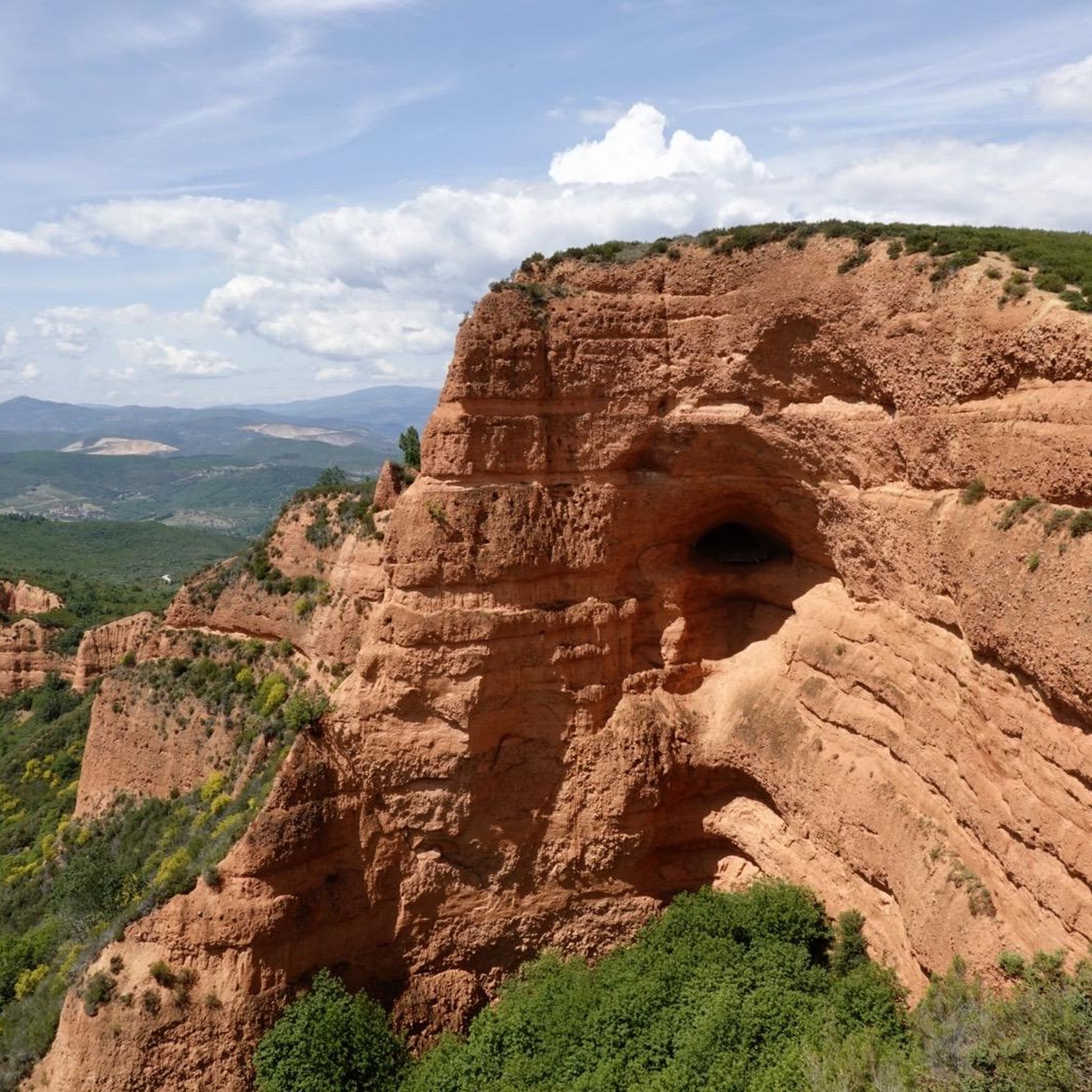
When viewing the rock formations of Las Medulas, it's important to remember that this landscape is not natural, but rather the (sad) remains of a mountain range that was ruthlessly exploited for its gold ore as early as the Roman Empire. Nevertheless, this landscape of ruins is a UNESCO World Heritage Site. A 15-minute film documentary about it (although only available in German) is available in the ARD media library as part of the highly recommended series "Treasures of the World - Heritage of Humanity" =>> https://www.zdf.de/swr/schaetze-der-welt/page-video-ard-las-mdulas-und-seine-goldminen-spanien-100.html
3
0

It was consecrated in 1108 by Bishop Diego Gelmírez. Only the Romanesque apse remains of the original church. Reconstruction in the 16th century: Most of the current building was rebuilt in the Renaissance and Baroque styles.
4
0
The Church of the Assumption of Cacabelos, commonly known as the Church of Saint Mary, is located in the municipality of Cacabelos, in the Bierzo region. This church has a rich history and is a prominent point on the Camino de Santiago.
6
0
When looking at the rock formations of LAS MEDULAS, one must remember that this landscape is not natural, but rather the (sad) remains of a mountain massif that was ruthlessly exploited for its gold ore as early as the Roman Empire. Nevertheless, this landscape of ruins is a UNESCO World Heritage Site. A 15-minute film documentary about this (in German) is available in the ARD media library as part of the highly recommended series “Treasures of the World - Heritage of Humanity”: https://www.zdf.de/swr/schaetze-der-welt/page-video-ard-las-mdulas-und-seine-goldminen-spanien-100.html
4
0
Las Médulas, located in Bierzo, northwest of the Montes Aquilanos and along the valley of the Sil River, is a fantastic landscape resulting from Roman gold mining. This place has been declared a World Heritage Site by UNESCO. Although no one would say that the steep cliffs hide, beneath their bowels, the gold of the Romans, the mining exploitation silenced for centuries has become a beautiful landscape of great tourist attraction.
26
0

This landscape was created over 250 years by an estimated 60,000 slaves to supply the Roman Empire with around 1,650 tons of gold. A UNESCO World Heritage Site
8
0
La Cuevona and La Encantada are two impressive places in Las Médulas, an area with a rich mining history and a unique landscape. The Cave: It is a gallery dug into the mountain, part of the ancient network of tunnels and galleries used in Roman mining exploitation. It has the highest height of all the existing galleries in Las Médulas. It is an important reference point for those exploring the Las Valiñas path. As you pass in front of La Cuevona, you will climb a small slope protected by a railing of wooden logs. The enchanted: It is also part of the old mining network. Upon arriving at La Encantada, you will be surprised by its unusual luminosity due to the entry of light from a hole at the top. There are two tunnels that branch off to the left and right, and from inside, you can see a beautiful landscape. Both caves are witnesses of Roman mining activity and offer a unique experience for visitors. I hope you enjoy exploring La Cuevona and La Encantada! 🏞️🚶♂️
8
0
Frequently Asked Questions
What historical sites can I explore in and around Borrenes?
Beyond the famous Roman gold mines, Borrenes and its surroundings offer a rich history. You can visit the ancient Celtic settlement of Castro de Borrenes, explore the majestic Castillo de Cornatel which once defended the Roman mines, or see the Baroque-style Iglesia Parroquial in Borrenes. Further afield, the Monasterio de Santa María de Carracedo provides another significant historical experience. Don't miss the insights into Roman life at the Orellán Galleries, La Encantada Cave and La Cuevona, and the archaeological sites of Asentamiento Metalúrgico de Orellán and Yacimiento de Pedreiras del Lago.
Are there natural attractions or viewpoints near Borrenes?
Yes, the region is rich in natural beauty. The most iconic is the UNESCO World Heritage site of Las Médulas, with its unique reddish earth formations. For stunning panoramic views, visit the Mirador de Orellán, which also overlooks Las Médulas, or the Mirador de Santalla for vistas of the entire Hoya region. The tranquil Lago de Carucedo, formed by Roman mining activity, is perfect for relaxation and picnics.
What outdoor activities are available around Borrenes?
Borrenes is an excellent base for outdoor enthusiasts. You can enjoy various activities like hiking, running, and gravel biking. For hiking, explore routes like the 'La Mirada Circular Nature Trail' or the 'Lago Sumido Trail'. If you're into running, try the 'Orellán Galleries loop from Las Médulas'. Gravel biking options include 'Las Médulas – Orellán Galleries loop from Carucedo'. You can find more details and routes in the dedicated guides for hiking, running, and gravel biking around Borrenes.
Are there family-friendly attractions in the Borrenes area?
The natural landscapes and historical sites around Borrenes can be engaging for families. Exploring the unique formations of Las Médulas and its ancient Roman mining tunnels like La Encantada Cave and La Cuevona can be an adventurous experience. The Lago de Carucedo offers a relaxed setting for picnics and enjoying nature. Many of the hiking trails also have easy sections suitable for families.
What is the best time of year to visit Borrenes for outdoor activities?
The El Bierzo region, including Borrenes, is generally pleasant for outdoor activities from spring through autumn. Spring offers lush greenery and comfortable temperatures, while autumn brings beautiful fall colors, especially around the chestnut and oak trees of Las Médulas. Summer can be warm, but mornings and evenings are ideal for exploration. Winter walks are also possible, especially on the 'Camino de Santiago de Invierno', but some trails might be more challenging due to weather conditions.
What are the difficulty levels of hiking trails around Borrenes?
Hiking trails around Borrenes cater to various fitness levels. You can find easy walks like the 'Las Médulas loop from Las Médulas' (3.6 km) or the 'Lago Sumido Trail' (3.7 km). Moderate trails include 'La Mirada Circular Nature Trail' (10.2 km) and several loops around Orellán Galleries and Las Médulas. More challenging options are also available for experienced hikers. Always check the specific route details for elevation and terrain before heading out.
Can I explore ancient Roman mining tunnels and caves in Borrenes?
Yes, Borrenes is renowned for its ancient Roman mining heritage. You can explore the Orellán Galleries, an underground water conduit that was part of the Roman mining system, offering unique views from within. Another must-see is La Encantada Cave and La Cuevona, a fascinating cave system with impressive luminosity and insights into Roman engineering. These sites provide a direct connection to the 'Ruina Montium' mining technique.
What cultural experiences does the Borrenes region offer?
The El Bierzo region, where Borrenes is located, is known for its rich culture. You can indulge in the unique local gastronomy, featuring products with designations of origin like botillo and roasted peppers. Borrenes is also part of the 'Camino de Santiago de Invierno' (Winter Way), offering a more peaceful pilgrimage experience. Historically, the village hosted the Hospital de Santa María de la Consolación for pilgrims.
Are there any dog-friendly options for walks or attractions near Borrenes?
Many of the natural outdoor areas and hiking trails around Borrenes are suitable for dogs, provided they are kept on a leash and owners clean up after them. The open landscapes of Las Médulas and the trails leading to viewpoints like Mirador de Orellán are popular choices for walks with canine companions. Always check local regulations for specific attractions or protected areas.
What do visitors enjoy most about the attractions around Borrenes?
Visitors consistently praise the unique and impressive landscape of Las Médulas, often highlighting its historical significance as the largest open-pit gold mine of the Roman Empire. The experience of entering the ancient Orellán Galleries and the unique luminosity within La Encantada Cave and La Cuevona are also frequently mentioned as spectacular and memorable. The blend of history and natural beauty, along with the opportunity for outdoor exploration, is a major draw.
Is there parking available for the main attractions in Borrenes?
Yes, parking is generally available near the main attractions, especially for popular sites like Las Médulas and the access points to the Orellán Galleries. It's advisable to arrive early during peak season to secure a spot. Specific parking information for individual trailheads or historical sites can often be found on local signage or tourist information boards upon arrival.
Are there any charming villages to visit near Borrenes?
Absolutely. Just a short distance from Borrenes, you can discover Villaverde, a tranquil village known for its natural beauty, particularly along the Sil River. While a bit further, the town of Cacabelos, home to the Church of Saint Mary of the Assumption, offers another glimpse into the region's history and culture.
Most popular routes around Borrenes
Most popular attractions around Borrenes

Get inspired with the komoot mobile app


Explore more
Still not found the Highlight you’re looking for? See guides of the top attractions in other regions:
