The best road cycling routes around Vega De Espinareda
5.0
(18)
404
riders
38
rides
Road cycling around Vega De Espinareda offers diverse landscapes and varied terrain within the Bierzo region of León. The area is characterized by river valleys, such as the Cúa River valley, and extensive oak and pine forests, providing scenic backdrops for rides. Cyclists will encounter a mix of paved surfaces and elevation changes, including significant ascents, making it suitable for various skill levels. The region's topography includes both moderate climbs and challenging routes with substantial elevation gains.
Best road cycling…
Last updated: October 29, 2026
46
riders
71.5km
04:13
1,790m
1,790m
Hard road ride. Very good fitness required. Mostly well-paved surfaces and easy to ride.
39
riders
69.0km
03:39
870m
870m
Moderate road ride. Good fitness required. Some segments of this route may be unpaved and difficult to ride.

32
riders
93.4km
05:37
1,740m
1,740m
Hard road ride. Very good fitness required. Mostly well-paved surfaces and easy to ride.
19
riders
70.4km
03:41
870m
870m
Moderate road ride. Good fitness required. Some segments of this route may be unpaved and difficult to ride.
13
riders
86.4km
05:36
2,550m
2,550m
Hard road ride. Very good fitness required. Mostly well-paved surfaces and easy to ride.
Get access to more routes and recommendations from other explorers.
Already have an account?
Our route recommendations are based on thousands of hikes, rides, and runs completed by other people on komoot.
Start today with a free account
Your next adventure awaits.
Tips from the Community

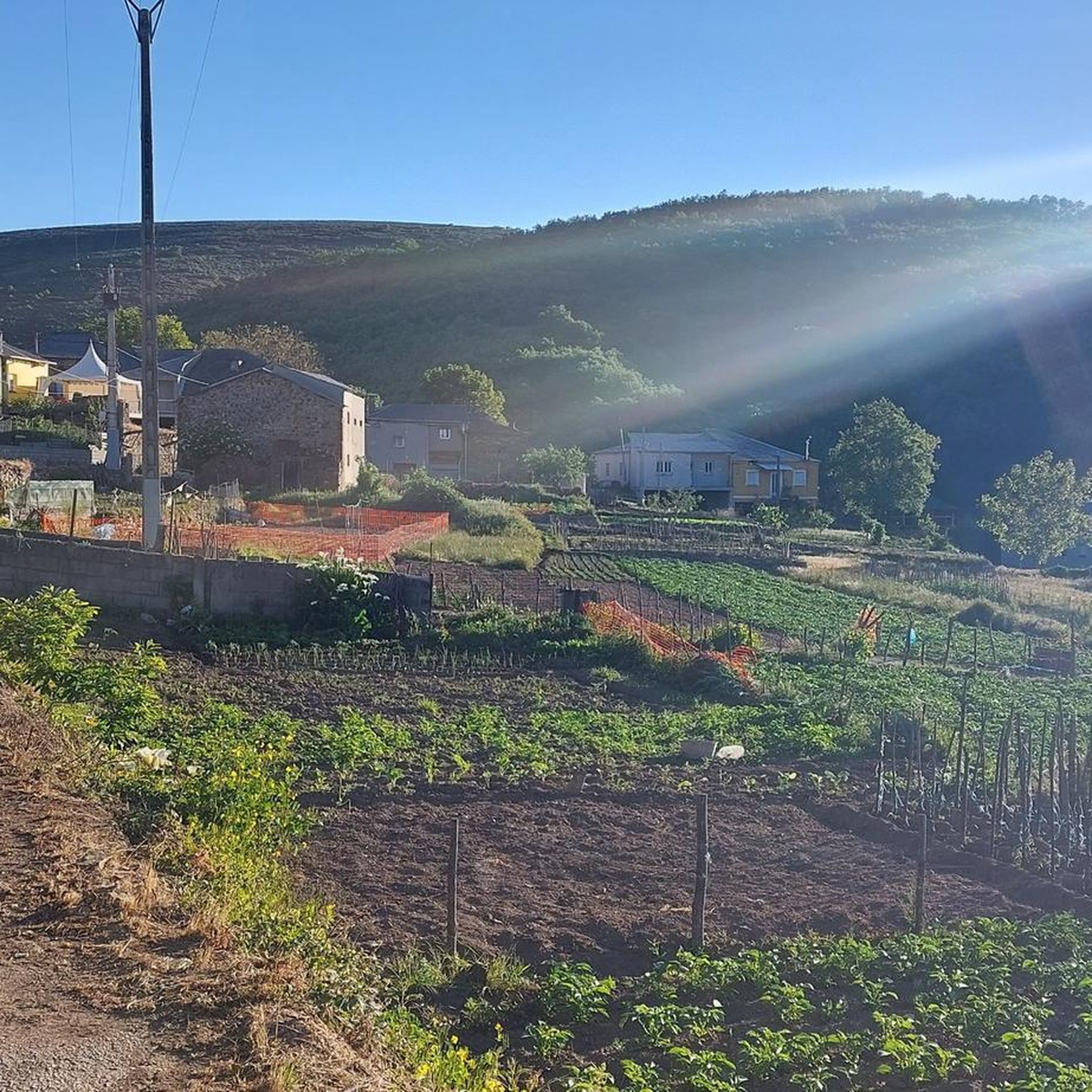
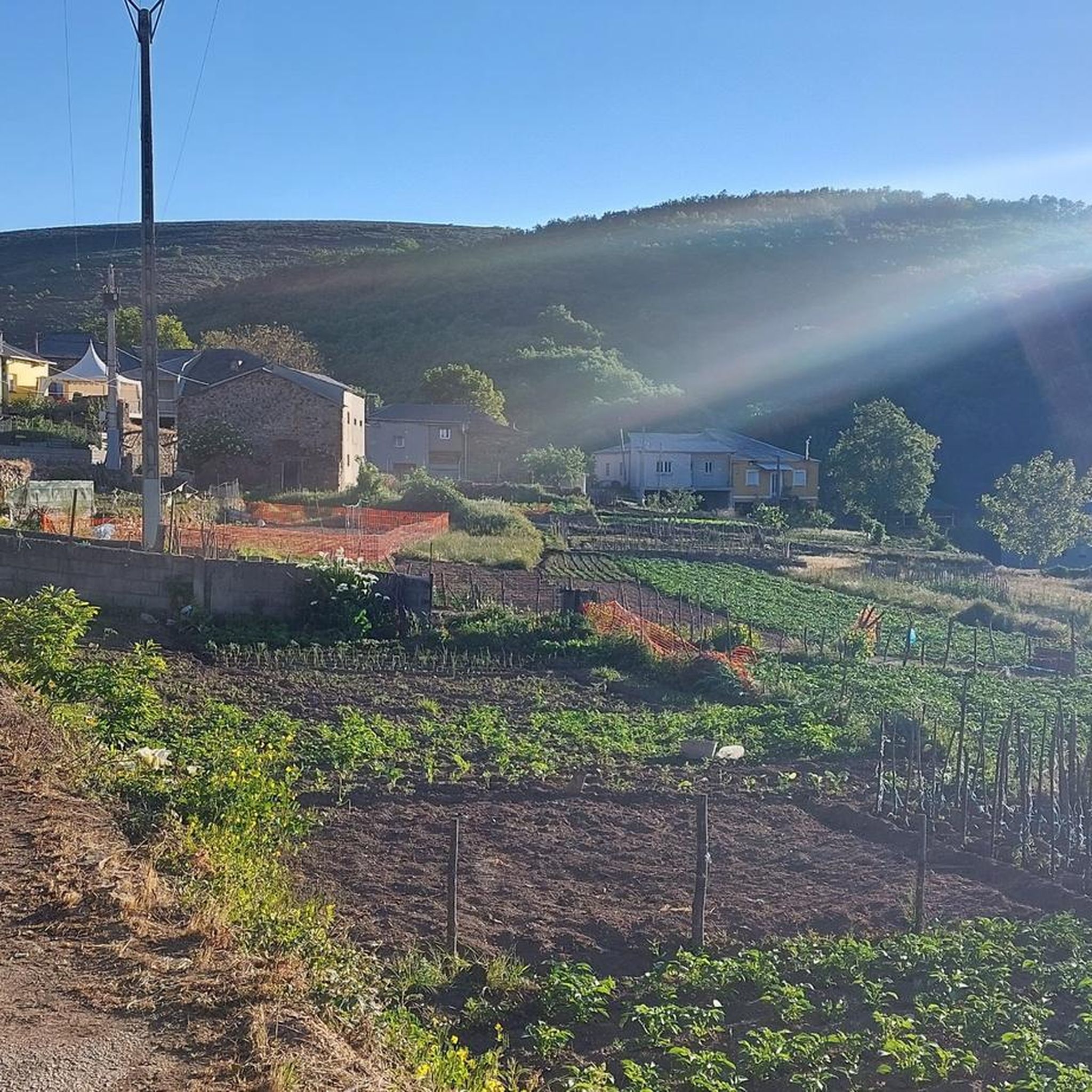
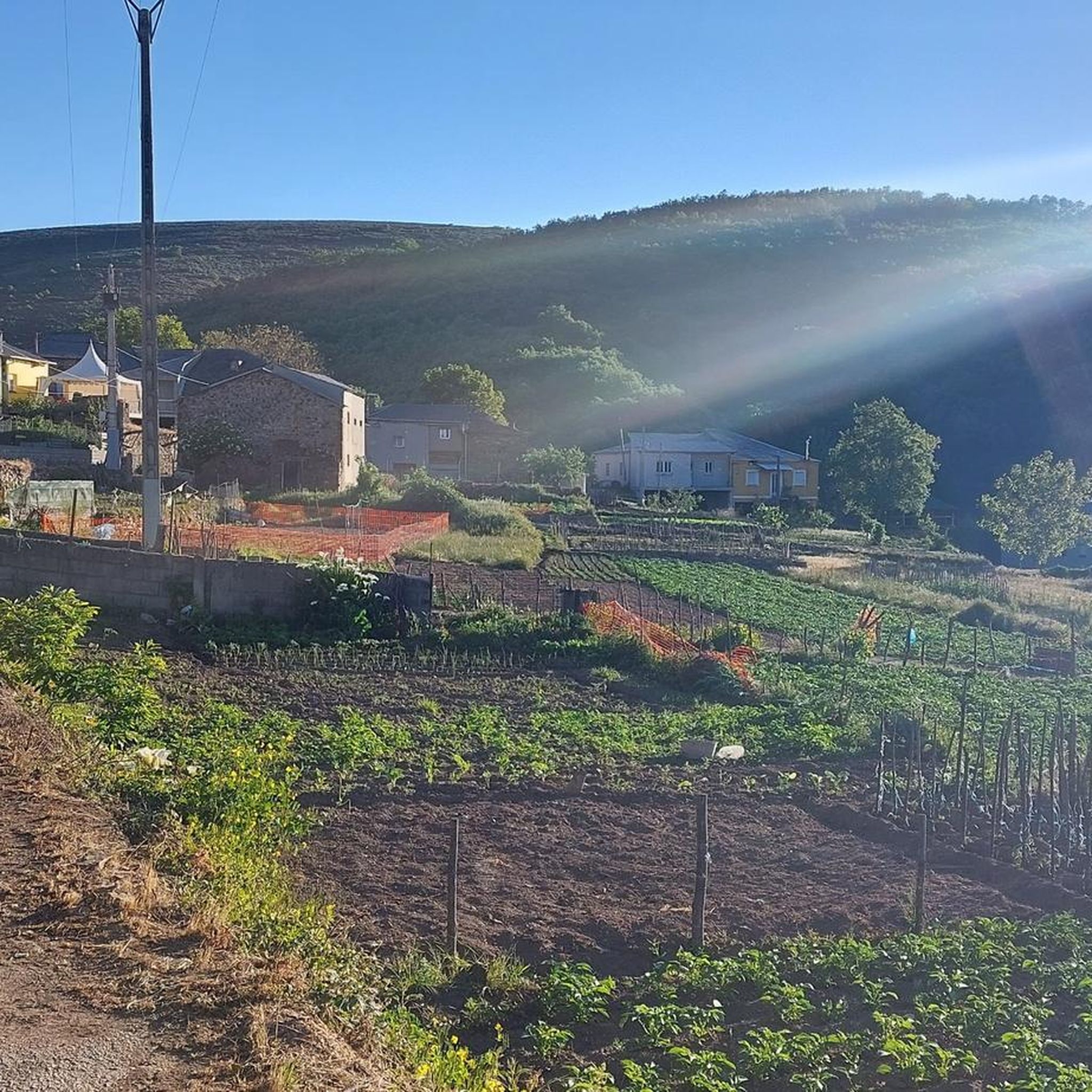
Pereda de Ancares is a small, picturesque village in León, surrounded by mountains that preserve the rural essence of the area. It is characterized by its stone and slate houses, along with traditional granaries.
1
0
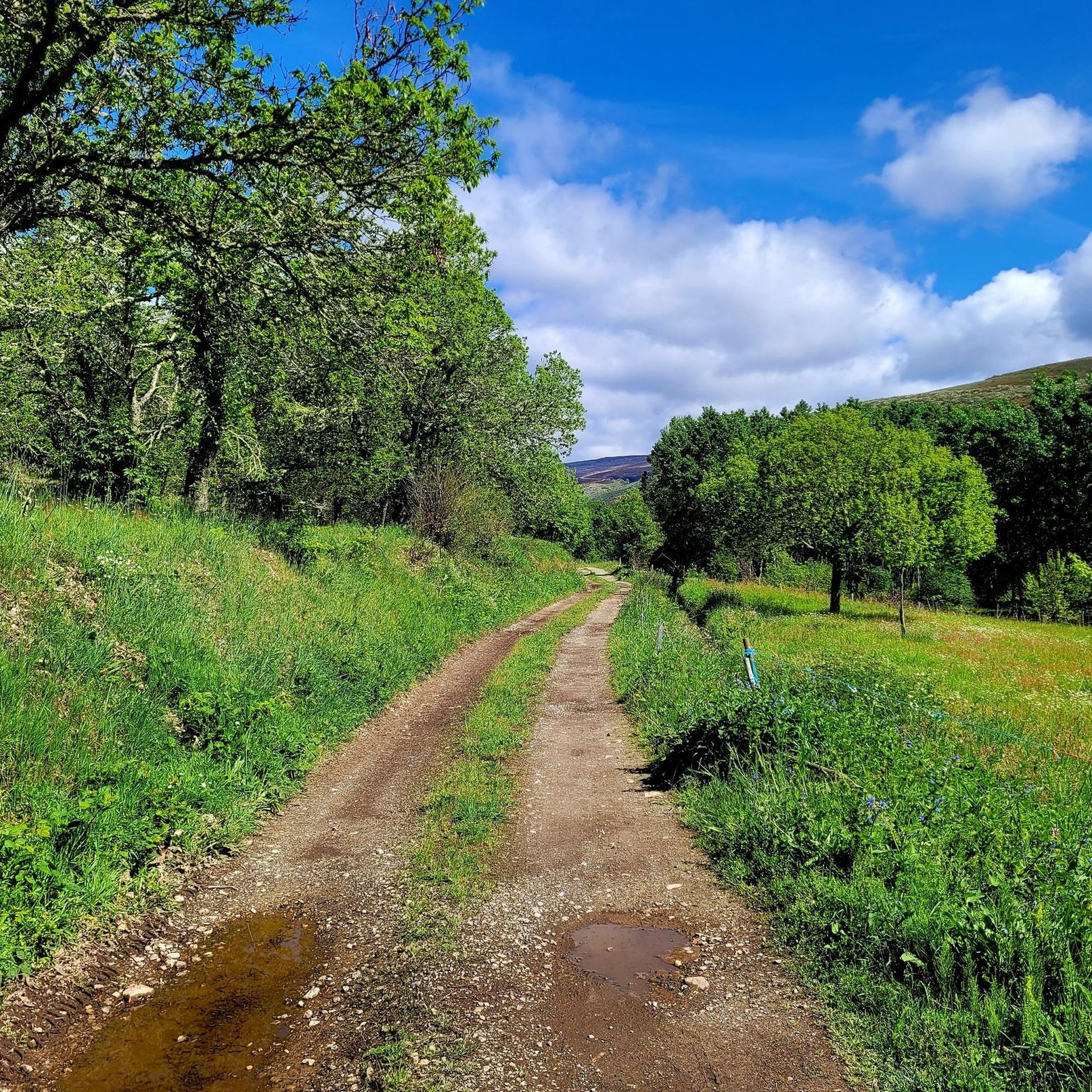
The Ancares Pass from Pereda de Ancares is one of the toughest and most spectacular climbs in the Cantabrian Mountains. It's a pass that has become legendary thanks to La Vuelta.
1
0

The Cerredo Pass is located on the regional border between Asturias and Castile and León. Its mountain setting with endless views is breathtaking.
0
0

It's one of the many border crossings between Asturias and León. In this case, it connects Villablino with the town of Cerredo and, above all, Degaña. It's a very pretty pass and a great alternative to the Leitariegos Pass for entering Asturias. It's easier than the Leitariegos Pass and definitely has less traffic. Both sides are very similar, with just 5 km of fairly challenging terrain. The Asturian side has a couple of tough kilometers at 7% gradient as it leaves the town of Cerredo. The León side is more consistent, with more curves and better views.
0
0

This climb is a must if you're touring the area. It's seven and a half kilometers long, with the gradient concentrating on the final section. You ascend nearly 700 meters and face 19% gradients in a unique setting.
0
0

At the end of the 11th century, Osmundo, Bishop of Astorga, ordered the construction of a bridge (partly made of iron = pons ferrata) over the Sil for the pilgrims on the Way of St. James, near which a settlement was built. At the "pons ferrata", the iron bridge, the Knights Templar built a huge castle on a surface area of 160 x 90 m to protect the pilgrims on the Way of St. James. The medieval castle complex was inhabited by the Knights Templar from 1178 to 1312. Source: Wikipedia
5
0

The Templars' heyday from the 12th to 14th centuries led to the construction of this mighty fortress, among other things to protect the pilgrims on the Way of St. James. The rampart on the city hill stands out impressively against the mountain backdrop and absolutely conforms to the stereotypical image of a knight's castle. It is sensationally well maintained and a feast for the eyes.
6
0

The order, often referred to simply as the "Order of the Knights Templar," whose full name is "Poor Knights of Christ and of Solomon's Temple in Jerusalem," takes us mentally back to the 13th century. Founded in the Holy Land, it spread surprisingly quickly to many countries in Central Europe, and this castle complex in Ponferrada, northern Spain, was one of its numerous branches. The order gained notoriety through its dissolution in 1312 by the French king and the pope, and many of its members were burned at the stake as alleged heretics. The main reason for the dissolution, however, was not the members' human and religious misconduct (heresy), which was merely a pretext, but the legendary wealth of this order. King Philip IV of France primarily wanted to secure the treasures to bolster his coffers.
6
0
Frequently Asked Questions
How many road cycling routes are available around Vega De Espinareda?
There are over 25 road cycling routes around Vega De Espinareda, offering a variety of options for different skill levels. The komoot community has explored these routes extensively, with over 290 road cyclists using komoot to discover the area.
What are the difficulty levels of road cycling routes in Vega De Espinareda?
The routes cater to all skill levels. You'll find easy rides, 15 moderate paths, and 10 difficult routes with significant elevation gains, ensuring there's a challenge for every cyclist.
Are there easy road cycling routes suitable for families or beginners?
Yes, Vega De Espinareda offers 3 easy road cycling routes, perfect for families or those new to road cycling. These routes typically feature gentler gradients and less demanding terrain, allowing for a relaxed exploration of the scenic surroundings.
What kind of terrain can I expect on road cycling routes around Vega De Espinareda?
The terrain is quite varied, ranging from well-paved surfaces suitable for all skill levels to routes with significant elevation changes, including challenging ascents. You'll cycle through river valleys, such as the Cúa River valley, and extensive oak and pine forests, providing diverse and scenic backdrops.
Are there challenging road cycling routes for experienced cyclists?
Absolutely. For experienced cyclists seeking a challenge, there are 10 difficult routes with substantial elevation gains. For example, the Pereda de Ancares – Puerto de Ancares loop from Fabero is a demanding 66.9 km route with over 1,700 meters of elevation gain, while the Puerto de Ancares – Ancares Pass loop from Valle de Ancares covers 123.2 km with over 3,800 meters of ascent.
What natural features can I see while cycling in this region?
You'll encounter stunning natural beauty, including the Los Ancares Leoneses Biosphere Reserve, the picturesque Cúa River valley, and dense oak and pine forests. Many routes offer privileged views of the river valleys and pass through serene woodlands, providing a refreshing escape into nature.
Are there any historical landmarks or attractions along the road cycling routes?
Yes, the region is rich in historical sites. You can integrate cultural stops into your rides, such as the charming Monastery of San Andrés and the photogenic Roman bridge in Vega de Espinareda. Further afield, routes might pass by landmarks like Villafranca del Bierzo Castle or the Church of Santiago (Holy Door of Forgiveness) in Villafranca del Bierzo.
Can I find circular road cycling routes in the Vega De Espinareda area?
Yes, many of the road cycling routes around Vega De Espinareda are designed as loops, allowing you to start and finish in the same location. Examples include the Puente del Centenario – Ponferrada Castle loop from Fabero and the View of Fabero – Toreno loop from Fabero, offering convenient circular journeys.
What is the best time of year for road cycling in Vega De Espinareda?
The region is generally pleasant for cycling, with oak and pine forests offering cooler environments during warmer months. Spring and autumn typically provide ideal conditions with mild temperatures and vibrant scenery. While specific seasonal conditions vary, the diverse terrain means there are routes enjoyable across much of the year.
Is parking available for cyclists in Vega De Espinareda?
Yes, Vega de Espinareda and surrounding towns offer various parking options. Many routes start from accessible points, and you'll find parking facilities in the main villages, making it convenient to begin your cycling adventure.
What do other cyclists enjoy most about road cycling in Vega De Espinareda?
The area is highly rated by the komoot community, with an average score of 4.8 stars from over 10 reviews. Cyclists often praise the diverse landscapes, the mix of challenging climbs and scenic descents, and the opportunity to explore both natural reserves and historical sites.
Are there places to stop for refreshments or picnics along the routes?
Yes, the region features several recreational and picnic areas. For instance, Merendero Corral de los Lobos and Merendero Corral de las Cabras offer pleasant spots for a break. Additionally, towns along the routes, such as Vega de Espinareda itself, provide cafes and local establishments where cyclists can refuel.
Most popular attractions around Vega De Espinareda

Get inspired with the komoot mobile app


Explore more
Browse the best Road cycling routes in other regions.
