Attractions and Places To See around Cabranes - Top 20
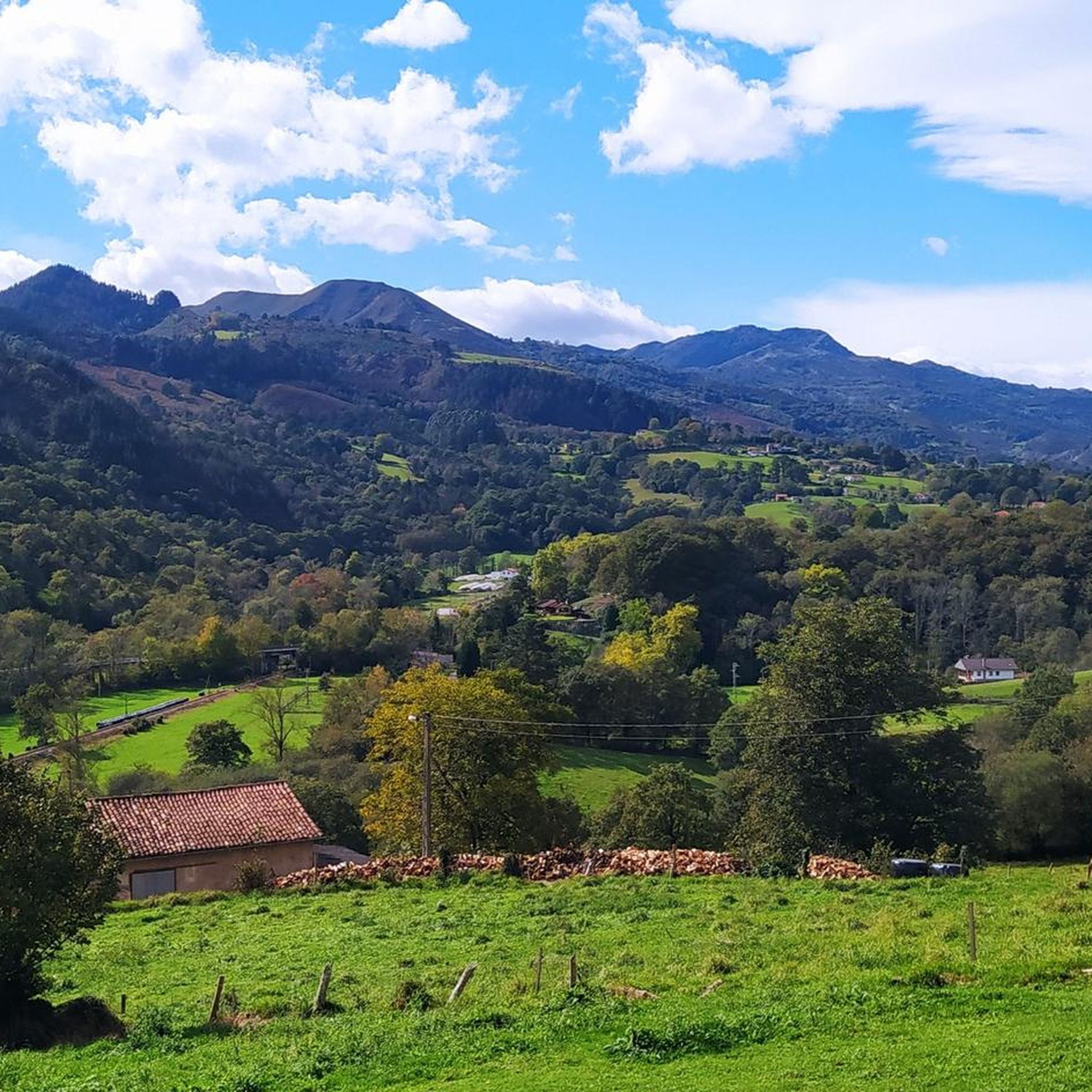
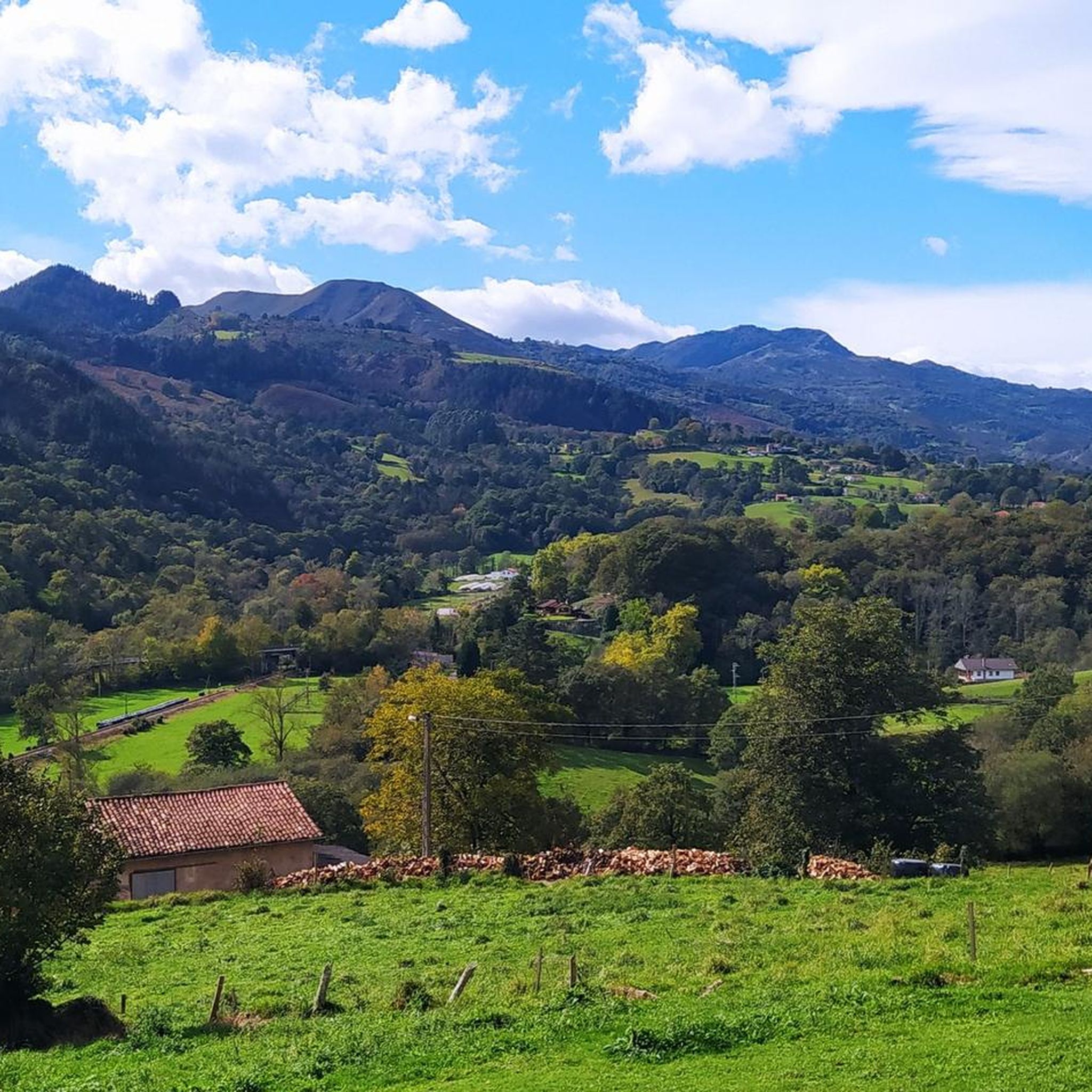
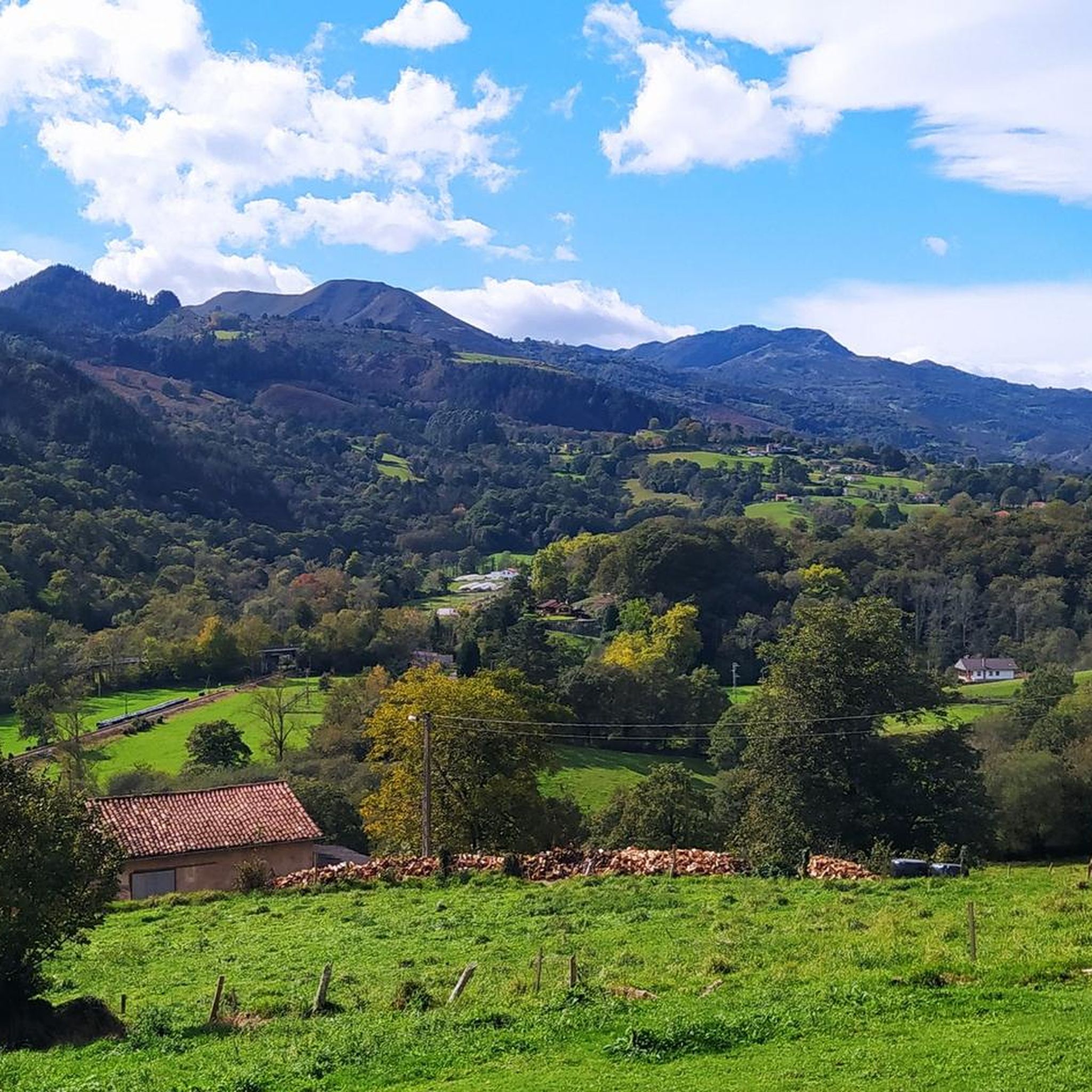
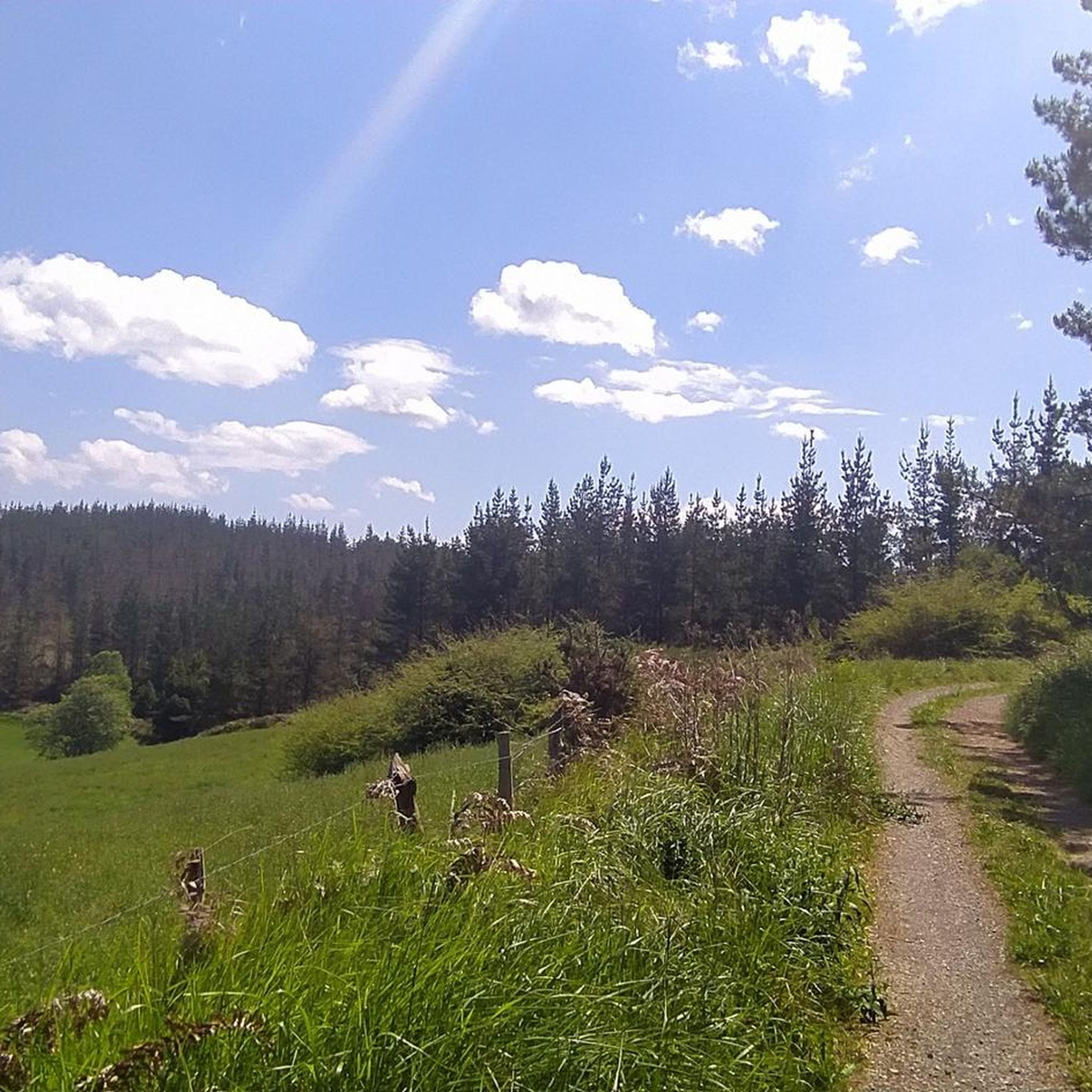
Attractions and places to see around Cabranes, a municipality in Asturias, Spain, include historical landmarks, cultural sites, and natural features. The region is characterized by its rural environment, featuring forests, meadows, and mountains. Visitors can explore traditional Asturian architecture and sites of historical significance. Cabranes offers a variety of places to visit that showcase its heritage and landscapes.
Best attractions and places to see around Cabranes
- The most popular attractions is Church of San Salvador de Priesca, a religious…
Last updated: July 6, 2026
Church of San Salvador de Priesca
Highlight • Religious Site
Translated by Google •
Tip by

Town Hall Square
Highlight • Monument
Translated by Google •
Tip by

Sign up now to discover places like this
Get recommendations on the best single tracks, peaks, & plenty of other exciting outdoor places.
Sign up for free
Monastery of Santa María de Valdediós
Highlight • Religious Site
It will be inhabited by 15 …
Translated by Google •
Tip by
Villaviciosa
Highlight • Settlement
Tip by

Villaviciosa Covered Market
Highlight • Structure
**Plaza de Abastos (Covered Market):**
* Located in the center, in an iron structure from the early 20th century.
* …
Translated by Google •
Tip by

Sign up for free to discover even more attractions around Cabranes.
Sign up for free
Already have an account?
Start today with a free account
Your next adventure awaits.
Login or Signup
Tips from the Community

The Villaviciosa Town Hall building is a building steeped in history and remarkable features. Location: Town Hall Square, in the heart of Villaviciosa. Style: Eclectic architecture with elements reflecting different eras. History: The original building dates from the 17th century, although it has undergone several renovations and expansions over time, especially in the 19th and 20th centuries. Characteristics: It features a sober and elegant main façade, with balconies and ornamental elements characteristic of the period of its renovation. The Villaviciosa coat of arms stands out on its frontispiece. Functions: Houses the administrative and political offices of the Villaviciosa municipal government. Significance: It is a symbol of civil power and an important landmark for the residents of the municipality.
1
0
The Villaviciosa market offers a variety of options and types: **Plaza de Abastos (Covered Market):** * Located in the center, in an iron structure from the early 20th century. * Open year-round with **regular morning hours**. * Featuring **fresh, local produce**: fruits, vegetables, meats, fish, dairy products, and other foods. * Also used for events such as fairs and workshops. *Weekly Market: Held on Thursdays, Saturdays, and Sundays from 9:00 a.m. to 3:00 p.m. Location: around the Plaza de Abastos. Offers a variety of products, including clothing, footwear, accessories, crafts, flowers, garden produce, and other items. Themed and Artisan Markets: Specific events are organized throughout the year. Examples: Artisan and Organic Market, Blueberry and Red Fruit Market, Christmas Market. They are usually located in Parque del Pelambre or other central areas. They offer artisanal, organic, and local products, often accompanied by workshops and activities.
1
0

Lots of space, beautiful houses, benches to rest on the pilgrimage route.
1
0
Old church worth seeing.
0
1

The Town Hall is one of the places that attracts the most attention. The building was inaugurated in 1906 and is the work of the architect Antonio Suardíaz Valdés. The square is popularly known as "el Güevu" due to the ovoid shape it had until the last reform. The square is the setting for most of the festivities that are held in the town.
1
0

Villaviciosa, port town, Asturias provincia (province) and comunidad autónoma (autonomous community), northwestern Spain, in the Costa Verde resort area. The town is a fishing port northeast of Oviedo city, where the Villaviciosa Inlet enters the Bay of Biscay. Used by the ancient Romans as a landing place, it was first called Tierra de Maliayo or Maleayo (“Corrupt Land”), which evolved to Villaviciosa (“Town of Vices”). Alfonso X gave it a charter in 1308. Charles I of Spain (Holy Roman Emperor Charles V) landed in 1517 at nearby Tazones when he arrived from Flanders to take possession of Castile; the Casa de Hevia, where he stayed, is still preserved. The area is famous for its ecclesiastical architecture, notably the Church of Santa María de Villaviciosa (13th century) and the convent of Valdediós (8th century). Economic activities, apart from fishing and tourism, include the production of sparkling cider and apple by-products, dairy foods, and chocolate. Pop. (2007 est.) mun., 14,520. https://www.britannica.com/place/Villaviciosa
2
0

Very nice smaller place with many small restaurants and shops, good Astorian cuisine - less tourist flow - good to stay a few days...
1
0

Beautiful hike on the Camino del Norte. The paths are each marked with yellow arrows or on the ground with the typical Camino shell. There are various hostels for pilgrims or possibly hotels. I chose Hotel. Overnight in Villaviciosa at Hotel Casa Espana. Hotel recommended, right on the Way of St. James. Villaviciosa is a very nice town with everything you need.
2
0
Frequently Asked Questions
What historical and cultural sites can I explore in Cabranes?
Cabranes is rich in history and culture. You can visit the pre-Romanesque Church of San Salvador de Priesca, consecrated in 921, or the medieval Monastery of Santa María de Valdediós, founded in 1200. Other notable sites include the 12th-century Iglesia de San Julián de Viñón, the Museum of the Rural School of Asturias in Viñón, and the 9th-century Iglesia Parroquial de Gramedo, one of the oldest churches in Asturias. Don't miss the charming town of Torazo, known for its traditional Asturian and 'Indiano' architecture.
Are there any natural attractions or scenic viewpoints in Cabranes?
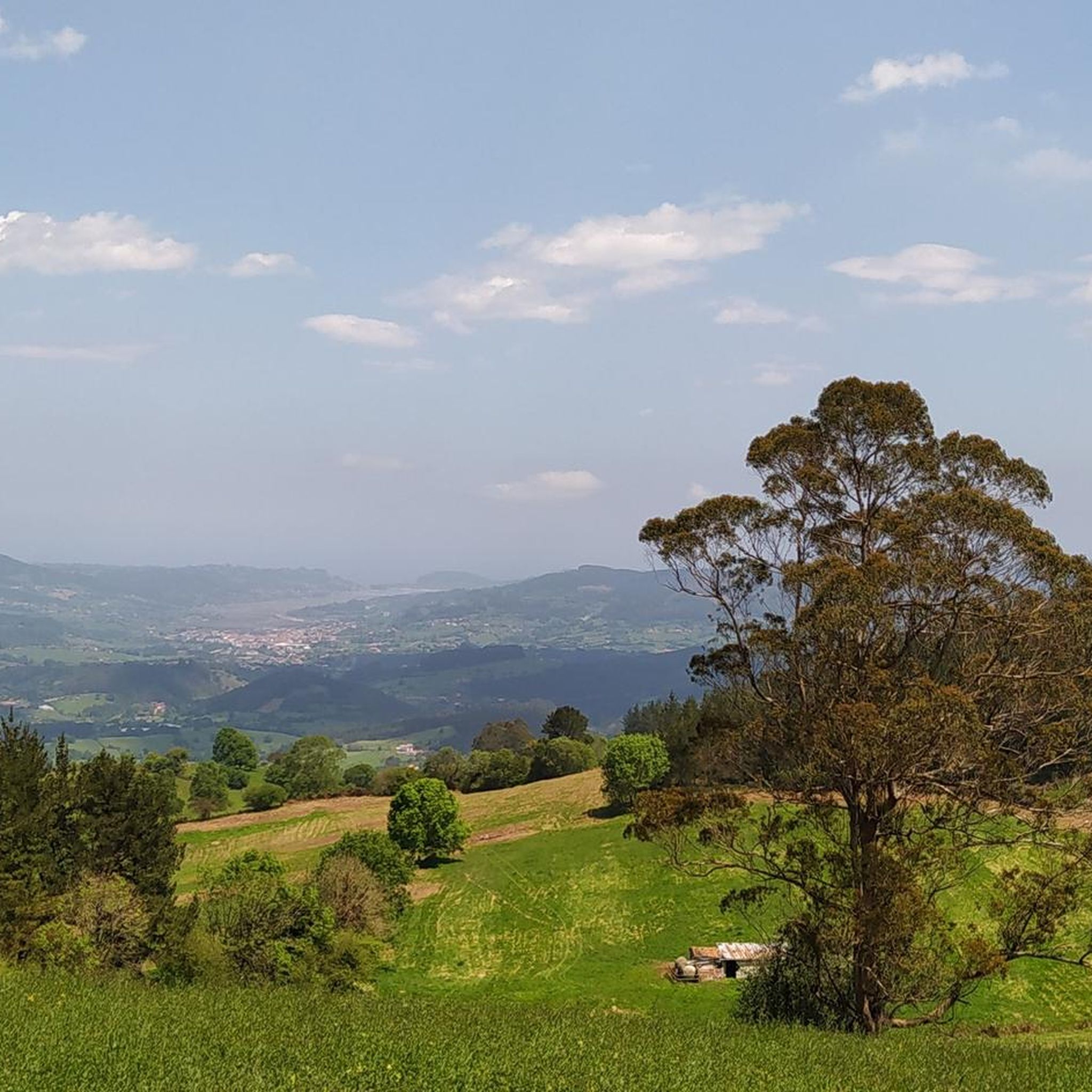
Yes, Cabranes offers beautiful natural landscapes. You can visit the Fuensanta Natural Mineral Spring, which has a history dating back to Roman times. The region features lush forests, meadows, and gentle mountains with scenic routes like 'The Route of Peñacabrera' and 'La Coroña de Castru,' offering panoramic views of the Picos de Europa, Sierra del Sueve, and the Cantabrian coast. The Ría de Villaviciosa, a partial nature reserve, is also nearby.
What outdoor activities are available around Cabranes?
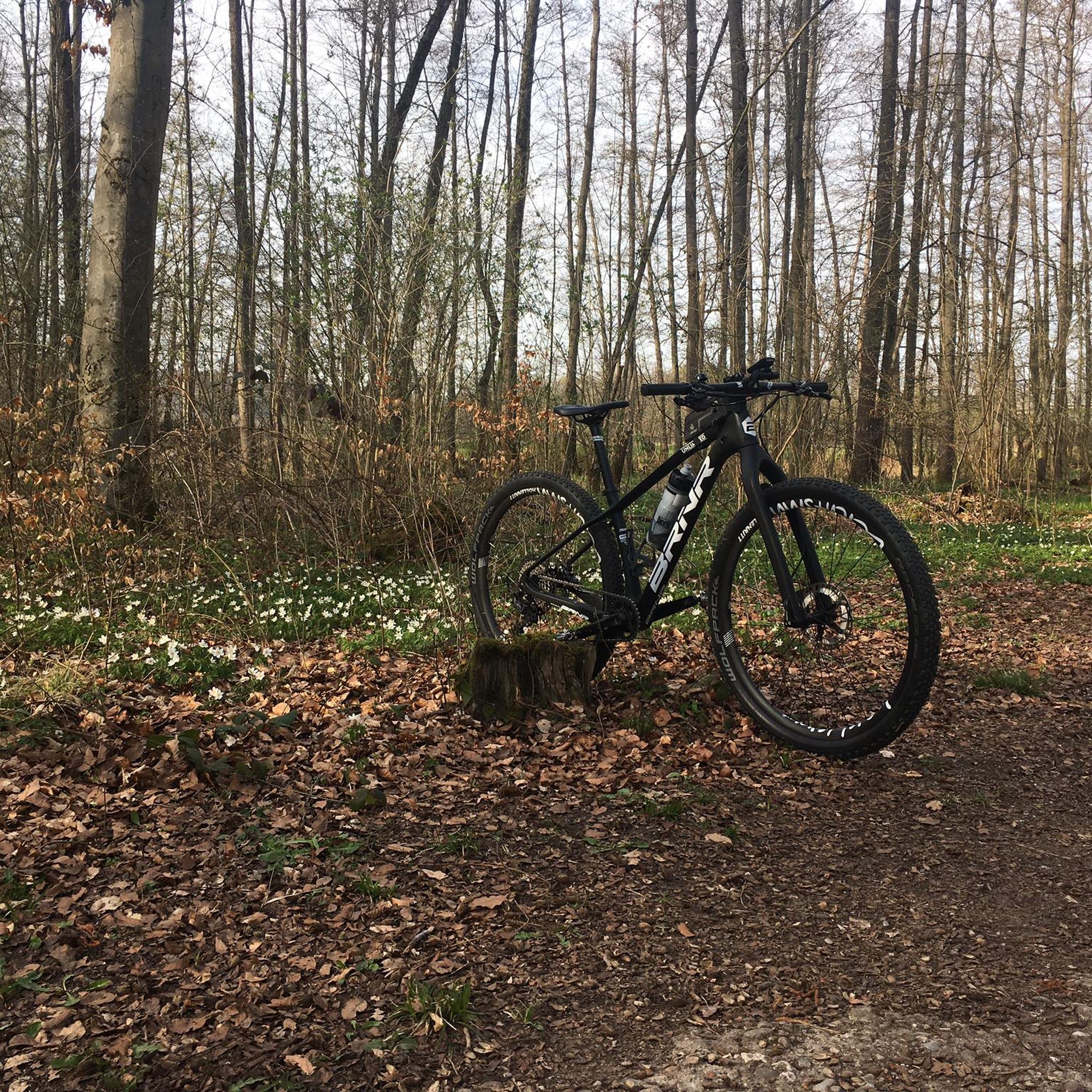
Cabranes is ideal for outdoor enthusiasts. You can enjoy hiking on trails like the 'Pendón River Gorges Trail' or the 'Peña Cabrera Route.' For cycling, there are numerous MTB and gravel biking routes, including 'Nava, Fuensanta, Camino de los Pilones, La Vega Ceceda – ruta circular' for MTB and 'Descent to Collada Aniciu Road – Les Praeres Ascent from Nava loop from Nava' for gravel biking. Find more routes and details on the Hiking around Cabranes, MTB Trails around Cabranes, and Gravel biking around Cabranes guide pages.
Are there family-friendly attractions in Cabranes?
Absolutely. The Town Hall Square in Villaviciosa is a central point for local festivities and a pleasant spot for families. The Fuensanta Natural Mineral Spring is also considered family-friendly, offering a historical site amidst nature. Many of the easier hiking trails, such as the 'Grases and the Valdediós river — circular from Amandi,' are suitable for families.
What is the best time of year to visit Cabranes for outdoor activities?
The best time to visit Cabranes for outdoor activities is generally during spring (April to June) and autumn (September to October). During these seasons, the weather is typically mild and pleasant for hiking and cycling, and the natural scenery is particularly vibrant with blooming flowers or autumn colors. Summer can also be enjoyable, though it can be warmer.
What kind of traditional architecture can I see in Cabranes?
Cabranes is known for its traditional Asturian architecture. Throughout the municipality, you can observe numerous farmhouses, 'quintanas' (country estates), 'hórreos' (raised granaries), and 'paneras' (larger granaries). Many of these structures feature the distinctive Villaviciosa style decoration from the 16th, 17th, and 18th centuries. The town of Torazo is particularly noted for its blend of traditional and grand 'Indiano' houses.
What is the significance of Villaviciosa near Cabranes?
Villaviciosa is a charming port town northeast of Oviedo, historically known as 'Tierra de Maliayo.' It was used by ancient Romans and received its charter in 1308. The town is famous for its ecclesiastical architecture, including the 13th-century Church of Santa María de Villaviciosa and the convent of Valdediós. It's also a hub for cider production and offers a variety of small restaurants and shops.
Are there any museums in Cabranes?
Yes, Cabranes hosts a couple of interesting museums. The Museum of the Rural School of Asturias (Museo de la Escuela Rural), located in Viñón, offers a chronological journey through the history of education in Asturias. Also in Viñón, you can find the Museum of Asturian Popular Ceramics (Museo de Cerámica Popular Asturiana de Leopoldo Palacio), which provides insight into daily life in a rural Asturian home.
What culinary experiences can I find in Cabranes?
Cabranes celebrates its culinary traditions with festivals like the 'Festival del Arroz con Leche' (Rice Pudding Festival) in Santolaya. The local gastronomy emphasizes traditional Asturian fare, including hearty stews, Asturian beef, fresh fish, and, of course, cider. Being part of the 'Comarca de la Sidra' (Cider Region), you'll find plenty of opportunities to enjoy local cider.
Can I find easy walking routes around Cabranes?
Yes, there are several easy walking routes suitable for a relaxed stroll. For example, the 'Grases and the Valdediós river — circular from Amandi' is an easy hike. Many of the scenic routes through forests and meadows offer gentle terrain. You can find more details on the Hiking around Cabranes guide page.
What do visitors enjoy most about the attractions around Cabranes?
Visitors appreciate the blend of historical significance and natural beauty. The ancient churches like San Salvador de Priesca are valued for their history and architecture. The peaceful, rural environment, with its abundant native forests and scenic trails, is also a major draw for those seeking tranquility and impressive panoramic views.
Most popular routes around Cabranes
Most popular attractions around Cabranes

Get inspired with the komoot mobile app


Explore more
Still not found the Highlight you’re looking for? See guides of the top attractions in other regions:
