Attractions and Places To See around Dosbarrios - Top 20
Best attractions and places to see around Dosbarrios include a variety of historical, cultural, and natural sites. The municipality in the province of Toledo features well-preserved religious and civic architecture. Visitors can explore ancient churches, convents, and town squares, alongside natural viewpoints and lagoons. The area offers a glimpse into Spanish history and culture.
Best attractions and places to see around Dosbarrios
- The most popular attractions is Church of Nuestra Señora de la Asunción (Tembleque), a religious building that…
Last updated: July 7, 2026
Church of Nuestra Señora de la Asunción (Tembleque)
Highlight • Religious Site
Translated by Google •
Tip by

La Guardia
Highlight • Settlement
Translated by Google •
Tip by
Sign up now to discover places like this
Get recommendations on the best single tracks, peaks, & plenty of other exciting outdoor places.
Sign up for free
Plaza Mayor of Tembleque
Highlight • Historical Site
Translated by Google •
Tip by
Casa de las Torres
Highlight • Historical Site
Translated by Google •
Tip by
Villatobas
Highlight • Settlement
Translated by Google •
Tip by
Sign up for free to discover even more attractions around Dosbarrios.
Sign up for free
Already have an account?
Start today with a free account
Your next adventure awaits.
Login or Signup

Tips from the Community

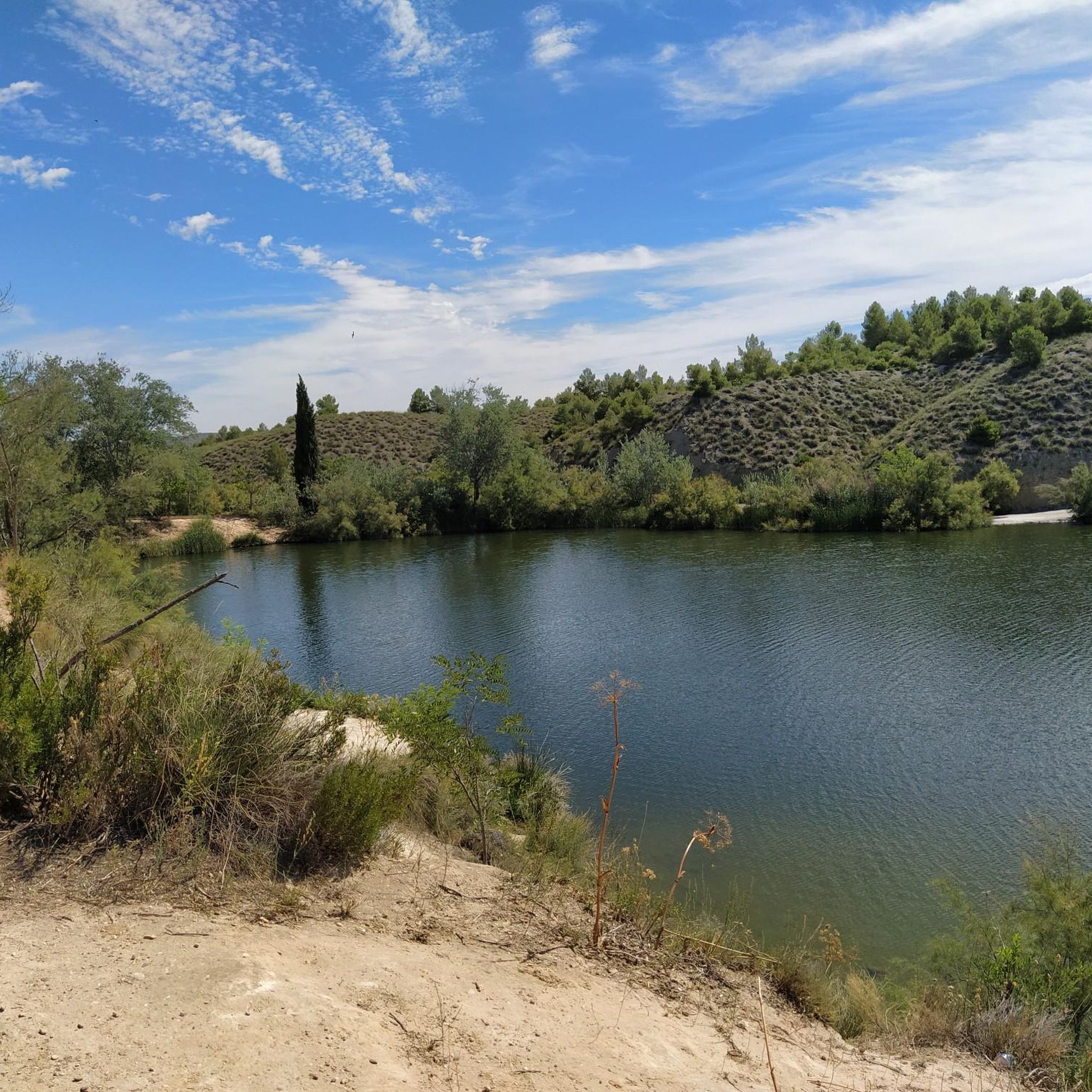
What to see in La Guardia (Toledo) Palace-House of the Jaenes (Ethnological Museum) Church of Our Lady of the Assumption Hermitage of the Holy Child Historic town center and castle ruins Cave houses and dwellings carved into the rock Natural surroundings of the Cedrón Stream and the La Guardia Lagoon Wineries and wine from the Campo de La Guardia region Main Square
12
0
La Guardia is considered a small town, but surprisingly rich in heritage, ideal for a peaceful getaway from Madrid or Toledo. Its hilltop location affords panoramic views, streets steeped in history, and a distinctive character. Although it seems like a town you could visit in a morning, it holds more history, architecture, and scenery than meets the eye. Furthermore, it's part of a renowned wine-producing region: within its boundaries lies the Pago Campo de La Guardia vineyard, a wine with a protected designation of origin, adding value for wine tourism enthusiasts.
13
0
The Plaza Mayor of Tembleque, located in the province of Toledo, is one of the most outstanding examples of Castilian popular Baroque and an architectural gem of La Mancha. Construction: Completed in 1598, following the layout of traditional comedy theaters and inns.
14
0
Villatobas is a municipality with a rich history that dates back to ancient times. Archaeological studies indicate that the area was inhabited from the 4th or 3rd century BC by various peoples. The first written record of Villatobas appears in the charter of Montealegre in 1219, where it is mentioned as "Villa de Tobas" Villatobas was also the scene of important events during the War of Independence in the 19th century. Over the centuries, it has managed to preserve its historical heritage, including its parish church dedicated to San Juan Bautista and the ruins of its 13th-century castle.
5
0
At the same entrance is the Cross of the Fallen of Tembleque.
28
0
The church of Our Lady of the Assumption of Tembleque owes its construction to the expedition to Oran in 1509, commanded by Cardinal Cisneros. Indeed, in gratitude for the million maravedíes and the company of soldiers supplied by the town of Tembleque, Cisneros made large donations for the construction of the temple, to which were added the contributions of the Priors of San Juan and those of the residents of San Juan. Wobbly. It is a transitional building between Gothic and Renaissance. Essentially built in the first half of the 16th century, the modifications carried out between 1582 and 1596 were supervised by Nicolás Vergara el Mozo. It has a Latin cross plan, a single nave of considerable height and a polygonal head. The factory is made of ashlar with powerful buttresses on the outside.
39
0
In it we can find the tourist office and the Town Hall.
29
0
Typically La Mancha building, with a square floor plan with a porch of granite columns and corridors on the upper floor, with supports and ornamentation made of wood following the orientations of popular constructions from the 17th century. Designed to fulfill a double function, the pure urban planning and center of life of the population and that of a bullring, so the corridors on its two upper levels are open. On one side is the Town Hall, built in 1654.
34
0
Frequently Asked Questions
What historical and cultural sites can I explore in Dosbarrios?
Dosbarrios is rich in history. You can visit the Iglesia Santo Tomás Cantuariense, a 13th-century church with a Baroque altarpiece and paintings by Juan Correa de Vivar. The restored Convento de Trinitarios Calzados, a Site of Cultural Interest, also offers cultural activities. Don't miss the Plaza Mayor with its historic town hall and the 16th-century Pósito building, which was once a grain warehouse. Other notable sites include the Ermita de la Virgen del Rosario with its Baroque decoration, the unique Historia de la Fuente, and the early 16th-century Casa de la Tercia.
Are there any natural attractions or viewpoints in the area?
Yes, Dosbarrios offers natural beauty. The Cuevas de San Juan are partially underground constructions that provide extraordinary panoramic views of the Cedrón river valley and the Mesa de Ocaña. Additionally, the Lagunas del arroyo Cedrón form a beautiful green area where you can observe numerous migratory birds.
What are some family-friendly activities or places to visit near Dosbarrios?
For family-friendly options, consider visiting La Guardia, a settlement known for its historic town center, castle ruins, and cave houses, offering a blend of history and architecture. Another option is Villatobas, a municipality with a rich history, including its parish church and 13th-century castle ruins. The Plaza Mayor of Tembleque is also a great spot for families to experience local culture and architecture.
What outdoor activities can I do near Dosbarrios?
The area around Dosbarrios is great for outdoor enthusiasts. You can find various routes for different activities. For road cycling, explore routes like 'Villatobas, Lillo and La Guardia – circular from Dosbarrios'. If you enjoy running, consider the 'North La Guardia Lagoon Trail'. Hikers can discover trails such as 'North Lagoon-La Guardia Trail' or the 'Sources of Cabañas de Yepes - circular route'. You can find more details on these and other routes in the Road Cycling Routes, Running Trails, and Hiking around Dosbarrios guides.
Are there any notable religious buildings to visit?
Absolutely. The Iglesia Santo Tomás Cantuariense in Dosbarrios is a significant 13th-century church. Nearby, the Church of Nuestra Señora de la Asunción (Tembleque) is a must-see, featuring a transitional Gothic and Renaissance style, largely funded by Cardinal Cisneros in the 16th century. The Ermita de la Virgen del Rosario also stands out with its exuberant Baroque decoration.
What are some architectural highlights in the region?
Beyond the religious sites, the region boasts impressive architecture. The Casa de las Torres is an 18th-century Baroque-style palace-house with a distinctive central patio and Tuscan stone columns. The Plaza Mayor in Dosbarrios features a whitewashed town hall and the robust 16th-century Pósito building. The Plaza Mayor of Tembleque is another architectural gem, known for its 17th-century La Mancha building style.
Can I find any ancient ruins or castles in the vicinity?
Yes, for those interested in ancient structures, the remains of the 11th-century Castillo de Monreal are a point of interest in Dosbarrios. Additionally, the settlement of La Guardia is known for its historic town center and castle ruins, offering a glimpse into the area's past.
What is the best time to visit Dosbarrios attractions?
Dosbarrios offers attractions year-round. For outdoor activities like hiking and exploring natural features, spring and autumn generally provide pleasant weather. Historical sites and cultural venues are accessible throughout the year, making Dosbarrios a versatile destination.
Are there any unique or 'hidden gem' type attractions in Dosbarrios?
Beyond the main attractions, Dosbarrios has some unique spots. The Cuevas de San Juan, with their partially underground construction and panoramic views, offer a distinctive experience. The Historia de la Fuente, a 'fountain of five spouts' with masonry attributed to Juan de Herrera, is another historical curiosity. The Casa de los Monos, named for the animals holding the shield on its facade, also adds a touch of unique local character.
What kind of historical significance does the region hold?
The region around Dosbarrios is steeped in history. Many sites reflect its past, from the Romanesque origins of the Iglesia Santo Tomás Cantuariense to the 16th-century funding by Cardinal Cisneros for the Church of Nuestra Señora de la Asunción (Tembleque). The Convento de Trinitarios Calzados dates back to 1591, and the Pósito building on the Plaza Mayor highlights its agricultural history. Settlements like Villatobas have archaeological evidence of habitation from as early as the 4th century BC.
Can I find places to observe wildlife or nature near Dosbarrios?
Yes, the Lagunas del arroyo Cedrón are an excellent spot for nature observation. This green area is known for attracting numerous migratory birds, making it a peaceful location for birdwatching and enjoying the local ecosystem.

Get inspired with the komoot mobile app


Explore more
Still not found the Highlight you’re looking for? See guides of the top attractions in other regions:
