The best cycling routes around Huerta De Rey
5.0
(1)
39
riders
20
rides
Touring cycling routes around Huerta De Rey traverse diverse landscapes within the Castile and León region of Spain. The area features the mountainous Sierra de la Demanda, characterized by pine forests and traditional stone villages, alongside glacial lakes in Lagunas Glaciares de Neila. A network of greenways, including sections of the Sierra de la Demanda Greenway, offers varied terrain from gentle gradients to challenging ascents. This region provides a mix of natural beauty and historical points of interest for cyclists.
…Last updated: July 12, 2026
3
riders
25.5km
02:03
190m
190m
Moderate bike ride. Good fitness required. Mostly paved surfaces. Suitable for all skill levels.
2
riders
16.6km
01:21
240m
240m
Moderate bike ride. Good fitness required. Mostly paved surfaces. Suitable for all skill levels.

Sign up for free
3
riders
Hard bike ride. Very good fitness required. Mostly paved surfaces. Suitable for all skill levels.
4
riders
82.4km
05:25
920m
920m
Hard bike ride. Very good fitness required. Mostly paved surfaces. Suitable for all skill levels.
2
riders
58.9km
03:34
510m
510m
Hard bike ride. Very good fitness required. Mostly paved surfaces. Suitable for all skill levels.
Get access to more routes and recommendations from other explorers.
Sign up for free
Already have an account?
Our route recommendations are based on thousands of hikes, rides, and runs completed by other people on komoot.
Start today with a free account
Your next adventure awaits.
Login or Signup
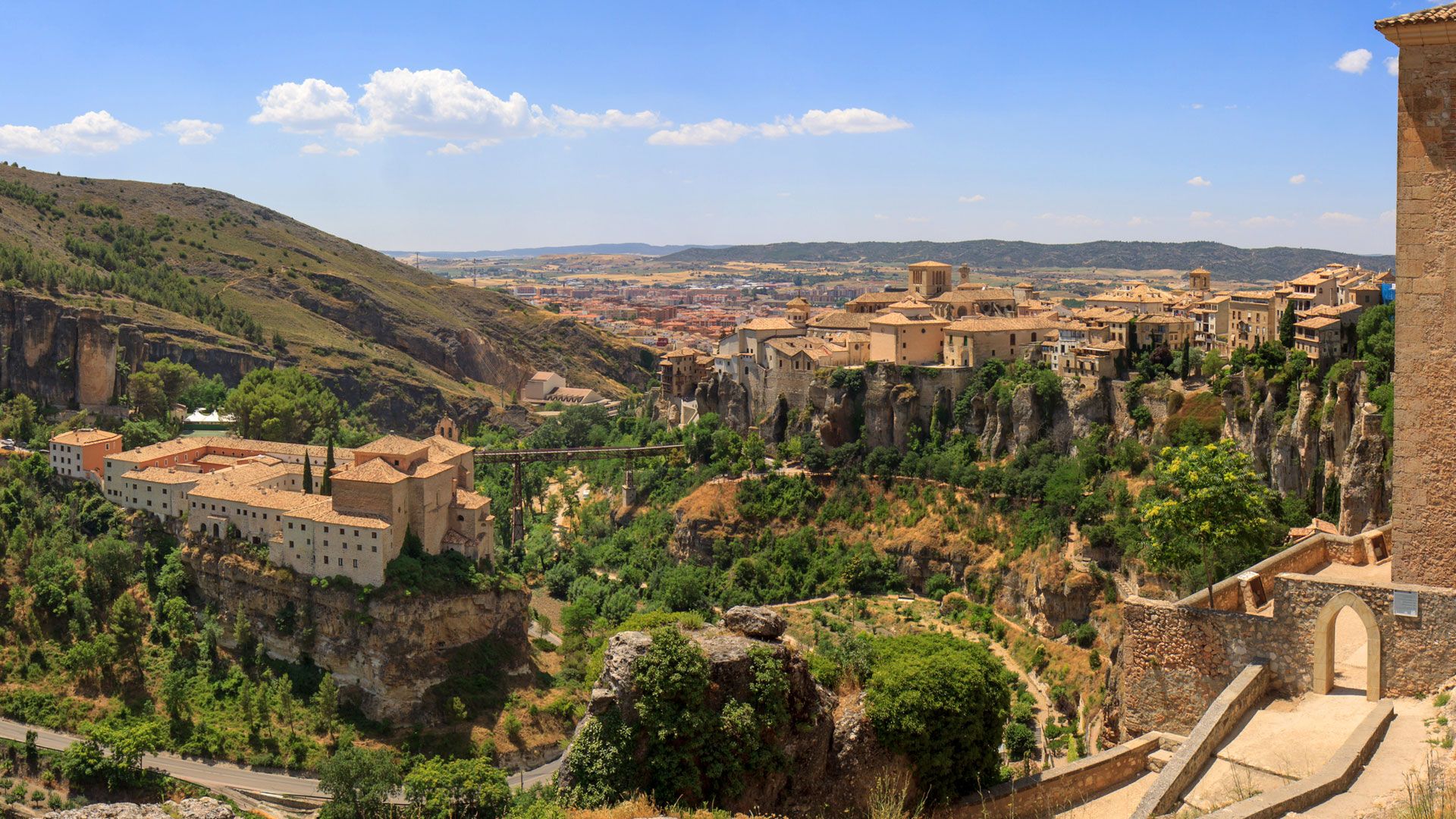
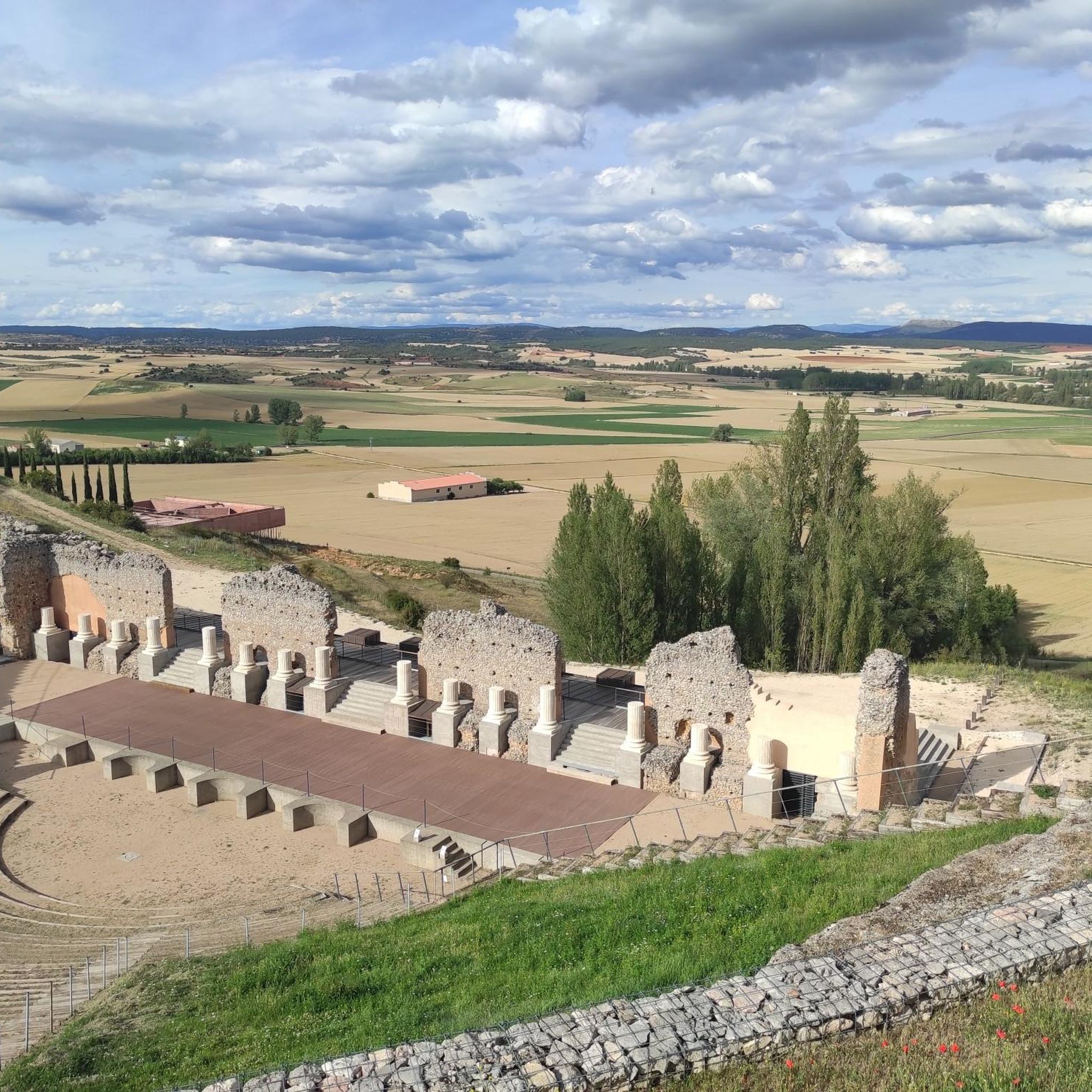
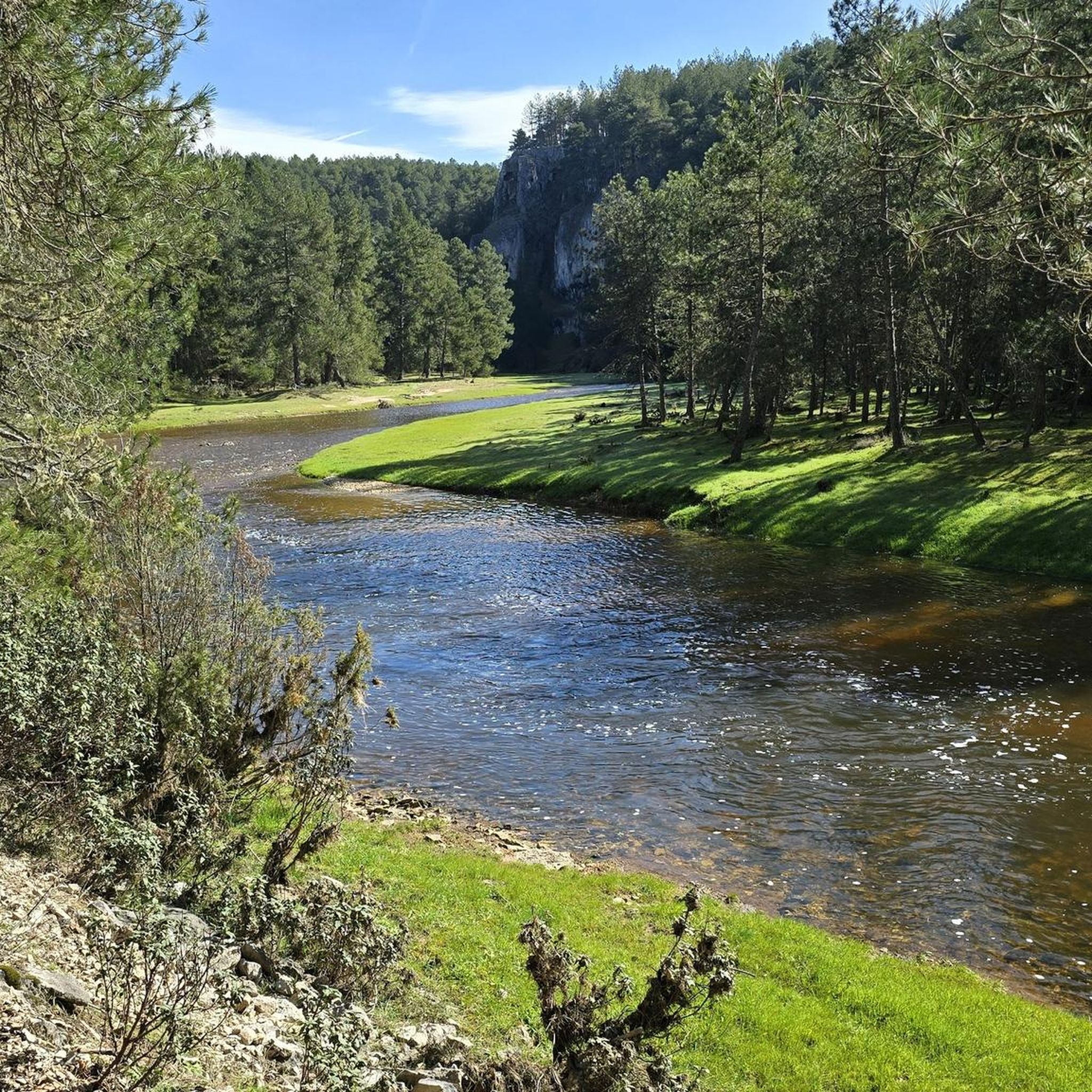
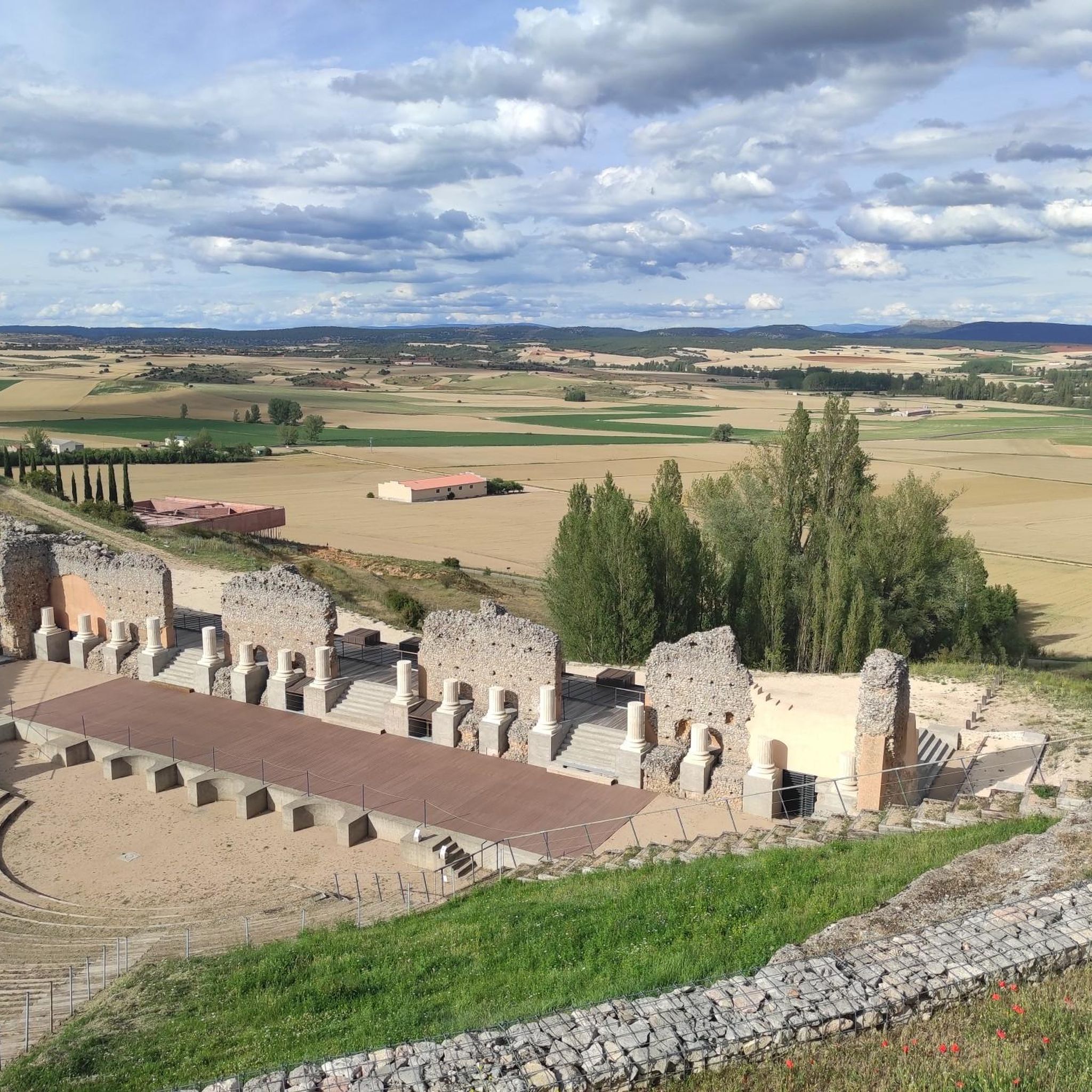
Other adventures around Huerta De Rey

Tips from the Community

Spectacular area for hiking routes
0
0

The Diego Marín Monument in Coruña del Conde pays tribute to an ingenious 18th-century shepherd. In 1793, Diego Marín Aguilera built a rudimentary glider and managed to fly nearly 360 meters from the top of the town's castle, becoming one of the first pioneers of aviation. The monument commemorates his daring and historic feat.
4
0
The sculpture of El Cid in Coruña del Conde stands two and a half meters tall. It was inaugurated in 1999 to commemorate the ninth centenary of El Cid's death. The sculpture's pedestal contains a text from the "Cantar de mío Cid" (The Song of My Cid) that refers to the town, mentioning that El Cid established one of his most important camps there during his exile.
4
0
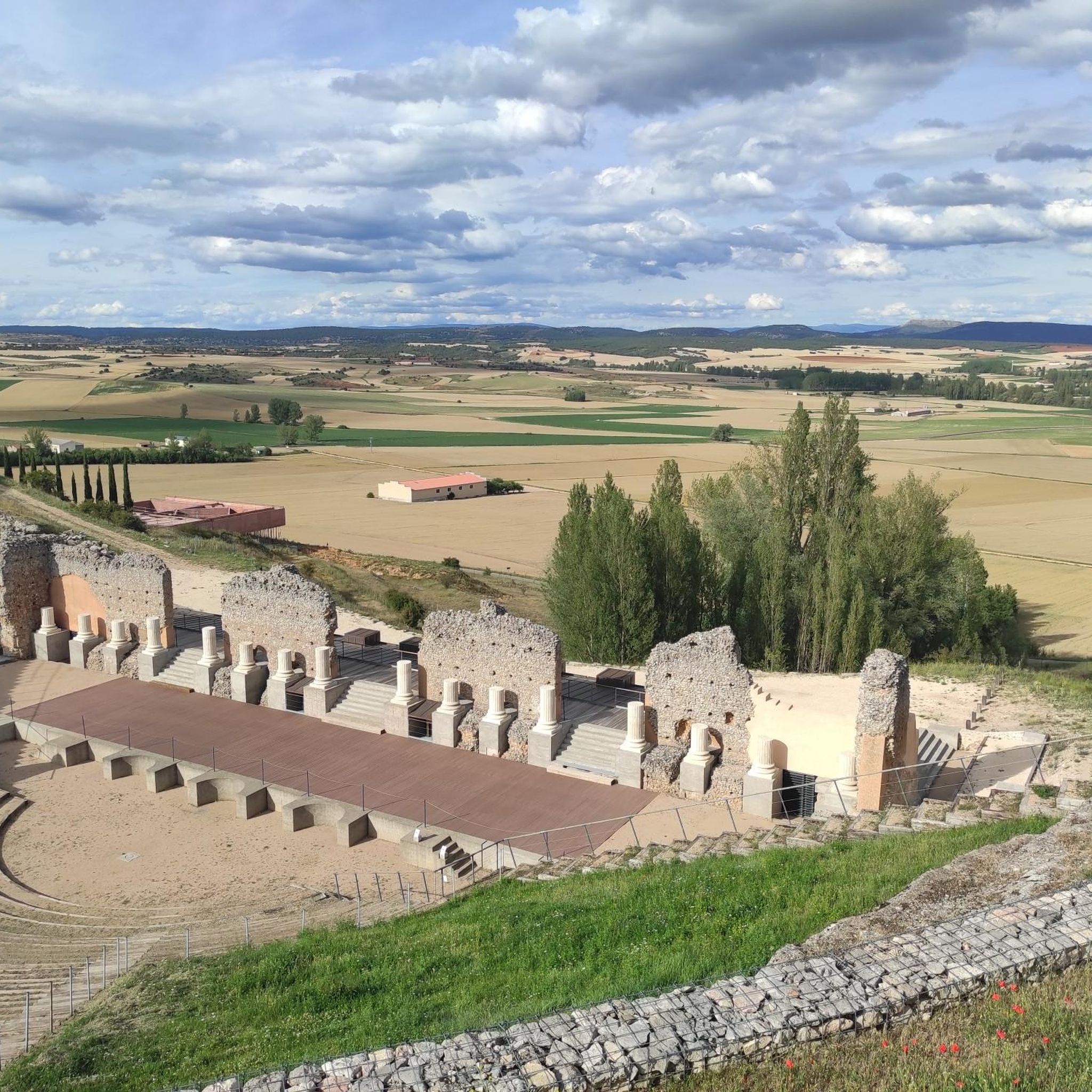
The Roman bridge of Coruña del Conde dates back to the 1st century AD. It was built to cross the Arandilla River and provide access to the ancient Roman city of Clunia. Throughout history, it has undergone several modifications, so its current structure is a mixture of styles, although it still retains original elements.
4
0
Arandilla is a municipality and town in the province of Burgos, in the Ribera del Duero region, known for its rural tranquility and rich heritage. The town, located on the banks of the Arandilla River, offers a natural setting ideal for hiking and exploring. Its main historical attractions include the Church of the Assumption of Our Lady, which features an ancient tower dating from its defensive past, and the Hermitage of San Isidro, a 13th-century Romanesque gem. Furthermore, the area is dotted with underground wineries, reflecting the region's significant wine culture.
4
0

The cycle path on the railway line consists of coarse, loose gravel, so the wide shoulder on the relatively quiet national road is really relaxing
0
0

San Leonardo de Yagüe Km 61. Altitude 1,060. The Greenways and Nature Trails networks restore old railway lines from the late 19th and early 20th centuries, when engineers marked the placement of rails following the terrain and elevations, avoiding steep slopes, something unthinkable in today's railway designs. The railway weaves through the mountain pine forests and passes far from Navaleno; even the old station is off the route, although it appears to be undergoing restoration. In San Leonardo de Yagüe, however, a cinematic curiosity of the railway remains visible. Before reaching the town, the rails that were the setting for a sequence in the film Doctor Zhivago appear, where Zhivago meets Strelnikov. This scene is set with photos from the film and the famous Mikado locomotive, an interesting location for classic film lovers. The town is a fine example of the region's pine architecture. It has stately homes, remains of a 16th-century castle, and the town square features a pine tree raised during the "pingada de mayo" (May Pingada), a popular festival held by local youths who select a large pine tree from the forest and hoist it (pingan) using wooden forks and ropes until the trunk is positioned vertically in the town square. The descent to Hontoria del Pinar is fast; the bike can reach 30 kilometers per hour without applying pressure on the pedals. It's a delightful stretch in the kingdom of the pine forest. The current development of the Nature Trail ends at the entrance to the town, near the Lobos River. It looks like the end of the road, but it's actually a break in the signage work to Cascajares del Campo. These will soon be completed, and the trail will continue to the Engaña Tunnel, in the Cantabrian Mountains. In Hontoria, I have prepared a connecting section to Duruelo de la Sierra to return to Soria along the Senda del Duero. The trail is fairly simple and obvious, following the forest trails of the pine forests. It climbs up the Palacios de la Sierra road and crosses the mountain range to pass by the Presón Refuge and the Castroverde Refuge, in case anyone prefers to spend the night in the pine forest. The climb to the Balcón de Pilatos has some rather steep slopes at the end of the stage through the Umbría mountain range. It's the last warm-up before a comforting descent along the Duruelo de la Sierra road.
0
0

Frequently Asked Questions
How many touring cycling routes are available around Huerta De Rey?
There are 16 touring cycling routes available around Huerta De Rey on komoot, offering a range of experiences from moderate to difficult.
What kind of terrain can I expect on touring cycling routes in Huerta De Rey?
The routes around Huerta De Rey feature diverse landscapes, including mountainous terrain, extensive pine forests, and greenways. You'll find a mix of moderate rides and more challenging ascents, with 9 moderate and 7 difficult routes listed on komoot. The Sierra de la Demanda Greenway, for instance, offers sections with steep gradients up to 26% where tunnels are closed, providing a test for experienced riders.
Are there any family-friendly touring cycling routes in the area?
While many routes in the region feature challenging ascents, the greenways, such as sections of the Santander-Mediterráneo Greenway starting near Hontoria del Pinar, generally offer gentler gradients suitable for families. For a moderate option, consider the Arauzo de Torre – Church of Arauzo de Torre loop from Arandilla, which is 15.8 miles (25.5 km) long and explores rural landscapes.
What natural features or landmarks can I see along the touring cycling routes?
The region is rich in natural beauty and historical sites. You can explore the glacial lakes of Lagunas Glaciares de Neila, ride through pine forests in the Sierra de la Demanda, or visit the spectacular Pinarejos Spring. Other notable points include the Source of the Arandilla River and the Hoz de Orillares Gorge and Caves.
Are there any circular touring cycling routes available?
Yes, many routes are designed as loops. For example, the Boca del Ocejo – Source of the Ucero River loop from Refugio de la Dehesilla is a challenging 32.4 miles (52.2 km) route. Another option is the moderate Aldea del Pinar loop from Rabanera del Pinar, covering 10.3 miles (16.6 km).
What is the best time of year to go touring cycling in Huerta De Rey?
The region experiences diverse weather. Spring and autumn generally offer the most pleasant conditions for cycling, with milder temperatures. Summers can be hot, especially in open areas, while winters can bring cold and potentially snow, particularly in higher elevations like the Sierra de la Demanda and Lagunas Glaciares de Neila.
Are there any specific regulations for cycling with dogs on trails in Huerta De Rey?
While specific regulations can vary by municipality and protected area, it's generally advisable to keep dogs on a leash, especially in natural parks or areas with wildlife, to ensure their safety and respect for the environment. Always carry water for your dog and be mindful of other trail users.
Where can I find parking for touring cycling routes in Huerta De Rey?
Many towns and villages that serve as starting points for routes, such as Hontoria del Pinar or Arandilla, typically offer public parking facilities. It's recommended to check local information for specific parking areas near your chosen route's trailhead.
What do other touring cyclists enjoy most about cycling in Huerta De Rey?
The area is highly rated by the komoot community, with an average score of 5.0 stars. Cyclists often praise the diverse landscapes, from challenging mountain ascents to serene greenways, and the opportunity to discover traditional stone villages and natural monuments like the Lagunas Glaciares de Neila.
Are there any places to eat or stay near the cycling routes?
The region features traditional stone villages and towns like Hontoria del Pinar and Mamolar Village, where you can often find local cafes, pubs, and accommodation options. These spots provide opportunities to refuel and rest during or after your rides.
Are there any challenging touring cycling routes for experienced riders?
Yes, the region offers several challenging routes. The San Esteban de Gormaz – Langa de Duero loop from Alcubilla de Avellaneda is a difficult 36.8 miles (59.2 km) trail. The Lagunas Glaciares de Neila area is also known for its demanding ascents and impressive views, popular even in Spanish cycling events.
Can I use public transport to reach cycling routes in Huerta De Rey with my bike?
Public transport options in rural areas like Huerta De Rey can be limited. While some regional bus services might allow bikes, it's best to check with specific operators in advance regarding their policies and space availability for bicycles. Driving to a starting point is often the most flexible option.
Most popular routes around Huerta De Rey
Most popular attractions around Huerta De Rey

Get inspired with the komoot mobile app


Explore more
Browse the best Cycling routes in other regions.
