Attractions and Places To See around Videmala - Top 20
Attractions and places to see around Videmala showcase a village in Zamora, Spain, characterized by traditional Alistana architecture and scenic natural surroundings. Located between the Aliste and Malo rivers, the area offers a blend of cultural sites and diverse landscapes. Visitors can explore historical landmarks and natural features within this tranquil setting.
Best attractions and places to see around Videmala
- The most popular attractions is Requejo Bridge, a bridge that is a historical engineering jewel over the Duero River.…
Last updated: July 14, 2026
Ricobayo Dam
Highlight (Segment) • Monument
Completed in 1934, it was …
Translated by Google •
Tip by

Requejo Bridge
Highlight • Bridge
Translated by Google •
Tip by
Sign up now to discover places like this
Get recommendations on the best single tracks, peaks, & plenty of other exciting outdoor places.
Sign up for free
Church of San Pedro de la Nave
Highlight • Religious Site
Translated by Google •
Tip by
Ricobayo Reservoir
Highlight • Lake
Translated by Google •
Tip by

Valdoradas Bridge
Highlight • Bridge
Translated by Google •
Tip by
Sign up for free to discover even more attractions around Videmala.
Sign up for free
Already have an account?
Start today with a free account
Your next adventure awaits.
Login or Signup


Tips from the Community

It's located in the heart of the Arribes del Duero Natural Park, an area of great scenic beauty and biodiversity. Things to do nearby: Viewpoints: The viewpoint at the bridge itself and others nearby, such as the one in Villadepera. Hiking trails: Paths through the Arribes, ideal for photography and birdwatching. Charming villages: Villadepera, Pino del Oro, and other towns in the area. From the bridge, you can admire the granite cliffs of the Duero River and the deep riverbed that marks the natural border with Portugal.
2
0
The Requejo Bridge, also known as the Pino Bridge, is a jewel of historical engineering located in Villadepera (Zamora) over the Duero River, within the Arribes del Duero Natural Park. Year of inauguration: 1914. Designed by the engineer José Eugenio Ribera, a pioneer in the use of reinforced concrete in Spain. It was built to connect the Aliste and Sayago regions, facilitating communication between Zamora and Portugal.
2
0
What to see and do Viewpoints: There are scenic viewpoints along the road and in the surrounding area offering views of the dam and reservoir. Ricobayo Reservoir: Ideal for water sports, fishing, and hiking. Natural surroundings: Very close to the Arribes del Duero Natural Park, with its spectacular landscapes.
2
0
The Ricobayo Dam is located on the Esla River, in the province of Zamora (Castilla y León), and is part of the Iberdrola hydroelectric system. Completed in 1934, it was one of the major hydraulic engineering projects of the 20th century in Spain.
2
0
The Ricobayo Reservoir, also known as Salto de Ricobayo or Embalse del Esla, is an impressive hydroelectric engineering project located on the Esla River, less than 1 km from Ricobayo de Alba, in the municipality of Muelas del Pan. The reservoir is located in the area known as the Arribes del Esla, a deep geographic depression with spectacular landscapes.
1
0

Visigothic church (7th century) of San Pedro de la Nave. It originally stood on the banks of the Esla River, but the construction of the Ricobayo reservoir threatened to flood it. Historian Manuel Gómez Moreno managed to have it dismantled from its original location and moved stone by stone between 1930 and 1932 to the nearest town: El Campillo, where it can be seen today.
0
0
The Church of San Pedro de la Nave is a 7th century Visigoth temple located in the town of El Campillo, municipality of San Pedro de la Nave-Almendra, in the province of Zamora, Spain. It was declared a National Monument on April 22, 1912. The construction of the temple dates back to the end of the 7th century and the beginning of the 8th century, possibly between the years 680 and 711, which makes it one of the last works of Visigothic art. Originally, it was located on the banks of the Esla River, but when the Ricobayo reservoir was built, it was moved stone by stone to the current location.
3
0

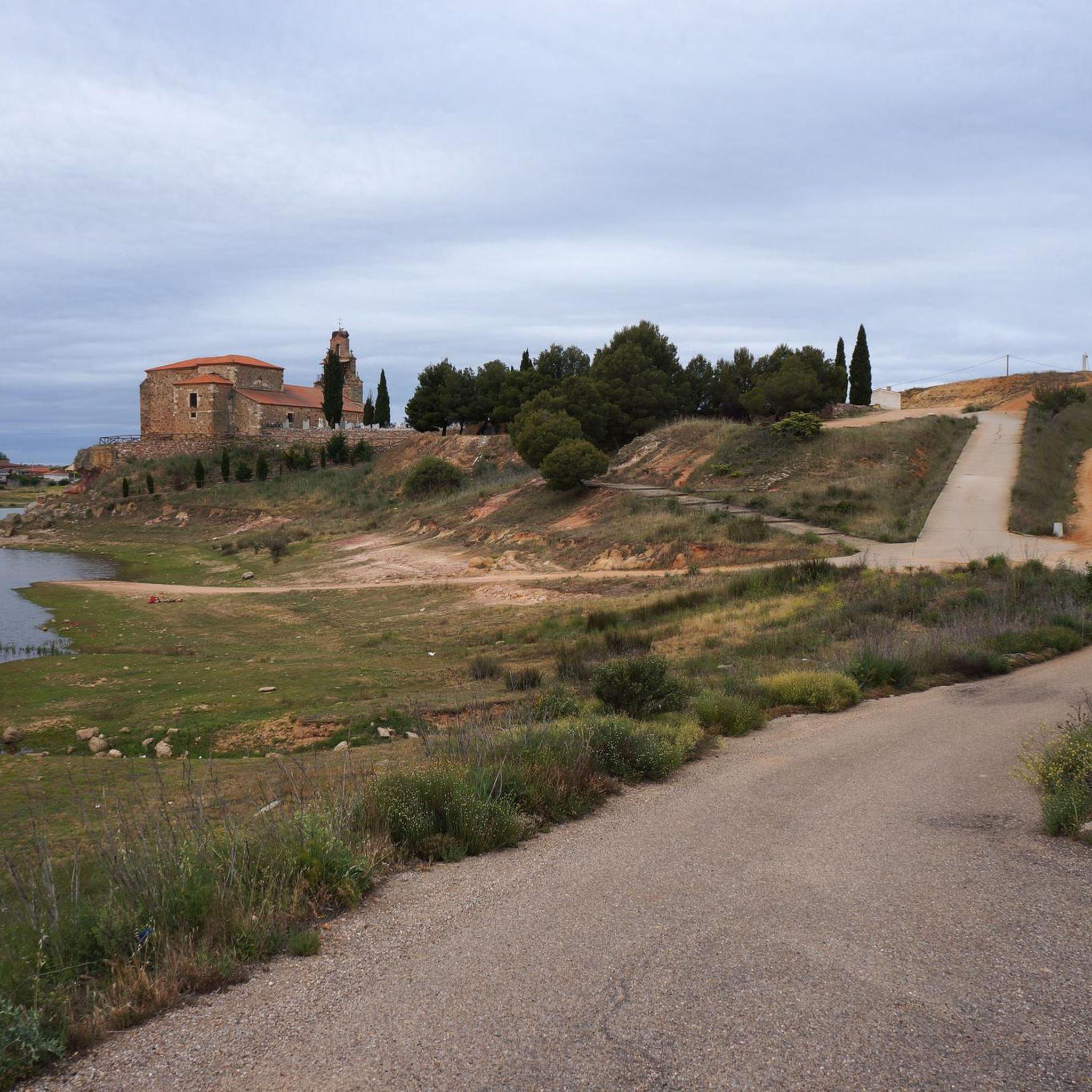
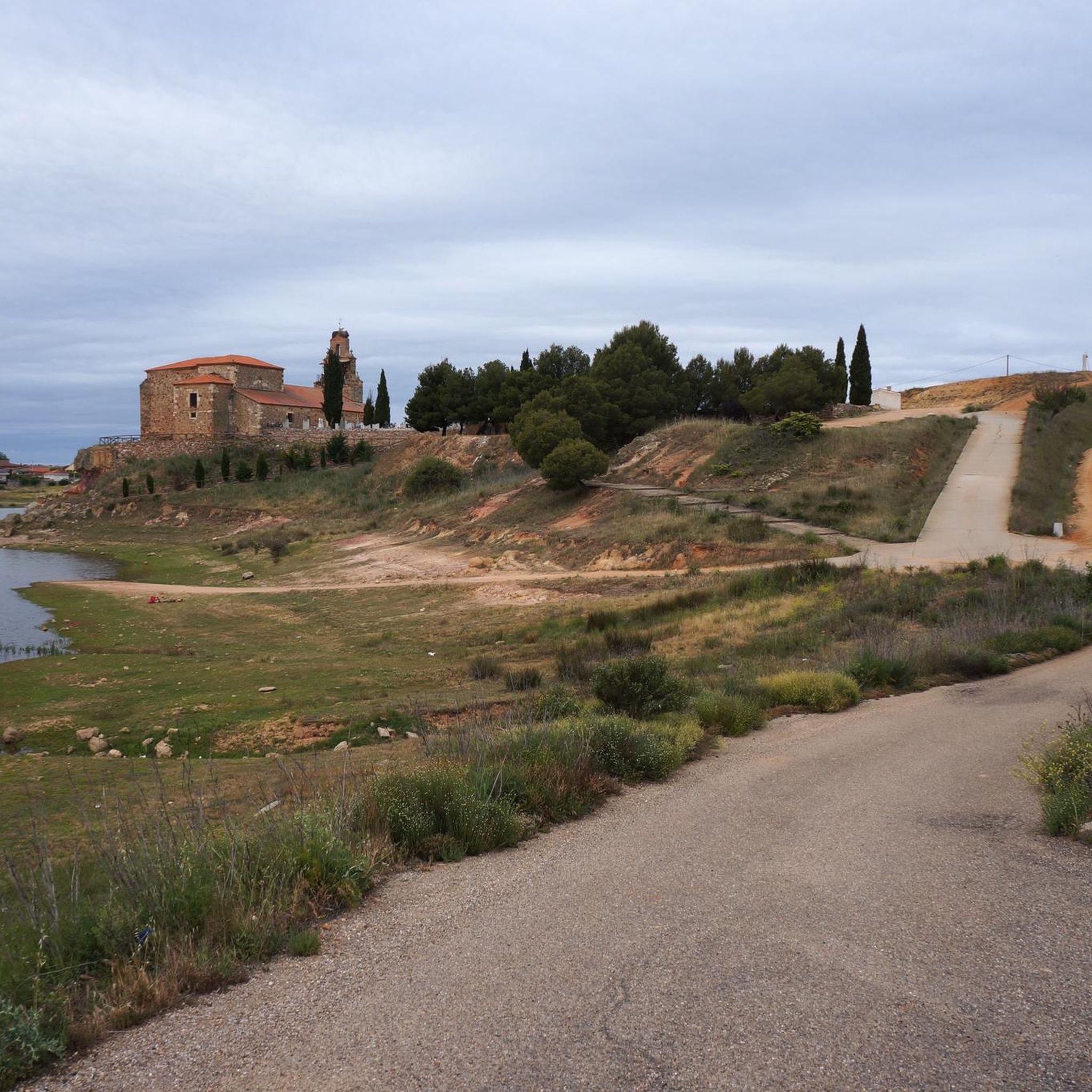
In one of the meanders of the Ricobayo Reservoir we find this small town which is accompanied by the Iglesia de San Pedro de la Nave. Old and remote town of Campillo.
0
0
Frequently Asked Questions
What historical and cultural sites can I explore in Videmala?
Videmala offers a rich cultural experience. You can visit the Church of San Julián, known for its traditional Alistana architecture and unique bell tower. The village also preserves examples of traditional Alistana houses built of adobe and stone, along with historical features like traditional fountains and a shoeing forge (potro de herrar). On the outskirts, you'll find typical dovecotes and remains of old mills along the Río Malo. Additionally, the impressive Church of San Pedro de la Nave, a 7th-century Visigothic temple with a unique relocation history, is a must-see.
Are there any significant natural features or viewpoints near Videmala?
Yes, Videmala is nestled between the Aliste and Malo rivers, offering diverse natural landscapes. A notable route is "Las Fayas," which provides impressive viewpoints or "balcones" overlooking the Aliste River. Further afield, you can experience the spectacular views from the Requejo Bridge over the Duero River, within the Arribes del Duero Natural Park, or enjoy panoramic views of the Ricobayo Reservoir.
What outdoor activities, such as hiking, are available around Videmala?
The area around Videmala is excellent for outdoor activities. For hiking, you can explore trails like the "Route of the Perones and Cadozos waterfall" or the "La Palia Waterfall - round trip from Valdoradas bridge." Many routes offer scenic views of the rivers and reservoirs. You can find more details and routes on the Hiking around Videmala guide.
Can I find routes for road cycling or mountain biking near Videmala?
Absolutely. For road cycling, popular routes include loops around the Ricobayo Reservoir, such as the "Ricobayo Reservoir and Tierra de Alba Loop." Mountain bikers can enjoy trails like the "Ricobayo Reservoir Loop from Palacios del Pan" or the "Riverbank of the Aliste River from Losacino." Discover more options on the Road Cycling Routes around Videmala and MTB Trails around Videmala guides.
Are there any family-friendly attractions or activities in the area?
Yes, several attractions are suitable for families. The Church of San Pedro de la Nave offers an interesting historical visit for all ages. The Valdoradas Bridge provides excellent views and often has parking nearby, making it a good starting point for family walks. The Ricobayo Reservoir is also ideal for water sports and fishing, which can be enjoyed by families.
What is the Ricobayo Dam and why is it significant?
The Ricobayo Dam is a significant 20th-century hydroelectric engineering project located on the Esla River. Completed in 1934, it offers impressive views of its massive concrete structure set within a deep gorge. It's a testament to historical engineering and provides a dramatic landscape.
Where can I find parking when visiting attractions near Videmala?
Parking availability varies by attraction. For instance, the Valdoradas Bridge has a parking lot on one side, making it convenient for visitors to leave their cars and start exploring the surrounding area or nearby routes.
What kind of traditional architecture can I see in Videmala?
Videmala is known for its traditional Alistana architecture. You can observe simple houses built of adobe and stone, with older facades often featuring wooden adornments, tile, and slate roofs. Some houses even have large doorways historically used for storing carts, offering a glimpse into the region's past.
What do visitors enjoy most about the attractions around Videmala?
Visitors particularly appreciate the blend of historical engineering marvels and stunning natural landscapes. The impressive views from sites like the Requejo Bridge and the vastness of the Ricobayo Reservoir are frequently highlighted. The tranquility and authentic experience of the region's cultural heritage also resonate strongly with the komoot community.
Are there any unique historical structures related to agriculture or daily life in Videmala?
Yes, Videmala preserves several unique structures reflecting its agricultural past. Beyond the traditional houses, you can find a "potro de herrar" or shoeing forge, historically used for farriery. The presence of dovecotes on the village outskirts and the remains of old mills along the Río Malo also hint at the area's historical agricultural practices and daily life.
Most popular attractions around Videmala

Get inspired with the komoot mobile app


Explore more
Still not found the Highlight you’re looking for? See guides of the top attractions in other regions:
