Attractions and Places To See around Mollet Del Vallès - Top 20
Attractions and places to see around Mollet Del Vallès include a blend of historical landmarks, cultural sites, and natural areas. Situated in the valley of the Besòs river, the city is recognized for its commitment to green spaces and has received Biosphere certification as a sustainable tourist destination. The extensive Gallecs Special Conservation Area accounts for over half of Mollet's surface area, offering natural surroundings for exploration.
Best attractions and places to see around Mollet Del Vallès
- The most popular attractions is Sant Bartomeu de Cabanyes Hermitage, a religious building that is a simple 11th-12th century Romanesque construction. It is located in a natural environment in the Serralada Litoral park.
- Another must-see spot is Dolmen of the Roca d'en Toni, a historical site. This megalithic structure is believed to date from between the third and second millennium BC and is known for its good state of conservation.
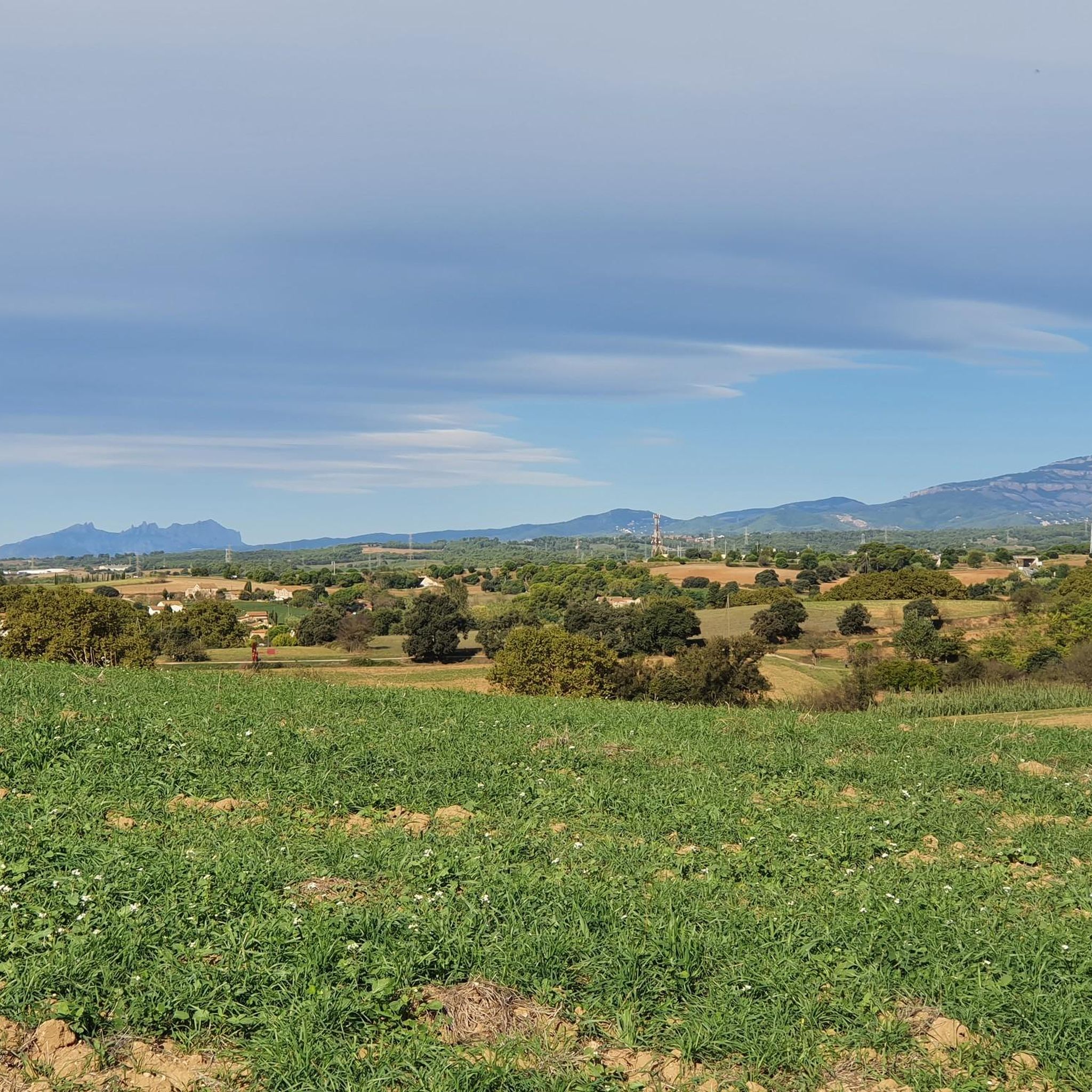
- Visitors also love La Coscollada Observation Tower, a viewpoint. From this tower, located on the highest hill in Badalona, visitors can see the Pyrenees, Montseny, and the Barcelona plain.
- Mollet Del Vallès is known for historical sites, natural areas, and viewpoints. The region offers a variety of attractions to see and explore, from ancient megalithic structures to extensive green spaces.
- The attractions around Mollet Del Vallès are appreciated by the komoot community, with more than 219 upvotes and 27 photos shared.
Last updated: August 30, 2026
Besòs Riverside Path: Montcada to Can Zam
Highlight (Segment) • Trail
Translated by Google •
Tip by

La Coscollada Observation Tower
Highlight • Viewpoint
At the top there is a forest watchtower, and from the very foot of this tower you can see the Pyrenees, Montseny, the coastal and pre-coastal mountains (with Montserrat), the sea, the plain of Barcelona, and some days until everything can be seen on the island of Mallorca.
Translated by Google •
Tip by
Sign up now to discover places like this
Get recommendations on the best single tracks, peaks, & plenty of other exciting outdoor places.
Sign up for free
Dolmen of the Roca d'en Toni
Highlight • Historical Site
Translated by Google •
Tip by

Petroli Pier
Highlight • Bridge
The Pont del Petroli is a concrete structure consisting of a 235-meter access bridge finished with a 100-m² unloading platform and supported by metal pylons. The Bridge is made up of two T-shaped concrete beams joined together. The bridge is supported by 16 groups of pylons separated every 15 cm, three of the groups of pylons are in the sand of the beach and the rest of the water stuck 6 meters into the seabed.
Translated by Google •
Tip by
Sant Bartomeu de Cabanyes Hermitage
Highlight • Religious Site
It is a simple 11th-12th century Romanesque construction, consisting of a nave covered with a barrel vault and a semicircular apse with a small central window. It has a single-hollow belfry bell tower. During the Spanish civil war all his images were burned.
Translated by Google •
Tip by
Sign up for free to discover even more attractions around Mollet Del Vallès.
Sign up for free
Already have an account?
Start today with a free account
Your next adventure awaits.
Login or Signup
Tips from the Community

Un monument megalític datat entre el final del neolític i l'edat del bronze, considerat un dels jaciments prehistòrics més importants del Maresme.
0
0

It's one of Badalona's symbols, but access can sometimes be closed. It's well worth a visit.
0
0

About 300 meters before reaching the hermitage along the track from Òrrius, on the left, dry stone walls are preserved, the remains of a shelter used by Republican militiamen during the Civil War. It's not signposted, but it's visible if you get off your bike and explore a bit. The surroundings are very peaceful and steeped in history: the hermitage was also used as a temporary shelter.
1
0

The Dolmen of Can Boquet, also known as Roca d'en Toni, is a megalithic structure in Catalonia. The name Roca d'en Toni probably comes from the fact that, according to 19th century records, the landowner was called Toni Puig.
6
0


In 2001 the intention to dismantle the jetty was announced, but a group of divers, photographers and other friends of the Oil Bridge, led by Josep Valls, mobilized to defend the conservation of this structure. In 2003 it became the property of the Badalona City Council and after different stages of restoration, it was opened to the public on June 13, 2009, enabled as a promenade that leads out to sea as a viewpoint. Three years later it was integrated with the rest of the promenade. At the entrance platform of the bridge, very close to the Anís del Mono factory, a sculpture by Susana Ruiz dedicated to the history of the factory was inaugurated.
11
0
The Pont del Petroli is a jetty in Badalona built in 1879 for the unloading of petroleum products from tankers. It goes into the sea 250 meters and has a height of 4.5 meters. In 2009 the environment was remodelled, which no longer has industrial use and is a tourist attraction. The Pont del Petroli is a concrete structure consisting of a 235-meter access bridge finished with a 100-m² unloading platform and supported by metal pylons. The Bridge is made up of two T-shaped concrete beams joined together. The bridge is supported by 16 groups of pylons separated every 15 cm, three of the groups of pylons are in the sand of the beach and the rest of the water stuck 6 meters into the seabed.
11
0
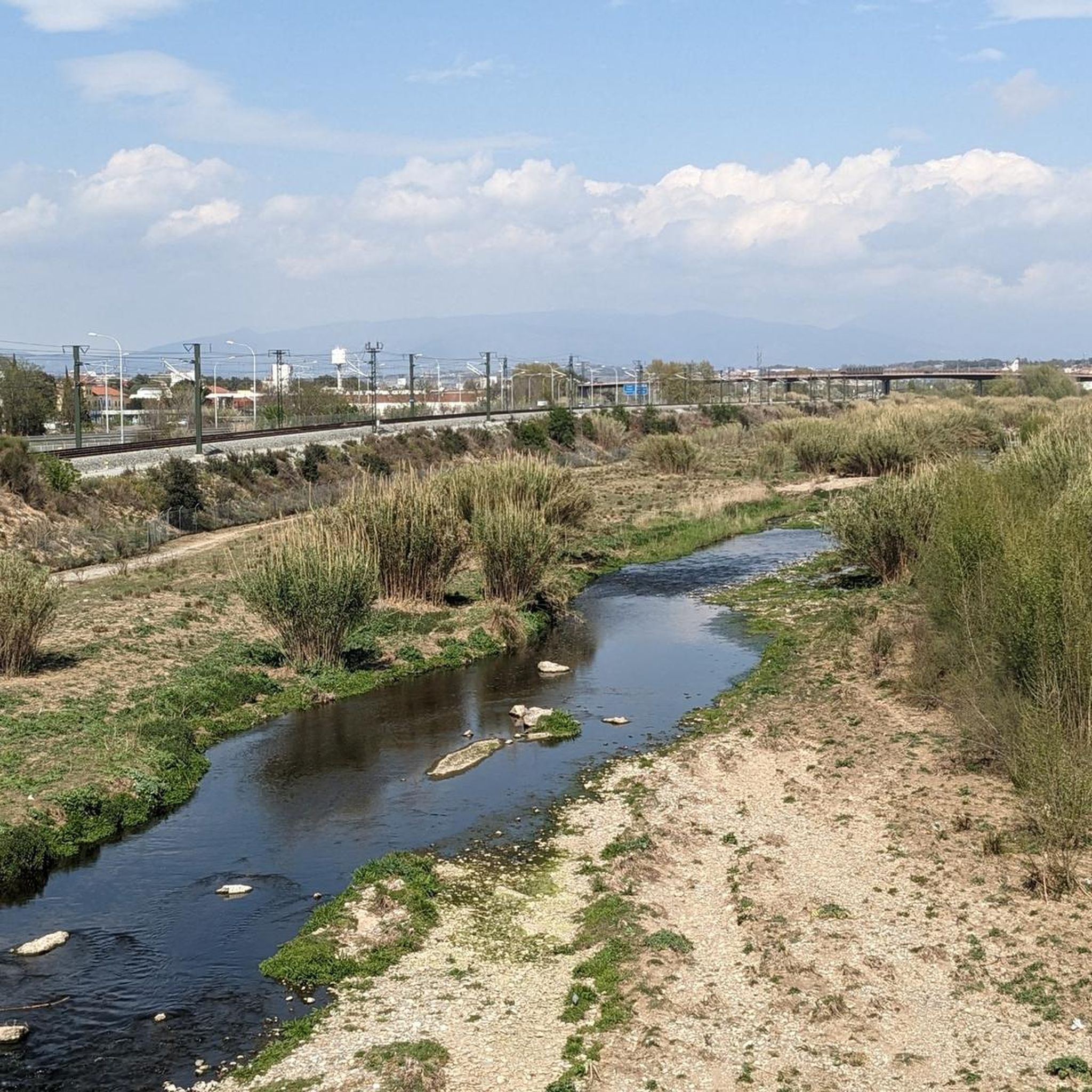
Path to ride on MTB or gravel that runs parallel to the bed of the Besós river in its lower part. You can start riding from the mouth of the river in Sant Adrià de Besòs where it begins with paved bike lanes to the Can Zam Park in Santa Coloma de Gramenet where this dirt path begins right away. At this point there is the possibility of going up to the upper part of the river where there are paved bike lanes up to Montcada i Reixac.
21
0
Frequently Asked Questions
What natural areas can I explore in Mollet Del Vallès?
Mollet Del Vallès is rich in green spaces. Over half of the city's surface area is covered by the extensive Gallecs Special Conservation Area, offering exceptional natural surroundings for exploration and night walks. You can also enjoy the numerous garden areas, including the Rambla Pompeu Fabra, which was recognized as the Best Public Floral Space in Catalonia in 2016. The Besòs Riverside Path: Montcada to Can Zam also provides a pleasant route along the river.
Are there any historical sites or cultural landmarks to visit?
Yes, Mollet Del Vallès offers several historical and cultural landmarks. You can visit the Sant Bartomeu de Cabanyes Hermitage, an 11th-12th century Romanesque construction. Another significant historical site is the Dolmen of the Roca d'en Toni, a well-preserved megalithic structure dating from between the third and second millennium BC. The city also features the Abelló Museum, housed in a Modernist building, and the historic Romanesque Church in Gallecs.
What kind of outdoor activities can I do around Mollet Del Vallès?
The region offers a variety of outdoor activities, particularly hiking and cycling. The Gallecs Special Conservation Area is ideal for walks and exploring rural landscapes. For more structured routes, you can find numerous options for hiking, cycling, and gravel biking. For example, there are routes like the "Gallecs Rural Space Loop from Mollet del Vallès" for hiking, or the "Besòs Riverside Park – Besòs River Bike Path loop from Parets del Vallès" for cycling. You can find detailed routes in the Hiking around Mollet Del Vallès and Cycling around Mollet Del Vallès guides.
Are there family-friendly attractions in the area?
Yes, several attractions are suitable for families. The Dolmen of the Roca d'en Toni is an interesting historical site that can be enjoyed by all ages. The Petroli Pier offers a unique walk over the sea, which is also considered family-friendly. Additionally, the extensive green spaces and parks throughout Mollet Del Vallès, such as the Gallecs Special Conservation Area, provide ample opportunities for family walks and outdoor enjoyment.
Where can I find good viewpoints to enjoy the scenery?
For panoramic views, head to the La Coscollada Observation Tower. From this tower, located on the highest hill in Badalona, you can see the Pyrenees, Montseny, the Barcelona plain, and even the island of Mallorca on clear days. The Mollet Hospital, situated in the Can Borrell district, also offers excellent views of the Gallecs area.
What is the significance of the Gallecs Special Conservation Area?
The Gallecs Special Conservation Area is a vital natural asset, covering over half of Mollet's territory. It's recognized for its exceptional natural surroundings and rural character. This area is a testament to Mollet del Vallès' commitment to green spaces and sustainability, contributing to its Biosphere certification as a sustainable tourist destination. It offers opportunities for nature exploration, including unique night walks.
Can I find Romanesque architecture in Mollet Del Vallès?
Yes, Mollet Del Vallès is home to notable Romanesque architecture. The Sant Bartomeu de Cabanyes Hermitage is a simple yet well-preserved 11th-12th century Romanesque construction. Additionally, the historic Romanesque Church in Gallecs is another significant architectural feature within the natural area.
What is the best time of year to visit Mollet Del Vallès for outdoor activities?
Mollet Del Vallès, with its Mediterranean climate, is pleasant for outdoor activities for much of the year. Spring (April to June) and autumn (September to October) generally offer the most comfortable temperatures for hiking, cycling, and exploring the natural areas like Gallecs, avoiding the peak heat of summer. Winter can also be mild, making it suitable for walks.
Is Mollet Del Vallès recognized for its sustainability efforts?
Yes, Mollet Del Vallès is recognized for its commitment to green spaces and sustainability. The city has received Biosphere certification as a sustainable tourist destination. This commitment is evident in its numerous garden areas, green infrastructure, and the preservation of large natural spaces like the Gallecs Special Conservation Area.
Are there any unique architectural facades or buildings to see?
Mollet Del Vallès boasts diverse architectural styles. You can appreciate the protected facades of the Amadó Pharmacy and Casa Viñas. There's also a notable Modernist facade on Carrer de Itàlia. The Abelló Museum is housed in a Modernist building from 1908, and the Can Borrell Farmhouse and Tower, a 12th-century structure, has been repurposed while preserving its historical essence.
Where can I go for a walk or an easy hike?
The Gallecs Special Conservation Area is an excellent choice for walks and easy hikes, offering a serene rural environment. The Besòs Riverside Path: Montcada to Can Zam also provides a flat, pleasant route suitable for walking. For specific easy hiking routes, consider options like the "Gallecs Rural Area – Ermita de Sant Medir loop from Mollet del Vallès" which can be found in the Hiking around Mollet Del Vallès guide.
Is the Besòs Riverside Path suitable for cycling or walking?
Yes, the Besòs Riverside Path: Montcada to Can Zam is well-suited for both cycling and walking. It runs parallel to the Besòs river, offering a pleasant route. Some sections are paved bike lanes, while others are dirt paths, providing varied terrain for different preferences. It's part of the larger Besòs River Park, one of the most important green spaces in the Barcelona metropolitan region.
What is the Abelló Museum known for?
The Abelló Museum, located in a Modernist building dating back to 1908, is known for showcasing modern Catalan art. It serves as a significant cultural institution in Mollet Del Vallès, contributing to the city's artistic landscape.
Most popular routes around Mollet Del Vallès
Most popular attractions around Mollet Del Vallès

Get inspired with the komoot mobile app


Explore more
Still not found the Highlight you’re looking for? See guides of the top attractions in other regions:
