The best road cycling routes around Faramontanos De Tábara
16
riders
14
rides
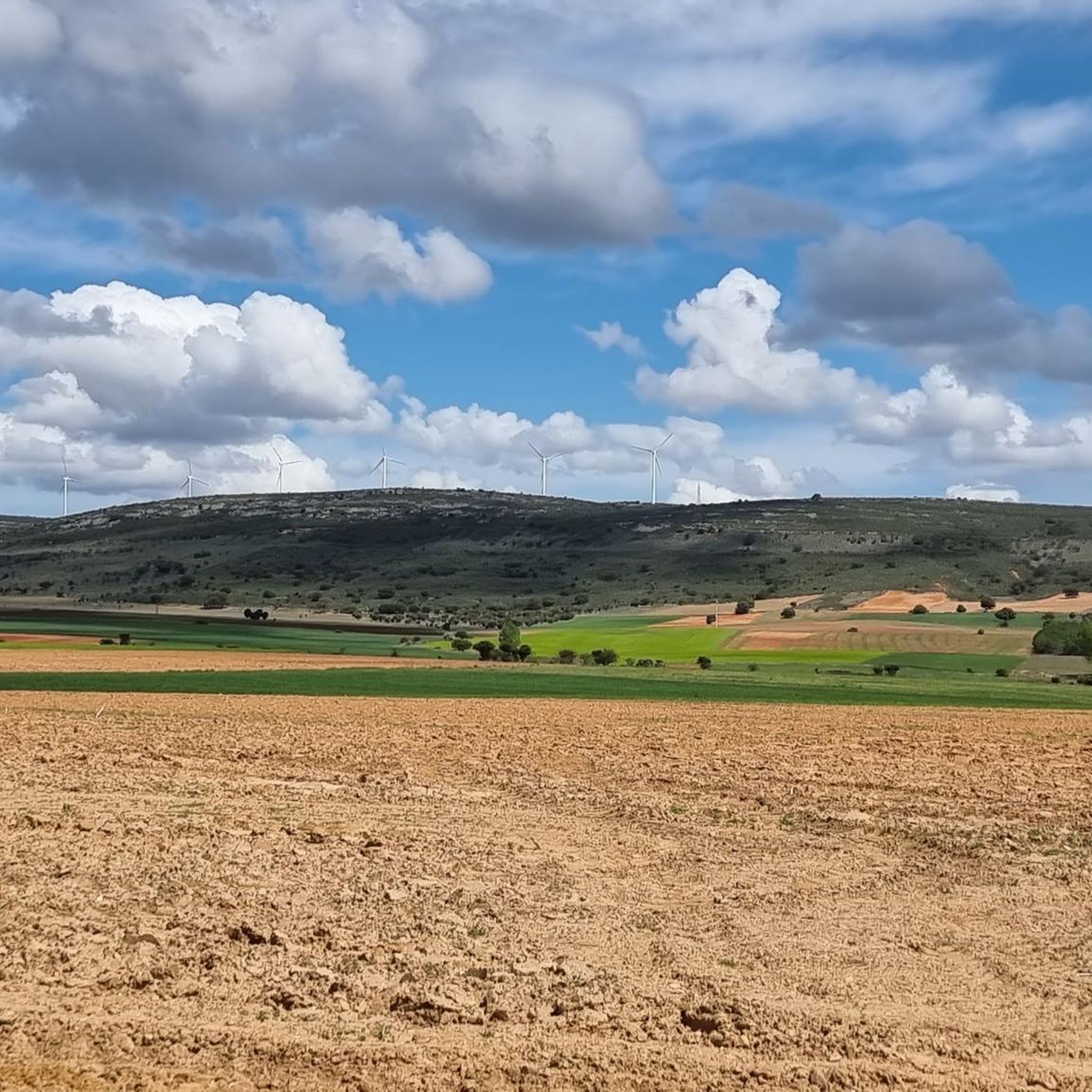
Road cycling around Faramontanos De Tábara offers diverse landscapes, from the gentle hills and cultivated fields of the Esla River valley to the varied terrain at the foot of the Sierra de las Cavernas. The region is characterized by a mosaic of fields, holm oaks, pines, and gall oaks, providing a serene environment for road cyclists. Historic routes, including sections of the Camino Sanabrés, connect towns and natural points of interest, often featuring well-paved surfaces.
Best road cycling routes around…
Last updated: May 19, 2026
4
riders
104km
04:11
490m
490m
Moderate road ride. Good fitness required. Mostly well-paved surfaces and easy to ride.
3
riders
Easy road ride. Great for any fitness level. Mostly well-paved surfaces and easy to ride.

Sign up for free
2
riders
47.7km
01:55
250m
240m
Easy road ride. Great for any fitness level. Mostly well-paved surfaces and easy to ride.
1
riders
78.3km
03:09
420m
420m
Moderate road ride. Good fitness required. Mostly well-paved surfaces and easy to ride.
79.3km
03:47
1,080m
1,080m
Hard road ride. Very good fitness required. Mostly well-paved surfaces and easy to ride.
Get access to more routes and recommendations from other explorers.
Sign up for free
Already have an account?
Our route recommendations are based on thousands of hikes, rides, and runs completed by other people on komoot.
Start today with a free account
Your next adventure awaits.
Login or Signup
Popular around Faramontanos De Tábara
Tips from the Community

Tábara, located in the northwest of the province of Zamora (Castilla y León), is a town with a rich medieval history, a stunning natural setting, and a significant cultural heritage. Origins: These date back to the Bronze Age and Roman period. Middle Ages: It was an important monastic center with the Monastery of San Salvador de Tábara, founded by Saint Froilán in the 9th century at the behest of Alfonso III.
9
0

This is one of the lagoons found within the Lagunas de Villafáfila Natural Reserve and which, in addition, represents one of the largest salt pans in the area.
0
1

This monastery complex, where Cistercians once prayed and worked day after day, even as a ruin still provides impressive evidence of the magnificent architecture. This monastic order (the order's Latin name is "Ordo Cisterciensis") takes its name from the French town of Citeaux in Burgundy, where the first monastery was founded in 1098. It is a reform branch of the Benedictines.
3
1

In the historic center, the Church of Santa María del Azogue, from the 16th century, and in Gothic style, stands out as the main monument of Benavente.
1
0
Surrounded by heritage cloisters, Benavente's main square is an important starting point for many adventures in this part of Spain and a focal point along the Camino de Santiago pilgrimage route.
0
0

Restored by the Hotel Parador, this 12th-century castle sits on top of a hill overlooking the surrounding landscape and botanical gardens below.
0
0
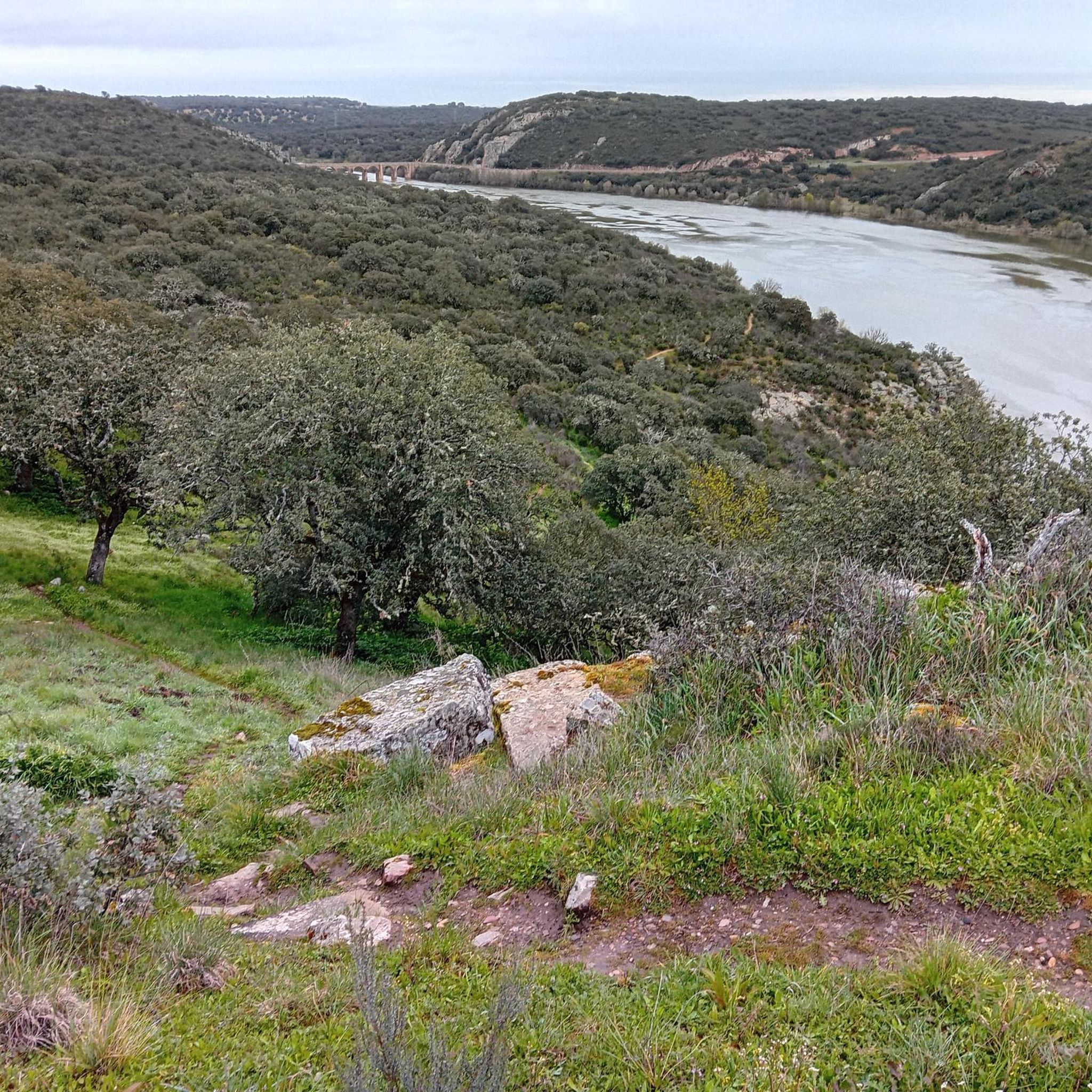
Spectacular stone bridge with 9 symmetrical arches that crosses the Esla River. It was built in 1920 to connect the trade route between the Zamora regions of Tierra de Campos and Tábara. The bridge is located on the Jacobean route known as Camino Mozárabe Sanabrés, which allows pilgrims to cross into Zamora and Galicia beyond.
3
1
The Quintos bridge over the Esla river is located on the road between Zamora and Galicia. It unites the Zamora regions of Tierra de Tábara and Tierra de Campos, forming a link on the Camino de Santiago Sanabrés.
4
1
Frequently Asked Questions
How many road cycling routes are available in Faramontanos de Tábara?
There are 14 road cycling routes around Faramontanos de Tábara, offering a variety of experiences for different skill levels. You can find options ranging from easy loops to more demanding ascents.
What kind of terrain can I expect on road cycling routes in Faramontanos de Tábara?
The region offers diverse landscapes for road cycling. You'll encounter gentle hills and cultivated fields in the Esla River valley, as well as varied terrain at the foot of the Sierra de las Cavernas. The routes often pass through mosaics of fields, holm oaks, pines, and gall oaks, providing a serene and picturesque environment.
What is the best time of year for road cycling in Faramontanos de Tábara?
Faramontanos de Tábara is suitable for road cycling during many months. The spring and autumn typically offer pleasant temperatures and less extreme weather, making them ideal for exploring the diverse landscapes. Summers can be warm, while winters are generally mild but can be cooler.
Are there easy road cycling routes suitable for beginners?
Yes, there are 3 easy road cycling routes in the area. A great option is the From the Monastery of Santa María de Moreruela to the Laguna Salina Grande — circular from Granja de Moreruela, an easy 26.6-mile path offering views of the historic monastery and the Laguna Salina Grande.
Are there challenging road cycling routes for experienced cyclists?
Yes, for experienced cyclists seeking a challenge, there is 1 difficult route available. The Tabara - tour around Aliste river and Fonfria is a demanding 79.3-kilometer route with significant elevation gain, perfect for those looking to test their limits.
What natural features or landmarks can I see along the road cycling routes?
Road cycling routes in the region often feature significant natural and historical landmarks. You can encounter the impressive Quintos Bridge Over the Esla River, a historic stone bridge, and the scenic Esla River valley itself. The area is also rich in holm oaks, pines, and gall oaks, providing beautiful natural scenery.
Are there any historical sites to explore while road cycling?
Absolutely. The region is steeped in history, with routes often following sections of the ancient Camino Sanabrés and Vía de la Plata. You can visit the Junction of Camino Sanabrés and Via de la Plata, a historic crossroads, or pass by the San Juan Church and Pilgrim Hostel, Granja de Moreruela. The 13th-century Iglesia de San Martín in Faramontanos de Tábara is also a notable historical attraction.
Are there circular road cycling routes in Faramontanos de Tábara?
Yes, several circular routes are available. A popular choice is the Villafáfila Lagoons and Esla River Loop, a 29.6-mile trail that takes you through the Villafáfila Lagoons and along the Esla River, offering beautiful views.
Are there options for family-friendly road cycling?
While specific family-designated routes aren't listed, the 3 easy routes, such as the From the Monastery of Santa María de Moreruela to the Laguna Salina Grande — circular from Granja de Moreruela, are generally suitable for families looking for less strenuous rides on well-paved surfaces.
Can I bring my dog on road cycling routes in Faramontanos de Tábara?
While road cycling with dogs can be challenging due to traffic and speed, the region's quiet roads and natural areas might offer some possibilities. However, it's always recommended to prioritize your dog's safety and check local regulations for specific routes or protected areas.
Where can I find places to eat or drink along the routes?
Faramontanos de Tábara and the surrounding towns along the routes offer local cafes and pubs where cyclists can refuel and rest. It's advisable to plan your route to pass through these villages or carry sufficient provisions, especially on longer rides.
What are the parking options for road cyclists in Faramontanos de Tábara?
Parking is generally available in Faramontanos de Tábara and the various towns that serve as starting points for the routes. Look for public parking areas within the villages to safely leave your vehicle while you enjoy your ride.
How can I reach the starting points of road cycling routes using public transport?
Public transport options to Faramontanos de Tábara and nearby villages may be limited. It's recommended to research local bus services or regional train connections to determine the best way to reach your desired starting point, especially if you plan to bring your bike.
What do other road cyclists appreciate about the routes in Faramontanos de Tábara?
Road cyclists often praise the diverse landscapes, from the serene Esla River valley to the varied terrain of the Sierra de las Cavernas. The well-paved surfaces and the opportunity to explore historic routes like the Camino Sanabrés are also highly valued, offering a blend of natural beauty and cultural interest.
Most popular routes around Faramontanos De Tábara
Most popular attractions around Faramontanos De Tábara

Get inspired with the komoot mobile app


Explore more
Browse the best Road cycling routes in other regions.
