Attractions and Places To See around Roda De Eresma - Top 20
Best attractions and places to see around Roda De Eresma include a variety of historical sites and architectural marvels. The region, situated near the Eresma River, offers a landscape rich in cultural significance, particularly with its Roman and Gothic heritage. Visitors can explore numerous man-made monuments and historical landmarks that showcase centuries of history. This area provides opportunities for various outdoor activities, including easy hiking trails, connecting visitors with both nature and historical exploration.
Best attractions and places to see…
Last updated: July 6, 2026
Aqueduct of Segovia
Highlight • Monument
Translated by Google •
Tip by

Segovia Cathedral
Highlight • Religious Site
Translated by Google •
Tip by
Sign up now to discover places like this
Get recommendations on the best single tracks, peaks, & plenty of other exciting outdoor places.
Sign up for free
Alcázar of Segovia
Highlight • Castle
Its rooms were the resting place of Alfonso X el Sabio …
Translated by Google •
Tip by
Old Hontanares de Eresma Station
Highlight • Monument
Translated by Google •
Tip by

Church of the Vera Cruz
Highlight • Religious Site
Translated by Google •
Tip by
Sign up for free to discover even more attractions around Roda De Eresma.
Sign up for free
Already have an account?
Start today with a free account
Your next adventure awaits.
Login or Signup



Tips from the Community

Information about the “Acueducto de Segovia” and many more photos can be found in the corresponding hiking highlight at => https://www.komoot.com/de-de/highlight/4225055
3
0

Fantastic construction, it impressed me as much as the first time I saw it as a child.
3
0
The trip, the gardens, and the building itself are worth it.
3
0
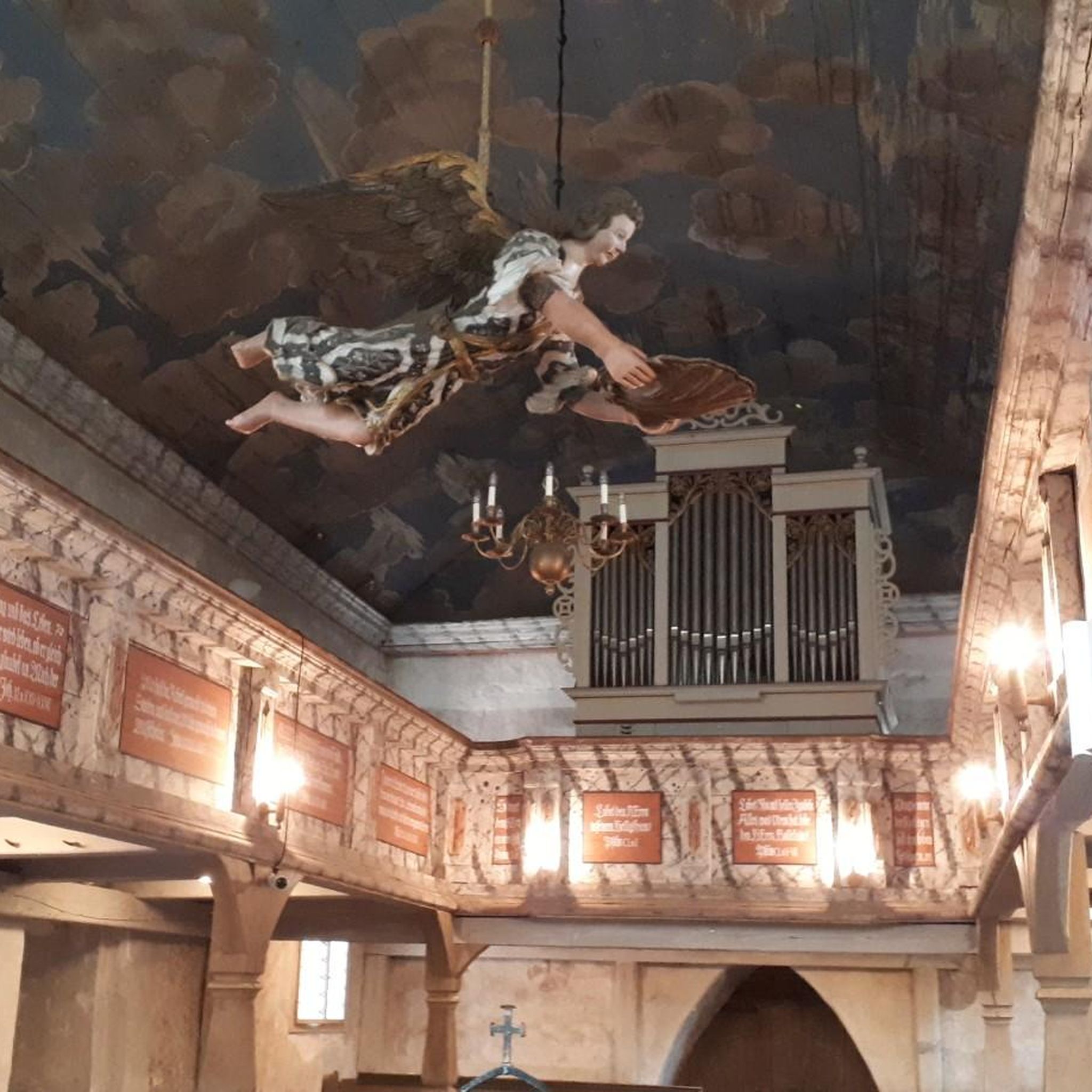
This church, which is dedicated to the Holy Cross (Latin “Santa Croce” / Spanish “Santa Cruz”), draws its patronage from the cross on which Jesus Christ died. The veneration of the Holy Cross goes back to a large extent to Saint Helena, who was the mother of Emperor Constantine the Great (who recognized Christianity as a religion after his victory at the “Milvian Bridge” in front of Rome and in the year 312 for a long time the persecution ended with the “tolerance edict” of Milan). In the early fourth century she undertook a pilgrimage to the Holy Land (Israel / Palestine) and from there brought numerous relics with her to Europe, including the “True Cross” (“VERA CRUZ”) on which Jesus Christ was crucified. Helena is therefore often depicted with a cross as an attribute. The church celebrates the festival of the discovery, public presentation and veneration of the Holy Cross – called “Exaltation of the Cross” – on September 14th.
1
0
The patronage of this episcopal church (cathedral) "Nuestra Señora de La Asunción" (sometimes also called "Santa Maria Asunción", in German-speaking countries it is called "Mariä Himmelfahrt") refers to one of the many memorial or feast days in honor of the Mother of God Mary in the church year. It goes back to the feast of her bodily assumption into heaven, which the (Catholic) Church celebrates annually on August 15th. In Orthodox churches, the feast is celebrated under the name "Maria Entschläfung". In more rural areas, it is part of local custom - depending on the region - that on this day bundles of herbs are collected by the population and blessed in the festive service.
3
0

The Cathedral of Segovia is a historical heritage of Spain and an asset of cultural interest. This majestic cathedral, located in the city of Segovia, is a stunning testament to Gothic architecture and a gem that attracts visitors from all over the world.
7
0
The Segovia Aqueduct is an impressive architectural structure that dates back to the 1st century AD. C. and was built by the Romans during the occupation of Hispania. Its main function was to supply water to the city of Segovia, transporting it from the mountains to the urban center. The aqueduct carries the waters of the Fuenfría spring, located in the mountains about 17 kilometers from the city, to the center of Segovia. The water is collected in a cistern called El Caserón and then taken through an ashlar canal to a second tower known as Casa de Aguas. After traveling more than 15 km, you arrive at the city. The Segovia Aqueduct is a heraldic symbol of the city and one of the most impressive works that the Romans left in their vast empire. If you ever have the opportunity to visit, I recommend that you do so. It's really amazing! 😊🏛️
13
0
Frequently Asked Questions
What historical sites can I explore around Roda De Eresma?
The region is rich in historical sites. You can visit the impressive Aqueduct of Segovia, a Roman engineering marvel. Also, explore the stunning Gothic architecture of Segovia Cathedral and the iconic Alcázar of Segovia, a castle that served as a residence for Castilian kings.
Are there family-friendly attractions in the Roda De Eresma area?
Yes, several attractions are suitable for families. The Aqueduct of Segovia, Segovia Cathedral, and Alcázar of Segovia are all tagged as family-friendly. The historical significance and impressive architecture can engage visitors of all ages.
What outdoor activities are available near Roda De Eresma's attractions?
Beyond the historical sites, the area offers various outdoor activities. You can find numerous routes for hiking, mountain biking, and gravel biking. For detailed routes, check out the Hiking around Roda De Eresma guide or the MTB Trails around Roda De Eresma guide.
Are there easy hiking trails suitable for everyone?
Yes, there are several easy hiking trails in the vicinity. For example, the Vía Verde del Eresma Trail is an easy option. You can find more easy routes in the Hiking around Roda De Eresma guide.
Can I find any accessible attractions for visitors with mobility needs?
The Aqueduct of Segovia is noted as wheelchair accessible, allowing visitors with mobility needs to experience this ancient Roman structure.
What are some scenic viewpoints to visit?
For wonderful views, the Alcázar of Segovia offers panoramic vistas of the old town and surrounding areas from its towers. The Segovia Cathedral also provides great viewpoints, and the San Lázaro Bridge offers picturesque views of the Eresma River and the Alcázar.
What do visitors enjoy the most about Roda De Eresma's attractions?
Visitors frequently praise the impressive architecture and historical significance of the sites. The Aqueduct of Segovia is often highlighted as an 'amazing' work of engineering, and the Alcázar of Segovia is described as a 'Disney fairy tale castle' with magnificent interiors and great views.
Are there any less-known historical spots worth visiting?
Beyond the main highlights, consider visiting the Old Hontanares de Eresma Station. This site, once a bustling train station, retains a unique historical charm and is part of the region's agricultural heritage, now accessible via a greenway.
What kind of natural features can I expect to see?
The region is defined by the Eresma River, which flows through the landscape. You'll find river valleys, and the historical sites are often nestled within or overlooking these natural settings, such as the San Lázaro Bridge crossing the Eresma.
What is the best time of year to visit Roda De Eresma for outdoor activities?
Spring and autumn generally offer pleasant weather for exploring both the historical sites and engaging in outdoor activities like hiking and cycling, avoiding the extreme heat of summer or the colder temperatures of winter.
Are there opportunities for cycling or mountain biking?
Absolutely. The area around Roda De Eresma is well-suited for cycling. You can find various routes for mountain biking and gravel biking, ranging from moderate to difficult. Explore options in the MTB Trails around Roda De Eresma guide and the Gravel biking around Roda De Eresma guide.
Where can I find routes for walking or cycling along the Eresma River?
The Eresma Natural Trail runs along the river valley, offering scenic paths for walking and cycling. The San Lázaro Bridge is one of the starting points for exploring this trail. More routes can be found in the Hiking around Roda De Eresma guide.
How can I experience the Roman heritage in the area?
The most prominent display of Roman heritage is the magnificent Aqueduct of Segovia. This 1st-century AD structure was built to supply water to the city and stands as a testament to Roman engineering and their legacy in the Iberian Peninsula.
Most popular routes around Roda De Eresma

Get inspired with the komoot mobile app


Explore more
Still not found the Highlight you’re looking for? See guides of the top attractions in other regions:
