Top 7 Castles around Lliçà De Vall
Best castles around Lliçà De Vall are found within a municipality rich in history, offering a blend of historical exploration and natural landscapes. The area features remnants of medieval fortifications and historical sites, providing insight into the region's past. Lliçà De Vall also offers natural routes suitable for hiking and cycling, complementing visits to its historical landmarks.
Best castles around Lliçà De Vall
- The most popular castles is Sant Miquel Castle, a castle that offers impressive views from its elevated position. It is known for its challenging access paths, appealing to hikers seeking technical trails.
- Another must-see spot is Sentmenat Castle, a large Gothic building with walls three meters thick. It features a unique octagonal arrangement of rectangular bodies surrounding a trapezoidal patio.
- Visitors also love Montbui Castle, a medieval fortification declared a Cultural Good of National Interest. It offers views of the Vallés Oriental and Vallés Occidental regions.
- Lliçà De Vall is known for medieval fortifications, Gothic buildings, and historical sites. The area offers a variety of castles to see and explore, from well-preserved structures to historical ruins.
- The castles around Lliçà De Vall are appreciated by the komoot community, with over 150 upvotes and 30 photos shared by visitors.
Last updated: July 12, 2026
Sentmenat Castle
Highlight • Castle
The castle is in a strategic place. The façade, oriented to the west, is on the margin of the ravine that forms the Sentmenat stream. Built on a flat ridge of the ridge, 1,300 m northwest of the parish church of the village of Sentmenat.
It is a large Gothic building rebuilt on older foundations. In the fortress, it is reached through a stone bridge that protrudes from the castle and that seems to replace the old drawbridge. The grandeur of its fortress is manifested with walls three meters thick. The castle is made up of two rectangular bodies, arranged octagonally, with the ends joined by another body, the plan of which describes an arc of a quarter circle, more or less regular. These three bodies surround a patio in the shape of a trapezoid.
Translated by Google •
Tip by

Montbui Castle
Highlight • Castle
Translated by Google •
Tip by
Sign up now to discover places like this
Get recommendations on the best single tracks, peaks, & plenty of other exciting outdoor places.
Sign up for free
Sant Miquel Castle
Highlight • Castle
Translated by Google •
Tip by

Mogoda neighborhood and Mogoda Castle
Highlight • Historical Site
The neighborhood revolves around the 12th century fortified farmhouse, residence of the Mogoda lords and seat of the Mogoda barony, owned by the Montealegre Charterhouse between the 15th and 19th centuries.
Access to the current estate is through a modernist-style arch-shaped portal that leads to the parade ground. The complex is made up of several buildings: the fortified farmhouse, the chapel, the residential building and the stables. They all surround the old parade ground.
The Mogoda neighborhood gives its name to the town and is the deepest root of the town of Santa Perpètua de Mogoda.
It is located in the southeast of the urban nucleus, bordering between the Caldes stream, the Caldes highway and the Renfe Mollet-Papiol line.
Translated by Google •
Tip by
Can Taió Castle
Highlight • Castle
Translated by Google •
Tip by
Sign up for free to discover even more castles around Lliçà De Vall.
Sign up for free
Already have an account?
Start today with a free account
Your next adventure awaits.
Login or Signup
Tips from the Community

Tough route, very steep ramps that make the rear wheel skid on the loose dirt of the trail. It also has considerable difficulty due to the state of the trail, eroded and with many ruts and stones.
0
0


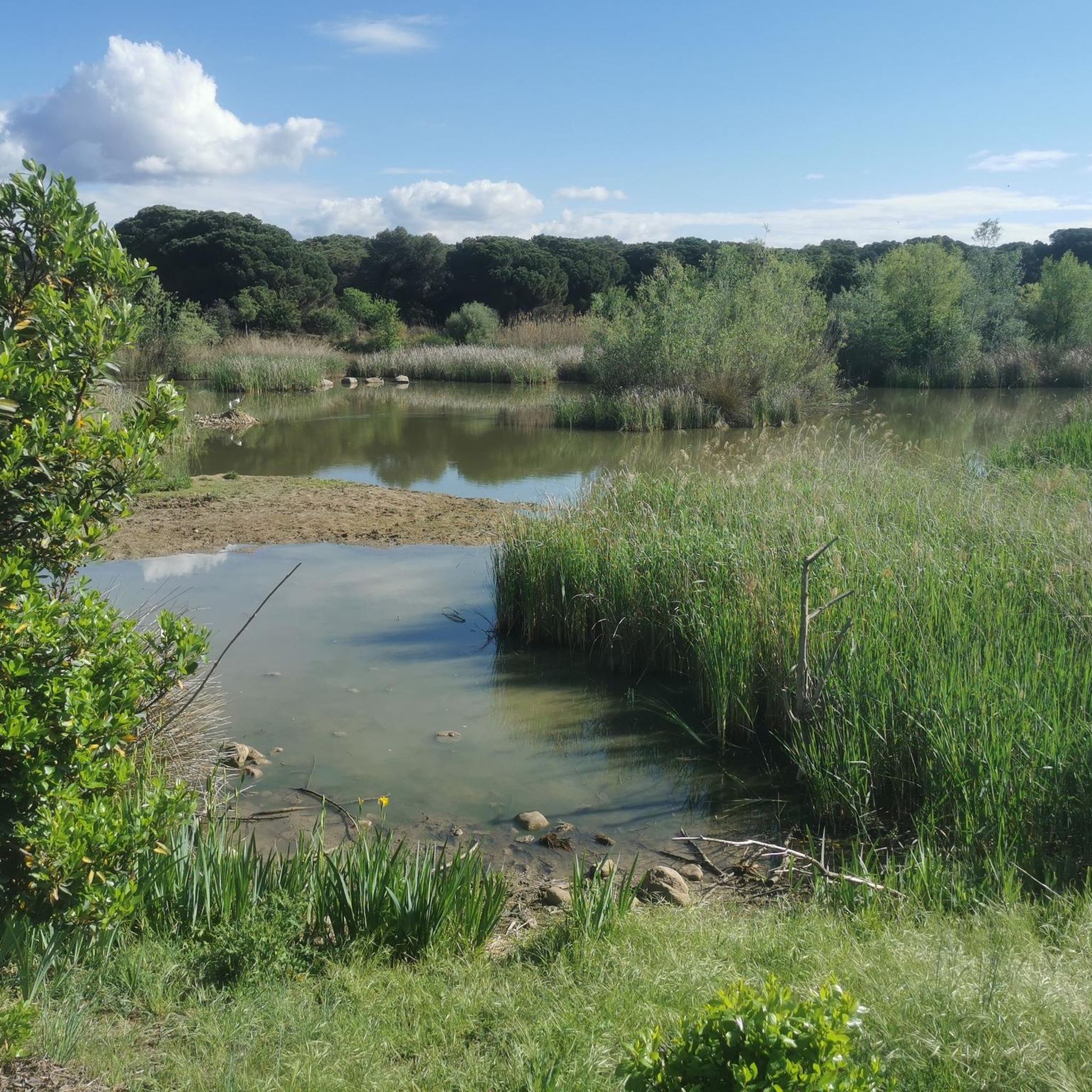
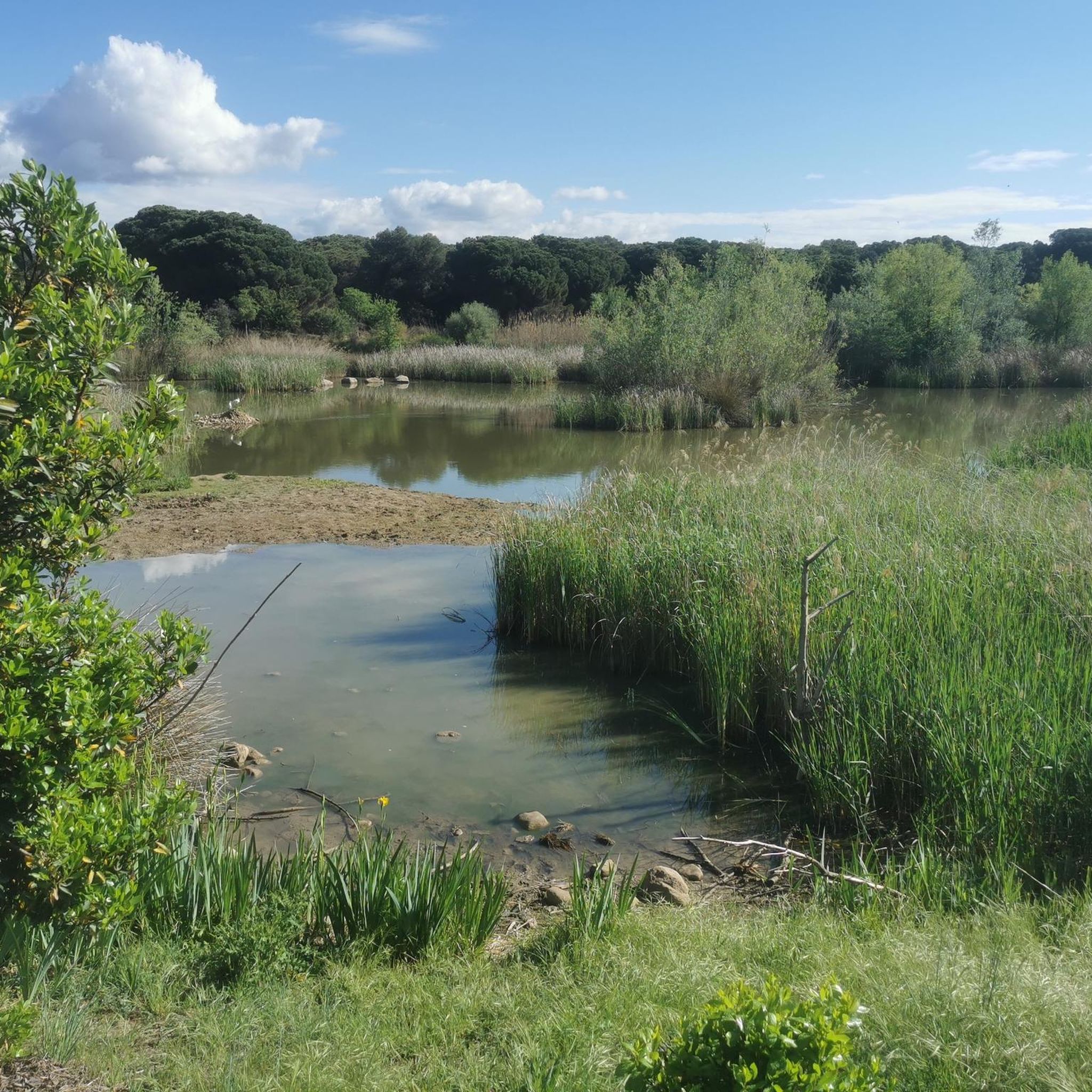
An oasis in the middle of so much urbanization and bustle
2
0

In 1949 it was declared a Historic-Artistic Monument, in a decree that declared all the castles in Spain a national historical heritage.
1
0

Montbui Castle is located on top of a mountain between the towns of San Felíu de Codinas, Bigas (municipality to which it belongs) and Caldas de Montbui, near the urbanization of Castell Montbúy, in the province of Barcelona, Spain. Next to it we find the pre-Romanesque hermitage of San Mateo de Montbúy, a building with a single nave with a horseshoe-shaped apse.
1
0

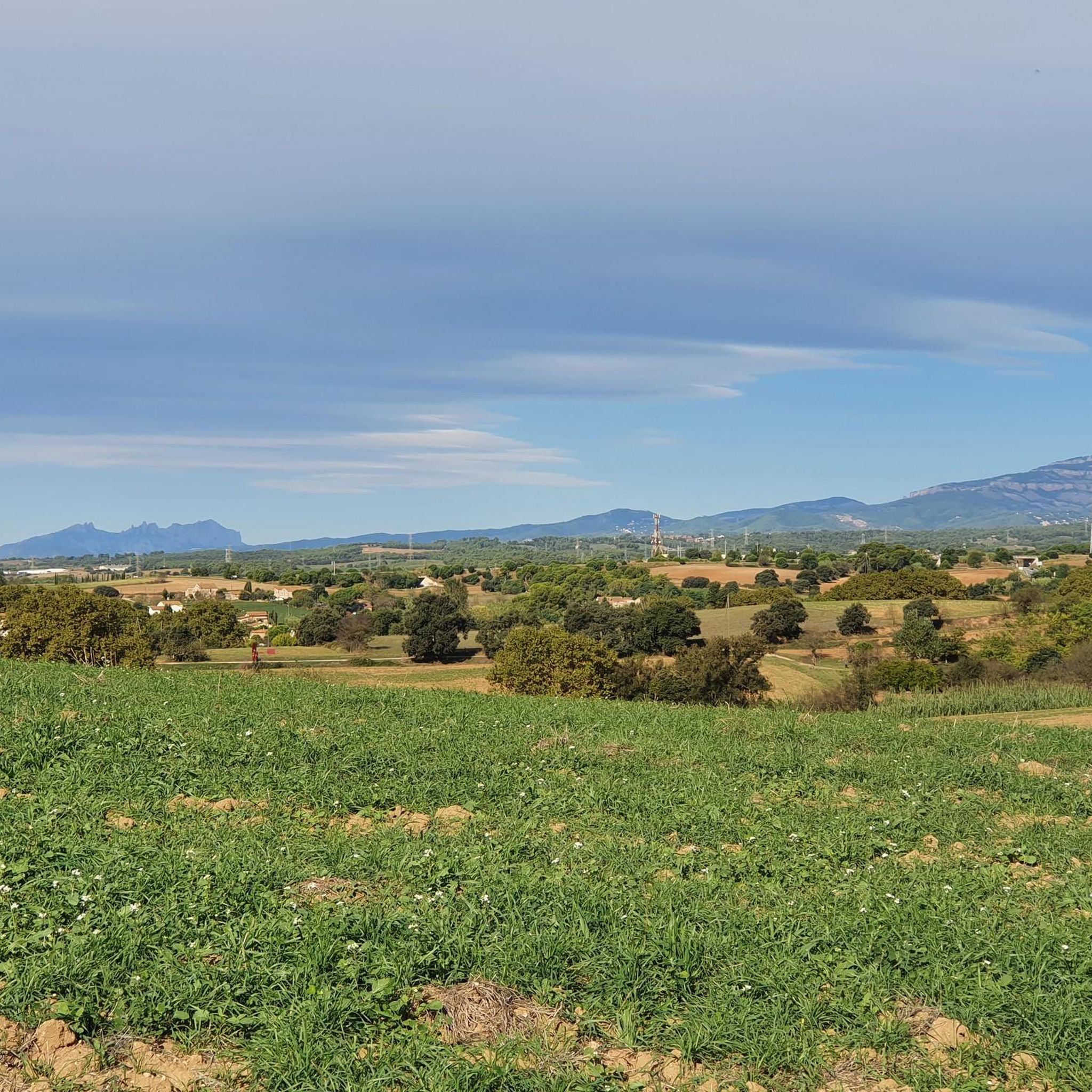
Beautiful view of the Vallès Oriental
5
0
Apart from feeling inside its history, the best reward for climbing the castle is, without a doubt, the majesty of the views it offers of the Vallés Oriental and Vallés Occidental regions.
15
0
The 50 houses on this L-shaped street make up the Mogoda neighborhood, belonging to the municipality of Santa Perpètua de Mogoda. They are constructions from the end of the 19th century. The neighborhood revolves around the 12th century fortified farmhouse, residence of the Mogoda lords and seat of the Mogoda barony, owned by the Montealegre Charterhouse between the 15th and 19th centuries. Access to the current estate is through a modernist-style arch-shaped portal that leads to the parade ground. The complex is made up of several buildings: the fortified farmhouse, the chapel, the residential building and the stables. They all surround the old parade ground. The Mogoda neighborhood gives its name to the town and is the deepest root of the town of Santa Perpètua de Mogoda. It is located in the southeast of the urban nucleus, bordering between the Caldes stream, the Caldes highway and the Renfe Mollet-Papiol line.
27
0
Frequently Asked Questions
What kind of castles can I expect to find around Lliçà De Vall?
The Lliçà De Vall area features a mix of historical sites, from well-preserved structures to significant ruins. You'll find medieval fortifications, Gothic buildings, and remnants that offer a glimpse into the region's past. For example, the Sentmenat Castle is a large Gothic building, while the local Castell de Lliçà de Vall is primarily known through its historical documentation and the vestiges of a circular defense tower.
Are there any castles with impressive views in the area?
Yes, several castles offer excellent viewpoints. Sant Miquel Castle is known for its impressive views from its elevated position, especially of the entire eastern and western valley at night. Similarly, Montbui Castle provides majestic views of the Vallés Oriental and Vallés Occidental regions.
Which castles are considered family-friendly around Lliçà De Vall?
For a family-friendly visit, consider the Mogoda neighborhood and Mogoda Castle, which is listed as family-friendly. Another good option is Can Taió Castle, which is described as a magnificent place to visit and enjoy a beautiful excursion suitable for people of all ages.
What is the historical significance of the Castell de Lliçà de Vall?
The Castell de Lliçà de Vall, though mostly ruins today, is a tangible link to the region's medieval past. It features vestiges of a circular defense tower, believed to have Roman origins and later adapted during the medieval period. Interestingly, in the 19th century, this tower was repurposed as a brick kiln, illustrating the layers of history and architectural adaptations over centuries in the area.
Are there hiking opportunities near the castles?
Absolutely. The region around Lliçà De Vall offers natural routes suitable for hiking, complementing visits to its historical landmarks. For instance, Sant Miquel Castle is accessible via an ultra-vertical and technical path, appealing to hikers looking for challenging trails. You can find more hiking options in the area by exploring the Hiking around Lliçà De Vall guide.
Can I go cycling near the castles in Lliçà De Vall?
Yes, the municipality of Lliçà De Vall offers natural routes for cycling. You can combine a visit to historical sites with a bike ride. For detailed routes and options, check out the Cycling around Lliçà De Vall guide or the Road Cycling Routes around Lliçà De Vall guide.
What makes Sentmenat Castle unique?
Sentmenat Castle is a large Gothic building, notable for its impressive fortress with walls three meters thick. It features a unique octagonal arrangement of rectangular bodies surrounding a trapezoidal patio, rebuilt on older foundations. Its strategic location on the edge of the Sentmenat stream adds to its historical appeal.
What do visitors appreciate most about the castles in this region?
Visitors often appreciate the blend of historical exploration and natural landscapes. The castles offer a tangible link to the past, with some providing impressive views and challenging access paths for outdoor enthusiasts. The komoot community has shown its appreciation with over 150 upvotes and 30 photos shared, highlighting the unique character of these sites.
Is there a castle that was repurposed for other uses historically?
Yes, the Castell de Lliçà de Vall is a notable example. Its circular defense tower, originally with Roman origins and later a medieval castle component, was repurposed in the 19th century as a brick kiln for manufacturing tiles. This demonstrates the evolving utility of historical structures in the region.
Are there any castles that are part of a larger historical complex?
Montbui Castle is part of a monumental complex that includes the castle itself and the church of San Mateo along with its surroundings. This medieval fortification, declared a Cultural Good of National Interest, offers a deeper historical experience beyond just the castle structure.
What is the best time to visit the castles around Lliçà De Vall?
The region's climate generally allows for pleasant visits throughout much of the year. Spring and autumn offer mild temperatures ideal for exploring the historical sites and engaging in outdoor activities like hiking and cycling. Summer can be warm, but early mornings or late afternoons are still suitable for visits. Winter offers cooler, often clearer, conditions for those who prefer fewer crowds.
Most popular routes around Lliçà De Vall
Most popular attractions around Lliçà De Vall

Get inspired with the komoot mobile app


Explore more
Looking for the best castles somewhere else? Discover other guides around Lliçà De Vall:
