The best walks and hikes around Mediona
4.4
(273)
1,817
hikers
213
hikes
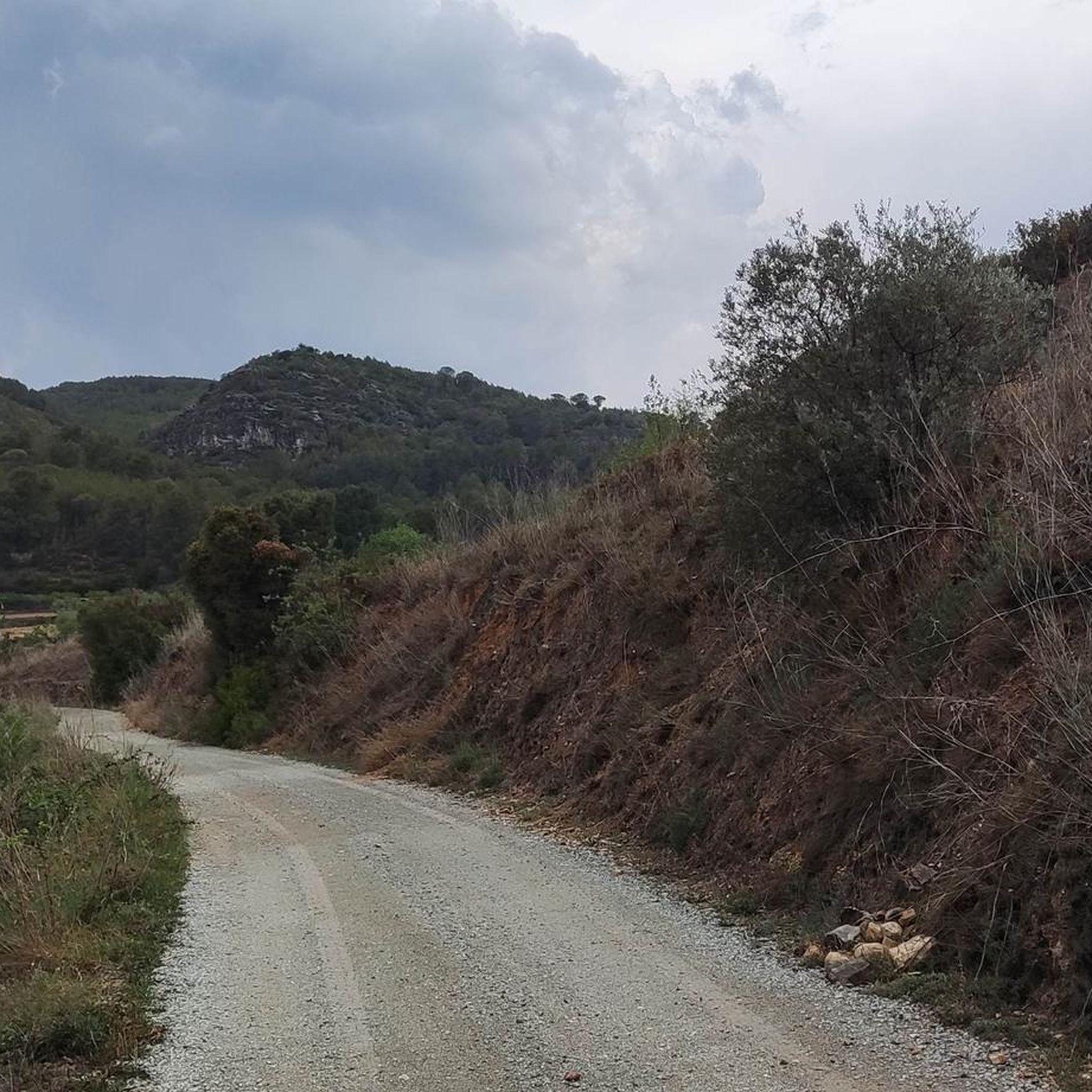
Hiking around Mediona offers trails through a landscape characterized by rolling hills, dense Mediterranean forests, and historical sites. The region features varied terrain, including paths along streams and to local waterfalls, as well as routes connecting to ancient castles and churches. Elevation changes are generally moderate, providing accessible hiking experiences. The area's natural features and cultural landmarks are integrated into its network of trails.
Best hiking trails around Mediona
- The most popular hiking route is Castell de Mediona and La…
Last updated: July 1, 2026
4.4
(5)
15
hikers
9.85km
02:53
220m
220m
Moderate hike. Good fitness required. Mostly accessible paths. Sure-footedness required.
4.6
(7)
19
hikers
Moderate hike. Good fitness required. Mostly accessible paths. Sure-footedness required.

Sign up for free
4.0
(3)
9
hikers
Moderate hike. Good fitness required. Mostly accessible paths. Sure-footedness required.
7
hikers
8.61km
02:44
350m
350m
Moderate hike. Good fitness required. Easily-accessible paths. Suitable for all skill levels.
5.0
(1)
6
hikers
5.86km
01:37
100m
100m
Easy hike. Great for any fitness level. Easily-accessible paths. Suitable for all skill levels.
Get access to more routes and recommendations from other explorers.
Sign up for free
Already have an account?
Our route recommendations are based on thousands of hikes, rides, and runs completed by other people on komoot.
Start today with a free account
Your next adventure awaits.
Login or Signup
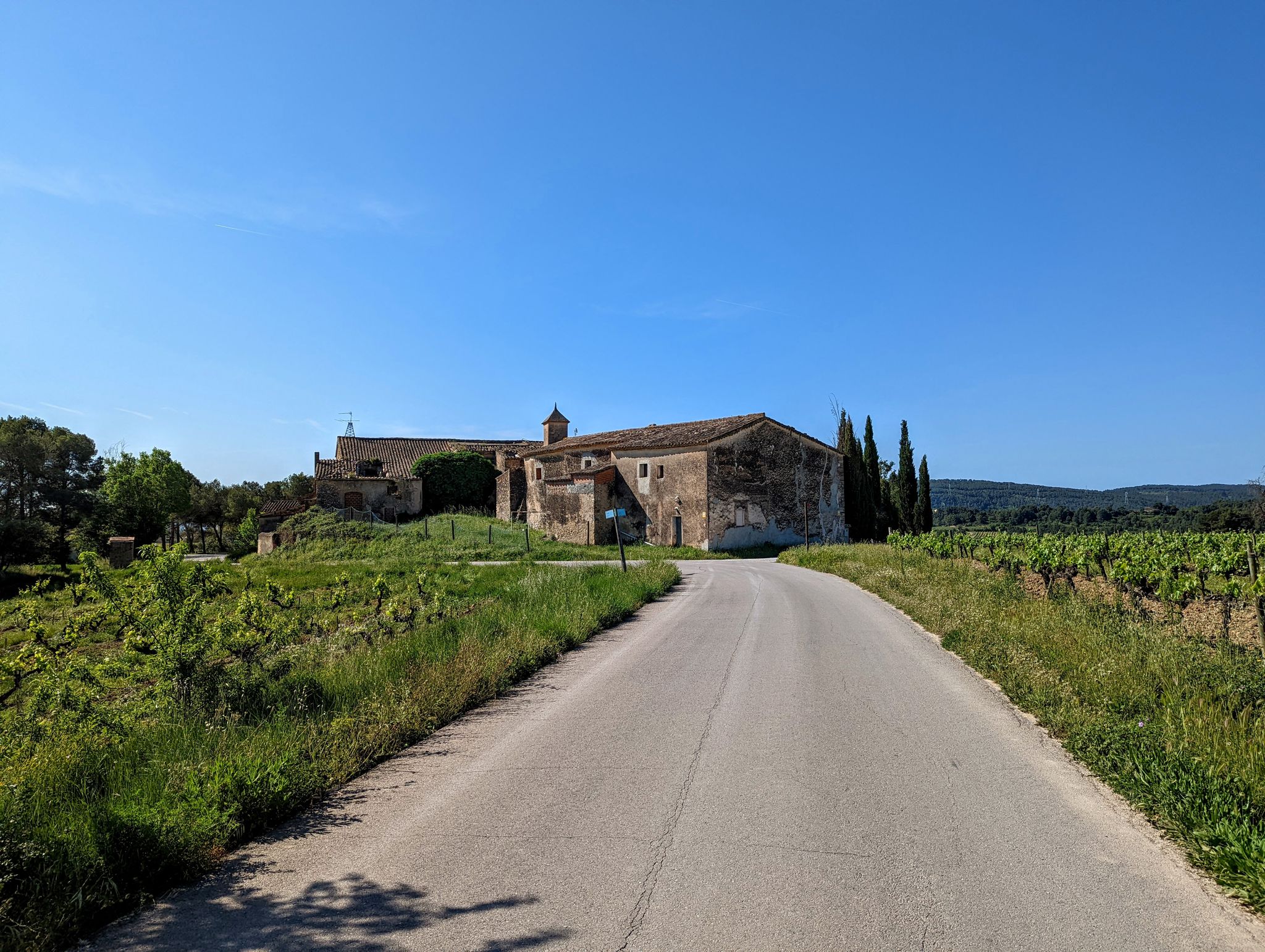
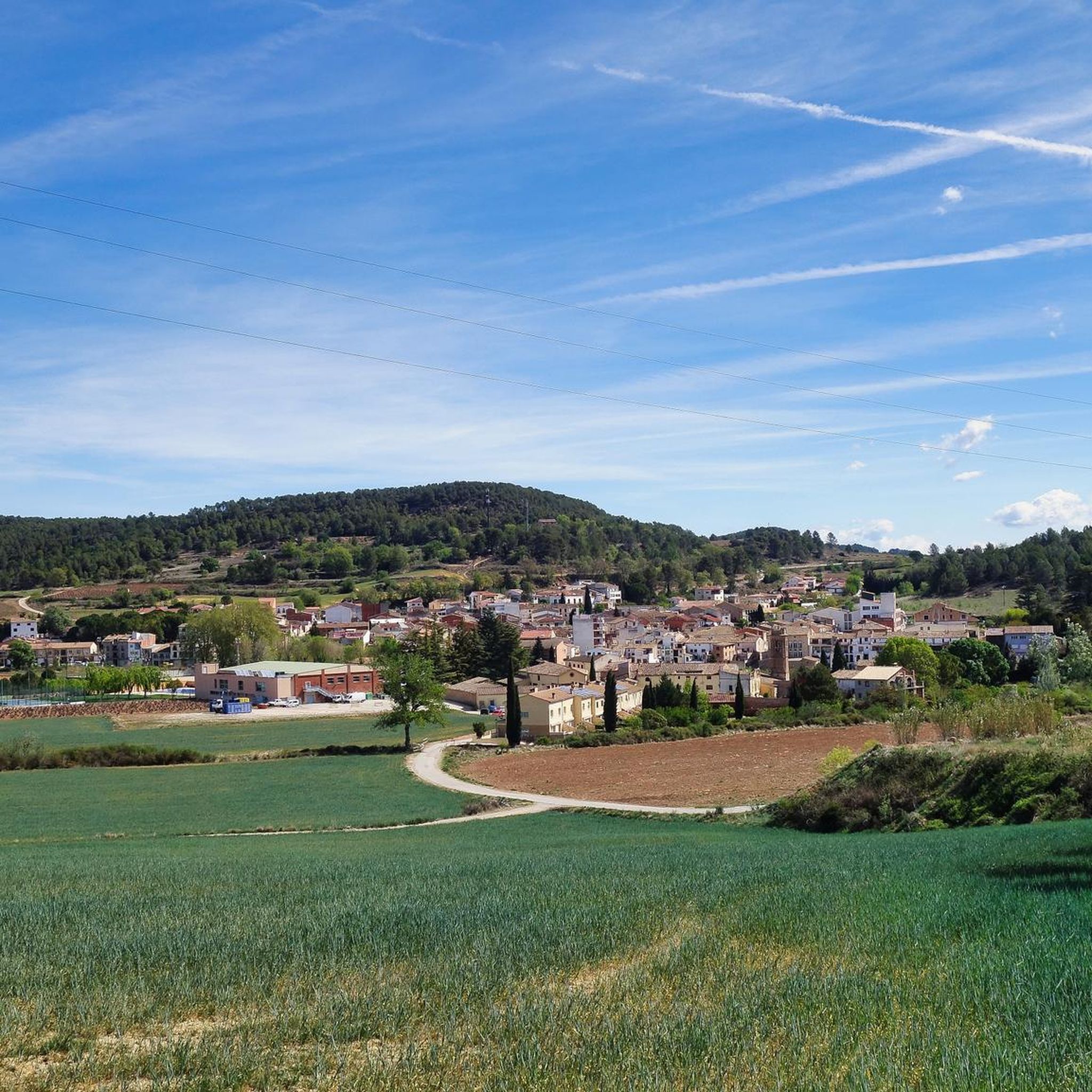
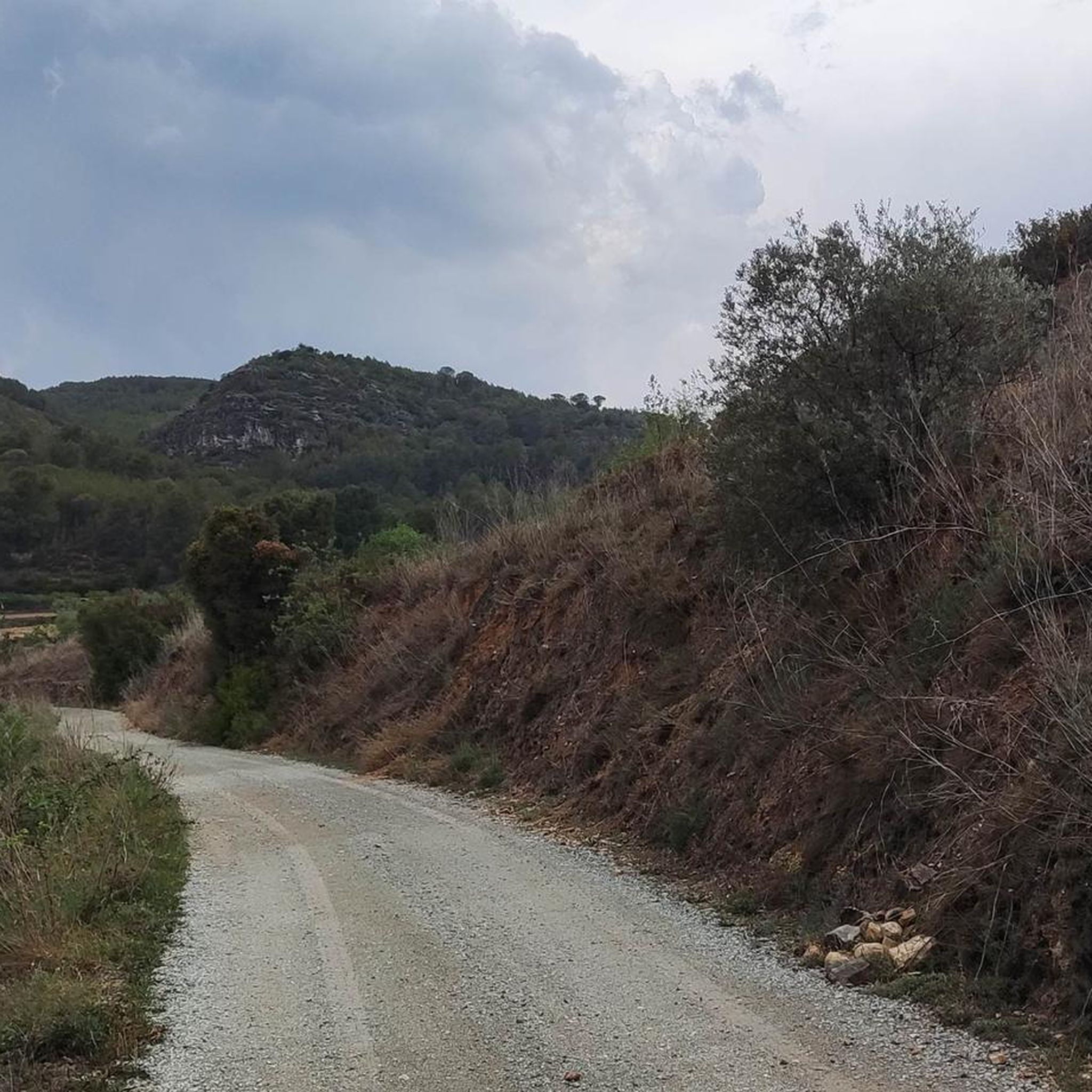

Other adventures around Mediona

Tips from the Community

El Castillo de Vilademàger is an ancient medieval fortress located on a rocky promontory that dominates a large part of the Anoia region's landscape. Although it is now preserved in ruins, remains of its walls, the tower, and the small Romanesque chapel of Sant Pere can still be appreciated.
0
0

Documented for the first time in 962, it was listed as a monastic house dependent on the Ripoll monastery and since the 12th century it had housed a community of Benedictines. Practically nothing remains of the primitive Romanesque church, since in 1541 a mob of Frenchmen burned down the town, leaving the monastic house and the church collapsed. The church was rebuilt in 1567, becoming the property of the Barcelona Cathedral. In the following years he carried out various renovations, including the addition of an altarpiece by the Milanese painter Joan Baptista Toscano and various images by the Catalan baroque artist Agustí Pujol. In successive centuries the church was expanded and in the 1950s, after the damage suffered during the civil war, the sgraffito exterior that can be seen today was painted.
1
0

Les Deus is a natural site of Sant Quintí de Medionai is a space where there are 23 sources of water in a beautiful area to take a break.
0
0
Beautiful castle that is located above the path that historically connected Sant Joan de Mediona and Sant Quintí, on a cliff and that offers views of the surrounding mountains. You have to take the path that goes up to you directly.
0
0

A natural area where you can enjoy lakes, pools, caves and waterfalls. Les Deus are a series of 23 fountains in a row - the water comes from a main source of the Carme Capellades aquifer. In high season, people take advantage of the lakes as a bathing area. On the highest part there is a restaurant and a bar with views and below there is a picnic area. There is also an adventure park where there is via ferrata etc.
1
0
Ruins of an Elizabethan barracks, occupied by the Carlists. Only a section of wall and a tower remain. The interior has been converted into a cemetery. It is interesting from a historical point of view.
1
0
Tradition says that Quintí was the son of a Roman senator. The church of Rome sent him to evangelize the Amiens area, but during the trip Quintí was beheaded. His head was thrown into the River Somme along with his body, with a stone tied to his feet. Years later, through the prayer of a blind woman, the body of Sant Quintí emerged from the water and restored the woman's sight. Although nothing remains of the original Romanesque building, in the current building we find signs of some ancient temple.
2
0
The Castell de Mediona has been documented since 954, having passed through different owners throughout history, something that can be seen in the different architectural forms that can be seen in its remains. The oldest construction is a semicircular tower of which only the first floor and an adjoining enclosure remain. A second construction phase provided new fortifications, such as a bastion and a rectangular Gothic room (SXIV). A third construction phase raised two new square towers (SXV). Inside the fortification there is a church dedicated to Santa María (SXIV).
0
0
Frequently Asked Questions
How many hiking trails are there in Mediona?
Mediona offers a diverse network of over 200 hiking trails. These routes cater to various skill levels, with 73 easy, 137 moderate, and 9 difficult options available.
What kind of terrain can I expect on Mediona's hiking trails?
The terrain in Mediona is characterized by rolling hills, dense Mediterranean forests, and paths along streams. You'll encounter varied landscapes, including routes leading to local waterfalls, ancient castles, and churches. Elevation changes are generally moderate, making many trails accessible.
Are there easy hikes suitable for beginners in Mediona?
Yes, Mediona has 73 easy hiking routes perfect for beginners or those looking for a relaxed walk. An example is the Waterfall – Mala Dona Waterfall loop from Canaletes, which is 5.9 km long and features a beautiful waterfall.
Are there challenging hikes in Mediona for experienced hikers?
For more experienced hikers, Mediona offers 9 difficult routes. These trails typically feature greater elevation changes and more rugged terrain, providing a rewarding challenge amidst the region's natural beauty.
Can I find circular hiking routes in Mediona?
Yes, many of Mediona's trails are designed as loops, allowing you to start and end at the same point. Popular circular routes include the Castell de Mediona and La Talaia Loop and the Parish Church of Sant Quintí – Castell de Mediona loop from Sant Quintí de Mediona.
Are there any historical sites or landmarks to see while hiking in Mediona?
Mediona's hiking trails often integrate historical sites. You can explore routes that pass by ancient castles like Castell de Mediona, churches such as the Parish Church of Sant Quintí, and other significant landmarks. The Roca del Frare – Vilademàger Castle loop from Mas Conill is another great option to discover historical points of interest.
Are Mediona's trails suitable for families with children?
Many of Mediona's easy and moderate trails are suitable for families. The varied terrain and presence of natural features like waterfalls and historical sites can make for an engaging experience for children. Consider shorter, well-marked loops with minimal elevation gain.
Are dogs allowed on hiking trails in Mediona?
Generally, dogs are welcome on most hiking trails in Mediona, provided they are kept under control, especially around wildlife or livestock. It's always advisable to check local regulations for specific areas or nature reserves, and to carry water for your pet.
What kind of flora and fauna can I expect to see while hiking in Mediona?
Mediona's Mediterranean forests are home to diverse flora, including pine trees, oaks, and various aromatic plants. You might spot local wildlife such as wild boars, various bird species, and small mammals. The region's natural water features also support unique aquatic plants and insects.
Are there any wild swimming spots near Mediona's hiking trails?
Yes, the region is known for its natural water features. You can find spots like Pèlags del Foix and Font d'en Sala, which are popular for cooling off. The Les Deus Fountains – Parish Church of Sant Quintí loop also leads through areas with natural fountains.
What do other hikers enjoy most about Mediona?
The komoot community highly rates hiking in Mediona, with an average score of 4.4 stars from over 240 reviews. Hikers often praise the region's blend of historical sites, natural water features, and forested paths, offering a varied and engaging outdoor experience.
Is there parking available at the trailheads in Mediona?
Parking is generally available in or near the villages and starting points of many trails in Mediona. For specific routes, it's recommended to check the route details on komoot, as many tours provide information on nearby parking facilities.
How can I get to the hiking trails in Mediona by public transport?
While Mediona is primarily accessed by car, some villages like Sant Quintí de Mediona, which serve as starting points for popular hikes, may have limited public transport connections. It's best to research local bus schedules from larger nearby towns to plan your journey.
Most popular attractions around Mediona

Get inspired with the komoot mobile app


Explore more
Browse the best Hikes in other regions.
