The best road cycling routes around Laspaúles
4.7
(24)
1,603
riders
38
rides
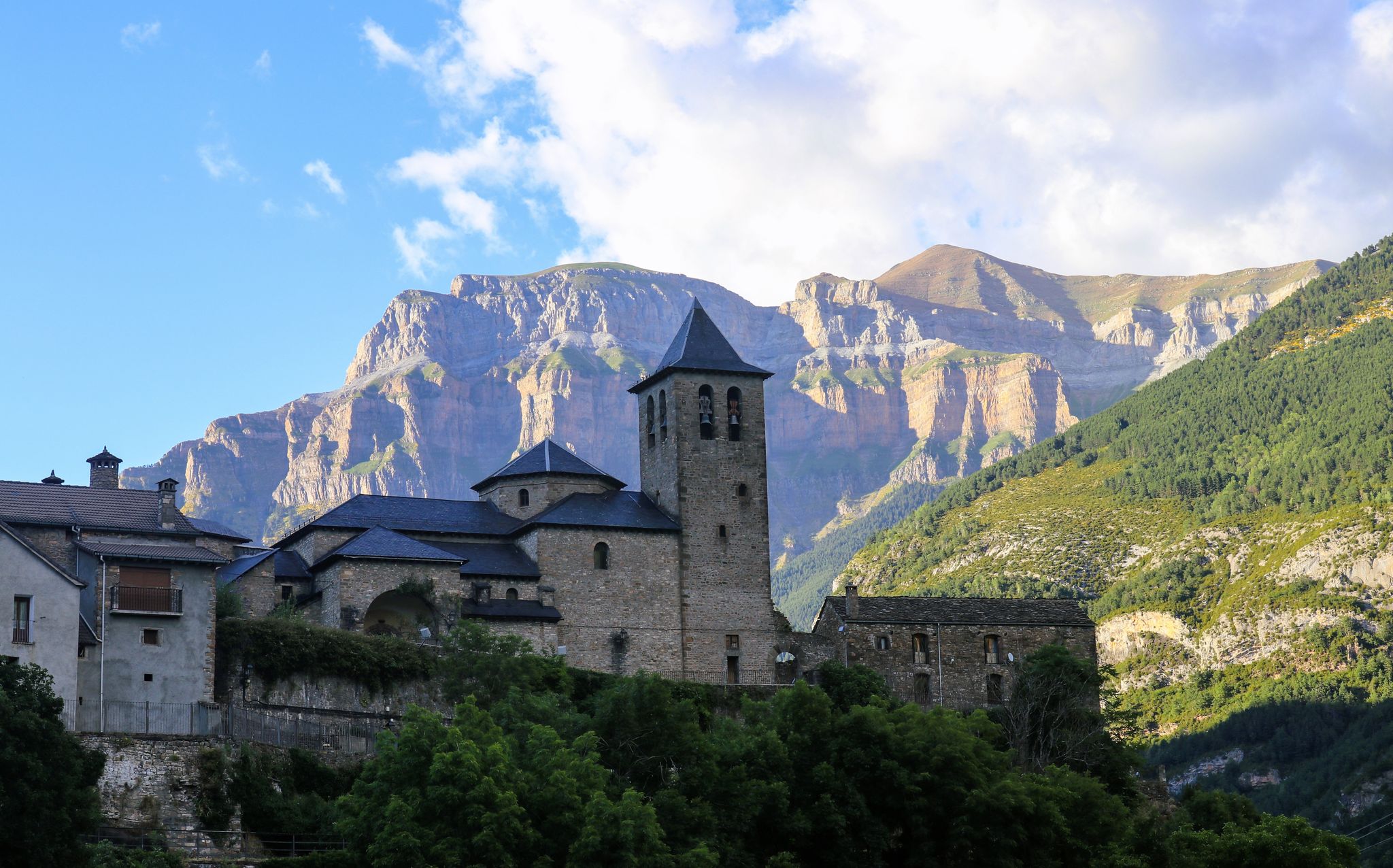
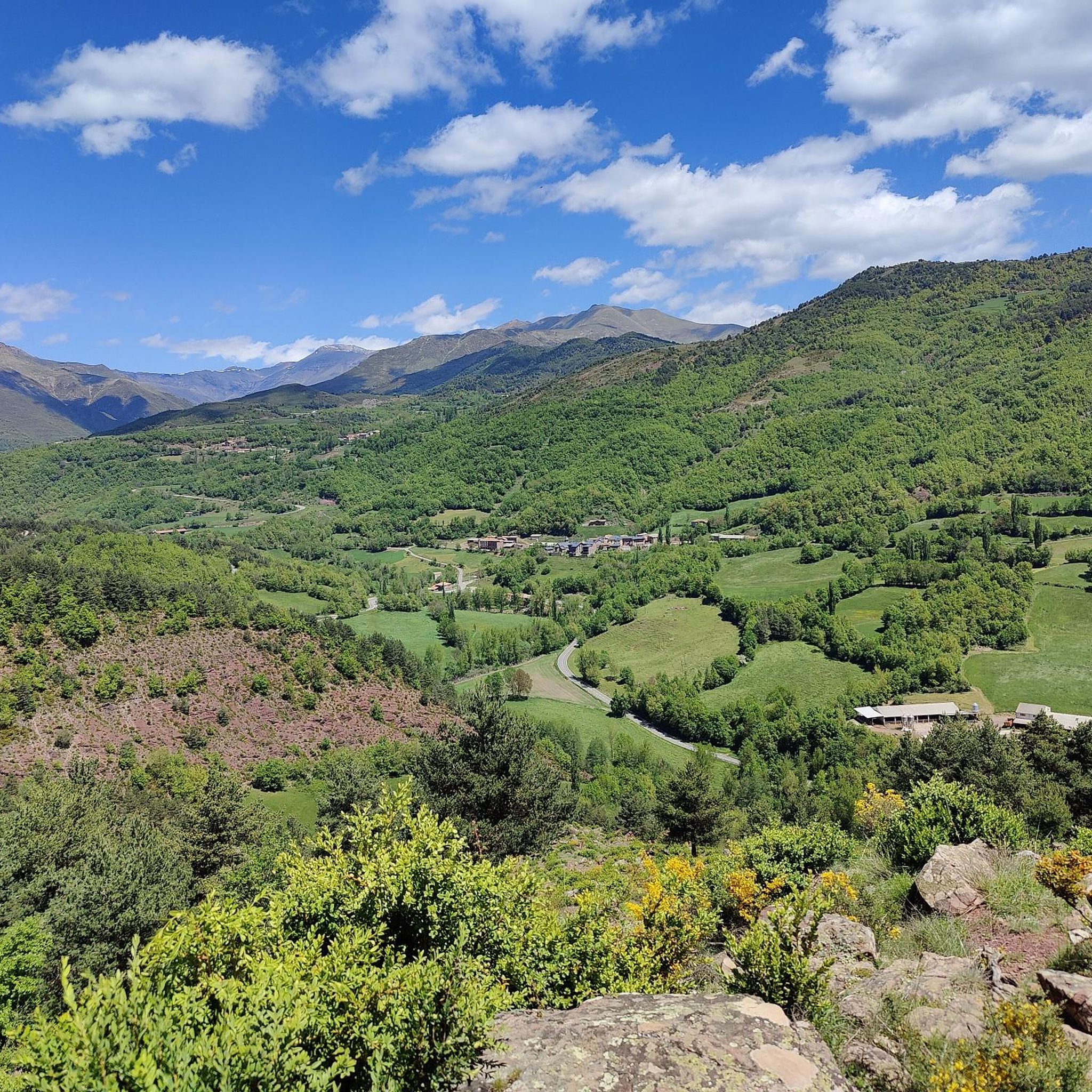
Road cycling routes around Laspaúles are situated in the Aragonese Pyrenees, an area characterized by challenging mountainous terrain and significant elevation changes. The region features majestic Pyrenean peaks and deep valleys, including the Benasque Valley, alongside diverse forests and crystalline rivers. This high-altitude setting provides a demanding yet scenic environment for road cyclists.
Best road cycling routes around Laspaúles
- The most popular road cycling route is Valle de Benasque – integral of Castejón de Sos to Llanos del Hospital,…
Last updated: May 6, 2026
97
riders
56.3km
03:17
1,150m
1,150m
Hard road ride. Very good fitness required. Mostly well-paved surfaces and easy to ride.
5.0
(1)
73
riders
26.1km
02:09
630m
630m
Moderate road ride. Good fitness required. Mostly well-paved surfaces and easy to ride.

Sign up for free
4.8
(4)
66
riders
36.1km
02:16
1,000m
1,000m
Hard road ride. Very good fitness required. Mostly well-paved surfaces and easy to ride.
9
riders
42.2km
03:21
1,540m
1,540m
Hard road ride. Very good fitness required. Mostly well-paved surfaces and easy to ride.
3
riders
32.1km
02:00
910m
910m
Hard road ride. Very good fitness required. Some segments of this route may be unpaved and difficult to ride.
Get access to more routes and recommendations from other explorers.
Sign up for free
Already have an account?
Our route recommendations are based on thousands of hikes, rides, and runs completed by other people on komoot.
Start today with a free account
Your next adventure awaits.
Login or Signup
Other adventures around Laspaúles

Tips from the Community

Lovely stop at the Hospital Plains!
0
0

A table-bench combination in the shade of the forest.
1
0

This is a beautiful hospital/inn in an amazing location. It is worth a visit. And from here there are many trails to explore.
0
0

This port connects the Noguera Ribagorzana river basin with the Sis valley and the Isábena basin, right on the border between Catalonia and Aragon. From Bonansa, the pass is a little over six kilometers long, with a fairly constant average drop of around 7%. Its other slope, the one that follows the Obarra gorge until it crowns the port, is much longer. It is 15 kilometers long, but it is very flat, with percentages around 3%, until it practically reaches the top, where the last two kilometers present considerable unevenness, with ramps of more than 15%.
0
0

The port of Bonansa is located at an altitude of 1,380 meters, in an open area from which you can see the panorama of the surrounding mountains. The climb is demanding, but worth it.
1
0

Castejón de Sos is a fairly large Ribagorza municipality, compared to the small population centers that exist in the surroundings. It has hotels, supermarkets, restaurants and a pharmacy. It is very close to the Ventamillo Gorge, an imposing canyon crossed by the Ésera River.
1
0

The port of Bonansa is located at an altitude of 1,380 meters. On one side of the pass is the town of Bonansa, and on the other, an extensive pine forest that marks the beginning of the descent to the Obarra gorge.
0
0

Lookout located at the pass of the town of Montanuy, forming the border between the Catalan and Aragonese provinces.
0
0
Frequently Asked Questions
How many road cycling routes are available around Laspaúles?
There are over 35 road cycling routes available around Laspaúles, catering to various skill levels. You'll find a mix of moderate and difficult options, with 13 moderate and 21 difficult routes to explore.
What kind of terrain can I expect on the road cycling routes in Laspaúles?
The terrain around Laspaúles is characterized by the majestic Aragonese Pyrenees, featuring significant elevation changes, challenging ascents, and rewarding descents. You'll cycle through high-altitude valleys, past diverse mountain forests, and enjoy breathtaking views of peaks like El Turbón.
Are there any easy or family-friendly road cycling routes in Laspaúles?
While Laspaúles is known for its challenging mountainous terrain, there is at least one easy road cycling route available. Most routes, however, are categorized as moderate to difficult, making them more suitable for experienced cyclists or those seeking a significant challenge.
What scenic views or landmarks can I expect on road cycling routes near Laspaúles?
Road cycling routes in this region offer stunning Pyrenean vistas. You might pass through charming settlements like Castejón de Sos, conquer mountain passes such as Bonansa Pass or Coll de Fadas, and experience the beauty of the Benasque Valley with its highest peaks and glaciers.
Are there routes that pass by waterfalls?
Yes, some routes in the broader area may bring you close to natural water features. For instance, you can find highlights like the Ardonés Waterfall and the Remáscaro Gorge Waterfalls, which are notable natural attractions in the vicinity.
What is the best time of year for road cycling in Laspaúles?
Given its high-altitude Pyrenean setting, the best time for road cycling in Laspaúles is typically from late spring through early autumn (May to October). During these months, the weather is generally more stable, and mountain passes are clear of snow, offering optimal conditions for challenging rides.
Are there many circular road cycling routes available?
Yes, there are several excellent circular routes. For example, the Bonansa and Puerto de Bonansa Loop from Laspaúles is a popular difficult option, offering significant climbing and panoramic views. Another is the Castejón de Sos - Coll de Fadas - Bisaurri Loop, which takes you through Pyrenean valleys and passes.
What do other cyclists say about road cycling in Laspaúles?
The road cycling routes around Laspaúles are highly rated by the komoot community, with an average score of 4.7 stars from over 20 reviews. Cyclists often praise the challenging nature of the routes, the stunning Pyrenean landscapes, and the well-paved surfaces that contribute to a great riding experience.
Are there options for longer, more demanding road cycling tours?
Absolutely. For those seeking a significant challenge, routes like the Valle de Benasque – integral of Castejón de Sos to Llanos del Hospital offer substantial distances and elevation gains, taking you deep into the Pyrenean valleys for an immersive experience.
Is parking available for road cyclists in Laspaúles?
While specific parking areas for cyclists are not explicitly detailed, Laspaúles, as a hub for outdoor activities, generally offers parking options within the village or at common trailheads. It's advisable to check local signage upon arrival for the most convenient spots.
Are there places to eat or stay along the road cycling routes?
Laspaúles and surrounding villages in the Aragonese Pyrenees offer various accommodations and dining options. While specific cafes directly on every route are not guaranteed, you'll find places to refuel and rest in the towns and villages you pass through, especially in larger hubs like Castejón de Sos.
Can I reach Laspaúles by public transport for cycling?
Reaching Laspaúles, nestled in the high Pyrenees, primarily relies on road access. Public transport options might be limited, often requiring connections from larger towns. For the most up-to-date information on bus services to the region, it's best to consult local transport authorities.
Most popular attractions around Laspaúles

Get inspired with the komoot mobile app


Explore more
Browse the best Road cycling routes in other regions.
