Attractions and Places To See around Castejón Del Puente - Top 7
Best attractions and places to see around Castejón Del Puente include a blend of historical landmarks, cultural sites, and natural beauty. This municipality in Huesca, Aragon, has a history dating back to Roman times, serving as a significant communication point along the Cinca River. The area features diverse landscapes, from riverside thickets and gypsum cliffs to holm oak forests and fertile agricultural fields. Visitors can explore a rich heritage alongside varied natural environments.
Best attractions and places to see around…
Last updated: July 15, 2026
El Pueyo Monastery of Barbastro
Highlight • Religious Site
Translated by Google •
Tip by

Barbastro
Highlight • Settlement
Translated by Google •
Tip by

Sign up now to discover places like this
Get recommendations on the best single tracks, peaks, & plenty of other exciting outdoor places.
Sign up for free
Cathedral of Our Lady of the Assumption
Highlight • Religious Site
Translated by Google •
Tip by
Berbegal
Highlight • Settlement
Translated by Google •
Tip by
Monzón Castle
Highlight • Castle
It was erected by the Muslims; later it would be the seat of the main Templar encomienda …
Translated by Google •
Tip by

Sign up for free to discover even more attractions around Castejón Del Puente.
Sign up for free
Already have an account?
Start today with a free account
Your next adventure awaits.
Login or Signup



Tips from the Community

Founded in the 13th century on the site of an old Visigothic hermitage. Rebuilt several times, the current building combines Renaissance and Baroque elements. For centuries, it was an important center of Marian pilgrimage in Aragon. The monastery was abandoned in the mid-20th century, but in the 1990s, it was restored by the Incarnate Word community, which still lives there. Today, it is a place for retreat, Masses, and spiritual activities.
0
0

The Sanctuary of Nuestra Señora del Pueyo is a 12th century building. Its origin is based on the legend of the appearance of the virgin to the shepherd Balandrán. Its privileged location on a hill served as an outpost for Pedro I of Aragon during the reconquest of Huesca and later Jaime I the Conqueror established a chaplaincy here. From these actions originate the church and the Romanesque cloister, which are later enlarged in the Gothic style.
2
0

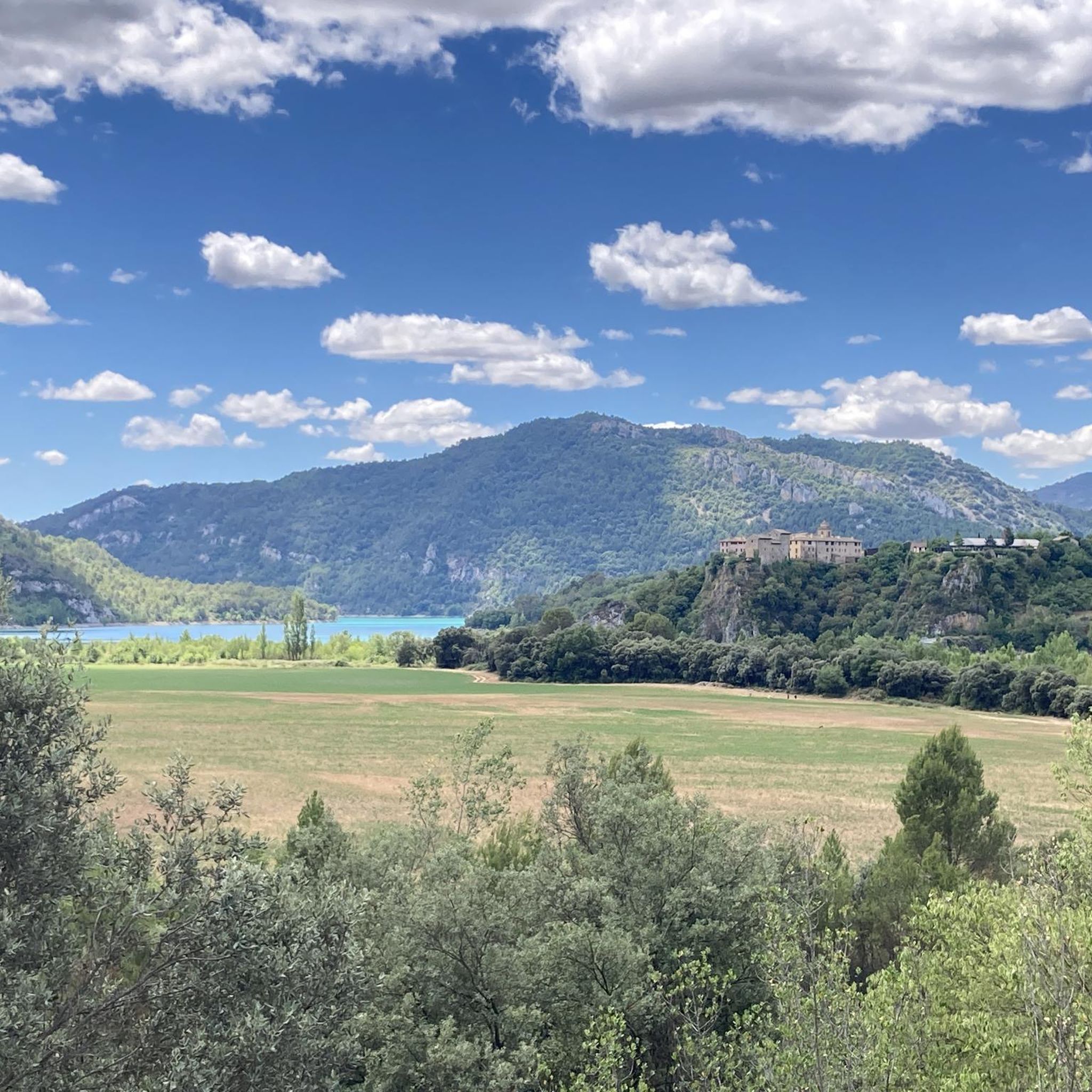
Located on top of a rock, between the Cinca and Alcanadre rivers, Berbegal is an Aragonese town in the Somontano de Barbastro region. The town has a beautiful Romanesque church and, being located on a high point of the land, offers beautiful views of the extensive cultivated fields that surround the town.
0
0
Barely six kilometers from the city of Barbastro, on top of a hill stands the majestic monastery of El Pueyo. The building was built in the 12th century, initially as a Romanesque church, and was later renovated in the Gothic style in the 12th century. In front of the monastery there is a viewpoint with beautiful panoramic views of the Somontano lands.
0
0
The Cathedral of Santa María de la Asunción de Barbastro was built in the 16th century in the Gothic style. Its bell tower is the most distinctive sign of the city's silhouette, but its interior is even more spectacular thanks to its impressive Baroque façade, its star-shaped vault and its large alabaster altarpiece.
0
0
Barbastro is a city in the Aragonese province of Huesca located on the banks of the Vero River. Its most notable construction is the impressive cathedral of Santa María de la Asunción, in the Gothic style. The cathedral's bell tower, possibly built on the base of an ancient minaret, can be seen from anywhere in the city. But do not miss the opportunity to visit it inside, where a beautiful baroque doorway, a star ribbed vault and a grandiose alabaster altarpiece await you.
0
0

The Sanctuary of Our Lady of El Pueyo or also called the Monastery of Our Lady of El Pueyo is a building for Catholic worship located about five kilometers from the town of Barbastro in Huesca. El Pueye is the name of the small summit where the monastery is located
0
0

Monastery from the year 1101, at which time legend has it that the Virgin appeared on this mountain to a shepherd named Balandrán asking him to build a sanctuary in this place.
1
0
Frequently Asked Questions
What historical sites can I explore in Castejón Del Puente?
Castejón Del Puente boasts a rich history. You can visit the ruins of the Castillo de Castejón del Puente, which played a strategic role and was later donated to the Knights Templar. The Ermita de Nuestra Señora la Bella, originally Romanesque, stands on the site of another fortification. Don't miss the 16th-century Gothic Iglesia de La Asunción, considered one of the most beautiful Gothic buildings in Somontano. Additionally, remnants of the monumental Old Bridge, crucial since Roman times, are still visible, along with archaeological remains like the 'Arco de San Juste' from a Templar hospital.
Are there any natural features or viewpoints to enjoy around Castejón Del Puente?
Yes, the area offers diverse natural beauty. The Soto del Río Cinca (Riverside Thickets) and Cantiles de Yesos (Gypsum Cliffs) are part of the Natura 2000 Network, known for their rich biodiversity including otters and Egyptian vultures. You can also find varied landscapes with holm oak forests, steppe vegetation, and fertile plots. For views, the town of Berbegal, located on a high point, offers beautiful vistas of the surrounding cultivated fields. The El Pueyo Monastery of Barbastro also provides excellent views from its hilltop location.
What outdoor activities are available near Castejón Del Puente?
The agricultural fields and rolling hills around Castejón Del Puente are ideal for walking and cycling. You can find numerous routes for various activities. For hiking, explore trails like those mentioned in the Hiking around Castejón Del Puente guide. If you prefer cycling, there are gravel biking options, such as those detailed in the Gravel biking around Castejón Del Puente guide. Running enthusiasts can also find suitable routes, as highlighted in the Running Trails around Castejón Del Puente guide. The nearby Sierra y Cañones de Guara Natural Park is also excellent for hiking and birdwatching.
Are there any family-friendly attractions or activities in the area?
Yes, several attractions are suitable for families. The town of Barbastro offers a pleasant environment for families to explore, including its impressive Cathedral of Our Lady of the Assumption. The town of Berbegal is also considered family-friendly. Exploring the historical sites like the Old Bridge or the Noria (Waterwheel) in 'Huerta Vieja' can be an engaging educational experience for children. The surrounding natural landscapes also provide opportunities for family walks and picnics.
What is the best time of year to visit Castejón Del Puente?
The region's diverse landscape and outdoor activities suggest that spring and autumn are ideal. These seasons offer pleasant temperatures for exploring historical sites, hiking, and cycling without the intense heat of summer. The natural features, such as the riverside thickets and holm oak forests, would be particularly vibrant during these times. Summer can also be enjoyable, especially for activities near the Cinca River, but be prepared for warmer weather.
Where can I find unique historical remnants from the Spanish Civil War?
The hills surrounding Castejón del Puente hold significant historical importance from the Spanish Civil War. A dedicated hiking trail leads to well-preserved trenches. You can also discover various military vestiges, including former bunkers, shelters, machine gun nests, and parts of an airfield used by Republican soldiers, offering a poignant glimpse into the region's past.
What are some lesser-known historical gems in Castejón Del Puente?
Beyond the main landmarks, you can discover the monumental remains of a Noria (Waterwheel) in the 'Huerta Vieja' area, one of only two such examples preserved in the province of Huesca. Another interesting site is the 'Arco de San Juste,' a surviving element of a Templar hospital built to attend to pilgrims on the Camino de Santiago, offering a glimpse into medieval pilgrimage routes.
Are there any specific hiking trails recommended for beginners or easy walks?
While specific beginner trails are not detailed, the agricultural fields and rolling hills around Castejón Del Puente provide an ideal setting for easy walks. Many of the routes listed in the Hiking around Castejón Del Puente guide might include easier sections. For instance, some running routes in the Running Trails around Castejón Del Puente guide are marked as 'easy' and could be suitable for a leisurely walk, such as the 'Running loop from Monzón' (4.99 km).
What kind of wildlife can I expect to see in the natural areas?
The Soto del Río Cinca and Cantiles de Yesos, recognized for their rich biodiversity, are home to unusual species. You might spot otters, Egyptian vultures, and freshwater blennies. Herons and white storks are also common in these areas. The varied landscape also supports game animals like wild boar, quail, partridge, and rabbit, and the rivers are home to trout, barbel, and eel.
Can I find accommodation or dining options nearby?
While specific establishments are not listed, the nearby towns and settlements like Barbastro and Berbegal, being larger centers, would offer a range of cafes, pubs, restaurants, and accommodation options for visitors exploring the region.
What is the significance of the Old Bridge in Castejón Del Puente?
The village itself is named after the monumental Old Bridge that once spanned the Cinca River. This bridge was a vital communication link between Levante and Cantabria since Roman times and was part of the Royal Road from Zaragoza to Toulouse. In the 16th century, it was particularly important for mule trains transporting valuable dyes. Significant portions, including ashlar piers with cutwaters and one abutment, still remain, hinting at its impressive original length of approximately 500 meters with about 20 arches.
Are there any religious sites of particular interest?
Yes, the area features several significant religious sites. The Ermita de Nuestra Señora la Bella, believed to have been the castle's chapel, is notable for its preserved Romanesque portal and the tradition of the Virgen de la Bella as the protector of pregnant women. The 16th-century Gothic Iglesia de La Asunción is a beautiful example of Gothic architecture. Further afield, the El Pueyo Monastery of Barbastro, a 12th-century building with a Romanesque cloister, and the impressive Cathedral of Our Lady of the Assumption in Barbastro are also key religious landmarks.
Most popular routes around Castejón Del Puente

Get inspired with the komoot mobile app


Explore more
Still not found the Highlight you’re looking for? See guides of the top attractions in other regions:
