Attractions and Places To See around Castillo De Locubín - Top 20
Best attractions and places to see around Castillo De Locubín include historical sites, cultural landmarks, and natural features. This "white village" is situated in the foothills of the Sierra Sur in Jaén, Andalusia. The area offers a blend of heritage and scenic surroundings, characterized by its whitewashed houses. Visitors can explore a variety of attractions reflecting its rich history and natural beauty.
Best attractions and places to see around Castillo De Locubín
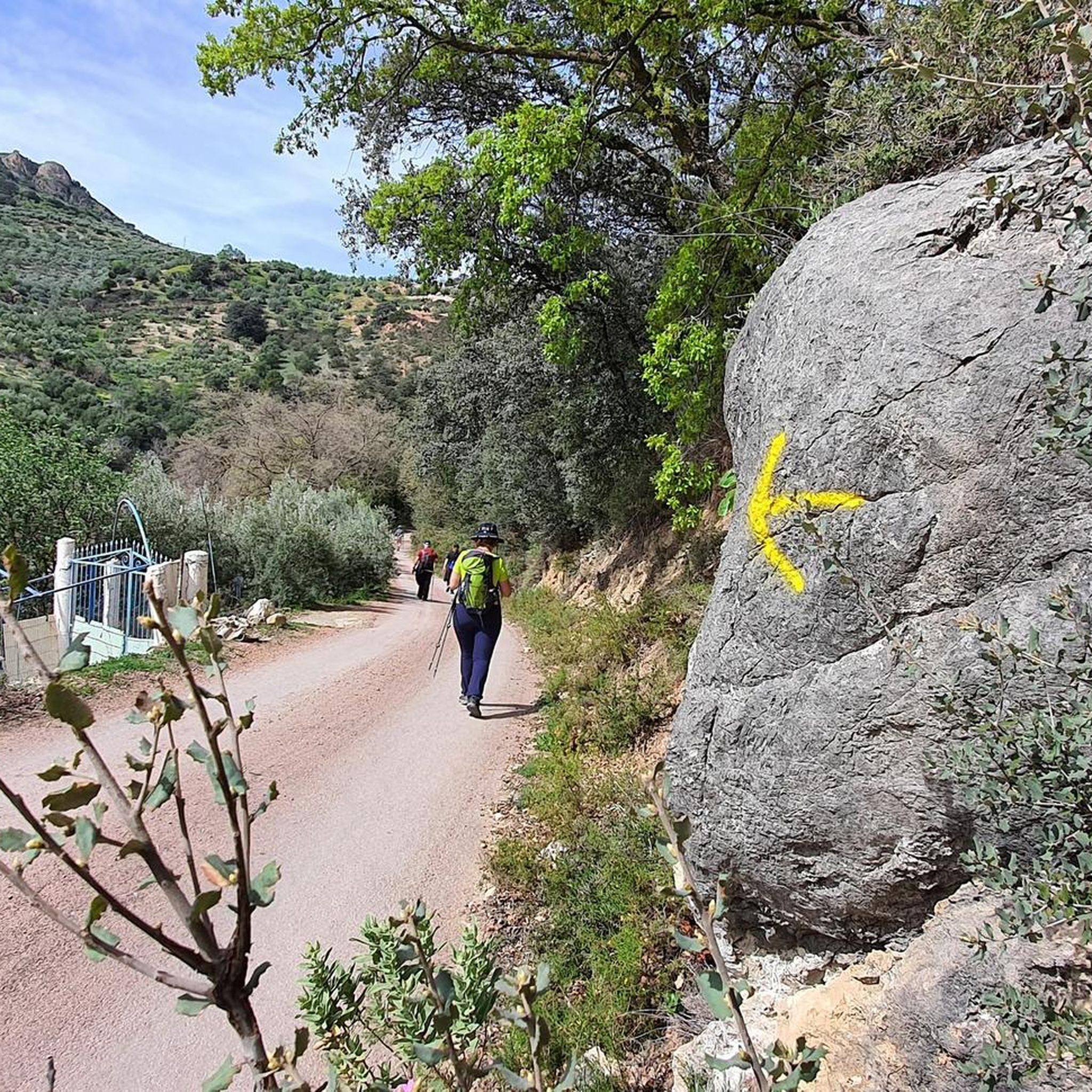
- The most popular attractions is Beautiful section of the Vía Verde del Aceite, a cycle_way that follows an old railway line. This greenway is now used for cycling and hiking, winding through landscapes with olive tree plantations.
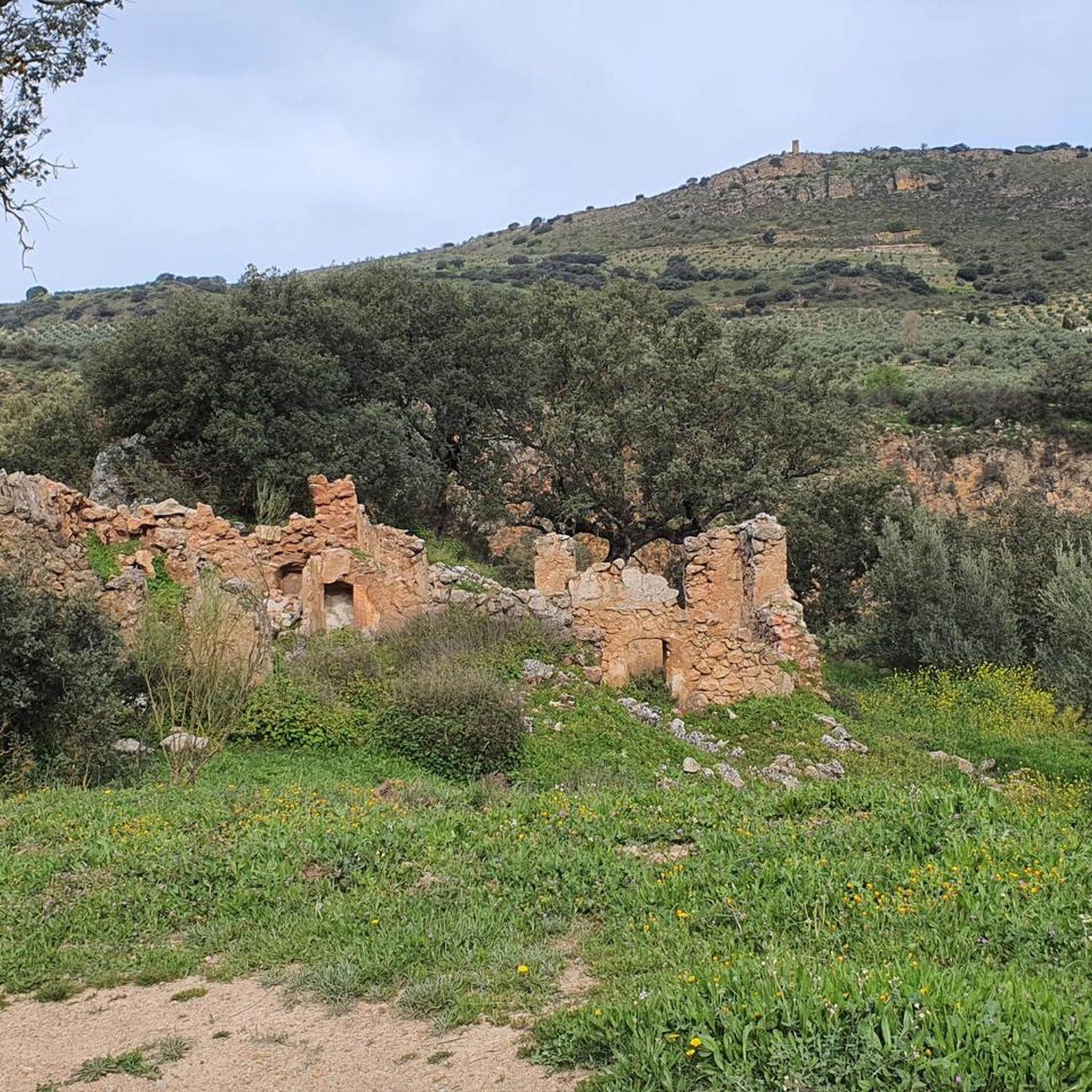
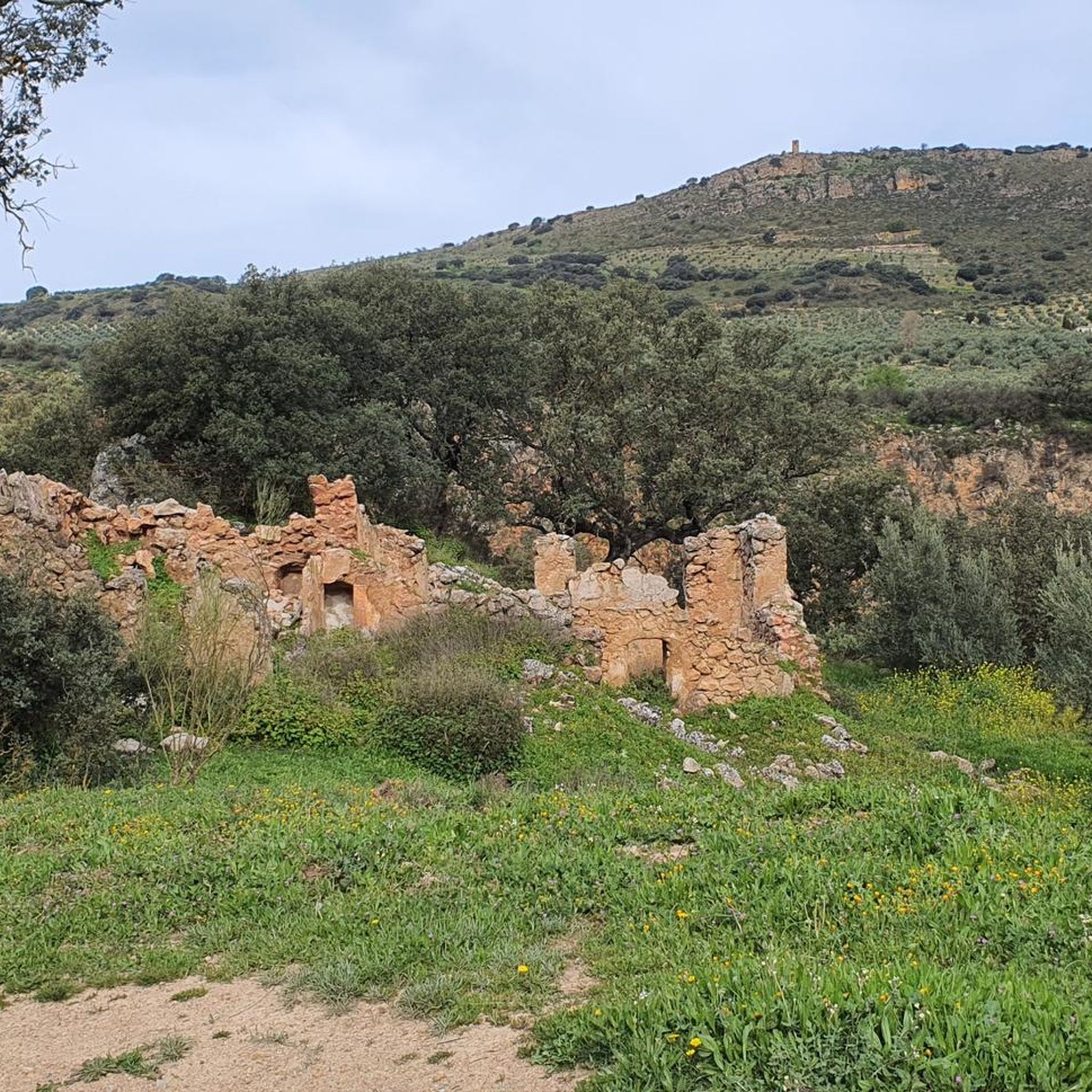
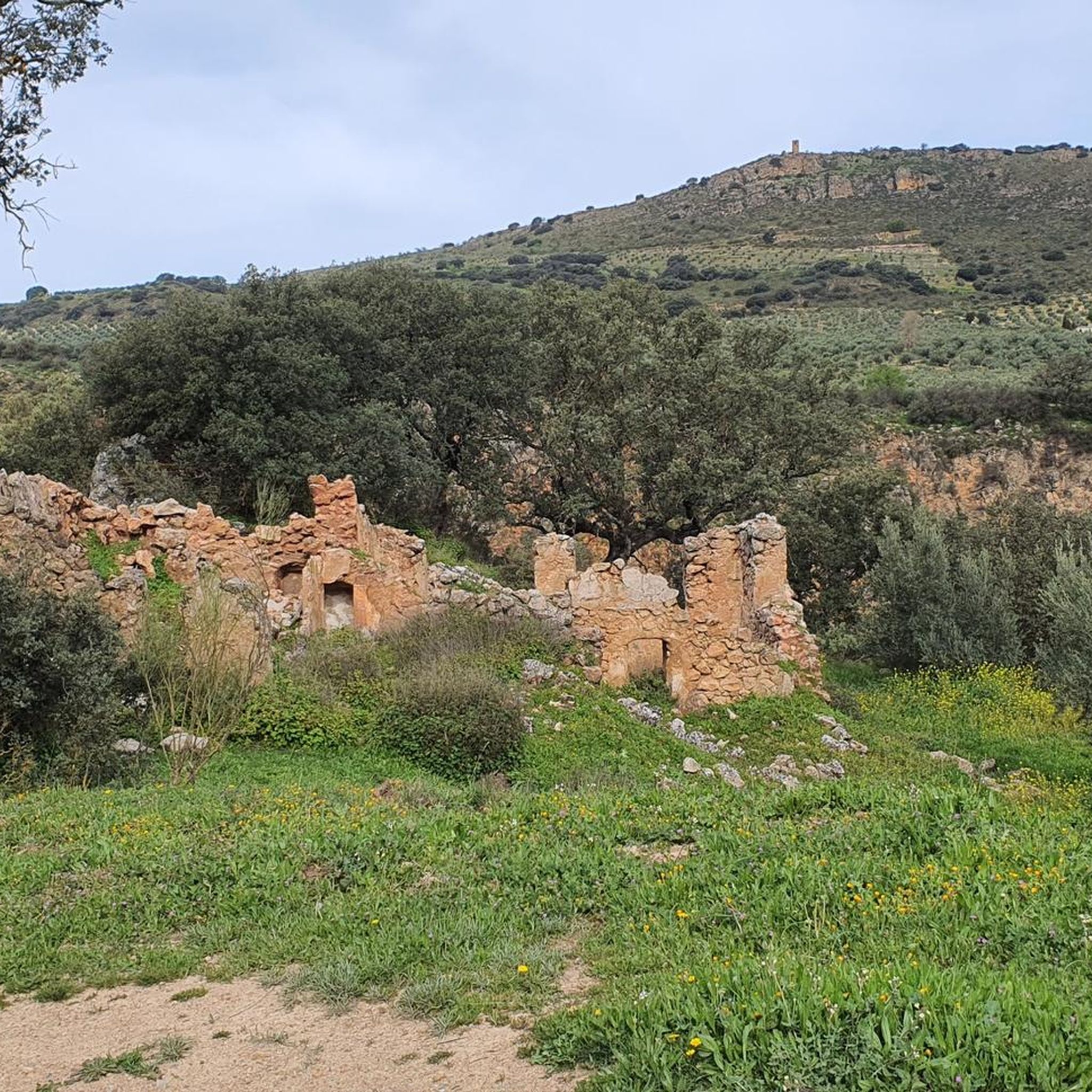
- Another must-see spot is Fortaleza de la Mota (Castle of Alcalá la Real), a castle and historical site. This defensive enclosure is located on the hill of La Mota at 1029m, dating from the Nasrid period with some previous elements.
- Visitors also love Alcalá la Real, a settlement and historical site. This town is located on a strategic communication route between the Guadalquivir valley and the Granada plain, featuring a fortress and diverse cultural heritage.
- Castillo De Locubín is known for its historical sites, such as the Moorish castle and medieval watchtowers, alongside natural features like the Sierra Sur foothills and the Nacimiento del Río San Juan. The area offers a variety of attractions to see and explore, from ancient ruins to scenic routes.
- The attractions around Castillo De Locubín are appreciated by the komoot community, with more than 40 upvotes and 9 photos shared by visitors.
Last updated: July 7, 2026
Beautiful section of the Vía Verde del Aceite
Highlight • Cycleway
Planning began around 1873 and was completed in 1891.
Its railway life ended in 1984, when it was dismantled, remaining today in an orchard in the middle of the countryside, in perfect condition for cycling, hiking or any similar activity.
Translated by Google •
Tip by

Víboras River Viaduct
Highlight • Bridge
Translated by Google •
Tip by

Sign up now to discover places like this
Get recommendations on the best single tracks, peaks, & plenty of other exciting outdoor places.
Sign up for free
Alcalá la Real
Highlight • Settlement
Translated by Google •
Tip by

Vado Jaén Former Railway Station
Highlight • Monument
The old railway infrastructure has now been converted into the Vía Verde del Aceite, a popular cycling and walking route that runs through the beautiful landscapes of the region.
Translated by Google •
Tip by

Fortaleza de la Mota (Castle of Alcalá la Real)
Highlight • Castle
Translated by Google •
Tip by

Sign up for free to discover even more attractions around Castillo De Locubín.
Sign up for free
Already have an account?
Start today with a free account
Your next adventure awaits.
Login or Signup
Tips from the Community

Don't mistake the Fortress of La Mota for a castle! The entire city of Alcalá la Real was once located within its walls, and you'll need more than an hour to explore it. Guided tours are also available in German, French, and English (in addition to Spanish) if you'd like (maicamero.com).
2
0

The Estación de Vado-Jaén is a historic stop along the Vía Verde del Aceite, located at kilometer 37 of the route between Martos and Alcaudete. Originally part of the Linares–Puente Genil railway line, it was converted into a rest and information station for cyclists and hikers after the line was closed in the 1980s. Today, it serves as an access point to the Vía Verde and offers parking and a rest area for visitors.
0
0

Alcalá la Real is located at a strategic point between the Guadalquivir Valley and the plains of Granada, which has given it a significant role in Andalusian history. The city's origins date back to prehistoric times, as evidenced by finds from the Paleolithic and Bronze Ages. During the Roman era, the settlement of Sucaelo was probably located here. An impressive marble sculpture of Hercules also dates from this period. Today, Alcalá la Real is characterized by a diverse cultural heritage. The impressive La Mota fortress is just one of many historical buildings, which also include numerous churches and monasteries. The city is also known for its lively traditional festivals and diverse cuisine, which attracts numerous visitors.
0
0

Beautiful and lively place. Nice restaurants and cafes
1
0

The bridge that stands out above is El Pontón. The medieval bridge over the Víboras River, restored in 2001, is located in the natural area known as “El Pontón”, within the municipality of Alcaudete. It is a clear example of civil architecture and its objective was to save the narrow course of the river. Popularly known as the "Roman Bridge" because it is believed to have been part of a branch of the Roman road, it is 9 metres long and approximately 7.5 metres high. The existence of two Iberian-Roman sites in the area has also been the cause of the erroneous chronology of this construction.
6
0
The Viaducto del río Víboras, also known as Puente Eiffel, is a historic metal viaduct in Alcaudete, Jaén. This viaduct was built between 1891 and 1893 by the engineers Alessandre and Delapierre and was originally part of the Linares-Puente Genil railway line. The viaduct spans the Río Víboras and is 224.1 metres long, 4.5 metres wide and has a gálibo of 80 metres.
8
0
The Estación de Vado Jaén was a former railway station in Martos, Jaén, which was part of the Linares-Puente Genil railway line. The station was built by the Compañía de los Ferrocarriles Andaluces and opened in 1893. The station had a passenger building, a freight mill and several sidings. The station was mainly used for freight and crossing trains. In 1971 the railway line was closed to passenger traffic and closed permanently in 1985. The old railway infrastructure has now been converted into the Vía Verde del Aceite, a popular cycling and walking route that runs through the beautiful landscapes of the region.
8
1
The route is 128 kilometres long and offers an unparalleled experience through endless olive groves, picturesque villages and historic stations now converted into catering establishments and visitor centres.
8
1
Frequently Asked Questions
What historical sites can I explore in and around Castillo de Locubín?
Castillo de Locubín is rich in history. You can visit the ruins of the Moorish Castle (Castillo de la Villeta), which offers extensive views. Other notable sites include the 16th-century Church of San Pedro Apóstol, the Ermita de Nuestro Padre Jesús, and the Ermita de San Antón. The town also features medieval watchtowers like Torre del Marroquín and Torre de Triana, and historical houses such as Casa de la Cruz de Santiago and Casa Federico Parera.
Are there any natural attractions worth visiting near Castillo de Locubín?
Yes, the town is nestled in the foothills of the Sierra Sur, offering scenic landscapes primarily covered with olive groves. A significant natural feature is the Nacimiento del Río San Juan, a natural spring that feeds the historic Lavadero del Nacimiento. The area around the San Juan River is also known for its cherry orchards.
What outdoor activities are available around Castillo de Locubín?
The region offers various outdoor activities. You can enjoy hiking, running, and mountain biking on numerous trails. For example, there are moderate hiking trails like the Los Zumaques Trail and the Víboras Reservoir Loop Trail. Cycling is popular on the Beautiful section of the Vía Verde del Aceite. You can find more details on specific routes in the Hiking around Castillo De Locubín, Running Trails around Castillo De Locubín, and MTB Trails around Castillo De Locubín guides.
Are there family-friendly attractions in Castillo de Locubín?
Families can enjoy exploring the historical sites and the natural surroundings. The Beautiful section of the Vía Verde del Aceite is a great option for easy cycling or walking. The town of Alcalá la Real, with its fortress and cultural heritage, also offers engaging experiences for all ages.
What is the Vía Verde del Aceite and how can I experience it?
The Vía Verde del Aceite, or 'Oil Greenway,' is an old railway line converted into a path for cycling and hiking. It winds through picturesque landscapes dominated by olive tree plantations. You can access sections of it, such as near the Vado Jaén Former Railway Station, which now serves as a rest area. It's an excellent way to experience the region's natural beauty and history.
Can I visit the Moorish Castle in Castillo de Locubín?
Yes, the Moorish Castle (Castillo de la Villeta), which gives the village its name, is a significant landmark. While largely in ruins, its location on a hillock provides breathtaking panoramic views encompassing the provinces of Granada, Córdoba, and Jaén, with the Sierra Nevada in the background. Part of its northwest wall is still preserved.
What cultural experiences does Castillo de Locubín offer?
Castillo de Locubín is known for its local crafts, particularly pottery and ceramics. The town is also part of the Route of the Caliphate, an Al-Andalus Legacy route, making it a destination for cultural tourism. The Lavadero del Nacimiento, an ethnographical site, showcases a restored washhouse from 1900.
What is the best time of year to visit Castillo de Locubín?
The region generally enjoys pleasant weather for outdoor activities for much of the year. For specific events, the annual Cherry Fair (Fiesta de la Cereza) is held during the first week of June, celebrating the cherry harvest with local delicacies and competitions.
Where can I find panoramic views of the region?
The ruins of the Moorish Castle (Castillo de la Villeta) are situated on a hillock and offer extensive views across the provinces of Granada, Córdoba, and Jaén, with the Sierra Nevada mountains visible on clear days. The Fortaleza de la Mota (Castle of Alcalá la Real), located on La Mota hill at 1029m, also provides spectacular vistas.
Are there any unique or lesser-known places to discover?
Beyond the main castle, explore the medieval watchtowers scattered throughout the municipal area, such as Torre del Marroquín and Torre de la Sierra de San Pedro. The Lavadero del Nacimiento, an old washhouse fed by a natural spring, offers a glimpse into local heritage. Also, the El Pósito, an 18th-century granary, now houses the Public Library and the Pablo de Rueda Museum.
What is the significance of the Fortaleza de la Mota?
The Fortaleza de la Mota (Castle of Alcalá la Real) is a significant defensive enclosure located on the hill of La Mota. Dating primarily from the Nasrid period (13th and 14th centuries), it also incorporates earlier elements. This historical site played a crucial role due to its strategic position between the Guadalquivir valley and the Granada plain.
Are there options for cycling around Castillo de Locubín?
Yes, cycling is a popular activity. The Vía Verde del Aceite is an excellent choice for cyclists, following an old railway line through olive groves. For more challenging rides, you can explore various MTB trails, including routes like 'Puerto del Castillo – Alcalá la Real loop' or 'Valdepeñas de Jaén – Puerto del Castillo loop' which can be found in the MTB Trails around Castillo De Locubín guide.
What is the 'Route of the Caliphate'?
Castillo de Locubín is one of the municipalities in Jaén province that forms part of the Route of the Caliphate. This is an Al-Andalus Legacy route, a cultural and historical itinerary that traces the paths of medieval Islamic Spain, connecting significant sites and offering insights into the region's rich Moorish heritage.
What local events or festivals are held in Castillo de Locubín?
The most notable annual event is the Cherry Fair (Fiesta de la Cereza), typically held during the first week of June. This festival celebrates the local cherry harvest with various activities, including competitions for the best cherry-based liqueurs, desserts, and cuisine.
Most popular routes around Castillo De Locubín
Most popular attractions around Castillo De Locubín

Get inspired with the komoot mobile app


Explore more
Still not found the Highlight you’re looking for? See guides of the top attractions in other regions:
