Attractions and Places To See around Llaurí - Top 20
Best attractions and places to see around Llaurí, Valencia, offer a diverse range of experiences for visitors. This region in Spain features a blend of historical sites, natural landscapes, and viewpoints. The area provides opportunities for family friendly walks Llaurí and exploring cultural heritage.
Best attractions and places to see around Llaurí
- The most popular attractions is Cullera Lighthouse, a man-made monument that offers views of the beach, lagoon, and the sea of Cullera. It is a notable viewpoint…
Last updated: July 6, 2026
Cullera Lighthouse
Highlight • Monument
Translated by Google •
Tip by

Monastery of Santa María de la Valldigna
Highlight • Religious Site
Since April 2022 it has been …
Translated by Google •
Tip by
Sign up now to discover places like this
Get recommendations on the best single tracks, peaks, & plenty of other exciting outdoor places.
Sign up for free
La Murta Botanical Trail
Highlight (Segment) • Trail
Translated by Google •
Tip by

Old narrow-gauge train station
Highlight • Structure
Translated by Google •
Tip by

L'Ouet
Highlight • Summit
Translated by Google •
Tip by
Sign up for free to discover even more attractions around Llaurí.
Sign up for free
Already have an account?
Start today with a free account
Your next adventure awaits.
Login or Signup

Tips from the Community

The wonderful setting surrounds a fairytale monastery.
1
0

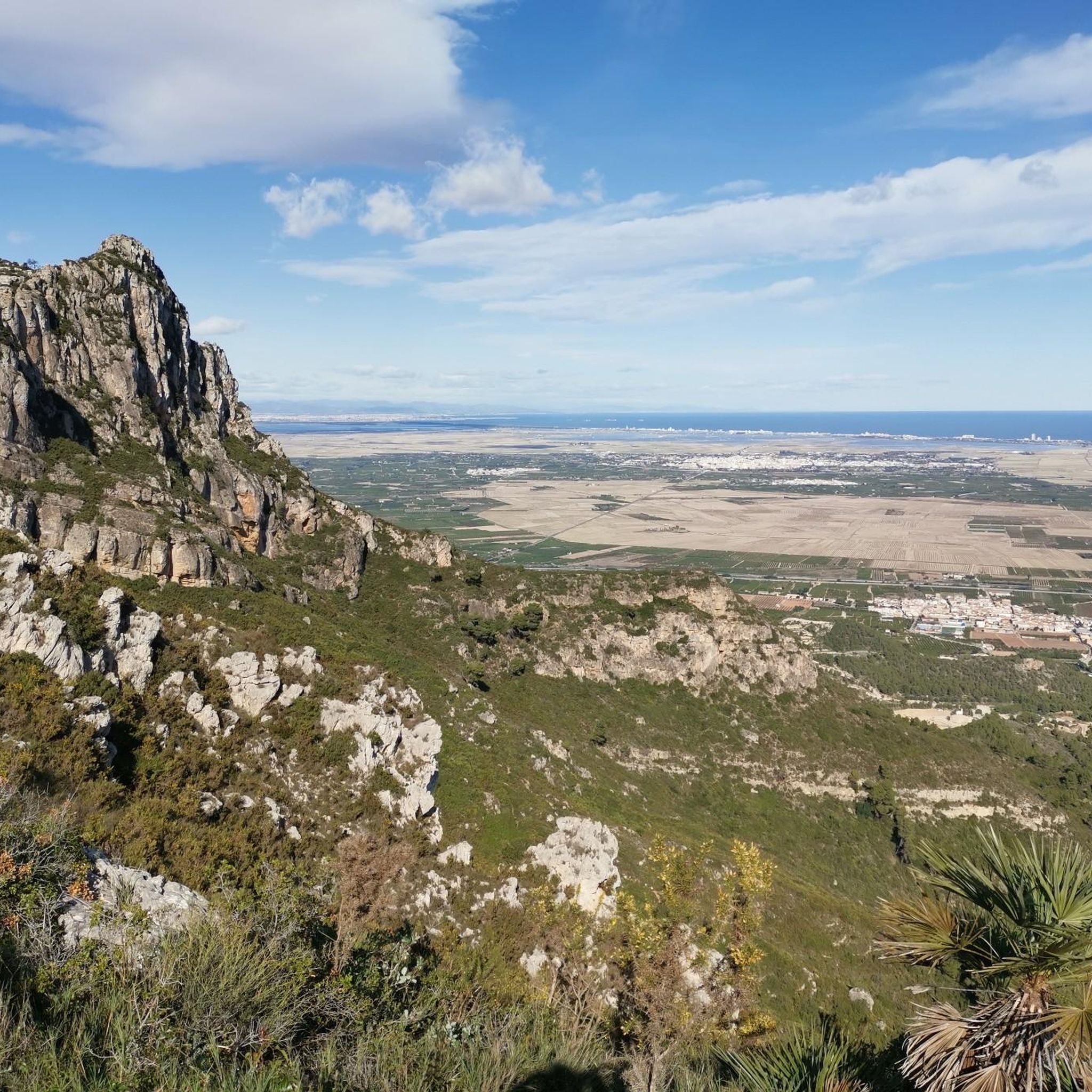
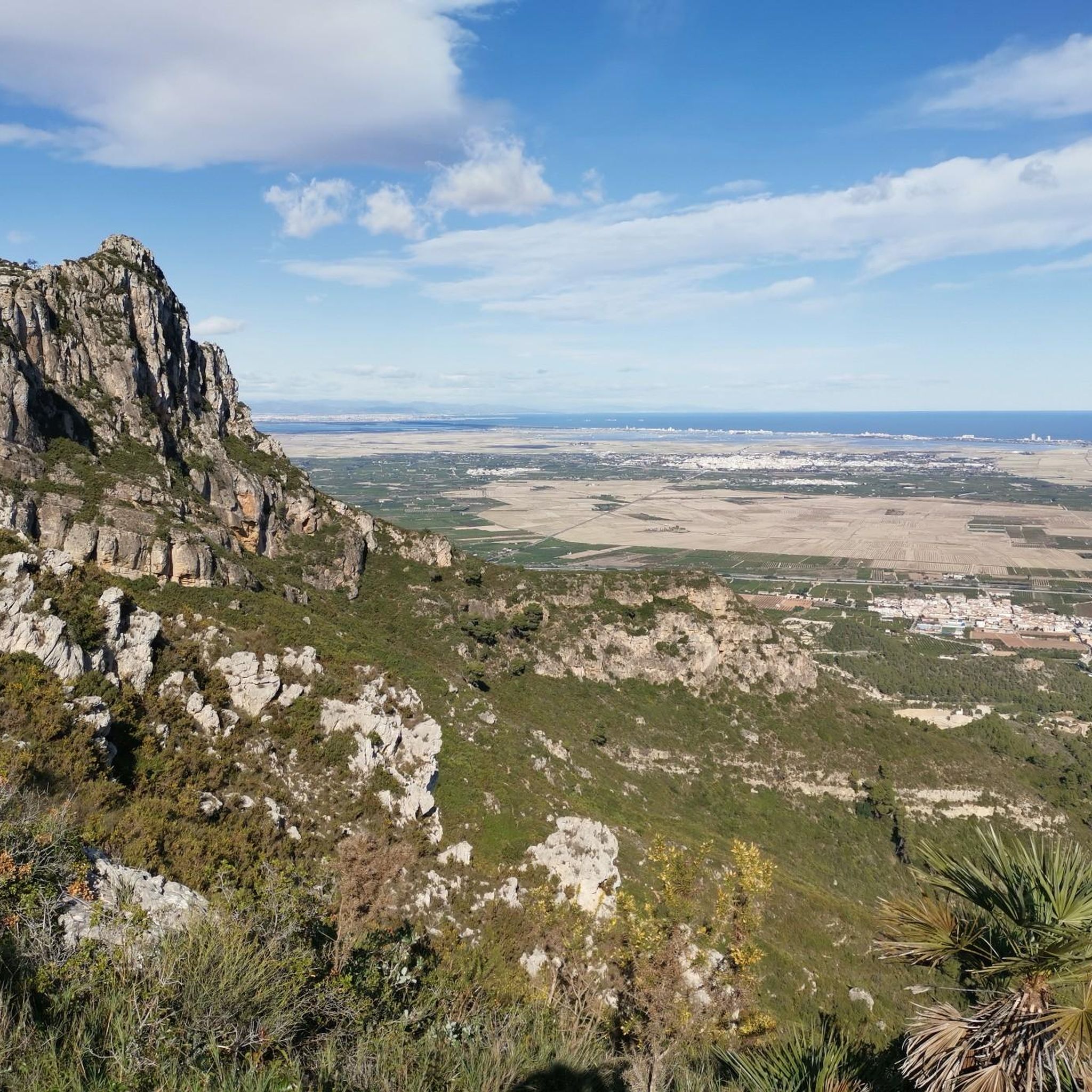
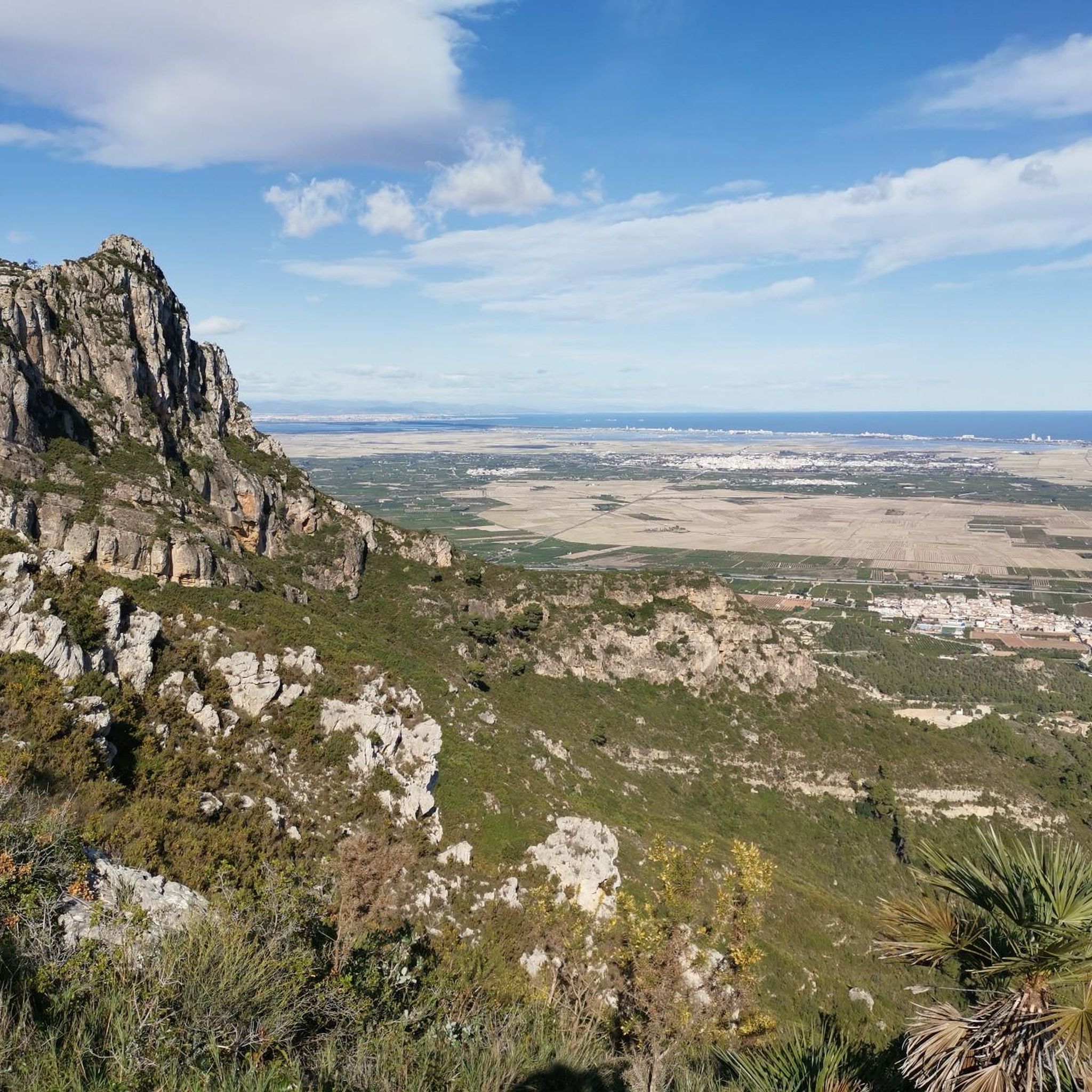
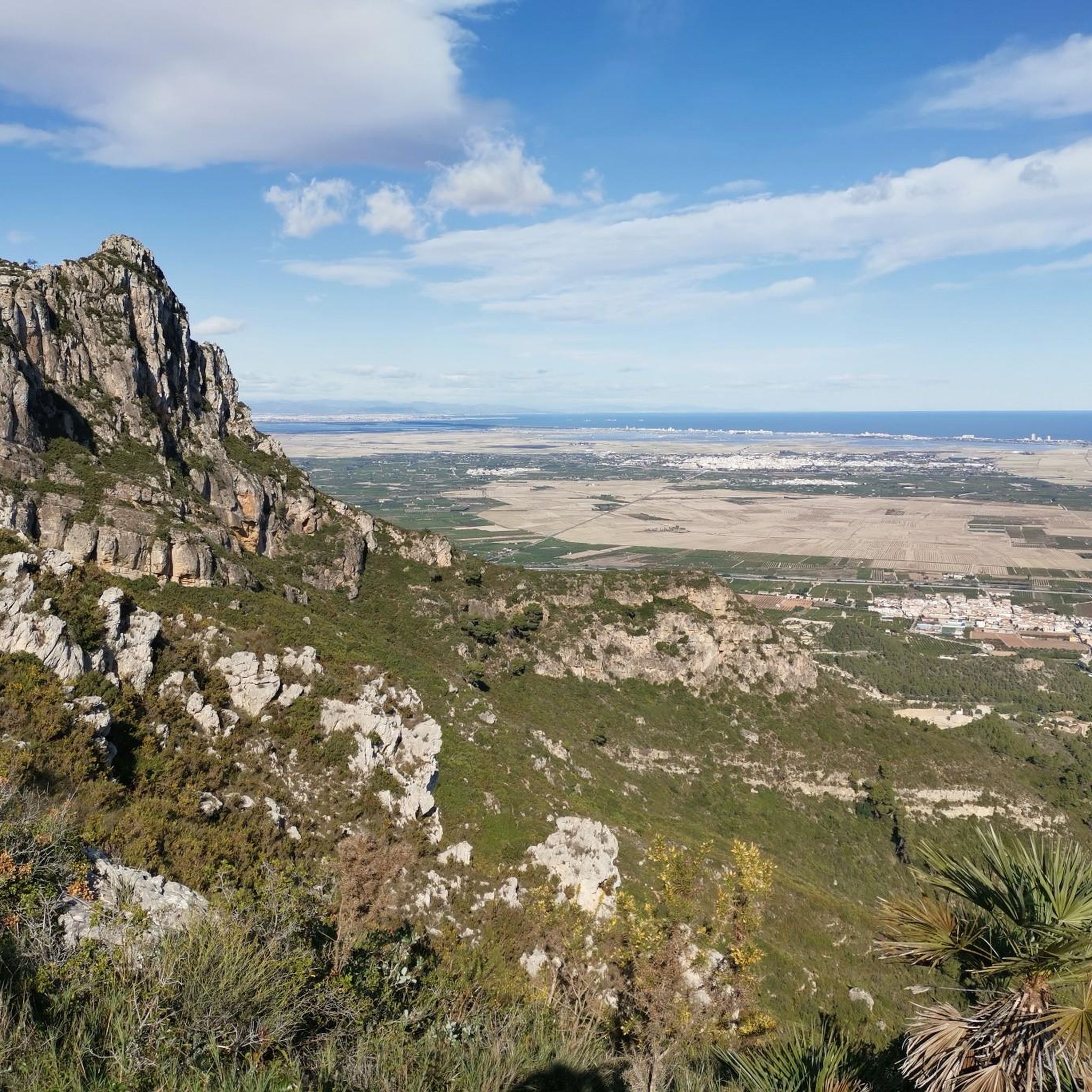
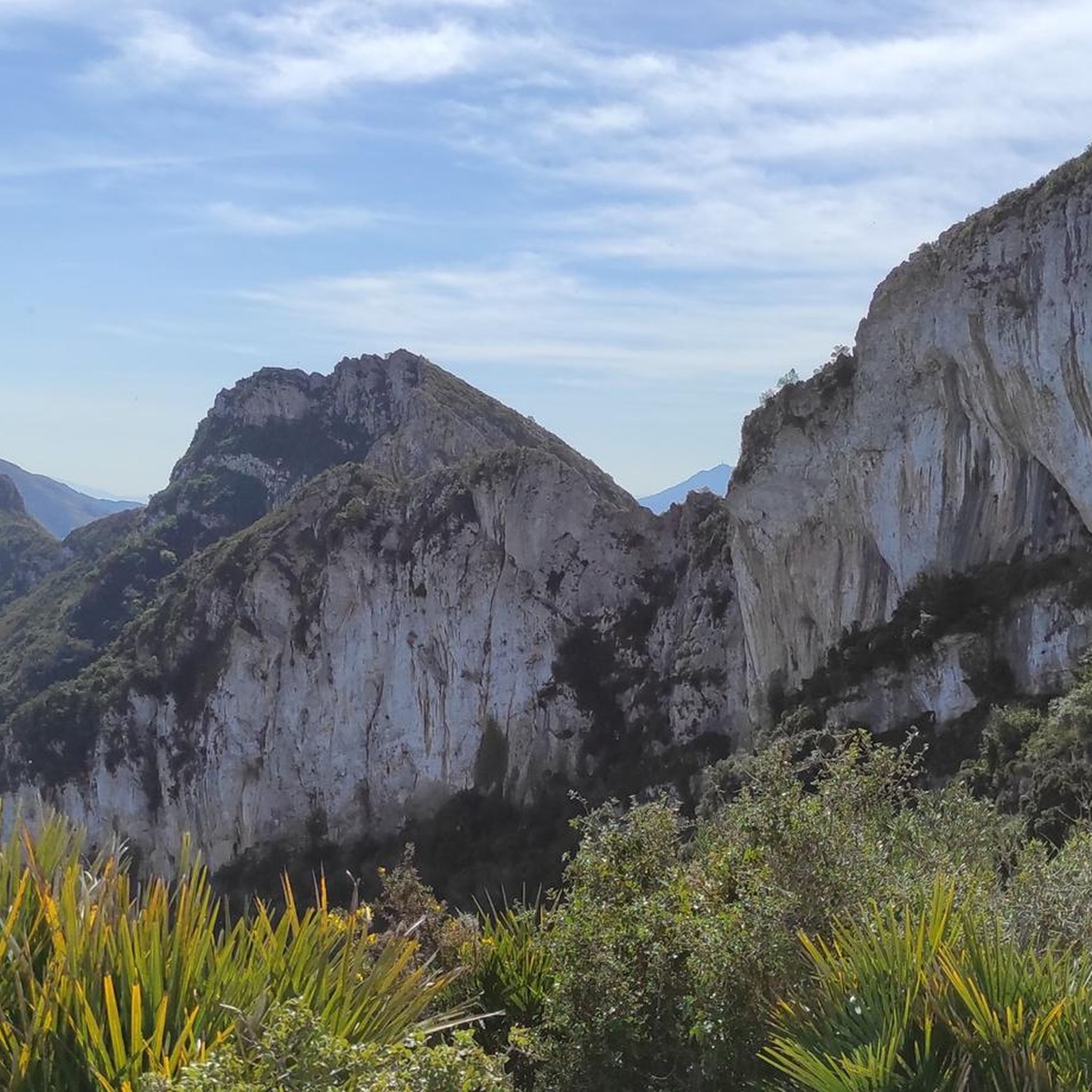
L'Ouet is a peak in the Sierra de Corberá, near Alzira. It is a popular destination for hiking enthusiasts due to its stunning panoramic views and natural surroundings. The route to L'Ouet is quite accessible and well signposted, making it suitable for hikers of different levels.
3
0
The Senda Botánica La Murta is a hiking route marked SL-CV 81, located in the Valle de la Murta, near Alzira, Valencia. This trail is part of a circular route that also includes the Senda Histórica (SL-CV 82) and other trails. The route begins in the La Murta car park and passes by several points of interest, such as an old lime kiln, the Fuente de la Murta, the aqueduct and the Monastery of Santa María de la Murta.
6
0

The utmost care with which this ancient monastery is being restored arouses deep admiration and respect.
1
0

Beautiful little lighthouse with a lot of history. Very nice view towards Valencia and towards Denia.
1
0

From the lighthouse road there are very good views of Dosser beach and Cullera bay.
2
1
The Royal Monastery of Santa Maria de Valldigna was founded by Jaume II the Just on March 15, 1298, who gave the Alfàndec valley to Abbot Bononat de Vila-seca to found a monastery of the order of Cistercian, subsidiary of the monastery of Santes Creus. It was the first monastery of such importance built in the old Kingdom of Valencia, after the Christian conquest. Days after the royal donation, Jaume II, fra Bononat and his retinue gathered at the place of Ràfol (a Christian village in the valley founded after the conquest of Jaume I) to take possession of the territory, plus a mile inland, the castles of Marinyén, Alcalà and the Mondúber tower.
1
0

Frequently Asked Questions
What natural attractions and viewpoints can I explore around Llaurí?
The region offers several natural highlights and scenic viewpoints. You can visit Cullera Lighthouse, which provides extensive views of the beach, lagoon, and the sea. Another excellent spot for panoramic views is L'Ouet, a summit at 528m with vistas of Vall de La Casella, La Serra de Corbera, La Serra de les Agulles, and the Levantine coast.
Are there historical sites to visit near Llaurí?
Yes, Llaurí is rich in historical sites. The Monastery of Santa María de la Valldigna is a significant Cistercian-style religious building founded in 1298, now open to the public for exploring its ruins and ongoing recovery work. You can also discover the Old narrow-gauge train station, an interesting historical landmark that once served a children's hospital and is now part of a natural path.
What are some family-friendly activities or attractions in the Llaurí area?
Many attractions around Llaurí are suitable for families. The Cullera Lighthouse offers an enjoyable outing with views. The Monastery of Santa María de la Valldigna is a historical site that can be explored by all ages. Additionally, the La Murta Botanical Trail is a marked hiking route through a forest and historical area, perfect for a family walk.
Are there hiking opportunities near Llaurí's attractions?
Absolutely. The region around Llaurí offers diverse hiking opportunities. For example, the La Murta Botanical Trail is a marked route passing by an old lime kiln, a natural spring, and an aqueduct. You can find more hiking routes, including moderate and difficult options like the La Casella Valley Trail or the L'Ouet loop, in the Hiking around Llaurí guide.
What kind of trails can I find for hiking around Llaurí?
You'll find a variety of hiking trails, from botanical paths to more challenging mountain ascents. The La Murta Botanical Trail is a pleasant route through a grove. For more strenuous hikes, consider trails like the 'Paraje Natural La Casella — Circular to Ouet and Ratlla viewpoints' or the 'L'Ouet loop from Paratge Natural Municipal Muntanya de Llaurí', which offer rewarding views. Explore more options in the Hiking around Llaurí guide.
When is the best time of year to visit Llaurí for outdoor activities?
The spring and autumn months are generally ideal for outdoor activities around Llaurí. The weather is milder, making it comfortable for hiking and exploring historical sites. Summers can be very hot, especially for strenuous activities, while winters are generally mild but can have cooler, wetter days.
What cycling routes are available near Llaurí?
Llaurí is a great base for cycling. For road cycling, you can find routes like the 'Pujol Pond – Docks of Albufera Lake loop from Cullera' or the 'Cullera Lighthouse – La Visteta Viewpoint loop from Sueca'. Mountain biking enthusiasts can explore trails such as the 'Greenway of the Old Little Train – Monastery of Aigues Vives loop from Favara'. More details are available in the Road Cycling Routes around Llaurí and MTB Trails around Llaurí guides.
Are there any unique or lesser-known spots worth discovering near Llaurí?
Beyond the main attractions, the region holds some unique spots. The Old narrow-gauge train station, located near the Convent of Santa María de Aguas Vivas, offers a glimpse into local history and is part of a scenic natural path. The igloo-shaped construction at L'Ouet, formerly an observatory, now serves as a refuge for hikers and provides stunning views.
What do visitors enjoy most about the attractions around Llaurí?
Visitors particularly appreciate the diverse blend of historical and natural beauty. The panoramic views from spots like Cullera Lighthouse and L'Ouet are highly praised. The tranquility and historical significance of sites like the Monastery of Santa María de la Valldigna also receive positive feedback, as do the beautiful paths of the La Murta Botanical Trail.
Are there any accessible attractions in Llaurí for visitors with mobility considerations?
While specific accessibility details for all attractions are not always available, many historical sites and natural paths may have varying levels of accessibility. For detailed information on specific sites, it's recommended to check their official websites or contact them directly. Generally, urban areas and main historical sites tend to offer better accessibility than rugged natural trails.
Can I find cafes or refreshments near walking routes in Llaurí?
While the guide data doesn't specify cafes directly on every walking route, many routes are located near towns or villages where you can find local establishments for refreshments. For example, the Monastery of Santa María de la Valldigna is a few meters from the town of Simat, which offers amenities. Planning your route to pass through or near these towns will ensure access to cafes and restaurants.
Most popular attractions around Llaurí

Get inspired with the komoot mobile app


Explore more
Still not found the Highlight you’re looking for? See guides of the top attractions in other regions:
