Attractions and Places To See around Olot - Top 20
Best attractions and places to see around Olot, the capital of the Garrotxa region in Catalonia, Spain, is known for its unique volcanic landscape and rich cultural heritage. Nestled within the Garrotxa Volcanic Zone Natural Park, the city offers a diverse range of attractions. Visitors can explore dormant volcanoes, historic buildings, and insightful museums.
Best attractions and places to see around Olot
- The most popular attractions is Santa Margarida Volcano, a volcano that is an extinct volcano located between Olot and Santa Pau. Its last eruption was approximately 11,000 years ago, and visitors can go down into its crater.
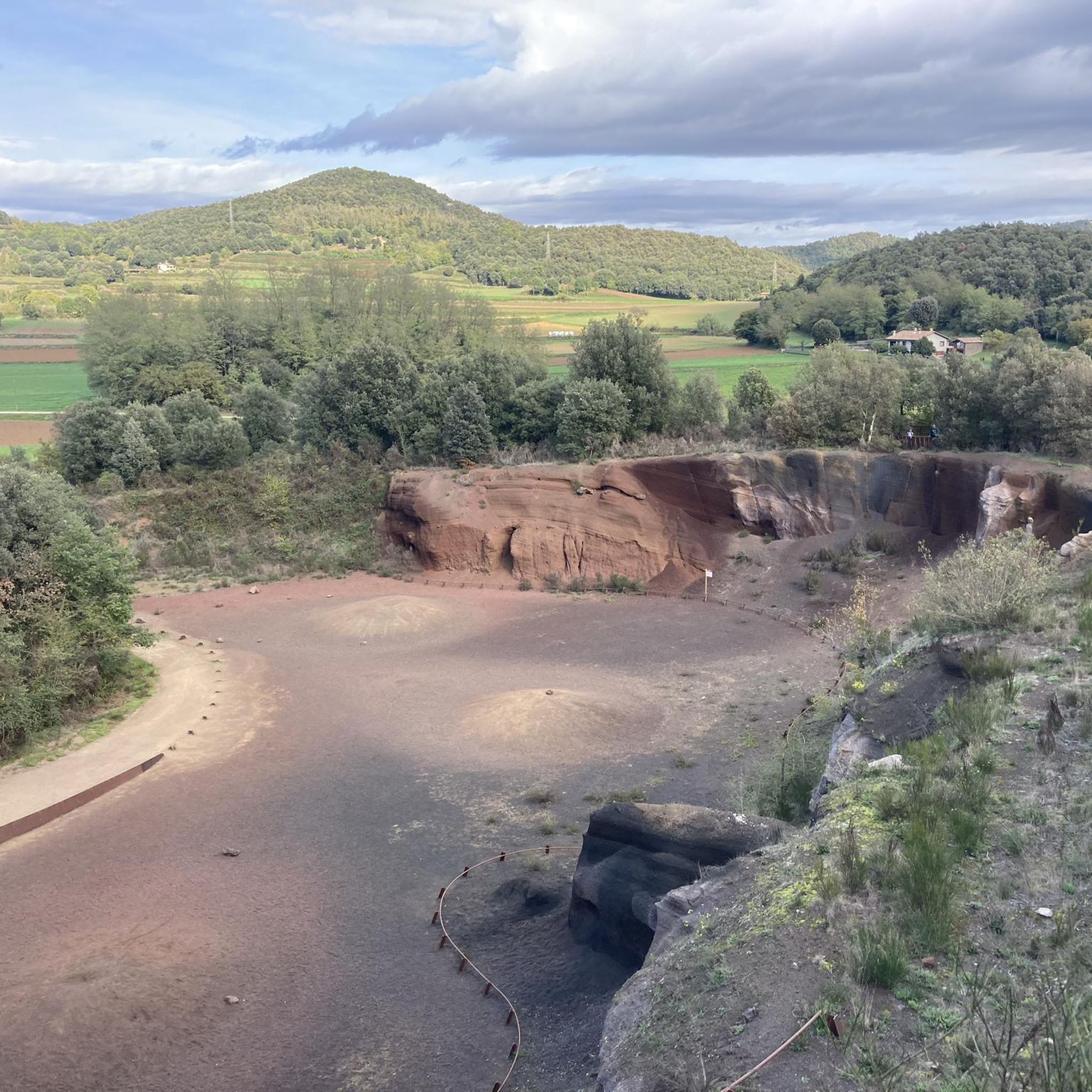
- Another must-see spot is Croscat Volcano Scoria Slopes, a volcano. This is the second largest volcano in the Iberian Peninsula, known for its distinctive shape due to past clay extraction. Visitors can see a cross-section of the volcano's layers.
- Visitors also love Puigsacalm, a summit of 1,515 meters in La Garrotxa. It is the highest point of the Serralada Transversal and offers excellent 360º views of the valley of Bas, Olot, and the eastern Pyrenees.
- Olot is known for its volcanoes, historic architecture, and museums. The area offers a variety of natural features, cultural sites, and landmarks to explore.
- The attractions around Olot are appreciated by the komoot community, with 207 upvotes and 93 photos shared by visitors.
Last updated: July 6, 2026
Santa Margarida Volcano
Highlight • Volcano
Translated by Google •
Tip by

Croscat Volcano Scoria Slopes
Highlight • Volcano
Its particular shape is due to the fact that for 25 years it was dedicated to the exploitation of clay, for the production of bricks and tennis courts.
Translated by Google •
Tip by

Sign up now to discover places like this
Get recommendations on the best single tracks, peaks, & plenty of other exciting outdoor places.
Sign up for free
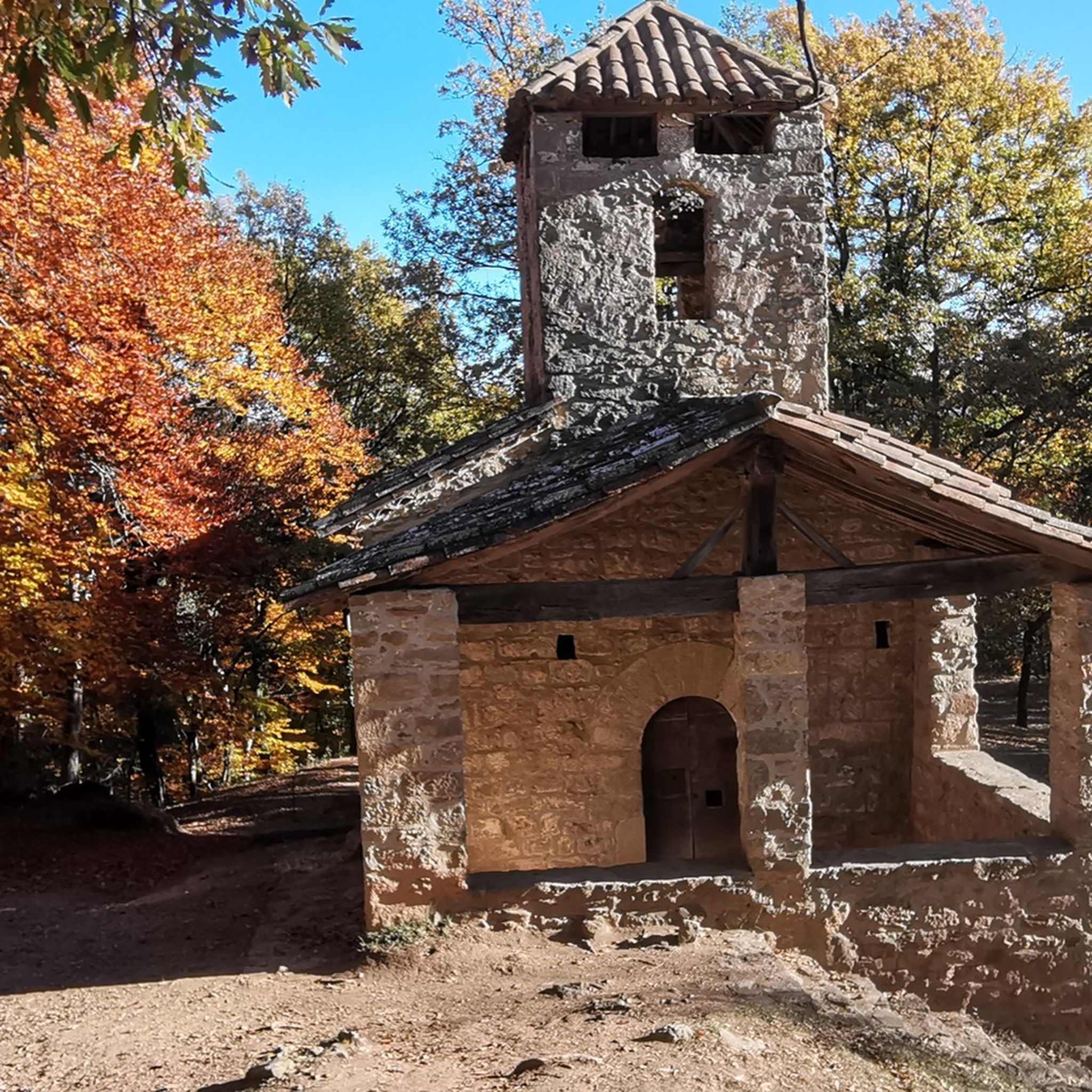
Hermitage of Sant Miquel de Sacot
Highlight • Religious Site
Translated by Google •
Tip by

Puigsacalm
Highlight • Summit
This peak is included in the list of the 100 peaks of the F.E.E.C. and also to that of the 100 most emblematic peaks of Catalonia.
If the most used route to climb it is from the Collada de Bracons, we can design a handful of itineraries which one is better.
Translated by Google •
Tip by

Llierca Bridge
Highlight • Bridge
Tip by

Sign up for free to discover even more attractions around Olot.
Sign up for free
Already have an account?
Start today with a free account
Your next adventure awaits.
Login or Signup
Popular around Olot
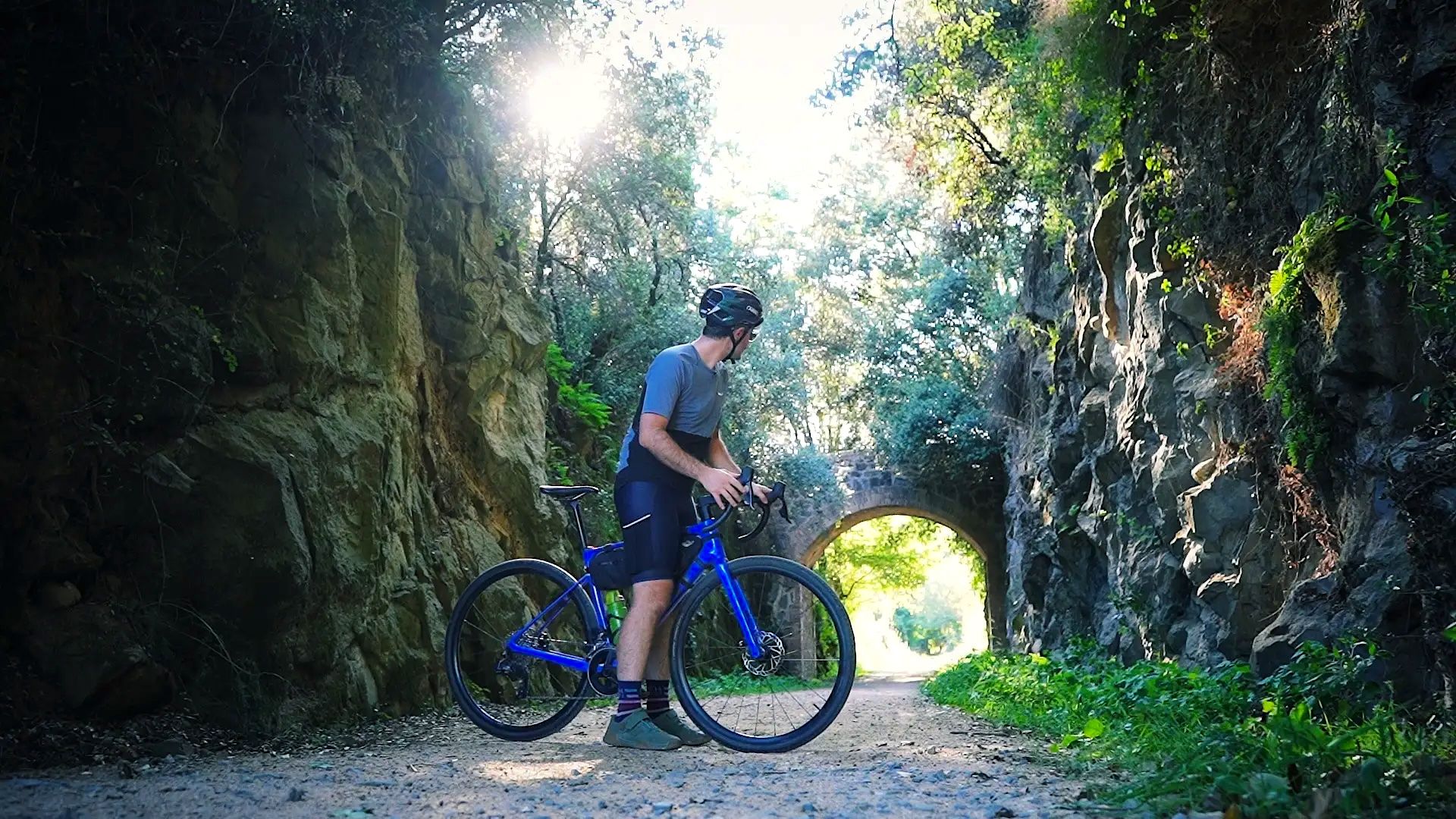
Cycling in Catalonia with Pietro Franzese – four unmissable routes
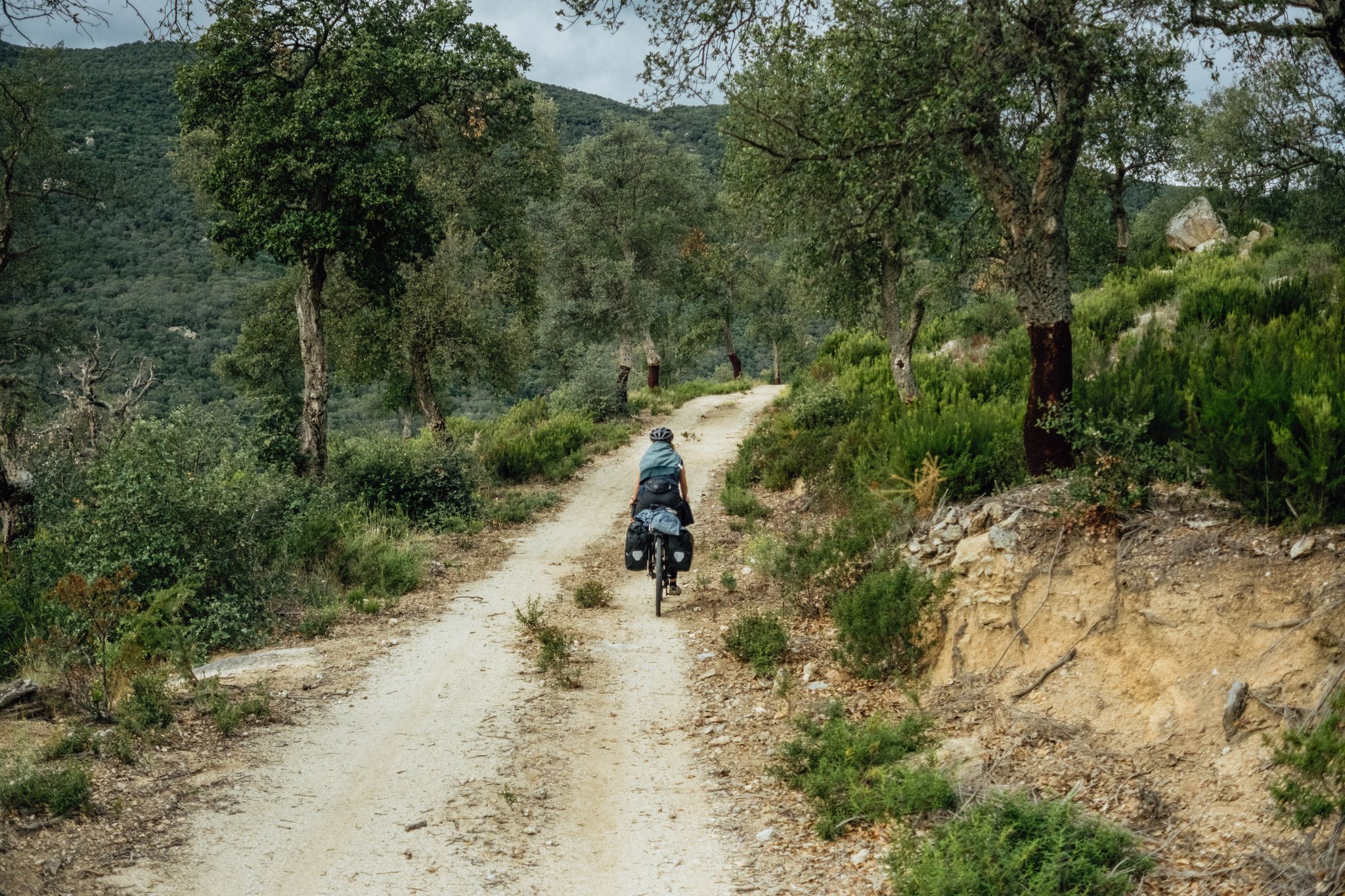
In search of the sun – between the Pyrenees and the Mediterranean
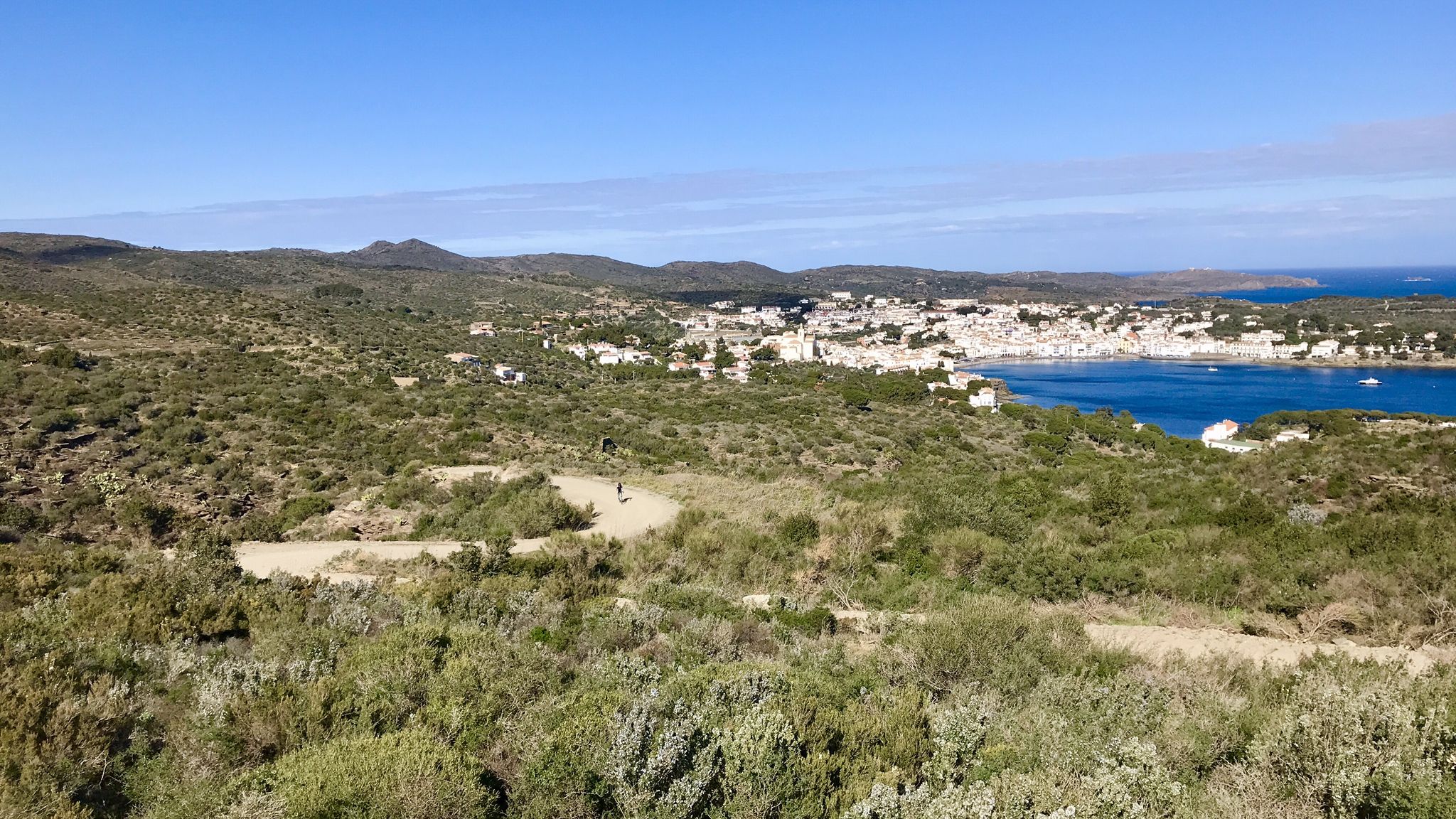
Garrotxa, Olot and Cap de Creus – gravel paradise in Spain
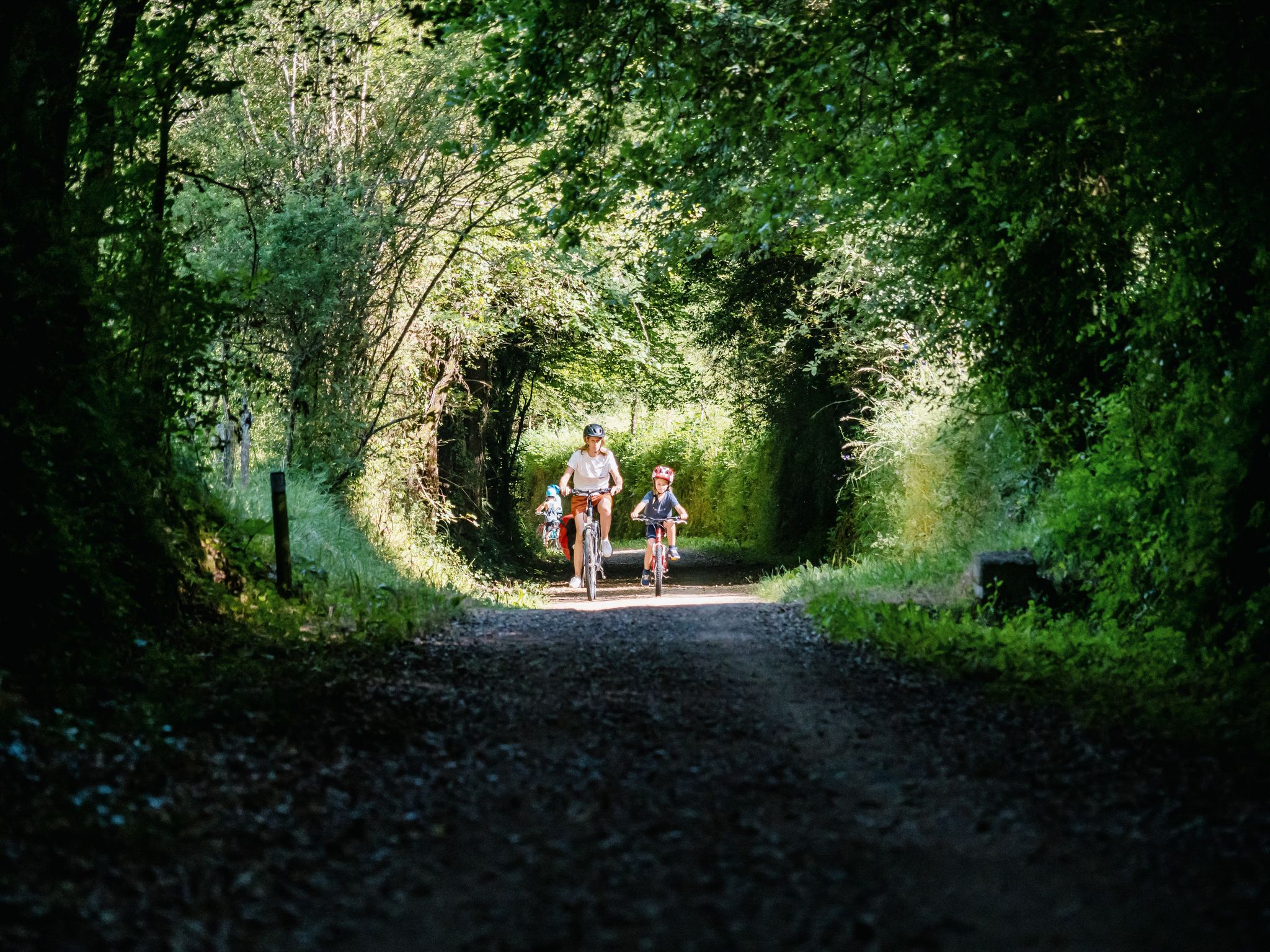
Vías verdes de Girona — an adventure for the whole family
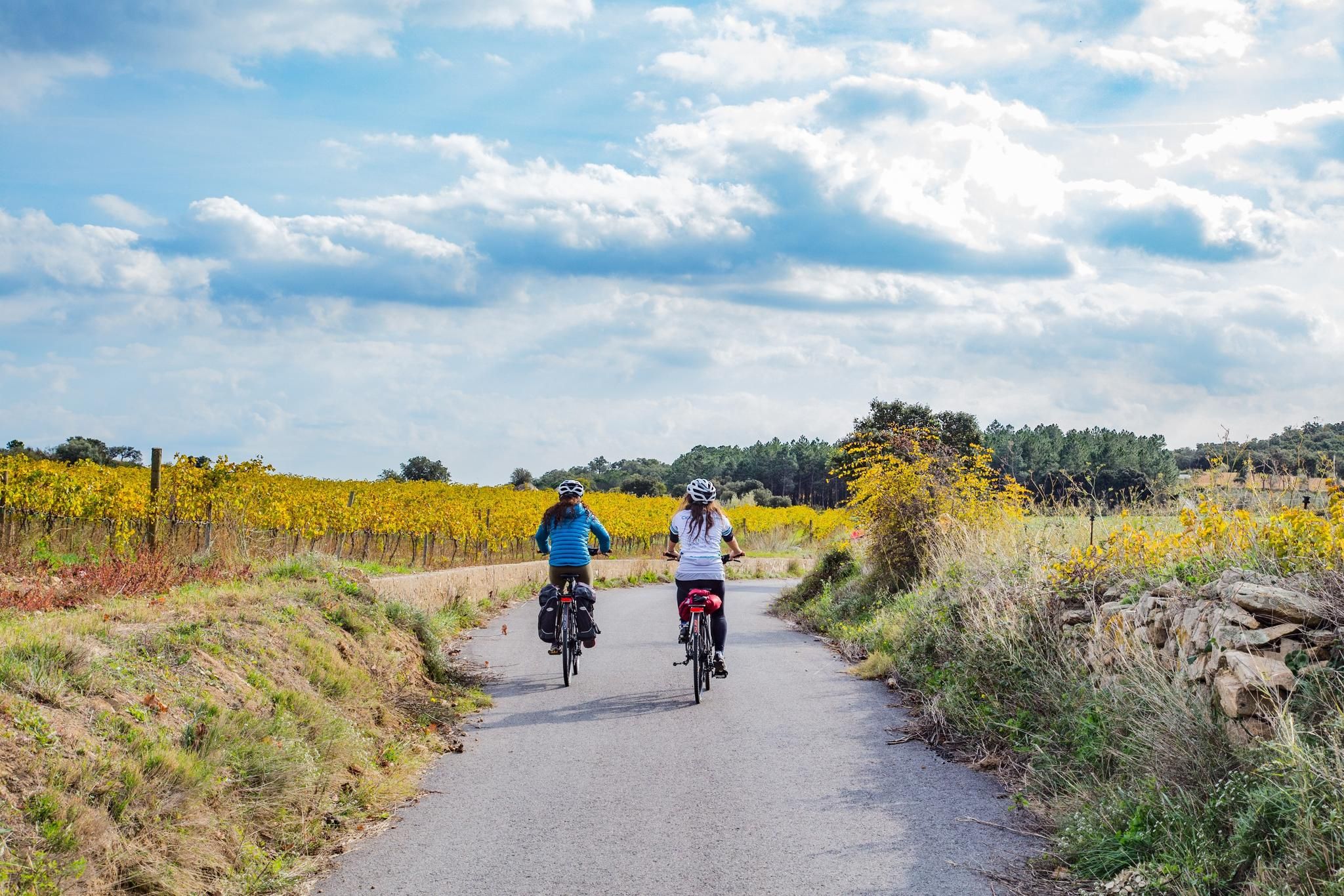
A journey from the Pyrenees to the Costa Brava – Pirinexus Route
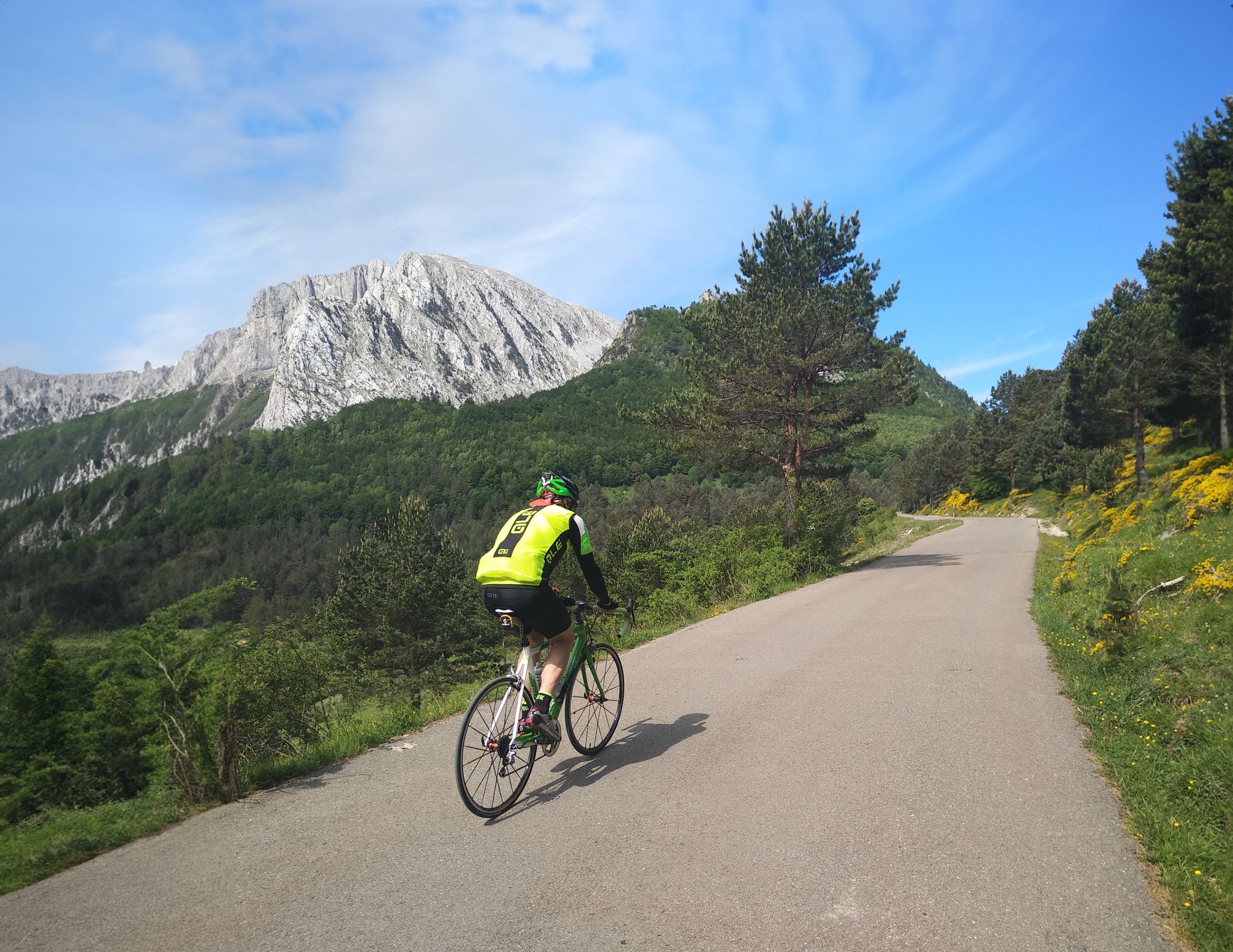
The Bay of Biscay to the Mediterranean — southern Pyrenees cycle tour
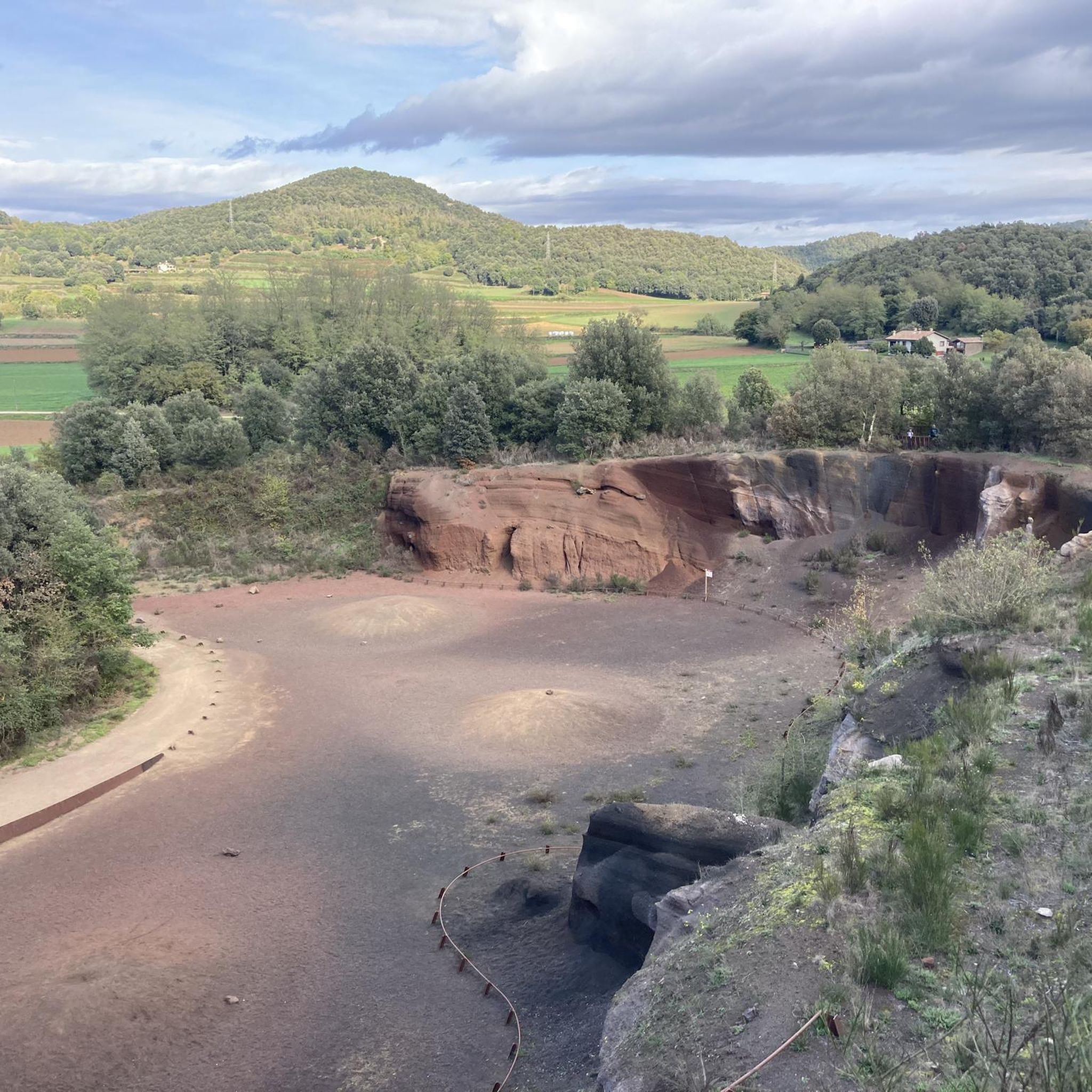
Cycling around Olot
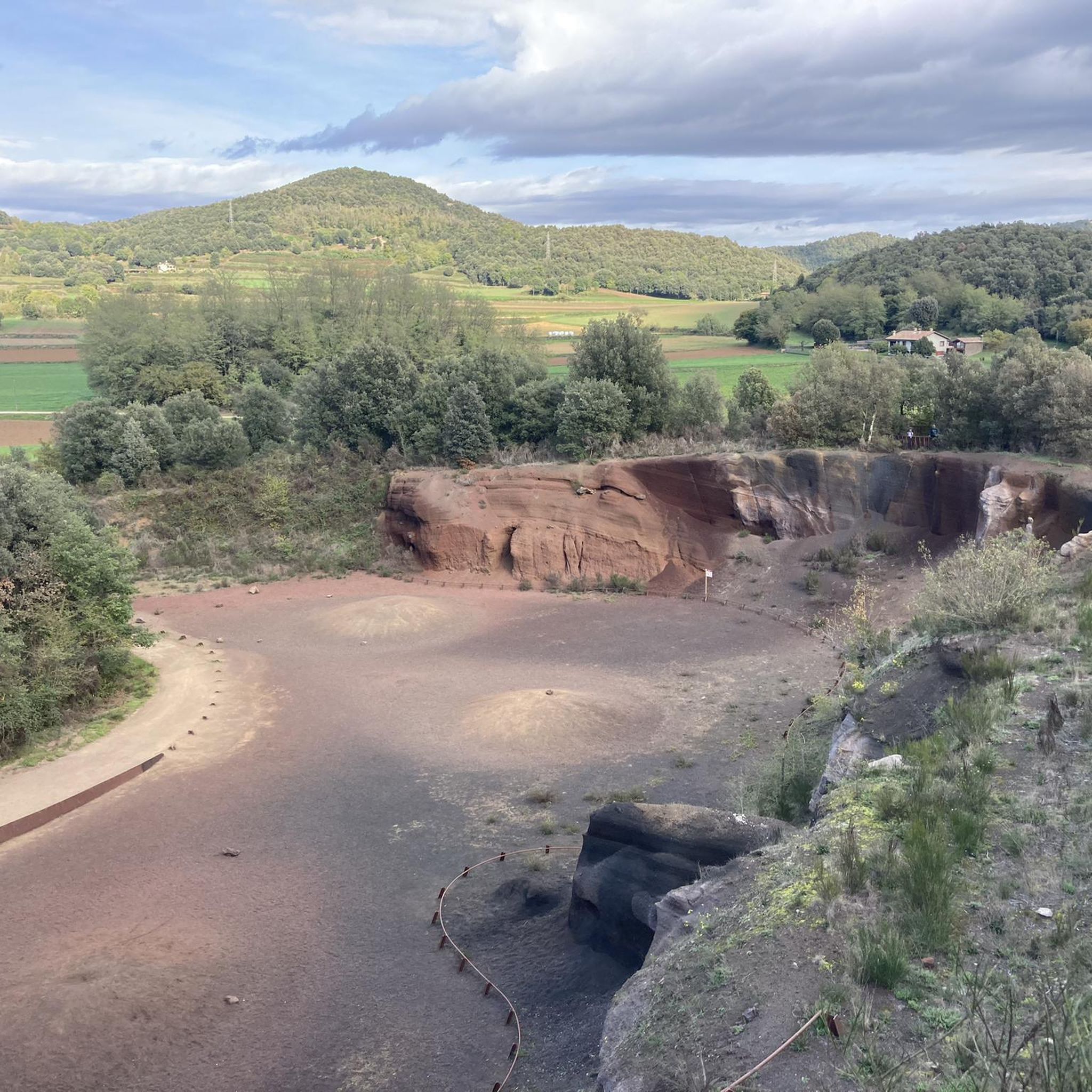
Road Cycling Routes around Olot
Hiking around Olot
MTB Trails around Olot
Other adventures around Olot


Tips from the Community

Beautiful relaxing place 😀
0
0

The area east of the bridge is not particularly suitable for gravel bikes. The bridge is definitely worth a visit.
0
0

In the Garrotxa Natural Park there are about 40 catalogued volcanoes with 10 well-preserved explosion craters. The Volcá del Croscat is a highly explosive Strombolian volcano. The eruption took place around 9,500 BC. It is the last volcano to erupt in the Garrotxa volcanic area and also in the Iberian Peninsula. Source https://parcsnaturals.gencat.cat/ca/xarxa-de-parcs/garrotxa/inici/
0
1

A Romanesque bridge worth seeing. Be sure to take a detour there and take a look. You can easily walk across it.
3
0

The Llierca Bridge, also called Pont de Sadernes, is a bridge 28 m high, 52 m long and 3 m wide. With a single, very slender arch, it crosses the Llierca river between Tortellà and Sadernes. Romanesque in style, although we do not know the date of its construction, there is evidence of its use since at least the 14th century, when it is documented that a toll was paid to cross it. The bridge was probably built by order of the barons of Sales, to facilitate trade between the farmhouses located west of the Llierca river with the towns of Tortellà and Besalú.
0
0


We visited with a tour guide who explained everything in an interesting and informative way. It's a great place to visit on your own, but with a guide you can really learn a lot.
0
1
This bridge is amazing. It is 28 meters above the water. It stretches 52 meters from one side to the other. It was built between the 13th and 14th centuries and was used to transport goods in the area. Wow!! On the opposite side of the road, the trail is a bit difficult on a gravel bike, but should be fine on a mountain bike. The hard part is only about 50 meters, the rest is easy.
3
1
Frequently Asked Questions
What are the most prominent natural attractions in Olot?
Olot is renowned for its unique volcanic landscape. Key natural attractions include the Santa Margarida Volcano, where you can descend into its crater, and the Croscat Volcano Scoria Slopes, known for its distinctive shape and visible layers. Within the city, you can also explore Montsacopa Volcano, offering panoramic views, and the serene Fageda d'en Jordà beech forest, both part of the Garrotxa Volcanic Zone Natural Park.
Can I hike into a volcano crater in Olot?
Yes, you can! The Santa Margarida Volcano allows visitors to go down into its crater, where a small chapel is located. It's a popular and unique experience within the Garrotxa Volcanic Zone Natural Park.
What historical and architectural sites can I visit in Olot?
Olot boasts a rich cultural heritage. You can explore the impressive 18th-century Church of Sant Esteve, known for its tall tower and Baroque altarpiece. The city center also features notable Modernista (Art Nouveau) buildings like Casa Gaietà Vila and Casa Gassiot. Other historical sites include the Sanctuary of Mare de Déu del Tura, the Renaissance-era Convent of Carmen Cloisters, and the 18th-century Sant Francesc Towers, which offer views from their spiral staircases.
Are there any museums in Olot dedicated to its unique geology or history?
Absolutely. Olot offers several insightful museums. The Espai Cràter, inaugurated in 2022, is an interactive museum dedicated to volcanoes and Earth's origins, partly located underground. The Museu de la Garrotxa showcases the region's artistic heritage and local history, while the Museum of the Saints (Museu dels Sants) displays an impressive collection of religious sculptures, reflecting Olot's tradition in this craft.
What are some popular hiking trails around Olot?
The Garrotxa Volcanic Zone Natural Park offers abundant hiking opportunities. Popular routes include a circular walk through the Fageda d'en Jordà beech forest. You can also find trails leading to the Santa Margarida Volcano and the Croscat Volcano Scoria Slopes. For more detailed routes, explore the Hiking around Olot guide, which features trails like the 'Volcán de Santa Margarida and Volcán del Croscat - Circular through the Natural Park'.
Are there family-friendly activities or attractions in Olot?
Yes, Olot is great for families. Exploring the craters of the Santa Margarida Volcano and the Croscat Volcano Scoria Slopes are popular and engaging activities for all ages. The Espai Cràter museum provides an interactive and educational experience about volcanoes. Additionally, the Fageda d'en Jordà beech forest offers peaceful and easy walking routes suitable for families.
What is the best time to visit Olot for outdoor activities?
Spring and autumn are generally considered the best times to visit Olot for outdoor activities like hiking. The weather is milder, and the natural landscapes, especially the Fageda d'en Jordà, are particularly beautiful with vibrant colors. Summers can be warm, while winters are cooler but still offer opportunities for exploration.
Where can I find panoramic viewpoints in the Olot area?
For stunning panoramic views, climb to the peak of Montsacopa Volcano, located within Olot itself, which offers vistas of the city and the surrounding forty volcanoes. Another excellent spot is Puigsacalm, the highest point of the Serralada Transversal, providing spectacular 360º views of the Bas valley, Olot, and the eastern Pyrenees.
What kind of cycling routes are available near Olot?
Olot is a great base for various cycling adventures. You can find road cycling routes like the 'Garrotxa Volcanic Park and Vall d'en Bas Loop' or more challenging options such as the 'Coll de Bracons – Coll de Condreu loop'. For gravel biking, there are routes like the 'Gravel tour from Olot through the Garrotxa natural park'. Explore these and more in the Road Cycling Routes around Olot and Gravel biking around Olot guides.
What makes the Croscat Volcano unique?
The Croscat Volcano Scoria Slopes is the second-largest volcano in the Iberian Peninsula and is unique due to its distinctive shape. This shape was formed by past clay extraction, which ceased after protests. Today, visitors can see a remarkable cross-section of the volcano's layers, offering a rare glimpse inside a real volcano.
Are there any notable bridges or historical structures outside the city center?
Yes, the Llierca Bridge is a Romanesque bridge from the 13th-14th centuries, spanning 52 meters and standing 28 meters above the water. It's a historically significant structure that once facilitated trade and is worth a detour for its impressive architecture and scenic surroundings.
Most popular attractions around Olot

Get inspired with the komoot mobile app


Explore more
Still not found the Highlight you’re looking for? See guides of the top attractions in other regions:
