Attractions and Places To See around El Pont D'Armentera - Top 20
Best attractions and places to see around El Pont D'Armentera include historical landmarks and natural features within the Alt Camp region of Catalonia. The area is characterized by the Gaià River, which offers diverse ecosystems and walking routes. Remnants of a Roman aqueduct and the Baroque Parish Church of Santa Magdalena highlight its ancient past and cultural significance. The municipal area provides various rural paths and traditional farmhouses for exploration.
Best attractions and places to see around El Pont D'Armentera
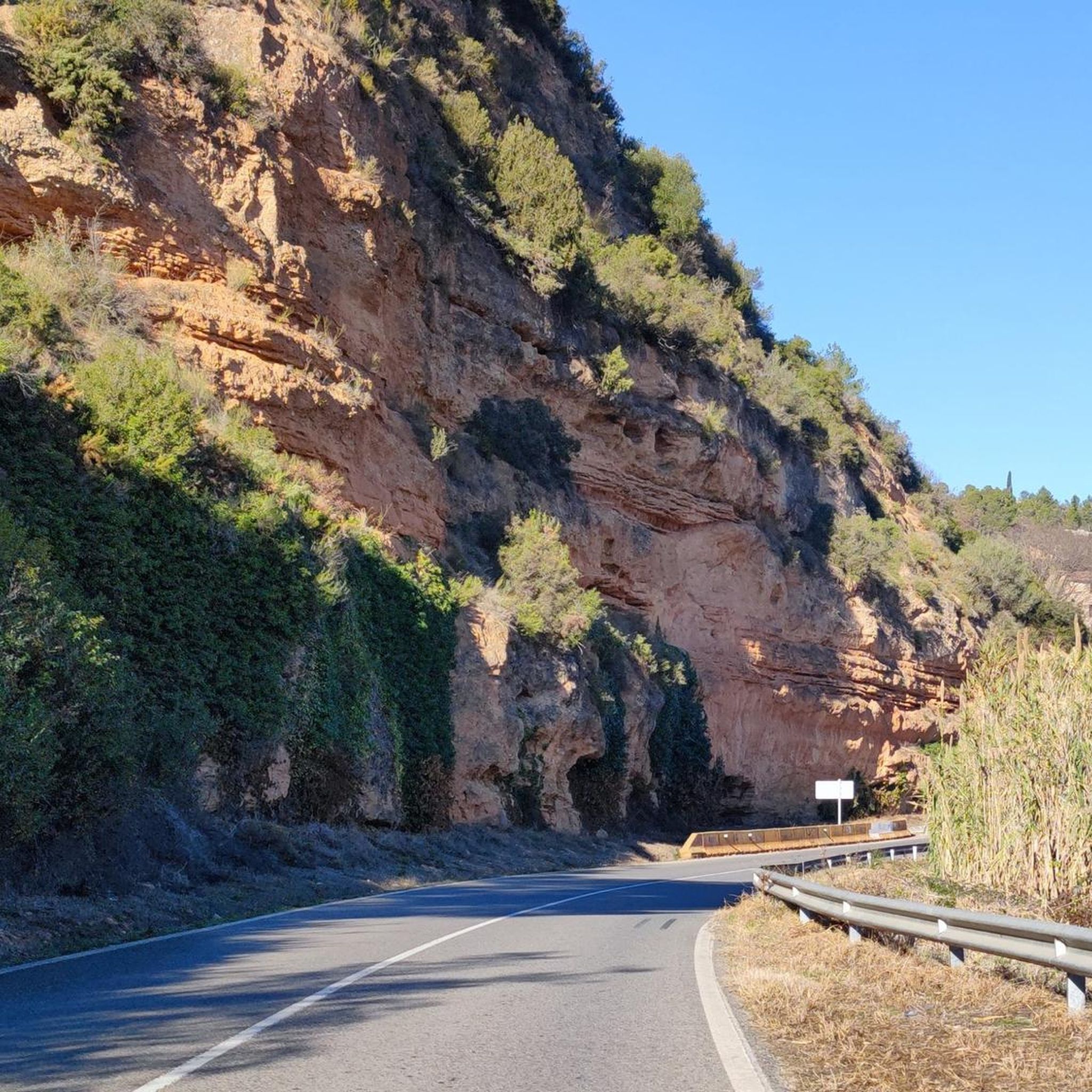
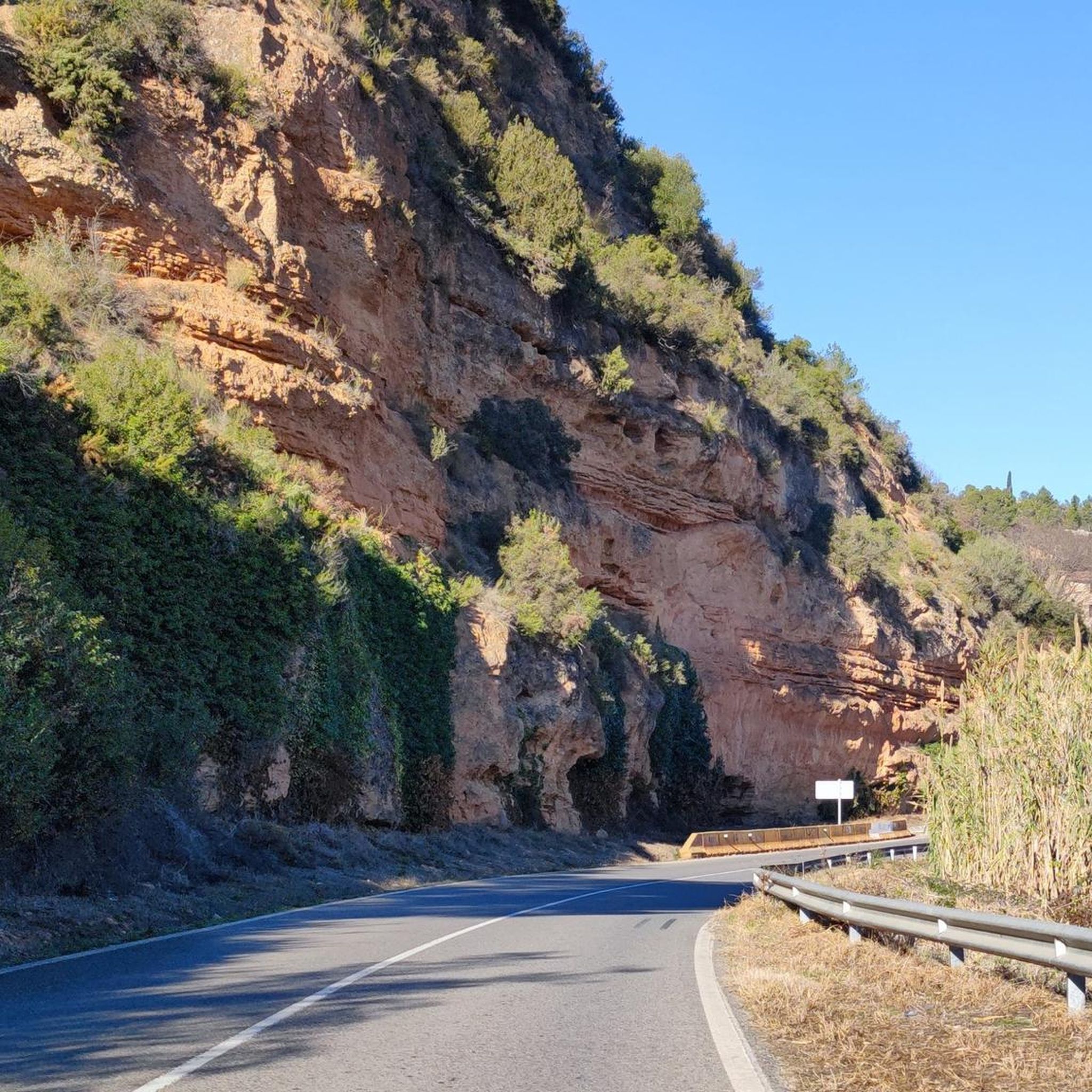
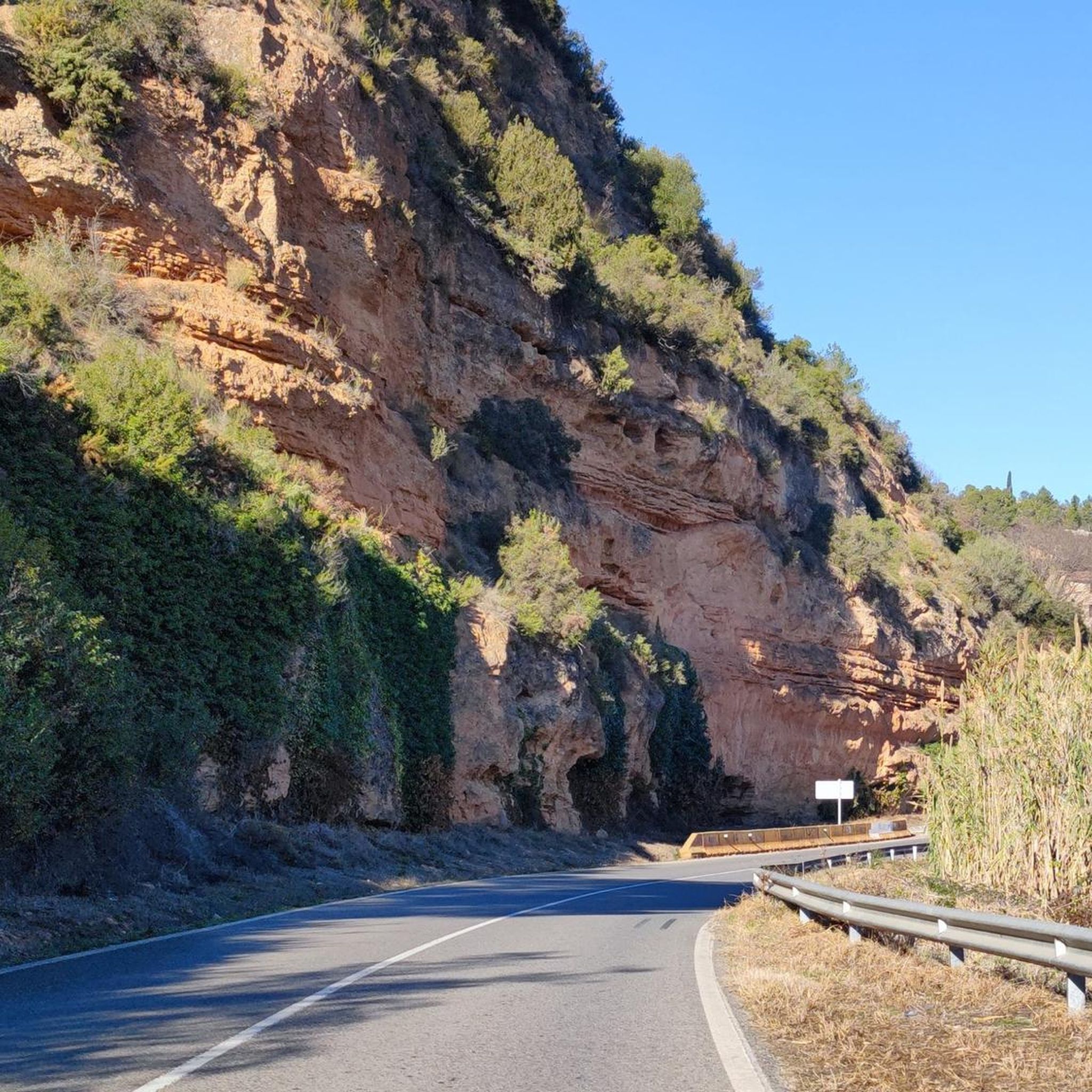
- The most popular attractions is Coll de Coloma Pass, a mountain_pass that offers incredible views, including Tossal Gros, the highest mountain in the Miramar mountain range. It serves as a mountain pass between Figuerola and Prenafeta.
- Another must-see spot is Royal Monastery of Santes Creus, a religious_building and a Cistercian abbey built in the 12th century. This majestic temple is part of the Cistercian Route and is among the largest monasteries in Europe.
- Visitors also love Walkways and Bridges of the Gaià River, an entertaining route that runs parallel to the river. The path is generally easy to do and features unique constructions over the river.
- El Pont D'Armentera is known for its historical sites, natural river landscapes, and traditional dry-stone architecture. The area offers a variety of attractions to see and explore, from ancient structures to scenic trails.
- The attractions around El Pont D'Armentera are appreciated by the komoot community, with 6 highlights featuring 64 photos and receiving 95 upvotes.
Last updated: July 20, 2026
Royal Monastery of Santes Creus
Highlight • Religious Site
Translated by Google •
Tip by

Mazinger Z Statue
Highlight • Monument
A few weeks ago the town hall of Cabra del Camp has tidied up and conditioned its surroundings with a playground, picnic tables and a bar.
Visit 100% recommended!
Translated by Google •
Tip by

Sign up now to discover places like this
Get recommendations on the best single tracks, peaks, & plenty of other exciting outdoor places.
Sign up for free
Walkways and Bridges of the Gaià River
Highlight (Segment) • Trail
From this point, continue very well until the fork to the right and to the left of the path (the route has been changed, and now to the left you reach the end of the path) and until you reach the fork, there are a couple of more sections of walkways but easy to pass where aided by the ropes will not pose any problem.
Translated by Google •
Tip by

Dry Stone Route
Highlight (Segment) • Trail
Translated by Google •
Tip by

Coll de Coloma Pass
Highlight • Mountain Pass
Translated by Google •
Tip by

Sign up for free to discover even more attractions around El Pont D'Armentera.
Sign up for free
Already have an account?
Start today with a free account
Your next adventure awaits.
Login or Signup

Tips from the Community

It's worth it, it's a Cistercian monastery
0
0

Magnificent port. Good condition, good terrain and incredible views.
0
0

Tough loose cli.b, Best done in cool conditions. Can be very 🔥. Loose descent on the west side, but great track
0
0


The Monastery of Santa María de Santes Creus is a Cistercian abbey built in the 12th century. The grandeur of the monastery is due to the donations received from the nobility who wanted to be buried here.
1
0

Entertaining route that runs parallel to the river Gaià. The path is easy to do and has practically no complications, perhaps there will only be a couple of steps that can be a bit difficult and can be passed without problems, which would be the first walkway (where I go down the planks of about 50cm wide and supported on some "nails" sunk into the wall) with a rope to help us cross this first short section of footbridges and the first bridge with a length of about 15m (also with a width of about 50cm) that crosses the river Gaià, at about 2/3m above the river (which does not have any type of handrail, cable or rope to help cross it). From this point, continue very well until the fork to the right and to the left of the path (the route has been changed, and now to the left you reach the end of the path) and until you reach the fork, there are a couple of more sections of walkways but easy to pass where aided by the ropes will not pose any problem.
2
0

On the banks of the river Gaià we find the monastery of Santes Creus, one of the main jewels of Catalan medieval art. This majestic temple is part of the Cistercian Route that includes the three existing Cistercian monasteries in Catalonia.
2
0

Dry stone architecture is a construction technique that does not use any type of mortar to fix the stones or bricks that are used. In this area we can see numerous examples, from the very walls that separate the fields, to vineyard huts, vaulted huts, ovens or ice wells. It is a beautiful testimony of a past life, halfway between subsistence and taking advantage of all the resources that the earth offers. In fact, the farmers responsible for these constructions obtained the stones from cleaning the fields themselves.
1
0
Frequently Asked Questions
What natural features can I explore around El Pont D'Armentera?
The area is rich in natural beauty, particularly around the Gaià River. You can enjoy walks along the river's course, explore the unique constructions of the Walkways and Bridges of the Gaià River, or visit El Salt del Pont d'Armentera, a popular spot with pools and remnants of an old hydroelectric plant, perfect for easy excursions.
Are there historical sites to visit in El Pont D'Armentera?
Yes, El Pont D'Armentera boasts a rich history. You can see remnants of a Roman aqueduct, explore the historic town center with traces of its fortified past, and discover the Dry Stone Route, showcasing traditional construction techniques like vineyard huts and vaulted huts.
What kind of outdoor activities can I do near El Pont D'Armentera?
The region offers diverse outdoor activities. You can find numerous rural paths for tranquil walks and explore the Gaià River. For more structured activities, there are options for hiking, cycling, and gravel biking, with routes like the 'El Pont d'Armentera loop' for hiking or the 'Mazinger Z, Santes Creus, Figuerola del Camp – circular route' for cycling.
Are there any significant religious or cultural landmarks in the area?
Absolutely. The Royal Monastery of Santes Creus, a 12th-century Cistercian abbey and a jewel of Catalan medieval art, is a major highlight and part of the Cistercian Route. Within the town, the Baroque Parish Church of Santa Magdalena features a magnificent altarpiece from 1702. You can also visit the Chapel of Sant Miquel del Pla de Manlleu, an old Romanesque chapel.
Where can I find the best views around El Pont D'Armentera?
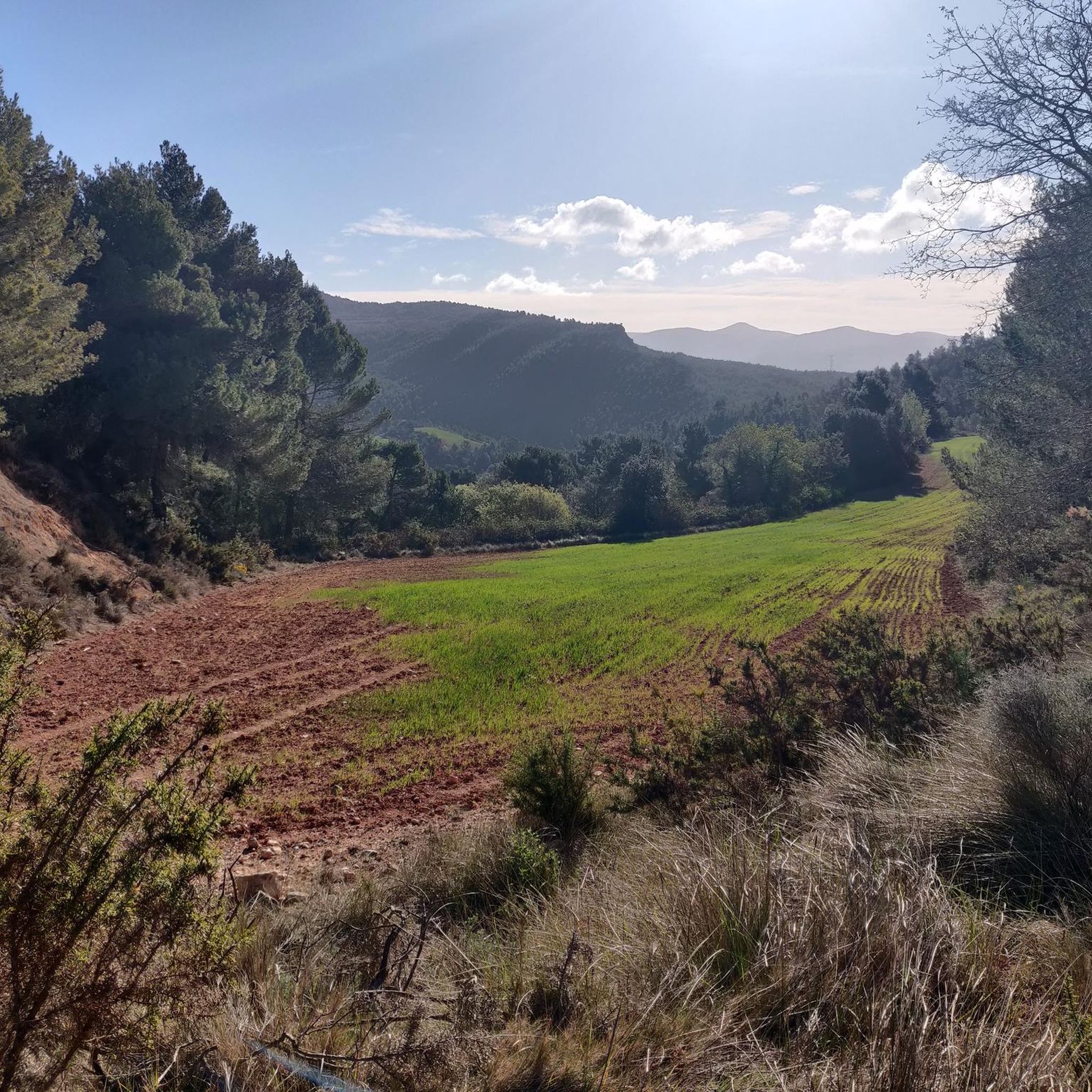
For incredible panoramic views, head to the Coll de Coloma Pass. From here, you can see Tossal Gros, the highest mountain in the Miramar mountain range, offering a stunning perspective of the surrounding landscape.
Are there family-friendly attractions or activities suitable for children?
Yes, several attractions are suitable for families. The Walkways and Bridges of the Gaià River offer an entertaining and generally easy route. El Salt del Pont d'Armentera, with its series of pools along the Gaià River, is also a popular spot for easy excursions with children.
Can I find hiking trails suitable for different skill levels?
Yes, the area offers a variety of hiking trails. You can find easy routes like the 'El Pont d'Armentera loop' (6 km) or moderate options such as the 'Barraca de pedra seca 20011 loop' (9 km) and the 'Sant Bernat Square – El Pont d'Armentera loop' (9.7 km). For more details, refer to the hiking guide for El Pont D'Armentera.
What is the Castle of Salmellà?
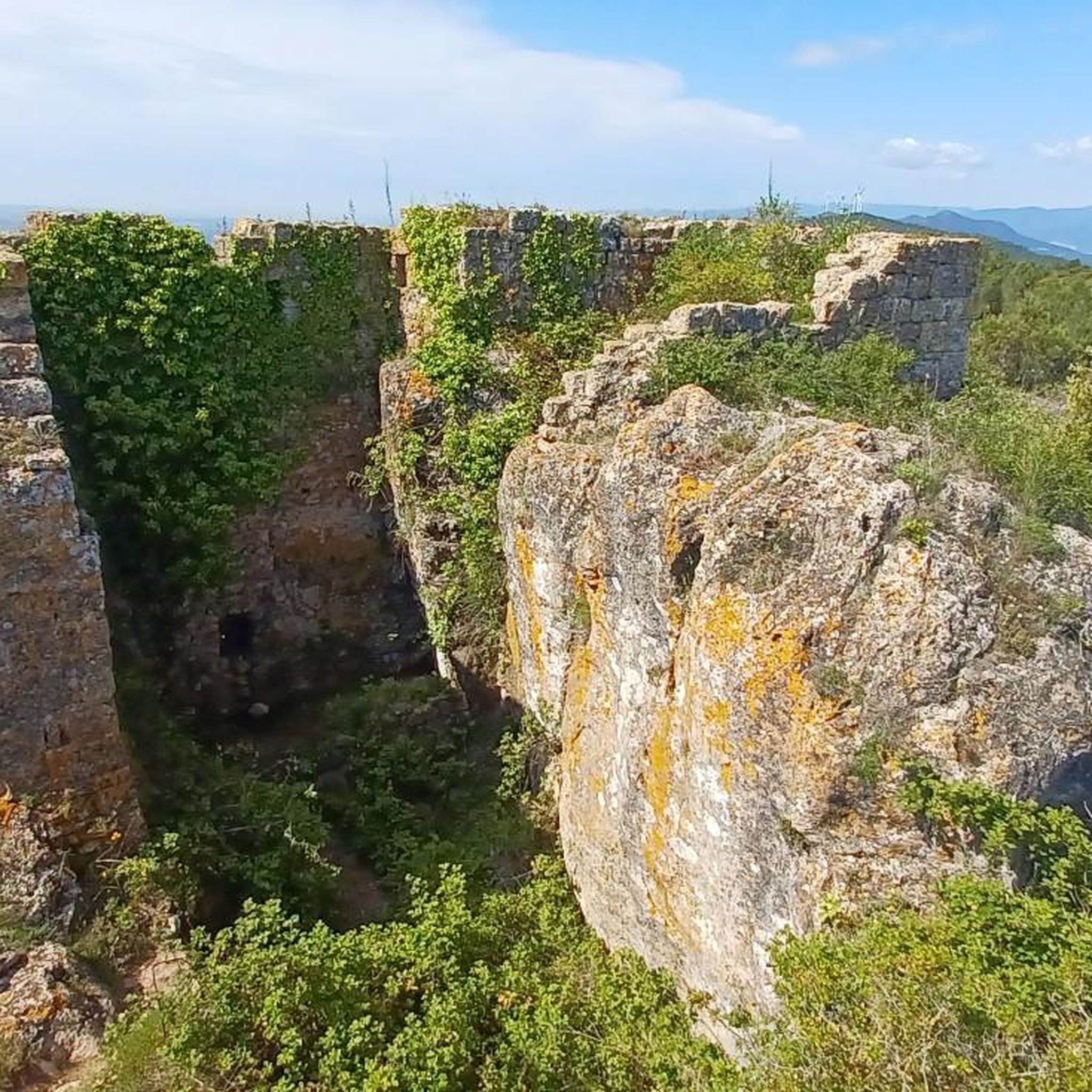
The Castle of Salmellà (Castell de Selmella) consists of the remains of an ancient castle located in the deserted area of Selmella. It is declared a Cultural Heritage Asset, and archaeological work has been carried out to uncover its tower and other parts. The nearby 10th-century church of Sant Llorenç is an example of primitive Romanesque architecture.
What is the Cistercian Route and how is El Pont D'Armentera connected to it?
The Cistercian Route (Ruta del Cister) connects the significant Cistercian monasteries of Poblet, Santes Creus, and Vallbona de les Monges. El Pont D'Armentera is integrated into this route, with the nearby Royal Monastery of Santes Creus being a key highlight and a major jewel of Catalan medieval art.
What is the best time to visit El Pont D'Armentera for outdoor activities?
While specific seasonal data isn't provided, the region's Mediterranean climate generally makes spring and autumn ideal for outdoor activities like hiking and cycling, offering pleasant temperatures. Summer can be very hot, especially for strenuous activities, as noted for the Coll de Coloma Pass.
Are there any unique architectural features to look out for?
Beyond the Roman aqueduct and the Baroque church, the area is notable for its dry-stone architecture. The Dry Stone Route highlights numerous examples of this traditional construction technique, including walls, vineyard huts, and vaulted huts, offering a glimpse into past rural life.
What do visitors enjoy most about the attractions around El Pont D'Armentera?
Visitors particularly appreciate the blend of historical significance and natural beauty. The grandeur of the Royal Monastery of Santes Creus, the engaging and easy routes along the Walkways and Bridges of the Gaià River, and the incredible views from the Coll de Coloma Pass are frequently highlighted as top experiences.
Most popular routes around El Pont D'Armentera
Most popular attractions around El Pont D'Armentera

Get inspired with the komoot mobile app


Explore more
Still not found the Highlight you’re looking for? See guides of the top attractions in other regions:
