Attractions and Places To See around Castrocontrigo - Top 13
Best attractions and places to see around Castrocontrigo include historical sites, traditional architecture, and natural landscapes in the province of León, Spain. This rural town is situated near the Sierra del Teleno and the Eria River, offering a blend of cultural heritage and outdoor opportunities. The area features evidence of Iron Age and Roman occupation, alongside traditional stone and wood buildings. It is a region known for its diverse Mediterranean flora and abundant wildlife.
Best attractions and places to see…
Last updated: July 14, 2026
Eria Bridge in Castrocalbón
Highlight • Bridge
Translated by Google •
Tip by

Gothic Arch of the Palace of Castrocalbón
Highlight • Historical Site
Translated by Google •
Tip by

Sign up now to discover places like this
Get recommendations on the best single tracks, peaks, & plenty of other exciting outdoor places.
Sign up for free
Church of Castrocontrigo
Highlight • Religious Site
Translated by Google •
Tip by
Castrocontrigo Castle
Highlight • Castle
Translated by Google •
Tip by
Muelas de los Caballeros
Highlight • Settlement
Translated by Google •
Tip by
Sign up for free to discover even more attractions around Castrocontrigo.
Sign up for free
Already have an account?
Start today with a free account
Your next adventure awaits.
Login or Signup

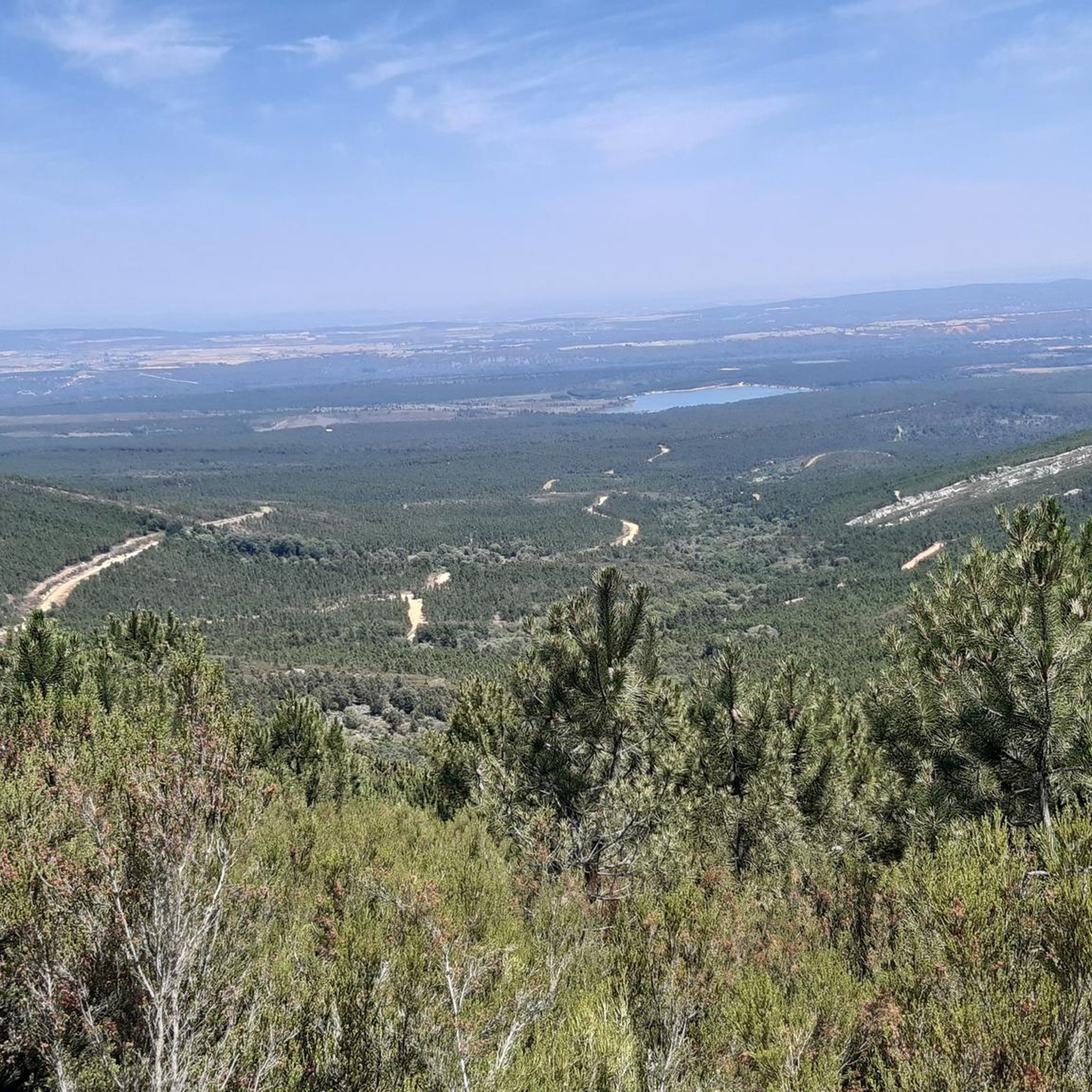
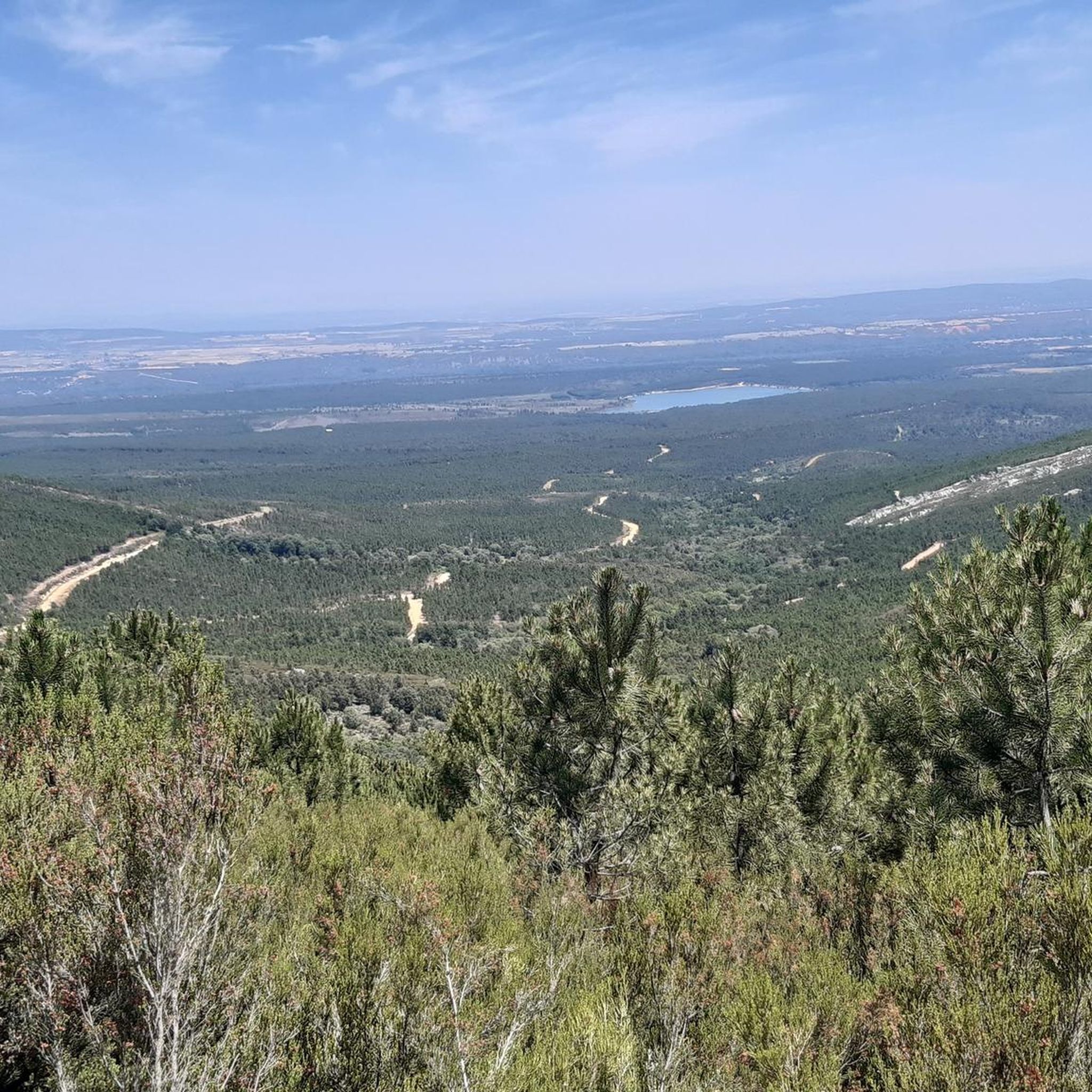
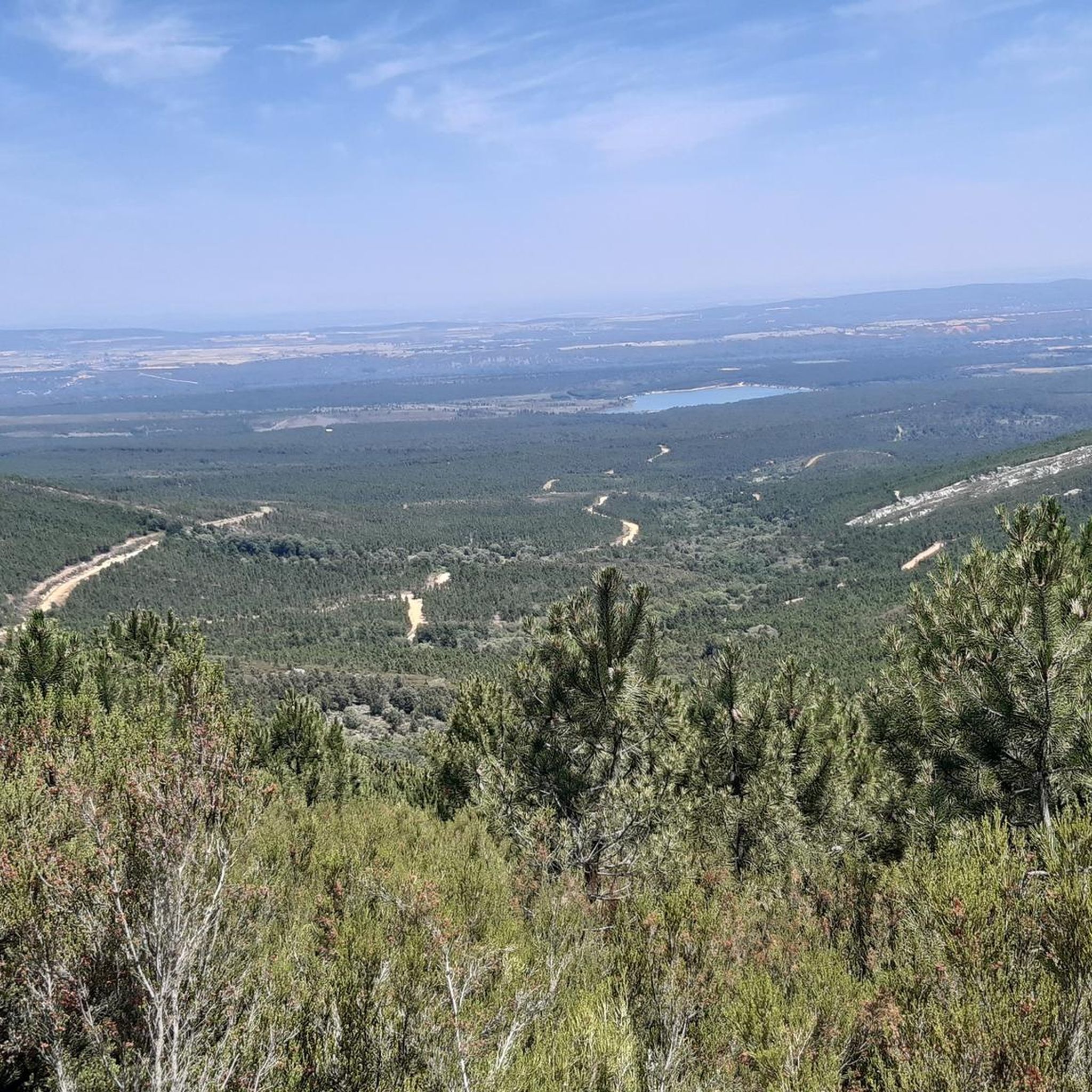
Tips from the Community

Castrocalbón is a place with a rich history and several points of interest that you can visit. Castrocalbón Castle: Although in ruins, it is a fascinating testimony to the medieval architecture and history of the region. San Pedro Church: A church with Romanesque and Gothic elements, which houses interesting altarpieces and sculptures. Hermitage of the Virgin of the Rosary: A place of local devotion, with simple architecture and a peaceful setting.
0
0
Castrocalbón Castle is an ancient fortress located in the town of Castrocalbón, in the province of León. Built in the Middle Ages, the castle has gone through various phases of construction and destruction over the centuries. Today, only a few remains remain, such as a rammed earth wall plastered with mortar and an ashlar arch. In the past, the castle had several archways and walls that have been compared to the Berber kasbahs of the High Atlas.
2
0

Another iconographic reference of Castrocalbón is this iron bridge over the Eria River built in the 1920s and which, despite the inconveniences it causes at this time, being quite narrow, already changes its image has become a symbol of Castrocalbón. A new bridge is currently in use a short distance from the old one, which is (for the time being) maintained due to its historical value.
1
0

The Castle is from Castrocontrigo, a private property, property of the Neighborhood Council. Nogarejas is the forestry term. By the way, recently rehabilitated.
1
0

Ascending the route towards the medieval castle of Nogarejas watching over the Ería river valley. There isn't much left but the watchtower.
2
0
Ruin of a palace and defensive settlement on the town of Castrocalbón of which only a restored arch remains.
1
1
An archaeological site ruins the Hermitage and the Palace located in the valley of the Eria river. Few remains of the palace apart from a restored Gothic arch.
2
0

Although the current name of this town is much clearer than that of its neighbor Castrocalbón, it is interesting to know that the origin of Castrocontrigo is in the primitive city of Aria, which was the one that gave its name to the Aria/Eria river, which crosses the municipality. , and in turn to the entire Valle del Aria, which ended up being known as Valdería.
2
0
Frequently Asked Questions
What historical and cultural sites can I explore in Castrocontrigo?
Castrocontrigo is rich in history. You can visit the Church of Castrocontrigo, which has origins dating back to the prehistoric Bronze Age and serves as a central cultural point. Don't miss the remains of Castrocontrigo Castle, where a recently rehabilitated watchtower offers views over the Ería river valley. The area also features the "El Castro" or "El Cobrado" Archaeological Site, with evidence of Iron Age II and Roman occupation, and traditional stone and wood architecture throughout the town.
Are there any notable bridges or ancient structures to see?
Yes, the Eria Bridge in Castrocalbón is a significant iron structure built in the 1920s, recognized for its historical value. Additionally, you can find the Gothic Arch of the Palace of Castrocalbón, a restored arch that is part of an archaeological site.
What natural attractions are there around Castrocontrigo?
The region offers beautiful natural landscapes. Castrocontrigo is nestled near the Sierra del Teleno, the highest mountain in the Valdería region, providing a magnificent natural environment. The Eria River is another significant feature, known for trout fishing and supporting a rich aquatic ecosystem. The area is also home to diverse Mediterranean flora, including evergreen oak forests, and abundant wildlife like deer, roe deer, and wild boars.
What outdoor activities can I do near Castrocontrigo?
The area is ideal for outdoor enthusiasts. You can find numerous trails for hiking, mountain biking, and cycling. For detailed routes, explore the Hiking around Castrocontrigo guide, the MTB Trails around Castrocontrigo guide, or the Cycling around Castrocontrigo guide.
Are there family-friendly attractions or activities in the area?
Yes, the charming town of Muelas de los Caballeros is considered family-friendly. It's a beautiful, well-preserved small town located at the foot of the Sierra de La Cabrera, known for its ancient oak forests. Many of the natural trails and routes also offer varying difficulties, with some easy options suitable for families.
What kind of wildlife can I expect to see in the Castrocontrigo region?
The region is notable for its abundant wildlife. You might spot significant populations of deer, roe deer, wild boars, and foxes. The Iberian wolf also has a high density in the Cabrera-Valderia area. The Eria River basin supports aquatic life such as otters, dippers, and Pyrenean desman.
Are there any specific hiking trails recommended for different difficulty levels?
Yes, the Hiking around Castrocontrigo guide lists various routes. For example, the 'Castrocalbón Circular Route via the Castle' is an easy 3.9 km trail, while 'Nogarejas from Pinilla de la Valdería' is a more difficult 23.2 km circular route. You can find options ranging from easy to difficult to suit your preference.
What is the traditional architecture like in Castrocontrigo?
Strolling through the streets of Castrocontrigo reveals houses built with stone and wood, reflecting the traditional architectural style of the region. You'll also find various fountains and small gardens throughout the village, contributing to its charming rural character.
Can I go cycling or mountain biking near Castrocontrigo?
Absolutely. The area offers several routes for both cycling and mountain biking. You can find detailed tours in the Cycling around Castrocontrigo guide, with routes like the 'Roman Camp of Petavonium from Castrocontrigo' (difficult, 74 km). For mountain biking, the MTB Trails around Castrocontrigo guide includes routes such as the 'Church of Castrocontrigo – Fuente Near Tabuyo loop' (difficult, 61 km).
Are there any ancient structures related to wolf trapping in the area?
Yes, the landscape preserves unique ancient structures known as "chorcos" or "cousos." These were historically used by shepherds to trap wolves, offering a glimpse into the region's past interactions with its wildlife.
What are some other religious sites in the municipality of Castrocontrigo?
Beyond the main Church of Castrocontrigo, the municipality features other places of interest, including the Hermitage of Santo Cristo de la Vera Cruz just outside the town. There are also hermitages in nearby Morla de la Valdería, Pobladura de Yuso, and Nogarejas, showcasing the region's religious heritage.
Most popular routes around Castrocontrigo

Get inspired with the komoot mobile app


Explore more
Still not found the Highlight you’re looking for? See guides of the top attractions in other regions:
