Attractions and Places To See around Rionansa - Top 20
Best attractions and places to see around Rionansa, a municipality in western-central Cantabria, offer a blend of natural beauty and historical sites. The region is characterized by its rugged terrain, forests, and meadows, shaped by the Nansa River. Visitors can explore ancient landmarks, significant cultural sites, and diverse natural features within this area. A portion of Rionansa is also part of the Saja National Reserve, known for its ecological value.
Best attractions and places to see around Rionansa
- The most…
Last updated: July 6, 2026
San Vicente de la Barquera
Highlight • Settlement
Translated by Google •
Tip by

San Vicente de la Barquera Old Town and La Maza Bridge
Highlight • Historical Site
Translated by Google •
Tip by

Sign up now to discover places like this
Get recommendations on the best single tracks, peaks, & plenty of other exciting outdoor places.
Sign up for free
Fuentona de Ruente Bridge
Highlight • Bridge
Translated by Google •
Tip by

Viewpoint and Church of Santa María de los Ángeles
Highlight • Religious Site
Translated by Google •
Tip by
Lamiña Waterfalls
Highlight • Waterfall
The waterfalls are located in the …
Translated by Google •
Tip by
Sign up for free to discover even more attractions around Rionansa.
Sign up for free
Already have an account?
Start today with a free account
Your next adventure awaits.
Login or Signup
Other adventures around Rionansa

Tips from the Community

Good place to recharge alone or with family. I went on a weekend and it was absolute peace.
0
0

Whenever I pass by here, even by car, I take a look at this beautiful bridge.
1
0

The old town of San Vicente de la Barquera and the Maza Bridge are two of the main tourist attractions of this picturesque fishing village in Cantabria. This historic center dates back to medieval times and is located in a privileged natural setting within the Oyambre Natural Park.
1
0
Whenever I'm in this town, I come to this corner.
1
0

Very close to the bridge itself is the Fuentona, the source of the homonymous river that hides a curious legend related to the intermittent flow of the river. The bridge is a classic postcard from the town of Ruente.
1
0

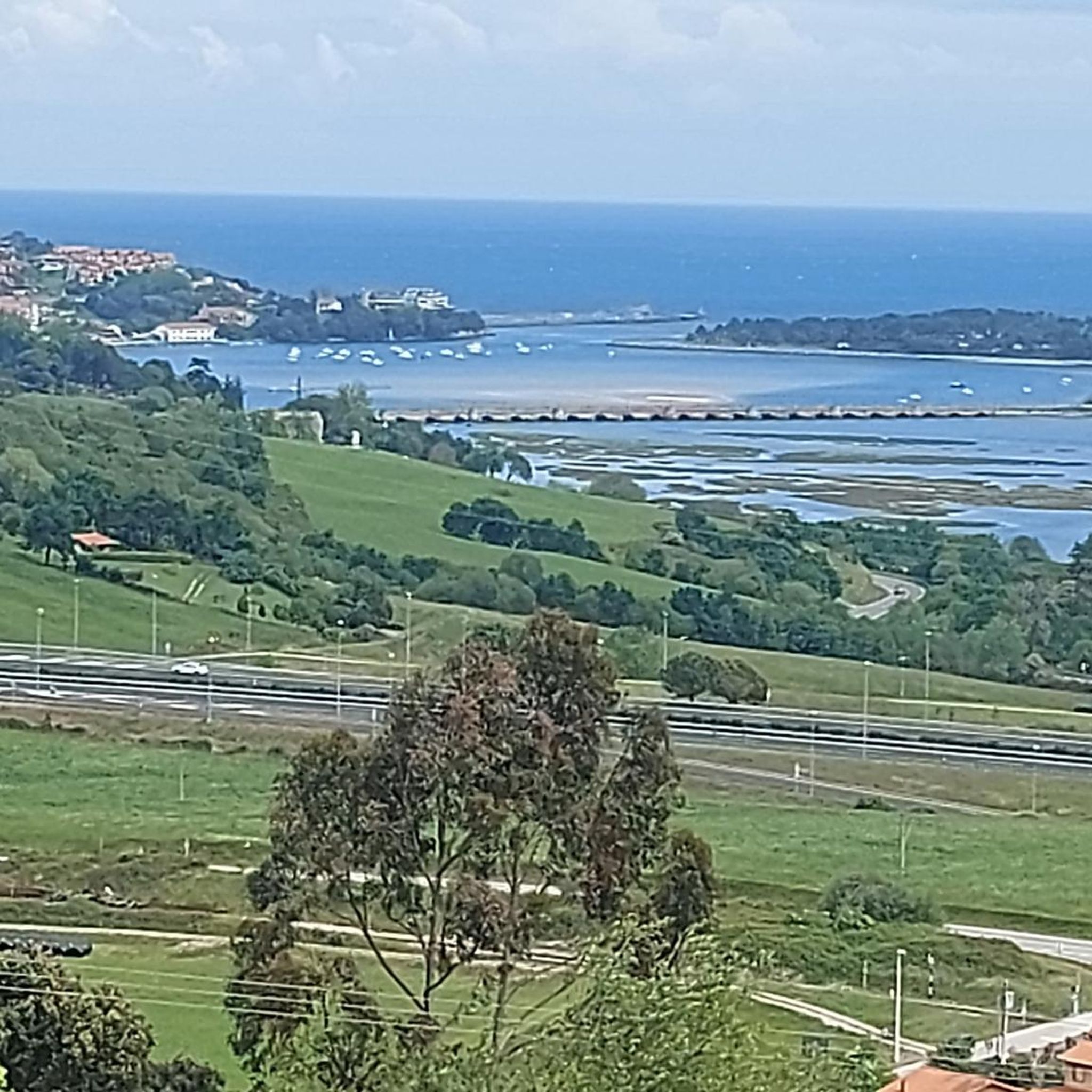
San Vicente de la Barquera is an impressive fishing village located in the heart of the Oyambre natural park. Located between two estuaries, San Vicente faces the sea. The landscape changes constantly with the tides and the sight of the boats perched on the sand at low tide is very particular. In Roman times, San Vicente was already an important port. In the Middle Ages, notable buildings such as the church of Santa María de los Ángeles were built and today the remains of the wall and the castle remain. However, the most appreciated monument is the stone bridge of La Maza, with its 28 eyes, built by order of the Catholic kings in the 16th century. From this bridge you can appreciate one of the most characteristic views of San Vicente, the contrast of the snow-capped peaks of Europe and the mouth of the estuary to the Cantabrian Sea.
2
0

Beautiful bridge of medieval origin and that consists of 9 eyes, what is most striking is how low and flat it is, which invites you to walk on it, but higher altitude is not necessary because it is to overcome the Fuentona stream that It doesn't have many floods.
0
0

is a beautiful port city, located on the beautiful coast of Cantabria (western part), near the region of Asturias. Already at the time of the Romans what it was known as a port city and has been a resting place for pilgrims on their way to Santiago over the centuries. It enjoys a beautiful location, in the heart of the Parque Natural de Oyambre, a small coastal paradise, with a fantastic view of the snow-capped peaks of the Picos de Europa. It is a typical Spanish seaside resort that is mainly visited for its beautiful beaches. There are few tourists! The old center has a rich monumental heritage, including an old church, castle and remains of medieval walls https://www.masspanje.nl/san-vicente-de-la-barquera
3
0
Frequently Asked Questions
What natural features can I explore in the Rionansa area?
Rionansa is rich in natural beauty, with the Nansa River flowing through its territory, shaping a landscape of forests and pastures. A significant portion of the municipality lies within the Saja National Reserve, known for its unspoiled landscapes and abundant oak and beech forests. You can also visit the Lamiña Waterfalls, located near Barcenillas within the Saja-Besaya Natural Park, or explore the surroundings of the Palombera Reservoir for scenic spots. For a challenge, the Sierra de Peña Sagra, with its peak El Cornón (2,046 meters), offers stunning views.
Are there historical landmarks to visit in Rionansa?
Yes, Rionansa boasts several historical landmarks. The 15th-century Obeso Medieval Tower is a prominent feature, dominating the valley. You can also see the Casona del Solar de los Cosío in the village of Cosío, recognized for its urban beauty. The capital, Puentenansa, features an 18th-century manor house's remains. Nearby, the fishing village of San Vicente de la Barquera offers historical buildings like the church of Santa María de los Ángeles and the impressive Puente de la Maza.
What cultural sites are significant in the Rionansa area?
The region is home to remarkable cultural sites. The Cave of Chufín, a UNESCO World Heritage site in Riclones, showcases prehistoric cave paintings. Another geological marvel is El Soplao Cave, often called the 'Sistine Chapel of geology,' known for its unique formations. The village of San Sebastián de Garabandal holds religious importance due to alleged Marian apparitions and features beautiful emblazoned houses. You can also find traditional Cantabrian architecture and various religious buildings, such as the 16th-century Church of San Pedro in Celis, throughout the municipality.
Are there family-friendly activities or attractions in Rionansa?
Rionansa offers several family-friendly options. The Lamiña Waterfalls provide an accessible and beautiful spot for a relaxing walk. The fishing village of San Vicente de la Barquera, with its beaches and historical bridge, is also suitable for families. The Fuentona de Ruente Bridge area includes a picnic park, perfect for enjoying the natural beauty. Rural tourism, hiking, and exploring the Saja National Reserve are also great ways for families to enjoy the outdoors.
What kind of outdoor activities can I do around Rionansa?
The mountainous landscapes and the Nansa River valley make Rionansa ideal for various outdoor activities. Popular options include hiking, horseback riding, fishing, and canoeing. For cycling enthusiasts, there are numerous routes available. You can find detailed cycling routes, including challenging mountain biking trails and scenic road cycling tours, by exploring the Cycling around Rionansa, MTB Trails around Rionansa, and Road Cycling Routes around Rionansa guides.
Where can I find hiking trails near Rionansa?
Rionansa and its surroundings offer a variety of hiking trails, especially within the Saja National Reserve. The area around the Lamiña Waterfalls provides a pleasant walk through a beech forest. The village of San Sebastián de Garabandal also serves as a starting point for several hiking routes. For more specific routes and details on difficulty and elevation, you can consult komoot's dedicated guides for hiking in the region.
What is the best time of year to visit Rionansa for outdoor activities?
While specific seasonal weather impacts are not detailed, the region's natural beauty, with its forests and meadows, suggests that spring and autumn would be ideal for hiking and outdoor activities, offering pleasant temperatures and vibrant landscapes. Summers are also suitable for enjoying the Nansa River and its surroundings, though it might be warmer. Winters could offer a different, more rugged experience, especially in higher elevations like Sierra de Peña Sagra.
Are there any viewpoints offering panoramic views in the Rionansa area?
Yes, Rionansa offers several excellent viewpoints. The Viewpoint and Church of Santa María de los Ángeles in San Vicente de la Barquera provides panoramic views of the sea and mountains. San Sebastián de Garabandal is also known as a spectacular viewpoint. Additionally, the Sierra de Peña Sagra, particularly El Cornón, is considered one of Cantabria's natural balconies, offering expansive vistas.
What is the local cuisine like in Rionansa?
Rionansa is known for its homemade cuisine, with the 'cocido montañés' (mountain stew) being a recognized local dish. This hearty stew typically features beans, collard greens, and various pork products, reflecting the region's traditional flavors and agricultural heritage. You can find local restaurants in villages like Puentenansa and Celis offering authentic Cantabrian dishes.
Where can I find traditional Cantabrian architecture in Rionansa?
Throughout the Rionansa municipality, you can observe traditional Cantabrian houses. These are typically small, terraced homes characterized by pronounced firewalls, balconies, and carved eaves. Many have been restored, preserving their historical charm. The village of Cosío, recognized with the 'Pueblo de Cantabria' award, and San Sebastián de Garabandal with its emblazoned houses, are good places to see examples of this distinctive architecture.
What are some notable events or traditions in Rionansa?
Puentenansa, the capital of the municipality, is known for its lively livestock fairs, especially the San Miguel Fair on September 29th, as well as other fairs in March and December. Popular festivals include San Miguel Arcángel and the Virgen de la Salud, which are celebrated with local traditions and community gatherings, offering a glimpse into the region's cultural heritage.
Most popular attractions around Rionansa

Get inspired with the komoot mobile app


Explore more
Still not found the Highlight you’re looking for? See guides of the top attractions in other regions:
