Attractions and Places To See around Arcicóllar - Top 13
Best attractions and places to see around Arcicóllar include a mix of historical landmarks, cultural sites, and natural features. This municipality in Toledo province offers insights into Spanish history and rural life. The landscape is characterized by olive groves and vineyards, with the town situated on a plain traversed by streams. Arcicóllar also features a rich winemaking heritage and traditional urban core.
Best attractions and places to see around Arcicóllar
- The most popular attractions is Bridge over the Guadarrama in…
Last updated: July 12, 2026
Chozas de Canales
Highlight • Settlement
Translated by Google •
Tip by

Bridge over the Guadarrama in Yunclillos
Highlight • Bridge
Translated by Google •
Tip by

Sign up now to discover places like this
Get recommendations on the best single tracks, peaks, & plenty of other exciting outdoor places.
Sign up for free
Parish Basilica of San Juan Bautista of Yunclillos
Highlight • Religious Site
Translated by Google •
Tip by

Yunclillos
Highlight • Settlement
Translated by Google •
Tip by
Parish Church of Saint Stephen, Lominchar
Highlight • Religious Site
Translated by Google •
Tip by
Sign up for free to discover even more attractions around Arcicóllar.
Sign up for free
Already have an account?
Start today with a free account
Your next adventure awaits.
Login or Signup


Tips from the Community

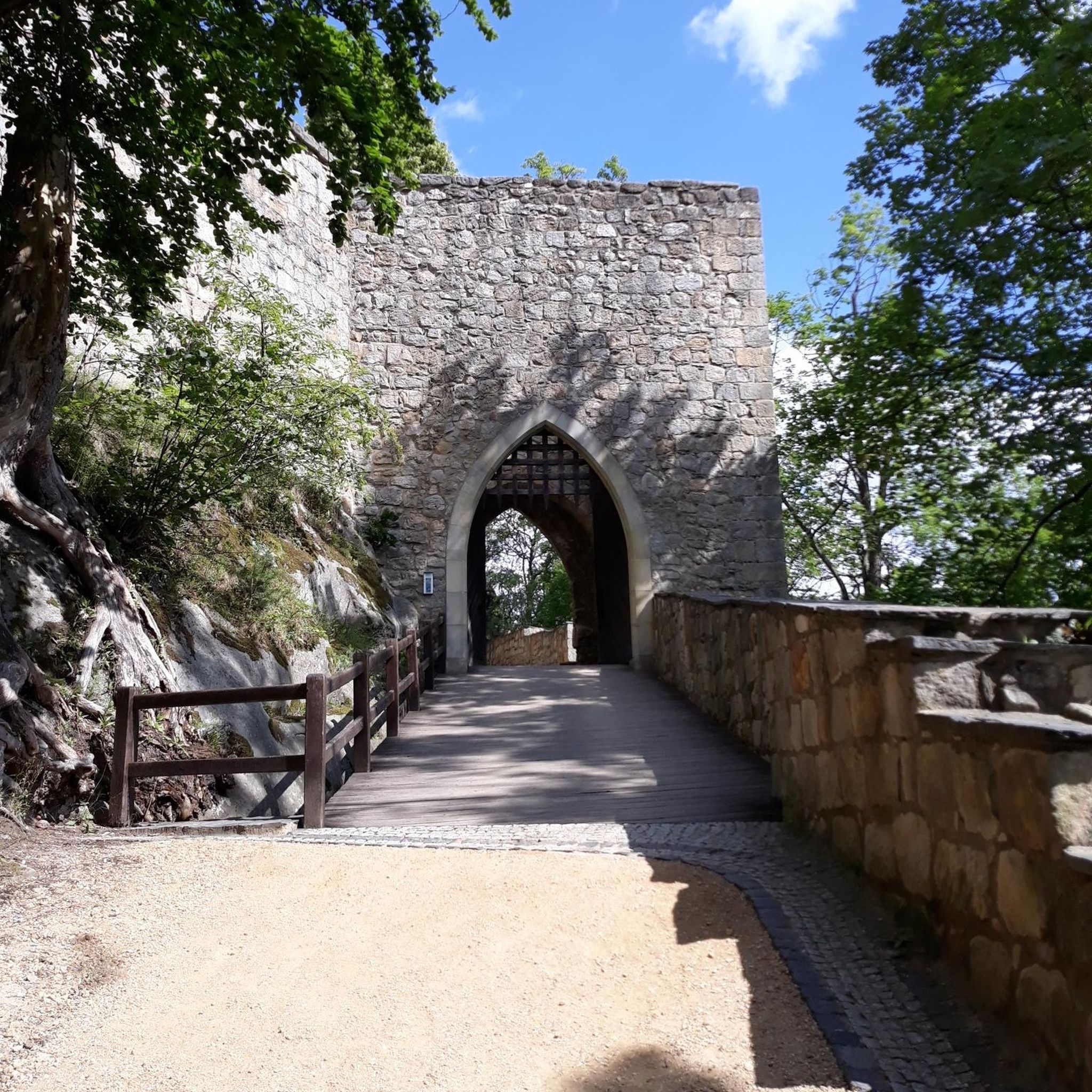
The Parish Church of San Esteban is one of Lominchar's most notable monuments. Built between the 16th and 17th centuries, this church is a clear example of the religious architecture of the period in the region. Its design is Renaissance in style with Baroque elements added during later renovations. The interior of the church features an impressive main nave and several side chapels, decorated with altarpieces and valuable religious artwork. Among the most notable pieces is a 17th-century main altarpiece depicting scenes from the life of Saint Stephen, the church's patron saint. Also notable is the bell tower, which offers panoramic views of the village and its surroundings.
1
0
The history of Yunclillos dates back to ancient times, with evidence of settlements in the area dating back to Roman times. However, it was during the Middle Ages that the town began to gain importance, becoming part of the domains of various military orders and noble fiefdoms. This historical heritage is evident in its monuments and the layout of its architecture, which combines Mudejar and Renaissance elements. Throughout the centuries, Yunclillos has maintained its own identity, adapting to change while preserving its essence. The combination of its history, architecture, traditions, and natural landscapes makes the town a place full of life and charm.
0
0
One of the most notable aspects of Yunclillos' heritage is its religious architecture. The parish church of Saint John the Baptist is the town's main religious building. This church, built in the 16th century, features a transitional style between Gothic and Renaissance. Its façade is sober, but its interior houses valuable works of art: Mural Paintings: Inside the church, you can find some mural paintings dating from bygone eras, depicting scenes from the life of Saint John the Baptist. Main Altarpiece: The main altarpiece is a masterpiece of Toledo Baroque, crafted in gilded wood and depicting various scenes from the saint's life. Image of Saint John the Baptist: The image of the saint that presides over the altar is greatly revered by the locals, and a festival is held in his honor every year. The church is not only a place of worship but also acts as a cultural center, hosting various events throughout the year, including concerts and art exhibitions. The frescoes and interior ornamentation bear witness to the town's religious and cultural past.
0
1

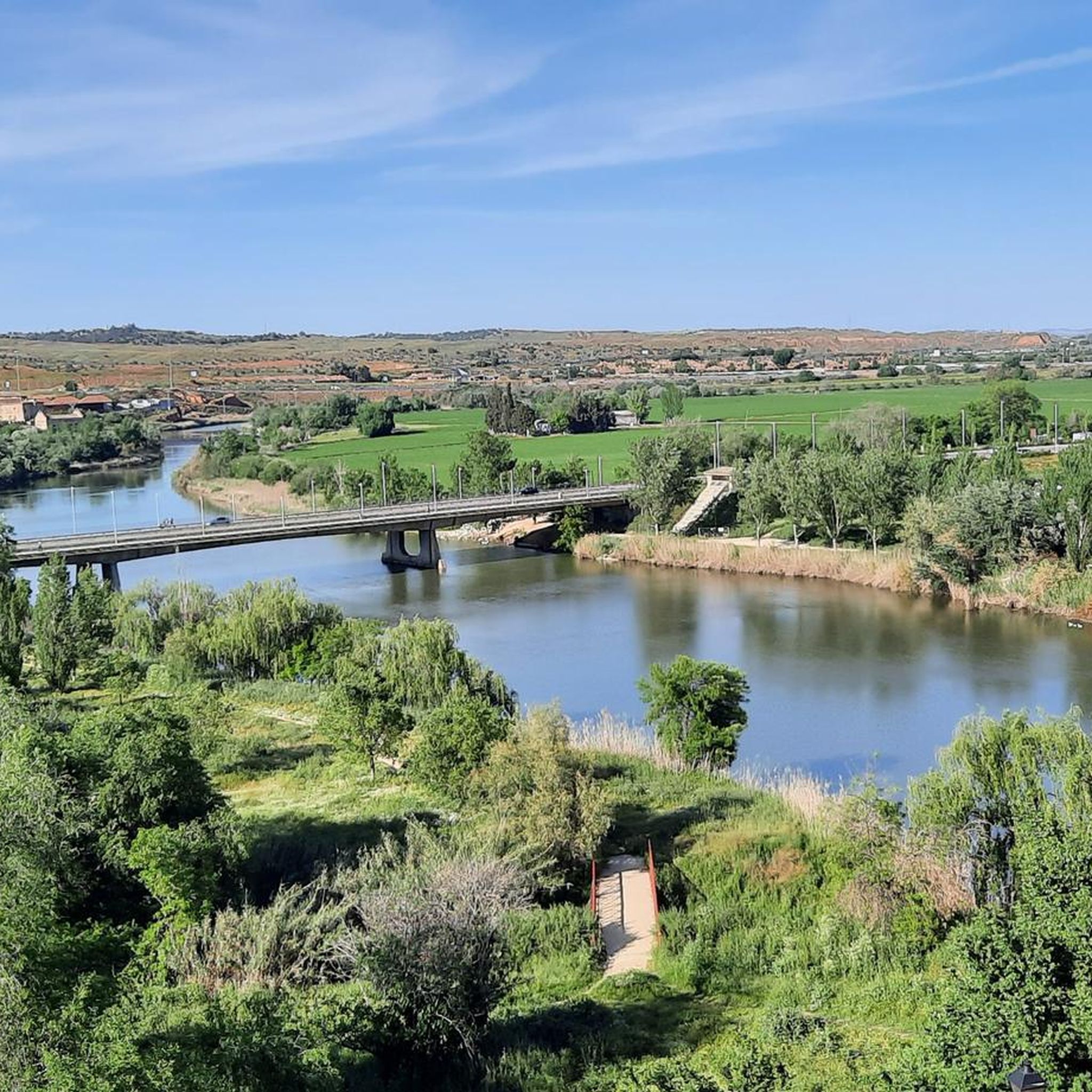
This service bridge for farmers allows you to see the reeds that grow in the riverbed and the landscape of the riverside vegetation that grows green in the middle of the fields of La Mancha.
1
0

The hermitage of Cristo de la Misericordia and the parish church of Santa María Magdalena stand out. A curiosity is that this town is still buried under the rubble of the real estate boom. In the 2000s, it was intended to turn it into a new "dormitory city" for Madrid and the town went from having 500 to 2,000 homes, many of which were never lived in, or even finished building. The town went through a hard stage after the real estate crisis that still lasts today.
1
0

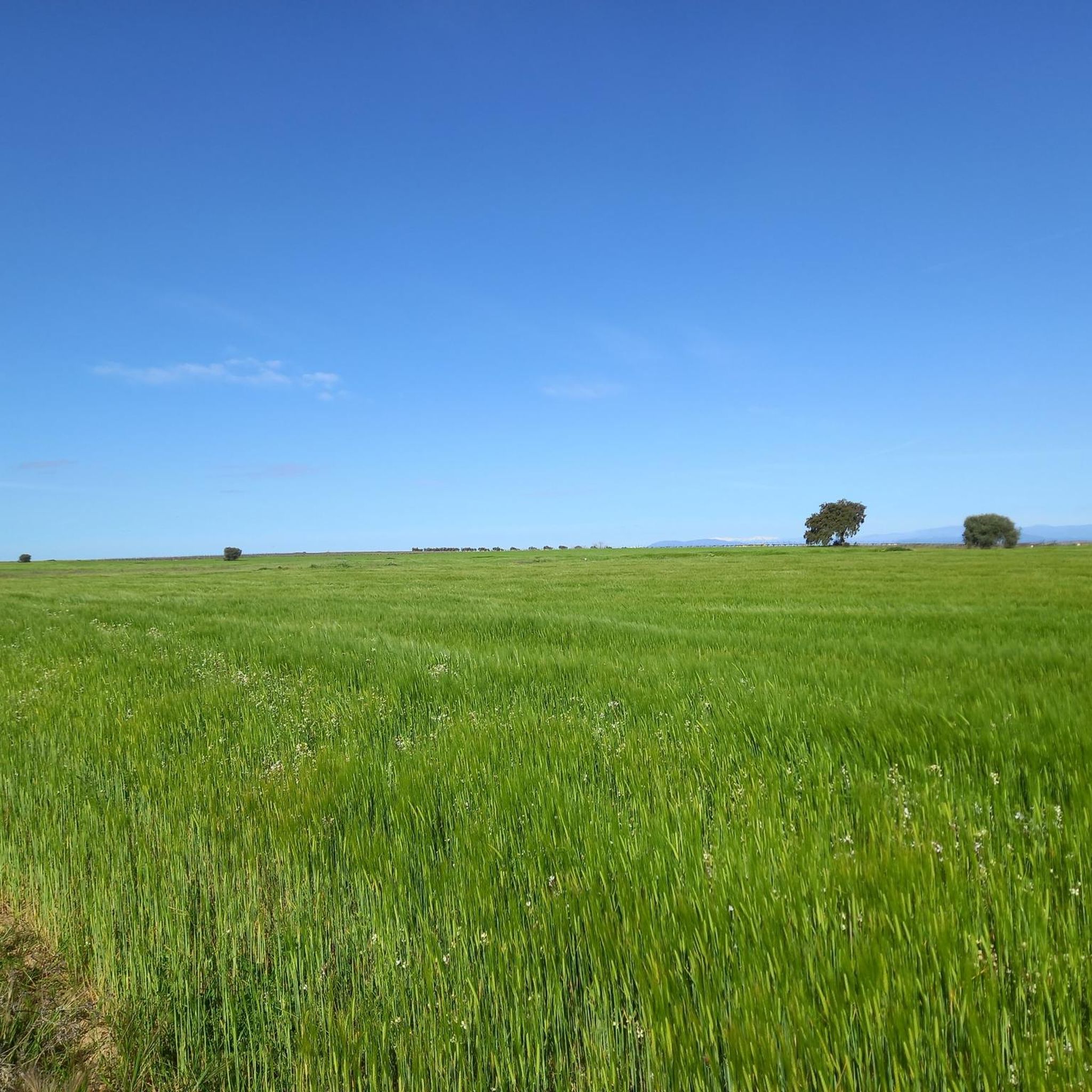
If you are interested in the phenomena of real estate speculation, you can take a ride with your bike through the successive extensions that were made in this agricultural town in the 2000s, when it was intended to turn it into a new "dormitory city" for Madrid. The town went from having 500 to 2,000 homes, many of which were never inhabited, or even completed. The town went through a tough time after the real estate crisis with high unemployment rates and the hangover of this recent history still lingers today.
2
1
Its name may be a simple diminutive of Yuncos, which in turn is the name of a nearby town, but in 1161 it appears in Mozarabic documents with the name "Onclelos", which could be a diminutive of a source that later derived in your current spelling.
4
1
Frequently Asked Questions
What historical sites can I explore around Arcicóllar?
Arcicóllar and its surroundings offer a rich historical tapestry. You can visit the 16th-century Iglesia Parroquial de Nuestra Señora de la Asunción, known for its grand Mudéjar artesonado ceiling. Another significant site is the settlement of Chozas de Canales, which has a unique urban development history and the hermitage of Cristo de la Misericordia. Don't miss the Archaeological Site of Los Hitos, an important Visigothic complex from the 6th and 7th centuries, offering insights into early medieval settlement patterns.
Are there any notable religious buildings to visit in the area?
Yes, the region is home to several significant religious buildings. The Iglesia Parroquial de Nuestra Señora de la Asunción in Arcicóllar is a prominent 16th-century parish church. In Yunclillos, you can find the Parish Basilica of San Juan Bautista, a 16th-century building featuring transitional Gothic and Renaissance styles, complete with mural paintings and a Baroque main altarpiece. Additionally, the Parish Church of Saint Stephen in Lominchar, built between the 16th and 17th centuries, showcases Renaissance and Baroque elements.
What natural landscapes characterize the Arcicóllar area?
The landscape around Arcicóllar is defined by extensive olive groves and vineyards, which are central to the local economy and offer scenic routes for leisurely walks. The town itself lies on a plain, traversed by two usually dry streams and the Vallehermoso stream to the east. You can also observe the unique riverside vegetation and reeds at the Bridge over the Guadarrama in Yunclillos, providing a distinct perspective of the local natural environment amidst the fields of La Mancha.
Can I experience local winemaking or agriculture in Arcicóllar?
Absolutely. Arcicóllar boasts a rich winemaking heritage, with its wines belonging to the Méntrida Designation of Origin. Several local wineries, such as Bodegas y Viñedos Tavera and Viñedos y Bodegas González, offer opportunities for wine tasting and enotourism. The agricultural landscape, dominated by the cultivation of vines and olives, provides a distinct rural experience, and you can enjoy walks through these scenic fields.
Are there family-friendly attractions in Arcicóllar?
Yes, several attractions around Arcicóllar are suitable for families. The Bridge over the Guadarrama in Yunclillos offers a pleasant spot to observe nature. The settlement of Chozas de Canales and the Parish Basilica of San Juan Bautista of Yunclillos are also considered family-friendly, allowing for cultural exploration. The town of Yunclillos itself, with its historical heritage and blend of Mudejar and Renaissance architecture, can be an interesting visit for all ages.
What kind of outdoor activities can I do near Arcicóllar?
The area around Arcicóllar is excellent for various outdoor activities, especially cycling. You can explore numerous routes for gravel biking, road cycling, and touring. For instance, there are gravel biking routes like the 'Chozas de Canales loop from Chozas de Canales' (easy, 12.8 km). If you prefer road cycling, consider routes such as 'Comarca de Torrijos – circular' (easy, 35.3 km). There are also general cycling routes, including a 'Chozas de Canales loop from Chozas de Canales' (moderate, 44.2 km). These routes allow you to experience the olive groves and vineyards firsthand.
Are there any specific cycling routes recommended for beginners or easy rides?
Yes, there are options for easier cycling. For gravel biking, the 'Chozas de Canales loop from Chozas de Canales' is an easy 12.8 km route. If you're interested in road cycling, the 'Comarca de Torrijos – circular' is an easy 35.3 km ride. You can find more details and other routes in the gravel biking guide and road cycling guide for Arcicóllar.
What is the best time to visit Arcicóllar for cultural events?
To experience Arcicóllar's vibrant local culture, consider visiting during its traditional festivities. The feast day of the Virgen de la Visitación (Our Lady of the Visitation), the patron saint of Arcicóllar, is celebrated on the first weekend of July with a 'Flower Offering' and a procession. The festivity of the Virgen del Carmen on July 16th and San Isidro's day are also observed with traditional fervor, reflecting the town's deep agricultural roots.
What is the Town Hall of Arcicóllar like?
The Town Hall (Ayuntamiento) of Arcicóllar, constructed in 1968, is notable for its distinctive facade. It tastefully combines plaster and exposed brick, and features a unique quadrangular clock set within a small bell-gable, making it a point of interest in the town's traditional urban core.
What makes the town of Yunclillos historically significant?
The town of Yunclillos has a rich history dating back to Roman times, gaining importance in the Middle Ages. It became part of various military orders and noble fiefdoms. Its historical heritage is evident in its monuments and architecture, which combine Mudejar and Renaissance elements. The town has maintained its unique identity through centuries of change, offering a blend of history, architecture, traditions, and natural landscapes.
Are there any viewpoints or scenic spots in the area?
While Arcicóllar itself lies on a plain, the surrounding agricultural landscape of olive groves and vineyards offers scenic views, particularly during walks. The Bridge over the Guadarrama in Yunclillos provides a distinct viewpoint to observe the reeds and riverside vegetation growing in the middle of the La Mancha fields. Additionally, the bell tower of the Parish Church of Saint Stephen in Lominchar offers panoramic views of the village and its surroundings.
What is the traditional urban core of Arcicóllar like?
Arcicóllar maintains a charming traditional urban core. It is distinguished by its characteristic white or exposed brick facades, which contribute to the town's authentic rural Spanish atmosphere. Walking through these streets offers a glimpse into the local life and architectural heritage.

Get inspired with the komoot mobile app


Explore more
Still not found the Highlight you’re looking for? See guides of the top attractions in other regions:
