Top 5 Mountain Passes around Montejaque
Best mountain passes around Montejaque are found within the Sierra de Grazalema Natural Park in Andalusia, Spain. This region features rugged karst landscapes, dramatic limestone mountains, and deep valleys. Montejaque, a white village, provides access to these natural features. The area offers diverse terrain for outdoor activities.
Best mountain passes around Montejaque
- The most popular mountain passes is Presillas Pass, a mountain pass that features unique geological formations and stunning views of the Sierra del Endrinal. The landscape is…
Last updated: April 28, 2026
Presillas Pass
Highlight • Mountain Pass
Translated by Google •
Tip by

Puerto de Encinas Borrachas
Highlight • Mountain Pass
Translated by Google •
Tip by
Sign up now to discover places like this
Get recommendations on the best single tracks, peaks, & plenty of other exciting outdoor places.
Sign up for free
Puerto Navazuelos
Highlight • Mountain Pass
Translated by Google •
Tip by
Climb to Puerto del Boyar from El Bosque
Highlight (Segment) • Mountain Pass
Translated by Google •
Tip by

View of Puerto de las Presillas
Highlight • Viewpoint
Translated by Google •
Tip by

Sign up for free to discover even more mountain passes around Montejaque.
Sign up for free
Already have an account?
Start today with a free account
Your next adventure awaits.
Login or Signup
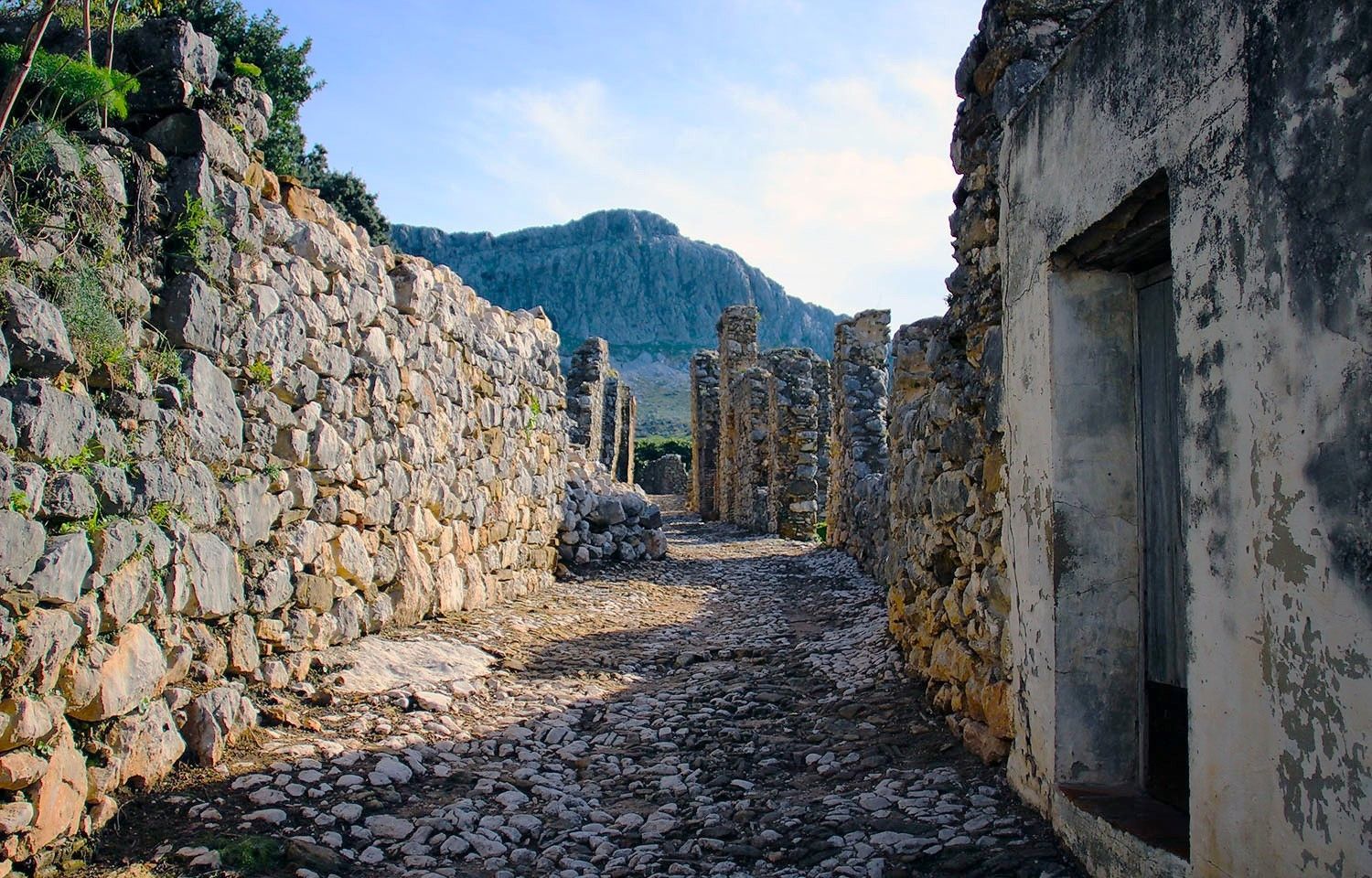
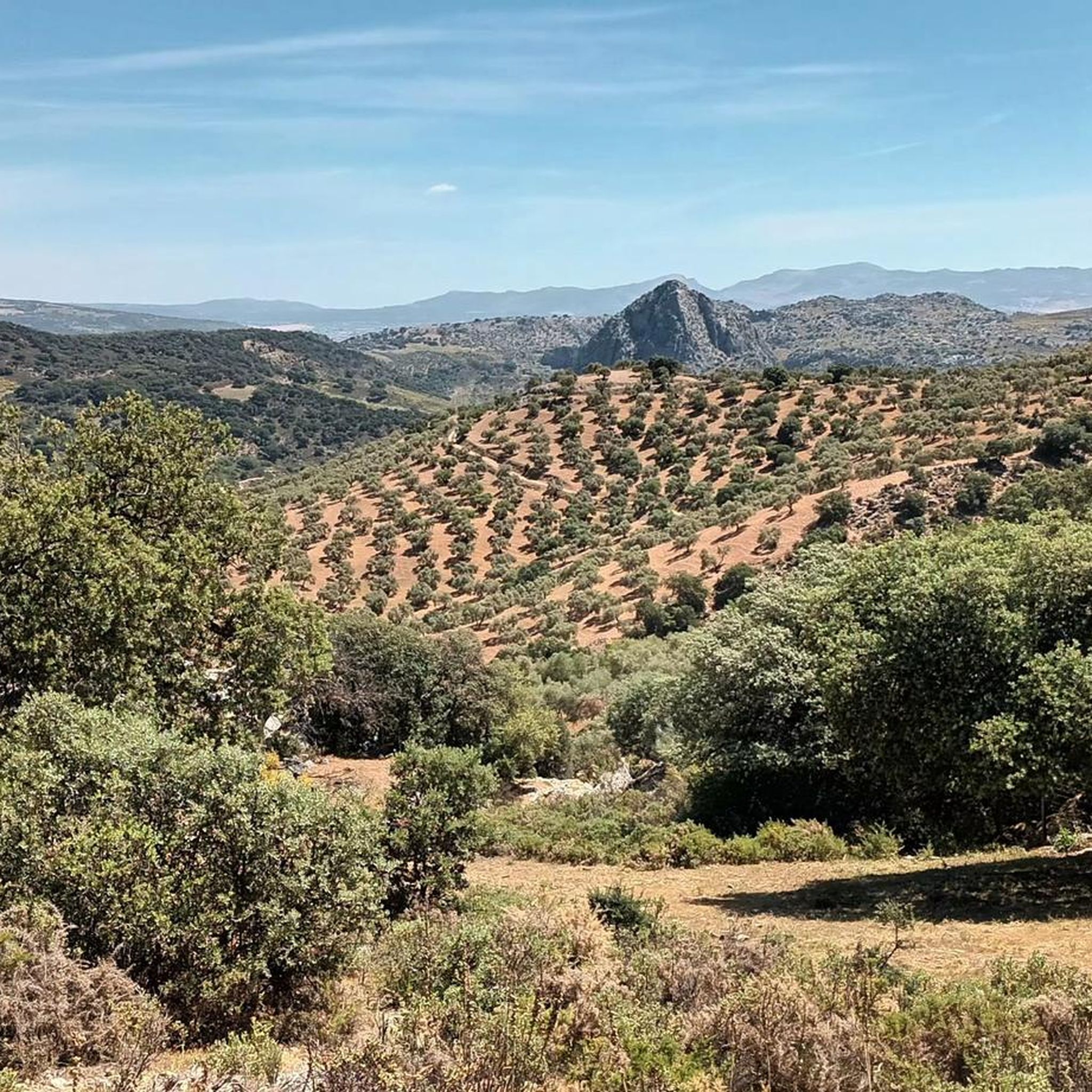
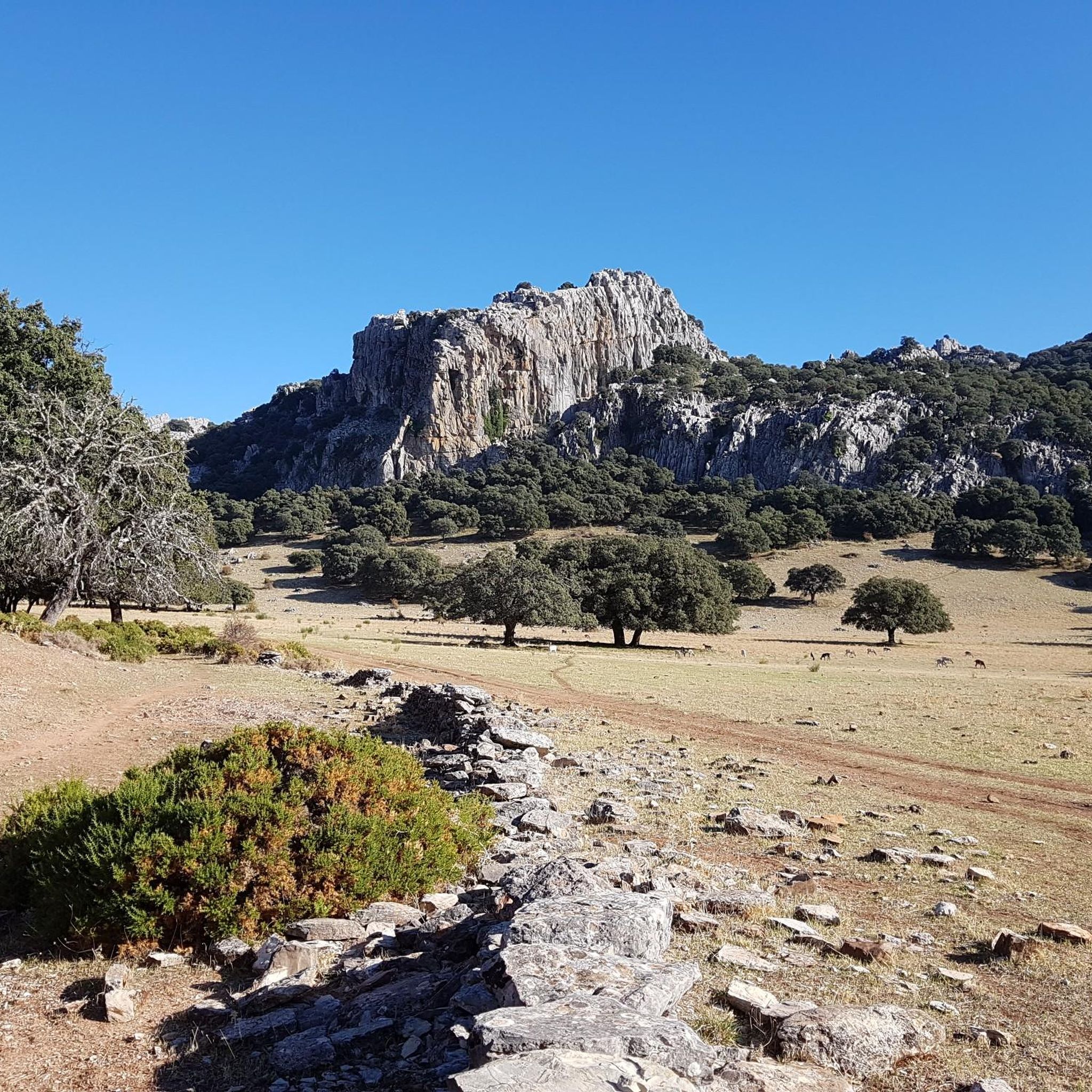
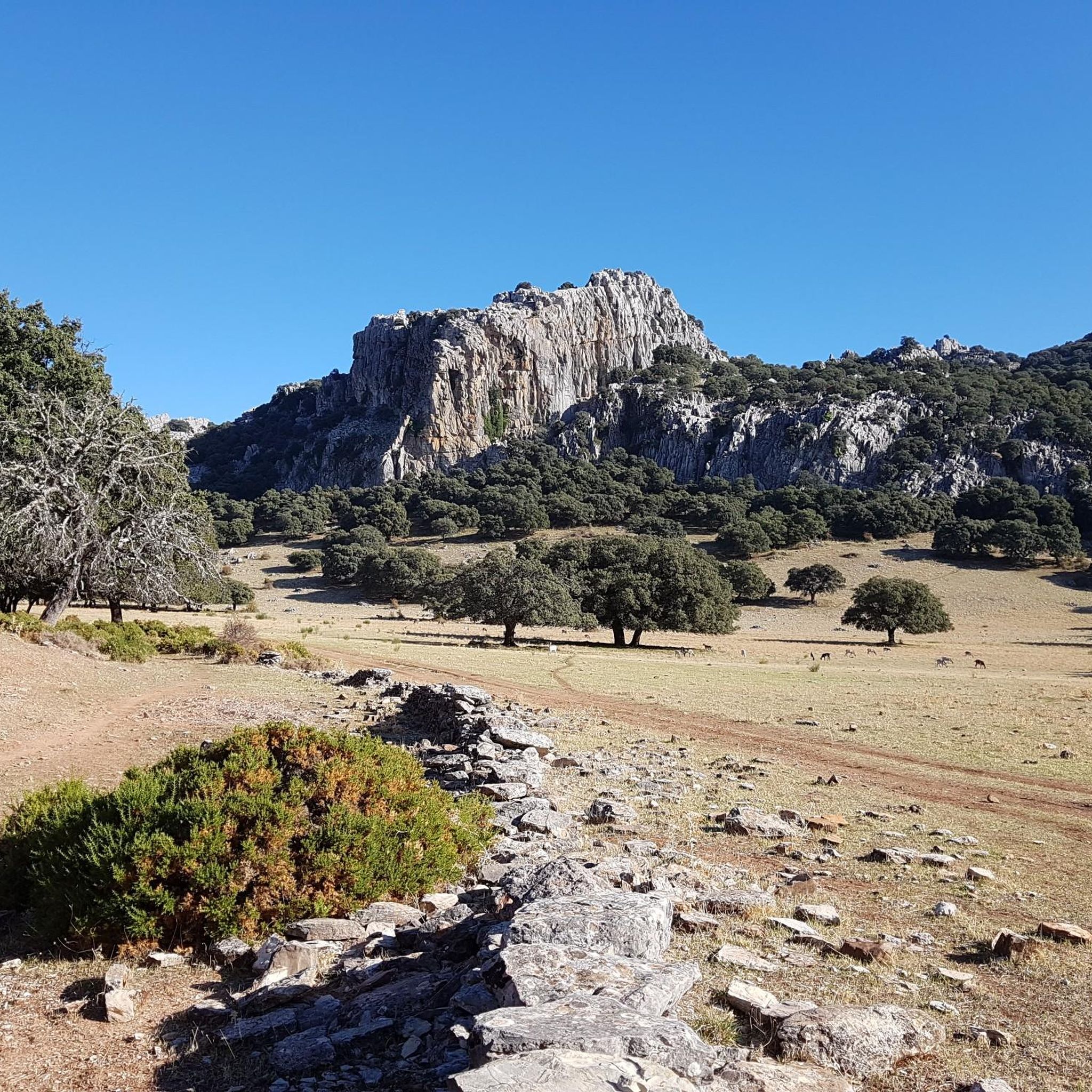

Other adventures around Montejaque

Tips from the Community

This is one of the most famous climbs in the area, and with good reason: it's a beautiful route through a unique setting. It's 15 kilometers, averaging 5.7% gradient, and you ascend toward the mountain pass on a well-surfaced road with hardly any hard shoulders. Depending on the day of the week, you may encounter traffic, although drivers are accustomed to the presence of cyclists.
0
0

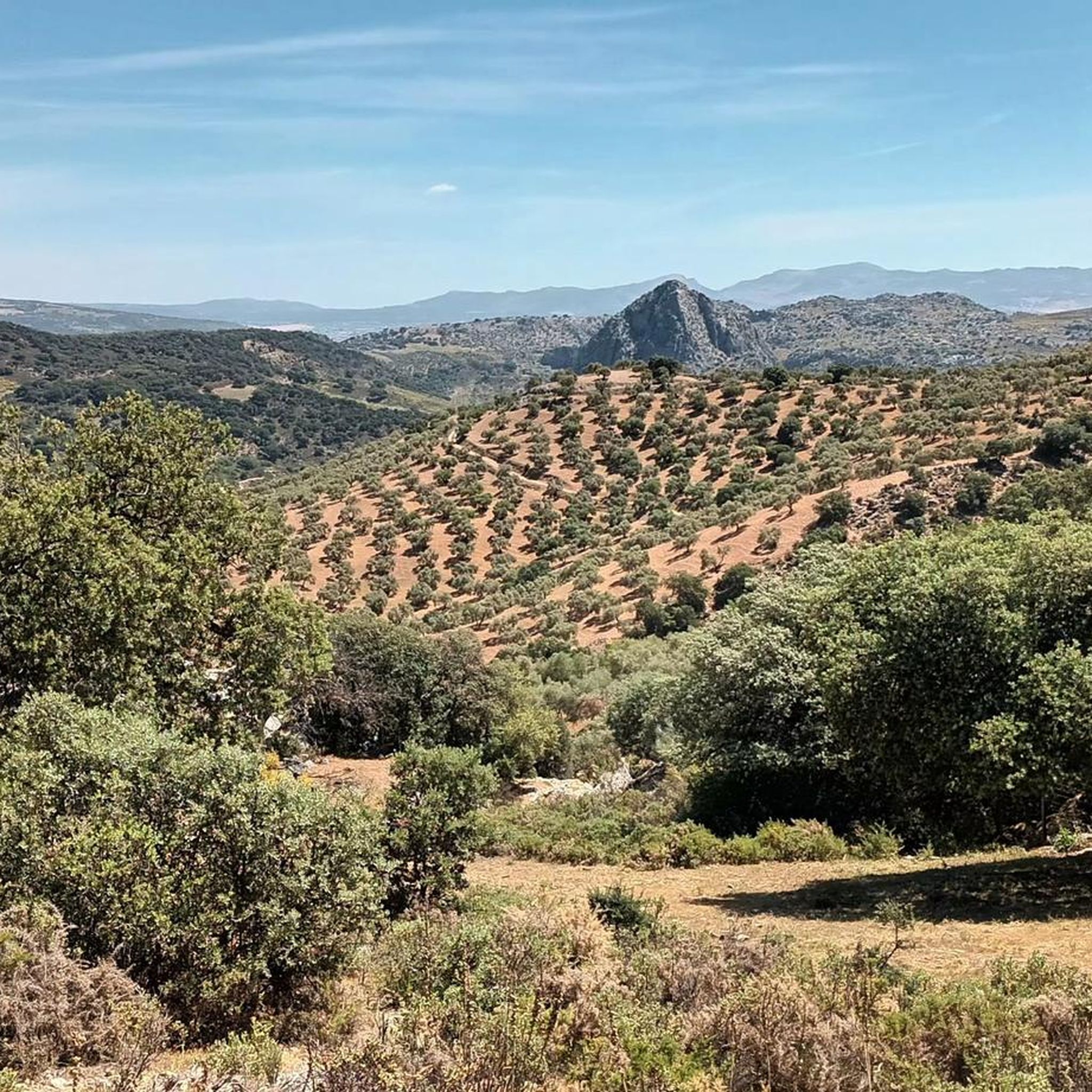
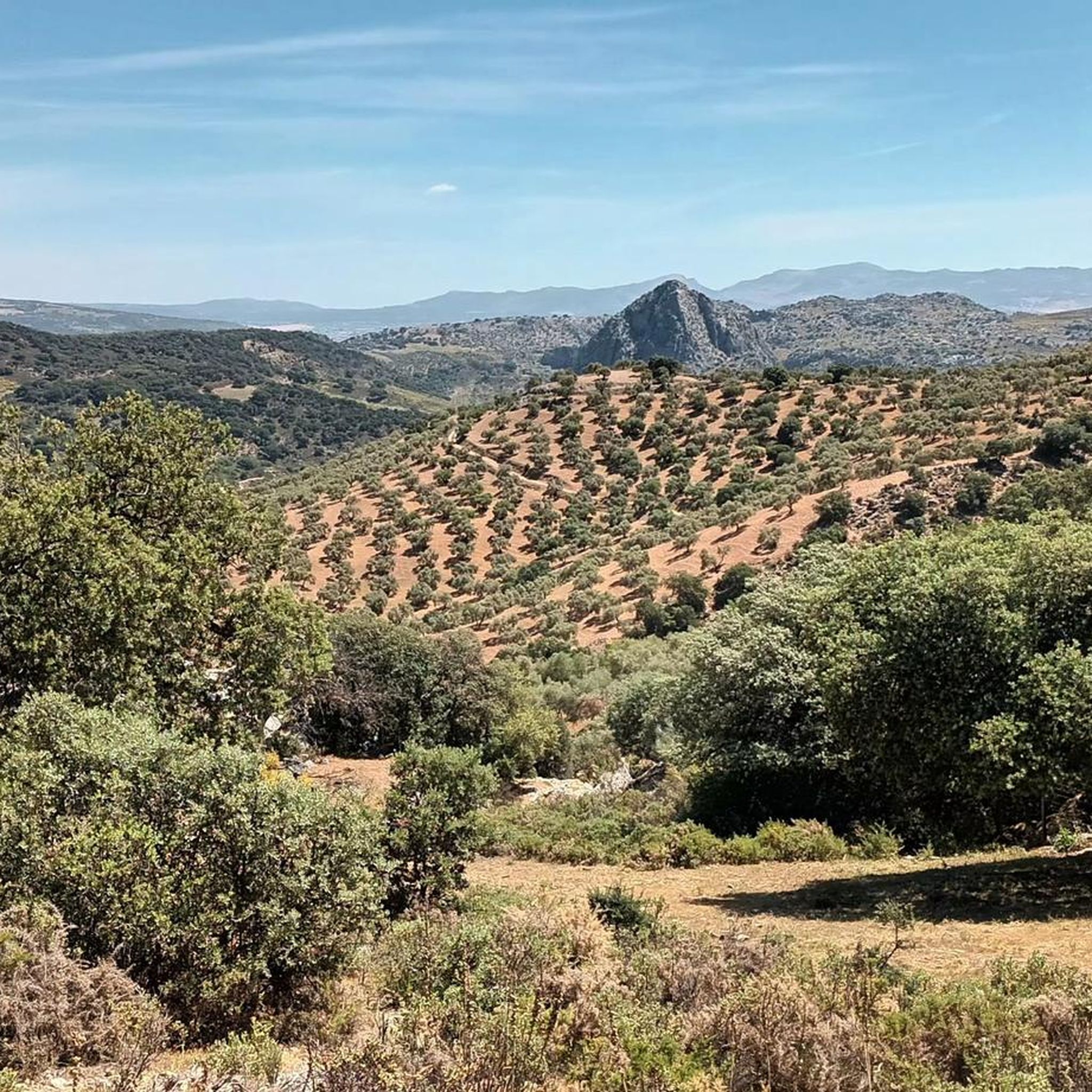
Puerto de las Presillas is a very popular trail in the Sierra de Grazalema Natural Park in Andalusia. This route offers stunning views of the Sierra del Endrinal and allows you to observe unique geological formations, such as sharp ridges and hollows, created by the dissolution of limestone rock.
3
0

To reach the Navazuelos port, at 1,100 meters above sea level, you have to face a slope that sometimes exceeds 30% inclination. Many trails leave from here in different directions, making it an obligatory point of passage for various routes.
4
0
The port of Encinas Borrachas, located at an altitude of 1,000 metres, is famous for being the natural border between the Genal valley and Ronda. Near the port are the dolmens of Montero and Encinas Borrachas, both of which are more than 6,000 years old.
0
1

Attention, this route is outdated and is not continuous. Can no longer be carried out as a round trip. It has been capped for 5 years (the property owner tells me I was lucky that he was there and the dogs barked and unlocked the gate from the pasture for me with the key. I was practically trapped!!! ) cerca 2 km from el Salto de Cabrero catch serious clues. Best to return. The green markings on the stones are from back when the route was still continuous!
2
1
The landscape is dotted with limestone rocks that, due to dissolution and the passage of time, have been transformed into curious karst formations. At the geological level it is also of great interest. I recommend you visit it in winter or spring to better appreciate the colors and the contrast of the rocks with respect to the grass.
3
0

Impressive route through the karst of the Grazalema massif
3
2

This high plateau is indeed something very special and very popular, not only among the Spaniards. Be sure to visit on a sunny day with a clear view !!
1
1
Frequently Asked Questions
What unique natural features can I expect to see at the mountain passes around Montejaque?
The region is renowned for its dramatic karst landscapes. At Presillas Pass, you can observe unique geological formations where limestone rocks have been sculpted into curious shapes. The Llanos de Líbar area, near Líbar Pass, also features impressive karst formations like poljes, chasms, and dolines.
Are there any mountain passes with historical significance near Montejaque?
Yes, Puerto de Encinas Borrachas is particularly notable. Located at 1,000 meters, it acts as a natural boundary between the Genal valley and Ronda. Nearby, you can find 6,000-year-old dolmens of Montero and Encinas Borrachas, indicating its ancient use as a passage.
Which mountain passes offer the best panoramic views?
Several passes provide breathtaking vistas. Puerto del Boyar offers views stretching as far as the sea on clear days. Puerto del Ahorcado provides impressive panoramic views of both the Sierra del Pinar and the Sierra de Líbar. From Puerto de Encinas Borrachas, the Mirador del Pino overlooks the Ronda moorlands and surrounding mountains.
What is the best time of year to visit the mountain passes around Montejaque?
Many passes are enjoyable year-round. However, for passes like Presillas Pass and Puerto del Ahorcado, winter or spring are highly recommended. During these seasons, you can fully appreciate the vibrant colors, lush grass, and the striking contrast with the rocks, especially after the rainy season.
Are there challenging routes for experienced cyclists among Montejaque's mountain passes?
Absolutely. Puerto del Boyar is a significant ascent for cyclists, covering approximately 15 kilometers with an average gradient of 5.7% on excellent asphalt. Another challenging option is Puerto Navazuelos, which features slopes exceeding 30% inclination to reach its 1,100-meter altitude.
What kind of wildlife can be spotted near the mountain passes?
The Sierra de Grazalema Natural Park is rich in biodiversity. Around Líbar Pass, you might observe traditional livestock like cows, sheep, goats, and Iberian pigs. The Líbar spring nearby is also a refuge for amphibians and a water source for mountain birds. The area is home to diverse flora, including holm oaks and cork oaks.
Are there specific hiking routes that incorporate multiple passes?
Yes, some routes, particularly those originating from Montejaque, combine multiple passes. For instance, the Puerto del Zurraque and Puerto del Correo are often encountered together within circular hiking trails through the Sierra de Líbar, offering excellent panoramic views away from roads. The Puerto del Correo is also part of a longer trail (GR7.08 Villaluenga - Puerto del Correo - Montejaque).
What outdoor activities can I do near these mountain passes?
The region around Montejaque is ideal for various outdoor activities. You can find numerous running trails, including the Cueva del Gato Trail, or longer routes like the Arab Bridge of Ronda loop. For mountain biking, explore routes such as the Sierra de las Salinas or the Ascent from Montejaque. Cyclists can enjoy challenging rides like the Puerto de las Palomas Loop. For more details on these activities, check out the Running Trails around Montejaque, MTB Trails around Montejaque, and Cycling around Montejaque guides.
What do visitors enjoy most about the mountain passes around Montejaque?
Visitors frequently praise the stunning scenery, characterized by dramatic limestone mountains, deep valleys, and unique karst formations. The diverse range of well-marked trails for hiking and cycling, catering to various fitness levels, is also a major draw. The historical significance of sites like the dolmens near Puerto de Encinas Borrachas and the opportunities for wildlife spotting add to the rich experience.
Is there a pass that is part of a longer, well-known trail?
Yes, Los Gulfos Pass is an integral part of the Great Malaga Path (GR 249) Alternative Route 6, Stage 2, which begins from Montejaque. The route to Los Gulfos involves a continuous climb through olive groves and alongside striking reddish limestone cliffs, offering a transition from cultivated lands to rugged mountain scenery.
What makes the Sierra de Grazalema Natural Park, where these passes are located, special?
The Sierra de Grazalema Natural Park is renowned for its exceptional natural beauty, being one of Spain's most important karst regions. It features dramatic limestone mountains, deep valleys, extensive forests, and unique geological formations. It's also a UNESCO Biosphere Reserve, home to diverse flora and fauna, including the rare Spanish fir (Pinsapo) forests, and offers a wide range of outdoor activities.
Most popular routes around Montejaque
Most popular attractions around Montejaque

Get inspired with the komoot mobile app


Explore more
See even more epic mountain passes by checking out these guides around Montejaque:
