Attractions and Places To See around San Cristóbal De La Vega - Top 16
Best attractions and places to see around San Cristóbal De La Vega include historical landmarks and cultural sites. This small municipality, located near Segovia, offers a glimpse into traditional Castilian village life. The area features a notable Romanesque-Mudejar church and restored cultural centers. Its rural nature provides a serene experience, showcasing the authentic village atmosphere.
Best attractions and places to see around San Cristóbal De La Vega
- The most popular attractions is Vía Verde del Valle del Eresma – Countryside…
Last updated: July 12, 2026
Vía Verde del Valle del Eresma – Countryside Section
Highlight (Segment) • Cycleway
Translated by Google •
Tip by

Arévalo Castle
Highlight • Castle
Translated by Google •
Tip by

Sign up now to discover places like this
Get recommendations on the best single tracks, peaks, & plenty of other exciting outdoor places.
Sign up for free
Plaza de la Villa and Church of San Martín, Arévalo
Highlight • Historical Site
Translated by Google •
Tip by
Nava de la Asunción
Highlight • Settlement
Translated by Google •
Tip by
Arevalillo Riverbank
Highlight • River
Translated by Google •
Tip by
Sign up for free to discover even more attractions around San Cristóbal De La Vega.
Sign up for free
Already have an account?
Start today with a free account
Your next adventure awaits.
Login or Signup



Tips from the Community

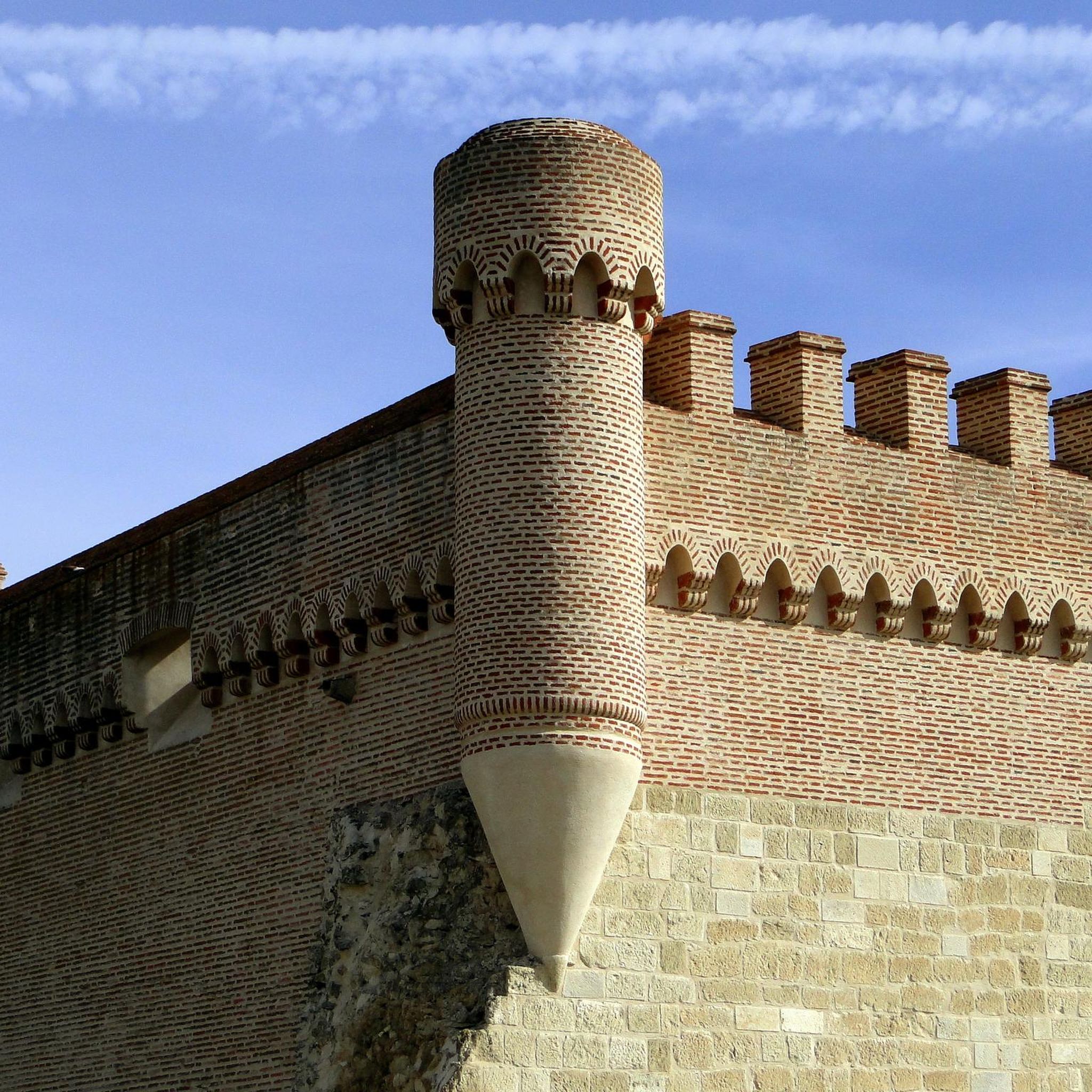
Arévalo Castle, located in the town of Arévalo (province of Ávila, Castile and León), is one of the most representative examples of Castilian Mudéjar architecture. Its origins date back to the 14th century, although it was built upon earlier fortifications. It was expanded between the 15th and 16th centuries, especially during the reign of the Catholic Monarchs. It played an important role as a noble and military castle, but also as an administrative building. In the 20th century, it fell into near ruin until its restoration, beginning in 1952, by the Ministry of Agriculture, which uses it as the headquarters of a research center.
5
0
Arévalo Castle, located in the town of Arévalo (province of Ávila, Castile and León), is one of the most representative examples of Castilian Mudéjar architecture. Its origins date back to the 14th century, although it was built upon earlier fortifications. It was expanded between the 15th and 16th centuries, especially during the reign of the Catholic Monarchs. It played an important role as a noble and military castle, but also as an administrative building. In the 20th century, it fell into near ruin until it was restored starting in 1952 by the Ministry of Agriculture, which uses it as the headquarters of a research center.
5
0

The Plaza de la Villa de Arévalo is one of the most beautiful squares, absolutely traffic-free and without bars or terraces, it stands out for its tranquility and for being surrounded by history and Mozarabic buildings.
1
0
Nice place in Arévalo to walk around.
1
0
Castle fortress located at the most extreme part of the triangle formed by the confluence of the Adaja and Arevalillo rivers, which serve as defensive ditches. It was rebuilt in the second half of the 15th century by order of Álvaro de Zúñiga, Duke of Béjar, although it subsequently underwent important reforms at the beginning of the 16th century, when the fortress was in the hands of the Catholic Monarchs. The Castle is worth visiting for its good condition, and it also has a very interesting exhibition.
1
0

Beautiful town in Segovia, with all services. It stands out for its imposing castle and the squares with a marked medieval character.
0
1
In addition to the imposing Castle where Isabel la Católica resided, in the town we have all the services: Shops, restaurants and accommodation.
1
0
Nava de la Asunción is a Spanish municipality and town in the province of Segovia. Originally known as Nava de Coca, it belonged to the village and land community. Later, in 1773, King Carlos III granted it the title of Villa and added “La Asunción” to its name, in honor of the Virgin, patron saint of the town. I hope you found this brief description interesting! 😊
2
0
Frequently Asked Questions
What historical landmarks can I explore in San Cristóbal De La Vega?
The primary historical landmark in the village is the Parish Church of San Cristóbal Mártir. Originally featuring Romanesque-Mudejar design, it retains its original apse from that period and boasts baroque plasterwork inside. Additionally, nearby you can visit Arévalo Castle, a significant example of Castilian Mudéjar architecture with origins dating back to the 14th century.
Are there any cultural sites to visit in San Cristóbal De La Vega?
Yes, the village offers a glimpse into local culture. The old forge has been restored and now serves as the
Cultural Center (Antigua Fragua).
You can also explore traditional wineries that are still active in the area, showcasing local heritage.What kind of outdoor activities can I do near San Cristóbal De La Vega?
The region offers various outdoor activities, particularly cycling. You can explore the Vía Verde del Valle del Eresma – Countryside Section, a pleasant cycle way running through cereal fields. For more options, consider the Road Cycling Routes around San Cristóbal De La Vega or general Cycling routes, which include loops like the 'Nava de la Asunción – Río Voltoya Crossing'.
Are there cycling routes suitable for different skill levels?
Yes, the nearby cycling guides offer routes for various skill levels. For road cycling, you can find routes ranging from easy, like the 'Arévalo Castle – Arévalo Castle loop', to moderate and difficult options. Similarly, the MTB Trails around San Cristóbal De La Vega also provide moderate to difficult trails.
Can I find family-friendly attractions around San Cristóbal De La Vega?
Absolutely. The Vía Verde del Valle del Eresma – Countryside Section is noted as family-friendly, offering an easy and enjoyable cycling experience. Other family-friendly spots include Arévalo Castle and the Plaza de la Villa and Church of San Martín, Arévalo, which are historical sites suitable for all ages.
What natural features are worth seeing in the area?
The region is characterized by its Castilian plateau landscape. You can experience this by cycling along the Vía Verde del Valle del Eresma – Countryside Section, which runs between cereal fields. The Arevalillo Riverbank also offers picturesque views and a pleasant path for walking around Arévalo.
What is the best time of year to visit San Cristóbal De La Vega?
The Vía Verde del Valle del Eresma – Countryside Section is described as pleasant at all times of the year, but especially in spring when the fields are green and poppies add vibrant color. Generally, spring and early autumn would offer comfortable temperatures for exploring the outdoor attractions and village.
Are there any unique architectural sites nearby?
Beyond the Romanesque-Mudejar Parish Church of San Cristóbal Mártir, the region boasts the impressive Arévalo Castle, a prime example of Castilian Mudéjar architecture. The Plaza de la Villa and Church of San Martín, Arévalo also features Mozarabic buildings, transporting visitors to the Middle Ages.
What is the general atmosphere like in San Cristóbal De La Vega?
San Cristóbal De La Vega offers a serene experience, providing a glimpse into traditional Castilian village life. Its charm lies in its authentic rural nature, away from larger tourist hubs, making it ideal for those seeking tranquility and historical immersion.
Are there any accessible attractions for visitors with mobility needs?
While specific accessibility details for all sites are limited, the nearby settlement of Nava de la Asunción is noted as wheelchair accessible. It's advisable to check specific venues for their current accessibility provisions.
Where can I experience traditional Castilian village life?
San Cristóbal De La Vega itself embodies traditional Castilian village life, with its historical church and authentic rural atmosphere. Exploring the village's cultural center and traditional wineries offers a direct experience of local customs and heritage.
Are there opportunities for mountain biking near San Cristóbal De La Vega?
Yes, there are several mountain biking opportunities. The MTB Trails around San Cristóbal De La Vega guide lists routes such as the 'Circular Route of Arévalo and Mad' and the 'Arévalo Castle – Arevalillo Riverbank loop', offering moderate to difficult challenges.
What do visitors particularly enjoy about the attractions in this region?
Visitors appreciate the historical depth and natural beauty. The Vía Verde del Valle del Eresma is loved for its pleasant scenery, especially in spring. The tranquility and historical ambiance of places like the Plaza de la Villa in Arévalo are also highly valued by the komoot community.
Is there a scenic route for walking or cycling through the countryside?
Yes, the Vía Verde del Valle del Eresma – Countryside Section is a highly recommended scenic route. It follows an old railway line, providing an easily accessible path through the typical cereal fields of the Castilian plateau, perfect for both walking and cycling.
Most popular routes around San Cristóbal De La Vega

Get inspired with the komoot mobile app


Explore more
Still not found the Highlight you’re looking for? See guides of the top attractions in other regions:
