The best walks and hikes around Sahagún
4.4
(48)
337
hikers
23
hikes
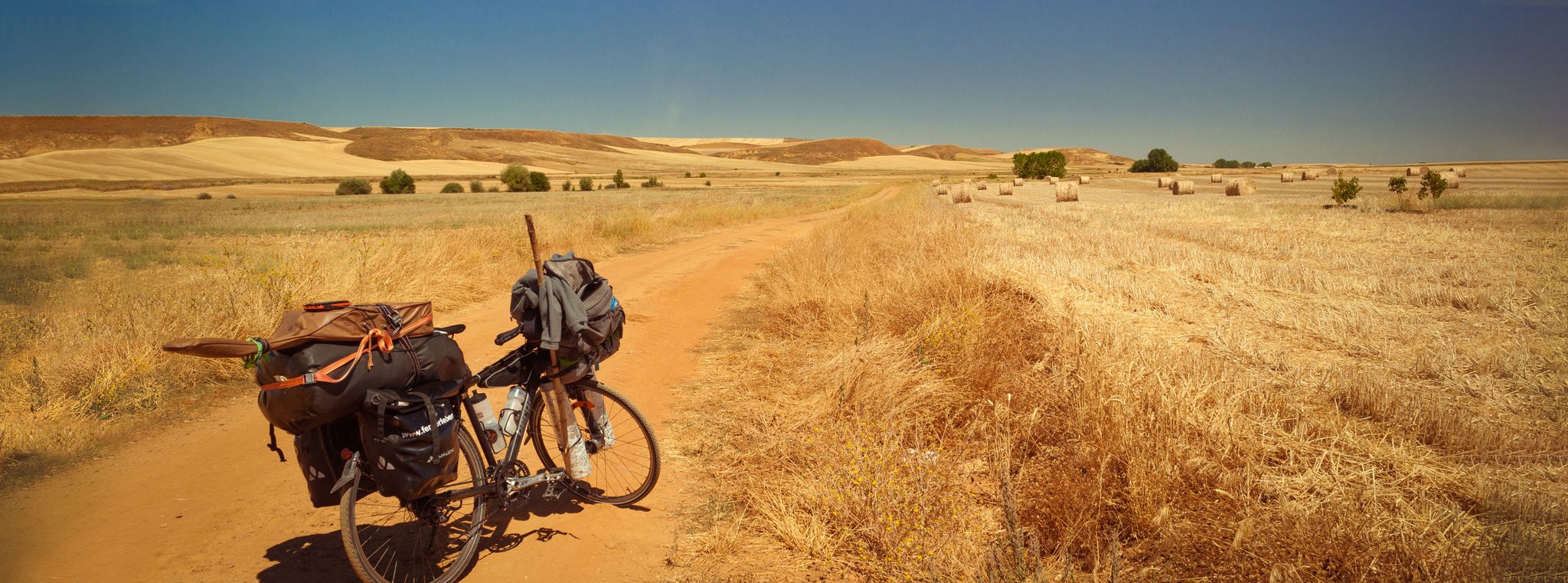
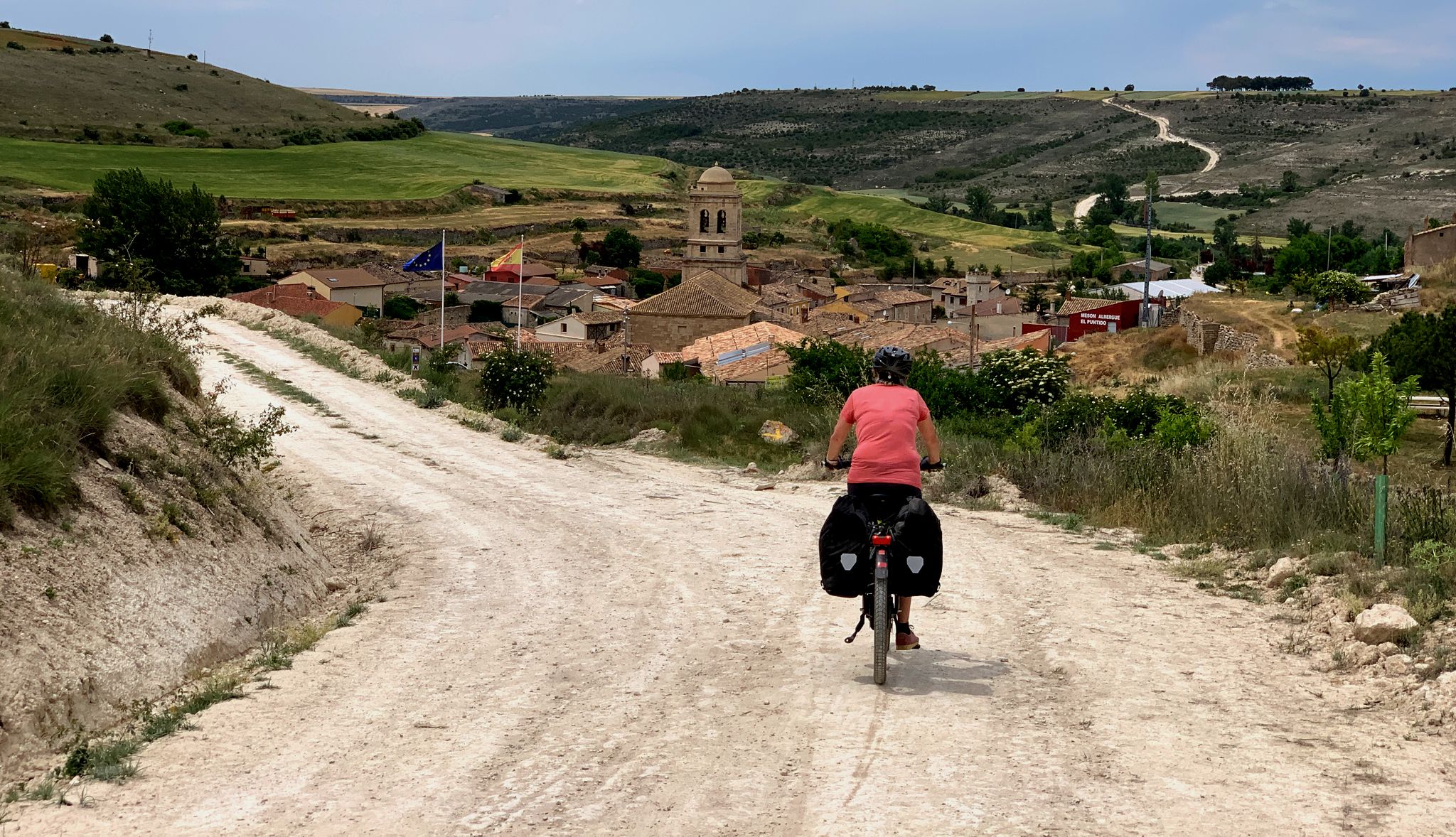
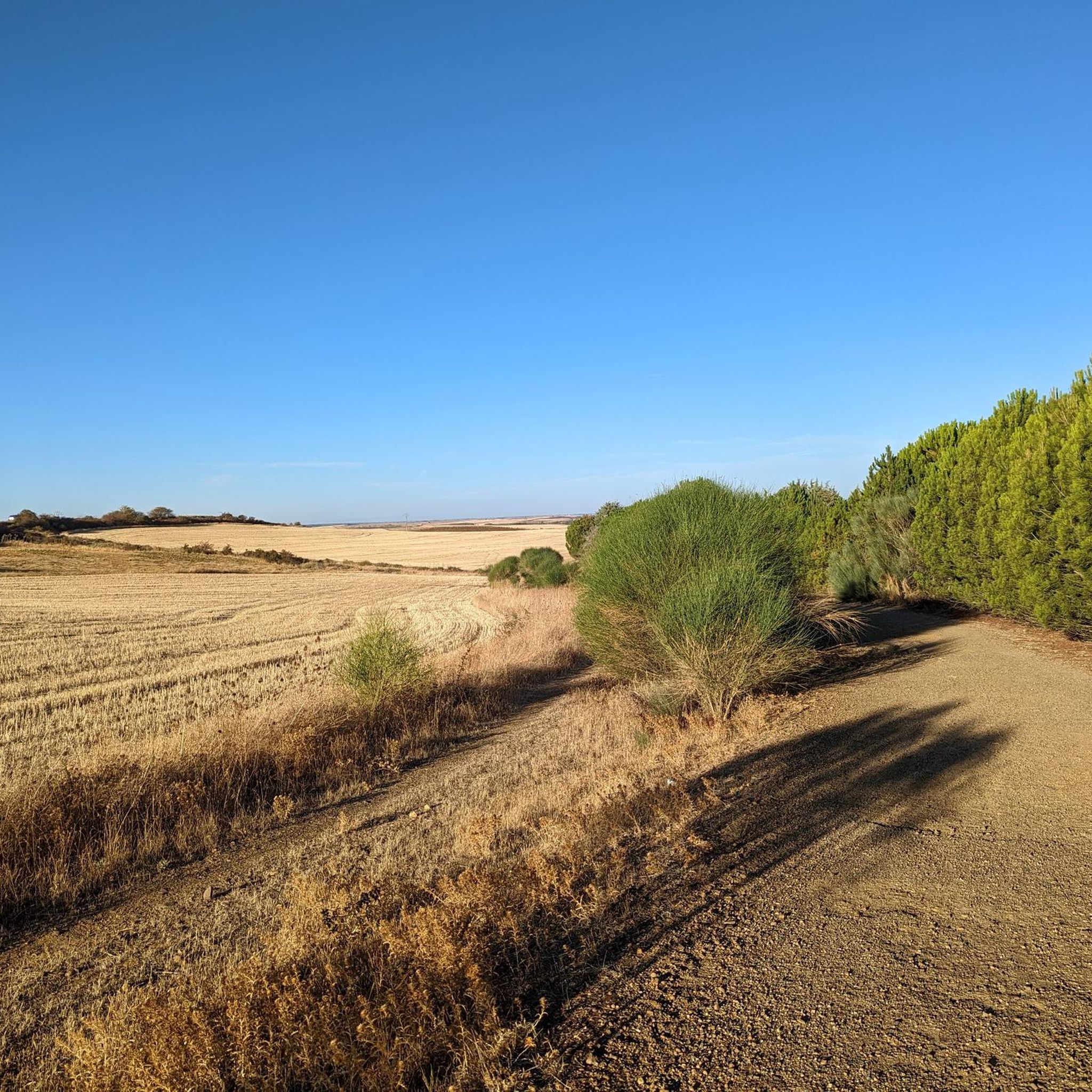
Hiking around Sahagún offers routes through the flat, agricultural plains of the Tierra de Campos region in León, Spain. The landscape is characterized by open fields, river valleys, and historical pilgrimage paths, notably the Camino Francés. The area features gentle elevation changes, with the Río Cea often accompanying the trails.
Best hiking trails around Sahagún
- The most popular hiking route is Camino Francés: Moratinos to Ermita de la Virgen del Puente, a 9.4 miles (15.2 km) trail that takes…
Last updated: July 7, 2026
5.0
(1)
1
hikers
17.0km
04:24
100m
100m
Moderate hike. Good fitness required. Easily-accessible paths. Suitable for all skill levels.
1
hikers
9.93km
02:35
60m
60m
Moderate hike. Good fitness required. Easily-accessible paths. Suitable for all skill levels.

Sign up for free
1
hikers
12.6km
03:16
70m
70m
Moderate hike. Good fitness required. Easily-accessible paths. Suitable for all skill levels.
16.0km
04:08
80m
80m
Moderate hike. Good fitness required. Easily-accessible paths. Suitable for all skill levels.
Hard hike. Very good fitness required. Easily-accessible paths. Suitable for all skill levels.
Get access to more routes and recommendations from other explorers.
Sign up for free
Already have an account?
Our route recommendations are based on thousands of hikes, rides, and runs completed by other people on komoot.
Start today with a free account
Your next adventure awaits.
Login or Signup



Tips from the Community

“From gentle rural tracks, you reach this imposing 16th-century artillery fortress. It has a square layout with towers and sloping walls; it preserves loopholes, spiral staircases, and a complete structure. A perfect stop with cultural interest and beautiful panoramic views of Tierra de Campos.” Add this stop to short circular routes (~30 km). Comfortable terrain, good terrain for riding, and stress-free. It fits perfectly with the other stops: Lancia, Torre Almanza, and Ermita Virgen de la Guía.
0
0

The Hermitage of the Virgin of the Bridge is a historic gem located about three kilometers east of Sahagún, in the province of León. Built in the 13th century, the hermitage is an example of the Mudejar style, characterized by its blend of Christian and Islamic elements. It's a place steeped in history and tradition, perfect for a visit if you're in the area.
7
0

The Arco de San Benito is an impressive monument in Sahagún, located in the region of Castilla y León, Spain. It was built around 1662 by the architect Felipe Berrojo to replace the old Romanesque portal of the Monasterio de San Benito. The arch is designed as a triumphal arch, under which the N-120 passes, and is also known as "la puerta de Sahagún" (the gate of Sahagún). The monument is richly decorated with a central shield, inscriptions and sculptures of Saints Facundo and Primitivo. At the top is the royal shield, and there are also sculptures of Alfonso III and Alfonso VI, who were important protectors of the monastery.
8
0
The Ermita de La Virgen del Puente is a 13th-century Mudéjar hermitage located about three kilometres east of Sahagún, on the Camino Francés of the Camino de Santiago. The building stands next to a bridge over the Valderaduey River, hence its name. It has a single nave and a small choir with a semicircular apse, cipher arcades and corner friezes. It was once a hospital for pilgrims and lepers and is now used for the annual San Marcos festival with the famous Tantáriga dance.
3
0
The Arch" author Manuel García Juan. This mural shows two unmistakable symbols of Sahagún, a pilgrim, who represents those who cross the streets throughout the year, and the Arch of San Benito, the entrance door to the Monastery of San Benito that remains open as a symbol of invitation. Year 2020
3
1
Sahagún is a charming town and municipality in the province of León, in the autonomous community of Castile and León, and is an important point on the Santiago de Compostela pilgrimage route. Sahagún is known for its rich history and beautiful architecture, including some of the earliest examples of the Mudejar style. The town also has a number of medieval churches from the 12th and 13th centuries. One of the most notable historical events is the Battle of Sahagún in 1808, where the British light cavalry won a victory over the French troops. The town is also famous for its former Benedictine monastery, which played an important role in the Santiago de Compostela pilgrimages. Although the monastery was dissolved and largely demolished in the 19th century, it remains an important part of Sahagún's history.
3
1
"El Arco, un peregrino y el Arco de San Benito.": Tribute to the pilgrim and the Arch of San Benito that shines in a mural of 150 square meters in the area of the Arch of San Benito.
3
1

The painting shows a pilgrim walking through the city gate of Sahagun.
3
1
Frequently Asked Questions
How many hiking trails are available around Sahagún?
There are over 20 hiking routes documented around Sahagún on komoot, offering a variety of options for different skill levels.
Are there easy hiking trails suitable for beginners or families in Sahagún?
Yes, Sahagún offers 5 easy hiking trails. These routes typically feature gentle terrain and shorter distances, making them ideal for beginners or families. For example, the Camino Francés: Sahagún Loop is a moderate 6.2-mile (9.9 km) trail that is often completed in about 2 hours 35 minutes, offering a pleasant walk through the immediate surroundings.
What is the best time of year to go hiking in Sahagún?
The best time for hiking in Sahagún is generally during the spring (April to June) and autumn (September to October) when temperatures are mild and the landscape is vibrant. Summer can be very hot, especially in July and August, while winters are typically cold but usually without heavy snow, making them suitable for hiking if properly equipped.
Can I hike with my dog on the trails around Sahagún?
Most trails around Sahagún, especially those through rural and agricultural areas, are generally dog-friendly. However, it's always recommended to keep your dog on a leash, especially when passing through farmlands or near livestock, and to carry water for both yourself and your pet. Always check local signage for any specific restrictions.
Are there any circular hiking routes near Sahagún?
Yes, Sahagún features several circular routes. A popular option is Grajal de Campos from Sahagún – circular by the río Cea, a moderate 10.5-mile (17.0 km) path that offers scenic views along the Río Cea and through agricultural areas.
What kind of scenery can I expect on hikes around Sahagún?
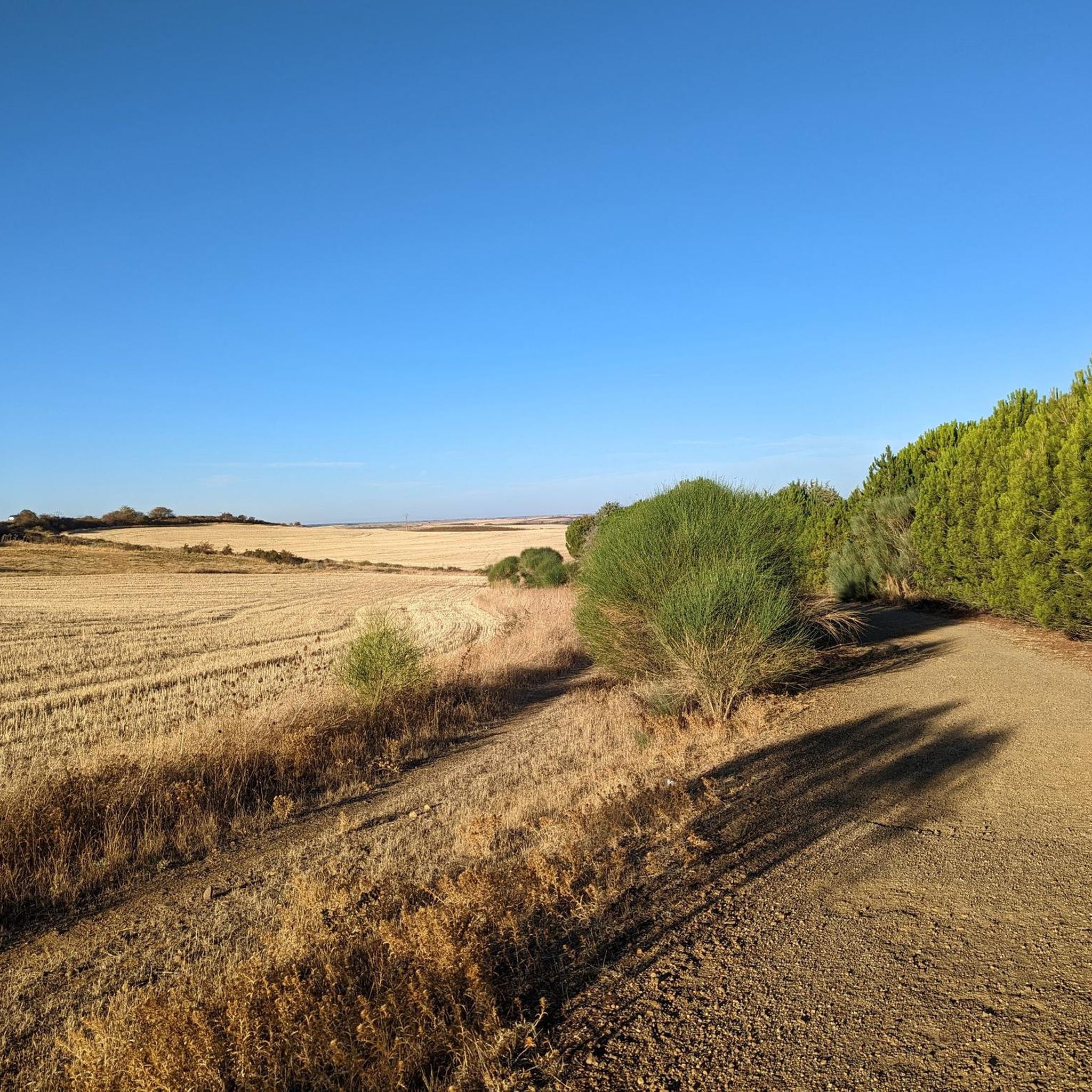
Hiking around Sahagún offers routes through the flat, agricultural plains of the Tierra de Campos region. You'll experience open fields, river valleys, and sections of the historic Camino Francés. The landscape is characterized by gentle elevation changes, with the Río Cea often accompanying the trails.
What are some interesting landmarks or attractions to see along the hiking trails?
Many trails in Sahagún pass by significant historical and cultural sites. You can explore highlights such as the Geographical Center of the Camino Francés – Ermita de la Virgen del Puente, the San Benito Arch and Ruins of the Monastery of San Benito, or even the traditional Bodegas de Moratinos.
Are there challenging hiking trails for experienced hikers?
Yes, for those seeking a greater challenge, there are 3 difficult hiking routes around Sahagún. These trails may involve longer distances or more varied terrain, providing a more strenuous experience for seasoned hikers.
What do other hikers say about the trails in Sahagún?
The routes in Sahagún are highly rated by the komoot community, with an average score of 4.2 stars from over 17 reviews. Hikers often praise the peaceful rural landscapes, the historical significance of the Camino Francés sections, and the well-maintained paths.
Are there any trails that follow the Camino Francés?
Many routes in Sahagún incorporate sections of the historic Camino Francés. For instance, the Camino Francés: Moratinos to Ermita de la Virgen del Puente is a 9.4-mile (15.2 km) trail that follows a significant portion of this pilgrimage path through rural landscapes.
What should I bring for a hike around Sahagún?
Given the open and agricultural nature of the terrain, it's advisable to bring sufficient water, sun protection (hat, sunscreen), and comfortable hiking shoes. Layers of clothing are also recommended as temperatures can change, especially during spring and autumn. A map or GPS device is useful for navigation, though many trails are well-marked.
Is parking available at the trailheads in Sahagún?
In Sahagún and surrounding villages, parking is generally available in public areas or near the start points of trails. As many routes pass through or start from villages, you can often find street parking. For specific trailheads, it's best to check the individual route details on komoot for precise parking information.
Most popular attractions around Sahagún

Get inspired with the komoot mobile app


Explore more
Browse the best Hikes in other regions.
