The best cycling routes around Fuentidueña De Tajo
4.8
(9)
173
riders
52
rides
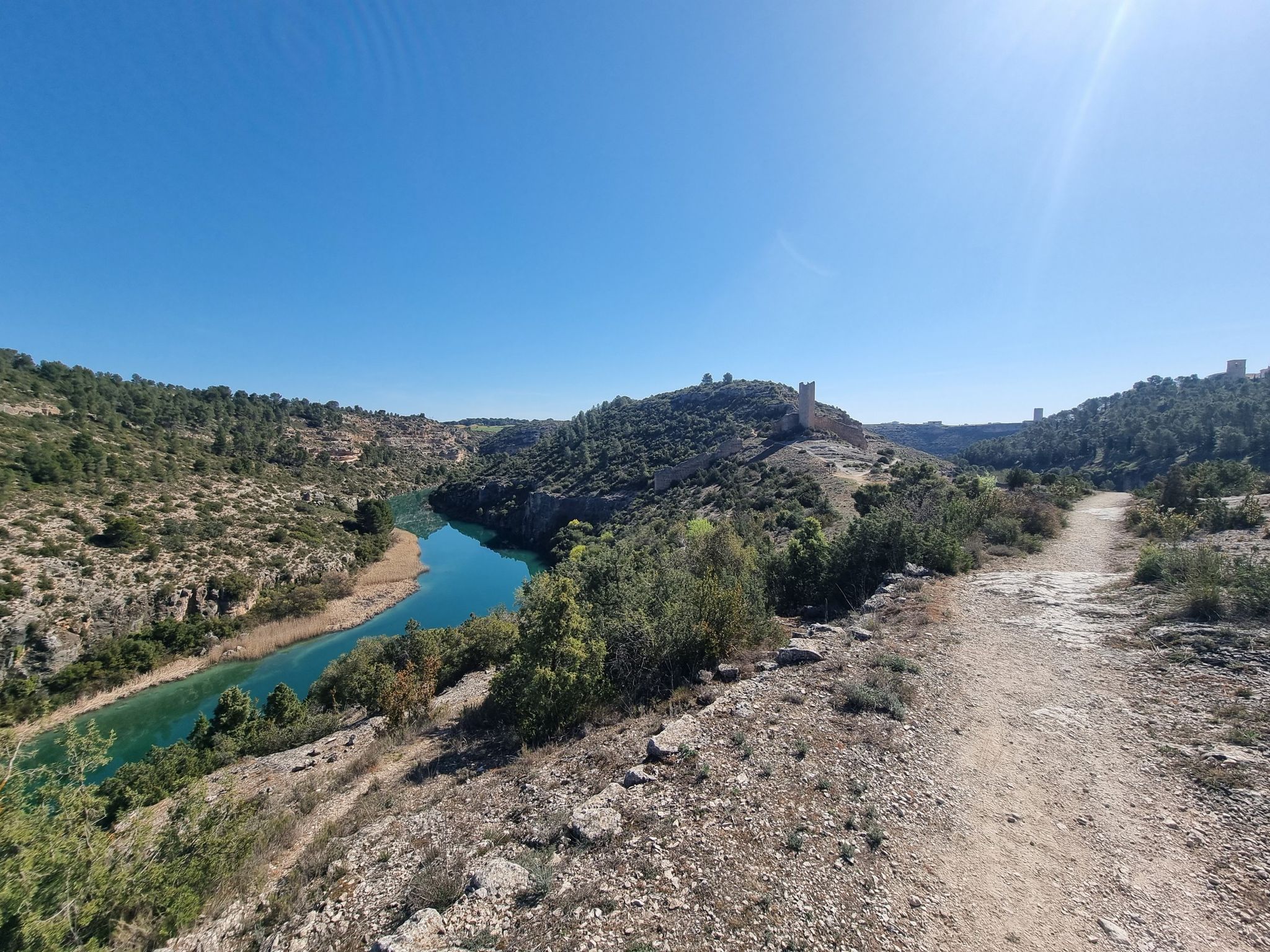
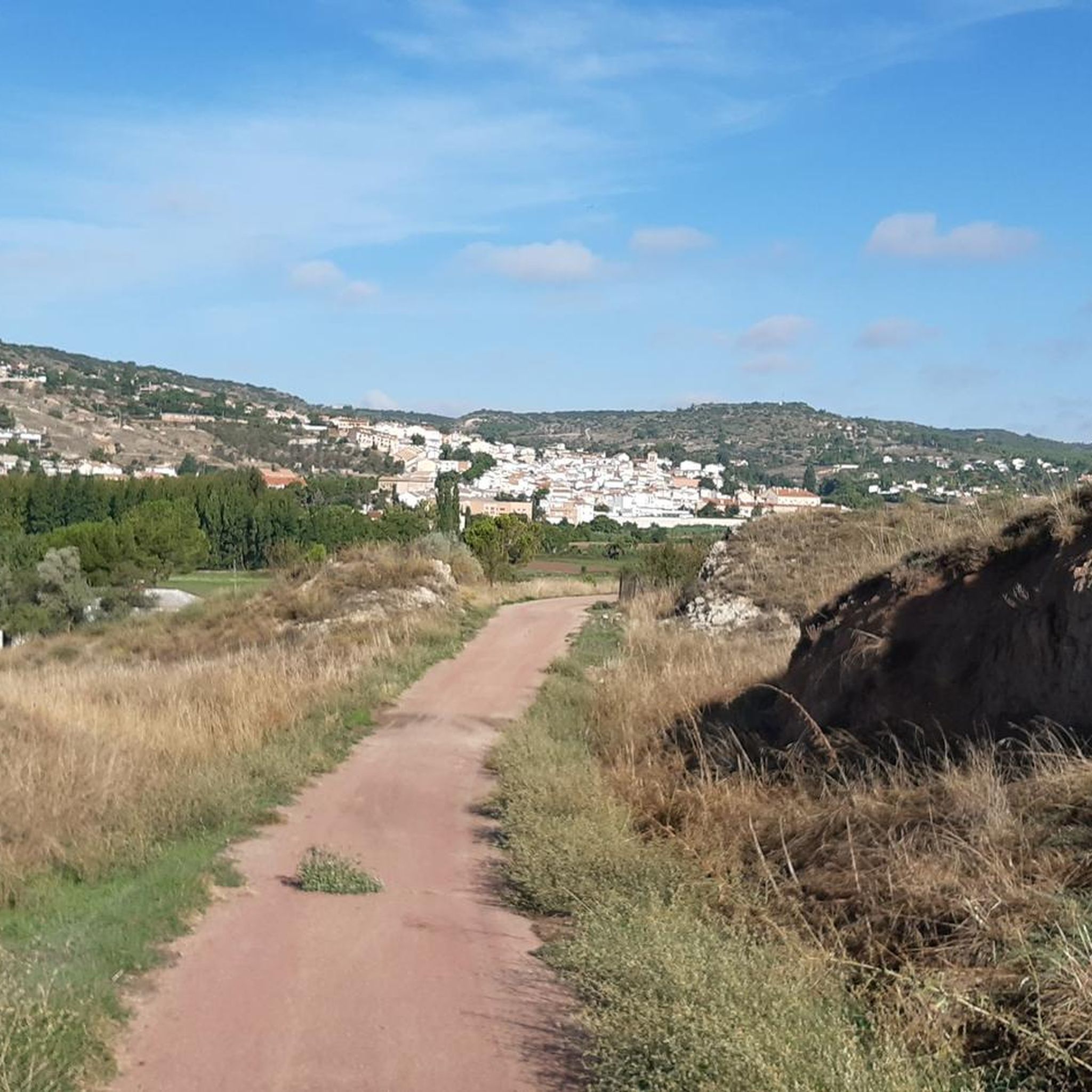
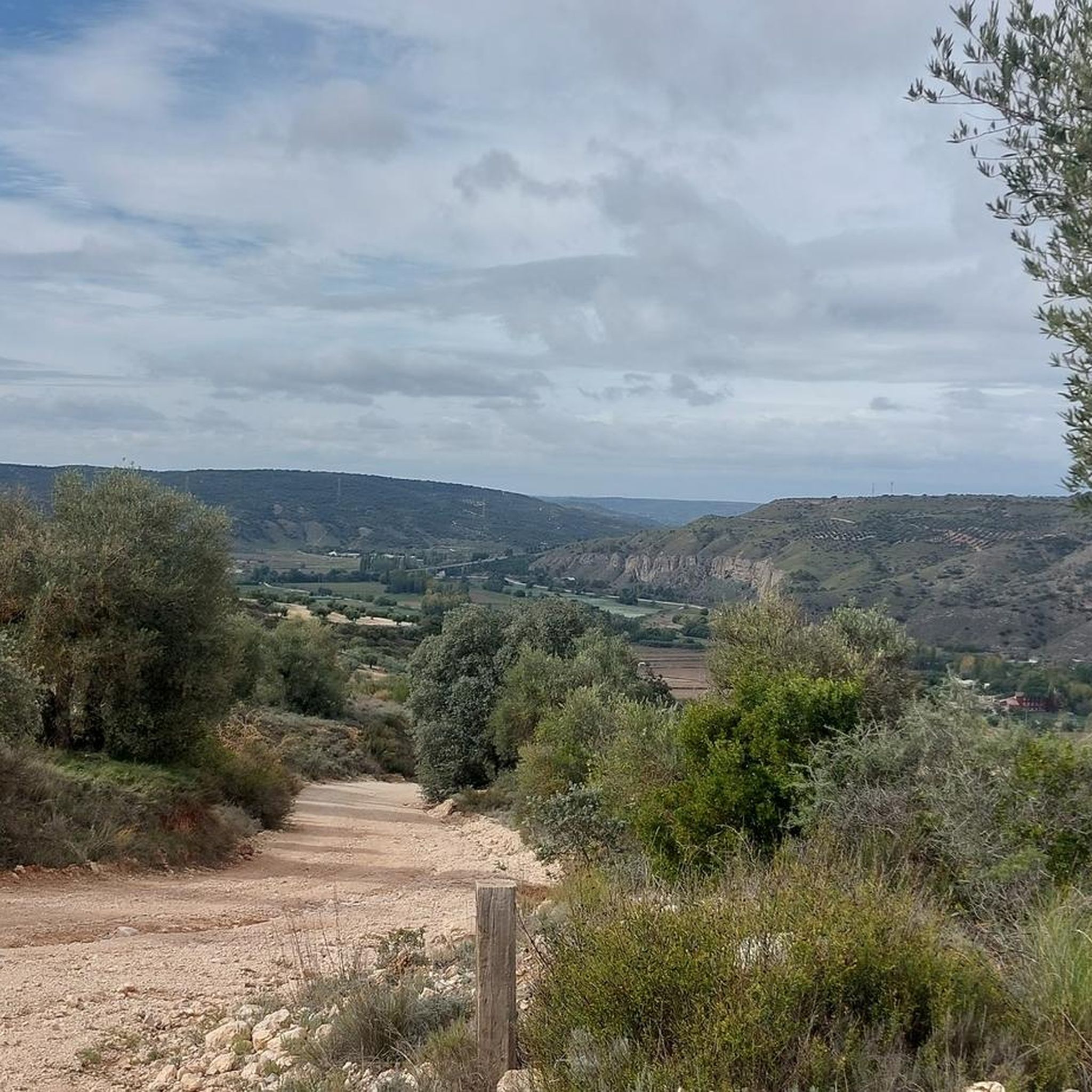
Touring cycling routes around Fuentidueña de Tajo traverse a landscape shaped by the Tagus River, featuring a mix of paved and unpaved surfaces. The region includes agricultural páramos, characterized by clay hills and a steppe environment, alongside irrigated orchards. Gypsum ravines can be found, particularly around the Cerro de la Muela, offering varied terrain for cyclists.
Best touring cycling routes around Fuentidueña de Tajo
- The most popular touring cycling route is Route of the Castles, a 25.3 miles (40.7…
Last updated: October 28, 2026
14
riders
23.0km
02:05
320m
320m
Moderate bike ride. Good fitness required. Mostly paved surfaces.
21
riders
Hard bike ride. Very good fitness required. Mostly paved surfaces.

5.0
(2)
12
riders
49.8km
03:00
380m
380m
Moderate bike ride. Good fitness required. Mostly paved surfaces.
5
riders
45.0km
03:32
340m
340m
Moderate bike ride. Good fitness required. Mostly paved surfaces.
5.0
(1)
4
riders
30.6km
01:54
340m
340m
Moderate bike ride. Good fitness required. Mostly paved surfaces.
Get access to more routes and recommendations from other explorers.
Already have an account?
Our route recommendations are based on thousands of hikes, rides, and runs completed by other people on komoot.
Start today with a free account
Your next adventure awaits.

Other adventures around Fuentidueña De Tajo

Tips from the Community

The paved section ends here.
0
0

The current town of Villamanrique de Tajo emerged in the 15th century under the protection of the old fortress of Albuher, which was one of the castles and strongholds built in the 10th century by the Arabs during the rule of the Caliphate of Córdoba on the border of the Tagus River. The hamlet has a rural and peasant character, with linear streets and white facades in the great plain of the Tagus River, and is made up of the town centre itself and the agricultural centres of Buenamesón and Castillo de Tajo. The social centre is the Plaza de la Constitución, where the Town Hall is located, and the starting point of several hiking routes.
0
0
The white and blue signs of the Camino de Uclés are paired with the yellow arrows of the Camino de Santiago de Uclés, one of the variants of the Jacobean routes that leaves for Santiago de Compostela from the Monastery of Uclés, one of the heads (Caput Ordinis) of the Order of Santiago from the 13th century.
0
0

The Monastery welcomes you at the top of the village with a stunning view from the road leading to Uclés. After a long bike ride, it is a good reward.
0
0

Built by the Order of Santiago, construction began in 1529 while Charles I reigned and was completed in 1735 under the reign of Philip V. Monumental construction that leaves no one indifferent, and that during the civil war was first a hospital for one side and later a prison for the other. You can visit it by paying an entrance fee and it is no longer used as a guest house because only one monk lives there, who possibly does not reside there at the time I write this chronicle.
2
0
It is called that precisely because it took that long to build it (although in reality it was more days) but we can still enjoy its layout in some parts.
0
0
This spectacular building built by the Order of Santiago is the end of the route or pilgrimage path that starts from the Church of Santiago in Madrid, and is usually done by numerous pilgrims both on foot and by bike.
1
0
The fountain, like all the architecture of the place, is a beautiful carved stone with its metal decorations that inexorably suffer the passage of time.
2
0
Frequently Asked Questions
How many touring cycling routes are available around Fuentidueña de Tajo?
There are over 50 touring cycling routes in the Fuentidueña de Tajo area, offering a diverse range of experiences for cyclists. These routes are highly rated by the komoot community, with an average score of 4.3 stars.
What types of terrain can I expect on touring cycling routes in Fuentidueña de Tajo?
The routes around Fuentidueña de Tajo feature a varied landscape shaped by the Tagus River. You'll encounter a mix of paved and unpaved surfaces, agricultural páramos with clay hills, irrigated orchards, and even gypsum ravines, particularly near the Cerro de la Muela.
Are there any easy touring cycling routes suitable for beginners or families?
Yes, Fuentidueña de Tajo offers 4 easy touring cycling routes. While specific family-friendly routes are not detailed, these easier options are generally suitable for those looking for a less strenuous ride. The region's focus on safe cycling paths away from heavy traffic also contributes to a pleasant experience.
What historical sites or landmarks can I explore while cycling in the region?
Many routes incorporate historical and cultural attractions. For instance, the Route of the Castles explores historical sites between Villarejo de Salvanés and Fuentidueña de Tajo. You can also visit landmarks like the ruins of the Castle of Villarejo de Salvanés, the romantic Iron Bridge of Fuentidueña de Tajo, or the Villamanrique de Tajo Viaduct.
Are there any circular touring cycling routes in Fuentidueña de Tajo?
Yes, several routes are designed as loops. A popular moderate option is the Higuerillas Stream loop from Fuentidueña de Tajo, which offers a scenic ride starting and ending in the town. Another longer, more challenging loop is the Fountain of the Five Spouts – View of the Monastery of Uclés loop from Urb. El Ballestar - Barajas de Melo.
What is the best time of year for touring cycling in Fuentidueña de Tajo?
The region's climate suggests that spring and autumn would be ideal for touring cycling, offering milder temperatures compared to the heat of summer. These seasons provide comfortable conditions to explore the diverse landscapes and historical sites.
Are there challenging routes for experienced touring cyclists?
Absolutely. Fuentidueña de Tajo offers 19 difficult touring cycling routes. An example is the Fountain of the Five Spouts – View of the Monastery of Uclés loop from Urb. El Ballestar - Barajas de Melo, a 76.6 km trail with significant elevation gain, often taking over 5 hours to complete.
Can I find routes that follow ancient paths or historical trails?
Yes, the area features routes that are part of the recovered Cañada Real Soriana Oriental, an ancient path historically used by merino sheep. These routes offer a unique blend of history and natural beauty for cyclists.
What are some other points of interest along the touring cycling routes?
Beyond castles and bridges, you might encounter the Uclés Trail or the Estremera Tunnels. The Tagus River itself is a prominent natural feature, offering scenic views and a peaceful atmosphere along its banks.
What do other touring cyclists say about the routes in Fuentidueña de Tajo?
The touring cycling routes in Fuentidueña de Tajo are highly regarded by the komoot community, with an average score of 4.3 stars from over 9 reviews. Cyclists often praise the varied terrain, the mix of historical sites, and the tranquil atmosphere of the region.
Are there any routes that offer views of the Tagus River?
Many routes in Fuentidueña de Tajo are defined by their proximity to the Tagus River. The river provides not only scenic views but also opportunities for gentle rides along its banks, allowing cyclists to enjoy the peaceful waters and surrounding orchards.
Are there any routes that start from nearby towns or villages?
Yes, routes often connect Fuentidueña de Tajo with surrounding areas. For example, the Chinchón – Chinchón Castle loop from Villarejo de Salvanés starts from Villarejo de Salvanés, and the Picturesque bridge – Pine Forest Trail loop from Estremera begins in Estremera, offering diverse starting points for your adventure.
Most popular routes around Fuentidueña De Tajo
Most popular attractions around Fuentidueña De Tajo

Get inspired with the komoot mobile app


Explore more
Browse the best Cycling routes in other regions.
