Attractions and Places To See around Alcaudete - Top 20
Best attractions and places to see around Alcaudete include a blend of cultural, historical, and natural sites. This historic town in the province of Jaén is situated amidst olive groves and rolling hills. It offers insights into Andalusia's past and present, forming part of cultural routes such as the Route of the Caliphate and the Route of the Castles. The region features significant historical landmarks and natural landscapes for exploration.
Best attractions and places to see around Alcaudete
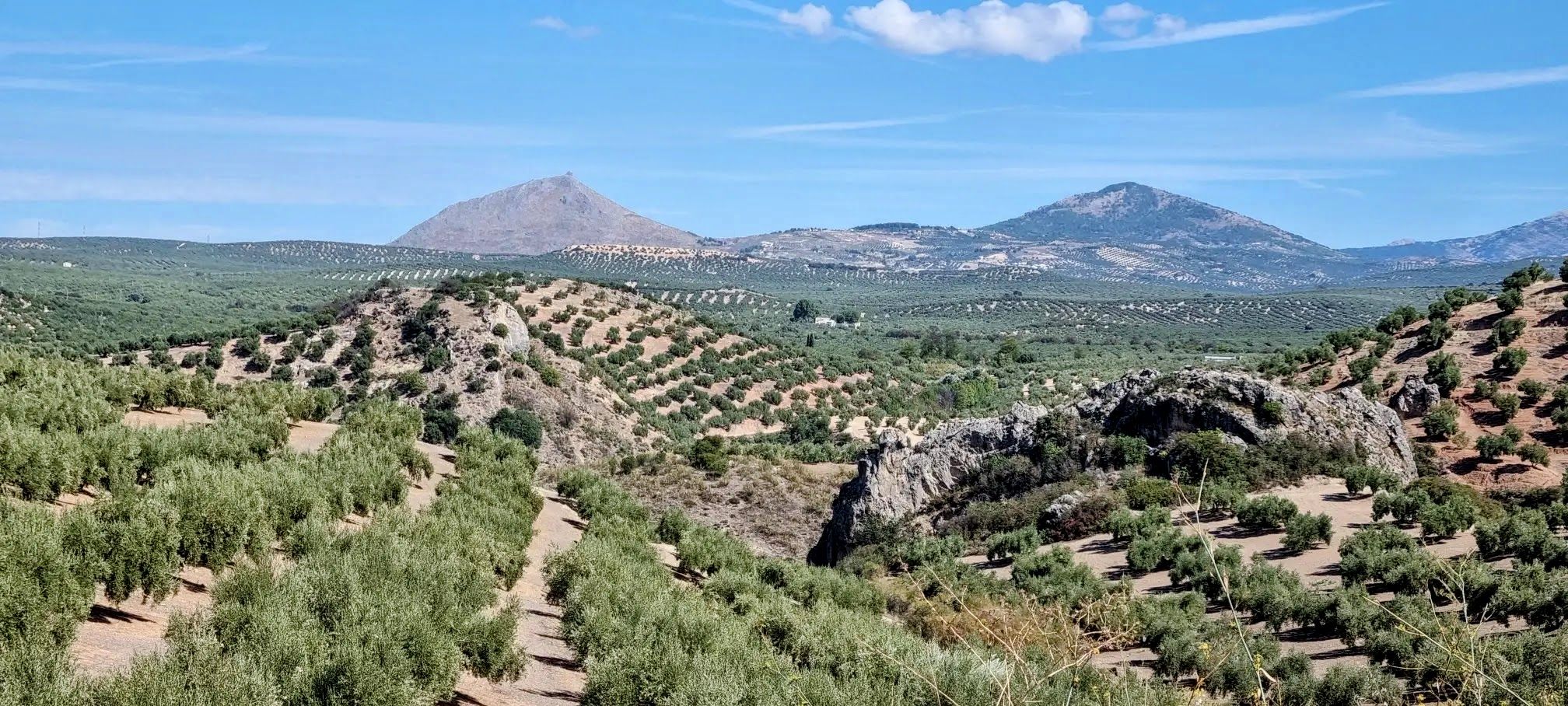
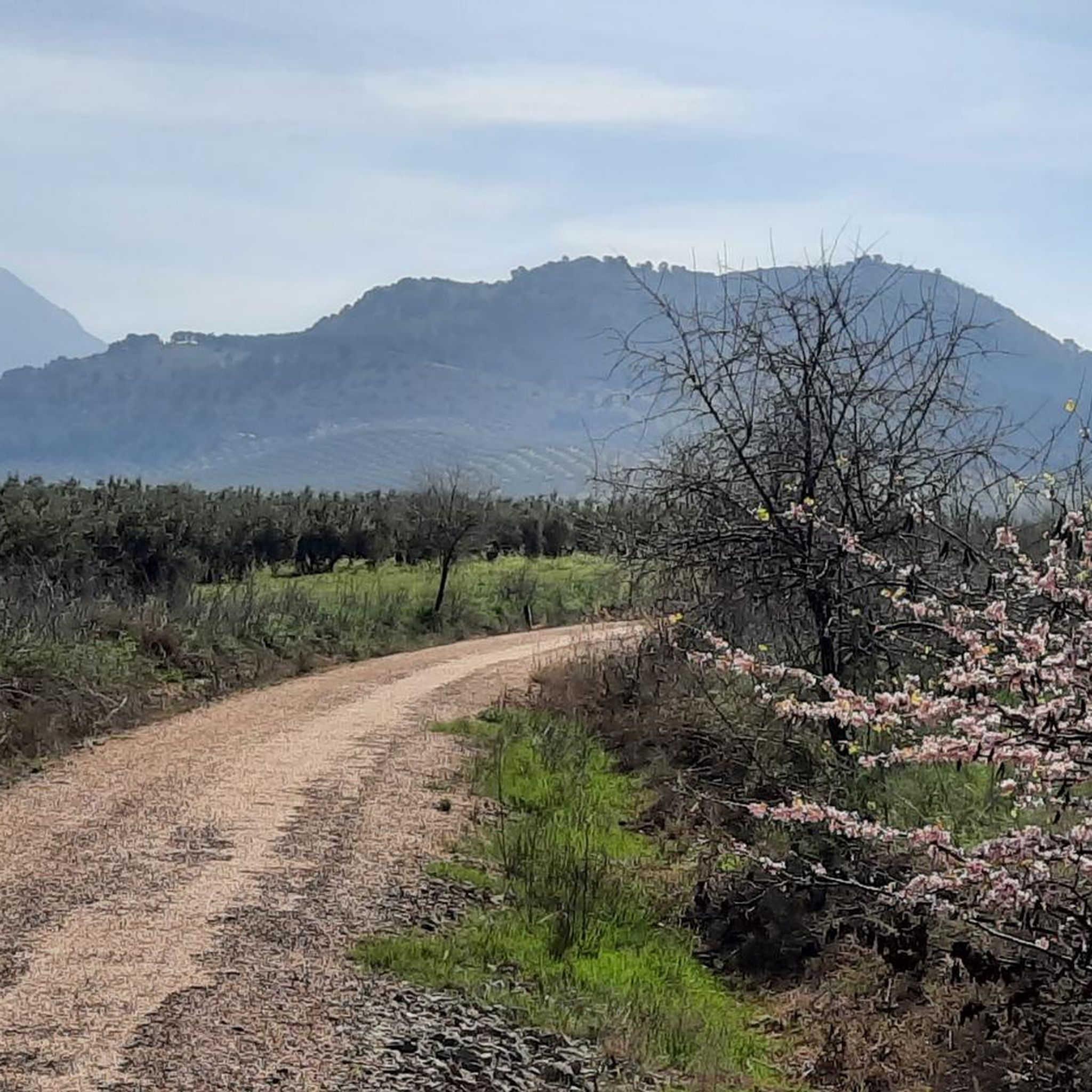
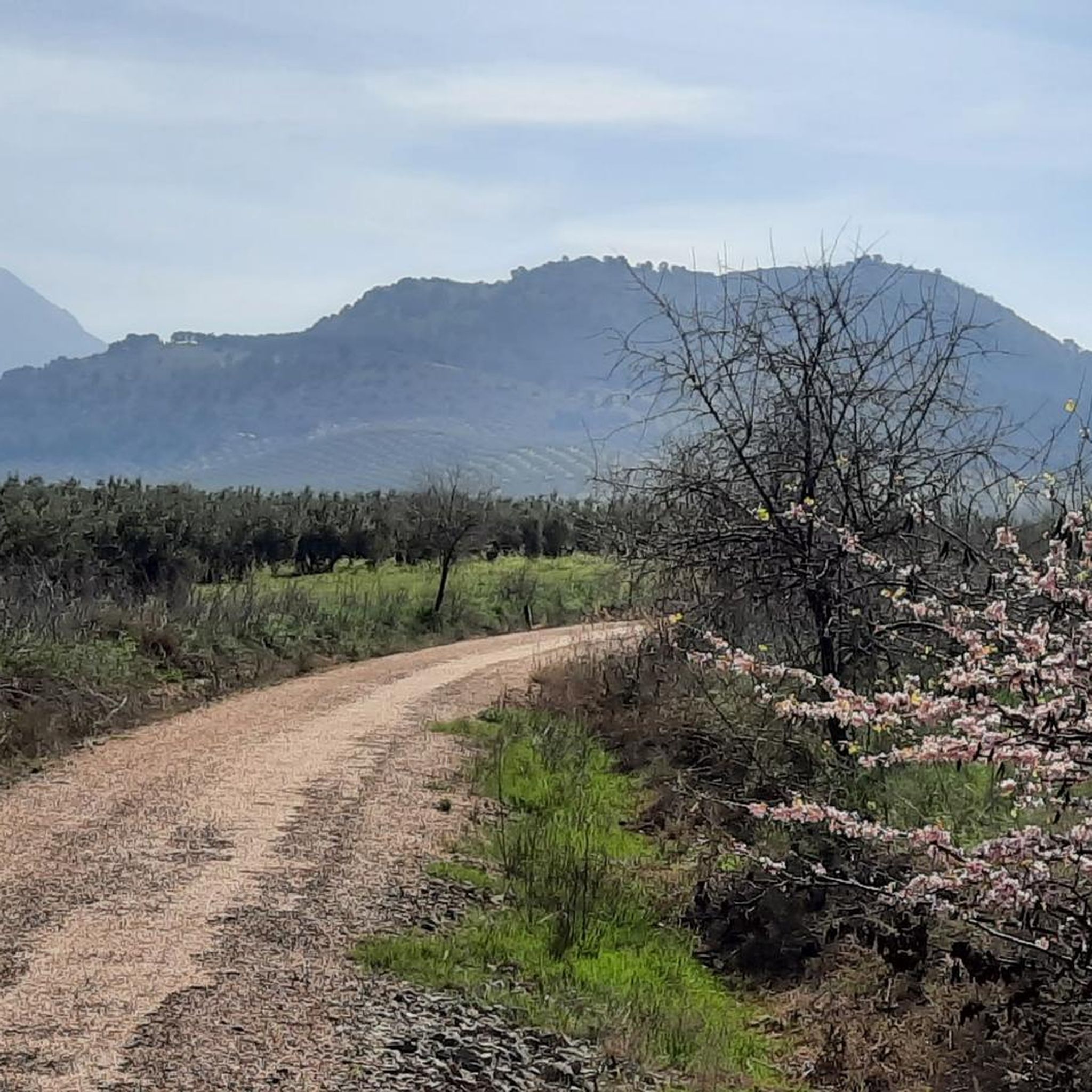
- The most popular attractions is Beautiful section of the Vía Verde del Aceite, a cycle_way that is an old railway line converted into a greenway for cycling and hiking. It offers picturesque landscapes through olive groves and features impressive viaducts.
- Another must-see spot is Fortaleza de la Mota (Castle of Alcalá la Real), a castle. This defensive enclosure is located on the hill of La Mota, dating from the Nasrid period, and offers panoramic views.
- Visitors also love Restaurant and Olive Oil Interpretation Center in the Old Luque Station, a renovated old railway station. It serves as a restaurant, hostel, and an Olive Oil Interpretation Centre, offering insights into local olive oil production.
- Alcaudete is known for its historical sites, natural features, and cultural routes. Visitors can explore ancient fortresses, scenic greenways, and cultural centers.
- The attractions around Alcaudete are appreciated by the komoot community, with over 40 upvotes and 9 photos shared.
Last updated: August 30, 2026
Beautiful section of the Vía Verde del Aceite
Highlight • Cycleway
Planning began around 1873 and was completed in 1891.
Its railway life ended in 1984, when it was dismantled, remaining today in an orchard in the middle of the countryside, in perfect condition for cycling, hiking or any similar activity.
Translated by Google •
Tip by

Restaurant and Olive Oil Interpretation Center in the Old Luque Station
Highlight • Restaurant
Translated by Google •
Tip by

Sign up now to discover places like this
Get recommendations on the best single tracks, peaks, & plenty of other exciting outdoor places.
Sign up for free
Víboras River Viaduct
Highlight • Bridge
Translated by Google •
Tip by
Views over the Laguna del Conde
Highlight • Viewpoint
Translated by Google •
Tip by
Martos
Highlight • Settlement
Showing Translation
Tip by

Sign up for free to discover even more attractions around Alcaudete.
Sign up for free
Already have an account?
Start today with a free account
Your next adventure awaits.
Login or Signup
Popular around Alcaudete



Tips from the Community

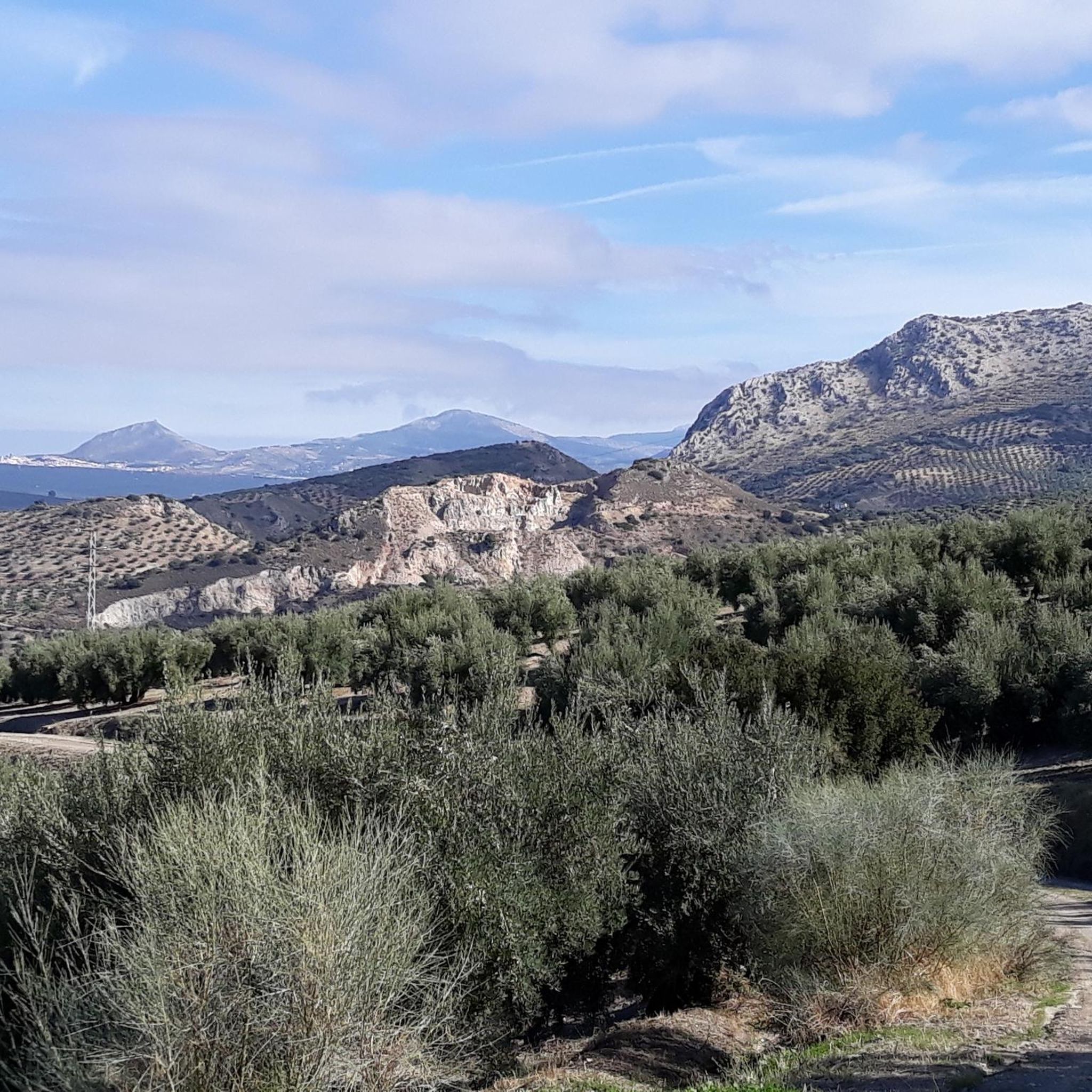
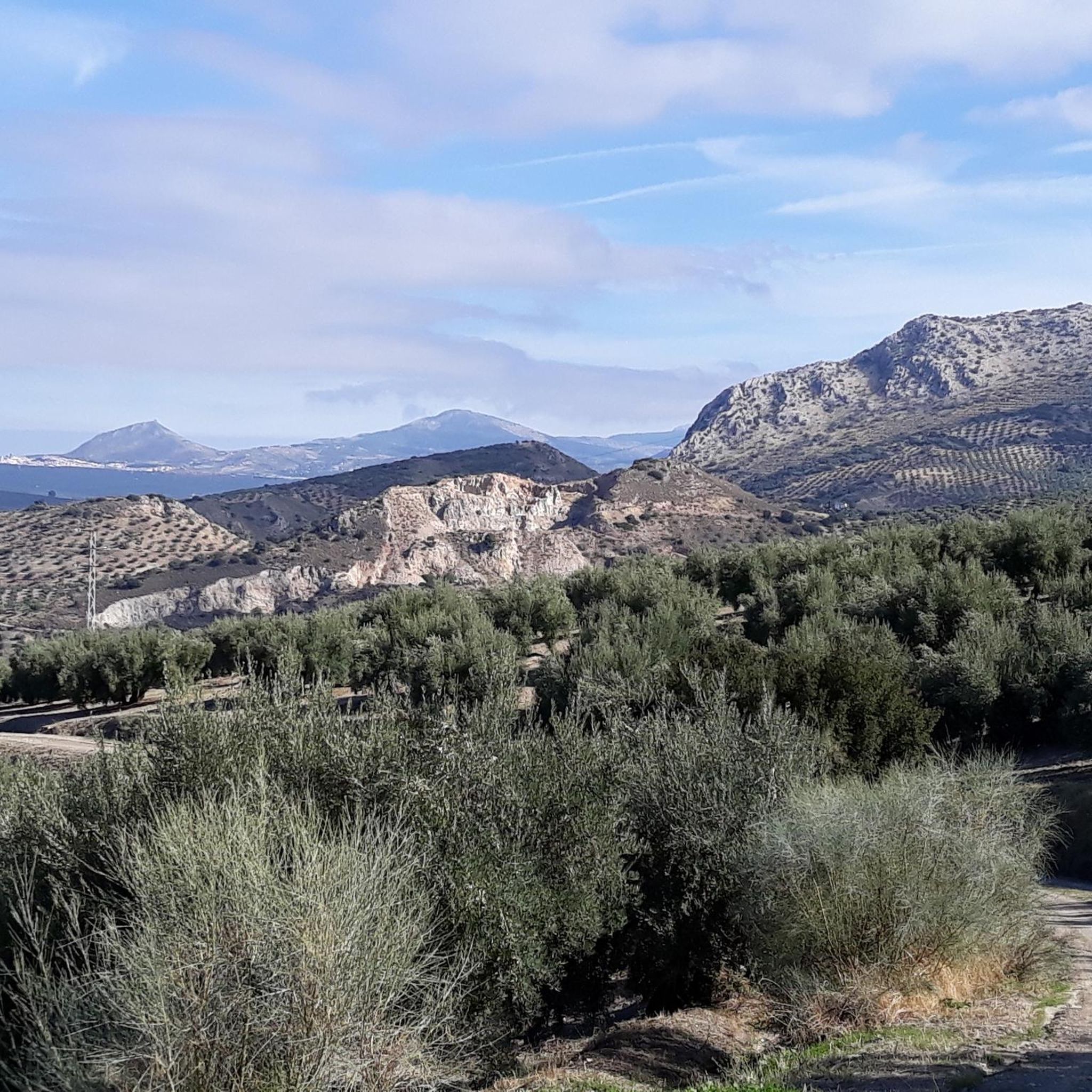
The Laguna del Conde (also known as Laguna del Salobral) is an important wetland that serves as a habitat for numerous bird species such as flamingos, cormorants, and ducks. Along the Vía Verde, there are viewpoints from which visitors can observe the wildlife.
1
0

Here you can find everything in the field of catering. Breakfast, lunch, sleep. It seems like this is the place to be in the area.
6
0

The Lagoon del Conde or Salobral Lagoon is a temporary lagoon that reaches a maximum flood level in spring and subsides in summer. The lagoon is filled by rainfall that falls directly on the surface of the lagoon and by surface runoff from its catchment area, particularly from the Carrascón stream. The lagoon is on the migratory route that many birds follow towards the African continent in northeastern Europe. Like the rest of the wetland areas south of Córdoba, the Salobral Lagoon is integrated into the European Natura 2000 network.
10
0
The Luque station, part of the original Linares-Puente Genil line, was built by the Compañía de los Ferrocarriles Andaluces and opened along with the entire line in January 1893. In 1941, with the nationalisation of the Iberian railways, the facilities passed into the hands of RENFE. The line remained in service until it was closed in October 1984, when it was dismantled and the tracks removed. After the line was closed, the old station building has been used as a restaurant since 1990. It also houses the Oil Interpretation Centre, a site dedicated to the history of olive oil and olive groves, where you can also taste oil from the region. The site is within the route formerly known as the "Vía Verde de la Subbética". In 2017, those responsible for the Greenway routes agreed to unify all sections of the old route under the same name "Vía Verde del Aceite". For many, however, it is and will remain the "Green Way". Luque station is a popular starting or intermediate point for cycling tours along the Vía Verde del Aceite, the old railway line that is now a great cycle path. The route offers a unique opportunity to experience the beauty of the Córdoba region. The current station also offers a good opportunity to take a break and enjoy food and cool drinks.
11
0
Currently the building has been renovated as a restaurant and hostel, and also houses the Oil Interpretation Centre, a meeting place with the history of olive oil and olive groves, where you can taste the oil of the area and admire the collection of agricultural tools and machinery from the old oil mills.
12
0
This lagoon, which belongs to the municipality of Luque, is the largest of all the seasonal waters in the province of Córdoba, with a surface area of 46.6 hectares. It was declared a nature reserve in 1989 due to its special value as a wintering and breeding ground for migratory birds. Due to the gentle slope of the terrain and its shallow depth, the wetland is home to numerous wading birds that use the lagoon as a passage and breeding area. The main bird species are the black-winged stilt, the European lapwing, the curlew, the teal, the white-headed duck, the Kentish plover, the tern and the Montagu's harrier, among many other species.
10
1
The bridge that stands out above is El Pontón. The medieval bridge over the Víboras River, restored in 2001, is located in the natural area known as “El Pontón”, within the municipality of Alcaudete. It is a clear example of civil architecture and its objective was to save the narrow course of the river. Popularly known as the "Roman Bridge" because it is believed to have been part of a branch of the Roman road, it is 9 metres long and approximately 7.5 metres high. The existence of two Iberian-Roman sites in the area has also been the cause of the erroneous chronology of this construction.
6
0
The Viaducto del río Víboras, also known as Puente Eiffel, is a historic metal viaduct in Alcaudete, Jaén. This viaduct was built between 1891 and 1893 by the engineers Alessandre and Delapierre and was originally part of the Linares-Puente Genil railway line. The viaduct spans the Río Víboras and is 224.1 metres long, 4.5 metres wide and has a gálibo of 80 metres.
8
0
Frequently Asked Questions
What historical sites can I explore in Alcaudete?
Alcaudete is rich in history, dominated by the impressive Fortaleza de la Mota (Castle of Alcalá la Real), a 13th-century Nasrid fortress offering panoramic views. Within Alcaudete itself, you can visit the Alcaudete Calatravan Castle, a crucial stronghold during the Reconquista, which also houses the Centro de Interpretación de la Orden Militar de Calatrava. The town's old center features medieval origins with civil and religious buildings from the 16th to 18th centuries, including the Arch of the Villa and remnants of the old urban walls.
Are there any notable natural attractions or viewpoints in the area?
Yes, Alcaudete offers several natural highlights. You can enjoy the Views over the Laguna del Conde, an important and protected temporary wetland that hosts various bird species when full. The town is also at the foot of the Sierra Ahillos, providing scenic landscapes. For panoramic views of the town and its olive groves, visit the Viewpoint of Alcaudete.
What outdoor activities can I do near Alcaudete?
The region is excellent for outdoor activities, especially cycling and hiking. The Beautiful section of the Vía Verde del Aceite, an old railway line converted into a greenway, is perfect for both. You can find numerous routes for different sports: for cycling, explore options in the Cycling around Alcaudete guide; for mountain biking, check out the MTB Trails around Alcaudete guide; and for running, see the Running Trails around Alcaudete guide.
Are there family-friendly attractions in Alcaudete?
Absolutely! The Vía Verde del Aceite is a fantastic family-friendly option for cycling or walking through picturesque landscapes. The Restaurant and Olive Oil Interpretation Center in the Old Luque Station is also family-friendly, offering a place to eat and learn about local olive oil production. Exploring the Alcaudete Calatravan Castle with its theatrical tours can also be an engaging experience for families.
What is the best time of year to visit Alcaudete?
Alcaudete can be enjoyed year-round, but spring and autumn generally offer the most pleasant weather for exploring historical sites and engaging in outdoor activities like cycling or hiking on the Vía Verde del Aceite. During these seasons, the temperatures are milder, making it ideal for walking through the olive groves and visiting the natural reserves.
Where can I learn about the local gastronomy and olive oil?
Alcaudete is renowned for its olive oil, particularly from the Carrasqueño olive tree. You can delve into this at the Restaurant and Olive Oil Interpretation Center in the Old Luque Station, where you can taste local oils and learn about their history. The town also offers traditional dishes like relleno de carnaval, alboronía, and various sweet treats such as arroz con leche and empanadillas.
Are there any unique architectural or religious sites to see?
Yes, Alcaudete boasts several unique architectural and religious sites. The grand Gothic Church of Santa María la Mayor, with its Renaissance chapel and prominent 18th-century bell tower, is a must-see. The Convent and Church of Santa Clara features an impressive Baroque facade with distinctive Solomonic columns. Additionally, the 16th-century Church of San Pedro Apóstol, designed by Francisco del Castillo, showcases a hall plan with three naves.
What are some lesser-known or 'hidden gems' in Alcaudete?
Beyond the main castle, consider visiting the Municipal Cemetery of Santa Catalina, the oldest documented cemetery in Jaén province, which is part of the Route of Spanish Cemeteries. The Río San Juan Recreational Area, with its medieval bridge (popularly known as "Puente Romano") crossing the Víboras River, offers a peaceful spot for relaxation and a glimpse into civil architecture. Exploring the charming Calle Llana also provides a sense of Alcaudete's historical urban fabric.
Can I see impressive engineering or historical bridges in the area?
Indeed. The Víboras River Viaduct, also known as Puente Eiffel, is a historic metal viaduct built in the late 19th century, offering a beautiful contrast with the nearby medieval bridge over the Víboras River. These structures are part of the Vía Verde del Aceite and showcase significant civil engineering from different eras.
What cultural routes does Alcaudete belong to?
Alcaudete is strategically located and forms part of significant cultural routes. It is included in the Route of the Caliphate and the Route of the Castles, offering insights into Andalusia's rich historical past. These routes highlight the region's heritage from both Christian and Muslim periods.
What kind of wildlife can be observed in Alcaudete's natural areas?
The natural reserves around Alcaudete, such as La Laguna Honda and La Laguna de Chinche, are important ecological sites. These endorheic complexes serve as habitats for various bird species, including malvasias, flamingos, mallards, and purple swamp hens. The Laguna del Conde is also on the migratory route for many birds heading towards the African continent.
Most popular routes around Alcaudete
Most popular attractions around Alcaudete

Get inspired with the komoot mobile app


Explore more
Still not found the Highlight you’re looking for? See guides of the top attractions in other regions:
