The best walks and hikes around Frómista
4.7
(12)
50
hikers
5
hikes
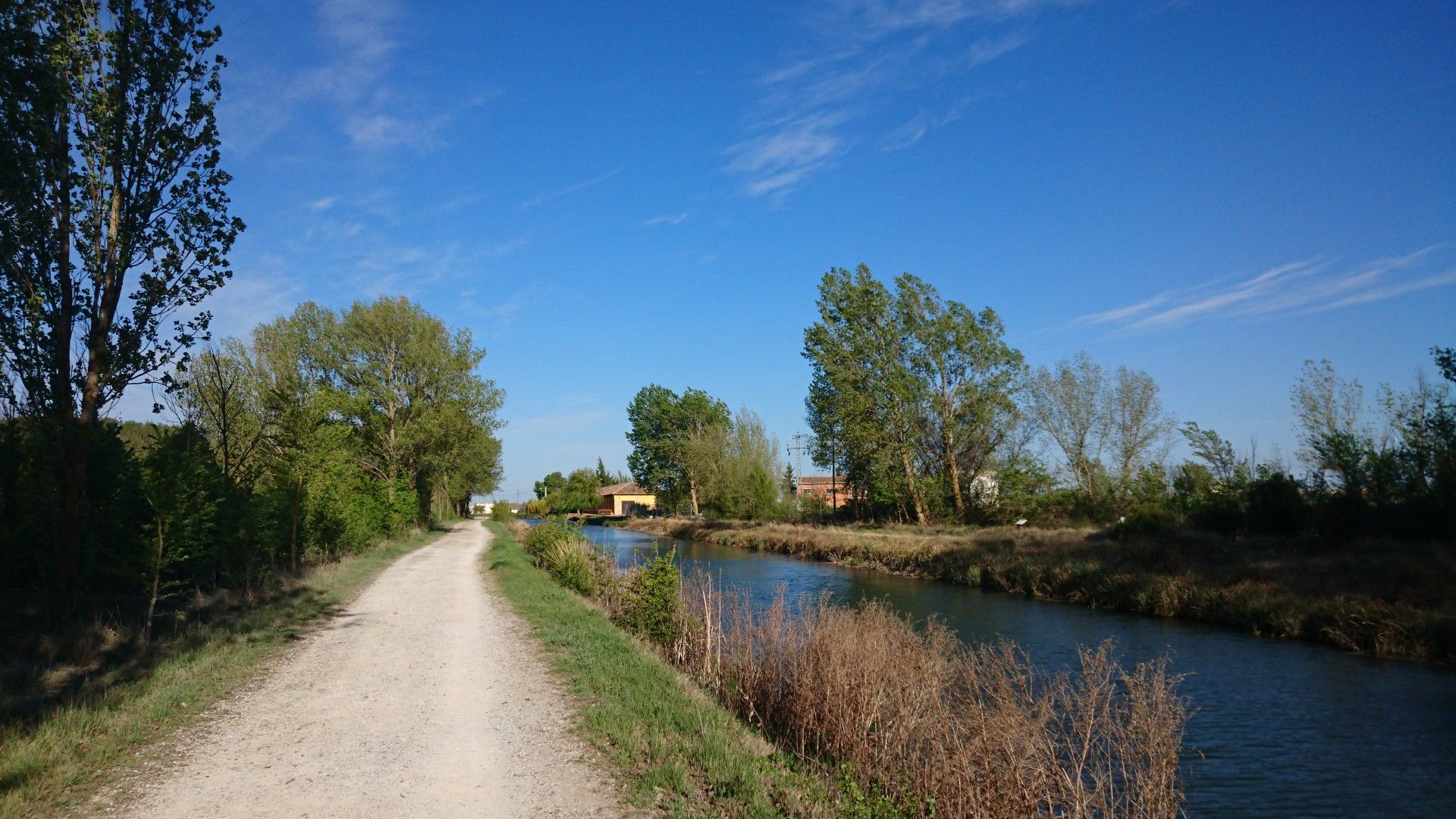
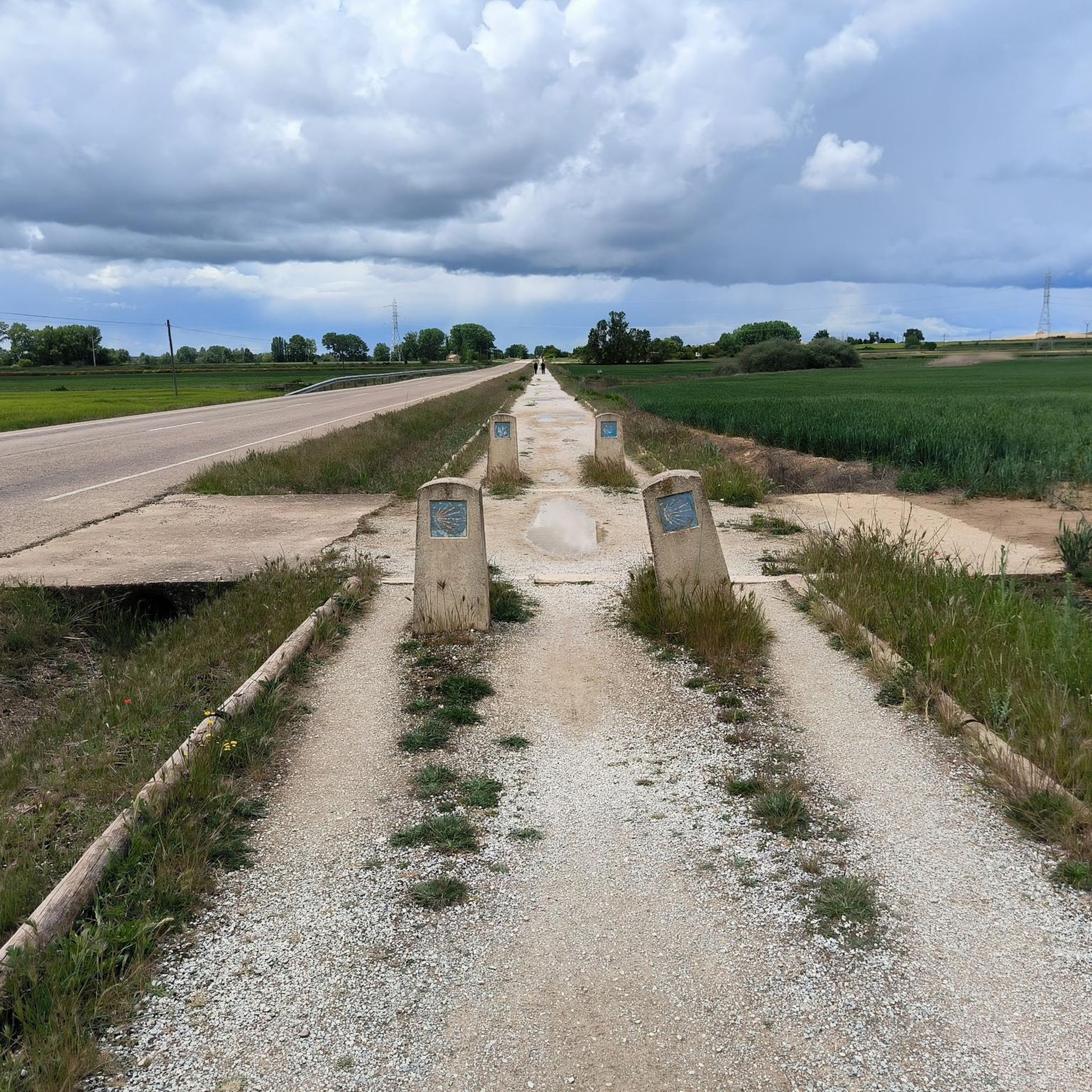
Hiking around Frómista offers exploration of the flat Castilian plateau, known as the Meseta, and the historic Canal de Castilla. The region is characterized by expansive views, accessible paths along the Canal, and sections of the Camino de Santiago. The Ucieza River also provides natural elements for some routes.
Best hiking trails around Frómista
- The most popular hiking route is Fromista and its locks of the Canal de Castilla, a 3.6 miles (5.9 km) trail that takes 1 hour…
Last updated: May 8, 2026
4.8
(4)
21
hikers
Moderate hike. Good fitness required. Easily-accessible paths. Suitable for all skill levels.
5.86km
01:30
20m
20m
Easy hike. Great for any fitness level. Easily-accessible paths. Suitable for all skill levels.

Sign up for free
Easy hike. Great for any fitness level. Easily-accessible paths. Suitable for all skill levels.
11.3km
02:52
20m
20m
Moderate hike. Good fitness required. Easily-accessible paths. Suitable for all skill levels.
4.6
(8)
27
hikers
Hard hike. Very good fitness required. Easily-accessible paths. Suitable for all skill levels.
Our route recommendations are based on thousands of hikes, rides, and runs completed by other people on komoot.
Start today with a free account
Your next adventure awaits.
Login or Signup

Other adventures around Frómista

Tips from the Community

A short, pleasant stretch to walk because the water cools the air a little.
1
1

The views from the P-980 highway, especially in the area known as Los Coracoles in the Palentina Mountains, are truly spectacular and are part of the famous Ruta de los Pantanos (Wetlands Route).
1
0
The Plaza de Santa María in Carrión de los Condes is one of the most emblematic spaces in this town in Palencia, especially due to its importance on the Camino de Santiago. The square is dominated by the Church of Santa María del Camino, a 12th-century Romanesque church, considered the oldest in the town. It was built during the reign of Alfonso VII and is dedicated to the Virgin of Victories, an allusion to a local legend about the liberation of Christian maidens through divine intervention.
2
0
The Statue of the Pilgrim in Carrión de los Condes is an emblematic monument located in Plaza Piña Merino, right at the entrance to the town if you're coming from Frómista, right on the Camino de Santiago. This bronze sculpture represents a traditional pilgrim, dressed in a cape and hat, and carrying the Jacobean symbols: the shell, the staff, and the calabash. It is a life-size figure that pays tribute to the thousands of pilgrims who pass through this historic town in Palencia each year.
2
0
The Statue of the Pilgrim in Carrión de los Condes is an emblematic monument located in Plaza Piña Merino, right at the entrance to the town if you're coming from Frómista, right on the Camino de Santiago. This bronze sculpture represents a traditional pilgrim, dressed in a cape and hat, and carrying the Jacobean symbols: the shell, the staff, and the calabash. It is a life-size figure that pays tribute to the thousands of pilgrims who pass through this historic town in Palencia each year.
1
0
Its origin dates back to August 15, 1101, when a flood destroyed the village of Tablares and swept away a Romanesque image of the Virgin. The residents found it on the riverbank and decided to build a sanctuary there, interpreting the discovery as a divine sign. The first church was Romanesque in style, although the current Baroque structure was rebuilt in 1713 by Francisco de Arratia Curiel.
4
0
The Hermitage of Our Lady of the River, located approximately 1 km northeast of Villalcázar de Sirga, next to the Ucieza River, is a place steeped in history, spirituality, and legend, closely linked to the French Way of St. James.
4
0
Villalcázar de Sirga, in the province of Palencia, is a small town steeped in history, art, and spirituality, especially linked to the Templars and the Way of St. James. Originally called Villasirga, it appears in documents dating back to the 11th century. It was the seat of a Templar commandery, the only one in Castile, and its main church was built by the Knights Templar in the 13th century.
3
0
Frequently Asked Questions
How many hiking trails are available around Frómista?
There are 5 hiking routes around Frómista, offering a variety of experiences from easy strolls along the Canal de Castilla to more challenging loops through the Meseta. These include 2 easy, 2 moderate, and 1 difficult trail.
What kind of terrain can I expect on hikes in Frómista?
Hiking in Frómista primarily features the flat Castilian plateau, known as the Meseta, offering expansive views. Many routes follow the accessible banks of the historic Canal de Castilla, while others explore the Tierra de Campos region and the Ucieza River. The terrain is generally gentle, making it suitable for various fitness levels.
Are there any easy hiking routes suitable for beginners or families?
Yes, Frómista offers several easy routes perfect for beginners or families. A great option is Fromista and its locks of the Canal de Castilla, an easy 3.6-mile (5.9 km) path that follows the historic Canal, showcasing its notable engineering. Another easy choice is Boadilla del Camino — circular along the banks of the Canal de Castilla, which is 3.2 miles (5.2 km) long.
Are there any circular hiking routes near Frómista?
Yes, Frómista has several circular routes. For a moderate option, consider Boadilla del Camino from Frómista — circular by the Canal de Castilla, a 7.9-mile (12.7 km) path along the Canal banks. Another popular choice is the French Way Alternative Route Loop, a 7.0-mile (11.3 km) trail through the Tierra de Campos region.
What are the main natural features or landmarks I can see while hiking in Frómista?
While hiking in Frómista, you'll encounter the historic Canal de Castilla, an 18th-century engineering marvel, including its famous Quadruple Lock. The expansive views of the flat Castilian Meseta and the Ucieza River are also prominent natural elements. Many routes also follow sections of the Camino de Santiago, offering a blend of natural beauty and cultural heritage.
Is Frómista a good destination for dog-friendly hiking?
Frómista's generally flat and open terrain, particularly along the Canal de Castilla, makes it suitable for hiking with dogs. The paths are often wide and well-maintained. However, always ensure your dog is on a leash, especially near agricultural areas or other hikers, and carry water for both yourself and your pet.
What is the best time of year to go hiking in Frómista?
The best time to hike in Frómista is typically during spring (April to June) and autumn (September to October). During these seasons, the weather is milder and more pleasant for walking. Summers can be very hot on the open Meseta, and winters can be cold, though hiking is possible year-round with appropriate gear.
Are there any permits required for hiking in Frómista?
No, there are no specific permits required for hiking on the general trails and paths around Frómista, including those along the Canal de Castilla or sections of the Camino de Santiago. The routes are freely accessible to the public.
Where can I find parking for hiking trails in Frómista?
As a key stop on the Camino de Santiago, Frómista is well-equipped for visitors. You can typically find parking within the town itself, often near the main attractions or the start of popular routes. Specific parking information for individual trailheads may vary, but general town parking is usually available.
What do other hikers enjoy most about the trails in Frómista?
The hiking routes in Frómista are highly rated by the komoot community, with an average score of 4.7 stars from over 10 reviews. Hikers often praise the unique experience of walking along the historic Canal de Castilla, the tranquility of the Meseta landscapes, and the cultural significance of being on the Camino de Santiago.
Are there any longer, more challenging hikes available in the Frómista area?
Yes, for those seeking a longer and more challenging experience, the Statue of Pablo Payo Pérez – View of the Meseta loop from Villarmentero de Campos is a difficult 12.3-mile (19.8 km) route. This trail offers a deeper exploration of the Meseta landscape and takes approximately 5 hours to complete.
Most popular routes around Frómista
Most popular attractions around Frómista

Get inspired with the komoot mobile app


Explore more
Browse the best Hikes in other regions.
