Attractions and Places To See around Outeiro De Rei - Top 20
Best attractions and places to see around Outeiro De Rei include a blend of natural beauty, historical landmarks, and cultural sites. This municipality in the province of Lugo, Galicia, is situated just 13 kilometers from Lugo city. The area features diverse attractions, from the natural landscapes shaped by the Miño and Ladra rivers to ancient Roman remains and medieval fortresses. Visitors can explore a variety of sites reflecting the region's rich history and natural environment.
Best attractions and places to see around Outeiro De Rei
- The most popular attractions is Lugo, a historical site that was founded in the year 25 BC and is the oldest city in Galicia. Its Roman wall, unique in the world, preserves its entire perimeter and was declared a World Heritage Site in 2000.
- Another must-see spot is Cathedral of Saint Mary of Lugo, a religious building. This 12th-century cathedral mixes different architectural styles, though it is mostly Romanesque. Its construction lasted over a century, resulting in a blend of Romanesque, Gothic, Baroque, Renaissance, and Neoclassical styles.
- Visitors also love Roman Bridge of Lugo, a bridge that passes over the Miño river and connects Lugo with the old road to Santiago. It is 104 meters long and 4 meters wide, having undergone reconstructions in the 12th, 14th, and 18th centuries.
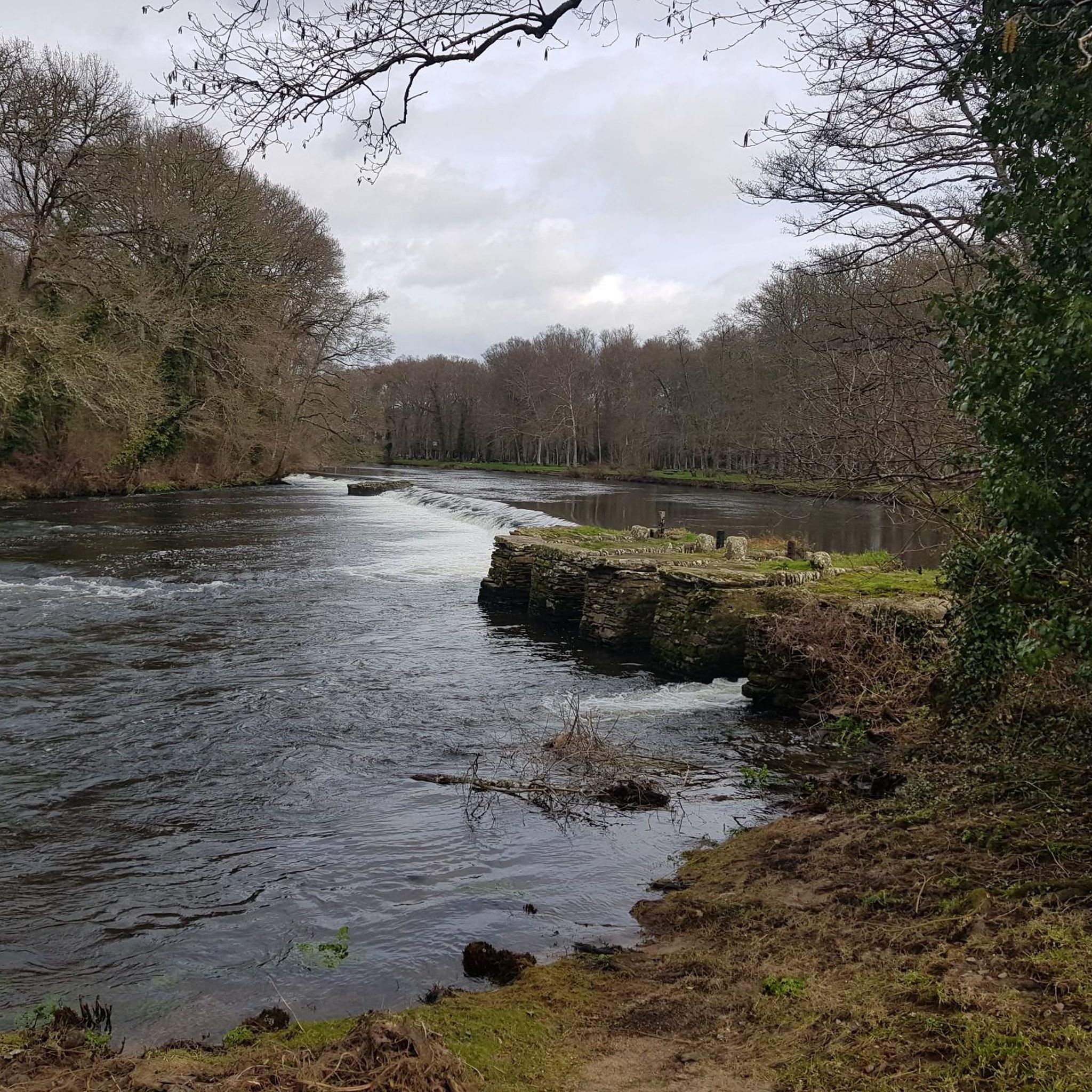
- Outeiro De Rei is known for its natural features, historical landmarks, and cultural sites. Visitors can explore a variety of attractions, from river islands and rock formations to museums and ancient archaeological sites.
- The attractions around Outeiro De Rei are appreciated by the komoot community, with 7 highlights and 157 photos shared by visitors.
Last updated: May 9, 2026
Cathedral of Saint Mary of Lugo
Highlight • Religious Site
Translated by Google •
Tip by

Lugo
Highlight • Historical Site
Translated by Google •
Tip by

Sign up now to discover places like this
Get recommendations on the best single tracks, peaks, & plenty of other exciting outdoor places.
Sign up for free
Camino de Santiago 100 km marker, Lugo
Highlight • Monument
Translated by Google •
Tip by
San Pedro Gate
Highlight • Historical Site
Translated by Google •
Tip by

Santiago Gate
Highlight • Historical Site
Translated by Google •
Tip by
Sign up for free to discover even more attractions around Outeiro De Rei.
Sign up for free
Already have an account?
Start today with a free account
Your next adventure awaits.
Login or Signup
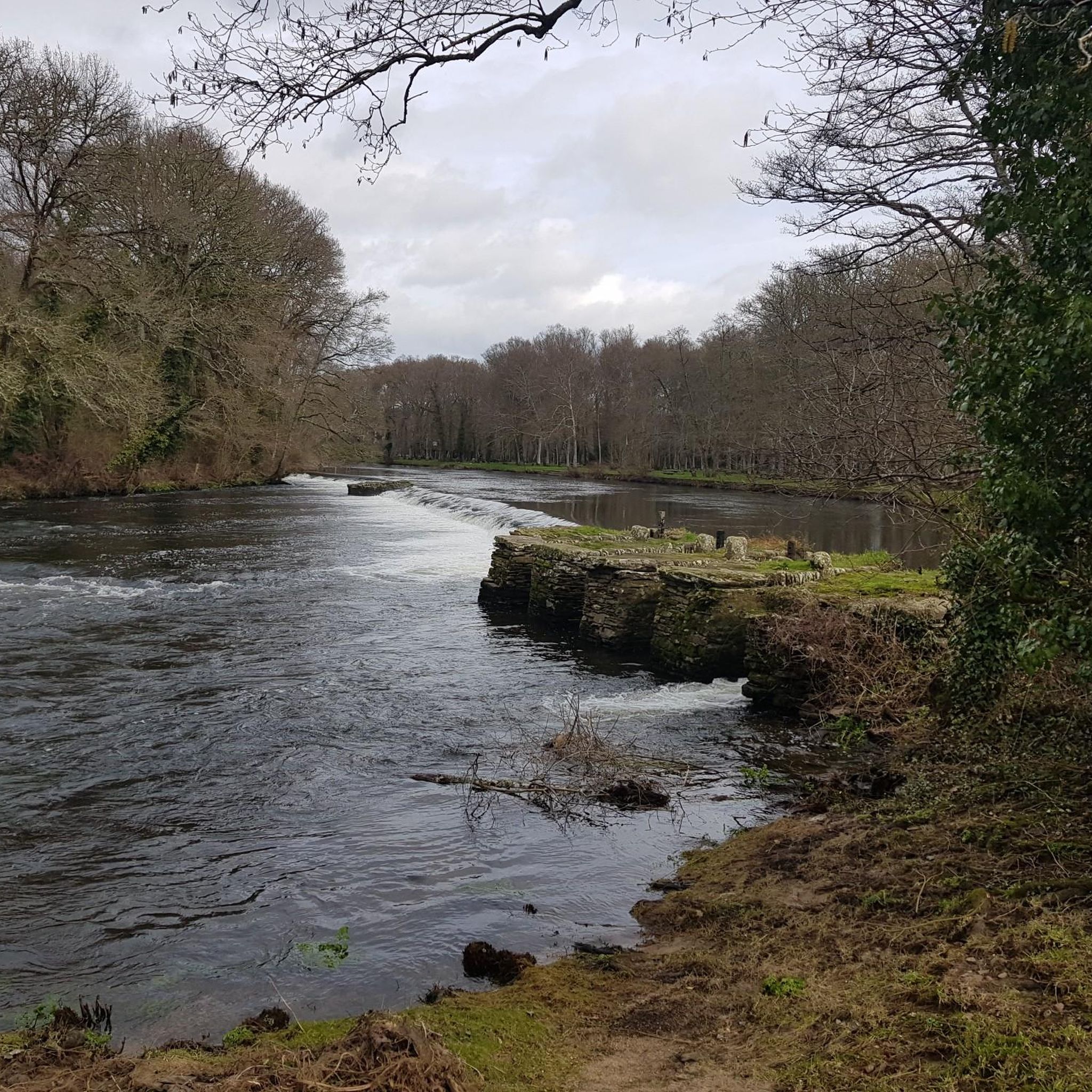
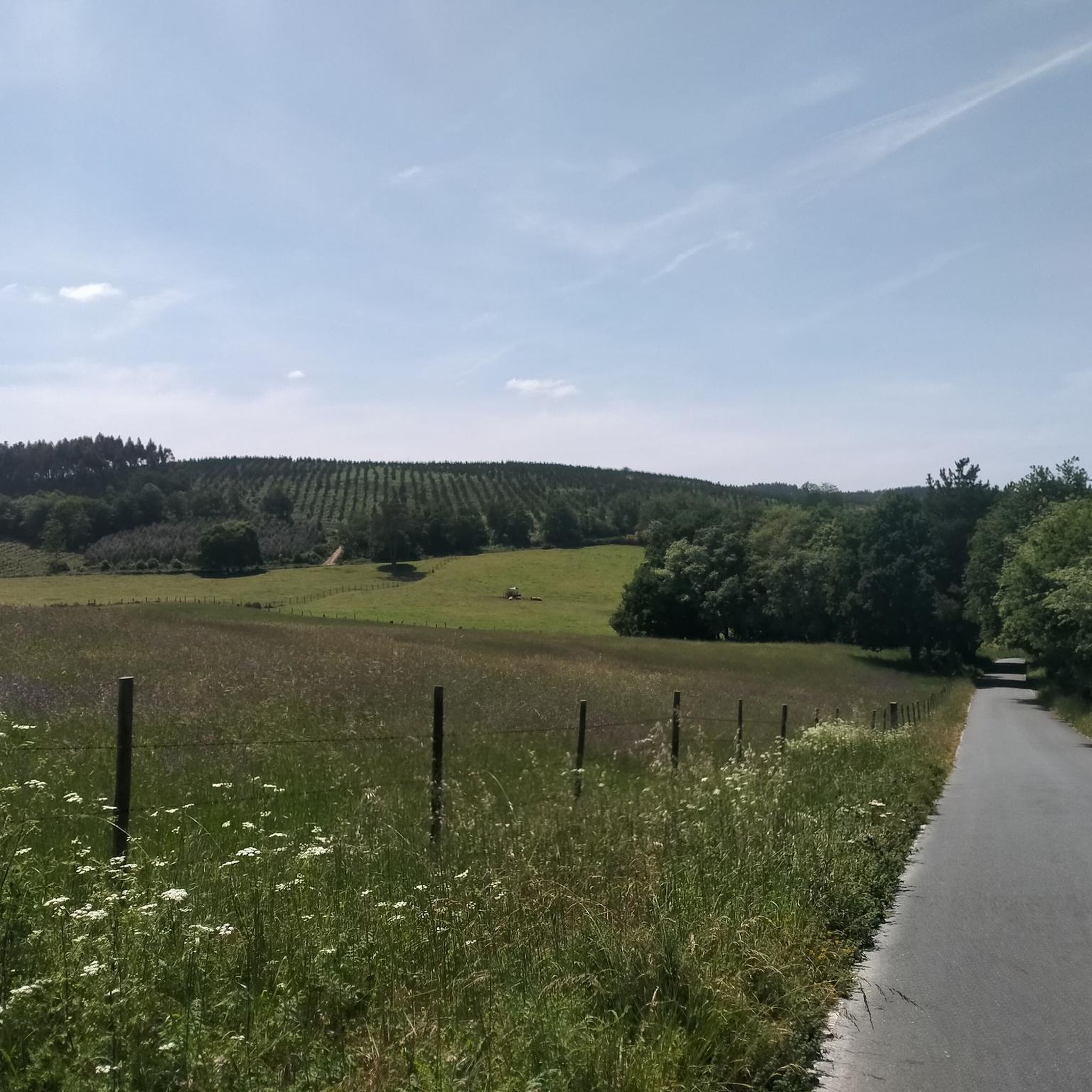
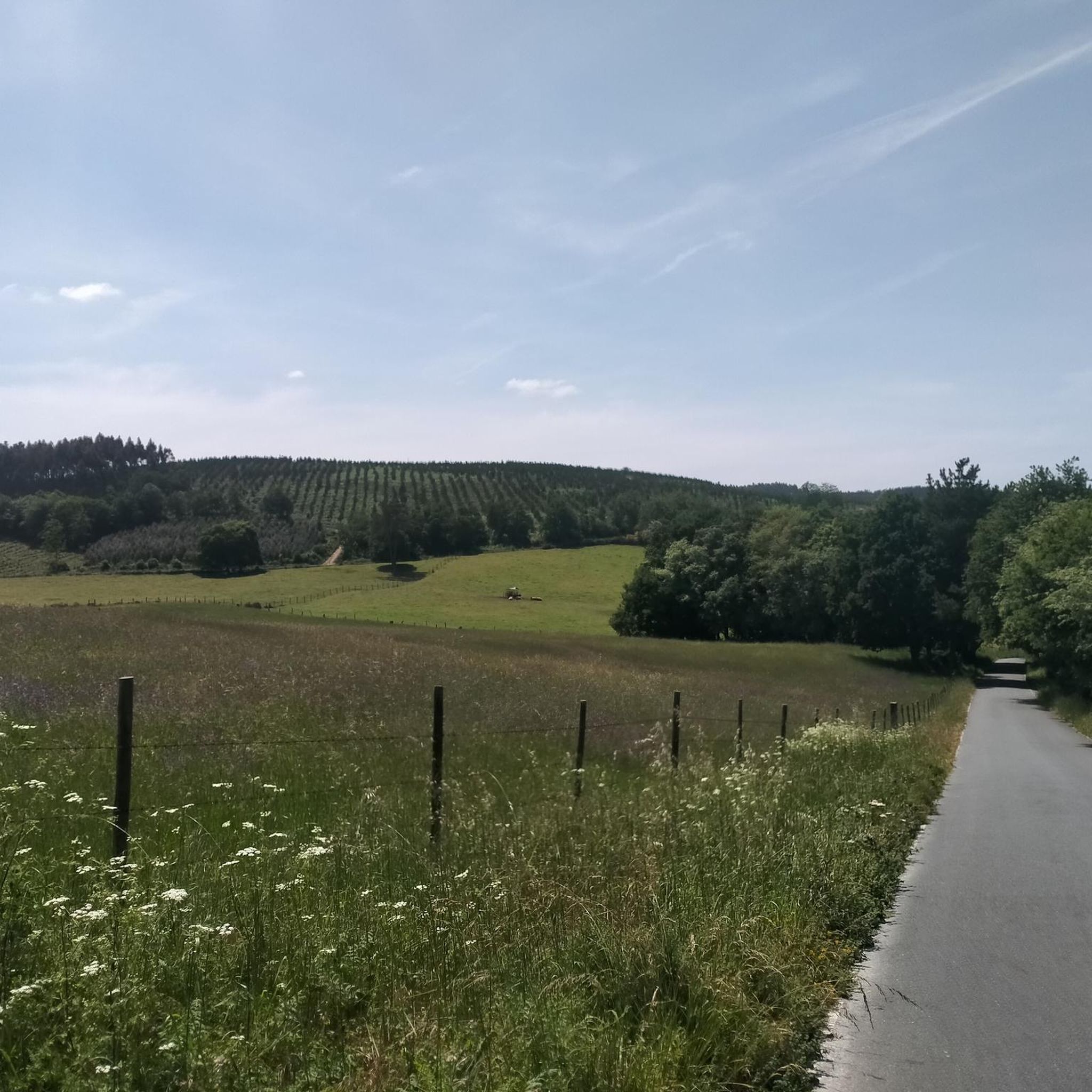
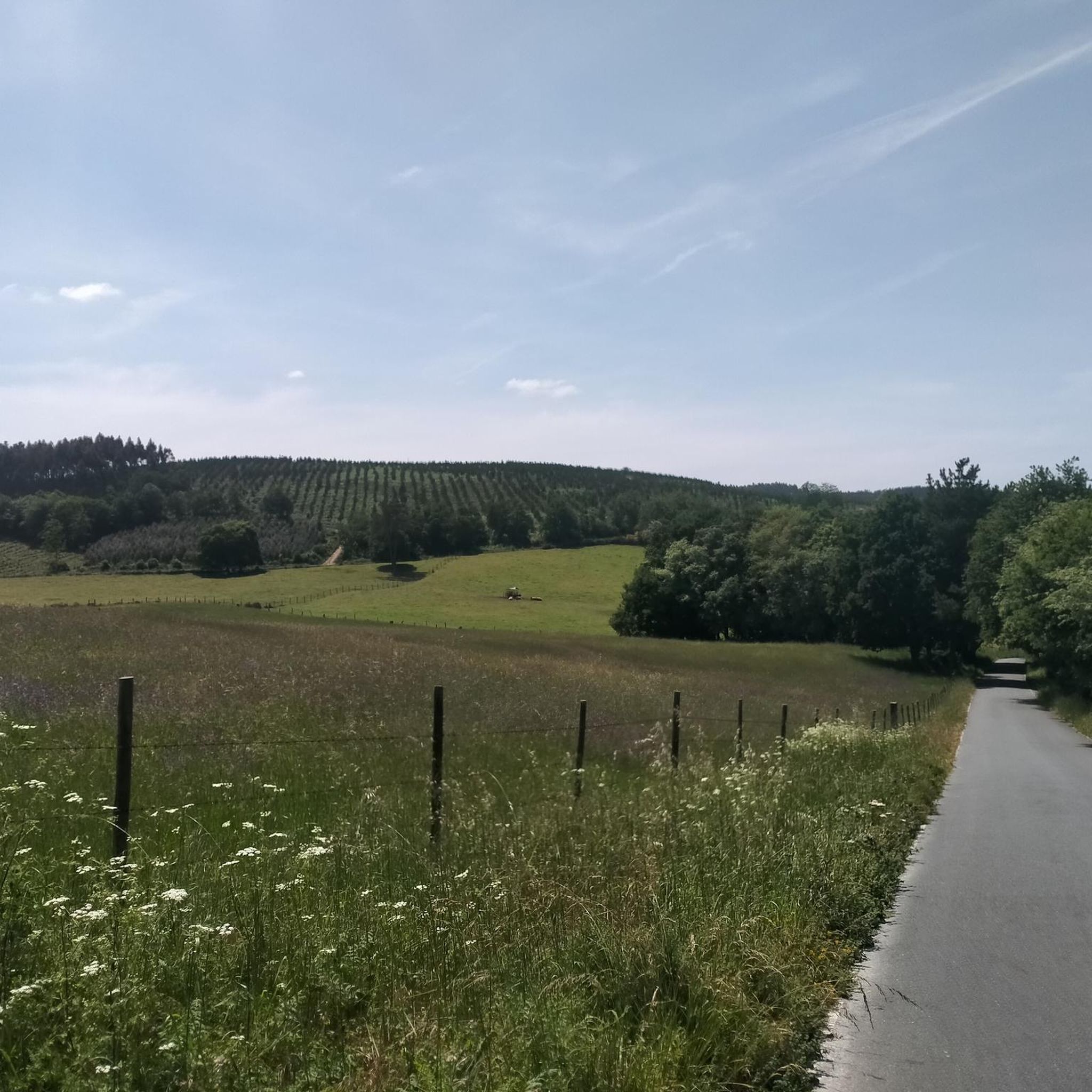

Tips from the Community

A magnificent work from the outside. You have to pay to see it from the inside.
2
0
One of the few preserved city walls in Europe.
3
0
One of several city gates.
3
0

Souvenirs and tips for the last 100 km 🤙
0
0
Cathedral worth seeing 🤙
3
1

Of Roman origin, built in 1759 by Bishop Izquierdo, and since then it has been the gateway to Santiago (primitive road)
4
0
Frequently Asked Questions
What historical sites can I explore around Outeiro de Rei?
The region is rich in history. You can visit the ancient city of Lugo, known for its remarkably preserved Roman wall, a UNESCO World Heritage site. Other significant historical landmarks include the Cathedral of Saint Mary of Lugo, a blend of architectural styles from the 12th century, and the Roman Bridge of Lugo over the Miño river. Further afield, you'll find the ruins of medieval fortresses like Torre de Taboi and Castillo - Torre de Sobrada de Aguiar, as well as the ancient Dolmen Anta de Bravos.
Are there any natural attractions or viewpoints in Outeiro de Rei?
Yes, Outeiro de Rei offers several beautiful natural spots. The Ínsuas do Miño are a collection of islands within a Biosphere Reserve, featuring a scenic two-kilometer trail. You can also visit Penas de Rodas, two imposing granitic rock formations with local legends, or the Mirador de Paraños for panoramic views. The Caneiro do Piago features small rapids and waterfalls, offering picturesque scenery.
What family-friendly activities are available in the area?
For families, Marcelle Natureza is a popular choice, offering a nature park and zoo where you can observe a variety of animals, enjoy hiking trails, playgrounds, and picnic areas. Avifauna is an ornithological park with over 300 bird species. The Campo de Santa Isabel Recreational Area is also great for families, providing a riverside promenade, picnic spots, and swimming opportunities in summer.
Where can I find hiking or walking trails near Outeiro de Rei?
There are several excellent walking paths. The Ínsuas do Miño offers a two-kilometer trail through its scenic islands. The 'Ruta Camiño do Miño' is an 18-kilometer walk starting from Caneiro do Piago, following the Miño river. Additionally, the PR-G 155 Ruta Miradoiro da Terra Chá is a 10.7-kilometer circular route combining nature and ethnography. For more options, you can explore various running trails around Outeiro De Rei, which are also suitable for walking.
What cultural experiences can I have in Outeiro de Rei?
Outeiro de Rei has a rich cultural heritage. You can visit the Casa Museo Manuel María, the birthplace of the renowned Galician poet, which houses a library and personal items. Discover traditional pottery at the Olería de Bonxe workshop-museum, one of Galicia's ancestral ceramic traditions. The region also features numerous stately homes and noble houses, known as Pazos, reflecting its historical past.
Are there any cycling routes around Outeiro de Rei?
Yes, the area offers various cycling opportunities. You can find several gravel biking routes, such as the 'View of the Chanca Viaduct' loop or the 'Río Rato Bike Path' loop. For road cyclists, there are also numerous road cycling routes, including longer loops like 'Vilardón – Ponte Vella de Rábade'.
What is the significance of the Roman wall in Lugo?
The Roman wall of Lugo is unique in the world because it preserves its entire perimeter, making it an exceptional example of Roman military architecture. Built in the 3rd century AD, it was declared a World Heritage Site in 2000 and offers a 2-kilometer walk along its top, providing a glimpse into the city's ancient past.
Can I find places for swimming or water activities?
The Campo de Santa Isabel Recreational Area, located at the confluence of the Ladra and Miño rivers, is a popular spot for recreation and swimming during the summer months. The Miño and Ladra rivers also shape the beautiful Ínsuas do Miño area, which is popular for watersports.
What is the 'Magic Forest of Bonxe'?
O Bosque Máxico de Bonxe, or 'The Magic Forest of Bonxe,' offers a unique and enchanting woodland experience. It's a place where visitors can immerse themselves in nature and enjoy the serene atmosphere of a mystical forest.
Are there any archaeological sites to visit?
Beyond the Roman remains in Lugo, Outeiro de Rei features the Dolmen Anta de Bravos, an ancient archaeological site. There is also the Ruta Arqueolóxica de O Acevedo for those interested in exploring the area's ancient past, including traces from the Paleolithic era and ancient funerary mounds.
What do visitors enjoy most about the attractions around Outeiro de Rei?
Visitors particularly appreciate the blend of historical depth and natural beauty. The well-preserved Roman heritage in Lugo, especially the Roman wall, is a major highlight. Many also enjoy the diverse architectural styles of the Cathedral of Saint Mary of Lugo and the scenic walks along the Roman Bridge of Lugo. The natural landscapes, like the river islands and viewpoints, are also highly valued for their tranquility and outdoor opportunities.
Most popular routes around Outeiro De Rei
Most popular attractions around Outeiro De Rei

Get inspired with the komoot mobile app


Explore more
Still not found the Highlight you’re looking for? See guides of the top attractions in other regions:
