Attractions and Places To See around Poza De La Sal - Top 20
Best attractions and places to see around Poza De La Sal include a unique geological landscape, deeply intertwined with its history of salt production. The town is situated on a massive salt diapir, considered the largest in Europe, creating a distinct crater-like environment. Poza de la Sal is also recognized for its rich historical and cultural heritage, including its medieval walls and traditional architecture, and is the birthplace of naturalist Félix Rodríguez de la Fuente. The historic urban center has…
Last updated: July 6, 2026
Oña Historic Center
Highlight • Historical Site
Translated by Google •
Tip by

Santander–Mediterranean Greenway
Highlight (Segment) • Cycleway
Translated by Google •
Tip by

Sign up now to discover places like this
Get recommendations on the best single tracks, peaks, & plenty of other exciting outdoor places.
Sign up for free
Parish Church of El Salvador
Highlight • Religious Site
Translated by Google •
Tip by

Oña Historic Town Center
Highlight • Historical Site
Translated by Google •
Tip by

MonasterioDeSanSalvador
Highlight • Religious Site
Translated by Google •
Tip by
Sign up for free to discover even more attractions around Poza De La Sal.
Sign up for free
Already have an account?
Start today with a free account
Your next adventure awaits.
Login or Signup
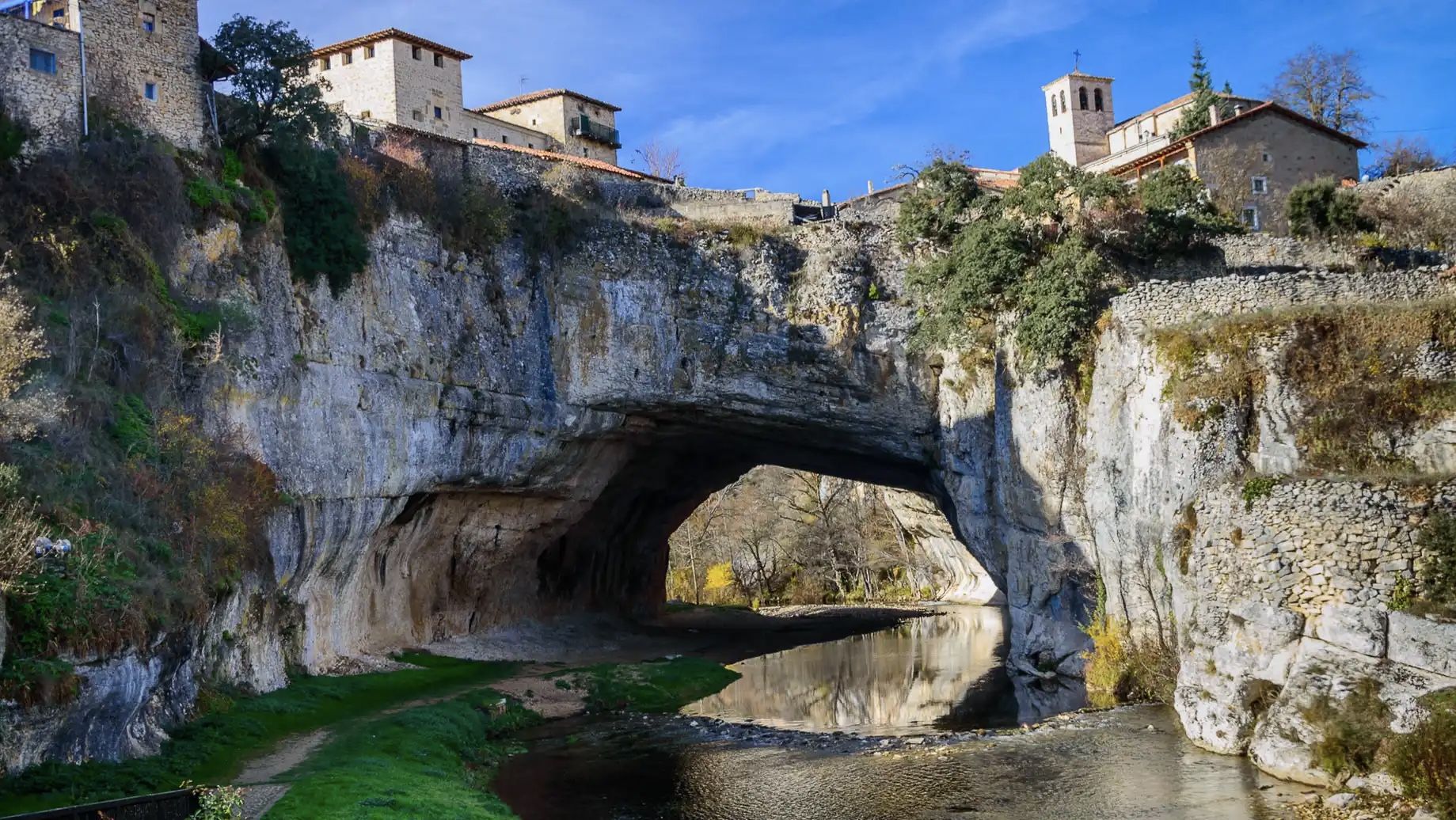
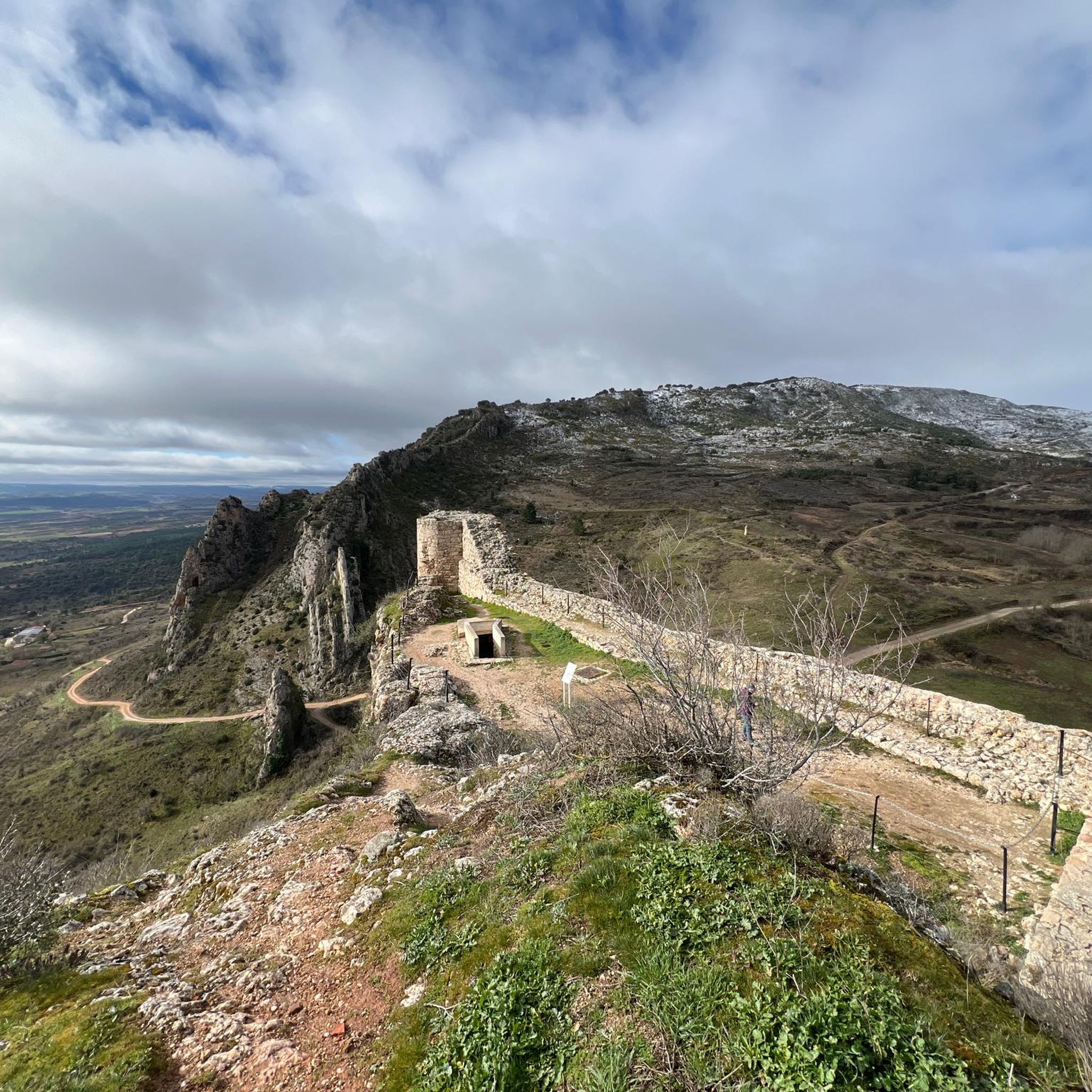
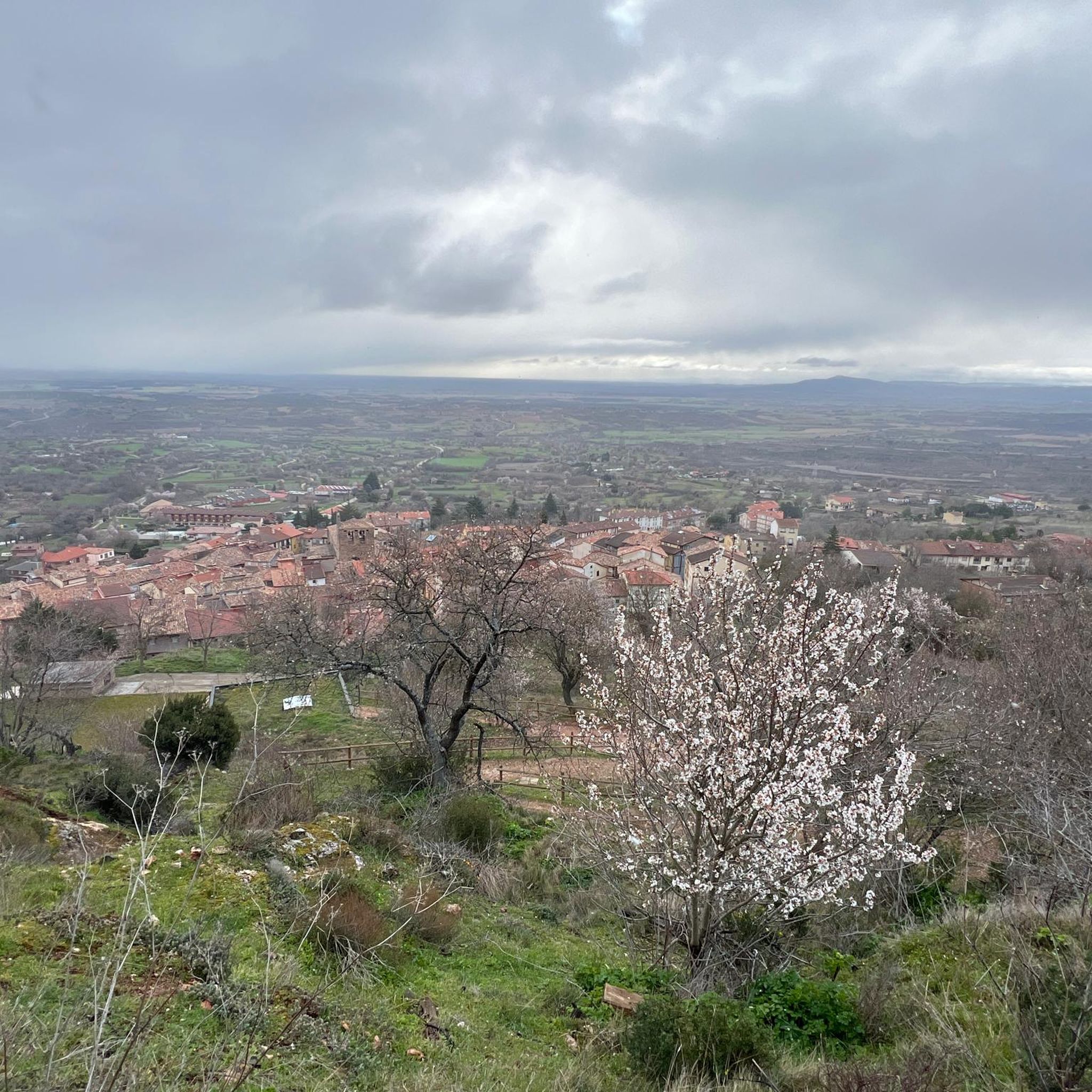
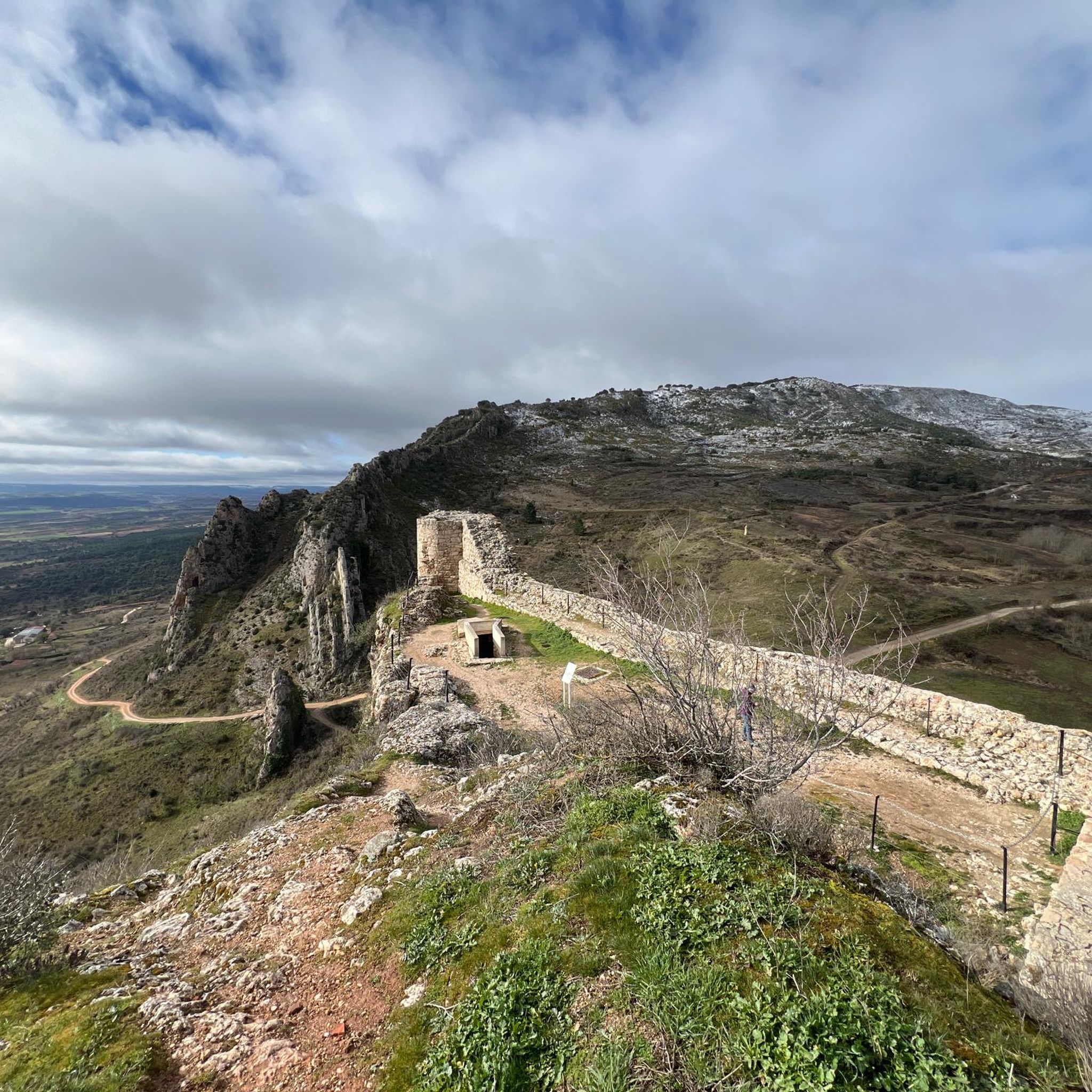

Other adventures around Poza De La Sal

Tips from the Community

A beautiful town in a privileged location. It's well worth a visit, and take a stroll around the surrounding area.
1
0

There are a couple of fountains with cool water... there are several walking areas
0
0

All the bridges are finished, as Raphael H. rightly says. I walked over them the first weekend of April. There are updated photos.
1
1

A beautiful town. I recommend visiting the convent gardens with their canal and the unusual water supply they've had for ages.
1
0

The entire section of the Via Verde Santander Mediterraneo from the closed tunnel at Pedrosa de Valdeporres to Burgos is easily passable. All bridges are completed and the tunnels are illuminated. Over 100 km of railway cycle path fun. You will find out what happens from Burgos to Valencia in the next few days.
1
0

Poza de Sal is about two kilometers from the old railway and we visit in the last stage that is less distance, it is worth the detour. Shortly after is Salas de Bureba, with an interesting group of ancestral houses and popular architecture. And also a couple of restaurants to recharge your batteries. The route of the Natural Trail passes through Castellanos de Bureba, Terminón and reaches the Oña station, rebuilt with good taste and equipped with recreational areas and parking lots. The historic center of Oña has been declared a Site of Cultural Interest and a detour is mandatory to explore its small streets with a medieval atmosphere full of stately houses and emblazoned facades, contemplate the imposing building of the Monastery of San Salvador and the portico of the church of San Juan, In the town hall square. On one side is the Sports bar, if you want to have a drink. The section between Oña and Trespaderme has been cut off until recently due to the works on the Oca and Ebro bridges, now it is perfectly conditioned and is a natural fantasy. The Buitre and Pastorcillo tunnels cross the Oca gorge and the greenway enters the La Sante jungle, an old palace with a romantic atmosphere that seems condemned to ruin and abandonment in a place with a certain mystery. Passing through the Horadada tunnel prevents us from contemplating the confluence of the Oca in the Ebro river and along a fantastic forest walk the Ebro bridge appears, recovered after some time in works to give continuity to the Santander-Mediterranean Nature Trail in Las Merindades, Burgos. . The route passes through another tunnel and leaves the Horadada gorge, in the background is Trespaderne, which is the end of the next day. Now the trip continues along the gravel road to go up the Nela River basin to the foot of the Cantabrian Mountains, passing through the town of Nofuentes and then the old stations of Pradolamata, Moneo, Bustillo and Medina de Pomar appear, the town most populated in Las Merindades with 18 districts and 17 neighborhoods. Medina de Pomar has held the title of city since 1894, it is outside the greenway a couple of kilometers. The Velasco Castle, also called Alcázar de los Condestables, or simply Las Torres, is the building that attracts attention from the Nature Trail. In the historic center there are houses with emblazoned facades, palaces, stone streets, squares with arcades and original doors from the old medieval wall, a good reason to visit the town and learn about the historical and monumental heritage of the region. The railway route continues through the Nela valley, passes through several bridges rebuilt in the last refurbishment of the track and reaches the Villacaryo-Horna station, where we mark the end of the first stage. Access to the center and the picturesque Plaza Mayor is easy via Avelino Alonso de Porres Castro Street. Villarcayo is the capital of Las Merindades Burgos, it has all kinds of services.
1
0

a beautiful route, but you have to take into account, some bridges that continue with the reform
1
0
Frequently Asked Questions
What historical landmarks can I explore in Poza de la Sal?
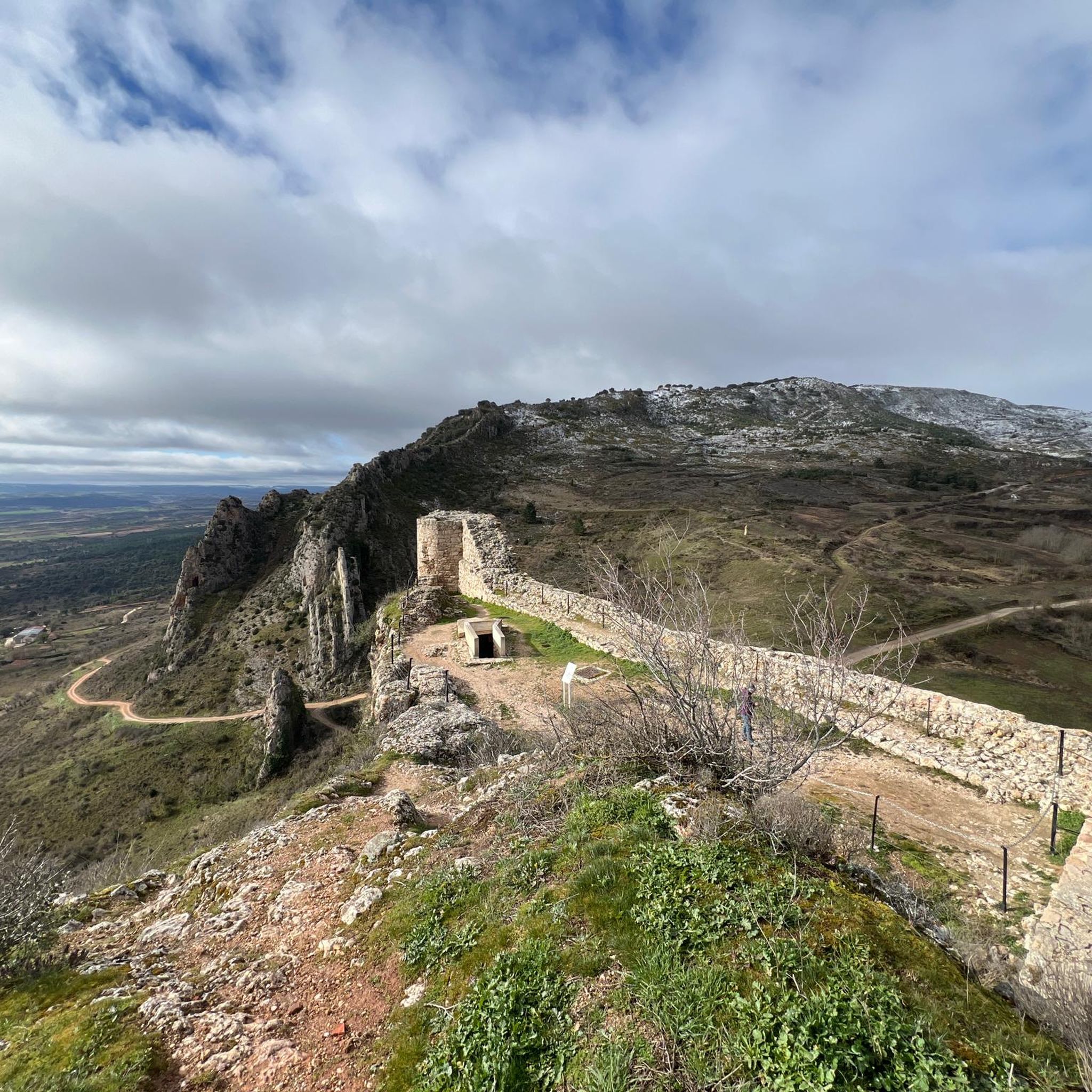
Poza de la Sal offers a rich history visible in its landmarks. You can visit the medieval Rojas Castle, which provides impressive views of the La Bureba region. The Church of San Cosme y San Damián, with its Gothic and Baroque elements, is also a significant site. Don't miss the remnants of the Medieval Walls, including the notable Arco de la Concepción, and the historic Plaza Vieja with its traditional architecture.
What is the significance of Poza de la Sal's salt production history?
Poza de la Sal is renowned for its ancient salt pans, which have been exploited since Roman times. The town sits atop a massive salt diapir, considered the largest in Europe, creating a unique crater-like landscape. You can explore the self-guided route through the salt flats to observe the historical infrastructure used for salt extraction. The Salt Interpretation Center provides detailed information about this fascinating history and process.
Are there any cultural sites dedicated to local figures in Poza de la Sal?
Yes, Poza de la Sal is the birthplace of the acclaimed naturalist Félix Rodríguez de la Fuente. The Félix Rodríguez de la Fuente Interpretation Center is dedicated to his legacy and passion for nature. You can also find a sculpture of him with a wolf, offering views that inspired his work.
What kind of traditional architecture can I expect to see in Poza de la Sal?
The town's old quarter, declared a Historic-Artistic Site, is a labyrinth of narrow, cobbled streets showcasing traditional Castilian architecture. You'll find houses with arcaded ground floors, wooden frameworks, and many homes still display their historic blazoned shields, particularly around the Plaza Vieja and Plaza Nueva.
Where can I find the best panoramic views of the region around Poza de la Sal?
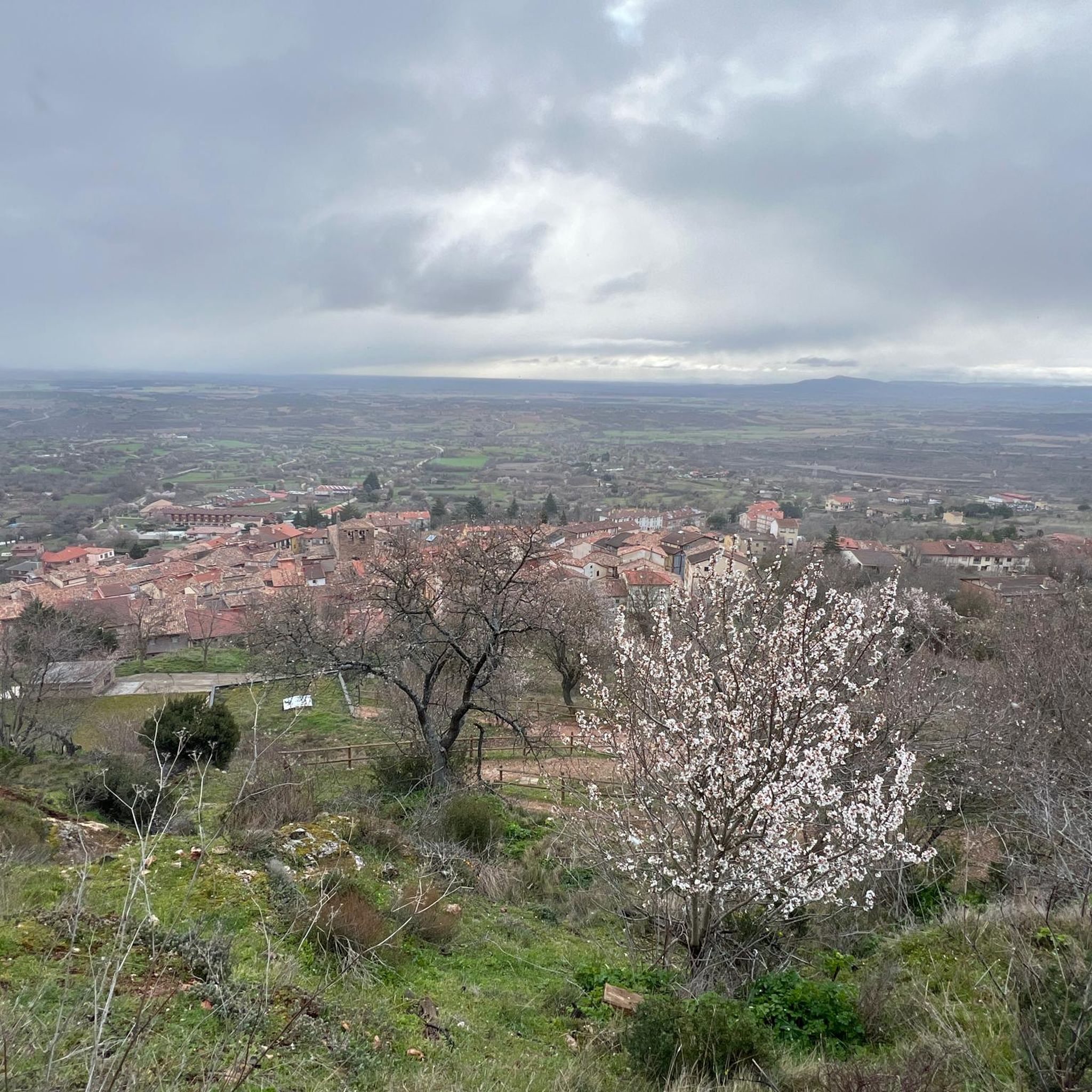
For breathtaking panoramic views, head to the Mirador del Alto de Rodilla. This viewpoint offers some of the best vistas of the surrounding natural environment, including the La Bureba region and the Obarenes Mountains. The Plaza Nueva also provides a scenic viewpoint over La Bureba.
Are there hiking trails around Poza de la Sal?
Yes, there are several hiking opportunities around Poza de la Sal. You can explore trails like the 'Las Salinas de Poza Trail' or the 'Town Hall Arch – Poza de la Sal Saltworks loop from Poza de la Sal'. For more options and detailed routes, you can check the Hiking around Poza De La Sal guide.
Can I go mountain biking or gravel biking near Poza de la Sal?
Absolutely! The area offers routes for both mountain biking and gravel biking. For MTB, consider trails such as the 'Altotero Pass – Poza de la Sal loop from Poza de la Sal'. For gravel biking, routes like the 'Oña Historic Town Center – Trespaderne loop from Oña' are available. Find more details in the MTB Trails around Poza De La Sal guide and the Gravel biking around Poza De La Sal guide.
Are there family-friendly attractions in Poza de la Sal?
Families can enjoy exploring the historic urban center with its medieval walls and traditional architecture. The self-guided route through the ancient salt pans can also be an engaging experience. Nearby, the Oña Historic Town Center and the MonasterioDeSanSalvador are also considered family-friendly attractions, offering historical and architectural interest.
What is the best time of year to visit Poza de la Sal?
Poza de la Sal is generally pleasant to visit from spring through autumn (April to October) when the weather is mild and ideal for exploring the outdoor attractions, historical sites, and engaging in hiking or biking activities. The unique geological features and panoramic views can be enjoyed throughout these seasons.
What do visitors enjoy the most about the attractions around Poza de la Sal?
Visitors particularly appreciate the rich historical and cultural heritage, including the medieval atmosphere of the Oña Historic Center with its stately houses. The impressive architecture of the MonasterioDeSanSalvador and the overall charm of the historic towns are frequently highlighted. The unique geological landscape of the salt diapir and the panoramic views are also major draws.
Are there any unique natural features to see besides the salt pans?
Beyond the famous salt pans and the salt diapir, the region offers stunning natural landscapes. The area around Poza de la Sal, often referred to as the 'Balcony of La Bureba,' provides scenic vistas of the La Bureba region itself, as well as the Obarenes Mountains and other mountain ranges, especially from viewpoints like the Mirador del Alto de Rodilla.
Can I visit an old railway station nearby?
Yes, the Oña Old Railway Station is a notable man-made monument that has been rebuilt and now serves as part of a greenway. It's an interesting spot for those who appreciate historical infrastructure and offers recreational areas and parking.
Most popular routes around Poza De La Sal
Most popular attractions around Poza De La Sal

Get inspired with the komoot mobile app


Explore more
Still not found the Highlight you’re looking for? See guides of the top attractions in other regions:
