Attractions and Places To See around Villar De La Yegua - Top 14
Best attractions and places to see around Villar De La Yegua, a village in the province of Salamanca, Spain, offer a blend of historical, cultural, and natural sites. Situated near the Portuguese border in the Campo de Argañán region, the area is characterized by its rich heritage and the surrounding landscape. Visitors can explore ancient architecture, significant historical sites, and the natural beauty of the Águeda River. The region also features the UNESCO World Heritage site of Siega Verde, known for its Paleolithic rock art.
Best attractions and places to see around Villar De La Yegua
- The most popular attractions is Castle of San Felices de los Gallegos, a castle that was part of a 13th-century fortress. It houses a Historical Interpretation Classroom and offers views of the surrounding area from its tower.
- Another must-see spot is Vilar Formoso, a settlement that forms a border population center with Fuentes de Oñoro. This location serves as a railway gateway to Portugal and is a commercial crossroads in the region.
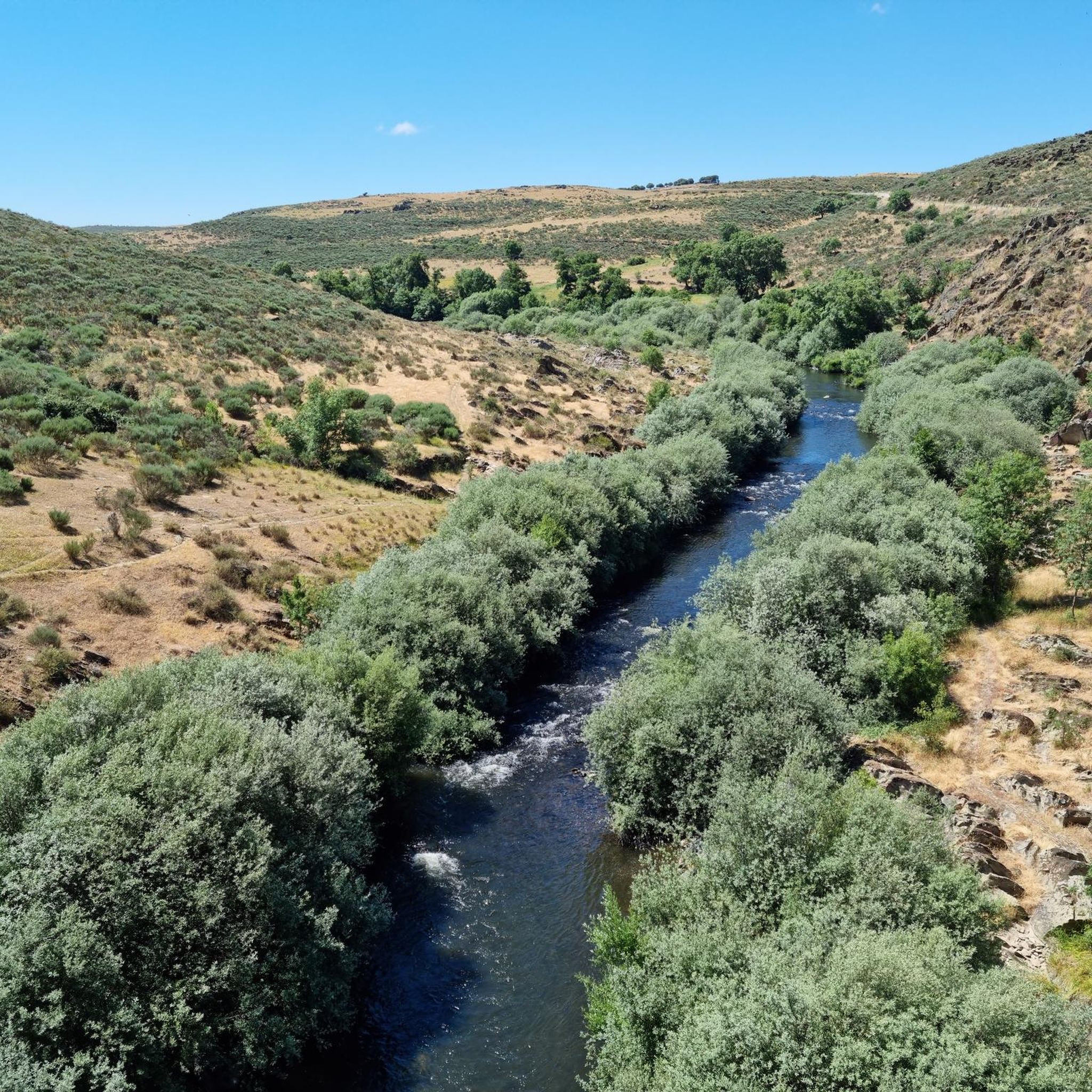
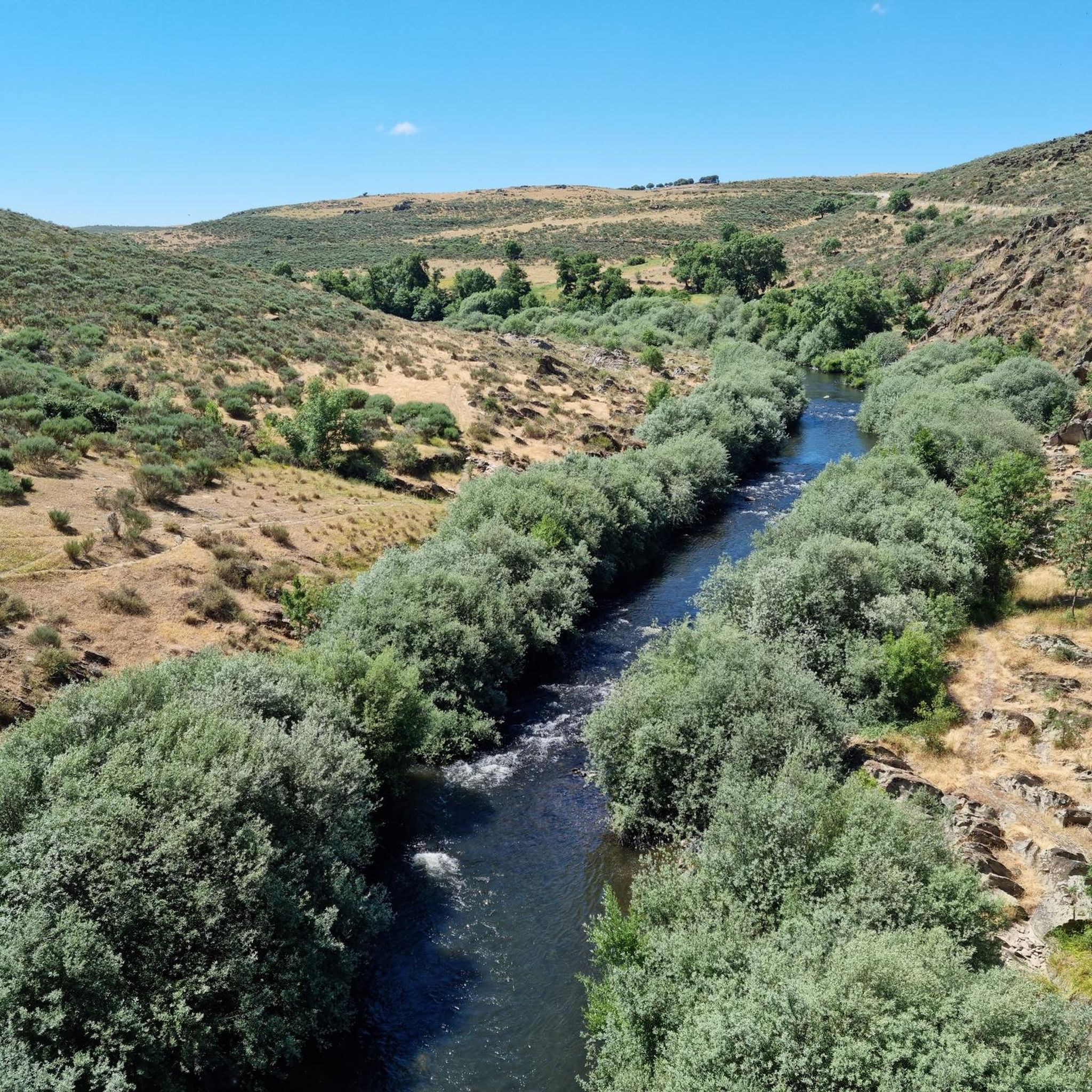
- Visitors also love Puente de los Franceses, a bridge located in a valley on the Águeda River. This site represents a historical, cultural, and landscape union between several municipalities.
- Villar De La Yegua is known for its historical sites, natural river landscapes, and traditional architecture. The area offers a variety of attractions, from ancient castles and border settlements to scenic bridges and archaeological sites.
- The attractions around Villar De La Yegua are appreciated by the komoot community, with 18 photos and 5 upvotes contributing to the guide.
Last updated: July 12, 2026
Castle of San Felices de los Gallegos
Highlight • Castle
It is advisable to visit the tower inside, it houses a Historical Interpretation Classroom and a permanent exhibition on the Border Fortifications. In addition, from the top floor you can enjoy beautiful views of the entire area, including neighboring Portuguese lands.
Translated by Google •
Tip by

Siega Verde Archaeological Site
Highlight • Historical Site
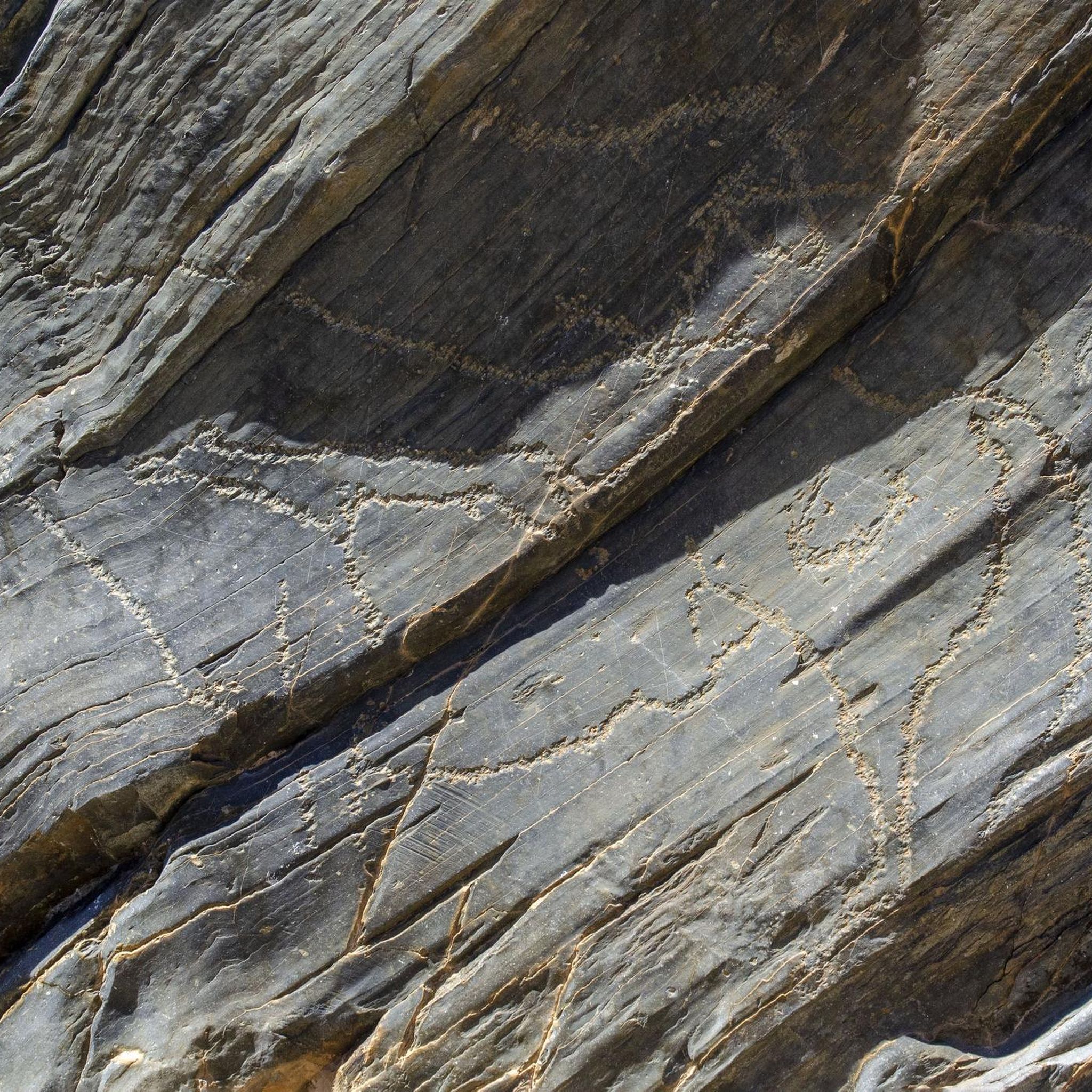
Horses, bears, goats and other species extinct on the peninsula such as the woolly rhinoceros, reindeer and bison are represented in the carvings. The site is fenced for its preservation, but an interpretation room has been built that details the life of the inhabitants of the area in the Palaeolithic.
Translated by Google •
Tip by

Sign up now to discover places like this
Get recommendations on the best single tracks, peaks, & plenty of other exciting outdoor places.
Sign up for free
Vilar Formoso
Highlight • Settlement
Vilar de Formoso has traditionally been a border post. Today it is the railway gateway to the Portuguese country from Europe on the surexpress train that connects Lisbon with France. It is also a prosperous commercial crossroads in the region.
Translated by Google •
Tip by
Fort of the Concepción and Redoubt of San José
Highlight • Castle
Translated by Google •
Tip by

Real Fuerte de la Concepción
Highlight • Historical Site
The fort had two phases. The first, in the 17th century, when after the uprising in Lisbon that deposed Philip of Habsburg, it was built to serve as a base for an army that would recover Portugal. The Second, in the 18th century, when it was rebuilt to oppose the Portuguese stronghold of Almeida. During the war of independence, it was partially blown up and, for much of the 19th century, the surrounding inhabitants took advantage of it as a quarry until its sale to the private sector gave rise to the current construction.
Translated by Google •
Tip by
Sign up for free to discover even more attractions around Villar De La Yegua.
Sign up for free
Already have an account?
Start today with a free account
Your next adventure awaits.
Login or Signup
Popular around Villar De La Yegua
Tips from the Community

Armed conflicts between borders have been the daily bread in these areas between the two countries. It was built in the 17th century and currently has more than three centuries of history, where its walls are still standing. Currently, it is rehabilitated and is a hotel.
0
2
In the lands of the west of Salamanca this fortress stands, a clear example of the ups and downs and border disputes. According to the chronicles, it was built in the 13th century by the Portuguese king Don Dinis. With the character of a fortress palace, it is located at one end of the urban area.
0
0
Near this bridge is the Siega Verde Site, which is considered the most important outdoor Paleolithic art complex in Castilla y León and the most outstanding in the Iberian Peninsula.
0
0

Declared a World Heritage Site by UNESCO, the open-air zoomorphic site of Siega Verde is the most important of its kind in the entire Iberian Peninsula. The stone carvings that can be seen represent animals including horses, bears and goats, which makes it curious that some have existed in these lands when they are now extinct. The site itself is not open to the public so that they can be preserved, but very close is the Interpretation Classroom.
0
0
The castle tower that still stands was part of the fortress built in the 13th century by the Portuguese king Don Dinis to protect the lands in the area. It is advisable to visit the tower inside, it houses a Historical Interpretation Classroom and a permanent exhibition on the Border Fortifications. In addition, from the top floor you can enjoy beautiful views of the entire area, including neighboring Portuguese lands.
1
0

The refurbishment and reconversion project of this 17th-century fortress won, in 2014, the prize for the best restoration of a military building in Spain. What are now luxury rooms on the Spanish-Portuguese border could house 1,500 infantrymen and 200 horses at his creation. The fort had two phases. The first, in the 17th century, when after the uprising in Lisbon that deposed Philip of Habsburg, it was built to serve as a base for an army that would recover Portugal. The Second, in the 18th century, when it was rebuilt to oppose the Portuguese stronghold of Almeida. During the war of independence, it was partially blown up and, for much of the 19th century, the surrounding inhabitants took advantage of it as a quarry until its sale to the private sector gave rise to the current construction.
1
0
Together with Fuentes de Oñoro they form a border population center known as La Raya. This denomination is the colloquial way of calling the more than 1,200 kilometers of border between the two Iberian countries, but it is used especially in places where the political border is a mere anecdote and both sides share a cultural and historical unity. Vilar de Formoso has traditionally been a border post. Today it is the railway gateway to the Portuguese country from Europe on the surexpress train that connects Lisbon with France. It is also a prosperous commercial crossroads in the region.
0
0
The zoomorphic carvings of Siega Verde occupy more than a kilometer of stones on the banks of the Águeda and are the most important open-air site on the Iberian Peninsula. They are part of the Vale de Coa complex, in Portugal, which was declared a World Heritage Site by UNESCO. Horses, bears, goats and other species extinct on the peninsula such as the woolly rhinoceros, reindeer and bison are represented in the carvings. The site is fenced for its preservation, but an interpretation room has been built that details the life of the inhabitants of the area in the Palaeolithic.
0
0
Frequently Asked Questions
What historical sites can I explore around Villar De La Yegua?
The region is rich in history. You can visit the impressive Castle of San Felices de los Gallegos, a 13th-century fortress offering historical insights and panoramic views. Another significant site is the Real Fuerte de la Concepción, a 17th-century military fort that played a role in border disputes. Don't miss the Puente de los Franceses, a historic bridge over the Águeda River.
Are there any UNESCO World Heritage sites nearby?
Yes, the Siega Verde Archaeological Site is a UNESCO World Heritage site located on the banks of the Águeda River. It features remarkable Paleolithic rock art, with carvings of horses, bulls, and other animals dating back 20,000 years. An interpretation center provides context to this ancient art.
What natural features can I enjoy around Villar De La Yegua?
The area is characterized by the picturesque 'arribes' (steep riverbanks) of the Águeda River, offering beautiful natural scenery. You can also explore areas like 'El Monte' and 'La Casa de la Viña', which are natural and historical parts of the municipality, reflecting the region's agricultural past with former vineyards and olive groves.
What outdoor activities are available near these attractions?
You can find numerous routes for various outdoor activities. For road cycling, explore options like the 'La Alameda de Gardón – Gallegos de Argañán loop'. Mountain biking enthusiasts can try the 'Siega Verde Archaeological Site loop'. There are also general cycling routes, such as the 'Villar de Ciervo loop'. You can find more details on these and other routes in the Road Cycling Routes, MTB Trails, and Cycling around Villar De La Yegua guides.
Are there any family-friendly attractions or activities?
The charming settlement of Gallegos de Argañán is considered family-friendly, offering a glimpse into a classic Salamancan town with traditional architecture. Exploring the Siega Verde Archaeological Site can also be an educational and engaging experience for families, combining history with an outdoor setting.
What is the significance of Vilar Formoso?
Vilar Formoso is a significant border population center with Fuentes de Oñoro, known as La Raya. It serves as a crucial railway gateway to Portugal from Europe and is a bustling commercial crossroads in the region, reflecting the shared cultural and historical unity across the border.
What kind of traditional architecture can I see in the village?
Villar de la Yegua showcases traditional architecture, featuring ancient, large granite doorways and various granite elements like troughs and millstones. You can also find a preserved Via Crucis (Stations of the Cross) made of granite stonework, reflecting the local historical construction practices and the village's deep-rooted culture.
What is the best time of year to visit Villar De La Yegua for outdoor activities?
For outdoor activities like hiking and cycling, spring and autumn are often recommended. During these seasons, the surrounding area, especially around the Águeda River and the Puente de los Franceses, is beautifully green, and the weather is generally more moderate than the summer heat.
Can I find viewpoints with scenic vistas in the area?
Yes, the tower of the Castle of San Felices de los Gallegos offers beautiful views of the entire surrounding area, including neighboring Portuguese lands. Additionally, the Puente de los Franceses is situated in a valley on the Águeda River, providing scenic views, particularly during spring and autumn.
What are some lesser-known historical aspects of the region?
Beyond the prominent sites, the area around Villar de la Yegua has signs of Romanization, including various vestiges and a notable stele. Its strategic location near the Portuguese border also means it has a rich frontier history, influenced by events like the War of Secession in the 17th century, which shaped its cultural depth.
Are there any specific hiking trails recommended near Villar De La Yegua?
While specific hiking trails are not detailed in the provided routes, many of the cycling and MTB routes, such as those around the Siega Verde Archaeological Site or along the Águeda River, can be adapted for walking. The path to the Puente de los Franceses is also a notable walk, though it can be steep with scree.
What do visitors enjoy most about the attractions around Villar De La Yegua?
Visitors particularly appreciate the historical significance and the panoramic views from sites like the Castle of San Felices de los Gallegos. The natural beauty of the Águeda River valley, especially around the Puente de los Franceses, is also highly valued, especially during spring and autumn when the landscape is vibrant.
Most popular routes around Villar De La Yegua

Get inspired with the komoot mobile app


Explore more
Still not found the Highlight you’re looking for? See guides of the top attractions in other regions:
