Attractions and Places To See around Almiserà - Top 20
Best attractions and places to see around Almiserà include historical landmarks, natural landscapes, and greenways. Almiserà is a municipality situated in the southern foothills of the Buixcarró mountain range in Spain's Valencian Community. The area is characterized by its mountainous terrain, numerous natural springs, and a distinctive village layout. Visitors can explore a variety of sites reflecting the region's history, culture, and natural environment.
Best attractions and places to see around Almiserà
- The most popular attractions is Racó del Duc…
Last updated: July 6, 2026
Greenway of Safor
Highlight • Cycleway
Translated by Google •
Tip by

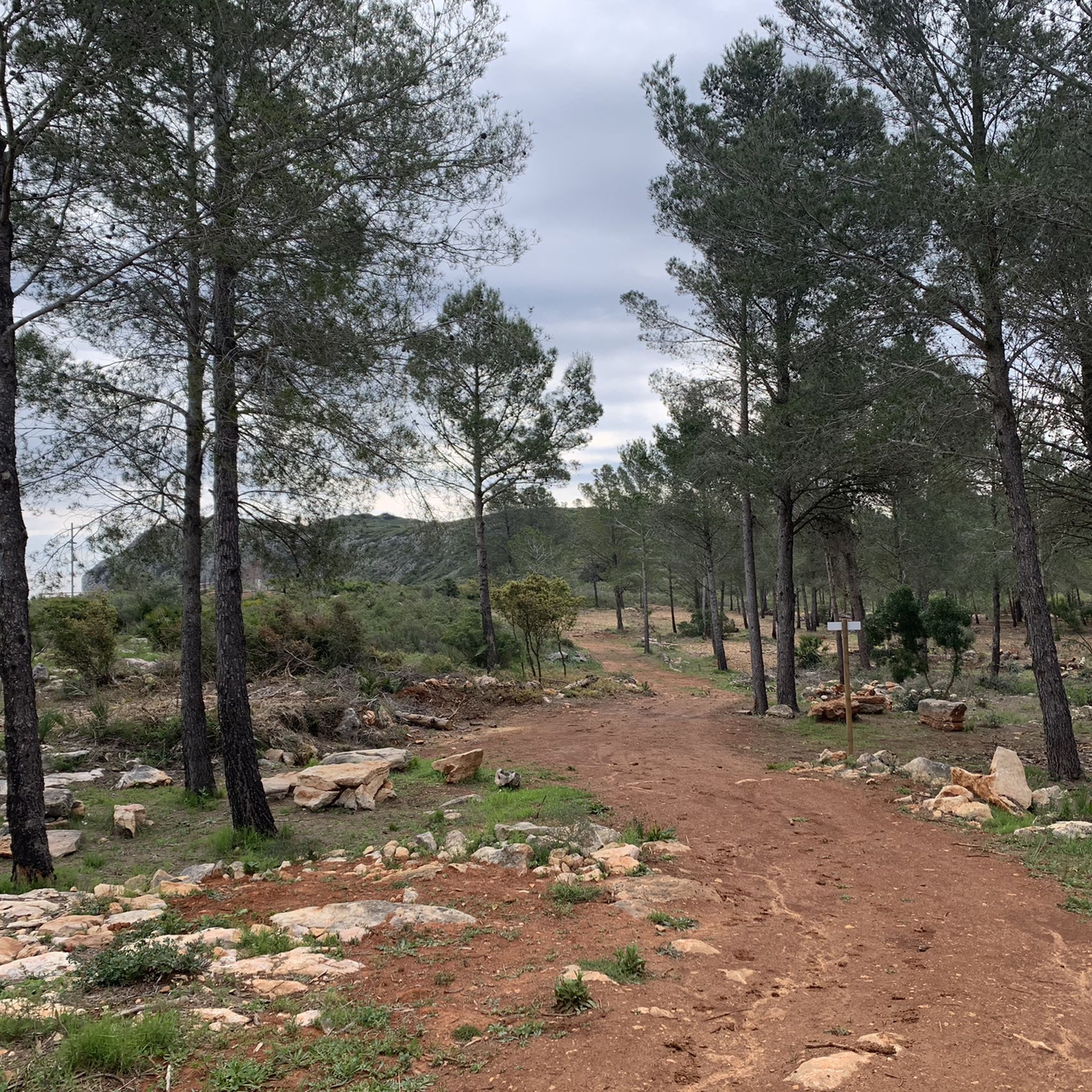
Racó del Duc Route (Serpis Greenway)
Highlight • Trail
Translated by Google •
Tip by

Sign up now to discover places like this
Get recommendations on the best single tracks, peaks, & plenty of other exciting outdoor places.
Sign up for free
Serpis River
Highlight • River
Translated by Google •
Tip by

Forna Village
Highlight • Settlement
Translated by Google •
Tip by

Mondúver summit
Highlight • Summit
Translated by Google •
Tip by

Sign up for free to discover even more attractions around Almiserà.
Sign up for free
Already have an account?
Start today with a free account
Your next adventure awaits.
Login or Signup
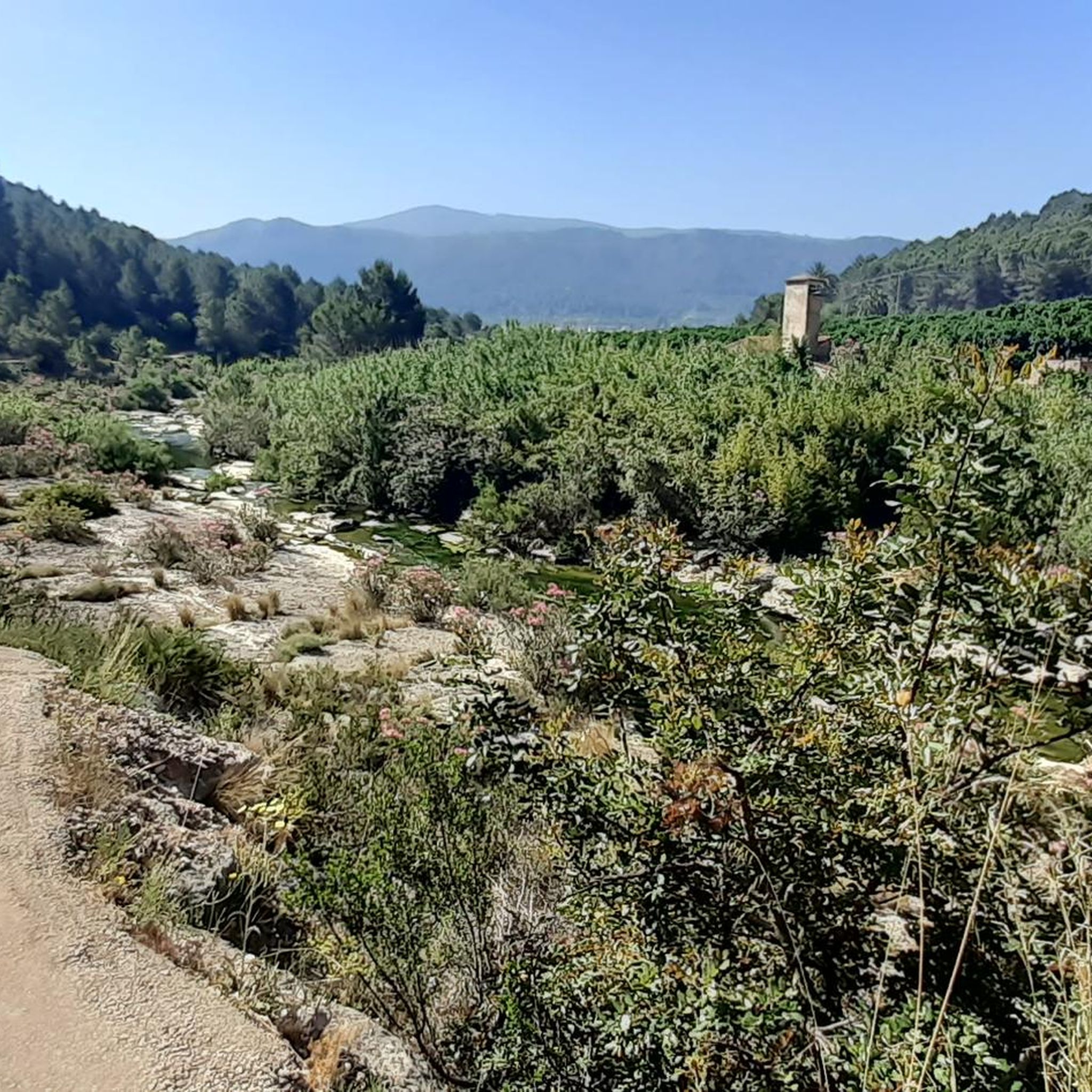
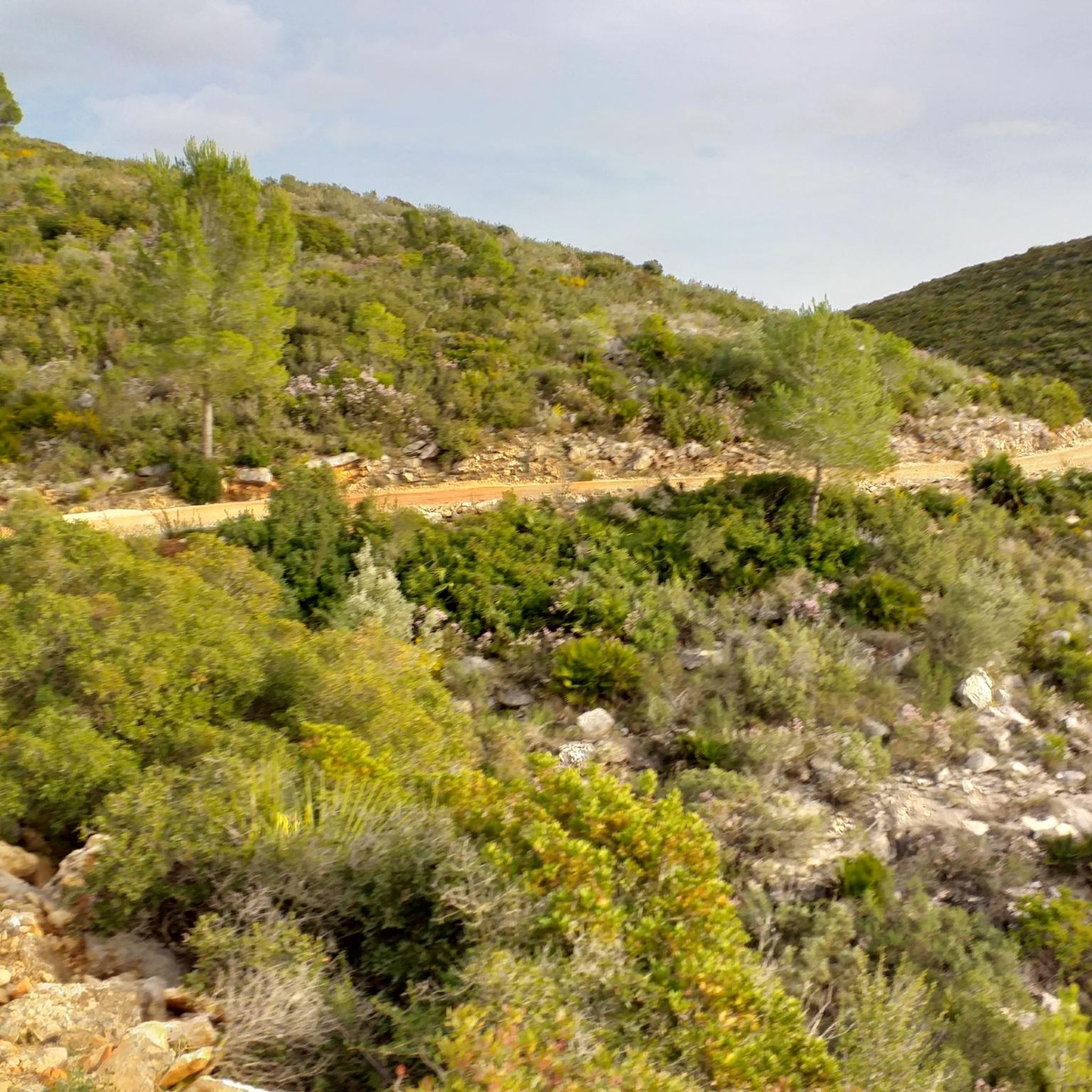

Other adventures around Almiserà

Tips from the Community

The only crossing over the river. Suitable spot for a picnic. It's not far to Villalonga from here.
2
0
There are several tunnels on the route. 2 to 3 longer ones: you absolutely need light. Otherwise, it's pitch dark.
2
0

A beautiful hike through the Hell's Gorge. The actual route along the railway line, and probably the most interesting section between L'Orcha and Mare de Deu (Barranco del Infierno = Hell's Gorge), is unpaved and unpaved, in some parts very gravelly and rough. Five metal bridges are missing, two stone bridges remain, and six tunnels are traversed, all without lighting.
1
0

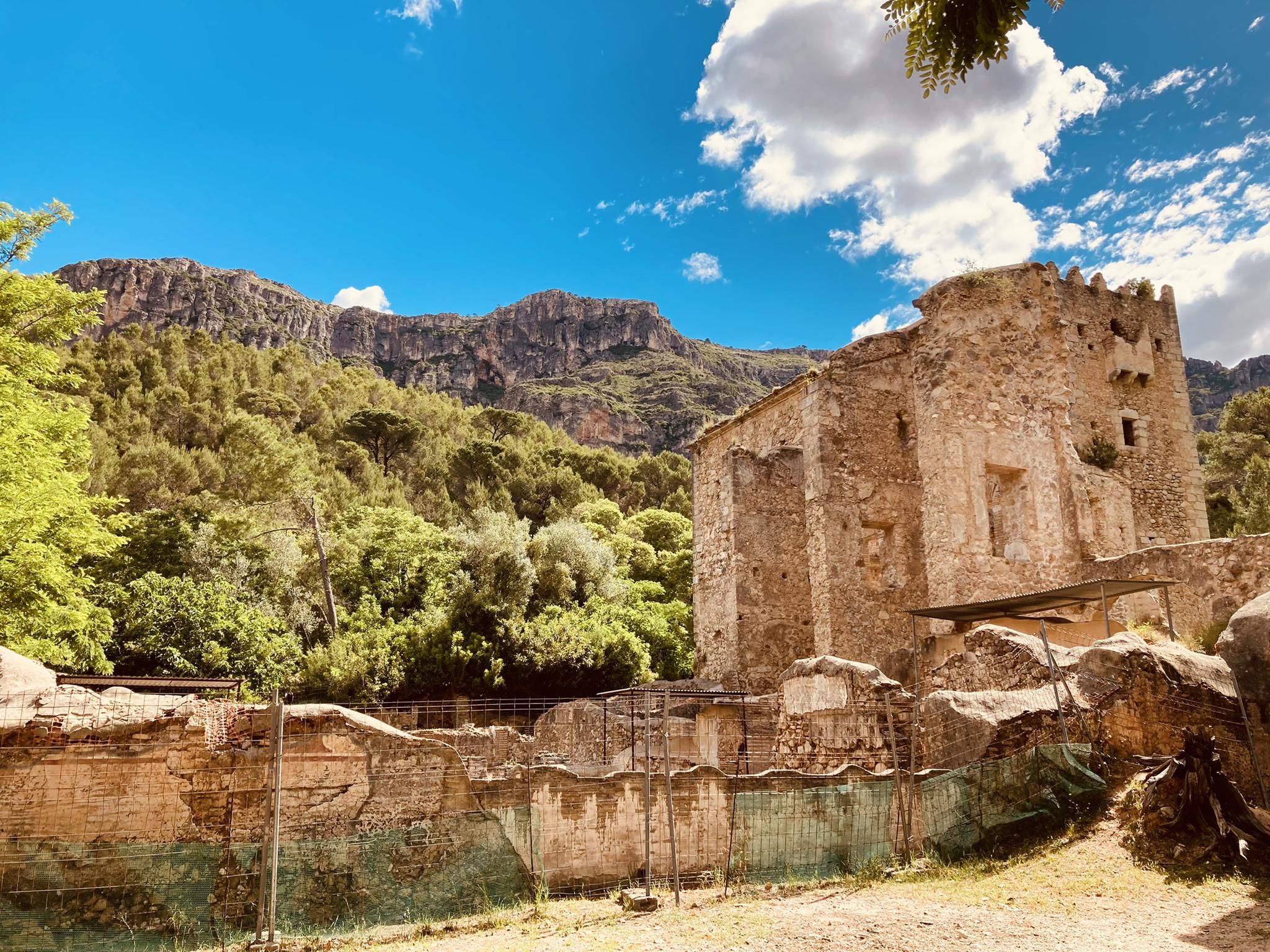
Forna is a small, very quiet village in the municipality of L’Atzúbia, in the hinterland of the Costa Blanca. It lies nestled in a hilly, Mediterranean landscape characterized by orange groves and unspoiled valleys. With fewer than one hundred inhabitants, the village has an almost familial atmosphere and has retained its traditional, rural character: narrow streets, whitewashed houses, and flowers adorning doorways. Above the village rises the impressive Castillo de Forna, a fortified palace dating from the late Middle Ages. Its towers and walls define the village's appearance and are a reminder of the region's Moorish past. Later, the castle served as a lord's residence and remains a central landmark of Forna. The village's history stretches far back, as the area was already settled during the Islamic period. Even after the resettlement of new inhabitants in the 17th century, Forna remained a small, agricultural village that has preserved its historical structure. Visitors to Forna will experience a tranquil and charming place. The tranquility, the surrounding nature and the immediate proximity to the mountains make it an ideal destination for anyone seeking an authentic atmosphere and historical architecture away from mass tourism.
1
0

On Grabel, it's advisable to keep your tire pressures correct. I recommend over-inflating rather than underinflating. There are some cobblestone areas.
1
0

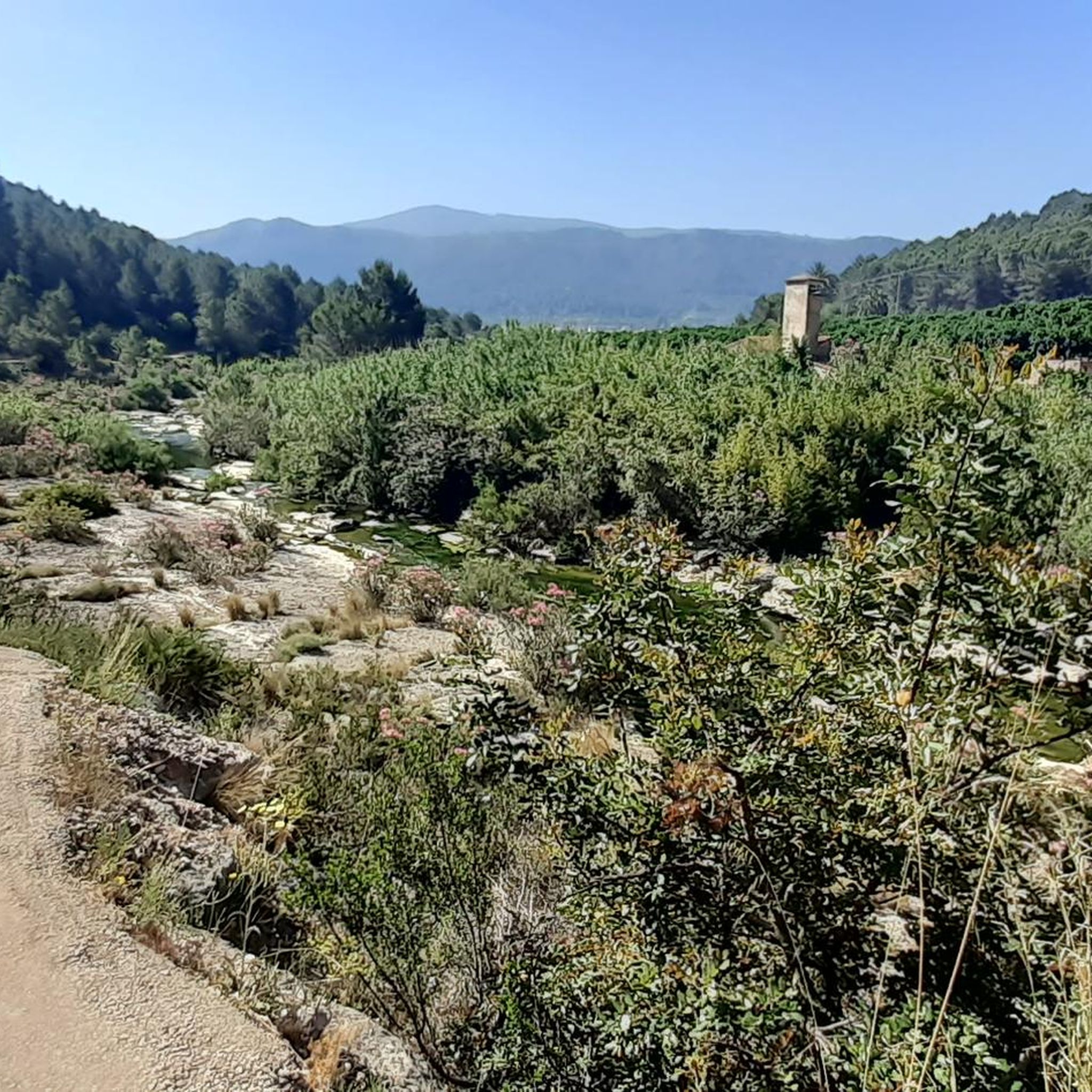
Beautiful views of the mountain ranges and right through the citrus groves and a flat ride with a few tunnels.
16
0

Be sure to take a break here :-) there are benches with tables, the refreshing clear water and the wonderful view of the mountains
1
0

significant advantage of this route is that you can choose the difficulty of the conditions of ascent or descent. An asphalt road leads directly to the top.
2
0
Frequently Asked Questions
What are the best natural attractions to explore around Almiserà?
Almiserà is surrounded by natural beauty. You can explore the Racó del Duc Route (Serpis Greenway), which follows the Serpis river through its canyon, offering scenic views. The Serpis River itself provides spots to enjoy the water, including a pebble beach near the old Infern Factory. The region also features mountainous landscapes like "Les Serretes" and "Els Barrancs," along with numerous natural springs.
Are there any historical sites or cultural landmarks in Almiserà?
Yes, Almiserà has a rich history. You can visit the historical remnants of Vilella Castle and the Parish Church of the Nativity of Our Lady. The village also features a traditional municipal washhouse and a watermill that was operational until the late 1950s. Nearby, the 14th-century Monastery of Sant Jeroni de Cotalba is part of the Valencian "Ruta de Los Monasterios" tour.
What cycling routes are available near Almiserà?
For cyclists, the Greenway of Safor is a paved route connecting Gandía with Oliva, ideal for a relaxed ride through picturesque landscapes and orange groves. The Racó del Duc Route (Serpis Greenway) is suitable for mountain biking or bikes with wide wheels, following the Serpis riverbed. You can find more road cycling routes in the Road Cycling Routes around Almiserà guide.
Are there family-friendly attractions or activities in the area?
Absolutely. The Greenway of Safor is a flat, paved route perfect for family walks or bike rides, featuring rest areas and informational boards. The Serpis River offers a pebble beach for cooling off and picnic spots. The Old Lorcha Railway Station, now part of the Serpis Greenway, is also a family-friendly historical point of interest.
What kind of hiking trails can I find near Almiserà?
The mountainous terrain around Almiserà, including areas like "Les Serretes" and "Els Barrancs," provides excellent opportunities for hiking and ecotourism. The Racó del Duc Route (Serpis Greenway), though primarily for bikes, can also be walked. For more detailed options, explore the Running Trails around Almiserà guide, which includes routes like the 'Riverside Promenade of Alfauir – Llavador of Almisserà loop'.
What is the best time to visit Almiserà for outdoor activities?
The region's natural features, such as the Serpis River, offer opportunities to enjoy the water, especially on summer days. However, for hiking and cycling, spring and autumn generally provide more comfortable temperatures. In spring, the orange groves along routes like the Greenway of Safor are in bloom, offering wonderful scents.
What are some unique features of Almiserà village itself?
Almiserà village is notable for its highly unusual street layout, which adds to its distinctive character. It also features two interesting squares, L'Església and Monrubio, which serve as focal points within the village.
Can I find places to eat traditional local food in Almiserà?
Almiserà's local cuisine offers a variety of traditional dishes. You can expect to find rice dishes such as "al forn" (baked rice), paella, and "arròs en costra." The area is also known for traditional sweets baked in a wood oven, including "coques escaldaes," "coques cristines," "carquinyols," and "pastissos de glòria."
What do visitors enjoy most about the attractions around Almiserà?
Visitors particularly appreciate the scenic beauty and historical charm. For instance, the Greenway of Safor is loved for its relaxed, safe route through picturesque landscapes and citrus groves, combining nature with railway history. The Serpis River is valued for its impressive views and opportunities to cool off in the water. The Forna Village is praised for its beautiful, almost pedestrianized streets and mountain setting.
Are there any hidden gems or less-known spots worth visiting?
While not a hidden gem in the traditional sense, the Forna Village, with its small, beautiful streets and location on a mountain slope, offers a charming experience slightly off the main routes. Its Arab castle adds to its historical appeal. The traditional municipal washhouse and watermill in Almiserà also offer a glimpse into local history that might be overlooked by some.
What are the main festivities celebrated in Almiserà?
Almiserà hosts several festivities throughout the year. Major festivities, traditionally lasting four days, occur during the last week of August, dedicated to various patron saints and community groups. Other celebrations include those in honor of Saint Ursula on October 21st and Saint Anthony on January 17th.
Where can I find gravel biking routes near Almiserà?
Gravel biking enthusiasts can find several routes around Almiserà. For example, there's the 'Serpis River – Azud del Infierno or del Forn loop from L'Udol Reprimala' or the 'Old Lorcha Railway Station – Azud del Infierno or del Forn loop from Rugat'. More options are available in the Gravel biking around Almiserà guide.
Most popular routes around Almiserà
Most popular attractions around Almiserà

Get inspired with the komoot mobile app


Explore more
Still not found the Highlight you’re looking for? See guides of the top attractions in other regions:
