Attractions and Places To See around Jumilla - Top 20
Best attractions and places to see around Jumilla, a town in southeastern Spain, offers a rich tapestry of history, culture, and natural beauty. It is particularly renowned for its award-winning Monastrell wines and diverse landscapes. Visitors can explore ancient landmarks, significant cultural sites, and engaging natural features. The region provides varied opportunities for outdoor activities amidst its sun-drenched highlands.
Best attractions and places to see around Jumilla
- The most popular attractions is El Carche Summit and Mountain Refuge, a summit that offers panoramic views of the Altiplano de Murcia. From its top at 1370 meters, visitors can see the surrounding valleys, and a mountain refuge is available for overnight stays.
- Another must-see spot is Horadada Cave of Monte Arabí, a cave recognized as a natural monument. This large open cavity in the rock, approximately 32 meters deep and 35 meters high, features a hole in its upper part and is an example of wind erosion.
- Visitors also love El Pinós Town Center, a settlement known for its white limestone lands covered with vineyards. This municipality, located in the west of Alicante, is characterized by its agricultural economy and the extraction of cream-ivory marble.
- Jumilla is known for its historical sites, natural parks, and wineries. The region offers a variety of attractions to see and explore, from ancient monuments to diverse natural landscapes.
- The attractions around Jumilla are appreciated by the komoot community, with 16 upvotes and 15 photos shared by visitors.
Last updated: July 7, 2026
Horadada Cave of Monte Arabí
Highlight • Cave
The space is included in the delimitation of the environment for the protection of Cantos de Visera I and II, Abrigos del Mediodía I and II and petroglyphs, on Monte Arabí.
Translated by Google •
Tip by

El Pinós Town Center
Highlight • Settlement
Translated by Google •
Tip by
Sign up now to discover places like this
Get recommendations on the best single tracks, peaks, & plenty of other exciting outdoor places.
Sign up for free
El Carche Summit and Mountain Refuge
Highlight • Summit
At the top is the mountain refuge to spend the night and enjoy wonderful sunsets and sunrises!
Translated by Google •
Tip by

Ermita de Santa Ana
Highlight • Religious Site
The first place of worship in this area dates back to around 1450, next to an ancient spring.
The current monastery was built in the 16th century by Discalced Franciscan friars and consecrated in 1573.
Translated by Google •
Tip by
Monasterio de Santa Ana
Highlight • Religious Site
Translated by Google •
Tip by

Sign up for free to discover even more attractions around Jumilla.
Sign up for free
Already have an account?
Start today with a free account
Your next adventure awaits.
Login or Signup
Popular around Jumilla
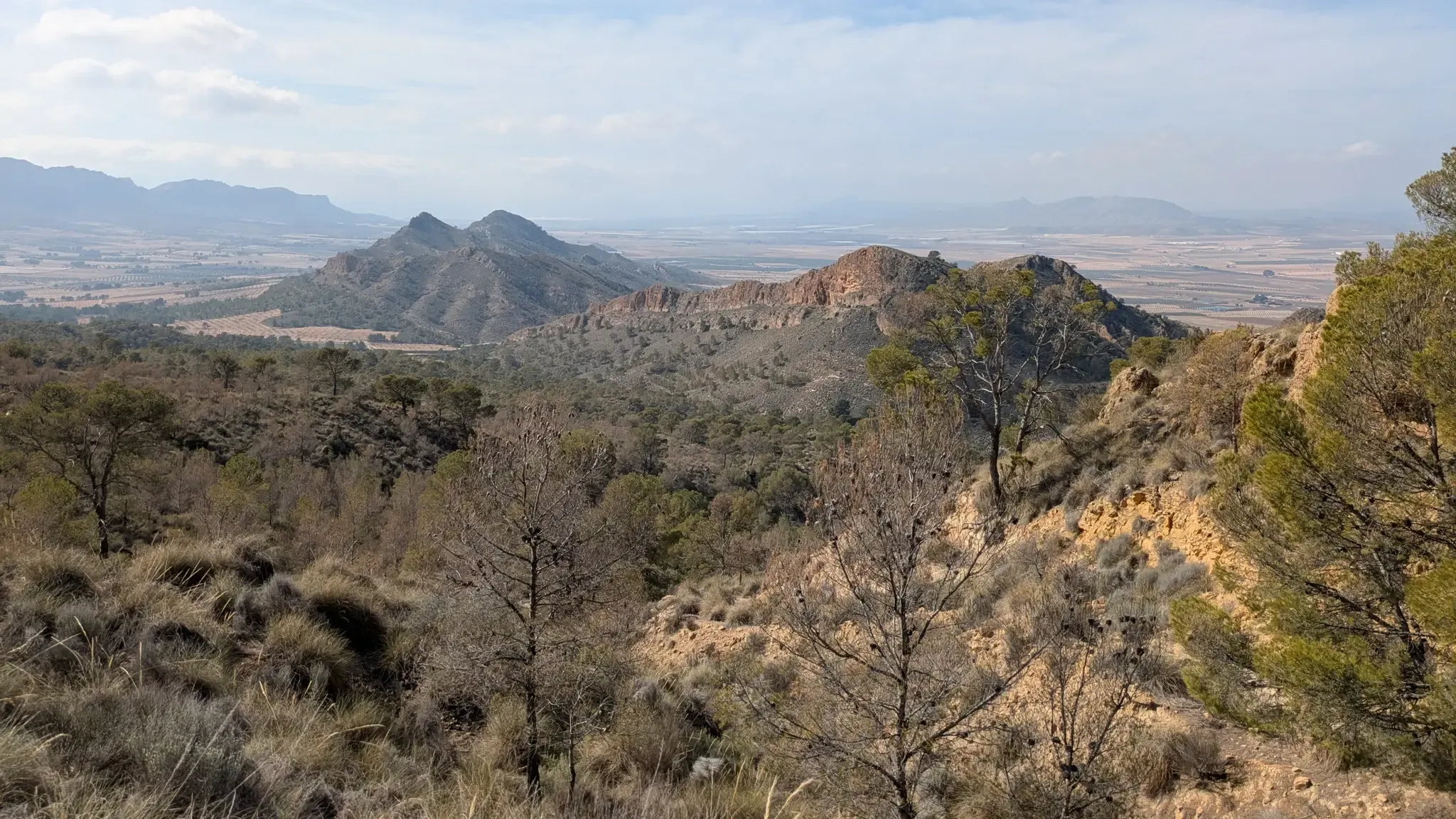
Path of the Cross of the Altiplano – GR 251
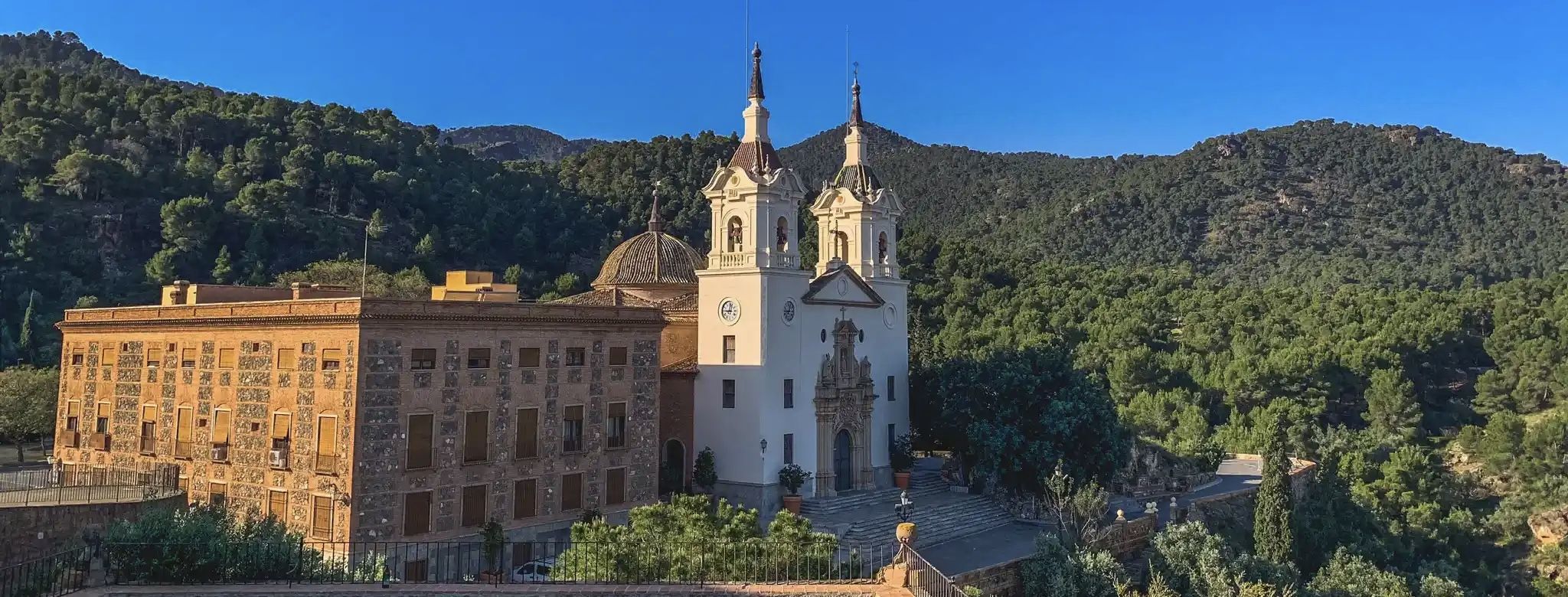
A ride through the "Huerta de Europa" – Transmurciana on MTB
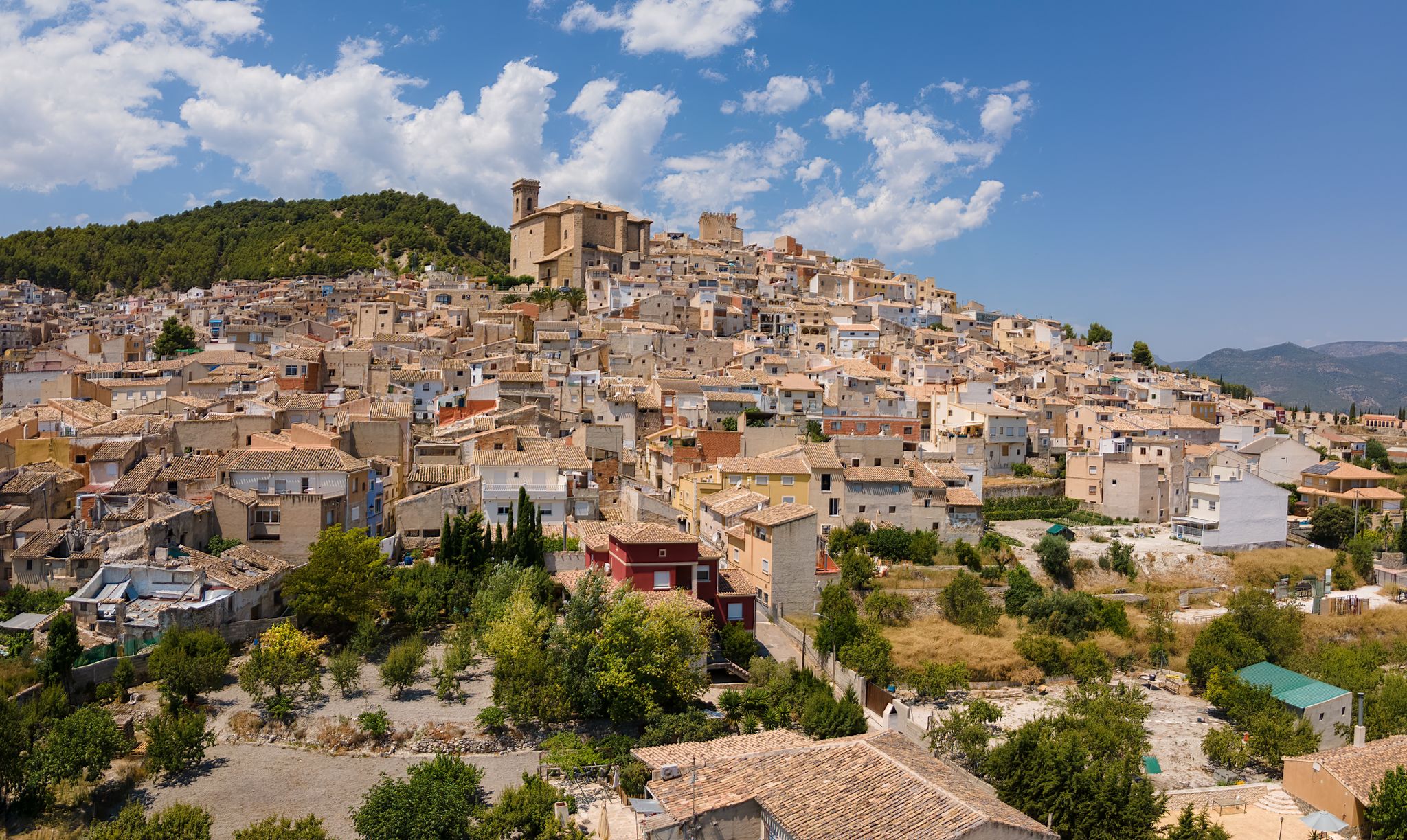
Castles, plains and charming villages – Murcia on foot (GR 7)
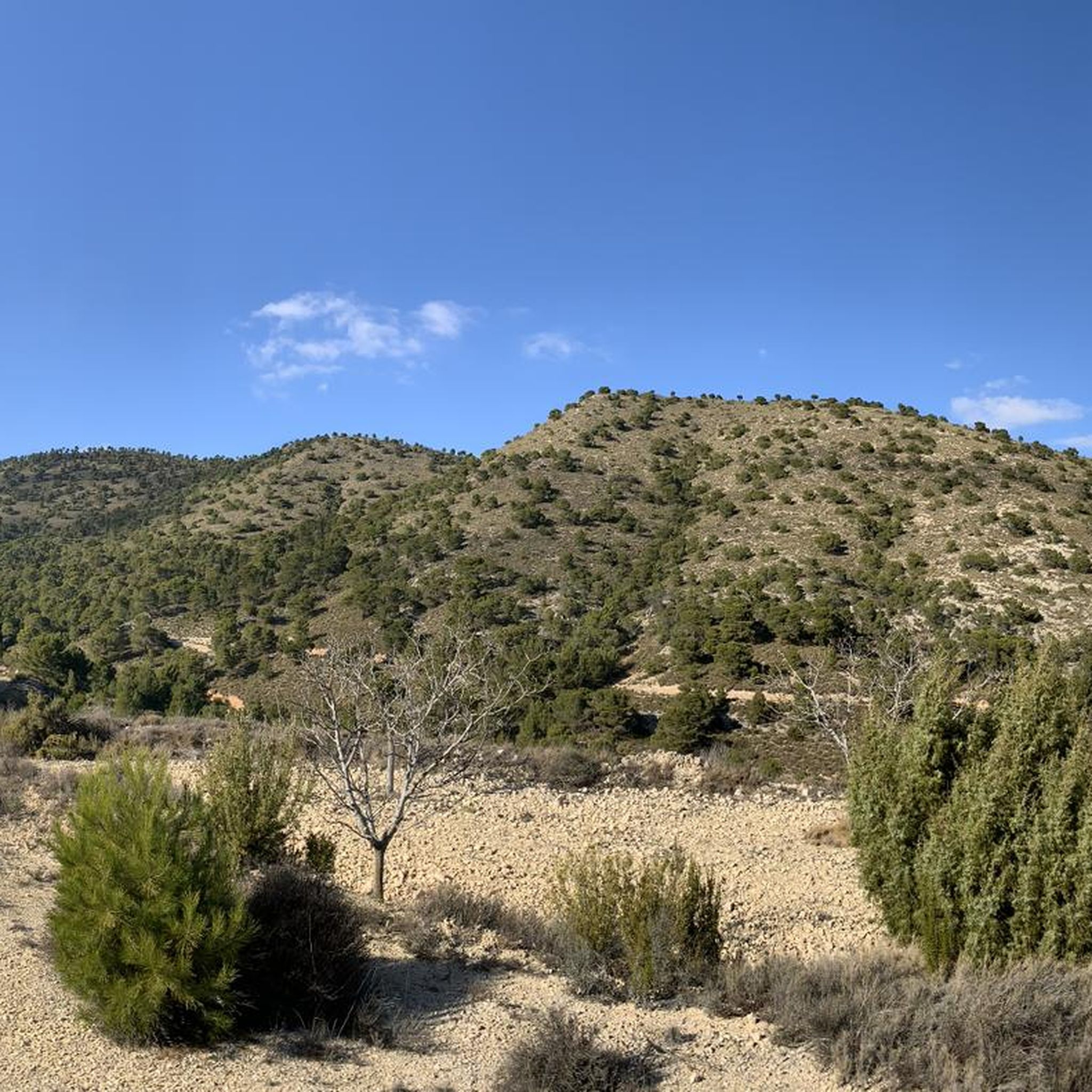
Road Cycling Routes around Jumilla
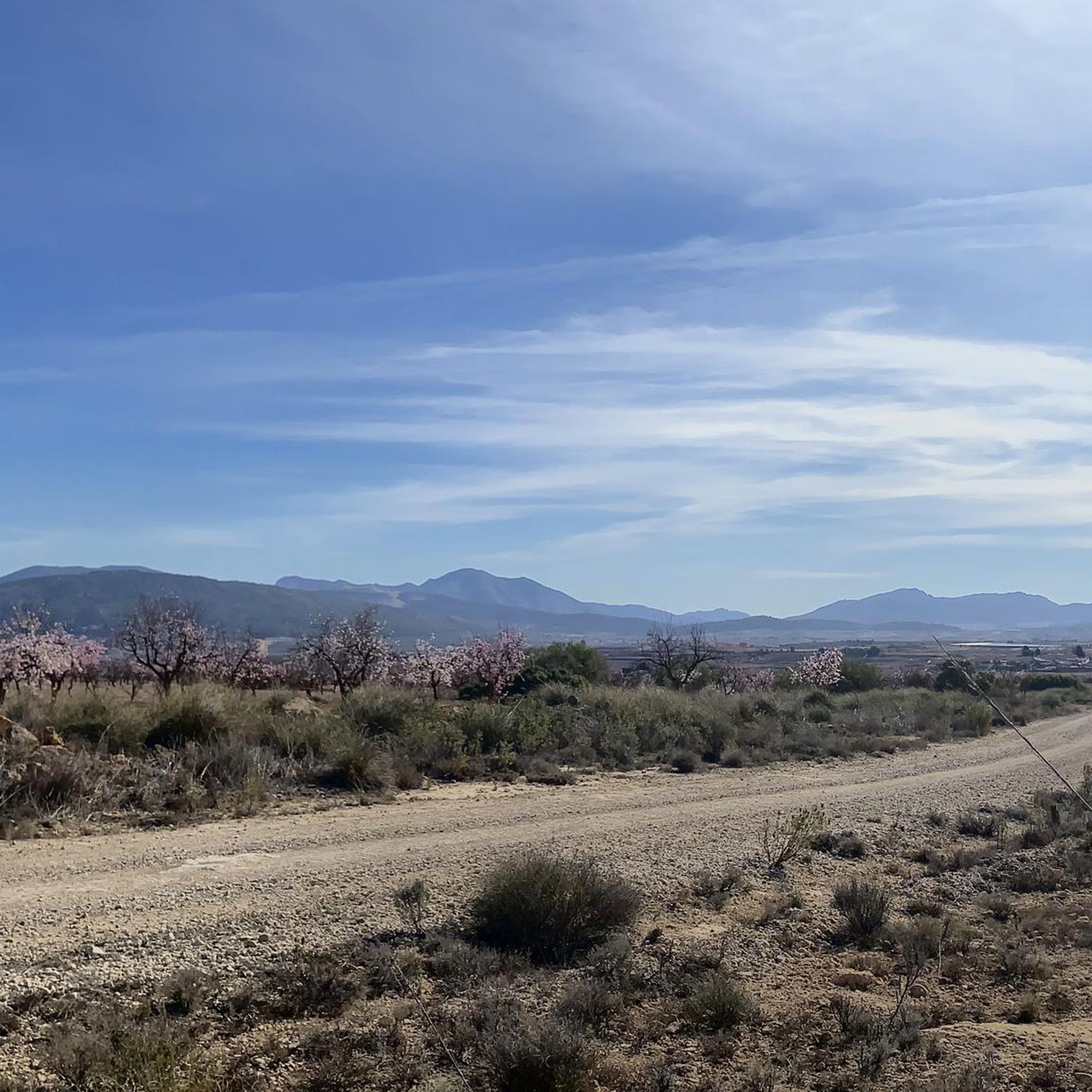
MTB Trails around Jumilla
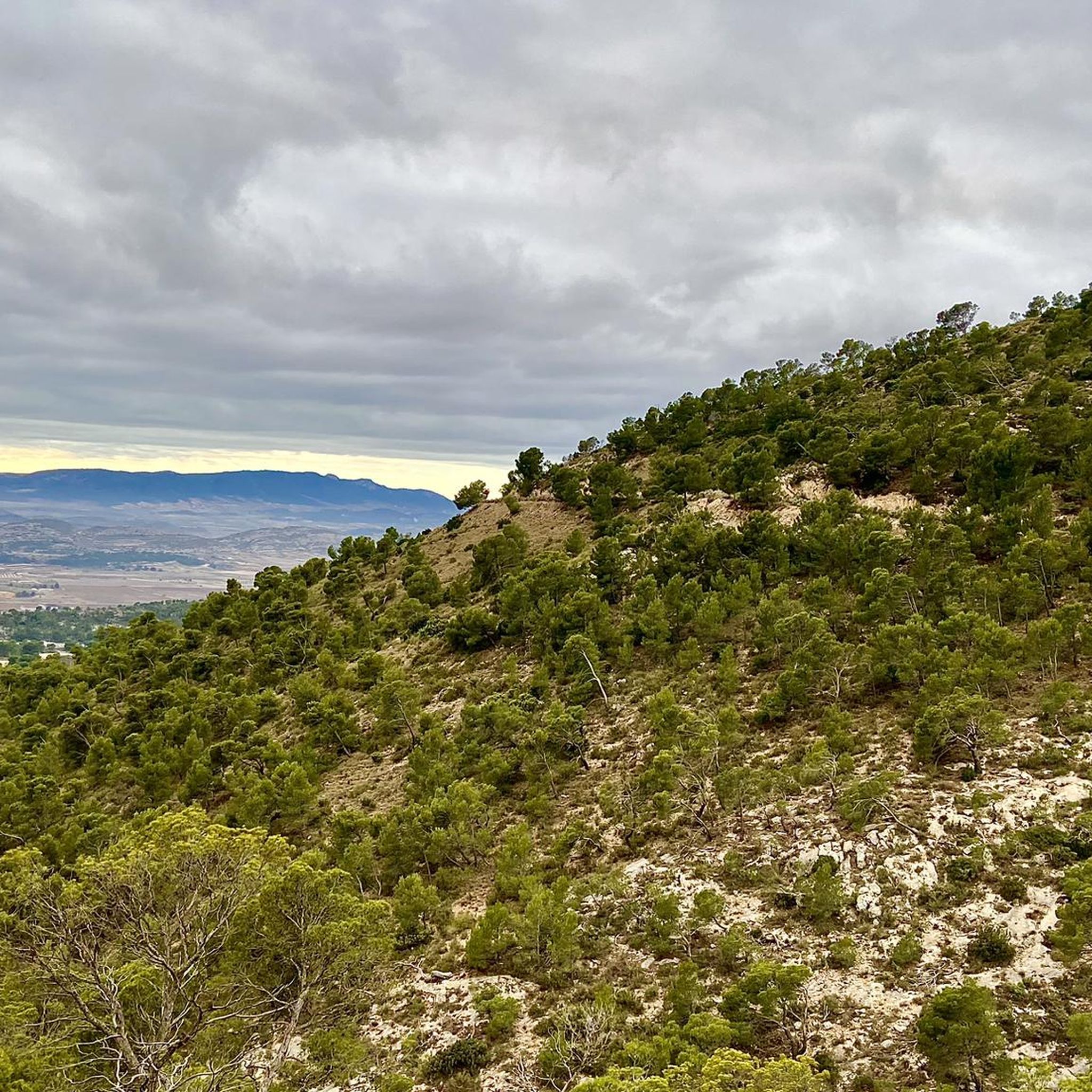
Cycling around Jumilla
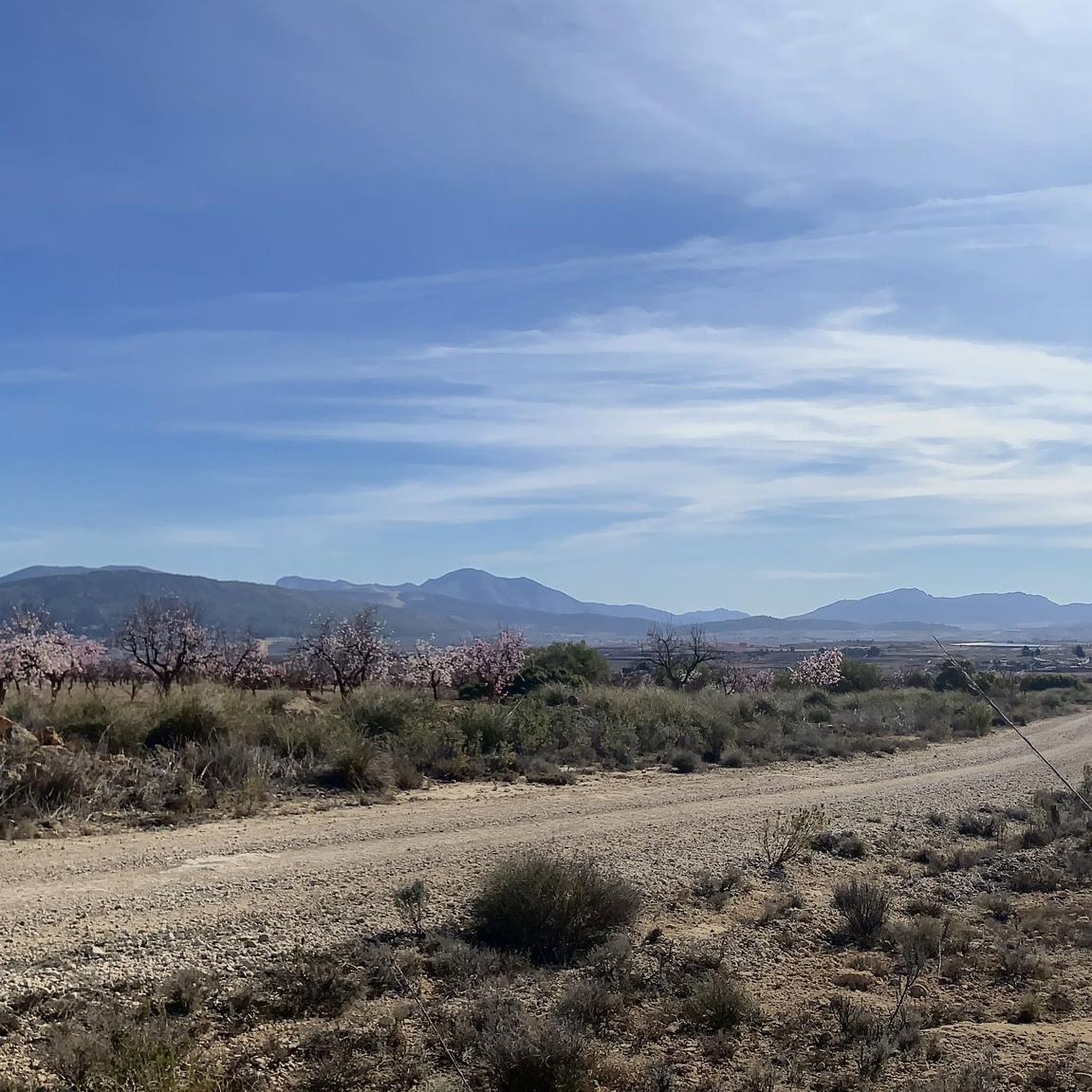
Hiking around Jumilla
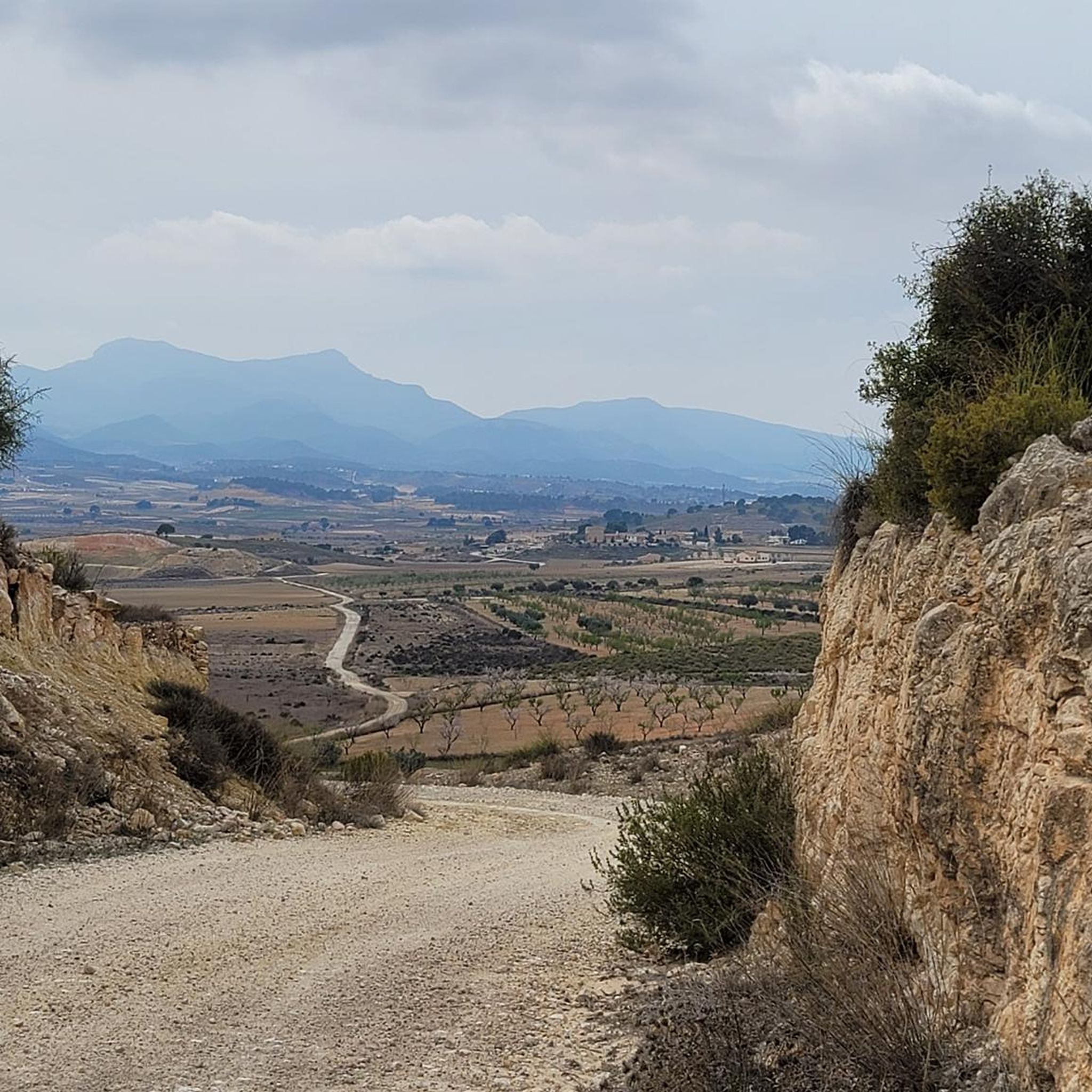
Running Trails around Jumilla

Gravel biking around Jumilla
Other adventures around Jumilla


Tips from the Community

It is located south of the city of Jumilla, in the heart of the Sierra de Santa Ana mountain range, surrounded by a privileged natural environment with panoramic views over the Altiplano plateau. The access road winds through pine forests and hills that have historically created a landscape of tranquility and peace.
3
0
The Monastery of Santa Ana del Monte, also known as the Franciscan Convent of Santa Ana, is one of Jumilla's most emblematic monuments and a spiritual, cultural, and natural landmark of the Murcian Altiplano. The first place of worship in this area dates back to around 1450, next to an ancient spring. The current monastery was built in the 16th century by Discalced Franciscan friars and consecrated in 1573.
3
0

This hermitage stands high on the mountain, surrounded by a dense pine forest. If you have time, this remote spot is worth a stop.
1
0

Beautiful city. Visited by many English tourists.
3
0
El Pinós, also known as Pinoso, is a municipality located in the west of the province of Alicante, in the Vinalopó Mitjà region. The pine landscape is characterized by white limestone lands covered with vineyards, mainly of the Monastrell variety, which produces high-alcohol red wines and dessert wines called Fondillón.
8
1
It is located 18 km NW of the urban area, on Mount Arabí. The space is included in the delimitation of the environment for the protection of Cantos de Visera I and II, Abrigos del Mediodía I and II and petroglyphs, on Monte Arabí.
8
0

El Pinós or Pinoso is the first town to be found when leaving the Region of Murcia. It belongs to Alicante, to the Medio Vinalopó region, and its economy is based on agriculture and the extraction of cream-ivory marble. In Monte Coto, where the quarries are located, there is a nature classroom.
4
0

The Monastery of Santa Ana, from the 16th century, is located at 680 meters above sea level and located in a privileged natural area that offers excellent views of the city and the surroundings. In addition to being a place of religious worship, it is a popular destination for hikers and bike lovers.
2
0
Frequently Asked Questions
What are some notable historical and cultural sites to visit in Jumilla?
Jumilla boasts a rich history. You can explore the imposing Jumilla Castle, which offers panoramic views from Cerro del Castillo, or visit the stunning 15th-century Gothic Church of Santiago. Don't miss the remarkably preserved 4th or 5th-century AD El Casón Mausoleum, a National Monument. The Ermita de Santa Ana and Monasterio de Santa Ana, a 16th-century Franciscan convent, are also significant cultural landmarks.
Are there any natural parks or significant natural features around Jumilla?
Yes, nature lovers will appreciate the Sierra del Carche Natural Park, which is excellent for hiking, climbing, and caving. Other mountain ranges like Sierra de la Pila, Sierra del Buey, and Sierra Larga offer diverse landscapes. A unique natural feature is the Horadada Cave of Monte Arabí, a large open cavity formed by wind erosion, recognized as a natural monument.
What kind of outdoor activities can I do near Jumilla's attractions?
The region around Jumilla is ideal for various outdoor activities. You can find numerous routes for hiking, mountain biking, and running. For example, the Sierra del Carche Natural Park offers challenging trails like the 'Tour of the Carche Mountain Range Regional Park' for hiking. You can explore more options on the Hiking around Jumilla, MTB Trails around Jumilla, and Running Trails around Jumilla guide pages.
Are there family-friendly attractions or activities in Jumilla?
Absolutely! The Horadada Cave of Monte Arabí is a fantastic place for families, with children often finding its impressive size and unique formation captivating. Exploring the historic Jumilla Castle or strolling through the Historic Old Town can also be enjoyable for all ages. The Botanical Garden in La Estacada offers a tranquil setting for a family outing.
What is Jumilla known for besides its historical sites and natural beauty?
Jumilla is internationally renowned for its award-winning Monastrell wines. The region offers extensive wine tourism opportunities, with numerous bodegas like Bodegas Juan Gil and Bodegas Luzón providing tours and tastings. The Jumilla Wine Route is a popular way to experience the local winemaking culture, and you can delve deeper into its heritage at wine museums.
Where can I find the best panoramic views around Jumilla?
For breathtaking panoramic views, head to the El Carche Summit and Mountain Refuge. From its 1370-meter peak, you can see across the valleys of the Altiplano de Murcia and beyond. The Jumilla Castle also provides sweeping vistas of the region.
What archaeological sites can I visit in Jumilla?
Jumilla is rich in archaeological heritage. The Archaeological Museum Jerónimo Molina houses significant finds, including Roman artifacts and ancient gold earrings. You can also visit the Coimbra del Barranco Ancho, an important Iberian village site, and explore prehistoric rock art, some of which are UNESCO World Heritage Sites, in areas like Barranco del Buen Aire and Monte Arabí.
What is the best time of year to visit Jumilla for outdoor activities?
The sun-drenched highlands of Jumilla are generally pleasant for outdoor activities during spring (April-May) and autumn (September-October) when temperatures are milder. Summers can be very hot, making early mornings or late afternoons more suitable for strenuous activities. Winters are generally mild but can be cooler, especially at higher elevations.
Are there any unique cultural events or festivals in Jumilla?
Yes, Jumilla celebrates its wine culture with the annual Fiesta de la Vendimia (Wine Harvest Festival) in August, which features parades and grape treading. Another unique event is the Música entre Vinos Festival, a summer series where concerts are held within local wineries, often paired with fine dining experiences.
Can I visit a botanical garden in the Jumilla area?
Yes, the Botanical Garden in La Estacada features over 150 plant species, offering a peaceful and educational setting for visitors interested in local flora and botanical exploration.
What is El Pinós Town Center known for?
El Pinós Town Center, also known as Pinoso, is located west of Alicante and is characterized by its white limestone lands covered with vineyards, primarily the Monastrell variety. Its economy is based on agriculture and the extraction of cream-ivory marble, and it's known for producing high-alcohol red wines and dessert wines called Fondillón.
Are there any museums in Jumilla that focus on local heritage?
Beyond the archaeological museum, the Ethnographic Museum, part of the Jerónimo Molina collection, delves into Jumilla's local heritage and natural sciences. It features important collections of fossils and minerals, providing insight into the region's past and environment.
Most popular attractions around Jumilla

Get inspired with the komoot mobile app


Explore more
Still not found the Highlight you’re looking for? See guides of the top attractions in other regions:
