Attractions and Places To See around Munitibar-Arbatzegi Gerrikaitz - Top 20
Attractions and places to see around Munitibar-Arbatzegi Gerrikaitz include a blend of historical landmarks and natural features. Situated at the foot of Mount Oiz in the Lea-Artibai region, the area offers insights into traditional Basque life. Visitors can explore sites along the Way of St. James and experience the diverse landscapes of the Urdaibai Biosphere Reserve. The municipality provides a range of outdoor and cultural points of interest.
Best attractions and places to see around Munitibar-Arbatzegi Gerrikaitz
- The most popular…
Last updated: July 6, 2026
Monastery of Santa María de Zenarruza
Highlight • Religious Site
Translated by Google •
Tip by

Guernica Mural in Gernika
Highlight • Monument
Translated by Google •
Tip by

Sign up now to discover places like this
Get recommendations on the best single tracks, peaks, & plenty of other exciting outdoor places.
Sign up for free
Artzubi Bridge
Highlight • Bridge
The itinerary of the Camino de Santiago from the north or from the coast runs over it.
Translated by Google •
Tip by

Old Tree of Gernika (Gernikako Arbola)
Highlight • Natural Monument
Translated by Google •
Tip by

Oma Forest
Highlight • Forest
Translated by Google •
Tip by

Sign up for free to discover even more attractions around Munitibar-Arbatzegi Gerrikaitz.
Sign up for free
Already have an account?
Start today with a free account
Your next adventure awaits.
Login or Signup
Popular around Munitibar-Arbatzegi Gerrikaitz
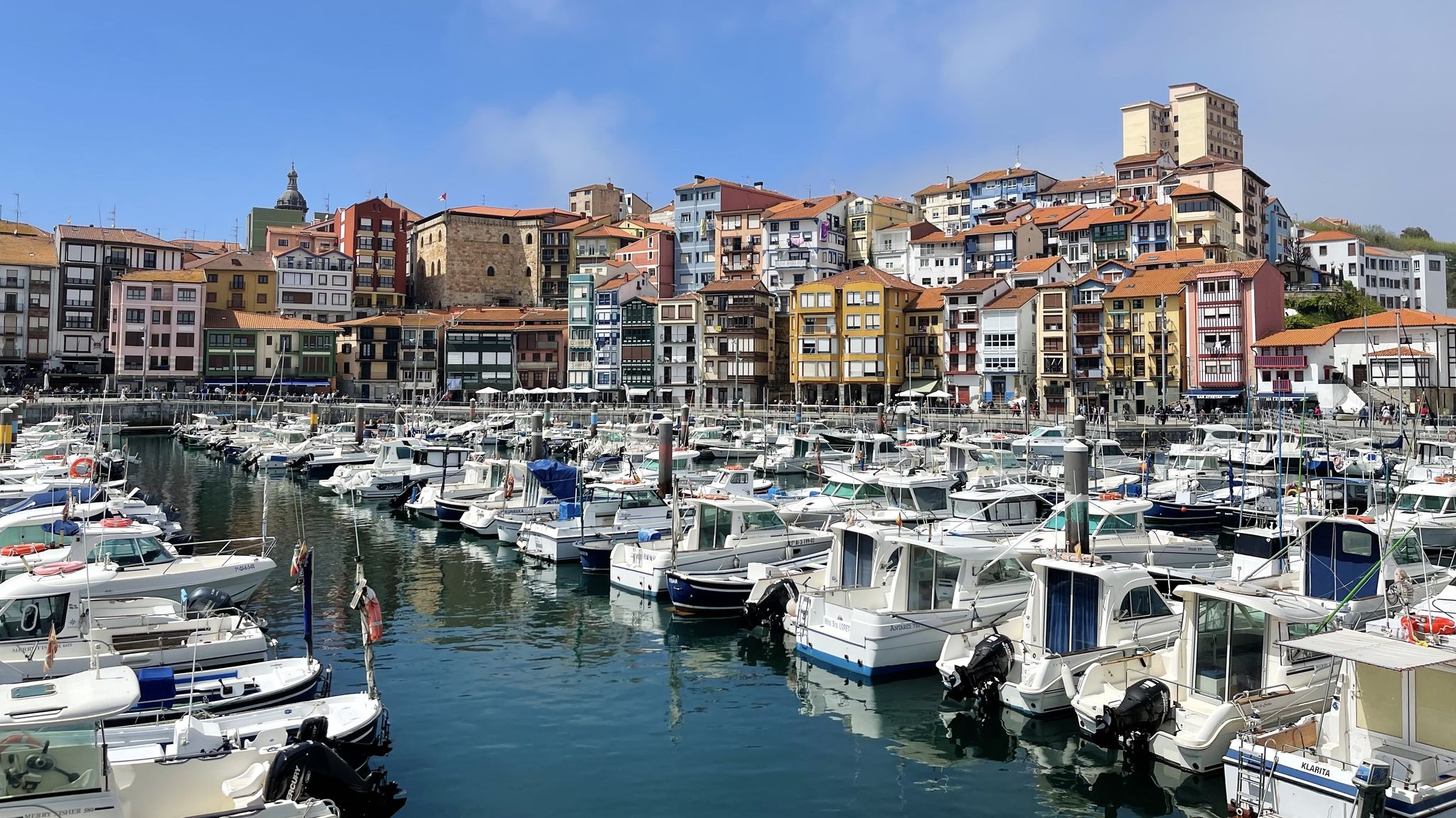
Nature and Culture — The Tour of Urdaibai (GR 98)
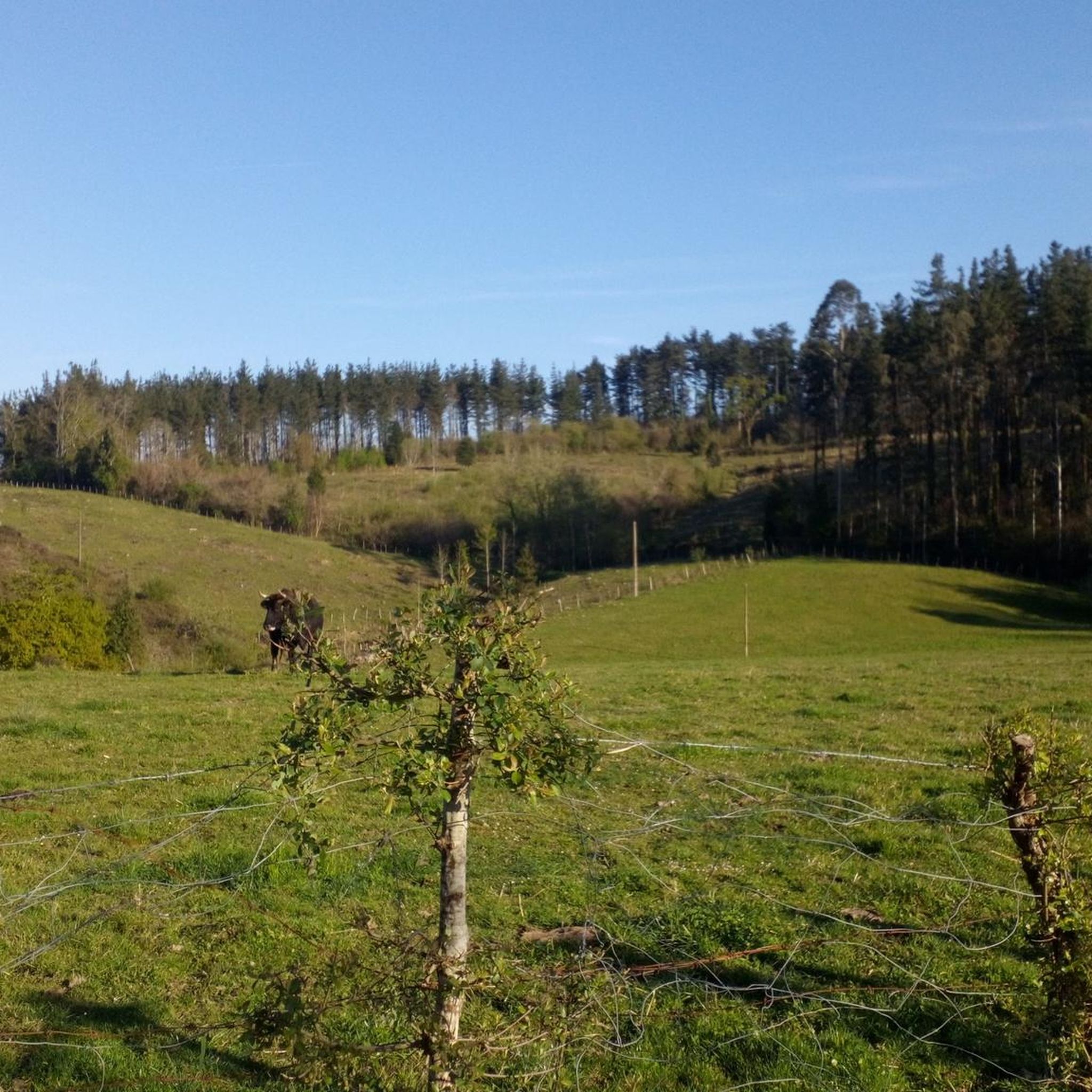
Road Cycling Routes around Munitibar-Arbatzegi Gerrikaitz
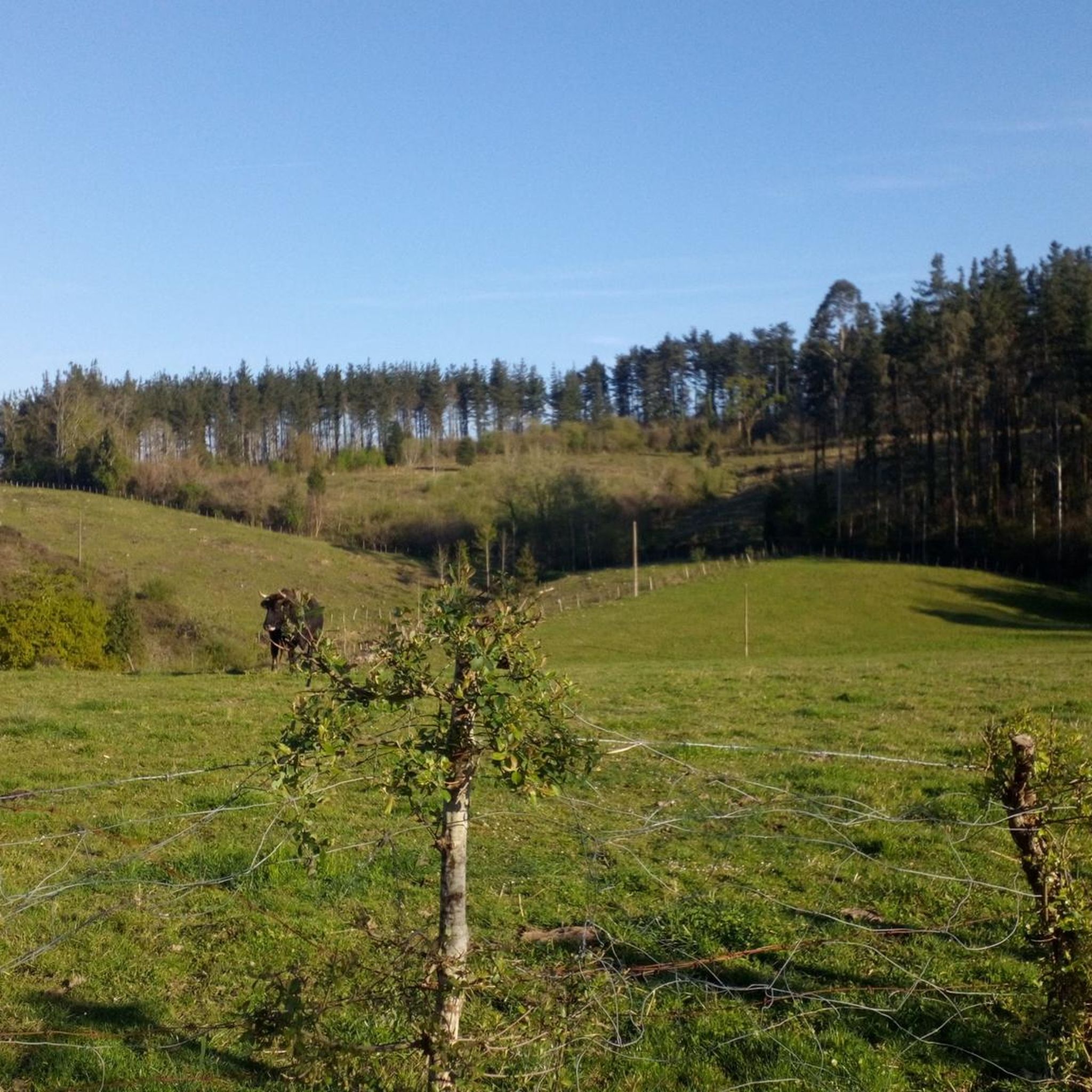
MTB Trails around Munitibar-Arbatzegi Gerrikaitz
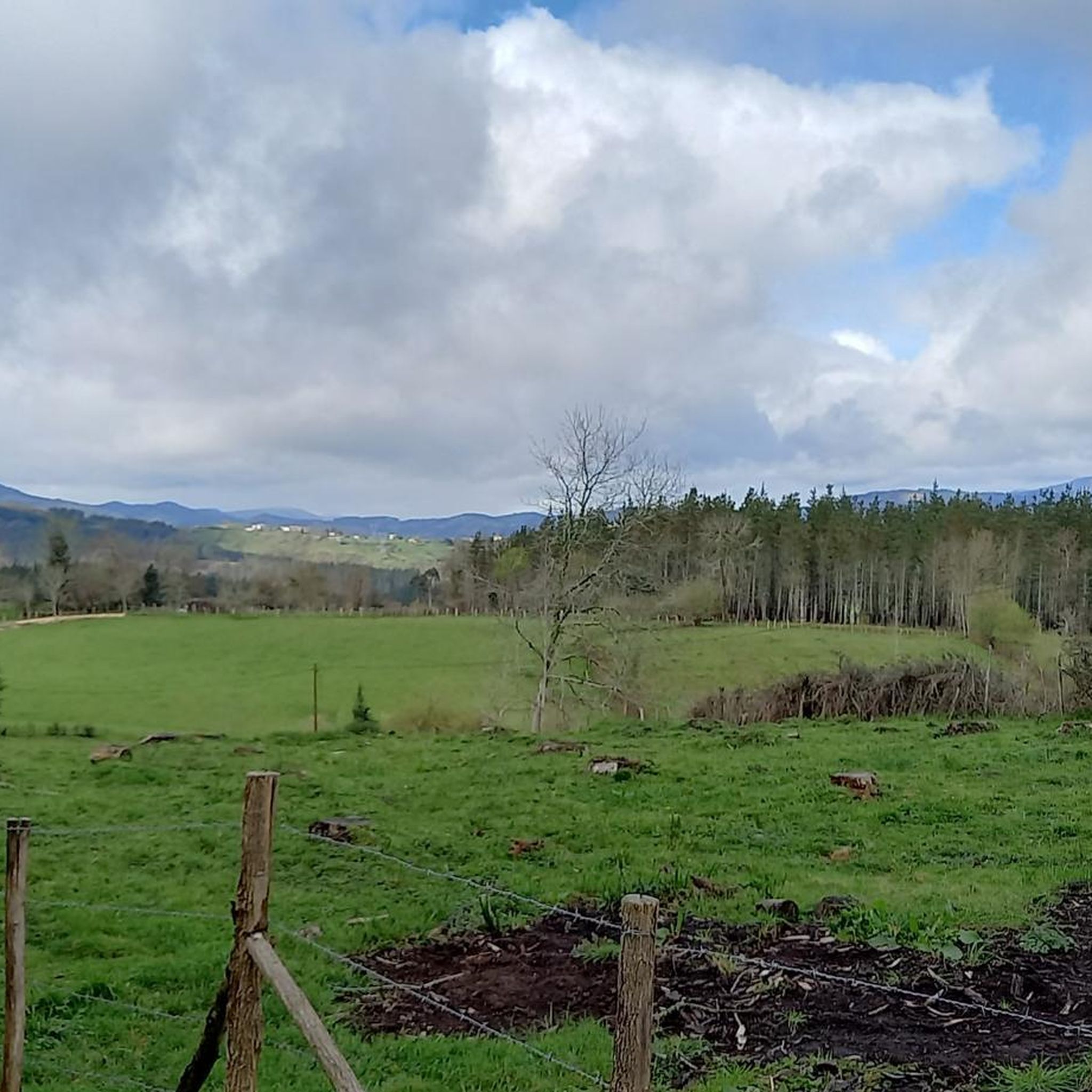
Cycling around Munitibar-Arbatzegi Gerrikaitz
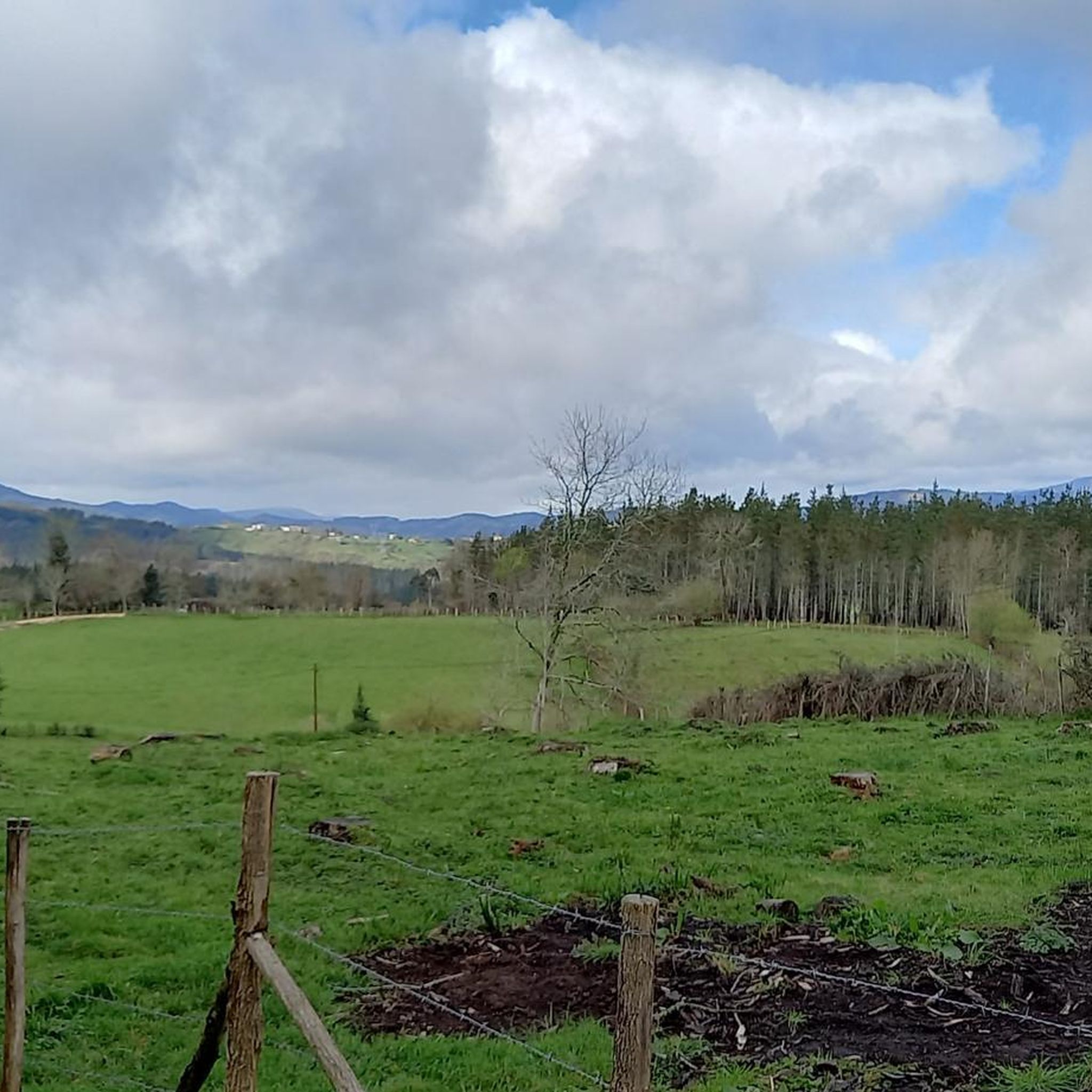
Running Trails around Munitibar-Arbatzegi Gerrikaitz
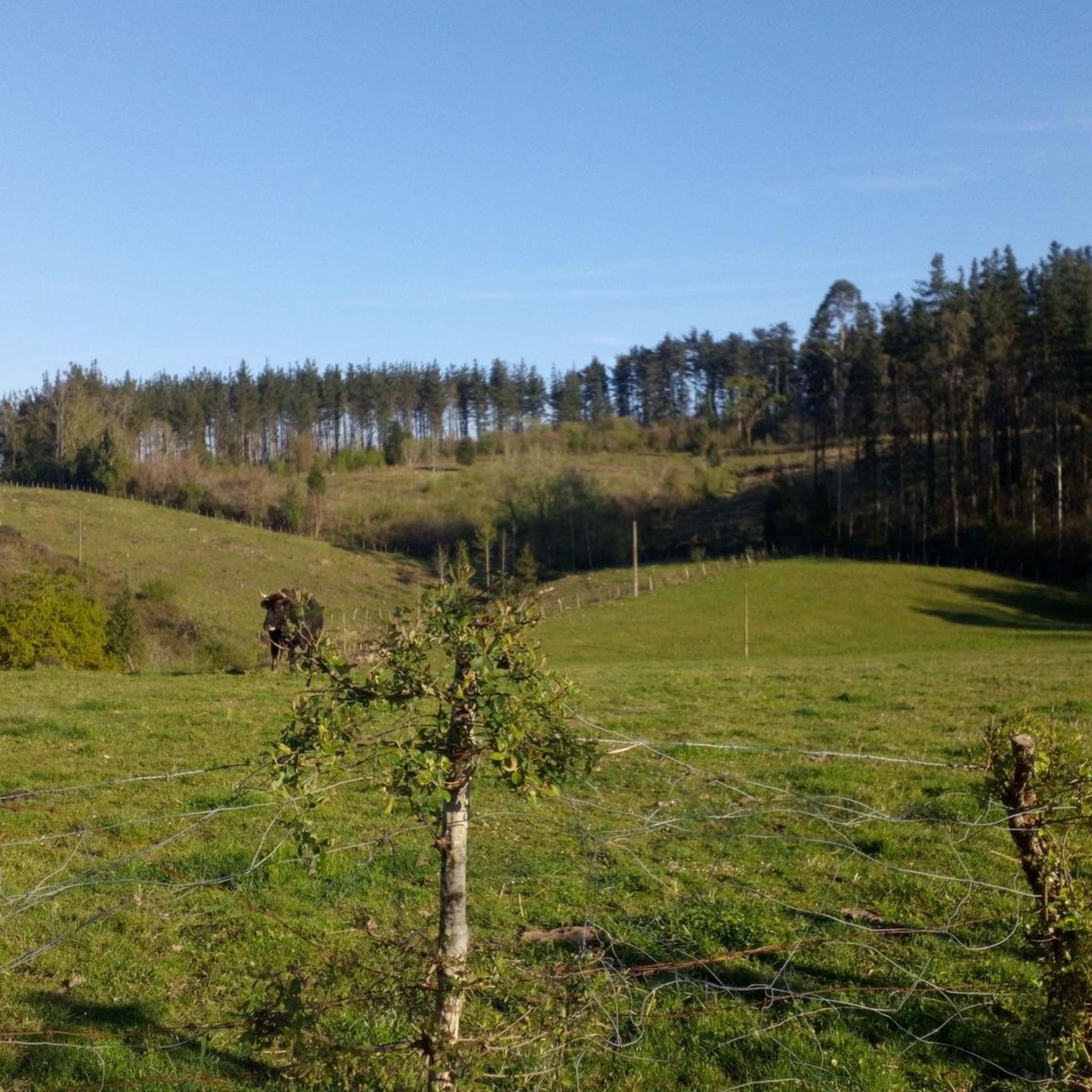
Hiking around Munitibar-Arbatzegi Gerrikaitz

Gravel biking around Munitibar-Arbatzegi Gerrikaitz
Other adventures around Munitibar-Arbatzegi Gerrikaitz

Tips from the Community

Recreation of Picasso's famous painting. The original can be seen in Madrid.
1
0

The Oma Forest - Omako basoa in Basque - is also known as the painted forest, the enchanted forest or even the Ibarrola Forest. Its most common name - Oma Forest - refers to the district in which it is located, which belongs to the municipality of Kortezubi. This original work of art was created between 1982 and 1985, when the Basque painter and sculptor Agustín Ibarrola used the trunks of trees as a kind of canvas for a total of 47 images. On them he painted animals, geometric figures and people, or just parts of them, such as eyes and lips. In addition, many of the compositions do not consist of a single tree, but must be viewed in the context of several tree trunks. To do this, you must pay attention to the signs on the ground that tell the viewer where to stand in order to enjoy the whole image.
1
0

When the Condor attacked, the residents of Guernica tried to protect the tree with their bodies because it is sacred to the Basques. Even today, elected politicians have to swear their loyalty to the Basque Country at an oak tree that stands a few meters away.
0
0

A peaceful, pretty and quiet walk. Recommended with children.
0
0

In 1982, artist Agustín Ibarrola began painting the pine trees in the forest near his homestead with the intention of using the landscape as a canvas to give continuity to his artistic expression. It is at this moment when he decides to break the law of perspective and transgress the three-dimensionality of a white line until it becomes two-dimensional. From then on, he explored the possibilities offered by the arrangement of the forest trees, playing with the different planes of depth and creating artistic sets composed of human figures, curves or straight lines, and circles of intense colors. The ideas and concepts that it develops become more complex and advances in various directions as the painted forest expands. With the help of two students from the Faculty of Fine Arts of the UPV/EHU, he carried out a large part of the work that was open to the public until 2018, at which time the biological cycle of the forest came to an end. Given the importance that the work had acquired, the Provincial Council of Bizkaia began the process of making the Forest last, for which it had from the first moment the support of the artist who had made clear his desire for the forest to survive. In this way and in order to preserve El Bosque de Oma, the Ibarrola work has been moved to a new location, also recovering original artistic ensembles lost due to felling, attacks and natural tree falls. Today we can enjoy El Bosque de Oma more complete and more faithful to the artist's original idea.
1
0
The Forest of Oma is one of the best-known works of the Basque artist Agustín Ibarrola and is an expression of the artistic movement known as Art and Nature, which emerged in the late sixties of the 20th century and whose purpose is to convey artistic work to the natural environment, using the landscape as a framework, support and raw material for the artist. The work, located in the town of Kortezubi (Bizkaia), is made up of several sets of geometric motifs and figures painted on the trunk of radiata pine trees. The use of natural living supports, the play of two-three-dimensionality and the experience of placing the visitor at the center of the work of art through his discovery, as well as the diversity of responses it proposes, make this work a reference of the Art and Nature movement and of Basque Art in particular.
1
0

Wall reproduction of Picasso's painting "Guernica" exhibited at the Reina Sofía Museum in Paris.
0
0

Gernikako Arbola is an oak tree in the Basque city of Gernika.
2
3
Frequently Asked Questions
What historical sites can I explore in Munitibar-Arbatzegi Gerrikaitz?
The region is rich in history. You can visit the ancient Monastery of Santa María de Zenarruza, a National Monument and a significant stop on the Way of St. James. Another historical gem is the 16th-century Artzubi Bridge, also part of the Camino de Santiago. Additionally, explore the Neo-classical church of Santa María de Gerrikaitz, the parish church of San Vicente de Arbatzegi, and various hermitages like San Juan de Totorika and San Cristóbal on Mount Oiz. The neighborhood of Uriona also features well-preserved 16th-century country houses, and the Bengola site, originally a 14th-century forge, now serves as an interpretation center on renewable energies.
Are there any unique natural attractions or viewpoints in the area?
Absolutely. The Oma Forest, also known as the 'Painted Forest,' is a unique natural and artistic site where trees are painted with geometric motifs. Mount Oiz offers exceptional trekking routes and is home to 'Bizkaia's balcony,' an extraordinary viewpoint with panoramic views of the Urdaibai region. The River Lea, with its notable source, also provides scenic spots and hiking opportunities like the 'Bajo el río Lea' circular route.
What outdoor activities are available near Munitibar-Arbatzegi Gerrikaitz?
The area is ideal for various outdoor activities. You can find numerous routes for gravel biking, mountain biking, and road cycling. For detailed routes and guides, check out the Gravel biking around Munitibar-Arbatzegi Gerrikaitz, MTB Trails around Munitibar-Arbatzegi Gerrikaitz, and Road Cycling Routes around Munitibar-Arbatzegi Gerrikaitz guides.
Are there family-friendly attractions in Munitibar-Arbatzegi Gerrikaitz?
Yes, several attractions are suitable for families. The Oma Forest offers a captivating and artistic experience that children often enjoy. The Monastery of Santa María de Zenarruza is also considered family-friendly, offering a peaceful walk and a chance to learn about history. The Guernica Mural in Gernika is an accessible and educational site for all ages.
What is the significance of the Monastery of Santa María de Zenarruza?
The Monastery of Santa María de Zenarruza is an ancient collegiate church and a National Monument of the Basque Country. It was a crucial stop for pilgrims on the Coastal Way of St. James during the Middle Ages and Renaissance. The monastic complex features a 15th-century church with a Plateresque-style retable and a 16th-century cloister. The monks are also known for their confectionery, which can be purchased on-site.
Can I visit the Oma Forest, and what makes it special?
Yes, the Oma Forest, also known as the 'Painted Forest,' is a unique artistic installation by Agustín Ibarrola. It features trees painted with geometric motifs and figures, creating an immersive experience where the landscape itself is the canvas. Visitors can walk through the forest and discover different compositions by viewing the trees from specific points. You can access it via the Access path to the Oma Forest, parking near the Santimamiñe caves interpretation center.
What is there to see on Mount Oiz?
Mount Oiz is a prominent natural feature offering exceptional trekking routes. It is known for 'Bizkaia's balcony,' a viewpoint providing extensive views over the Urdaibai Biosphere Reserve. The mountain also hosts a wind farm and the Hermitage of San Cristóbal at 791 meters above sea level, making it a great destination for both nature lovers and hikers.
Is there anything related to the Guernica painting nearby?
Yes, in nearby Gernika, you can see a Guernica Mural, which is a reproduction of Picasso's famous painting. This mural commemorates the 1937 bombing of the city during the Spanish Civil War and symbolizes the horrors of war. The Gernika Peace Museum Foundation is also located in Gernika, offering further insights into the region's history and peace.
What do visitors enjoy most about the attractions around Munitibar-Arbatzegi Gerrikaitz?
Visitors particularly appreciate the blend of historical significance and natural beauty. The peaceful and pretty walk to the Monastery of Santa María de Zenarruza is often highlighted, especially for families. The Artzubi Bridge is admired for its integration with the natural surroundings and its historical resilience. The unique artistic experience of the Oma Forest is also a top favorite, with many finding it captivating and inspiring.
Are there any historical mills or industrial heritage sites in the area?
Yes, Munitibar-Arbatzegi Gerrikaitz has a rich industrial heritage. You can find the historical Elortza and Olatxu Mills. Additionally, the Bengola site, which was originally a 14th-century forge and later a mill and farmhouse, now hosts the Bengola Natural Energy project and serves as an interpretation center on renewable energies, featuring a leisure area and a garden.
What is the best way to experience the Camino de Santiago in this region?
The region is part of the Coastal Way of the Camino de Santiago. You can experience it by visiting key historical points along the route, such as the Monastery of Santa María de Zenarruza, which was a significant pilgrim stop, and the 16th-century Artzubi Bridge, over which the Camino itinerary runs. Walking sections of the ancient stone-paved roads that pilgrims once used offers an authentic experience.
Most popular routes around Munitibar-Arbatzegi Gerrikaitz
Most popular attractions around Munitibar-Arbatzegi Gerrikaitz

Get inspired with the komoot mobile app


Explore more
Still not found the Highlight you’re looking for? See guides of the top attractions in other regions:
