Attractions and Places To See around Fuentesecas - Top 8
Best attractions and places to see around Fuentesecas offer a glimpse into traditional Spanish village life in the province of Zamora, Castile and León. The area is characterized by its historical sites, traditional architecture, and an abundance of natural water features like springs and lagoons, despite its name meaning "dry fountains." It provides points of interest for those seeking a tranquil and authentic experience, with a mix of cultural landmarks and natural environments.
Best attractions and places to see around…
Last updated: May 1, 2026
Church of San Miguel Arcángel, Pobladura de Valderaduey
Highlight • Religious Site
Translated by Google •
Tip by

Dovecotes of Pobladura de Valderaduey
Highlight • Monument
Translated by Google •
Tip by
Sign up now to discover places like this
Get recommendations on the best single tracks, peaks, & plenty of other exciting outdoor places.
Sign up for free
Views of Pinilla de Toro
Highlight • Viewpoint
Translated by Google •
Tip by

Villalube
Highlight • Settlement
Translated by Google •
Tip by
Pozoantiguo School Group
Highlight • Historical Site
Translated by Google •
Tip by

Sign up for free to discover even more attractions around Fuentesecas.
Sign up for free
Already have an account?
Start today with a free account
Your next adventure awaits.
Login or Signup
Popular around Fuentesecas
Tips from the Community

This School Group (1917) was established on the initiative of Mr. Ismael Calvo Madroño, Councilor of Public Education and Senator of the Kingdom, born in Pozoantiguo.
0
0

Along with the town of Villalube, there is also the town of Gallegos del Pan, both of which are close by the Arroyo de las Fuenticas.
0
0
Pinilla de Toro is a locality that is on the border with Valladolid and that, in addition, at the entrance of the town you can see the Iglesia de San Martín, which can be seen from afar.
0
0

At the edge of town near the Valderaduey River, you will come across these unique and unusual cylindrical structures made of earth, which used to house pigeons.
1
0
Small rural town in the Tierra de Campos region on the banks of the Valderaduey river. The town was founded in the 12th century by the kings of León. In the center of town you will find the impressive 15th century Church of San Miguel Arcángel.
1
0
Frequently Asked Questions
What historical and cultural sites can I explore within Fuentesecas?
In Fuentesecas, you can visit the Iglesia de San Esteban, also known as "la Pindonga," which features a notable coffered ceiling and Renaissance altarpiece. Another significant religious building is the Ermita del Humilladero o del Santo Cristo. The village also honors its famous son, Pablo Morillo, with a street named after him, and you can observe traditional architecture with houses built from local materials like mud and adobe.
What natural features can I discover around Fuentesecas?
Despite its name meaning "dry fountains," Fuentesecas is rich in water sources. You can explore the Laguna y Pozo de La Marrana, the Fuente del Caz with its stone vault, and other natural springs and lagoons like the Manantial de los Alelises and Fuente de la Junquera. These areas also offer opportunities for wildlife spotting, including hares, pigeons, ducks, and various birds.
Are there any unique architectural features to see in the Fuentesecas area?
Yes, the village of Fuentesecas itself showcases traditional houses and corrals built with local materials like mud, adobe, and rammed earth, often featuring red brick decorative elements with Mozarabic influences. Additionally, nearby, you can find the unique Dovecotes of Pobladura de Valderaduey, cylindrical earth structures that historically housed pigeons.
What are some significant religious buildings to visit near Fuentesecas?
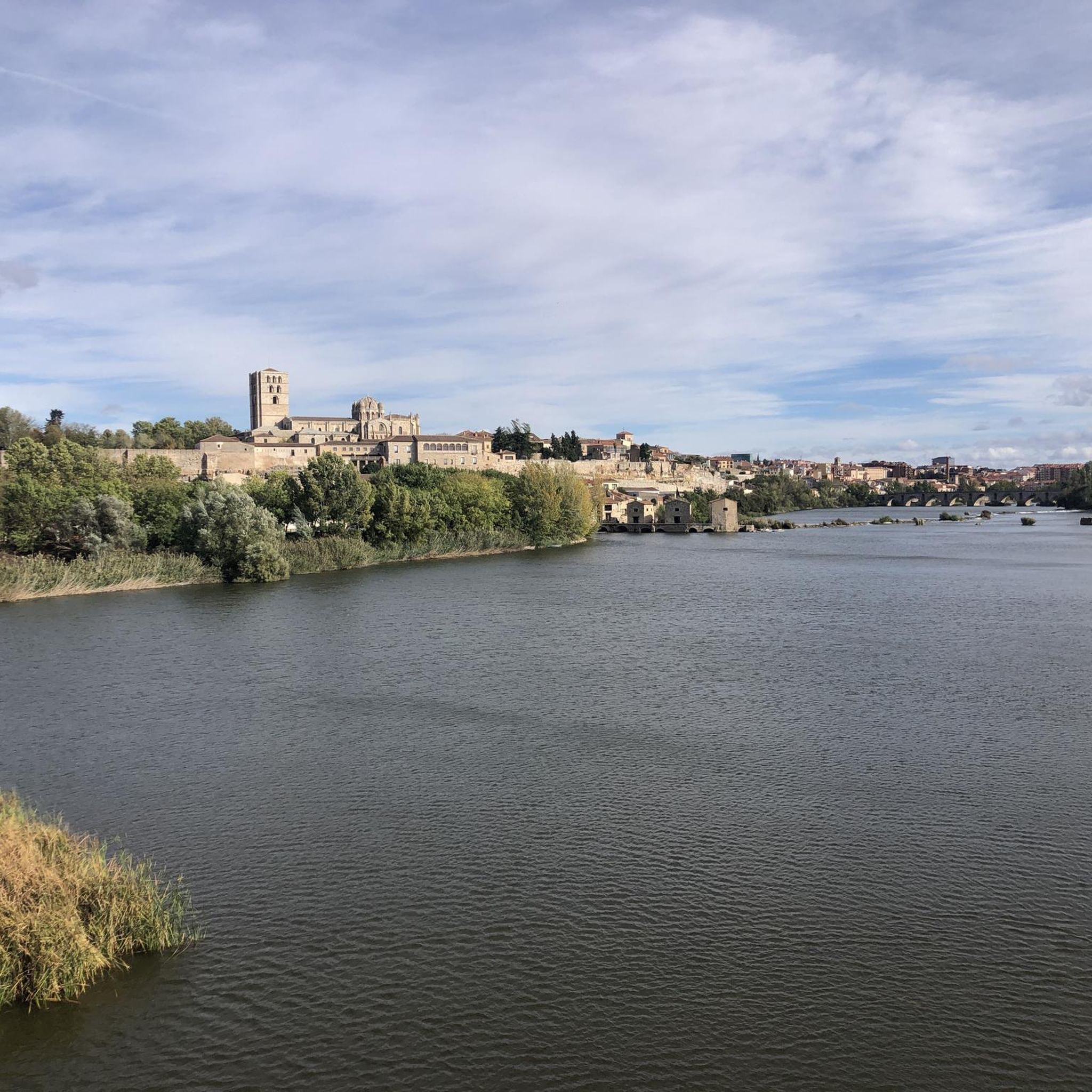
Beyond Fuentesecas, you can visit the impressive 15th-century Church of San Miguel Arcángel, Pobladura de Valderaduey. Further afield, in Toro, you'll find the prominent Colegiata de Santa María and the Monasterio de Sancti Spiritu. The city of Zamora also boasts the magnificent Catedral de Zamora.
What outdoor activities or routes are available near Fuentesecas?
The area around Fuentesecas offers various outdoor activities, particularly road cycling. You can find routes like the 'Villalpando – tour around Malva – Villafáfila Lakes Natural Reserve' (difficult, 146 km), or more moderate options such as the 'Clock Tower of Toro – Puente de Hierro de Zamora loop from Toro' (96 km). For more details on these and other routes, visit the Road Cycling Routes around Fuentesecas guide.
Are there viewpoints offering scenic vistas in the area?
Yes, you can enjoy scenic vistas from Views of Pinilla de Toro. From this locality on the border with Valladolid, you can see the Iglesia de San Martín in the distance, offering a picturesque landscape.
What attractions are available for families around Fuentesecas?
Families can enjoy exploring the natural water features like the lagoons and springs in Fuentesecas, which are great for easy walks and wildlife spotting. The traditional architecture of the village also offers an interesting cultural experience. For more varied options, nearby towns like Toro provide additional historical sites and a lively atmosphere that can be enjoyed by all ages.
What is the best time of year to visit Fuentesecas?
The best time to visit Fuentesecas generally depends on your preferred activities. Spring and autumn offer pleasant temperatures for exploring the natural features and historical sites. Summers can be warm, ideal for enjoying the outdoor environment, while winters are typically cooler and quieter, offering a tranquil experience.
What other historical landmarks are located in the wider region near Fuentesecas?
Beyond Fuentesecas, the nearby town of Toro offers several historical landmarks including the Puerta de Corredera, the Alcázar de Toro, and the Plaza de Toros. Further afield, Tiedra Castle in Tiedra and the historic Pozoantiguo School Group are also notable sites.
Can I find places to experience local culture and traditions near Fuentesecas?
Absolutely. Fuentesecas itself provides a glimpse into traditional Spanish village life through its architecture and local sites. For a taste of local industry, the Bodegas Farina in Alfoz de Toro, approximately 13.7 km away, offers insights into local wine production and tasting experiences.
What do visitors enjoy most about the attractions around Fuentesecas?
Visitors appreciate the blend of historical and natural beauty. The Church of San Miguel Arcángel, Pobladura de Valderaduey is noted for its impressive 15th-century architecture in a charming rural setting. The unique Dovecotes of Pobladura de Valderaduey are also a highlight, offering a glimpse into local heritage. The scenic Views of Pinilla de Toro are also a favorite for their picturesque landscapes.
Most popular routes around Fuentesecas

Get inspired with the komoot mobile app


Explore more
Still not found the Highlight you’re looking for? See guides of the top attractions in other regions:
