The best road cycling routes around Yepes
585
riders
5
rides
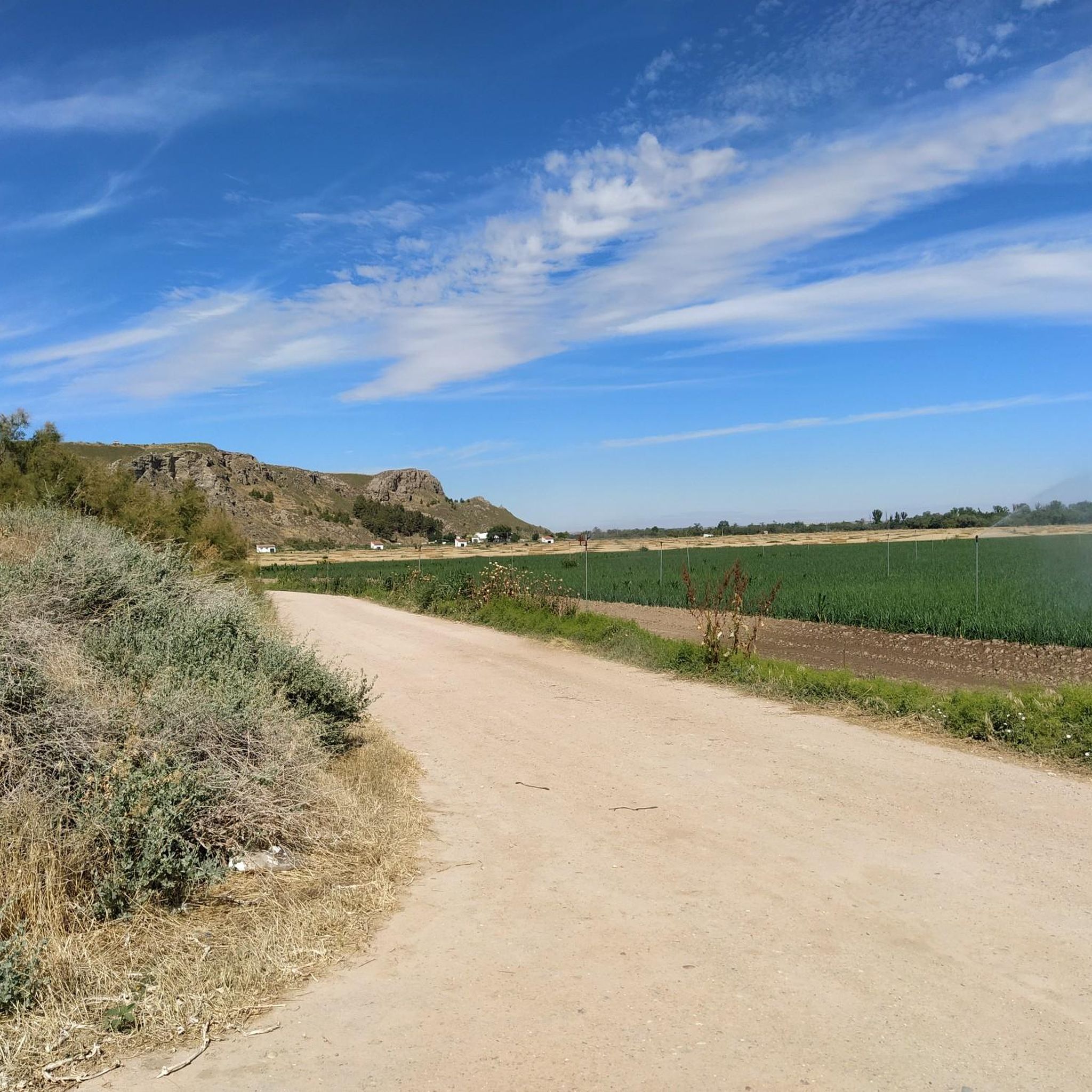
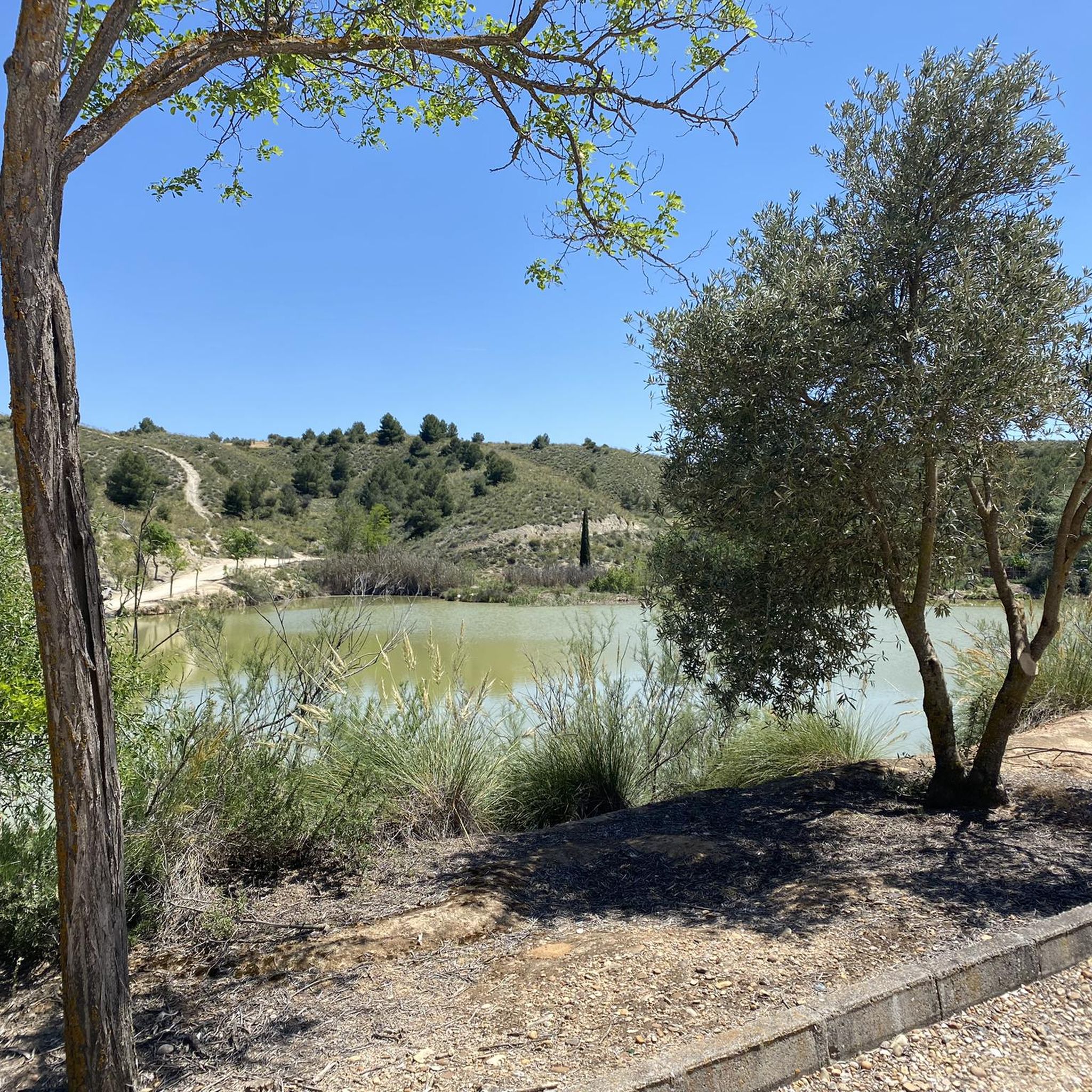
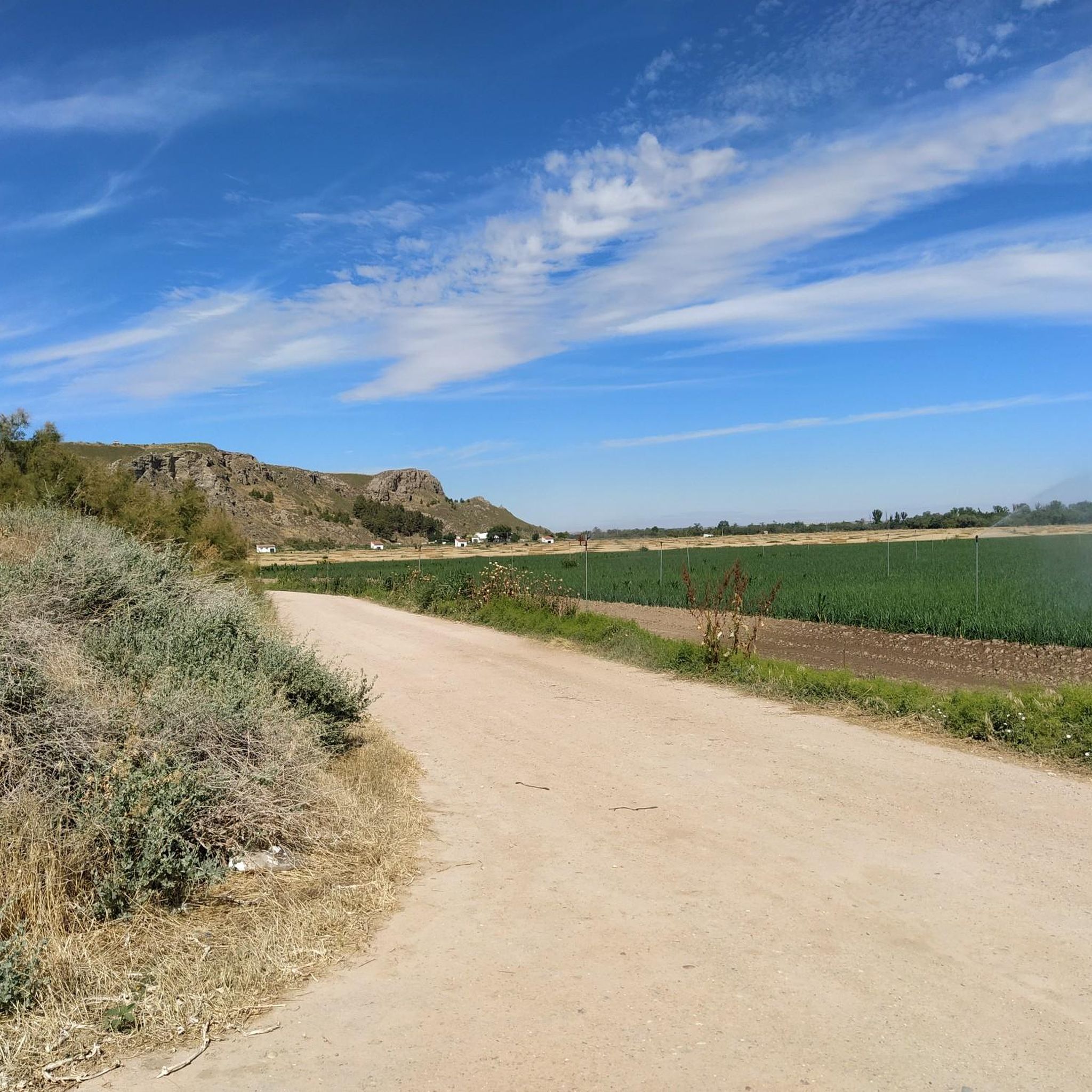
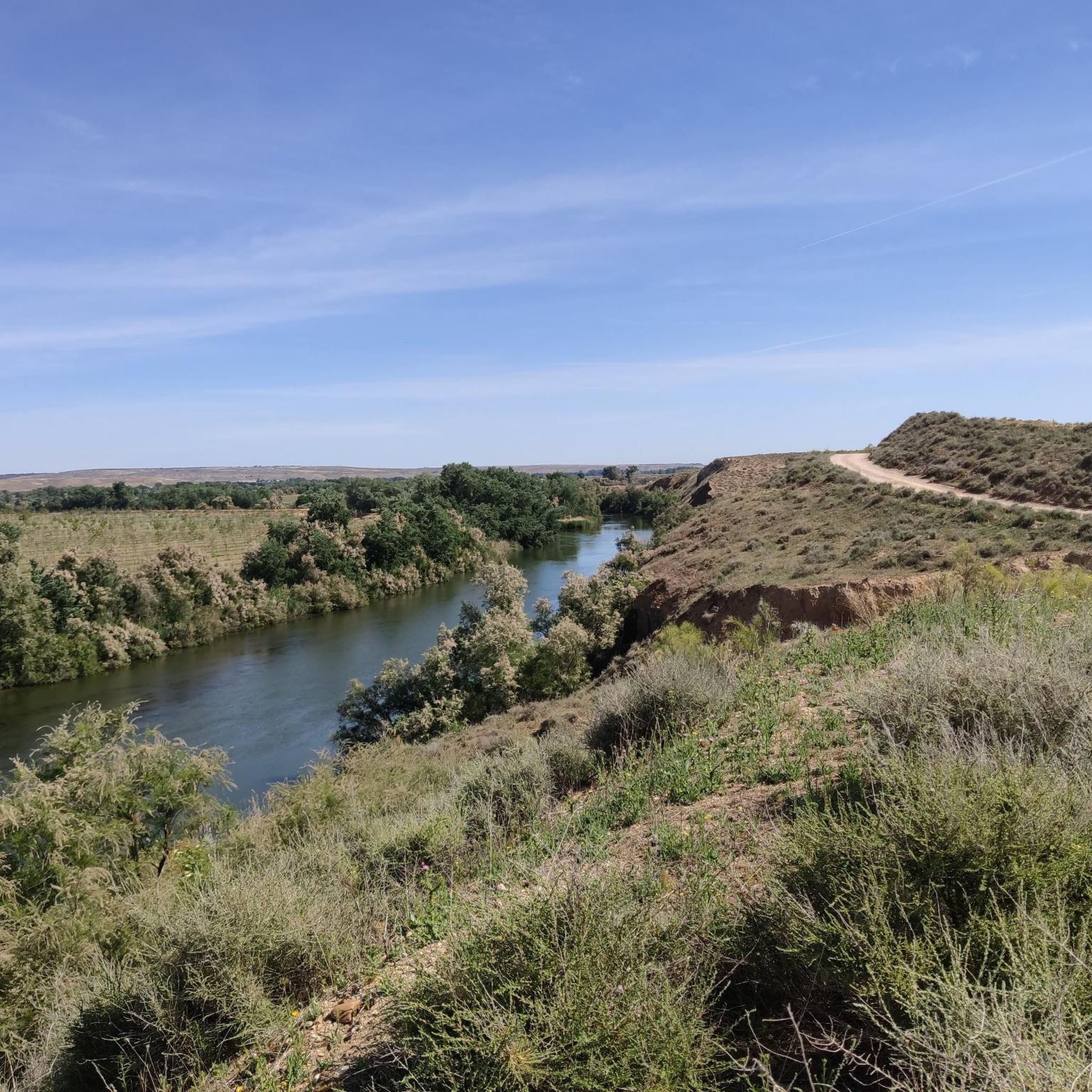
Road cycling around Yepes, located in the Mesa de Ocaña region of Toledo province, offers diverse landscapes for cyclists. The area features immense plains, river valleys, and varied topography, providing a range of cycling terrains. Routes often traverse rural settings, connecting historical sites and offering a blend of cultural interest with physical activity. The region's natural features contribute to a tranquil environment for road cyclists.
Best road cycling routes around Yepes
- The most popular road cycling route is Mora Town…
Last updated: May 15, 2026
24
riders
53.1km
02:18
250m
250m
Moderate road ride. Good fitness required. Mostly well-paved surfaces and easy to ride.
13
riders
46.5km
01:57
310m
310m
Moderate road ride. Good fitness required. Mostly well-paved surfaces and easy to ride.

Sign up for free
8
riders
38.0km
01:36
290m
290m
Easy road ride. Great for any fitness level. Mostly well-paved surfaces and easy to ride.
6
riders
50.3km
02:12
470m
470m
Moderate road ride. Good fitness required. Mostly well-paved surfaces and easy to ride.
5
riders
68.9km
02:57
590m
590m
Moderate road ride. Good fitness required. Mostly well-paved surfaces and easy to ride.
Our route recommendations are based on thousands of hikes, rides, and runs completed by other people on komoot.
Start today with a free account
Your next adventure awaits.
Login or Signup

Tips from the Community

Avenida de Juan Pablo II is one of the main and busiest streets in Yepes, both residentially and commercially. It is approximately 1 km long. It connects with important streets such as Avenida de Cuatro Caminos, Paseo Santa Eulalia and Avenida San Luis Very close to the historic center, the Colegiata de San Benito Abad and the Town Hall.
13
0
What to see in Huerta de Valdecarábanos: Ermita de la Virgen del Rosario de los Pastores The most unique monument in the municipality Modernist style, designed by a disciple of Gaudí and built in the early 20th century Highly valued by visitors for the surprising architecture in a rural setting. Church of San Pedro Apóstol Main temple of the town Construction between Gothic and Renaissance (16th century) It is the historical and social axis of the urban center. Plaza Mayor and urban center Quiet streets, popular La Mancha architecture Meeting point of the town and venue for local festivals.
10
0
Huerta de Valdecarabanos: A quiet and authentic village, highly valued by those seeking calm, rural life, and friendly interactions. Ideal for disconnecting, strolling, and enjoying the countryside of the Mesa de Ocaña.
12
0
Located in the Plaza de la Constitución, in the historic Town Hall in the Neo-Mudéjar style, designed by Ezequiel Martín Martín and built between 1927–1928, with a striking brick facade, masonry panels, horseshoe arches and ceramic decorations, culminating in a circular tower topped with a bulbous dome (tiled, from 1930).
3
0
It was the site of historical events such as the proclamation of the 1812 Constitution and military actions in the 19th century. Its construction lasted more than 150 years, finally being completed in 1961. Its Baroque aesthetic has made it a popular filming location for television series such as Águila Roja and for commercials. It was declared a Site of Cultural Interest in 2002.
6
0
The Plaza Mayor of Ocaña (Toledo) is considered one of the most impressive in Castilla-La Mancha due to its size, harmony, and historical significance. It is an arcaded square in the Baroque and Neoclassical styles, begun in 1777 by order of Charles III to emulate the Plaza Mayor of Madrid, albeit on a smaller scale. Its dimensions are imposing: 55 x 52 meters, almost square, with 70 stone pillars and semicircular arches supporting balconies and dormer windows. Symmetry and proportion are highly valued, creating an elegant and monumental visual effect.
7
0
The Plaza Mayor of Ocaña (Toledo) is one of the most impressive examples of Castilian Baroque architecture and a must-see if you visit the La Mesa de Ocaña region. Construction: Ordered by Charles III in 1777, inspired by the Plaza Mayor of Madrid.
4
0
Cabañas de Yepes, in the Mesa de Ocaña (Toledo), is a small town with rural charm, historical heritage, and a natural setting ideal for relaxing. Parish Church of Our Lady of the Assumption Built in the 16th century, it features a central nave and chapel dedicated to Our Lady of Socorro. Interesting fact: its clock (1829) uses the same clock system as the one at Puerta del Sol in Madrid. Hermitage of San Sebastián Dating from the 18th century, in the popular style, it is located on the road to Huerta de Valdecarábanos.
3
0
Frequently Asked Questions
What kind of terrain can I expect on road cycling routes around Yepes?
Road cycling around Yepes features a diverse landscape, primarily characterized by immense plains and river valleys. The broader Castilla-La Mancha region also offers varied topography, from flat stretches to challenging climbs, ensuring a range of experiences for cyclists.
Are there road cycling routes suitable for beginners in Yepes?
Yes, there are options for less experienced cyclists. For example, the Toledo Gate of Yepes loop from Villasequilla is classified as an easy route, covering 38.0 km with a moderate elevation gain, making it a good choice for those looking for a more relaxed ride.
Which road cycling routes offer a good challenge for experienced riders?
For a more challenging ride, consider routes with significant elevation gain. The Toledo Gate of Yepes loop from Yepes, for instance, is a moderate 50.3 km path featuring a notable elevation gain of 473 meters, providing a good workout.
Can I find circular road cycling routes in the Yepes area?
Yes, all the featured road cycling routes around Yepes are circular loops, allowing you to start and end your ride in the same location. This includes routes like the Mora Town Hall loop from Villasequilla and the Toledo Gate of Yepes – Plaza Mayor de Ocaña loop from Yepes.
What historical landmarks or attractions can I see while road cycling near Yepes?
The region around Yepes is rich in history. Routes often connect historical sites, offering a blend of cultural interest with physical activity. You might encounter historical architecture within Yepes itself, such as the 16th-century Parish Church of Our Lady of the Assumption. Additionally, the Royal Palace of Aranjuez, a UNESCO World Heritage site, is a significant nearby attraction that can be incorporated into cycling itineraries, providing beautiful scenery and a cultural stop.
What is the typical duration for road cycling routes around Yepes?
The duration varies depending on the route and your pace. For example, the Toledo Gate of Yepes loop from Villasequilla typically takes about 1 hour 35 minutes, while the longer Mora Town Hall loop from Villasequilla can take around 2 hours 57 minutes to complete.
What are the best seasons for road cycling in Yepes?
The Castilla-La Mancha region generally offers pleasant conditions for cycling. Spring and autumn are often ideal, with milder temperatures. Summers can be hot, especially in the plains, while winters are generally mild but can have cooler days. Checking local weather forecasts before your ride is always recommended.
Are there any scenic viewpoints along the road cycling routes in Yepes?
Yes, many routes offer picturesque backdrops. The region is known for its rural charm and natural setting, providing tranquil environments. Some routes, like those connecting to the Royal Palace of Aranjuez, offer scenic views that incorporate historical landmarks and river valleys.
How popular is road cycling in Yepes among the komoot community?
Road cycling in Yepes is quite popular, with over 600 road cyclists having used komoot to explore the varied terrain. The community frequently praises the diverse landscapes and the blend of cultural interest with physical activity that the routes offer.
Are there any easy-to-moderate routes that combine historical sites with cycling?
Yes, routes like the 'View from the Bridge – Royal Palace of Aranjuez loop from Yepes' (mentioned in regional research) provide not only a good workout with moderate elevation gain but also scenic views that incorporate historical landmarks. While not explicitly listed in the guide data, the general character of the region suggests many routes will offer this blend.
What is the longest road cycling route available in the Yepes area?
The longest route featured in the guide is the Mora Town Hall loop from Villasequilla, which spans 68.9 km and is classified as moderate difficulty.
What is the elevation gain like on road cycling routes around Yepes?
Elevation gains vary, catering to different fitness levels. For instance, the Toledo Gate of Yepes – Cabañas de Yepes loop from Yepes has an elevation gain of approximately 310 meters, while the Toledo Gate of Yepes loop from Yepes features a more significant gain of 473 meters.
Most popular attractions around Yepes

Get inspired with the komoot mobile app


Explore more
Browse the best Road cycling routes in other regions.
