Attractions and Places To See around A Fonsagrada - Top 20
Attractions and places to see around A Fonsagrada are found in the mountainous landscape of Lugo province, Galicia. This region offers a blend of historical, cultural, and natural attractions, many of which are significant stops along the Camino Primitivo. The area is characterized by its elevated terrain, providing diverse natural settings and opportunities for exploration. It is part of the Oscos-Terra de Burón Biosphere Reserve, recognized for its biodiversity.
Best attractions and places to see around A Fonsagrada
- The most popular attractions is Montouto Hospital and Dolmen, a historical site and natural monument. This complex dates back to 1357, providing shelter for pilgrims on the Primitive Way. It also includes the As Pedras Dereitas dolmen, dating from the Neolithic period.
- Another must-see spot is Ermita del Carmen de Vilabade, a religious building. This temple is located on the Camino Primitivo and offers rest areas with picnic spots and a fountain for visitors.
- Visitors also love Hornos de Vilaoudriz, a man-made monument. These five kilns represent the largest collection of calcination kilns in the northwest of the Iberian Peninsula, showcasing industrial heritage.
- A Fonsagrada is known for its historical sites, religious buildings, and unique industrial heritage. The area offers a variety of attractions to see and explore, from ancient pilgrim routes to natural features.
- The attractions around A Fonsagrada are appreciated by the komoot community, with 28 upvotes and 14 photos shared by visitors.
Last updated: July 7, 2026
Ermita del Carmen de Vilabade
Highlight • Religious Site
Translated by Google •
Tip by

Grandas de Salime Ethnographic Museum
Highlight • Historical Site
Translated by Google •
Tip by
Sign up now to discover places like this
Get recommendations on the best single tracks, peaks, & plenty of other exciting outdoor places.
Sign up for free
Church of Saint Lawrence (Degolada, Baleira)
Highlight • Religious Site
Translated by Google •
Tip by

Hornos de Vilaoudriz
Highlight • Monument
The two oldest were built in brick, while the other three used masonry.
With 11 meters high and 4 meters in diameter each, and four loading entrances, this construction also preserves a mine entrance from where the mineral extracted from the Vieiro Mine came.
Translated by Google •
Tip by

Montouto Hospital and Dolmen
Highlight • Historical Site
Translated by Google •
Tip by
Sign up for free to discover even more attractions around A Fonsagrada.
Sign up for free
Already have an account?
Start today with a free account
Your next adventure awaits.
Login or Signup


Tips from the Community

A museum - free admission on Tuesdays. Otherwise, the prices are reasonable.
0
1

It is known for its hydroelectric dam on the Navia River, forming the Salime Reservoir. It is also an important stop on the Primitive Way of St. James, the last stretch of Asturian land before entering Galicia.
1
0
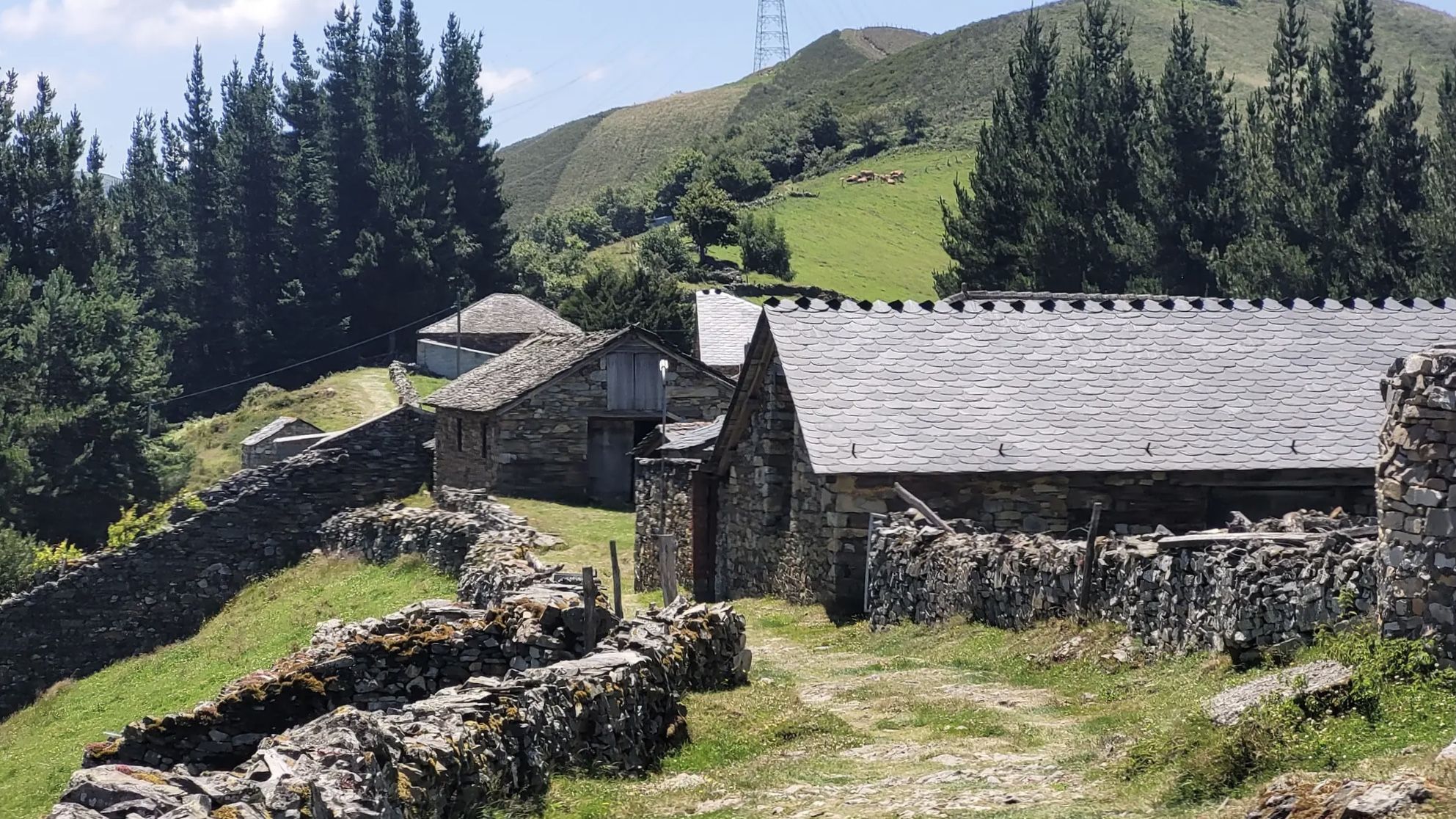
The Ermita del Carmen in Vilabade, Lugo, is a charming temple located on the Camino Primitivo. It is part of the parish of Santa María de Vilabade and is located on the slopes of the Castroverde valley, surrounded by meadows and forests of chestnut trees, oaks and pines. This church, restored in 1988, is known as the Castroverde Cathedral due to its imposing presence. A corner full of history and beauty! 😊
4
0

The Museo Etnográfico de Grandas de Salime offers visitors a fascinating glimpse into the traditional way of life in rural Asturias. Located in the picturesque village of Grandas de Salime, this ethnographic museum showcases a diverse collection of artifacts, tools, and exhibits highlighting the cultural heritage of the region. From agricultural implements to household items, the museum provides insight into the customs, traditions, and livelihoods of the local communities throughout history. With its engaging displays and informative presentations, it offers an enriching experience for visitors interested in the cultural heritage of Asturias.
2
0

Grandas de Salime is the last stage of the Jacobean Route in Asturias. The natural landscape that surrounds it is already a unique claim for many of its visitors. It is worth visiting the Church of San Salvador, the Casa de Román, the house of the Robledo family and the Ethnographic Museum of Grandas de Salime.
1
0

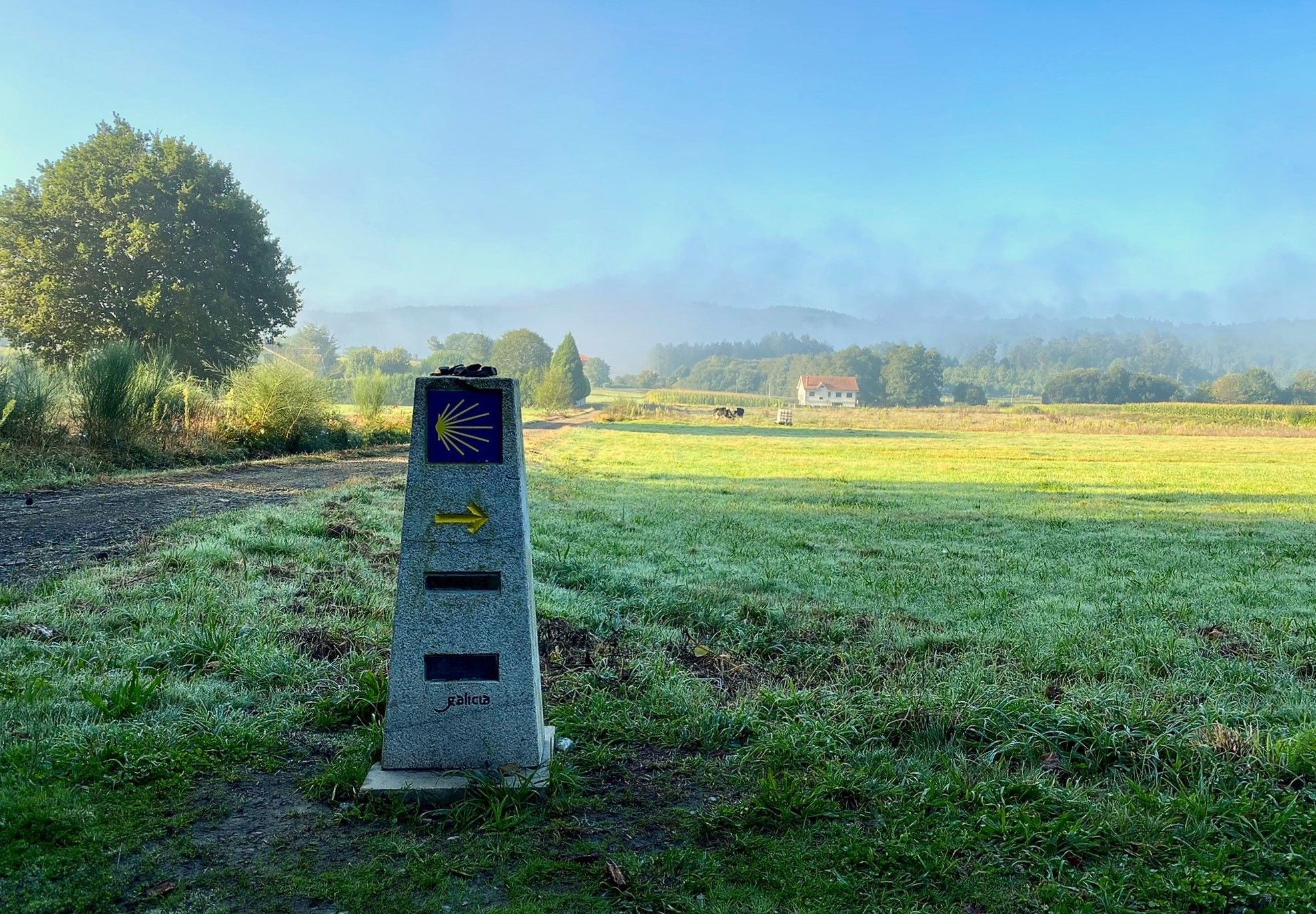
Small church located on the primitive path. The churchyard is shaded and has a picnic area and water feature
2
0

The Vilaoudriz kilns, made up of five kilns built in different stages, are the largest set of calcination kilns in the northwest of the peninsula and a visit is highly recommended. The two oldest were built in brick, while the other three used masonry. With 11 meters high and 4 meters in diameter each, and four loading entrances, this construction also preserves a mine entrance from where the mineral extracted from the Vieiro Mine came.
2
0
The Vilaoudriz kilns, made up of five kilns built in different stages, are the largest set of calcination kilns in the northwest of the peninsula and a visit is highly recommended. The two oldest were built in brick, while the other three used masonry. With 11 meters high and 4 meters in diameter each, and four loading entrances, this construction also preserves a mine entrance from where the mineral extracted from the Vieiro Mine came.
2
0
Frequently Asked Questions
What historical sites can I explore around A Fonsagrada?
A Fonsagrada is rich in history, particularly along the Camino Primitivo. You can visit the ancient Montouto Hospital and Dolmen, which provided shelter for pilgrims since 1357 and includes a Neolithic dolmen. The Hornos de Vilaoudriz are also a significant historical site, representing the largest collection of calcination kilns in the northwest Iberian Peninsula.
Are there any notable religious buildings in the area?
Yes, several religious buildings hold historical and cultural significance. The Ermita del Carmen de Vilabade is a charming temple on the Camino Primitivo, offering pleasant rest areas. Other notable churches include the Church of Saint Lawrence (Degolada, Baleira) and the Church of Santiago de Fontaneira, both with rich histories.
What natural attractions should I visit near A Fonsagrada?
The region boasts impressive natural beauty. The Seimeira de Vilagocende Waterfall, located just 6 km from the town center, is a stunning 50-meter-high waterfall. You can also explore the Oscos-Terra de Burón Biosphere Reserve, recognized for its biodiversity, offering opportunities for ecotourism and wildlife observation. For panoramic views, visit A Pena do Inferno or the Mirador de Arexo.
What kind of outdoor activities can I do in A Fonsagrada?
A Fonsagrada's mountainous terrain is ideal for various outdoor activities. Hiking is very popular, with trails like the Seimeiras de Queixoiro Loop Trail and the challenging Desfiladero de Bustelín. You can find more details on Hiking around A Fonsagrada. The area also offers excellent opportunities for road cycling and mountain biking, with numerous routes exploring the diverse landscapes.
Are there family-friendly attractions or activities available?
Yes, several attractions are suitable for families. The Hornos de Vilaoudriz, with their impressive kilns, offer an interesting educational visit for all ages. The Ermita del Carmen de Vilabade provides pleasant picnic areas, perfect for a family stop. Exploring the natural landscapes, such as the Seimeira de Vilagocende Waterfall, can also be a rewarding family outing.
What is the significance of the Camino Primitivo in A Fonsagrada?
A Fonsagrada is a crucial stop on the Camino Primitivo, one of the oldest routes of the Camino de Santiago. Many of the region's historical and religious sites, such as the Montouto Hospital and Dolmen and the Ermita del Carmen de Vilabade, served pilgrims along this arduous path, making it a significant point of interest for those following the route.
Where can I find information about the traditional life of the Lugo mountains?
The Ethnographic Museum of A Fonsagrada is dedicated to preserving and showcasing the history and traditional life of the Lugo mountains. It features collections of tools, clothing, furniture, and everyday objects, providing insight into the region's cultural richness and the challenges of rural life.
What do visitors particularly enjoy about the attractions in A Fonsagrada?
Visitors appreciate the blend of history and nature. For instance, the Montouto Hospital and Dolmen is valued for its historical depth and the evidence of overlapping settlements. The Ermita del Carmen de Vilabade is praised for its pleasant setting with picnic areas, making it a perfect resting spot. The industrial heritage of the Hornos de Vilaoudriz also garners significant interest.
Are there opportunities for cycling around A Fonsagrada?
Absolutely! The region offers diverse terrain for both road cycling and mountain biking. You can explore challenging road cycling routes like the Church of Santiago de Pesoz – Santa Eulalia de Oscos loop, or tackle mountain bike trails such as the Alto de Pedras Apañadas circular route. More routes can be found in the guides for Road Cycling Routes around A Fonsagrada and MTB Trails around A Fonsagrada.
What is the best time of year to visit A Fonsagrada for outdoor activities?
The mountainous landscape of A Fonsagrada is generally best enjoyed during spring and autumn. These seasons offer milder temperatures and vibrant natural scenery, ideal for hiking, cycling, and exploring the historical sites without the intense heat of summer or the colder, potentially wetter conditions of winter.
Can I find viewpoints with impressive scenery in the area?
Yes, A Fonsagrada, being the capital of the largest and highest municipality in Galicia, offers breathtaking views. The Mirador de Arexo provides impressive vistas of the Navia River valley, and A Pena do Inferno, despite its name, is described as a beautiful 'mountain beach' with tranquil and panoramic views.
What is La Fons Sacrata and its significance?
La Fons Sacrata is a symbolic fountain central to A Fonsagrada's identity and name. Legend has it that the Apostle James miraculously made milk flow from it, making it a key landmark for pilgrims on the Camino de Santiago and a site deeply embedded in the town's cultural heritage.
Most popular attractions around A Fonsagrada

Get inspired with the komoot mobile app


Explore more
Still not found the Highlight you’re looking for? See guides of the top attractions in other regions:
