Attractions and Places To See around Montederramo - Top 20
Best attractions and places to see around Montederramo are found within the Ribeira Sacra region of Galicia, Spain. This area is characterized by its mountainous landscape and dense river network, including the Mao River. Montederramo offers a blend of historical, cultural, and natural attractions, featuring significant religious architecture, ancient Roman remnants, and expansive natural landscapes.
Best attractions and places to see around Montederramo
- The most popular attractions is Monastery of Santa Cristina, a religious building that has its origins in the 10th century. It is a magnificent example of rural Galician Romanesque architecture, preserving carvings from the 16th century and baroque altarpieces from the 18th century.
- Another must-see spot is Monastery of Santo Estevo de Ribas de Sil, a religious building and man-made monument. This monastery was built between the 12th and 18th centuries, known for its Romanesque apse and historical significance with nine bishops retiring here.
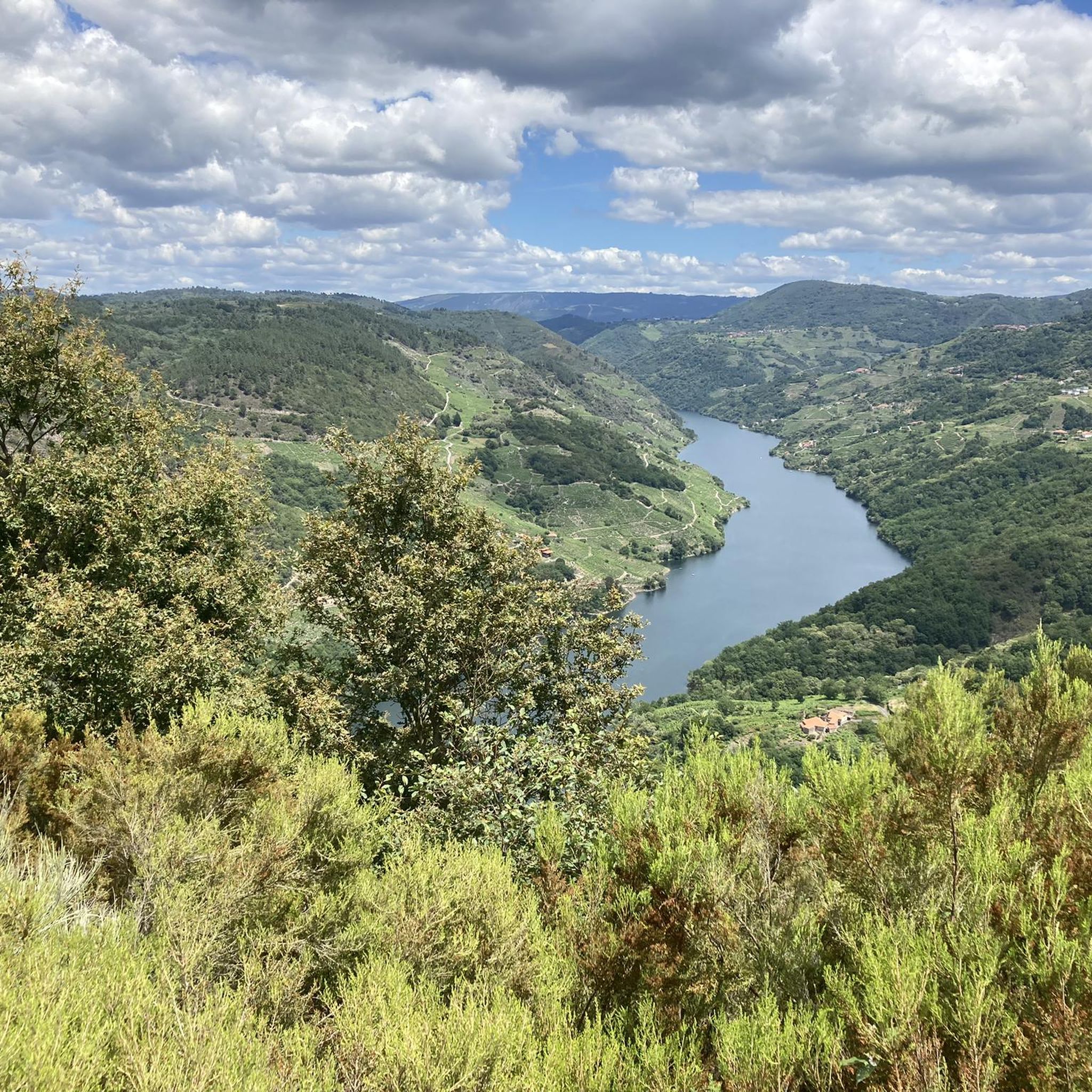
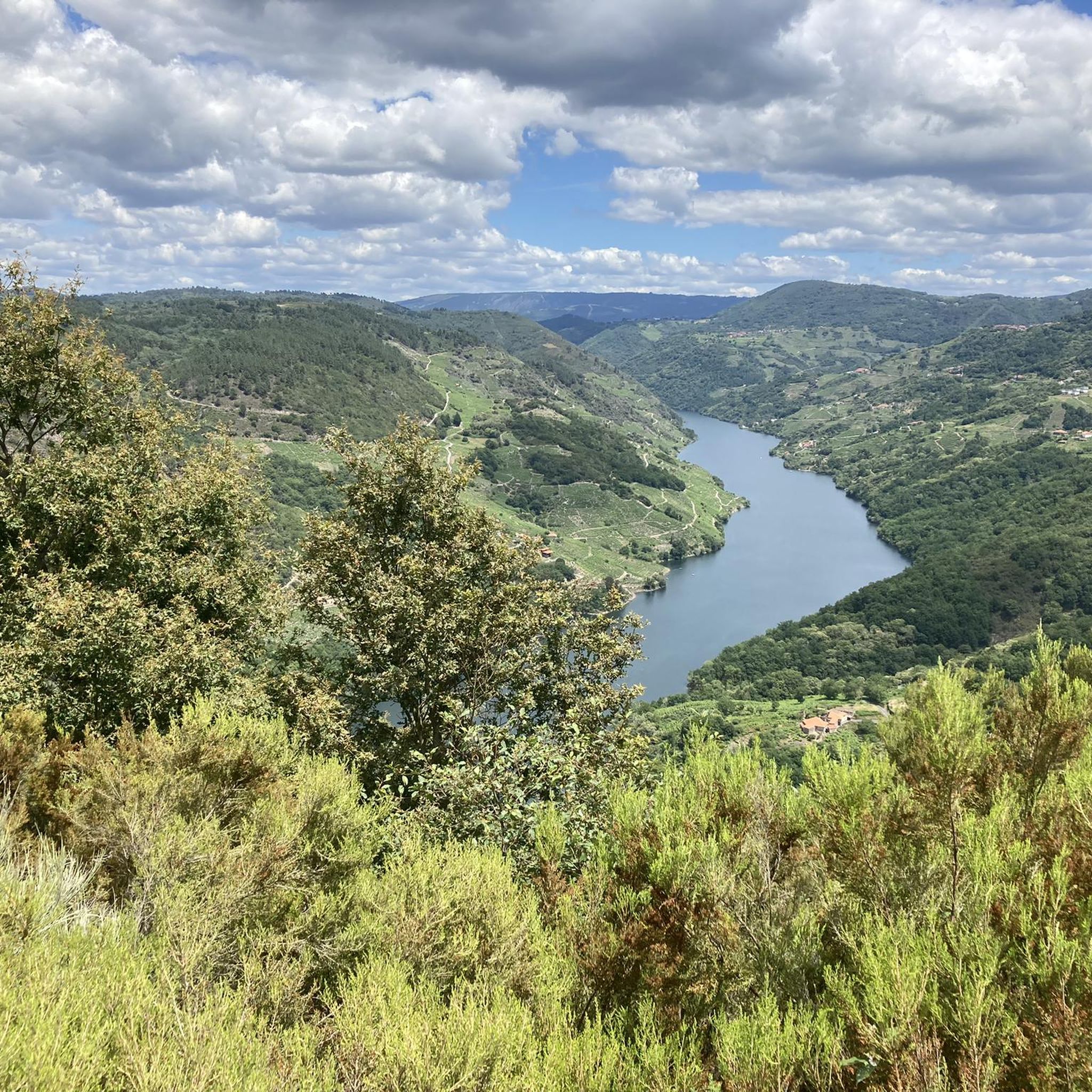
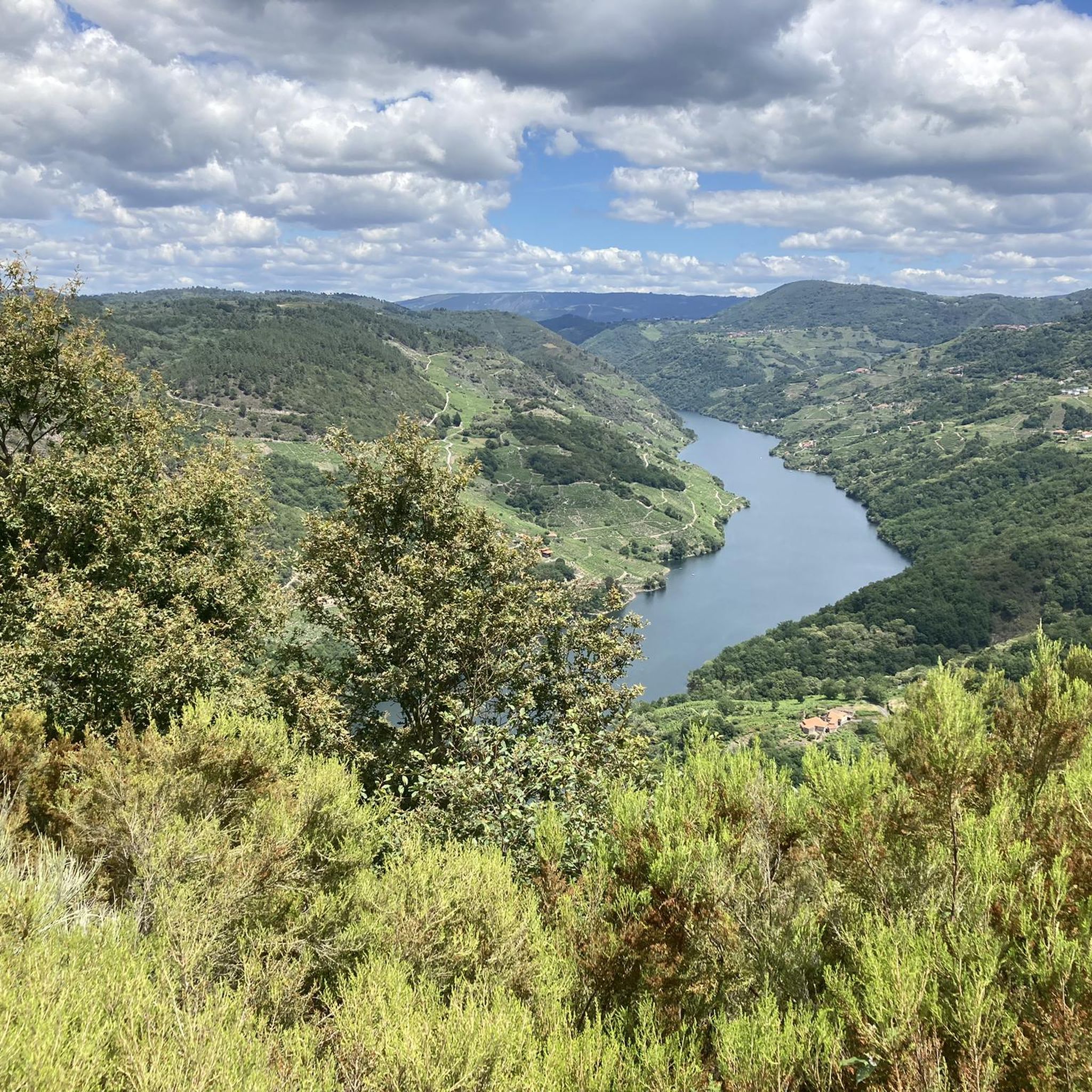
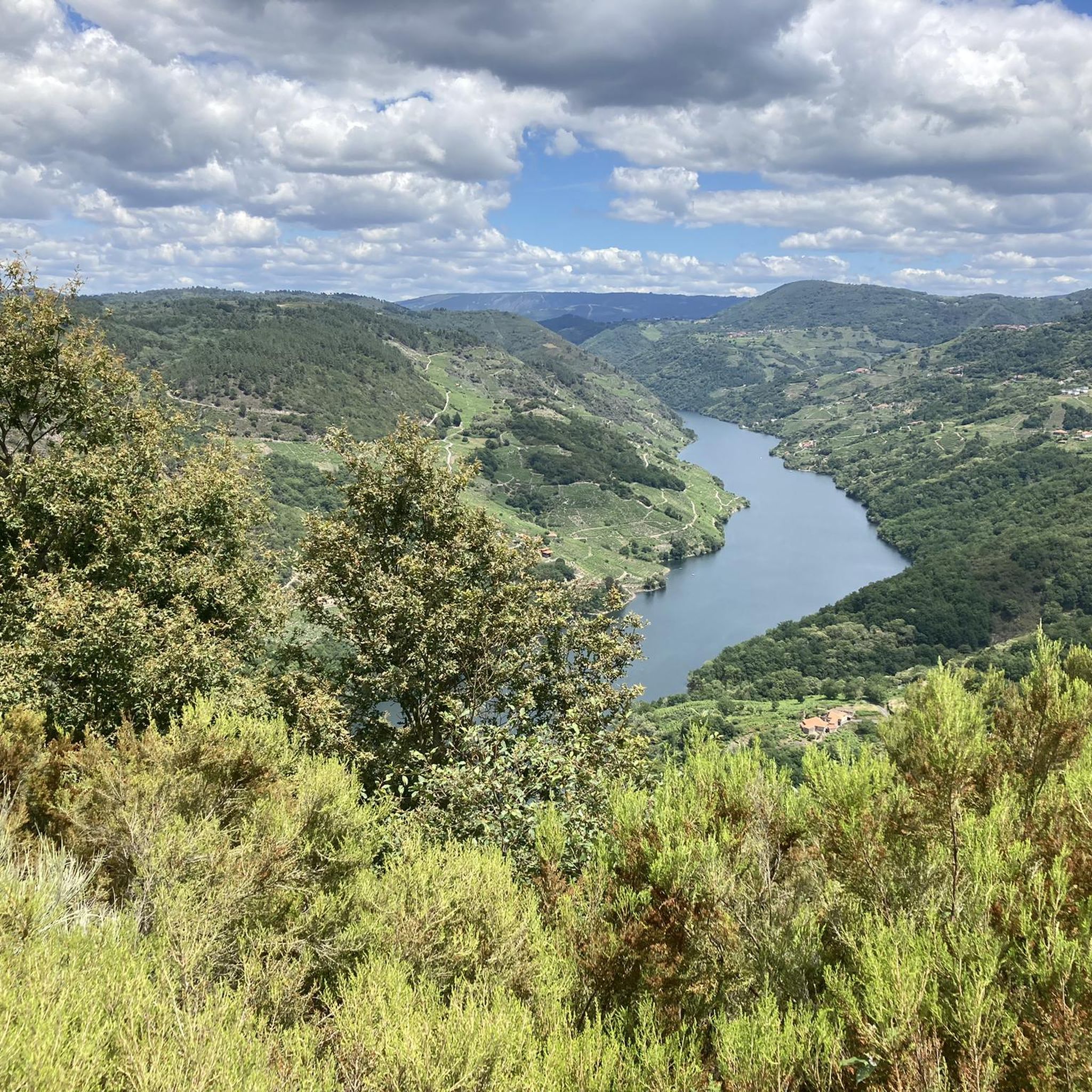
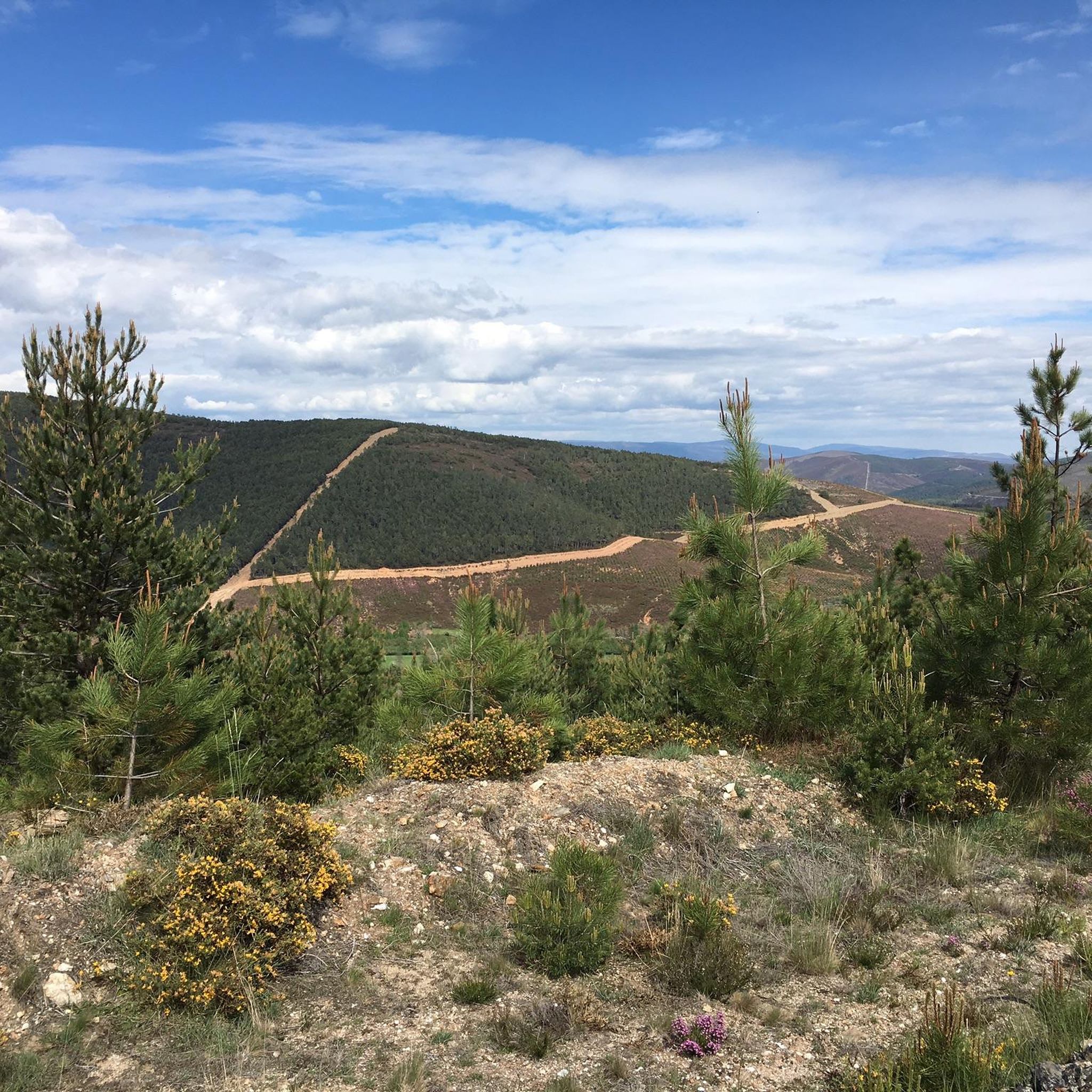
- Visitors also love Cividade Viewpoint, a viewpoint designed to offer panoramic views of the Ribeira Sacra landscape. From this point, visitors can see the Cabe River valley, terraced vineyards, and lush forests that characterize the region.
- Montederramo is known for its religious architecture, natural viewpoints, and historical sites. The region offers a variety of attractions to see and explore, from ancient monasteries to scenic overlooks.
- The attractions around Montederramo are appreciated by the komoot community, with more than 40 upvotes and 36 photos shared by visitors.
Last updated: May 10, 2026
Monastery of Santa Cristina
Highlight • Religious Site
Translated by Google •
Tip by

Monastery of Santo Estevo de Ribas de Sil
Highlight • Religious Site
This monastery was important, because nine bishops retired to it and renounced their episcopal sees and chose the monastery to end their days throughout the 10th century and perhaps part of the 11th. The monastery kept his remains and as a souvenir it carried the nine miters on its shield.
The church has a basilica plan, spacious and proportioned. It preserves the Romanesque apse with three apses, the central one being lower than the lateral ones, an unusual case in Galician Romanesque. The façade of the church is from the end of the 16th century or beginning of the 17th century. At the top there is a simple oculus that gives light to the interior and ends in a niche inside which is the image of Saint Stephen.
Translated by Google •
Tip by

Sign up now to discover places like this
Get recommendations on the best single tracks, peaks, & plenty of other exciting outdoor places.
Sign up for free
Monastery of San Pedro de Rocas
Highlight • Religious Site
Translated by Google •
Tip by

Cividade Viewpoint
Highlight • Viewpoint
Translated by Google •
Tip by

Traditional crops
Highlight • Trail
Translated by Google •
Tip by

Sign up for free to discover even more attractions around Montederramo.
Sign up for free
Already have an account?
Start today with a free account
Your next adventure awaits.
Login or Signup
Tips from the Community

The PR-G 98 takes the Santa Cristina detour along an ancient country path dug into the mountainside centuries ago in remote and steep places, like the remains of the stone villages that appear during the journey through this enchanted world. Remains of mills, houses, wineries, “sequeiros” and a multitude of constructions with mossy walls emerge from the small natural steps of the terrain that are suitable for building a building. The rest of the surroundings are a forest of chestnut and oak trees, old and gnarled, forgotten by man and time, placed everywhere forming a magnificent forest of enormous trees that hide the views of the Sil gorge. The river is close but practically unreachable.
0
0
It is a magnificent example of rural Galician Romanesque architecture. The original building is from the 12th century, and preserves carvings from the 16th century and baroque altarpieces from the 18th century. The entrance to the cloister has a Romanesque doorway with lobed arches and a magnificent sculptural pantheon. The economic power of the monks of the Sil reached a notable splendour in the 12th century, when they received royal privileges and papal protection to expand the monasteries and sanctuaries on both banks of the Sil, a territory with a strong historical and cultural personality, called Rivoyra Sacrata at that time and known since then as Ribeira Sacra.
1
0

The Monastery of San Pedro de Rocas is one of the oldest and most unique monasteries in Galicia, located in the municipality of Esgos, in the province of Ourense. This monastery stands out for being partially excavated in the rock, which gives it a unique and mysterious character. The foundation of the monastery dates back to the 6th century, although most of the structures visible today date from the 9th and 10th centuries. The monastery church is composed of three naves excavated in the rock, with a series of anthropomorphic tombs also carved in the stone. Outside, you can see a bell tower that was added in the 15th century. San Pedro de Rocas is known not only for its architecture, but also for its natural environment, surrounded by forests and mountains, making it a place of great beauty and tranquility. The monastery has been declared a Historic-Artistic Monument and is an important tourist and pilgrimage destination.
6
2

The viewing platform was designed by the Ola Estudio architectural studio, a Galician team specialising in landscape interventions and sustainable architecture. The viewing platform is built primarily from wood and Corten steel, durable and resistant materials that allow the structure to blend harmoniously with the natural environment. The use of Corten steel, which develops a protective patina that imitates rust, contributes to the rustic aesthetic of the Galician landscape.
1
0
Designed to offer panoramic views of the Ribeira Sacra landscape, especially the Cabe River valley and the surrounding areas of the city. From this viewing point you can see the terraced vineyards, the hills and the lush forests that characterise the region.
1
0


The monastery of Santo Estevo de Ribas de Sil is one of the most outstanding and spectacular complexes of the rich monumental heritage of Galicia. It was built between the 12th and 18th centuries. This monastery was important, because nine bishops retired to it and renounced their episcopal sees and chose the monastery to end their days throughout the 10th century and perhaps part of the 11th. The monastery kept his remains and as a souvenir it carried the nine miters on its shield. The church has a basilica plan, spacious and proportioned. It preserves the Romanesque apse with three apses, the central one being lower than the lateral ones, an unusual case in Galician Romanesque. The façade of the church is from the end of the 16th century or beginning of the 17th century. At the top there is a simple oculus that gives light to the interior and ends in a niche inside which is the image of Saint Stephen.
1
0

Spectacle to behold. Tour the viewpoints route by MTB or walking
1
0
Frequently Asked Questions
What historical and cultural sites can I explore in Montederramo?
Montederramo is rich in history. You can visit the impressive Monastery of Santa Cristina, a magnificent example of rural Galician Romanesque architecture with origins in the 10th century. Another significant site is the Monastery of Santo Estevo de Ribas de Sil, known for its Romanesque apse and historical importance. Don't miss the 12th-century Monastery of Santa María de Montederramo, a key Renaissance monument, or the ancient Roman remnants of the Bridge of Vilariño Frío.
Where can I find the best panoramic views of the Ribeira Sacra region?
For breathtaking vistas, head to the Cividade Viewpoint. It offers panoramic views of the Ribeira Sacra landscape, including the Cabe River valley, terraced vineyards, and lush forests. The Sierra de San Mamede also provides impressive views that can extend as far as Verín and Monforte de Lemos from its summit.
What natural attractions are there to discover in Montederramo?
Montederramo boasts several natural wonders. The Bidueiral de Montederramo, an extensive ancient birch forest within the Sierra de San Mamede, is a prominent natural area and part of the Natura 2000 network. You can also find the ancient Caracocha Oak, over 400 years old, and enjoy the fine sands of As Poulas River Beach for swimming and sunbathing.
Are there opportunities for hiking in Montederramo?
Yes, Montederramo offers various hiking opportunities. You can explore routes like the 'Ruta del Santo' or the 'Ruta do Bidueiral,' a circular trail through the ancient birch forest. For more options, check out the Running Trails around Montederramo guide, which includes routes like the Mao River Boardwalk.
Can I go cycling around Montederramo?
Absolutely. The region around Montederramo is popular for cycling. You can find various routes for different types of cycling, including touring and road cycling. Explore options in the Cycling around Montederramo and Road Cycling Routes around Montederramo guides.
Are there any ancient monasteries to visit in the region?
Yes, the area is home to several historic monasteries. Besides the Monastery of Santa María de Montederramo, you can visit the Monastery of Santa Cristina, a 10th-century Benedictine site, and the Monastery of Santo Estevo de Ribas de Sil, built between the 12th and 18th centuries. Also, consider the unique Monastery of San Pedro de Rocas, partially excavated into natural rock.
What is the best time of year to visit Montederramo?
The best time to visit Montederramo largely depends on your preferred activities. Spring and autumn offer pleasant temperatures for hiking and exploring natural sites like the Bidueiral. Summer is ideal for enjoying outdoor recreational areas and river beaches. The region's lush landscapes are beautiful year-round, but check local weather conditions for specific outdoor plans.
Are there family-friendly spots for a day out in Montederramo?
Yes, Montederramo offers family-friendly options. The Ponte Mazaira Recreational Area, located just over a kilometer from the Monastery of Montederramo, is ideal for a day out. Additionally, As Poulas River Beach provides a lovely setting for families to relax and swim.
What do visitors particularly enjoy about the attractions in Montederramo?
Visitors frequently praise the stunning panoramic views from spots like the Cividade Viewpoint, often describing them as a 'spectacle to behold.' The ancient monasteries, such as Santa Cristina and Santo Estevo de Ribas de Sil, are appreciated for their rich history and architectural beauty. The natural environment, especially the Bidueiral, is also a major draw for its tranquility and unique ecosystem.
Can I find ancient archaeological sites in the area?
Yes, the region has ancient archaeological significance. You can find the Petroglifo do Carpazal, an ancient archaeological site. Other 'mámoas, petroglifos, pedrafitas, marcos' are also found in the surroundings of A Cabeza de Meda, offering a glimpse into the area's prehistoric past.
What kind of unique natural areas can I explore?
The Bidueiral de Montederramo stands out as a unique natural area. It's one of Galicia's most prominent ancient birch forests and the most southern birch forest in Europe. Recognized by the Natura 2000 network, it's home to diverse native species and wildlife, offering a truly immersive natural experience.
Most popular attractions around Montederramo

Get inspired with the komoot mobile app


Explore more
Still not found the Highlight you’re looking for? See guides of the top attractions in other regions:
