Attractions and Places To See around Villaquilambre - Top 20
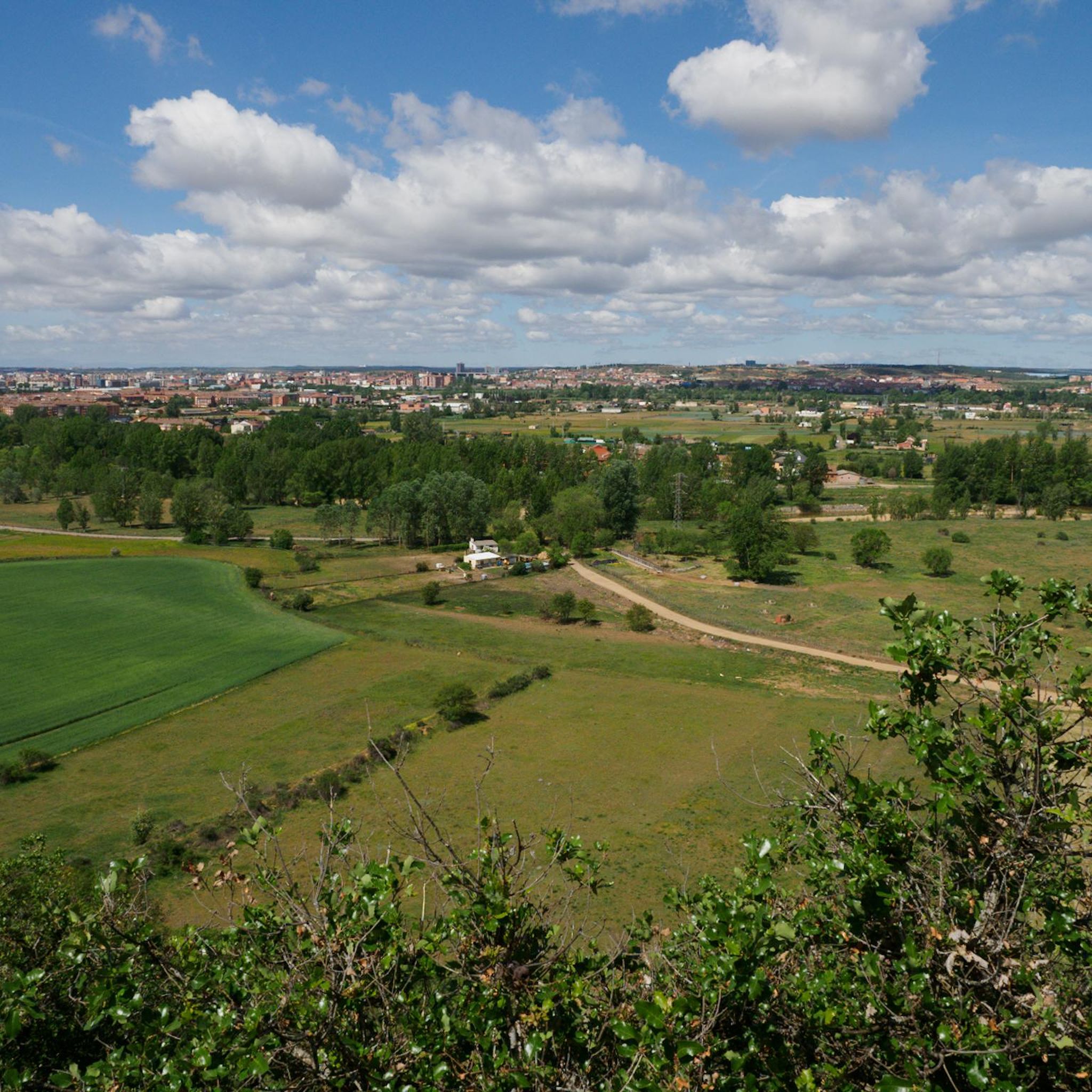
Best attractions and places to see around Villaquilambre, a municipality in León, Spain, offers a blend of historical sites, natural beauty, and cultural experiences. Situated north of León city, it provides a peaceful setting with a rich heritage and scenic landscapes. The area features the River Torío with its fluvial path, forested slopes, and the highest point, Alto de la Vallina Fonda, at 1,028 meters. Villaquilambre is known for its archaeological sites, historic mills, and a network of green routes…
Last updated: July 20, 2026
León Cathedral
Highlight • Religious Site
Translated by Google •
Tip by

San Marcelo Square and the Lion Sculpture
Highlight • Monument
We go back to Roman times to understand part of the theme of this sculpture. Cloacina, in Roman mythology, was the goddess who ruled over the …
Translated by Google •
Tip by

Sign up now to discover places like this
Get recommendations on the best single tracks, peaks, & plenty of other exciting outdoor places.
Sign up for free
Roman City Walls of León
Highlight • Historical Site
Roman wall: Its …
Translated by Google •
Tip by
Plaza de Santo Domingo Fountain, León
Highlight • Monument
Translated by Google •
Tip by
Casa Botines Gaudí Museum
Highlight • Monument
Translated by Google •
Tip by

Sign up for free to discover even more attractions around Villaquilambre.
Sign up for free
Already have an account?
Start today with a free account
Your next adventure awaits.
Login or Signup

Tips from the Community

By choosing this name, the bishopric of Leon pays tribute to a saint whose name will be familiar to the many pilgrims who pass through here on the “Camino frances”, because some time before (in the autonomous region of La Rioja) they reached the town named after him, Santo Domingo de la Calzada, also a very famous destination on the approximately 800-kilometer-long pilgrimage route from the Pyrenees to the tomb of the apostle in Santiago de Compostela in Galicia.
6
0

A beautiful, lively square right at the entrance to the old town of Leon.
4
0

EL LEÓN DE SALEAL: We go back to Roman times to understand part of the theme of this sculpture. Cloacina, in Roman mythology, was the goddess who ruled over the Cloaca Máxima, the sewer system of Rome. The sewer name comes from the name of this goddess, because thanks to the origin of sewer systems, a quality of life was achieved in terms of sanitation of urban environments and public health from the beginning to the present day. It should be remembered that the origin of the name of this city and province of León comes from the word legio ("legion"). Legio VII Gemina was the Roman camp that settled here and with it the origin of the city of León. A lion with strength and claws as a symbol of the sanitation system (the modern version of Cloacina Máxima) in constant renewal and maintenance. The goal was achieved: to do something symbolic and reflect the efforts and human work of so many years, to give solidity to our public health and the health of the environment.
6
0
Very well done how the lion climbs out of the drain here
5
0
Here you can still admire part of the impressive Roman city wall.
1
1
The building was designed by Gaudi. Inside there is a museum that displays some of his works.
2
0

Above the entrance door there is a sculpture of Saint George killing the dragon. The building was designed for the weaving workshop on the ground floor and semi-basement, while the remaining four floors were used for rental apartments. Designed by the architect with a cubic shape, the four corners are highlighted with pointed elements.
10
0
It is the great Gothic cathedral. Over the centuries it has been rebuilt several times under the direction of numerous famous architects, giving it its own character.
10
0
Frequently Asked Questions
What historical and cultural sites can I explore in Villaquilambre?
Villaquilambre and its surroundings offer a rich historical tapestry. You can visit the significant archaeological site of the Roman Villa at Navatejera, explore the remains of the Monastery of San Cosme and San Damián, or see the unique excavated Church of San Martín in Villamoros de las Regueras. The municipality also features historic mills and cultural centers. Nearby, in León city, don't miss the iconic León Cathedral, the ancient Roman City Walls of León, and the modernist Casa Botines Gaudí Museum.
What natural features and outdoor activities are available in Villaquilambre?
The area is rich in natural beauty and outdoor opportunities. You can enjoy the 7.5-kilometer fluvial path and bike lane along the River Torío, which connects Villaobispo to Villanueva del Árbol, offering diverse riverside vegetation. The municipality also boasts 16 kilometers of dedicated cycle paths and various green routes. For elevated views, consider visiting Alto de la Vallina Fonda, the highest point in the municipality. The surrounding region also features beautiful forests and vineyards.
Are there family-friendly attractions in Villaquilambre and nearby?
Yes, several attractions are suitable for families. In León city, the León Cathedral, San Marcelo Square and the Lion Sculpture, and the Roman City Walls of León are all marked as family-friendly. The Casa Botines Gaudí Museum also welcomes families. Additionally, the fluvial path along the River Torío and the various green routes provide excellent opportunities for family walks and bike rides in nature.
What kind of cycling routes can I find around Villaquilambre?
Villaquilambre is a great base for cycling enthusiasts. There are numerous routes for different types of cycling. For mountain biking, you can explore trails like the 'Trail with Views of León – La Candamia Park loop' or the 'Taxo Trail – S2 Trail loop'. If you prefer touring, options include the 'Plaza Mayor – Late Roman Wall of León loop' or the 'Guzmán del Bueno Fountain – Bridge of the Lions loop'. Road cyclists can tackle longer routes such as the 'Vegacervera Gorge – Matueca de Torío Church loop'. You can find more details on these and other routes in the MTB Trails around Villaquilambre, Cycling around Villaquilambre, and Road Cycling Routes around Villaquilambre guides.
Are there any accessible paths or attractions for visitors with mobility needs?
Yes, some areas are noted for their accessibility. In León city, San Marcelo Square and the Lion Sculpture and Plaza de Santo Domingo Fountain, León are marked as wheelchair accessible. The fluvial path along the River Torío and many of the dedicated cycle paths and green routes in Villaquilambre are generally flat and well-maintained, offering accessible options for enjoying the natural environment.
What are some lesser-known or 'hidden gems' in Villaquilambre?
Beyond the main highlights, Villaquilambre holds several unique spots. The Roman Villa at Navatejera offers a glimpse into ancient history with its mosaics and baths. The remains of the Monastery of San Cosme and San Damián are historically significant as the believed origin of the first Mozarabic Bible. Don't miss the Ancient Banner of Villasinta, the oldest banner in the diocese of León, or the excavated Church of San Martín in Villamoros de las Regueras, a rare example of a High Medieval church. The historic mills scattered throughout the area also offer a charming insight into the region's past.
What do visitors enjoy most about the attractions around Villaquilambre?
Visitors frequently appreciate the blend of historical depth and natural beauty. The architectural grandeur of the León Cathedral is often highlighted, with many finding the free audio guide inside very exciting. The symbolic Lion Sculpture in San Marcelo Square is also a popular and unique sight. The well-preserved sections of the Roman City Walls of León are admired for their historical significance and impressive round towers. The overall appeal lies in the rich heritage and the opportunities for outdoor exploration along the River Torío and its green routes.
Can I find any wineries or vineyards in the Villaquilambre area?
While Villaquilambre itself is not primarily known for wineries, the broader region surrounding it is home to beautiful wineries and vineyards. Visitors to the area can often find opportunities for wine tastings and tours, allowing them to experience the local viticulture and enjoy the scenic landscapes associated with these establishments.
Are there any cultural centers or local events in Villaquilambre?
Yes, Villaquilambre has several cultural centers that serve as hubs for community activities and events. These include the Casa de Cultura de Villaquilambre, Casa de Cultura de Villarrodrigo, and Casa de Cultura de Villamoros. These centers often host various services, event halls, activity rooms, gyms, and libraries, contributing to the local cultural life. It's advisable to check local listings for current events during your visit.
What is the highest point in Villaquilambre and what does it offer?
The highest point within the municipality of Villaquilambre is Alto de la Vallina Fonda, which rises to 1,028 meters. From this elevated position, visitors can enjoy expansive views of the surrounding landscapes, offering a panoramic perspective of Villaquilambre and the broader region of Castile and León.
How many churches and hermitages are there in Villaquilambre?
The municipality of Villaquilambre is rich in religious heritage, boasting a total of 34 churches and hermitages. These structures, some of which are historic, offer a glimpse into the traditional architecture and spiritual life of the region.
What is the significance of the River Torío in Villaquilambre?
The River Torío plays a central role in Villaquilambre's natural landscape and recreational offerings. The municipality is situated on its right bank, and a major attraction is the 7.5-kilometer fluvial path and bike lane that runs alongside it. This path connects Villaobispo to Villanueva del Árbol, providing a scenic route for walking and cycling amidst diverse riverside vegetation, including oaks, willows, and poplars.
Most popular routes around Villaquilambre

Get inspired with the komoot mobile app


Explore more
Still not found the Highlight you’re looking for? See guides of the top attractions in other regions:
