Attractions and Places To See around Peleas De Abajo - Top 19
Best attractions and places to see around Peleas De Abajo include historical sites, viewpoints, and natural landscapes. This municipality in Zamora, Spain, offers a glimpse into rural Castilian life, characterized by its serene environment and historical roots within the Tierra del Vino region. The area features traditional architecture, streams like Vallcuebo and Valparaíso, and rural paths suitable for hiking and mountain biking. Its agricultural landscape, with fields of sugar beet, corn, and vineyards, provides a mosaic of colors throughout the…
Last updated: July 12, 2026
Monoliths of the Three Causeways
Highlight • Monument
Translated by Google •
Tip by

Monument of the Three Pilgrimage Routes
Highlight • Monument
Translated by Google •
Tip by

Sign up now to discover places like this
Get recommendations on the best single tracks, peaks, & plenty of other exciting outdoor places.
Sign up for free
View of the Salamanca Plains
Highlight • Viewpoint
Translated by Google •
Tip by
View of the Convent of Santa María del Soto
Highlight • Religious Site
Translated by Google •
Tip by

Views from the Cañada Real de la Plata
Highlight • Viewpoint
Translated by Google •
Tip by
Sign up for free to discover even more attractions around Peleas De Abajo.
Sign up for free
Already have an account?
Start today with a free account
Your next adventure awaits.
Login or Signup
Popular around Peleas De Abajo
Tips from the Community

This monument consists of three monoliths representing the three roads that converge at this location: the Via de la Plata, the Calzada Mirandesa, and the Via Dalmacia; and a curb where pilgrims can write a wish on a stone and throw it into the curb for it to come true.
1
0

first 'rest stop' since el Cubo del Vino
1
0

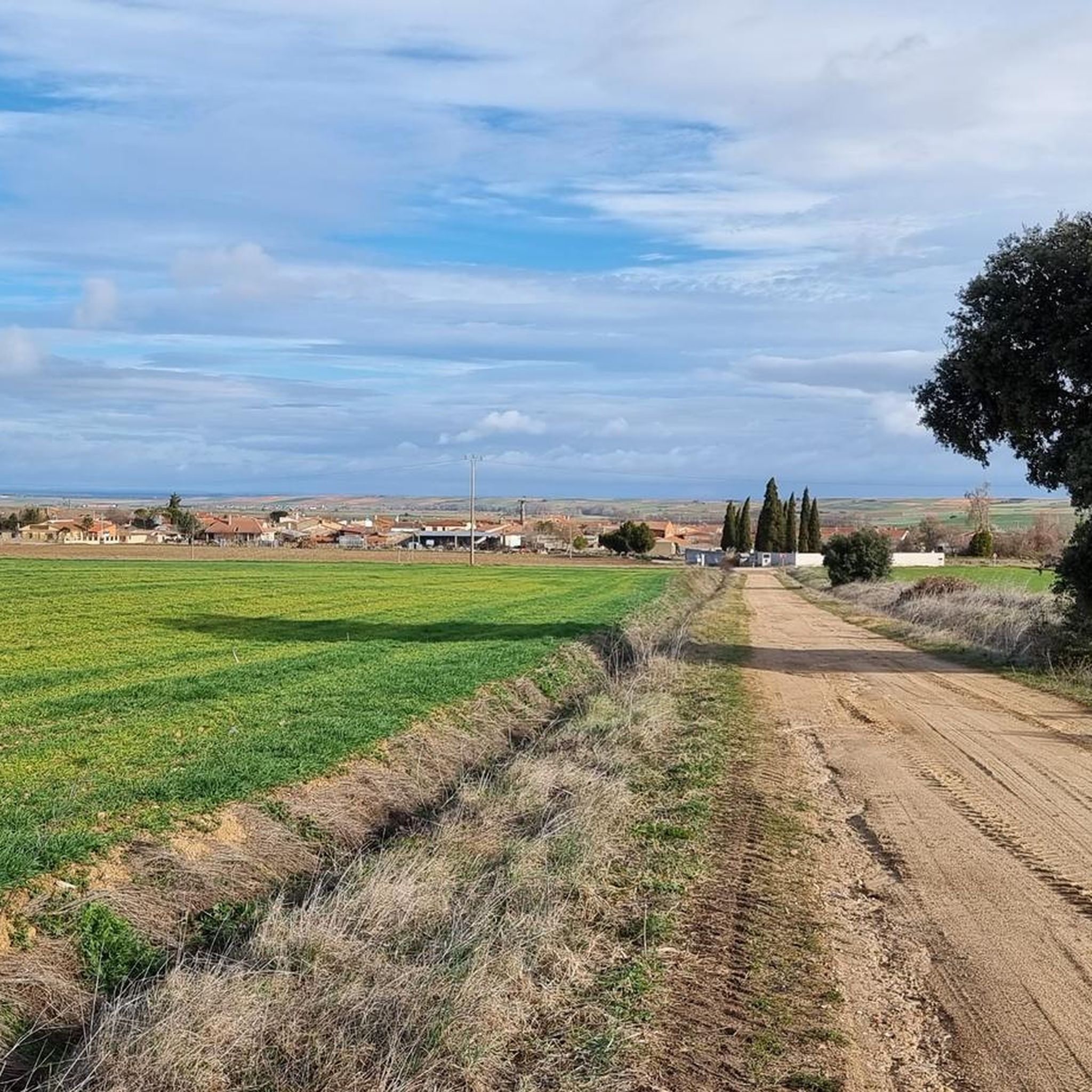
The Convent of Santa María del Soto is located in Villanueva de Campeán, in the province of Zamora. This Franciscan convent was founded in 1406 on the site of an old hermitage and is located on the Camino de Santiago de la Vía de la Plata. Although the original structure is no longer preserved, the building was completely renovated in the 18th century.
2
0
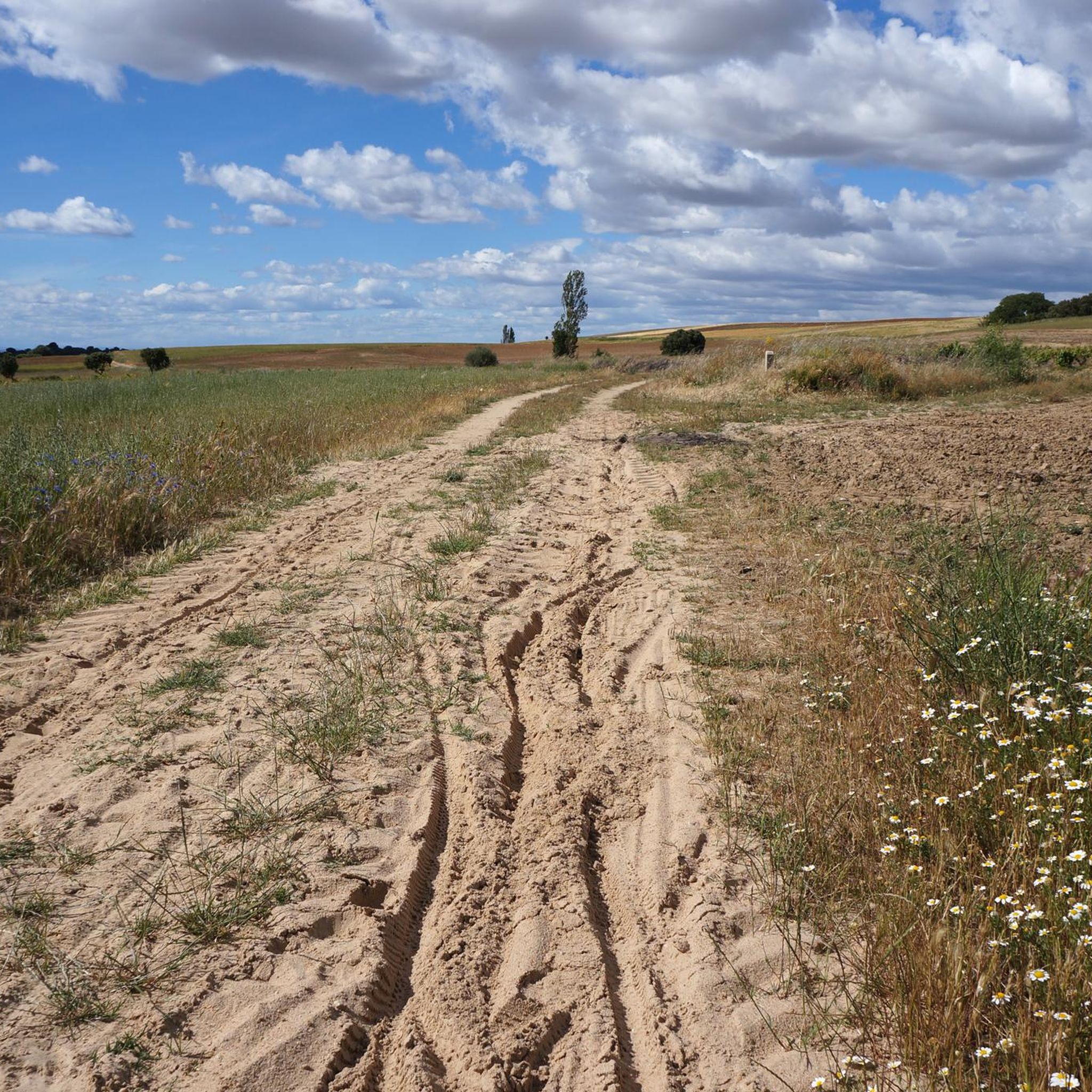
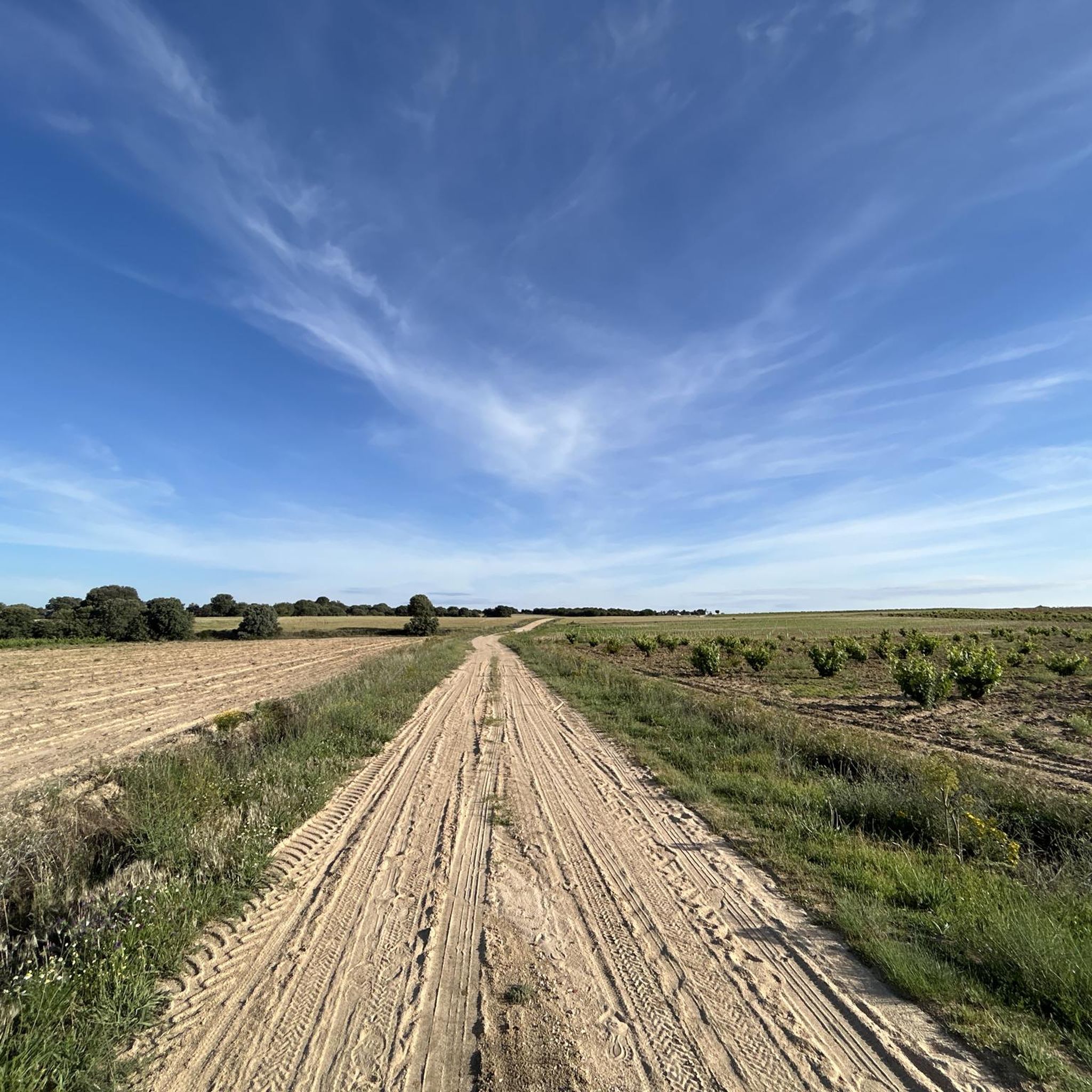
Good path or path through the Cañada Real de Vizana or de la Plata.
5
0

Magnificent panorama that we find ourselves rolling through the Cañada Real de la Plata or Vizana (in very good condition) with views of the cultivated fields of Salamanca that offer us a beautiful mosaic of colors.
2
0

This is the point of confluence of the three Jacobean pilgrimage routes. The monument of three granite monoliths over four meters high represent a tribute to peace and understanding of Islamic, Jewish and Christian cultures. In the center of them, is the brocal of promises. A well in which pilgrims can throw a stone at the same time they make a wish.
2
0
The track is in very good condition and the views it gives you of the plain are impressive. From this point you can see the mosaic of colors offered by the fields of Salamanca from kilometers away.
5
0

The Franziskanerkloster Nuestra Señora del Soto is located on the Way of St. James of the Silver Way. It was acquired in 1406 on an ancient site.
1
1
Frequently Asked Questions
What historical and cultural sites can I explore in Peleas de Abajo?
Peleas de Abajo offers a glimpse into its rich history. The principal point of interest is the Church of Nuestra Señora de la Asunción, an originally Romanesque church with 16th and 17th-century modifications. You can admire its significant baptismal font and a 16th-century crucifix. Additionally, the village is known for its traditional wineries (bodegas) excavated into the hillside, which are an important part of the region's cultural heritage.
Are there any significant monuments or tributes to historical routes nearby?
Yes, you can visit the Monoliths of the Three Causeways, a man-made monument representing the confluence of three historical roads: the Via de la Plata, the Calzada Mirandesa, and the Via Dalmacia. Another similar site is the Monument of the Three Pilgrimage Routes, which pays tribute to the ancient pilgrimage routes and the understanding of Islamic, Jewish, and Christian cultures.
Where can I find scenic views and panoramas around Peleas de Abajo?
For impressive vistas, head to View of the Salamanca Plains, which offers expansive panoramas of the cultivated fields, showcasing a beautiful mosaic of colors. Another excellent spot is Views from the Cañada Real de la Plata, a viewpoint along a well-maintained path that also serves as a notable rest stop.
What natural landscapes and features can I discover in the area?
The region around Peleas de Abajo is characterized by beautiful natural landscapes. The Valparaíso Area features large forested masses, contributing to the village's tranquil surroundings. Several streams, including Vallcuebo, Valparaíso, and Jambrina, traverse the municipal area. The surrounding fields, part of the Tierra del Vino region, offer a mosaic of colors that change with the seasons, ideal for contemplative walks.
What kind of outdoor activities can I do near Peleas de Abajo?
The rural paths stemming from the municipality are ideal for outdoor activities. You can enjoy hiking and mountain biking (BTT) through the Castilian landscape. For more structured routes, explore the MTB Trails around Peleas De Abajo or consider Cycling around Peleas De Abajo, which includes routes like the 'Casaseca de las Chanas loop from Moraleja del Vino'.
Are there any specific cycling routes recommended for road bikes?
Yes, the area offers several road cycling routes. You can find options like the 'Zamora and Peñausende Castles Loop' or 'Tierra del Vino — circular desde Morales del Vino' within the Road Cycling Routes around Peleas De Abajo guide. These routes allow you to explore the wider Tierra del Vino region.
What is the best time of year to visit Peleas de Abajo?
The Tierra del Vino region, where Peleas de Abajo is located, offers a mosaic of colors that change with the seasons due to its agricultural landscape. Spring and autumn are particularly pleasant for outdoor activities like hiking and cycling, with milder temperatures and vibrant scenery. Summer can be warm, while winter offers a quieter, more serene experience.
Are there any family-friendly attractions or activities in the area?
While specific children's activities are not highlighted, the natural landscapes and rural paths are suitable for family walks and gentle cycling. The View of the Salamanca Plains is easily accessible and offers impressive views that can be enjoyed by all ages. Exploring the traditional bodegas (wineries) can also be an interesting cultural experience for families.
What is the significance of the name 'Peleas' for the village?
The name 'Peleas' itself, meaning 'fights' or 'battles,' is believed to refer to historical conflicts between Moors and Christians that took place in the area for centuries, particularly around the Valparaíso stream. This historical context adds another layer of cultural interest to the village's identity.
What are some lesser-known points of interest or 'hidden gems' in Peleas de Abajo?
Beyond the main church, exploring the traditional wineries (bodegas) excavated into the hillside offers a unique insight into the region's historical wine-making practices. These deep, traditional structures are a testament to the local cultural and economic heritage. Additionally, the serene environment of the Valparaíso Area, with its forested masses and streams, provides peaceful spots away from more frequented paths.
Can I see any other historical religious sites from a distance?
Yes, you can find a View of the Convent of Santa María del Soto. This Franciscan convent, located in Villanueva de Campeán, was founded in 1406 on the site of an old hermitage and is situated on the Camino de Santiago de la Vía de la Plata. While the original structure has been renovated, it remains a historical landmark visible from certain viewpoints.
Most popular routes around Peleas De Abajo

Get inspired with the komoot mobile app


Explore more
Still not found the Highlight you’re looking for? See guides of the top attractions in other regions:
