Attractions and Places To See around Bigastro - Top 20
Best attractions and places to see around Bigastro include cultural landmarks, natural features, and recreational areas in the Vega Baja region of Alicante, Spain. This rural town offers a variety of sites for those interested in history, nature, and outdoor activities. The area features archaeological sites, a central town square, and numerous parks. Visitors can explore both the town's heritage and its surrounding natural landscapes.
Best attractions and places to see around Bigastro
- The most popular attractions is La Pedrera Reservoir, a lake known for its bright blue waters and beautiful views from various viewpoints. This reservoir was built in the 1980s to regulate water supply for irrigation.
- Another must-see spot is Cruz de la Muela, a summit that rises approximately 465 meters above sea level. This prominent iron cross offers superb views over Orihuela and Redovan.
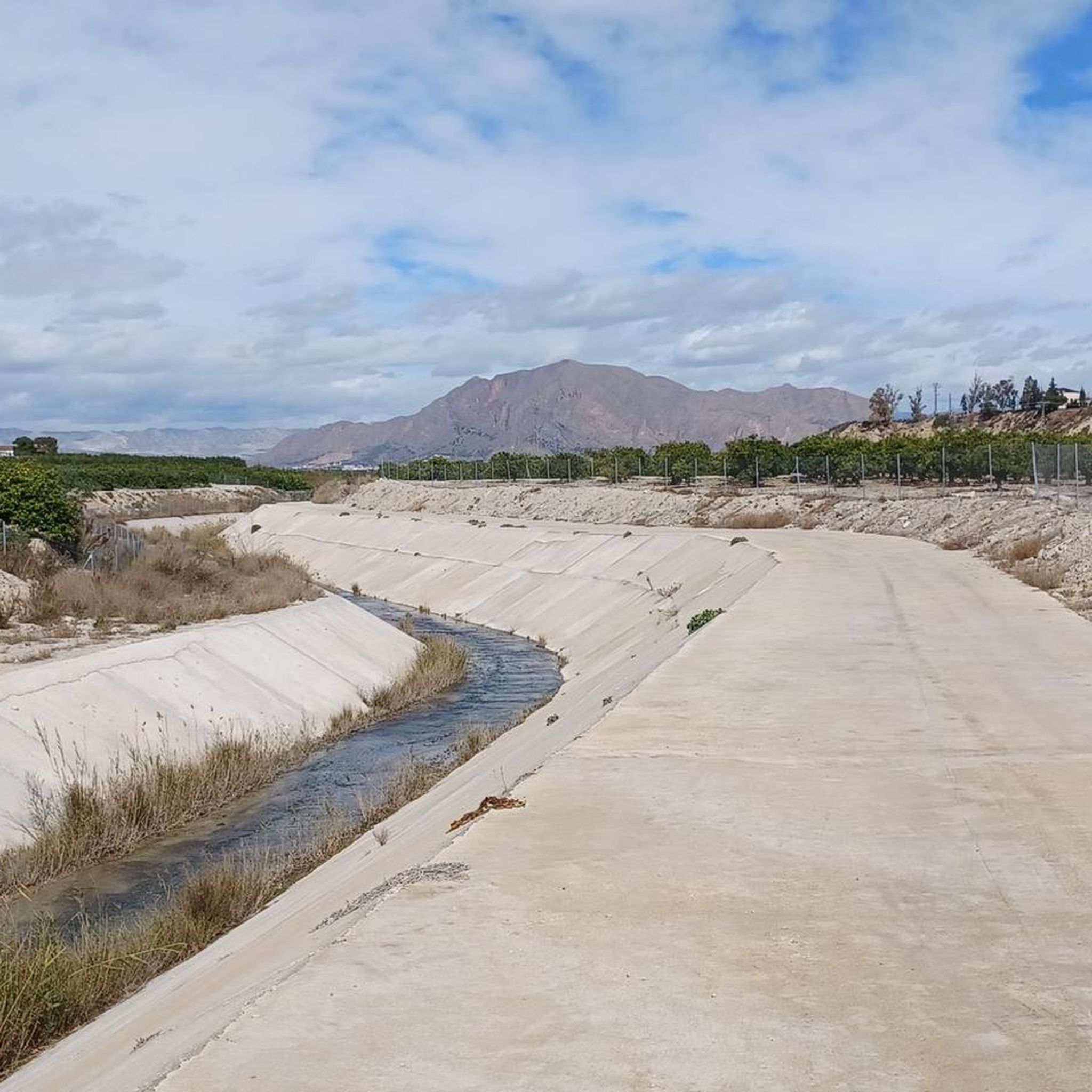
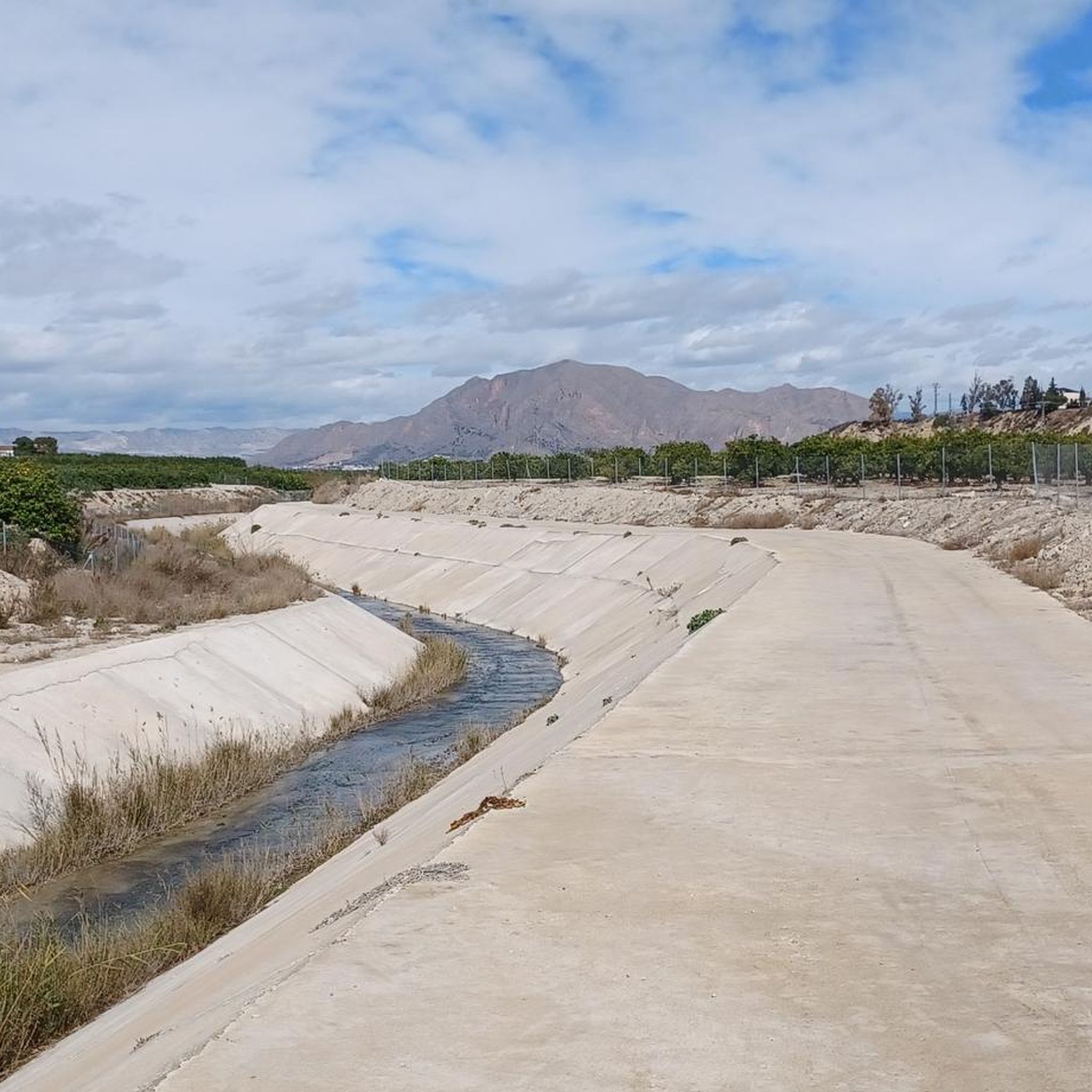
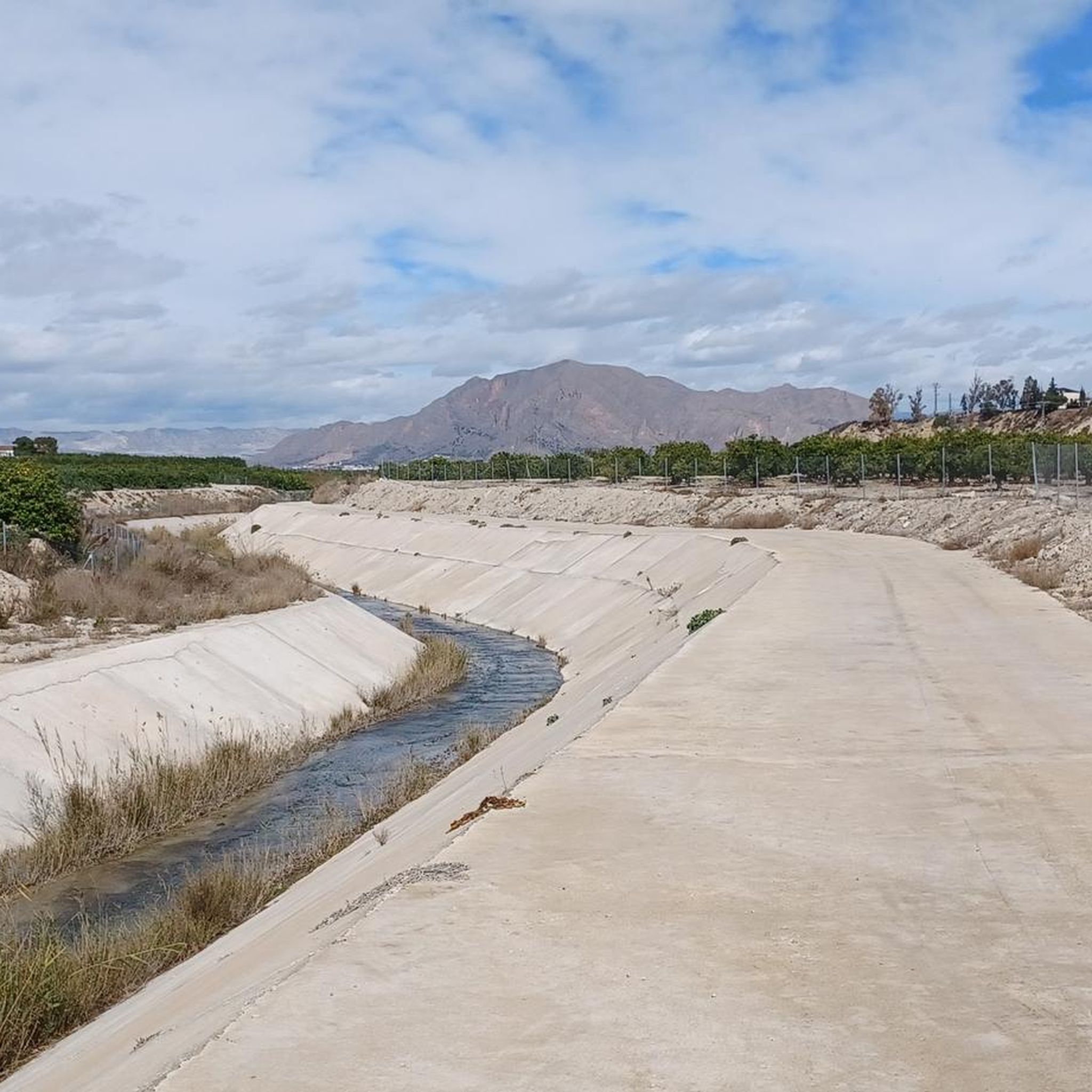
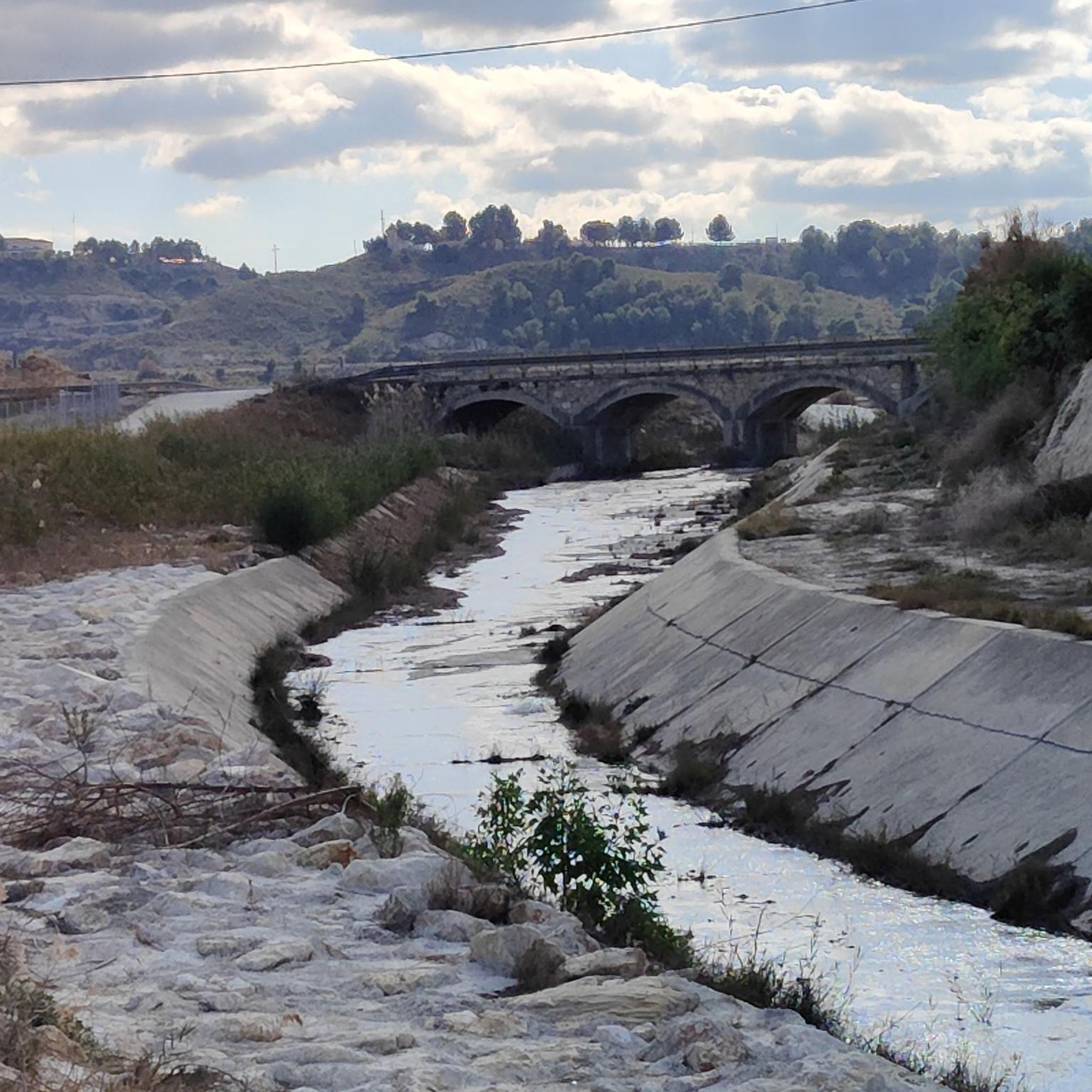
- Visitors also love Campo de Cartagena Canal, an other man-made structure with a total length of around 64 kilometers. This section of the route offers very nice views and relaxed driving.
- Bigastro offers a blend of historical sites, natural areas, and recreational opportunities. Visitors can explore cultural landmarks, natural features, and outdoor activity areas.
- The attractions around Bigastro are appreciated by the komoot community, with more than 190 upvotes and 20 photos shared.
Last updated: July 6, 2026
La Pedrera Reservoir
Highlight • Lake
Translated by Google •
Tip by

Orihuela
Highlight • Settlement
Orihuela is also monumental. One of its great examples is the urban wall of the city and, also, its numerous civil buildings built by the nobles who lived there in the 16th and 17th centuries.
Translated by Google •
Tip by

Sign up now to discover places like this
Get recommendations on the best single tracks, peaks, & plenty of other exciting outdoor places.
Sign up for free
Cruz de la Muela
Highlight • Summit
Translated by Google •
Tip by

Segura River Greenway (Corredor Verde del Río Segura)
Highlight (Segment) • Cycleway
The cycle path is popular with both locals and tourists as it offers a great way to explore the area away from the main roads. The route is often flat, making it suitable for less experienced cyclists and families. A highlight is the lush vegetation along the banks, which provides a refreshing backdrop, especially in the warmer months. There are a few picnic areas and viewpoints near the river that invite you to take a break.
Translated by Google •
Tip by

Campo de Cartagena Canal
Highlight (Segment) • Structure
Translated by Google •
Tip by

Sign up for free to discover even more attractions around Bigastro.
Sign up for free
Already have an account?
Start today with a free account
Your next adventure awaits.
Login or Signup
Tips from the Community

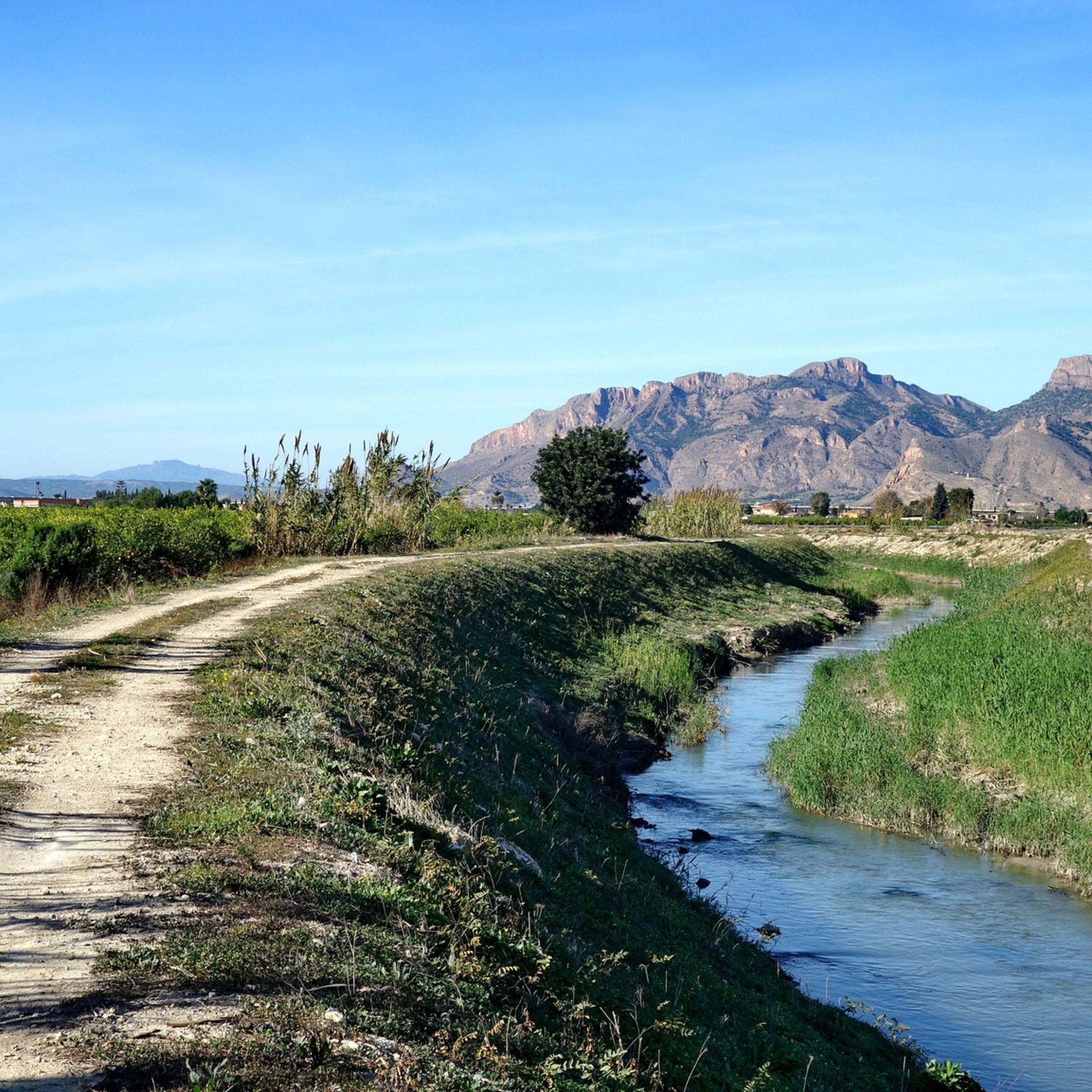
Done by bike and by car. Fantastic region for cycling, little traffic outside the season. Highly recommended.
0
0
A manageable route from Alicante to the La Pedrera reservoir. You don't need to be in great shape, just able to handle the effort of covering the kilometers.
0
0

Former episcopal city - typical Spanish city - lively Orihuela is located on the left bank of the Río Segura (60 km south of Alicante) and surrounded by a green valley with palm trees and citrus groves. It is a former episcopal city at the foot of a mountain with ruins of a fortress and buildings of the seminary. From the seminary you have a beautiful view. The historic center bears witness to a rich past, with Gothic and Baroque heritage, religious buildings and museums. In this typical Spanish city it is lively and cozy in both the old and the new city, with numerous restaurants, bars and terraces. The brightly colored houses on the river Segura in the center, may remind you of Gerona. In addition to the palm gardens of Elche, the palm forest (Palmeral) of Orihuela is also worth a visit. The forest, the second largest in Europe, is located on the edge of the historic centre History The city was called 'Aurariola' under Roman rule and 'Orguëla' under the Moors. In the 9th century, Orihuela was the capital of the Duchy of Teodomiro. After that, it was under the rule of the Umayyad Caliphate. In 1242, after the liberation from the Moors, the city was incorporated into the Kingdom of Valencia. It flourished during the period when it was a bishopric in 1564. After the war of succession, the city was destroyed by the troops of Philip V because Orihuela had sided with Austria. In 1910, the writer/poet Miguel Hernández was born in the city and his house can now be visited as a museum Nature - Active The city is surrounded by palm trees and orange and lemon groves. On the edge of the historic centre is the Palm Grove (Palmeral) and offers the perfect location for nature watching, picnicking or a pleasant walk. The Natural Park, "Pinar de Bonanza", is just outside the town (4.5 km north-west). This nature reserve has an interesting variety of fauna and flora, and is a popular place for cycling, walking and picnicking. The River Segura runs through the heart of Orihuela and is ideal for a relaxing walk. To the south, near the village of Torremendo, is the beautiful Pedrera reservoir, with its bright blue colours. There are beautiful views of the lake from various viewpoints. You can cycle and walk around the lake. You can go canoeing on the lake
0
0

Quiet area with little car traffic!
0
0

A quiet loop around the lake, perfect as a Richmond Park replacement
0
0

The highly visible colossal Iron Cross, Cruz de la Muela rises about 465 metres above sea level and is the most popular mountain of the Sierra de Orihuela,
8
1

The Canal Campo de Cartagena has its origin in the Embalse de la Pedrera and ends at the Carretera de la Guía, near Cartagena. It has a total length of around 64 kilometers.
3
1

Frequently Asked Questions
What natural attractions can I explore around Bigastro?
Bigastro is surrounded by diverse natural beauty. You can visit La Pedrera Reservoir, known for its bright blue waters and scenic views, where you can also cycle or walk. For hiking, explore the Cruz de la Muela summit, offering superb panoramic views. The Segura River Greenway provides a pleasant path along the river with lush vegetation. Other natural areas include La Loma Ancha Nature Area and Pinar de Bonanza Natural Park.
Are there historical or cultural sites to visit in Bigastro?
Yes, Bigastro has several cultural and historical points of interest. The 18th-century Nuestra Señora de Belén Parish Church is a significant landmark, featuring Baroque sculptures and a distinctive central dome. The Plaza de la Constitución serves as the central square, leading to the church and the town's charming narrow streets. You can also find archaeological sites like La Loma (Bronze Age) and Los Palacios (2nd century BC to 2nd century AD) outside the town walls.
What outdoor activities are available near Bigastro?
The area around Bigastro offers a variety of outdoor activities. You can enjoy gravel biking on routes like those found in the Gravel biking around Bigastro guide, or explore running trails such as the 'Segura River Riverside Path loop' from the Running Trails around Bigastro guide. Road cycling is also popular, with routes like the 'Bigastro–Rojales Road' detailed in the Road Cycling Routes around Bigastro guide. Many of these activities allow you to enjoy the region's natural landscapes.
Are there any family-friendly places or activities in Bigastro?
Absolutely! For families, the Segura River Greenway is an easy and scenic cycling path suitable for all ages. The Huerto del Cura Park is a lovely green space for relaxation and walks, sometimes hosting open-air events. The La Pedrera Recreational Area offers picnic tables, barbecue spots, an outdoor swimming pool, and a children's playpark. Additionally, a 20-minute walk from the town center leads to El Cerro de Bigastro Viewing Point, which provides excellent panoramic views enjoyable for the whole family.
Where can I find panoramic views of the Bigastro area?
For stunning panoramic views, head to Cruz de la Muela, a prominent iron cross rising 465 meters above sea level, offering superb vistas over Orihuela and Redovan. Another great spot is El Cerro de Bigastro Viewing Point, just a short walk from the town center, providing excellent views of the surrounding landscape. The viewpoints around La Pedrera Reservoir also offer beautiful scenery.
Can I go cycling around Bigastro?
Yes, cycling is a popular activity in the Bigastro area. The Segura River Greenway is a well-loved cycle path, often flat and suitable for less experienced cyclists and families. You can also cycle around La Pedrera Reservoir. For more challenging routes, explore the options in the Road Cycling Routes around Bigastro guide and the Gravel biking around Bigastro guide.
What is the Campo de Cartagena Canal?
The Campo de Cartagena Canal is a significant man-made structure, approximately 64 kilometers long, originating from the Embalse de la Pedrera. This section of the route is appreciated by visitors for its very nice views and relaxed driving, making it a pleasant area to explore.
Are there places for relaxation and picnics in Bigastro?
Yes, Bigastro offers several spots for relaxation and picnics. The Huerto del Cura Park is a municipal green space perfect for unwinding. The La Pedrera Recreational Area, located outside the town center, is ideal for outdoor enthusiasts, featuring picnic tables and barbecue areas. The Segura River Greenway also has picnic areas along its path, surrounded by lush vegetation.
What is the best time of year to visit Bigastro for outdoor activities?
The Vega Baja region, where Bigastro is located, generally enjoys a mild climate. Spring (March to May) and Autumn (September to November) are often considered the best times for outdoor activities, as temperatures are pleasant and ideal for hiking, cycling, and exploring. Summers can be very warm, but early mornings or evenings are still suitable for activities, especially near water bodies like La Pedrera Reservoir.
What do visitors enjoy the most about the attractions around Bigastro?
Visitors particularly enjoy the scenic beauty and tranquility of the area. The bright blue waters and beautiful views of La Pedrera Reservoir are highly praised. The Cruz de la Muela is loved for its superb panoramic views. The Segura River Greenway is appreciated for being an easy, beautiful section for cycling with wonderful views. Overall, the blend of natural landscapes and opportunities for relaxed outdoor exploration is a major draw.
Are there any archaeological sites in the Bigastro region?
Yes, beyond the town walls, Bigastro has archaeological sites that provide a glimpse into earlier civilizations. These include La Loma, which holds evidence from the Bronze Age, and Los Palacios, with relics dating from the 2nd century BC to the 2nd century AD, offering insights into the region's ancient past.
Where can I find parks within Bigastro town?
Bigastro boasts numerous parks throughout the town for residents and visitors to enjoy. Besides the larger Huerto del Cura Park, you can find smaller green spaces such as Parque Le Vigan y Cisano Sul Neva, Parque Santa Ana, Parque del Tercer Centenario, Parque Lo Chusco, Parque de las Culturas, Parque de la Cruz, Parque Río Segura, Parque José Nieto, Jardín de Europa, Parque San José, Parque Villas Andrea, and Parque Alféreces provisionales.
Most popular routes around Bigastro

Get inspired with the komoot mobile app


Explore more
Still not found the Highlight you’re looking for? See guides of the top attractions in other regions:
