Attractions and Places To See around Torremejía - Top 14
Best attractions and places to see around Torremejía include historical sites, natural viewpoints, and ancient routes. This village in the province of Badajoz, Spain, offers insights into a rich history, with evidence of Roman presence and cultural points of interest. The area features a peaceful Extremaduran atmosphere, alongside scenic beauty and significant landmarks. Visitors can explore a variety of landscapes, from reservoirs to historical trails.
Best attractions and places to see around Torremejía
- The most popular attractions is Views of…
Last updated: July 15, 2026
Alange Castle
Highlight • Castle
Translated by Google •
Tip by

Views of the Alange Reservoir
Highlight • Viewpoint
The concrete dam was …
Translated by Google •
Tip by
Sign up now to discover places like this
Get recommendations on the best single tracks, peaks, & plenty of other exciting outdoor places.
Sign up for free
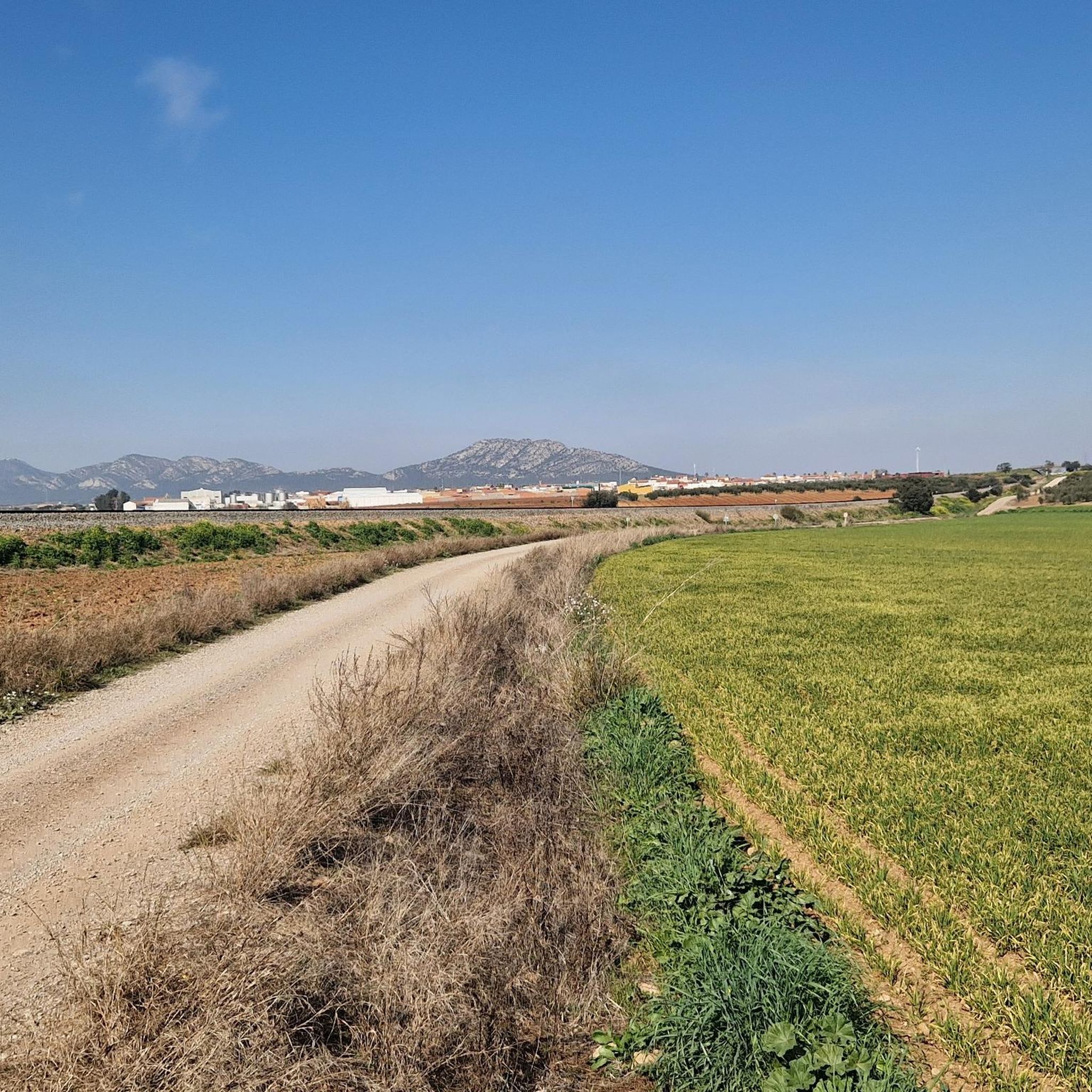
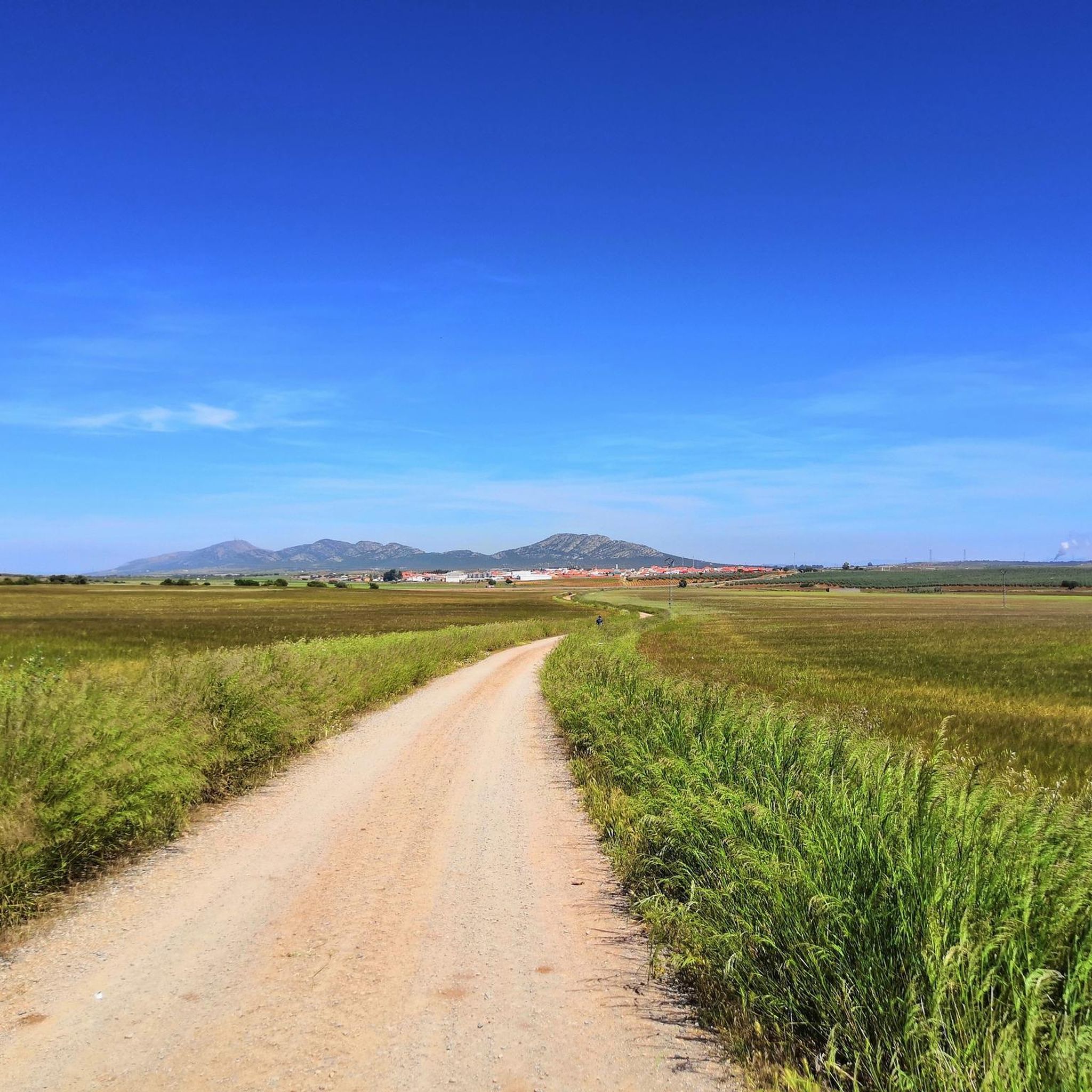
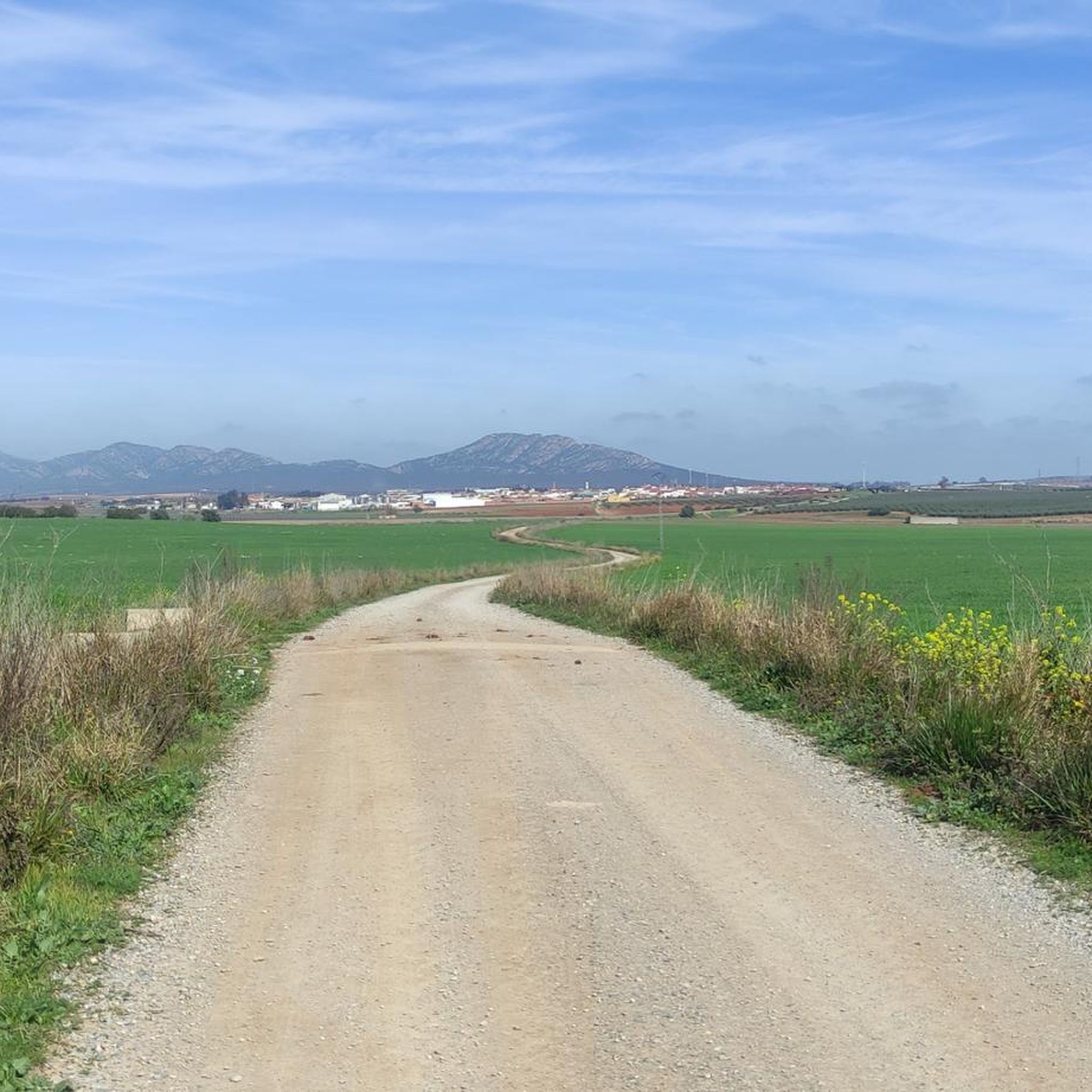
Vineyard Road on the Camino de Almendralejo to Torremejía
Highlight • Trail
Translated by Google •
Tip by
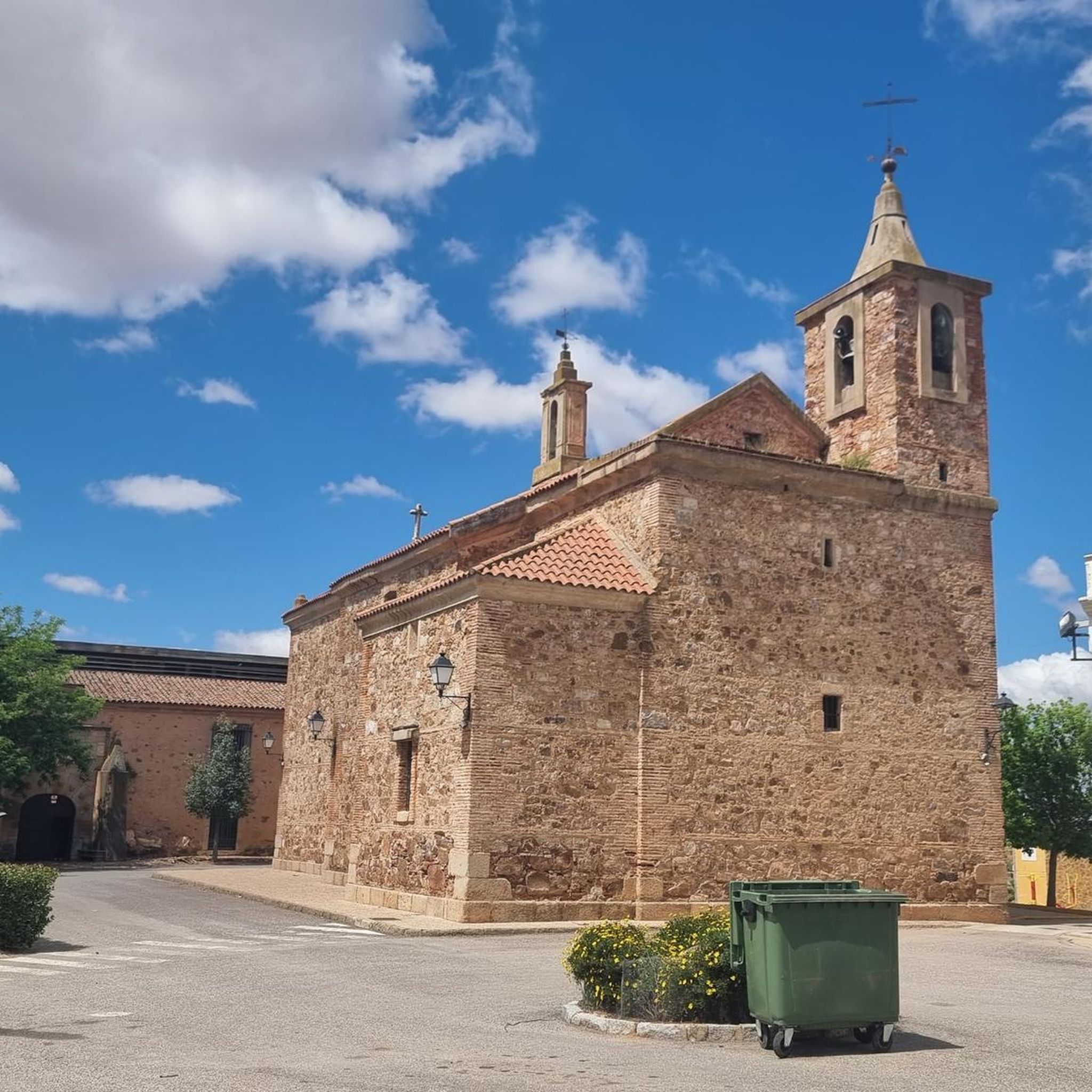
Church of Nuestra Señora de la Purificación (Almendralejo)
Highlight • Religious Site
Founded after the Reconquista, around the 13th century, by the Order of Santiago.
Translated by Google •
Tip by
Stork Nesting Area, Río Guadiana
Highlight • River
Translated by Google •
Tip by

Sign up for free to discover even more attractions around Torremejía.
Sign up for free
Already have an account?
Start today with a free account
Your next adventure awaits.
Login or Signup
Tips from the Community

Almendralejo, located in the province of Badajoz, Extremadura, is a city with a rich historical, cultural, and agricultural heritage. Founded after the Reconquista, around the 13th century, by the Order of Santiago. Its name comes from the almond trees that once covered the original site. By the 16th century, it already had a well-established urban structure. In 1513, it received its charter of privileges, which spurred its development.
4
0
The Alange Reservoir is an impressive engineering work located in the province of Badajoz, Extremadura, near the town of Alange and about 20 km from Mérida. The concrete dam was inaugurated in 1992 and is located on the Matachel River, close to its mouth in the Guadiana River.
3
0
The Alange Castle, also known as the Culebra Castle, is a medieval fortress located in the municipality of Alange. It is located on the Cerro de la Culebra, 485 meters above sea level, offering panoramic views of the region. Built in the 9th century by the Moors on an old Roman fortress. It was conquered by the Christians in the 13th century and used until the 16th century. The castle is a fascinating place to explore history and enjoy nature.
7
0
Point on the Mozárabe Way (also known as Vía de la Plata or VdlP) is a pilgrimage route that connects Almería with Santiago de Compostela.
8
0

Fantastic views of the Alange Dam.
2
0
There are only remains of the castle left, but the view up here is fantastic.
3
0

Nice path next to the river itself! Set of towers where the storks live next to the Río Guadiana in one of its meanders after the city of Badajoz.
0
1
On the ascent/descent to the Castillo de Alange, there are spectacular views of the reservoir as a whole, thanks to the height difference in Cerro de la Culebra.
0
0
Frequently Asked Questions
What historical sites can I explore in Torremejía?
Torremejía offers a rich historical legacy. You can visit the Renaissance-style Mexía Palace (also known as Palacio de los Mexía or Lastra Palace), which features an original 1525 entrance doorway and incorporates Roman sculptures. Another significant site is the Church of the Immaculate Conception, dating back to the late 16th and early 17th centuries, which remarkably survived the War of Independence and houses a revered image of the Immaculate Conception.
Are there any natural attractions or viewpoints near Torremejía?
Yes, the region boasts several natural features and viewpoints. You can enjoy the Views of the Alange Reservoir, an impressive engineering work offering panoramic vistas. The Embalse de Camasón, a reservoir with Roman origins, is also nearby and known for its tranquil environment and waterfowl. Further afield, the Stork Nesting Area, Río Guadiana provides a unique natural viewing experience.
What outdoor activities, like hiking or cycling, can I do around Torremejía?
The area around Torremejía is excellent for outdoor activities. You can find various routes for running, cycling, and mountain biking. For example, there are running trails like the 'Torremejía and Vía de la Plata Loop', cycling routes such as 'Embalse de Alange — circular by the Sierra de Peñas Blancas foothills', and MTB trails like 'Roman Bridge of Mérida loop from Torremejía'. You can explore more options on the dedicated guides for Running Trails around Torremejía, Cycling around Torremejía, and MTB Trails around Torremejía.
Is Torremejía connected to any ancient routes or pilgrimage trails?
Absolutely. Torremejía is strategically located along the historic Vía de la Plata (Silver Way), an ancient Roman road that connected the Roman north and south. This route also forms part of the Mozárabe Way, a long-distance hiking and pilgrimage route connecting Almería with Santiago de Compostela. You can experience a section of this historic path on the Vineyard Road on the Camino de Almendralejo to Torremejía.
What is the Mexía Palace known for?
The Mexía Palace, also known as Palacio de los Mexía or Lastra Palace, is a significant Renaissance-style manor house in Torremejía. It is notable for its original 1525 entrance doorway and the incorporation of Roman sculptures within its stonework, reflecting the area's deep historical roots. It was once part of a larger complex that included the Church of the Immaculate Conception.
Can I find family-friendly places to visit near Torremejía?
Yes, for families, the Stork Nesting Area, Río Guadiana offers a pleasant natural experience where you can observe storks in their natural habitat. While specific family-focused attractions within Torremejía are limited, the peaceful village square and streets provide a traditional Extremaduran atmosphere suitable for a relaxed family stroll.
What is the Church of the Immaculate Conception in Torremejía notable for?
The Church of the Immaculate Conception in Torremejía is a historical gem, dating from the late 16th and early 17th centuries. It is particularly notable for its survival through the War of Independence and a comprehensive restoration in 1990, which preserved its excellent condition. The church features a single nave with a Latin cross plan and houses a small, revered image of the Immaculate Conception.
Are there any castles or fortresses to visit in the area?
Yes, a prominent historical fortress nearby is Alange Castle. Located on the Cerro de la Culebra, this strategic 9th-century fortress offers panoramic views of the region and is a fascinating place to explore history. Though only remains are left, the views from its elevated position are spectacular.
What kind of traditional Extremaduran experiences can I have in Torremejía?
Beyond its historical monuments, Torremejía offers a perception of modest, traditional Extremaduran village life through its square and streets, providing a peaceful experience. You can also savor the traditional Extremaduran gastronomy, with local products like sausages, hams, meats, and sheep cheeses, and typical dishes such as pork stews, fried Extremaduran, gazpachos, and *potaje de vigilia*.
What is the significance of the Embalse de Camasón?
The Embalse de Camasón is a reservoir near Torremejía that serves as an indicator of the Roman presence in the area, showcasing the region's long tradition. It contributes to the scenic beauty of the area and is known for its waterfowl, offering a tranquil natural environment for visitors.
What do visitors enjoy most about the attractions around Torremejía?
Visitors particularly appreciate the historical depth and the panoramic views. The strategic location of Alange Castle on Cerro de la Culebra is praised for its historical significance and the fantastic regional views it offers. Similarly, the Views of the Alange Reservoir are highlighted for their spectacular vistas of the impressive engineering work and the surrounding landscape.
Is there a literary connection to Torremejía?
Yes, Torremejía holds cultural significance as it captivated the renowned writer Camilo José Cela, who chose to set his famous novel "La Familia de Pascual Duarte" in the village. This connection adds another layer of cultural interest for visitors.

Get inspired with the komoot mobile app


Explore more
Still not found the Highlight you’re looking for? See guides of the top attractions in other regions:
