The best road cycling routes around El Camp De Mirra
4.7
(30)
3,230
riders
80
rides
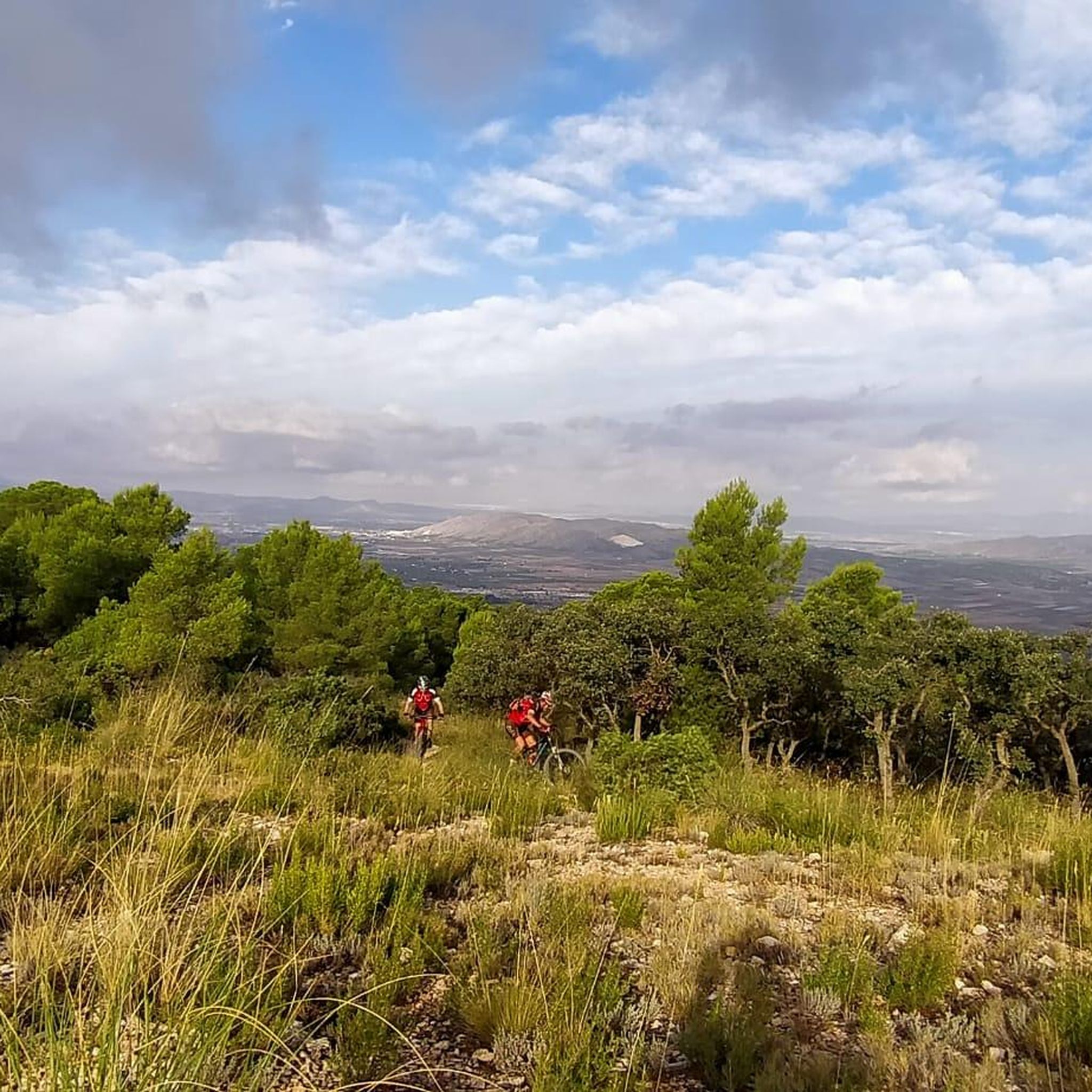
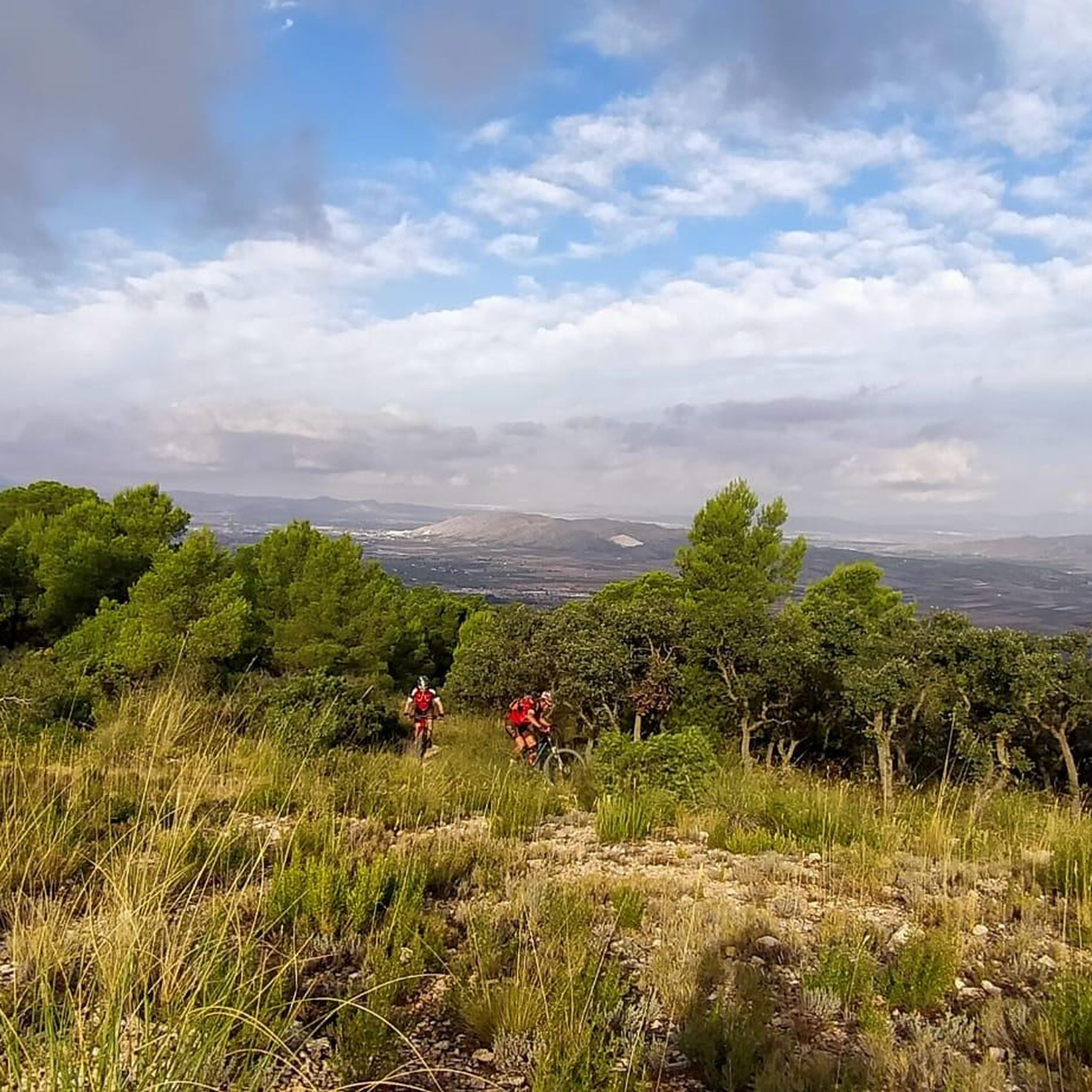
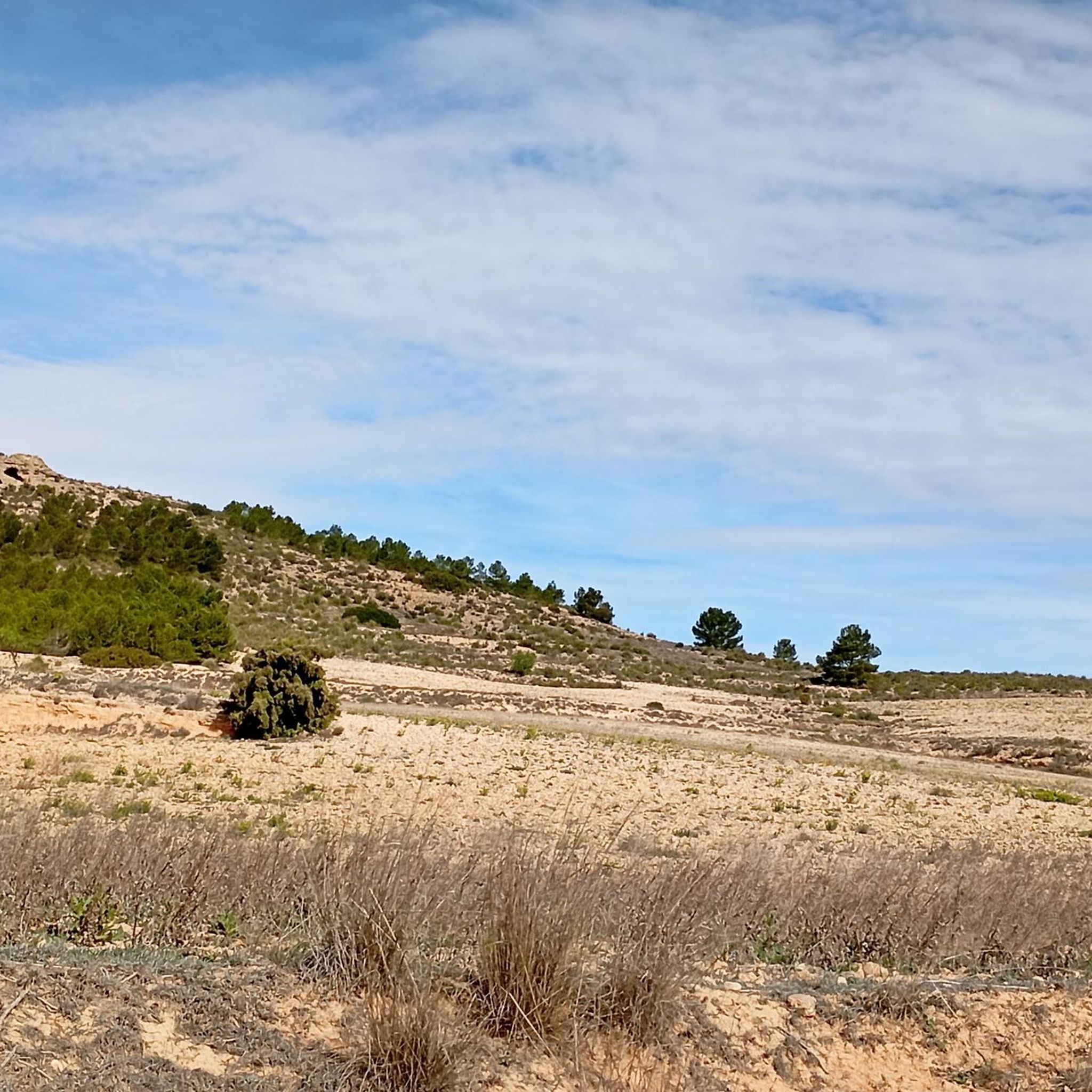
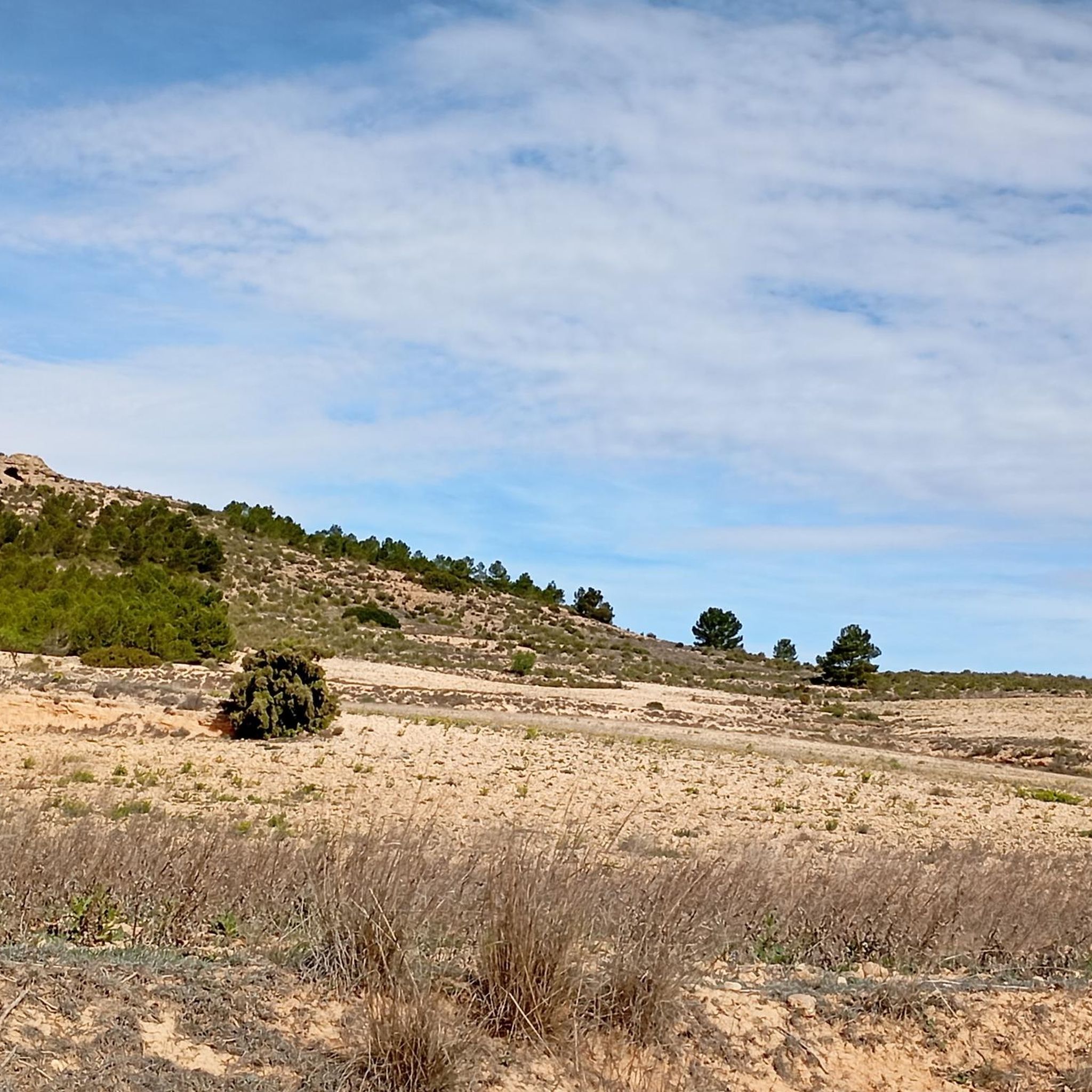
Road cycling routes around El Camp De Mirra traverse a diverse landscape of gentle hills and cultivated fields in the Alto Vinalopó region of Alicante. The area features proximity to mountainous terrain, such as Biar at approximately 700 meters altitude, offering opportunities for challenging ascents. The Vinalopó River's upper course runs to the south, and ancient paths wind through varied natural scenery, including pastures and scrubland. This combination provides a range of road cycling experiences.
Best road cycling routes around…
Last updated: May 15, 2026
5.0
(2)
138
riders
72.9km
03:51
990m
990m
Hard road ride. Very good fitness required. Some segments of this route may be unpaved and difficult to ride.
5.0
(2)
52
riders
43.3km
02:40
500m
500m
Moderate road ride. Good fitness required. Some segments of this route may be unpaved and difficult to ride.

Sign up for free
32
riders
46.2km
02:30
450m
450m
Moderate road ride. Good fitness required. Some segments of this route may be unpaved and difficult to ride.
5.0
(1)
55
riders
76.6km
03:48
760m
760m
Moderate road ride. Good fitness required. Mostly well-paved surfaces and easy to ride.
14
riders
38.7km
01:52
400m
400m
Moderate road ride. Good fitness required. Some segments of this route may be unpaved and difficult to ride.
Get access to more routes and recommendations from other explorers.
Sign up for free
Already have an account?
Our route recommendations are based on thousands of hikes, rides, and runs completed by other people on komoot.
Start today with a free account
Your next adventure awaits.
Login or Signup
Tips from the Community

The Plaza de la Constitución should definitely be included. Church, town hall, pub: it's all there.
0
0

If you enjoy technically challenging singletrack trails, Biar is the perfect place for you. Onil, Castalla, and Ibi are also ideal starting points for demanding routes.
0
0
You can still find some pretty old buildings and authentic Spanish life here. However, it's a bit more difficult to find a restaurant on Mondays.
2
0

A charming destination steeped in history and renowned for its delicious cuisine, ideal for combining cultural tourism with nature. It's not a place for shopping sprees or nightlife, but rather for disconnecting and enjoying local traditions. Historical Heritage: The Almohad castle and the old town are authentic medieval gems, remarkably well-preserved. Natural Surroundings: Enclosed by mountains and hiking trails, it's perfect for those seeking tranquility and nature. Peaceful Atmosphere: This welcoming village is ideal for rural getaways away from the tourist crowds. Gastronomy: Traditional dishes like olleta (a hearty stew), gazpacho manchego (a traditional gazpacho from La Mancha), and homemade sweets are highly prized. Festivals and Culture: Its celebrations and craft fairs offer an authentic and engaging atmosphere.
1
0
The Church (Hermitage) of Santa Eulalia, located in the Santa Eulalia Colony, between Sax and Villena (Alicante, Alto Vinalopó). It forms part of an agricultural colony built in the late 19th century, declared a Site of Cultural Interest (ethnological) in 2016. It is situated in an area between Sax and Villena, near the Acequia del Rey irrigation canal and the Vinalopó River. The hermitage is located in one of the colony's two main squares, surrounded by houses, factories (flour and alcohol), a theater, a casino, and a train station. The current hermitage was built in 1891, on the site of an earlier medieval one, commissioned by the Count of Alcudia (Antonio de Padúa Saavedra). It is a simple rectangular building with a double-arched bell gable built around 1900; each arch housed bells on its lower level.
2
0
Villena is a jewel of inland Alicante, perfect for a cultural, historical, and gastronomic getaway. Monuments and Heritage Atalaya Castle: A 12th-century Almohad fortress, a symbol of the city. It offers spectacular views and guided tours. Church of Santiago: With its spiral columns, it is one of the most unique examples of Levantine Gothic architecture. Church of Santa María: A blend of Gothic and Baroque styles. Chapí Theatre: A cultural landmark with a program of music, theatre, and dance. Town Hall and Santiago Square: The heart of the historic center.
4
0
Church of Santa María (Villena) This church was built in the 16th century on the site of the former main Muslim mosque of Villena, at which time it became the church of El Rabal, the suburb outside the medieval walls of Villena.
10
0
The Church of Mary Help of Christians (Salesians) in Villena. Founded in 1917 along with the Salesian House of Villena. The image of Mary Help of Christians arrived in solemn procession from the Parish of Santa María on May 4, 1918. During the Spanish Civil War, the altars were destroyed, but the building remained intact. It has been a key spiritual and educational center in the city, linked to the Salesian legacy and the figure of Don Bosco.
6
0
Frequently Asked Questions
What kind of terrain can I expect on road cycling routes around El Camp De Mirra?
Road cycling around El Camp De Mirra offers a diverse landscape. You'll find routes traversing gentle hills and cultivated fields, providing picturesque and serene rides. For those seeking more challenge, the proximity to mountainous areas like Biar, at approximately 700 meters altitude, offers opportunities for climbs with impressive views. The region features ancient paths and varied natural scenery, including pastures and scrubland.
How many road cycling routes are available in El Camp De Mirra?
There are over 80 road cycling routes around El Camp De Mirra, catering to various skill levels. This includes 13 easy routes, 49 moderate routes, and 20 difficult routes, ensuring options for every cyclist.
Are there challenging road cycling routes for experienced cyclists?
Yes, experienced cyclists will find challenging routes with significant elevation gain. For example, the Natural Park of the Serra de Mariola — Rodeo from Biar is a difficult 72.9 km trail that takes nearly 4 hours to complete, featuring substantial climbs through mountainous terrain.
What are some scenic viewpoints or landmarks I can see while cycling?
The region offers several scenic points and historical landmarks. Routes often provide views over the Vinalopó River and a limestone gorge. You can also cycle past historical sites like the remnants of the ancient Islamic castle of Almizra on San Bartolomé hill, or explore the well-preserved medieval gems of Biar, including its Almohad castle and old town.
Are there any moderate road cycling loops suitable for a good day out?
Absolutely. A popular moderate option is the Puerto de Biar (810 m) – Onil Recreation Center loop from Biar. This 43.6 km path includes climbs to Puerto de Biar, offering rewarding views of the surrounding landscape and typically takes around 3 hours to complete.
What do other road cyclists say about the routes in El Camp De Mirra?
The road cycling routes in El Camp De Mirra are highly rated by the komoot community, with an average score of 4.7 stars from over 30 reviews. Cyclists often praise the varied terrain, from gentle fields to challenging ascents, and the tranquil natural environment.
Can I find longer road cycling routes that explore diverse natural areas?
Yes, for longer rides, consider the Biar – Pou Clar Natural Area loop from Biar. This route spans 91.4 km and leads through diverse natural areas, often completed in about 4 hours, offering a comprehensive exploration of the region's landscapes.
What is the best season for road cycling in El Camp De Mirra?
While specific seasonal data isn't provided, the region's Mediterranean climate generally makes spring and autumn ideal for cycling, with milder temperatures. Summer can be hot, especially for challenging climbs, while winters are typically mild.
Are there any road cycling routes that start directly from El Camp de Mirra?
Yes, you can find routes starting directly from the village. For instance, the Biar – Puerto de Biar (810 m) loop from El Camp de Mirra is a moderate 43.3 km route that begins in El Camp de Mirra and includes a climb to Puerto de Biar.
Are there options for cyclists looking for a mix of climbs and scenic views?
Certainly. The Puerto de Biar (810 m) – Canalís d'Onil Pass loop from Biar is a moderate 46 km route that combines climbs to Puerto de Biar with passage through the Canalís d'Onil Pass, offering both physical challenge and picturesque scenery.
Is El Camp De Mirra a good destination for a cycling holiday away from crowds?
Yes, El Camp De Mirra is an ideal destination for those seeking a blend of cultural tourism and nature away from bustling tourist crowds. Its tranquil natural environment, historical sites, and varied cycling terrain make it a peaceful yet engaging location for a cycling holiday.
Most popular routes around El Camp De Mirra
Most popular attractions around El Camp De Mirra

Get inspired with the komoot mobile app


Explore more
Browse the best Road cycling routes in other regions.
