Attractions and Places To See around Puente La Reina/Gares - Top 20
Best attractions and places to see around Puente La Reina/Gares, a historic town in Navarre, Spain, are centered around its significant role on the Camino de Santiago. The town is situated on the Arga River in the Valdizarbe Valley, known for its Mediterranean climate. Its historical urban center has been declared an Asset of Cultural Interest, featuring medieval and Renaissance architecture. This area serves as a pivotal meeting point for two major Camino de Santiago routes, offering a blend of cultural landmarks and natural landscapes.
Best attractions and places to see around Puente La Reina/Gares
- The most popular attraction is Puente la Reina Romanesque Bridge, a bridge that is an iconic 11th-century structure over the Arga River. This bridge facilitated the passage of pilgrims and features six arches spanning 110 meters.
- Another must-see spot is Pilgrim Monument at Alto del Perdón, a man-made monument. This "pilgrim train" or "pilgrim caravan" monument, made of rusty iron silhouettes, is located on the Alto del Perdón.
- Visitors also love Church of Saint John the Baptist, Obanos, a religious building. This church, built in the early 20th century in neo-Gothic style, is located in the Plaza de los Fueros in Obanos.
- Puente La Reina/Gares is known for its historical bridges, religious buildings, and monuments related to the Camino de Santiago. Visitors can explore a variety of historical sites and cultural landmarks that reflect the town's rich heritage.
- The attractions around Puente La Reina/Gares are appreciated by the komoot community, with more than 440 upvotes and over 320 photos shared by visitors.
Last updated: July 20, 2026
Pilgrim Monument at Alto del Perdón
Highlight • Monument
Translated by Google •
Tip by

Puente la Reina Romanesque Bridge
Highlight • Bridge
The name and development are linked to the bridge donated by Dona Mayor, Queen of Navarre, wife of King Sancho Mayor, or her daughter-in-law. Despite all the uncertainty regarding the founder, the construction of the bridge in the first half of the 11th century is certain.
Because river crossings were dangerous, detours were long and ferry services expensive, the streams of pilgrims soon concentrated on this bridge. This was followed by the settlement of Franks and the founding of a market town. The development of the city is an example of the infrastructure projects of this time and their effect, and can often be found in a comparable form on the Way of St. James.
In 1122 it received city rights, from 1235 the construction of the city wall began. García IV donated the city to the Templars, and after their dissolution at the beginning of the 14th century, it passed to the Hospitallers.
Translated by Google •
Tip by

Sign up now to discover places like this
Get recommendations on the best single tracks, peaks, & plenty of other exciting outdoor places.
Sign up for free
Church of Saint John the Baptist, Obanos
Highlight • Religious Site
Translated by Google •
Tip by

Church of Santa María de Eunate
Highlight • Religious Site
Translated by Google •
Tip by

Church of the Crucifix (Iglesia del Crucifijo)
Highlight • Religious Site
Translated by Google •
Tip by
Sign up for free to discover even more attractions around Puente La Reina/Gares.
Sign up for free
Already have an account?
Start today with a free account
Your next adventure awaits.
Login or Signup
Popular around Puente La Reina/Gares
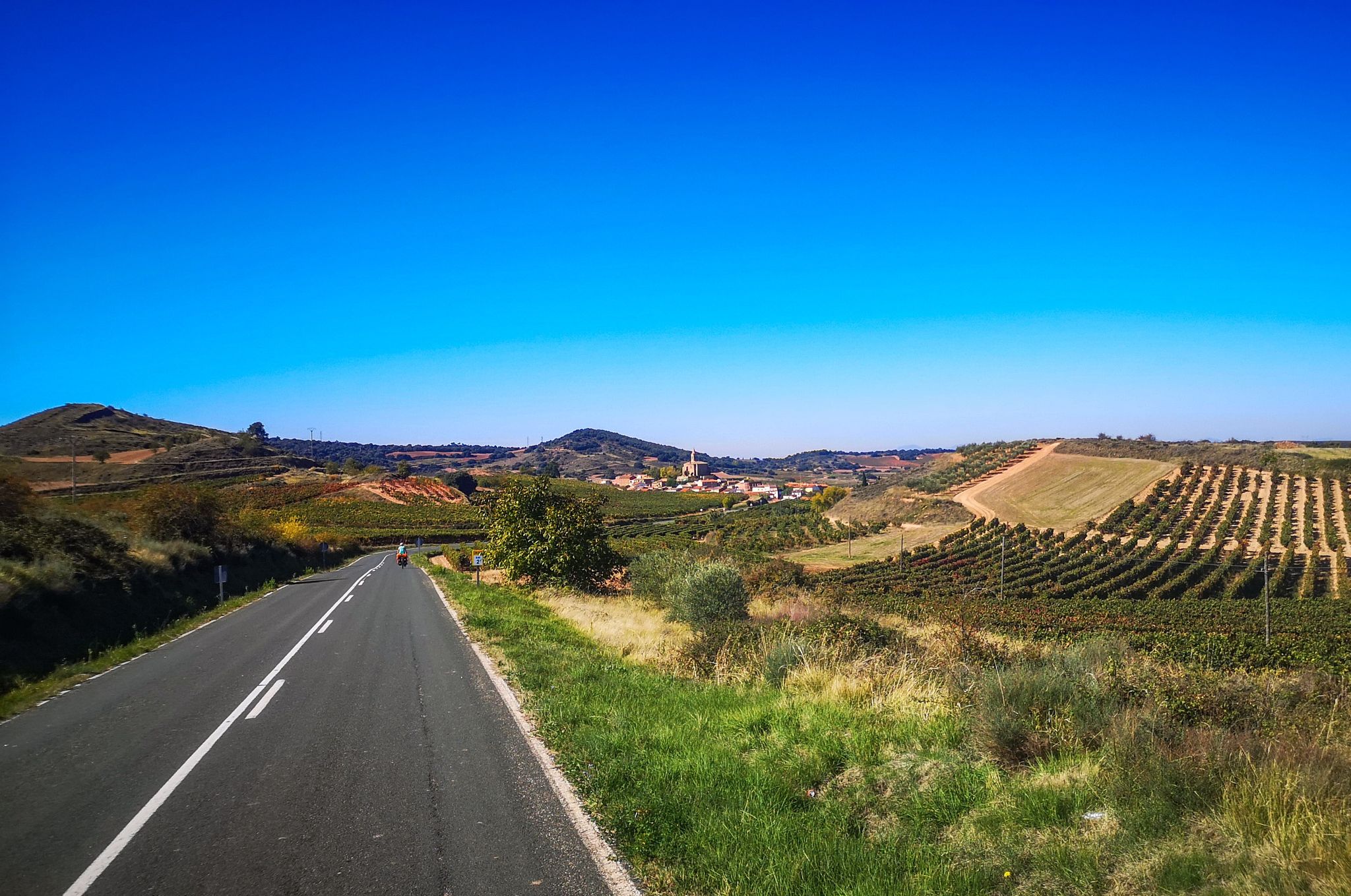
Santiago de Compostela – A journey through northern Spain (10 days)
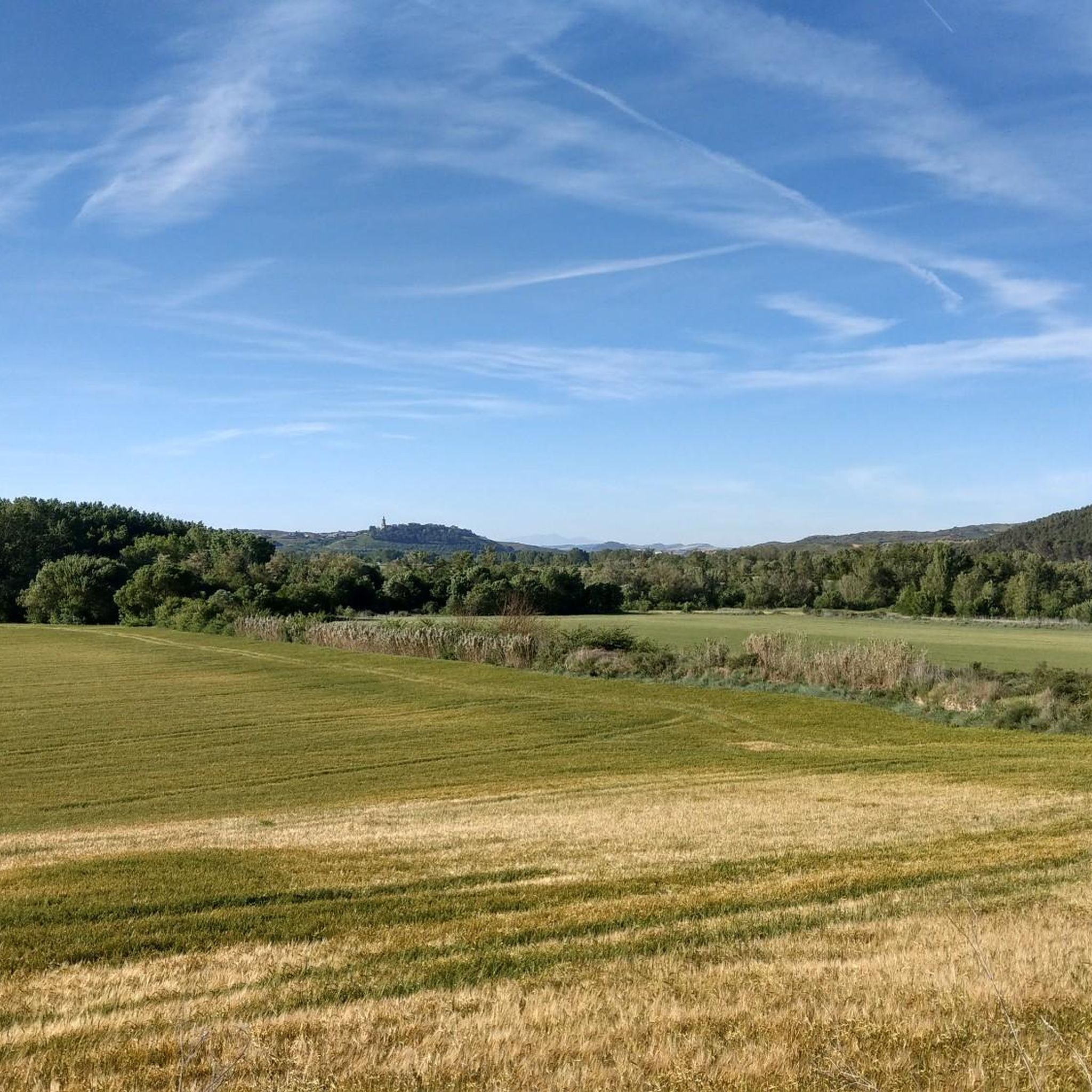
Road Cycling Routes around Puente La Reina/Gares
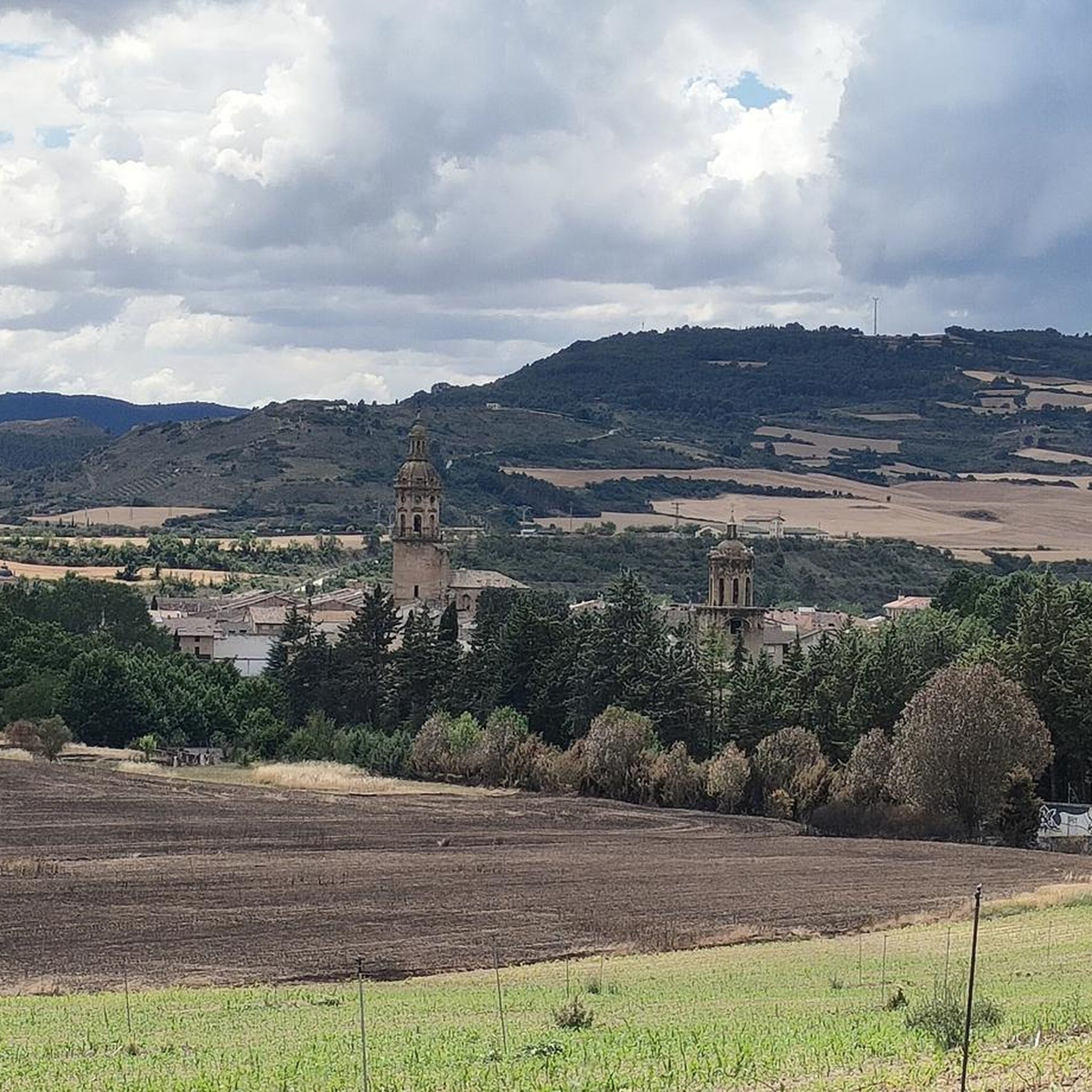
Hiking around Puente La Reina/Gares
Cycling around Puente La Reina/Gares
Running Trails around Puente La Reina/Gares
Gravel biking around Puente La Reina/Gares
MTB Trails around Puente La Reina/Gares
Other adventures around Puente La Reina/Gares

Tips from the Community

Santa María de Eunate is a Romanesque church on the Aragonese branch of the Way of St. James in Navarre. The church was built at the end of the 12th century in the Romanesque style with Mozarabic influences. The octagonal design is a reference to the Templars. There used to be a hospice here that belonged to the Order of St. John and today it is a hostel for pilgrims.
0
0

The Iglesia del Crucifijo in Puente la Reina is a fascinating historical monument deeply rooted in the history of the Camino de Santiago. Originally built in the 12th century by the Knights Templar, the church was later taken over by the Order of St. John of Jerusalem. The church consists of two different naves: a Romanesque one from the 12th century and a Gothic one that was added later. What makes this church really special is the impressive Gothic crucifix in the shape of a “Y”, one of the most remarkable Gothic sculptures in Spain.
2
0
The Church of San Juan Bautista in Obanos, located in the Plaza de los Fueros, is a beautiful example of neo-Gothic architecture. Built in 1912, this church exudes an impressive historical charm. The church’s façade features a portico and a square tower, which contribute to the building’s majestic appearance. Inside, the church exudes a serene and sacred atmosphere, with beautiful stained glass windows and detailed decorations that reflect the church’s rich history.
1
0

This room allows every pilgrim to write down intercessions and prayers to place at the Jesus statue or write them in the prayer book. A simple, beautiful room that has preserved much of the old spirituality. Pilgrim station.
1
1

One of the few octagonal churches in the world, belonging to the Templars.
1
0

There is something magical about this place
2
0

A nice detour on the Camino.
1
0

At the entrance to Puente la Reina is the Crucifix Church, an originally Romanesque church from the 12th century that once served as a place of worship for the Templar Order. Only the Romanesque portal was preserved when the current church was built in its place in the 15th century.
3
0
Frequently Asked Questions
What historical sites can I visit in Puente La Reina/Gares?
Puente La Reina/Gares is rich in history, particularly due to its role on the Camino de Santiago. You can explore the iconic 11th-century Puente la Reina Romanesque Bridge over the Arga River. Other significant sites include the Church of the Crucifix (Iglesia del Crucifijo), originally built by the Knights Templar, and the Church of Saint John the Baptist, Obanos, a neo-Gothic structure. Don't miss the unique octagonal Church of Santa María de Eunate, a few kilometers outside town, known for its distinctive architecture.
What is the significance of Puente La Reina/Gares to the Camino de Santiago?
Puente La Reina/Gares is a pivotal location on the Camino de Santiago, renowned as the meeting point where the French Way and the Aragonese Way converge. This historical role is evident in its landmarks, such as the Romanesque bridge built to facilitate pilgrim passage, and the Pilgrim Monument at Alto del Perdón, which symbolizes the journey of pilgrims through the ages.
Are there any scenic viewpoints around Puente La Reina/Gares?
Yes, for scenic views, head to the Pilgrim Monument at Alto del Perdón. This location offers wide views of the Navarre countryside and the Valdizarbe Valley. The surrounding Sierra del Perdón also provides picturesque landscapes, especially along the Camino paths that wind through vineyards and olive groves.
What natural features define the landscape of Puente La Reina/Gares?
The town is nestled in the Valdizarbe Valley, characterized by a Mediterranean climate that supports cereals, vines, and olive trees. The Arga River flows through the town, famously spanned by the Romanesque bridge. To the south, the Sierra del Perdón mountain range adds to the scenic beauty, offering elevated perspectives of the region.
What outdoor activities can I do near these attractions?
The area around Puente La Reina/Gares is excellent for various outdoor activities. You can find numerous routes for hiking, road cycling, and running. For hiking, explore trails like the 'Arnotegi Hermitage Loop' or the 'Puente la Reina Bridge – Pilgrim Monument loop'. Cyclists can enjoy routes such as 'Embalse de Alloz – return from Puente la Reina' or 'Royal Palace of Olite – Puente la Reina loop'. Runners have options like 'Camino Francés: Obanos to Puente la Reina Loop'. You can find more details on these activities in the dedicated guides for hiking, road cycling, and running around Puente La Reina/Gares.
Are there family-friendly attractions in Puente La Reina/Gares?
Many of the historical sites in Puente La Reina/Gares are suitable for families. The Puente la Reina Romanesque Bridge is an accessible landmark that children can enjoy exploring. The town's medieval streets and squares offer a pleasant environment for family walks. The Church of Saint John the Baptist, Obanos, and the Church of the Crucifix (Iglesia del Crucifijo) are also considered family-friendly historical sites.
What is the best time to visit Puente La Reina/Gares?
The Valdizarbe Valley, where Puente La Reina/Gares is located, experiences a Mediterranean climate. Spring (April-May) and Autumn (September-October) are generally considered the best times to visit, offering pleasant temperatures ideal for exploring the historical sites and engaging in outdoor activities like hiking or cycling along the Camino de Santiago. Summers can be warm, while winters are mild.
Where can I find information about local events or the Tourist Office?
The House of the Link (Casa del Vínculo), located next to the Romanesque bridge, has been restored and now houses the Tourist Office. This is an excellent place to get up-to-date information on local events, maps, and other visitor services. You can also check the official local tourism website for more details: visitpuentelareinagares.com.
Are there any unique architectural features to see in the town?
Beyond the famous Romanesque bridge, Puente La Reina/Gares boasts a well-preserved historical urban center. The Calle Mayor (Main Street) is a prime example of a 'village-street' structure, lined with medieval and Renaissance facades and Baroque buildings. You can also find 'Belenas,' narrow alleys connecting parallel streets, which contribute to the town's medieval character. Additionally, there's a smaller Gothic bridge over the Robo River with distinctive pointed arches.
What do visitors enjoy most about Puente La Reina/Gares?
Visitors frequently appreciate the town's deep connection to the Camino de Santiago and its rich historical atmosphere. The iconic Puente la Reina Romanesque Bridge is a highlight, often described as a beautiful and significant landmark. The sense of pilgrimage and the historical narrative woven into every street and building, combined with the scenic natural surroundings, create a memorable experience for many.
Can I find accommodation and dining options in Puente La Reina/Gares?
Yes, as a significant stop on the Camino de Santiago, Puente La Reina/Gares offers various accommodation options, including several albergues (pilgrim hostels) that continue centuries-old traditions of hospitality. You'll also find cafes, pubs, and restaurants along the Calle Mayor and in the town center, catering to both pilgrims and general tourists.
Are there any other notable churches besides the main ones?
Yes, in addition to the Church of the Crucifix and the Church of Saint John the Baptist, Obanos, the town features the Church of Santiago El Mayor, dating back to the late 12th century, known for its Romanesque design and the 'Santiago Beltza' carving. The 15th-century Church of San Pedro is another parish church, and the town also has the 13th-century Convent of the Comendadoras del Sancti Spiritus and the Convent of the Trinitarians.
Most popular routes around Puente La Reina/Gares
Most popular attractions around Puente La Reina/Gares

Get inspired with the komoot mobile app


Explore more
Still not found the Highlight you’re looking for? See guides of the top attractions in other regions:
