Attractions and Places To See around Villar Del Salz - Top 16
Best attractions and places to see around Villar Del Salz, located in the Jiloca region of Teruel, Spain, features a diverse landscape. The area is characterized by its distinctive rodeno stone architecture and significant natural features. Recognized as a "Paraje Starlight," it offers exceptionally clear night skies, making it a notable location for astrotourism. Visitors can explore historical sites, unique geological formations, and remnants of the region's mining past.
Best attractions and places to see around Villar Del Salz
- The…
Last updated: July 12, 2026
Ojos Negros Mill
Highlight • Monument
Translated by Google •
Tip by

Peracense Castle
Highlight • Castle
Translated by Google •
Tip by

Sign up now to discover places like this
Get recommendations on the best single tracks, peaks, & plenty of other exciting outdoor places.
Sign up for free
Pozuel del Campo
Highlight • Settlement
Translated by Google •
Tip by

Villafranca del Campo on the Route of El Cid
Highlight (Segment) • Settlement
Translated by Google •
Tip by
Road between fields
Highlight • Cycleway
Translated by Google •
Tip by

Sign up for free to discover even more attractions around Villar Del Salz.
Sign up for free
Already have an account?
Start today with a free account
Your next adventure awaits.
Login or Signup


Tips from the Community

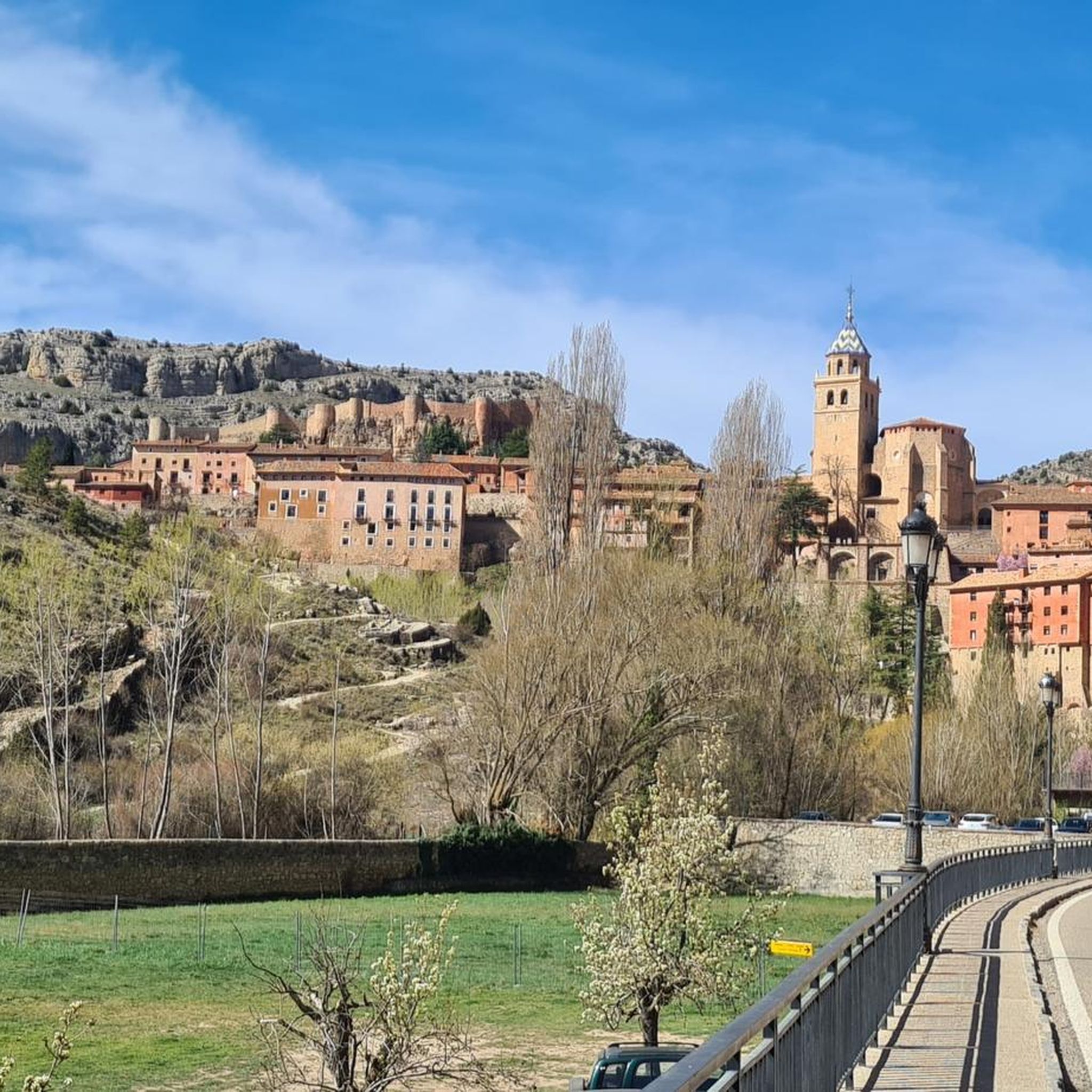
I pass through Villafranca del Campo, a small and charming town in the province of Teruel
16
0
It is known for its characteristic reddish colour, the result of the use of local rodeno stone in its construction. This castle, one of the best preserved in Aragon, is located in a strategic position on a rock formation, which gives it spectacular views of the surroundings, especially the Jiloca valley. Its history dates back to the Bronze Age, although the current structure dates from the 12th to the 14th centuries.
7
0

beautiful we can see it at the last moment
3
0
The Peracense Castle has an exceptional history that spans several eras and societies. This impressive castle, built in the 13th century, took advantage of the natural conditions of the terrain and played a fundamental role in the defense of the kingdom of Aragon during the wars with Castile. A fascinating visit to the past! 🏰 I hope you enjoy your visit to Peracense Castle! 😊🏰
36
0

The Peracense castle is one of the most beautiful and unknown Aragonese castles. Surrounded by a unique natural environment, its builders took advantage of the original topography of the land to build a first-rate defensive enclave. It sits on a strongly steep rocky extension of rodeno, which belongs to the southern end of Sierra Menera, next to the San Ginés hill. Its average elevation is 1,365 meters above sea level. This fortress is made up of three concentric enclosures that sit on outcrops of red sandstone (Buntsandstein micaceous), which were partially pitted and modified to improve the defense. Precisely this sandstone (rodeno), in the form of megaliths, masonry and ashlars laid with lime or gypsum mortars, is the material mainly used in the construction of the walls of this fortress. Wood was used to a lesser extent and always in beams and almojayas. Its character as a privileged watchtower allows optical links in nearby enclaves such as Monreal del Campo, Bueña, Aguatón, Singra and Cerro de San Ginés.
6
0

Pozuel del Campo is a small town in the Jiloca region that is located on top of a promontory. Particularly noteworthy of this farmhouse is the church of San Miguel, from the 18th century, within which altarpieces from the 15th and 16th centuries are preserved.
0
0
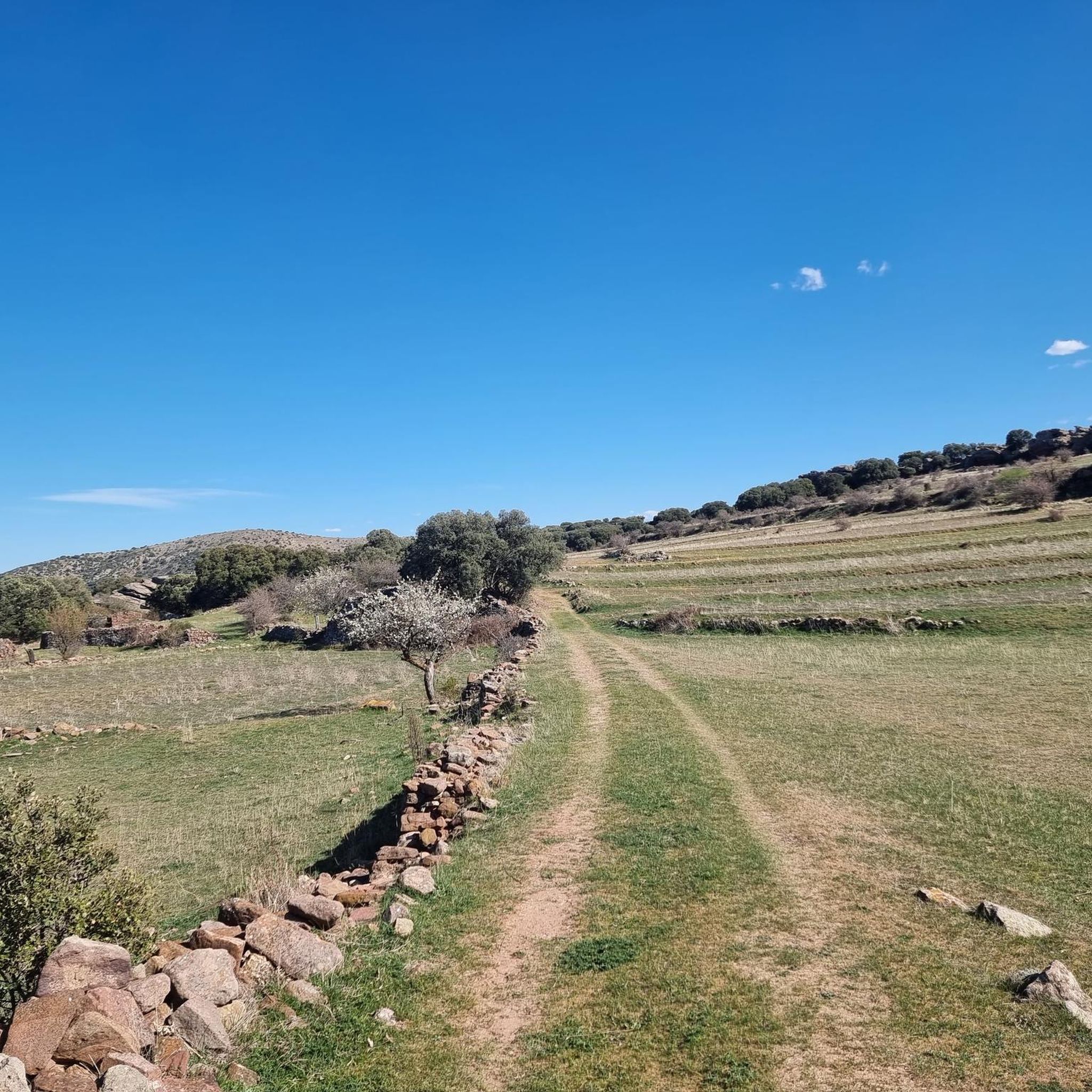
The N-211 road between Monreal del Campo and Molina de Aragón runs through a vast plain planted with cereals and some almond trees. The view is lost between the chromatic contrasts of the earth and the sky,
0
0

Next to the path, we find this beautiful windmill that reminds us of those of Sancho Panza in his stories about Castilla-La Mancha. It is in a good state of conservation and is located near the town of Ojos Negros. Without a doubt, one of the charms of the Jiloca region that deserves to be visited.
2
0
Frequently Asked Questions
What unique natural features can I explore around Villar del Salz?
Villar del Salz is renowned as a "Paraje Starlight," offering exceptionally clear night skies perfect for astrotourism, especially from the Cristina López Hernández Astronomical Viewpoint. The region also features the striking reddish sandstone formations of the "Rodeno de Peracense" and the diverse landscapes of Sierra Menera, including holm oak and marojo oak forests. You can also visit "El Menerillo," a natural lake formed in one of the old mining exploitation hollows.
Are there historical sites or cultural landmarks to visit in Villar del Salz?
Yes, the area is rich in history. You can explore the Peracense Castle, a 13th-century fortress that played a key role in the defense of Aragon. In Villar del Salz itself, the Church of the Ascension of Our Lady and the Town Hall showcase distinctive rodeno stone architecture. The former Sierra Menera Mines, including the "Barrio del Centro" and "Los Cocherones," offer a glimpse into the region's industrial past. Additionally, the village of Pozuel del Campo features the 18th-century church of San Miguel with preserved altarpieces.
What kind of outdoor activities can I do near Villar del Salz?
The region offers various outdoor activities. You can enjoy hiking on trails like the easy Peracense Castle Loop or the moderate Ojos Negros - Sierra Menera Trail. Cycling enthusiasts can explore routes such as the Peracense Castle Loop from Villafranca del Campo or the Peracense Castle – Ojos Negros Mill loop. The Green Way of Ojos Negros-Sagunto, a converted railway line, is also excellent for hiking and cycling.
Are there any family-friendly attractions or activities in the area?
Yes, several attractions are suitable for families. The Ojos Negros Mill is a restored 16th-17th century monument where families can learn about its engineering. Exploring the historic Peracense Castle can be an engaging experience for all ages. The village of Pozuel del Campo and Villafranca del Campo also offer pleasant stops with historical interest.
What is the best time to visit Villar del Salz for stargazing?
As a designated "Paraje Starlight," Villar del Salz is ideal for stargazing on clear nights, particularly during new moon phases when light pollution is minimal. The high altitude and lack of urban light pollution contribute to excellent visibility year-round, though cooler, drier months often provide the clearest skies.
Can I find good hiking trails near Villar del Salz?
Absolutely. Villar del Salz is surrounded by diverse hiking opportunities. You can find easy trails like the Peracense Castle Loop, or more moderate options such as the Pozuel del Campo and Ojos Negros Loop. The "Ruta de los pueblos de piedra de Rodeno" also starts from Villar del Salz, allowing you to explore villages and landscapes characterized by the unique rodeno stone.
What is the significance of the 'rodeno' stone in the region?
The distinctive red sandstone, known as "rodeno," is a defining feature of the urban landscape in Villar del Salz and neighboring areas like Rodenas and Peracense. It's used in the construction of significant buildings such as the Church of the Ascension, the Town Hall, and various stately homes. You'll also see "peirones" (stone crosses or markers) made of rodeno stone marking paths around the village, adding to its unique character.
Where can I go birdwatching near Villar del Salz?
The diverse biotopes of Sierra Menera make it an excellent location for ornithology. Birdwatchers can spot various species, including the osprey, black kite, and red kite, particularly in the higher elevations and marojo oak forests.
Are there any notable religious sites in the vicinity?
Yes, the region has several religious landmarks. In Villar del Salz, you can visit the Church of the Ascension of Our Lady and the hermitages of Santa Bárbara and Santo Cristo. The Parish Church of Santa Catalina Mártir of Ródenas is another beautiful example of regional religious architecture, and the church of San Miguel in Pozuel del Campo houses preserved 15th and 16th-century altarpieces.
What do visitors enjoy most about the attractions around Villar del Salz?
Visitors frequently appreciate the historical depth of sites like Peracense Castle, noting its impressive architecture and strategic location. The restored Ojos Negros Mill is also a popular highlight, allowing visitors to understand its historical engineering. The overall blend of unique geological formations, rich history, and stargazing opportunities makes the region a diverse and appealing destination.
Can I find cycling routes that pass through historical areas?
Yes, many cycling routes in the area combine natural beauty with historical interest. For instance, the Peracense Castle loop from Peracense allows you to cycle past the historic fortress. The Green Way of Ojos Negros-Sagunto, a former railway line, also offers a scenic route through the region's past, connecting various points of interest.
What is the highest point in the Sierra Menera region?
Within the Sierra Menera, which is part of the Iberian System, the highest point is Pico Atalaya, reaching an altitude of 1587 meters. This area offers diverse landscapes and is excellent for exploring the natural environment.
Most popular attractions around Villar Del Salz

Get inspired with the komoot mobile app


Explore more
Still not found the Highlight you’re looking for? See guides of the top attractions in other regions:
