Attractions and Places To See around Pedro Muñoz - Top 20
Best attractions and places to see around Pedro Muñoz include a variety of historical landmarks, natural features, and cultural sites. This village in Ciudad Real, Spain, is characterized by its traditional La Mancha architecture and significant wetlands. The area offers a unique natural environment, particularly its protected lagoon complex, which is vital for biodiversity. Visitors can explore a blend of historical heritage and natural landscapes.
Best attractions and places to see around Pedro Muñoz
- The most popular attractions is Hermitage…
Last updated: July 2, 2026
Ruins of the Hermitage of Santa Ana
Highlight • Religious Site
Translated by Google •
Tip by

Statue of Quixote and Dulcinea
Highlight • Monument
Translated by Google •
Tip by

Sign up now to discover places like this
Get recommendations on the best single tracks, peaks, & plenty of other exciting outdoor places.
Sign up for free
Hermitage of the Virgin of Criptana
Highlight • Religious Site
Translated by Google •
Tip by

Ermita de Santa Rita (Mota del Cuervo)
Highlight • Religious Site
Translated by Google •
Tip by
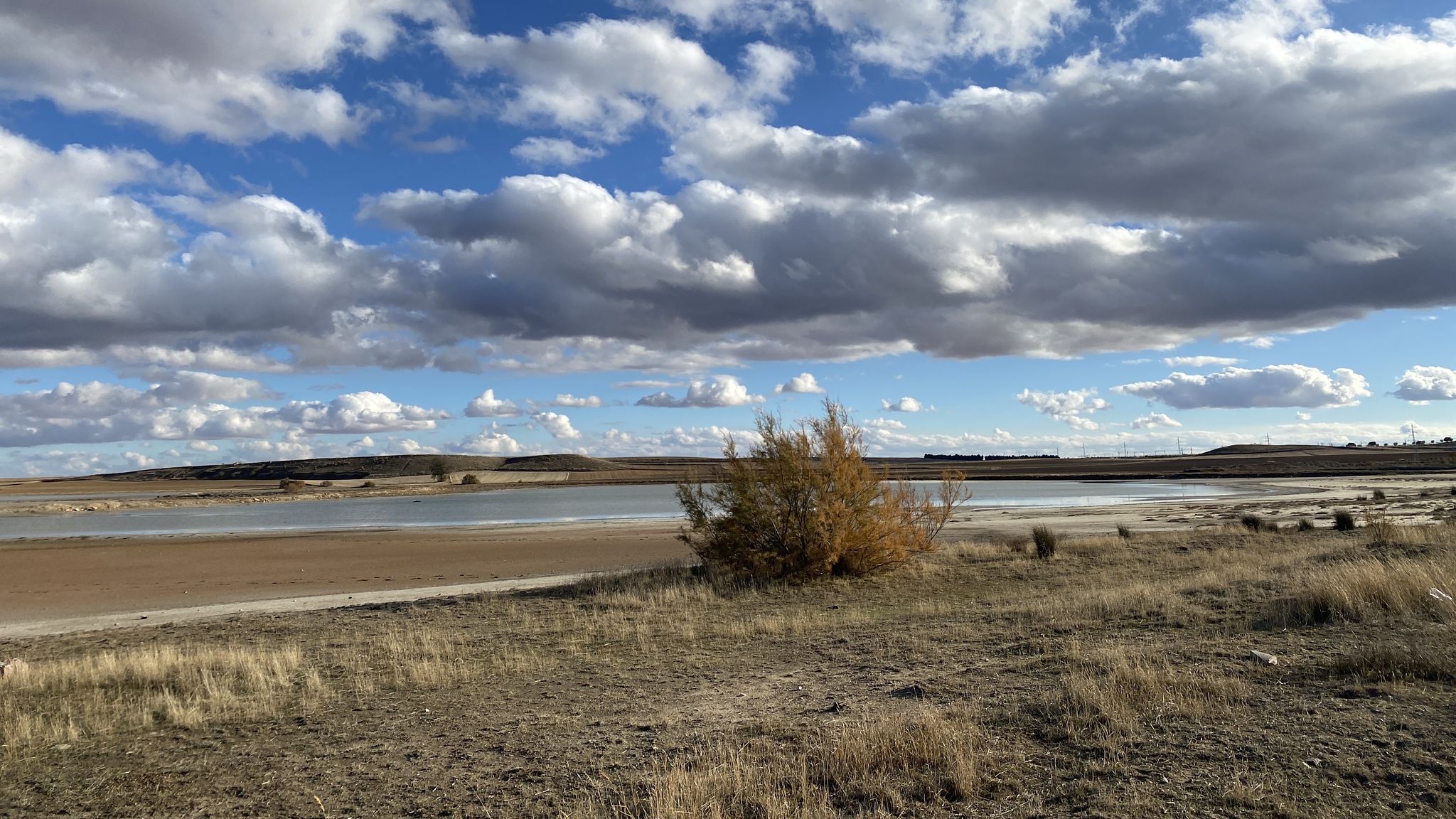
Manjavacas Lagoon
Highlight • Lake
Translated by Google •
Tip by
Sign up for free to discover even more attractions around Pedro Muñoz.
Sign up for free
Already have an account?
Start today with a free account
Your next adventure awaits.
Login or Signup


Other adventures around Pedro Muñoz

Tips from the Community

The ruins of the Ermita de Santa Ana in El Toboso (Toledo) are the remains of a 16th-century Renaissance temple. It is located outside the village, on a deserted hill.
1
0

This complex is made up of four lagoons: Manjavacas, Sánchez Gómez, La Dehesilla (in Mota del Cuervo), and Alcahozo (in Pedro Muñoz). It is a key point on the migratory routes of birds between Europe and Africa, which gives it international importance.
2
0
The Manjavacas Lagoon, located in the municipality of Mota del Cuervo (Cuenca), is part of the Manjavacas Lagoon Complex, a nature reserve of great ecological and scenic value.
2
0
The statue of Don Quixote and Dulcinea in El Toboso is one of the town's most emblematic monuments, deeply linked to the Cervantes universe. It stands in the main square of El Toboso, dedicated to Juan Carlos I, in the heart of the town. The sculptures are made of sheet iron, not cast iron, giving them a handcrafted and robust appearance.
4
0
The Hermitage of Santa Rita in Mota del Cuervo is a relatively modern building, built in the fifties. It is located in the center of the city, presiding over the square that bears its name. The hermitage stands out for its stone bell gable that contrasts with the white plaster of its ground floor. The structure has a hall plan and a wooden roof. The main entrance is a semicircular arch preceded by a portico with three arches, the central one being wider than the side ones.⛪
31
0
It is a hermitage that was built in the fifties of the 20th century, like the neighborhood of the same name where it is located, specifically in the Plaza de Santa Rita. It stands out for its portico with three semicircular arches, the central one being wider than the sides, and for its wooden roof.
1
0

Lagunar de Manjavacas is made up of 4 lagoons - a space protected by the Natura 2000 network. It is a stopping point for migratory birds on their route between Europe and North Africa.
3
0

The Renaissance-style hermitage built in the 16th century is located on top of the hill. Inside, you can visit the image of the Virgen de Criptana, patron saint of the town.
1
0
Frequently Asked Questions
What natural attractions can I explore around Pedro Muñoz?
Pedro Muñoz is known for its unique natural environment, particularly the protected Lagoon Complex of Pedro Muñoz. This wetland complex, comprising lakes like La Vega, Retamar, and Navalafuente, is a crucial spot for biodiversity and birdwatching. It's also an ideal place to enjoy serene sunsets.
Are there historical sites to visit in Pedro Muñoz?
Yes, the area is rich in history. You can visit the Ruins of the Hermitage of Santa Ana, which likely date back to the 14th or 15th century. The Hermitage of the Virgin of Criptana, a 16th-century Renaissance-style building, also offers historical insights. Additionally, the Church of San Pedro Apóstol, dating from the early 18th century, and several historic manor houses like Casa de la Paca, showcase the region's architectural heritage.
What cultural experiences does Pedro Muñoz offer?
Pedro Muñoz provides several cultural points of interest. You can delve into local history at the Local Historical Museum 'Juan Mayordomo', which covers eras from ancient inhabitants to contemporary times. The town also features examples of industrial architecture, including traditional wineries and fluvial mills, and the La Harinera Cultural Center, which hosts cultural projects.
Are there family-friendly attractions in the area?
Absolutely. The Hermitage of the Virgin of Criptana offers magnificent views that families can enjoy. The Windmills, particularly those in Mota del Cuervo, provide a scenic and engaging experience, often linked to the stories of Don Quixote. The Ermita de Santa Rita (Mota del Cuervo) is another family-friendly historical site.
Where can I find panoramic views around Pedro Muñoz?
For stunning panoramic views, head to the Hermitage of the Virgin of Criptana, located on top of a hill, offering unbeatable 360° vistas. The Windmills in Mota del Cuervo, situated on 'La Sierra', also provide a vast and extensive horizon, earning them the name 'Balcón de La Mancha'.
What outdoor activities are available near Pedro Muñoz?
The region around Pedro Muñoz offers a variety of outdoor activities. You can find numerous running trails, including loops around the Laguna de la Vega. For cyclists, there are road cycling routes that explore the surrounding towns and landscapes, and MTB trails that take you through diverse terrain, including routes to the Windmills of Campo de Criptana.
Are there specific hiking or running trails I can explore?
Yes, for running, consider the 'Laguna de la Vega loop from Pedro Muñoz' which is a moderate 10.4 km trail. For more challenging options, there are longer loops like 'Mota del Cuervo loop from Mota del Cuervo' (17.5 km). You can find more details and other options in the Running Trails around Pedro Muñoz guide.
Can I visit any windmills in the Pedro Muñoz area?
Yes, the area is famous for its windmills. You can visit the Windmills in Mota del Cuervo, often referred to as the 'Balcón de La Mancha'. These seven mills stand on a hill, offering a glimpse into a long tradition of craftsmanship and providing a scenic backdrop, reminiscent of Don Quixote's adventures.
What is the significance of the Lagoon Complex of Pedro Muñoz?
The Lagoon Complex of Pedro Muñoz is a protected wetland of extraordinary ecological and cultural value. It's recognized as a wildlife refuge, a Special Protection Area for Birds (ESPA), and a Ramsar site of international importance. These seasonal salt lakes are vital for maintaining biodiversity, especially for aquatic birds, making them a prime location for birdwatching.
Is there anything related to Don Quixote in Pedro Muñoz?
While Pedro Muñoz itself is not directly featured in Cervantes' novel, the broader La Mancha region is the setting for Don Quixote. Nearby, in El Toboso, you can find the emblematic Statue of Quixote and Dulcinea in the main square, deeply linked to the Cervantes universe. The windmills in the region also evoke the famous scene of Don Quixote battling giants.
What kind of architecture can I expect to see in Pedro Muñoz?
Pedro Muñoz showcases a blend of traditional La Mancha architecture. The Church of San Pedro Apóstol is a prime example of Renaissance and Baroque styles. You'll also find numerous 17th and 18th-century manor houses (Casas Solariegas) and examples of industrial architecture, such as wineries with their distinctive slender chimneys.
Are there any archaeological sites in the vicinity?
Yes, the site of El Cerro de las Nieves has been the subject of archaeological excavations. These digs have uncovered numerous remains, including bone sculptures, metallurgy, ceramics, and ancient cemeteries, providing valuable insights into the early inhabitants of the area.
Most popular attractions around Pedro Muñoz

Get inspired with the komoot mobile app


Explore more
Still not found the Highlight you’re looking for? See guides of the top attractions in other regions:
