Attractions and Places To See around Pozuelo De Calatrava - Top 20
Attractions and places to see around Pozuelo De Calatrava are primarily rooted in its unique volcanic landscape and rich history related to the Campo de Calatrava region. This town in Ciudad Real province offers a blend of natural beauty, historical landmarks, and cultural heritage. The area is known for its ancient craters, volcanic cones, and saline lagoons, alongside significant religious buildings and traditional architecture.
Best attractions and places to see around Pozuelo De Calatrava
- The most popular attractions is Laguna…
Last updated: May 10, 2026
Laguna del Prado
Highlight • Lake
Translated by Google •
Tip by

San Isidro Hermitage and Maares Viewpoint
Highlight • Religious Site
Translated by Google •
Tip by

Sign up now to discover places like this
Get recommendations on the best single tracks, peaks, & plenty of other exciting outdoor places.
Sign up for free
Hermitage of San Antón (Carrión)
Highlight • Religious Site
Translated by Google •
Tip by
Gasset Park (Ciudad Real)
Highlight • Natural
extensions in the years 1933, 1960, 1985 and 2000. It is practically
in the center of the city, although in the south of it.
Translated by Google •
Tip by
Start of the Greenway
Highlight • Cycleway
Translated by Google •
Tip by
Sign up for free to discover even more attractions around Pozuelo De Calatrava.
Sign up for free
Already have an account?
Start today with a free account
Your next adventure awaits.
Login or Signup
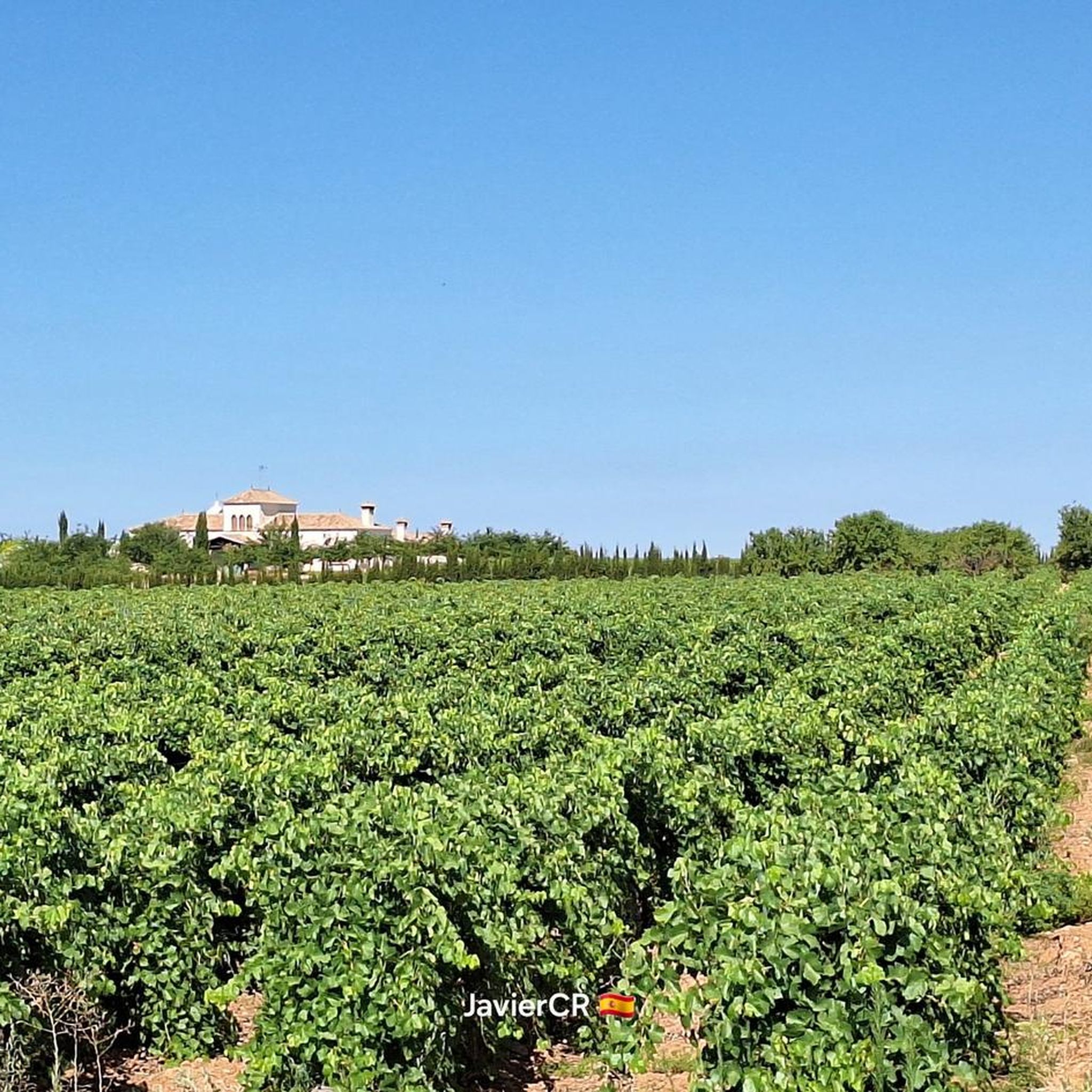
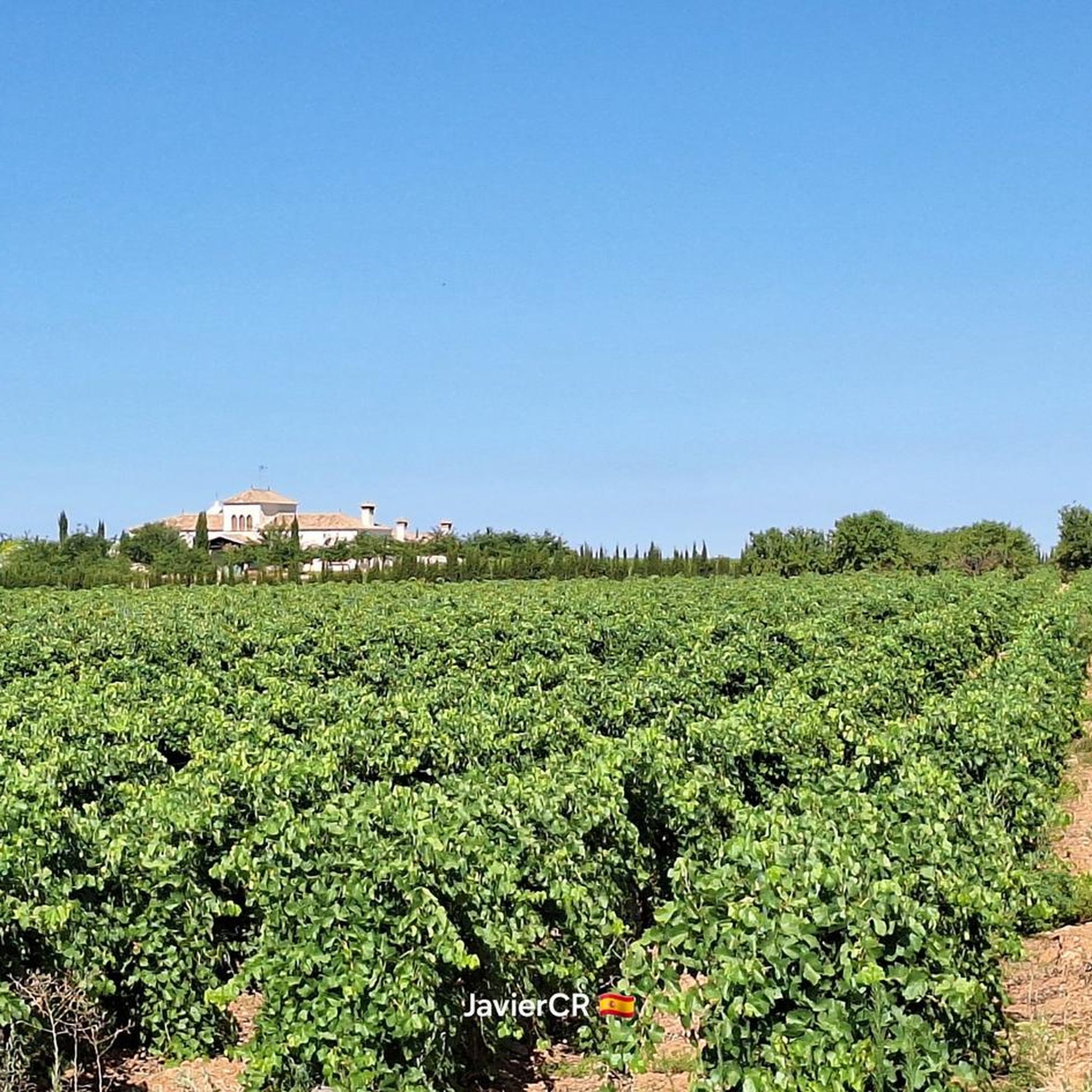
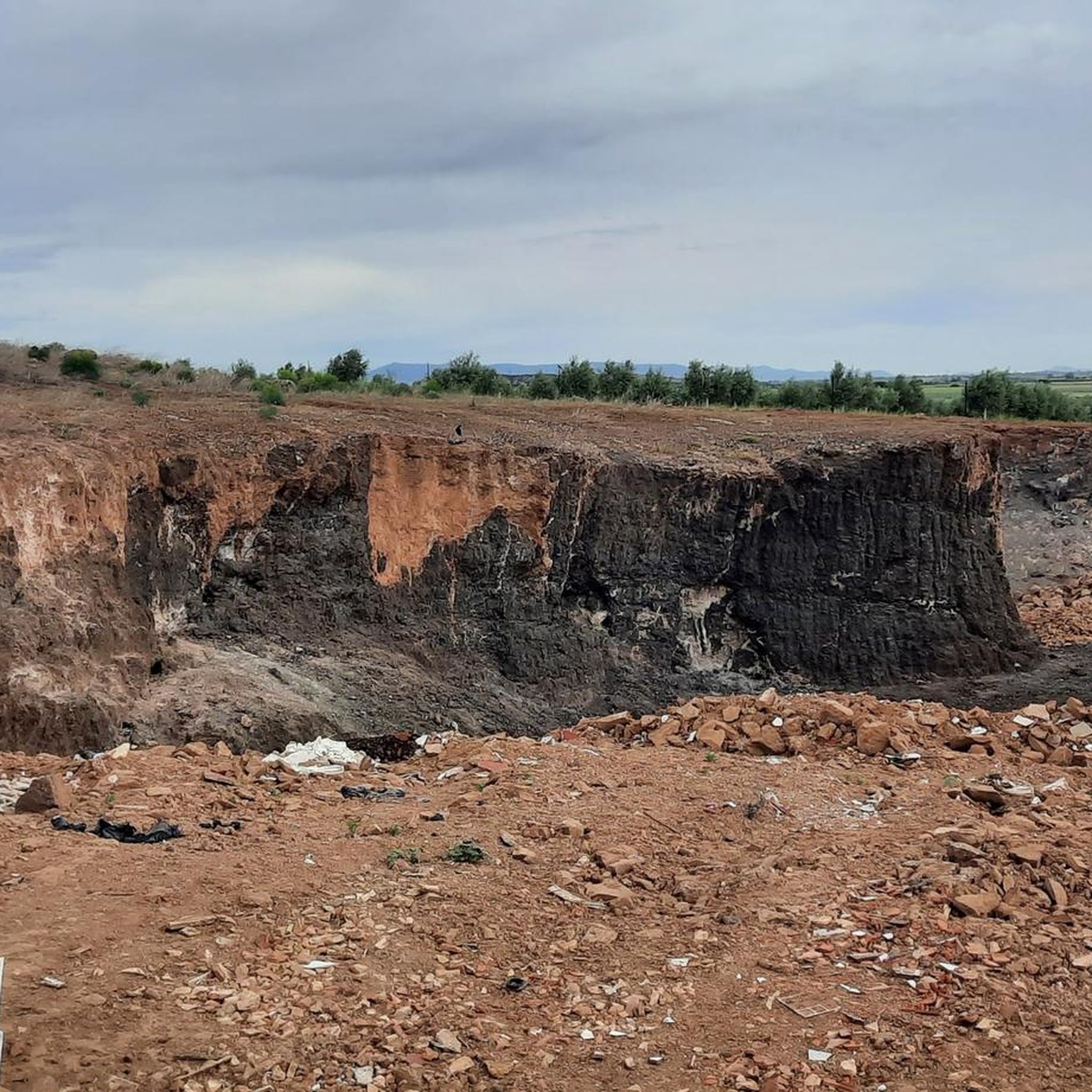
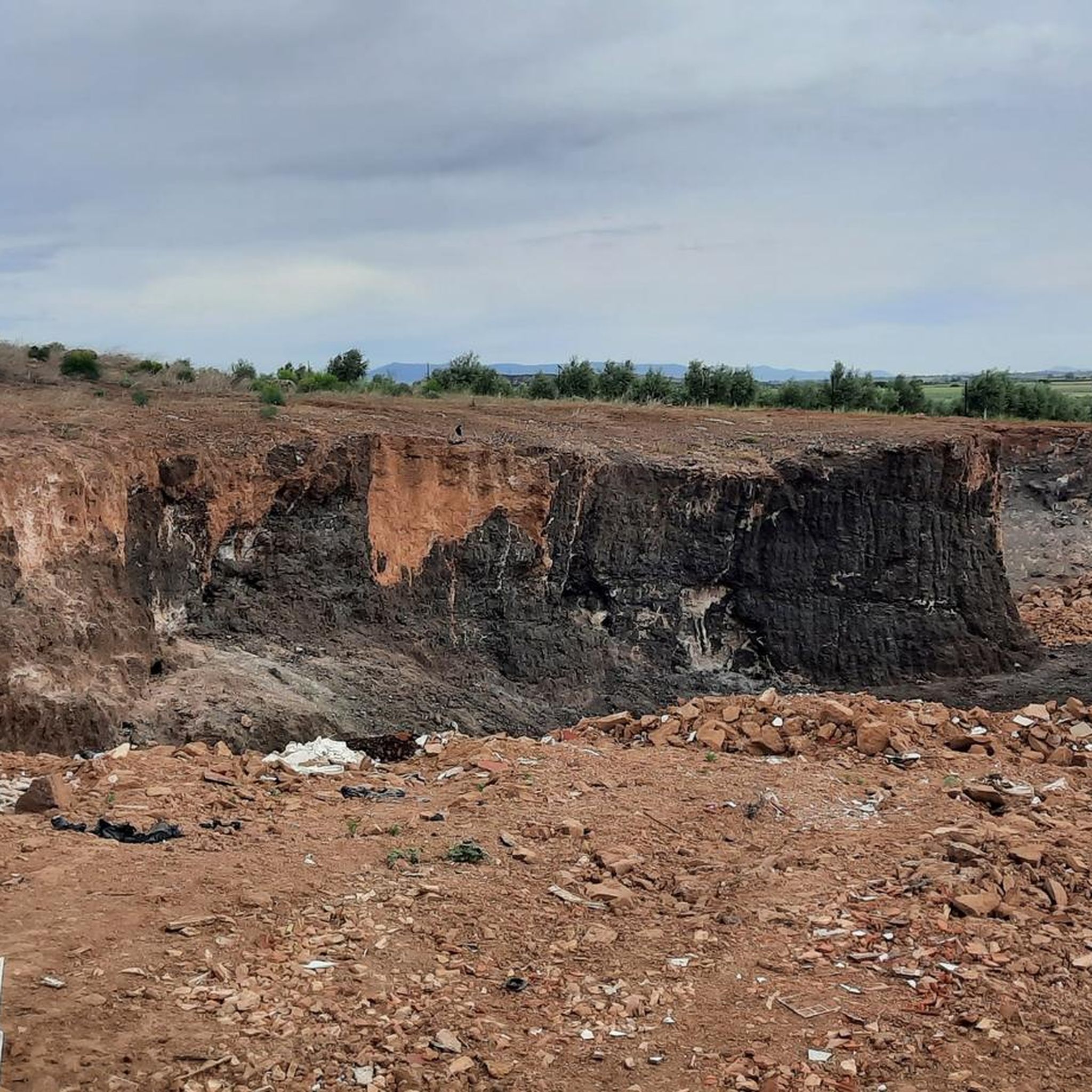

Tips from the Community

Construction began in 1917, and it has undergone several renovations and expansions in 1933, 1960, 1985, and 2000. It is located practically in the city center, although in the southern part of the city. At the southern end of the park is the "Cross of the Married Couple," a 15th-century wayside cross that has been rebuilt several times. It commemorates the romantic and tragic story of Sancho and Blanca, a couple from Ciudad Real and Miguelturra, who died for marrying. Their parents were enemies and chose to kill them when they eloped to marry in secret.
22
0
An all-in-one station for repair, inflation, washing, and hydration: Tools: 9 tools for over 20 adjustments. Air pump: With glycerin pressure gauge, weatherproof. Wash: Hose with gun and handlebar clamp. Drinking water: Antibacterial drinking valve.
14
0
We've just installed: An UrbanFix bicycle repair station, a public, self-contained solution designed to facilitate bicycle maintenance in urban spaces.
14
0
It is located next to the town centre of Pozuelo de Calatrava. It is popularly known as the unexpected lagoon. If you pass by, it is a unique opportunity to enjoy the flora and fauna of the saltiest lagoon in the area.
10
0

Small lagoon that is very close to the center and what's more, the path that goes around it is quiet and pleasant close to the center.
2
1
Start Via Verde. Recreation area, a few tables, a drinking water source and toilets. On the route you will find two types of road. On the one hand, a stretch of asphalt and, on the other, a compact dirt road. Both are in perfect condition and are suitable for both strollers and wheelchairs.
36
0

The Prado Lagoon is a saline volcanic lagoon with seasonal waters, located in the municipality of Pozuelo de Calatrava. Hydrographically it belongs to the Guadiana river basin. Its origin is pseudokarstic, since it was caused by a phreatomagmatic explosion at a fracture junction located in a sedimentary basin. This has favored surface ponding like this semi-arid lagoon, with sulphated-magnesium-sodic chloride waters. Due to its salinity, the vegetation is relegated to the margins, mainly salt marshes and halonitrophilous plants. The contribution of rainwater from the town has altered that salinity, allowing the appearance of reeds, castanets and even white poplars. During periods when it is flooded, you can see black-headed gulls, black-headed gulls, avocets, stilts and plovers, as well as pink flamingos.
3
0
On the route you will find two types of road. On one side, a stretch of asphalt and, on the other, a compact dirt road. Both are in perfect condition and are suitable for both pushchairs and wheelchairs.
21
0
Frequently Asked Questions
What natural attractions can I explore around Pozuelo de Calatrava?
The most prominent natural attraction is the Laguna del Prado, a unique saline volcanic lagoon and a designated Nature Reserve. The entire region is part of the Campo de Calatrava Volcanic Landscape, offering ancient craters, volcanic cones, and maars to discover.
Are there historical or cultural landmarks to visit in Pozuelo de Calatrava?
Yes, the town boasts several significant historical and cultural sites. You can visit the 17th-century Baroque Iglesia Parroquial de San Juan Bautista, known for its preserved altarpieces. The Ermita de Nuestra Señora de los Santos, a Mudejar-style hermitage built on an ancient Arab fortress, is also a key site. Don't miss the historic Baños de Fuensanta, a 19th-century thermal bath complex, and the traditional architecture throughout the town.
What kind of outdoor activities are available near Pozuelo de Calatrava?
The area is excellent for outdoor enthusiasts. You can enjoy hiking, running, and mountain biking. For specific routes, explore the Hiking around Pozuelo De Calatrava guide, the Running Trails around Pozuelo De Calatrava guide, or the MTB Trails around Pozuelo De Calatrava guide for detailed routes and difficulty levels.
Can I find family-friendly attractions in the area?
Absolutely. Many attractions are suitable for families, including the Laguna del Prado, where children can enjoy birdwatching. The San Isidro Hermitage and Maares Viewpoint offers a recreational area alongside scenic views. Additionally, Gasset Park in Ciudad Real provides a spacious environment with sculptures and green areas for families.
Where can I experience the volcanic landscape of Campo de Calatrava?
Pozuelo de Calatrava is nestled within the Campo de Calatrava, a region famous for its volcanic origins. You can best experience this landscape by visiting the San Isidro Hermitage and Maares Viewpoint, located atop the Cabezo del Rey Volcano, which offers panoramic views of the volcanic terrain. The Laguna del Prado is also a result of freatomagmatic explosions, showcasing the unique geological features.
What is the Laguna del Prado known for?
The Laguna del Prado is renowned for being the most saline volcanic lagoon in the Campo de Calatrava region. It's a significant refuge for various bird species, including avocets, stilts, plovers, and flamingos, especially during winter. Its unique pseudokarstic origin and halophytic vegetation make it a captivating natural reserve.
Are there accessible walking options around Pozuelo de Calatrava?
Yes, there are accessible options. The Start of the Greenway offers a path with both asphalt and compact dirt sections, suitable for strollers and wheelchairs. This greenway also provides facilities like tables, a drinking water fountain, and toilets, making it a convenient choice for accessible walks.
What kind of wildlife can I expect to see, especially at the Laguna del Prado?
The Laguna del Prado is a prime spot for birdwatching. During periods when it's flooded, you can observe black-headed gulls, avocets, stilts, plovers, and even pink flamingos. The unique halophytic vegetation around the lagoon also supports diverse insect life.
What is the best time of year to visit Pozuelo de Calatrava for outdoor activities?
The best time to visit for outdoor activities is generally during the cooler months, such as spring (March to May) and autumn (September to November). During these seasons, the weather is pleasant for hiking, cycling, and exploring the volcanic landscape and natural reserves without the intense heat of summer. Winter can also be good for birdwatching at the Laguna del Prado.
Are there any unique historical sites beyond churches?
Beyond the prominent churches and hermitages, Pozuelo de Calatrava has other unique historical sites. The Baños de Fuensanta, though now on private land, are historic 19th-century thermal baths with a rich past. The town's historical roots also include remnants of possible pre-Roman forts and 'motillas' (Bronze Age fortified settlements), reflecting its deep history.
What makes the traditional architecture of Pozuelo de Calatrava interesting?
A stroll through Pozuelo de Calatrava reveals charming traditional architecture that evokes the region's agricultural past. You'll see whitewashed houses, traditional farmhouses, and 'quinterías' (country estates). These buildings offer a glimpse into the authentic character of La Mancha villages and the historical lifestyle of the area.
Where can I find good viewpoints of the region?
For excellent panoramic views, head to the San Isidro Hermitage and Maares Viewpoint. Located on top of the Cabezo del Rey Volcano, it offers expansive vistas of the surrounding volcanic landscape and the Campo de Calatrava region. This spot is ideal for appreciating the unique geological formations.
Most popular routes around Pozuelo De Calatrava
Most popular attractions around Pozuelo De Calatrava

Get inspired with the komoot mobile app


Explore more
Still not found the Highlight you’re looking for? See guides of the top attractions in other regions:
