The best road cycling routes around Beas De Segura
4.7
(6)
1,151
riders
56
rides
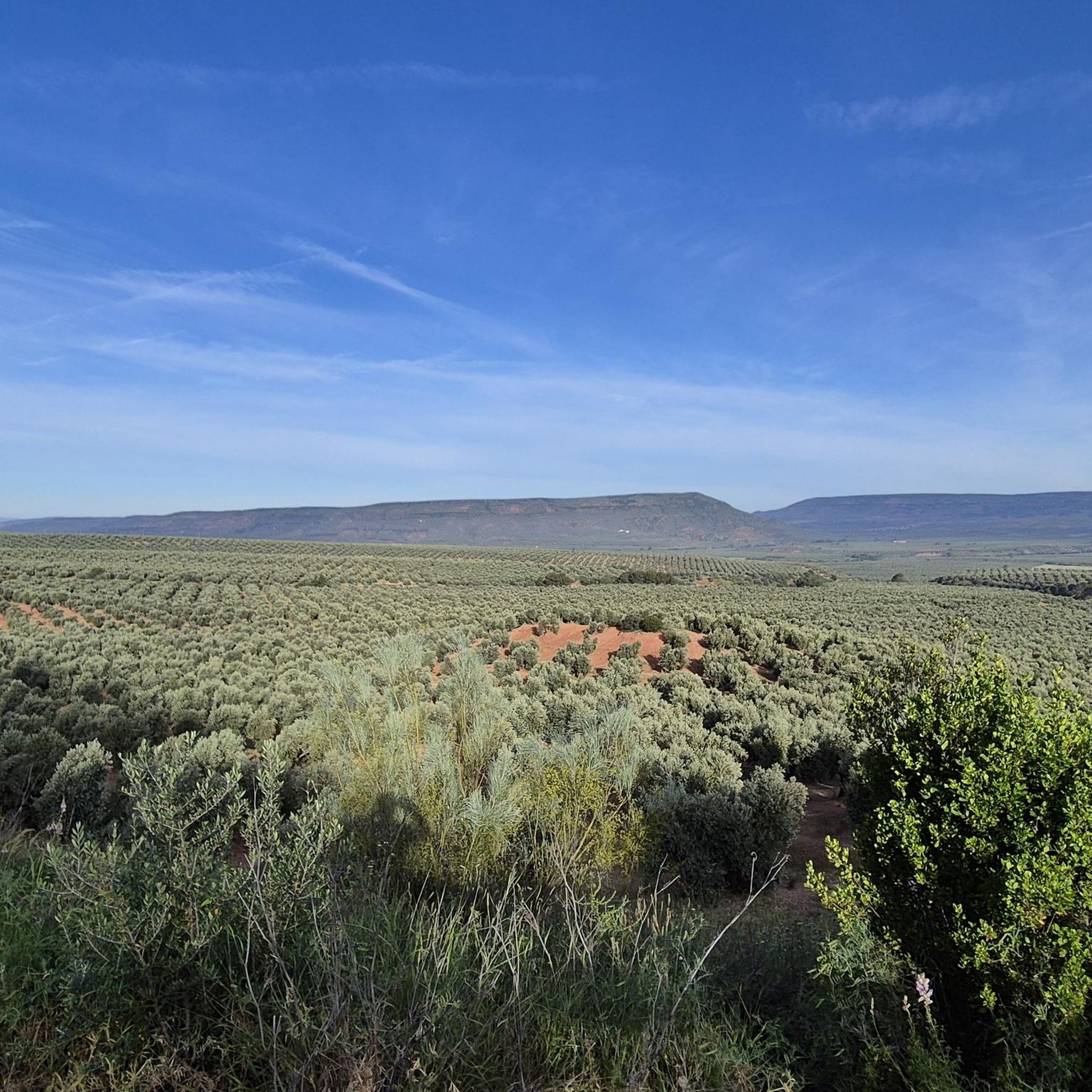
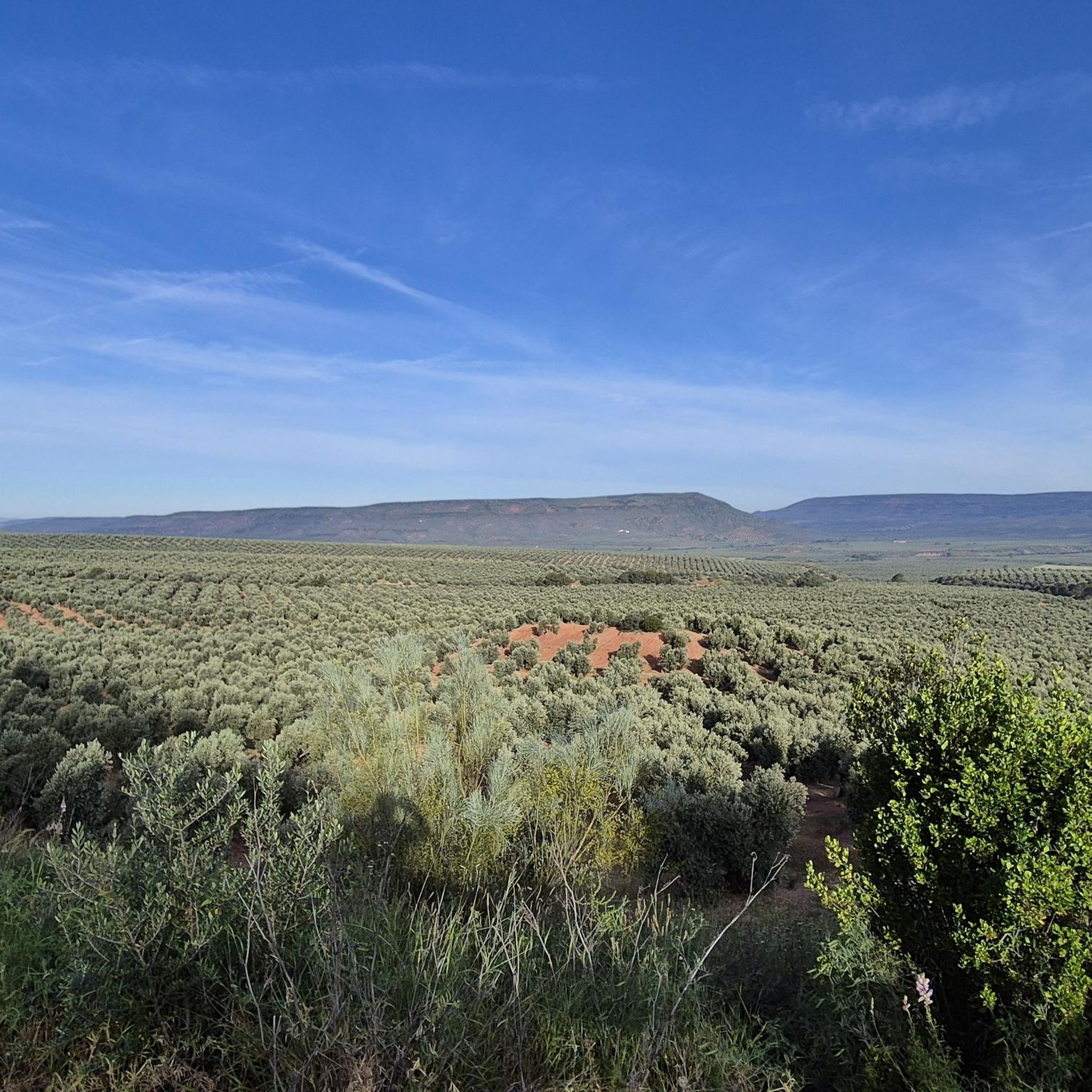
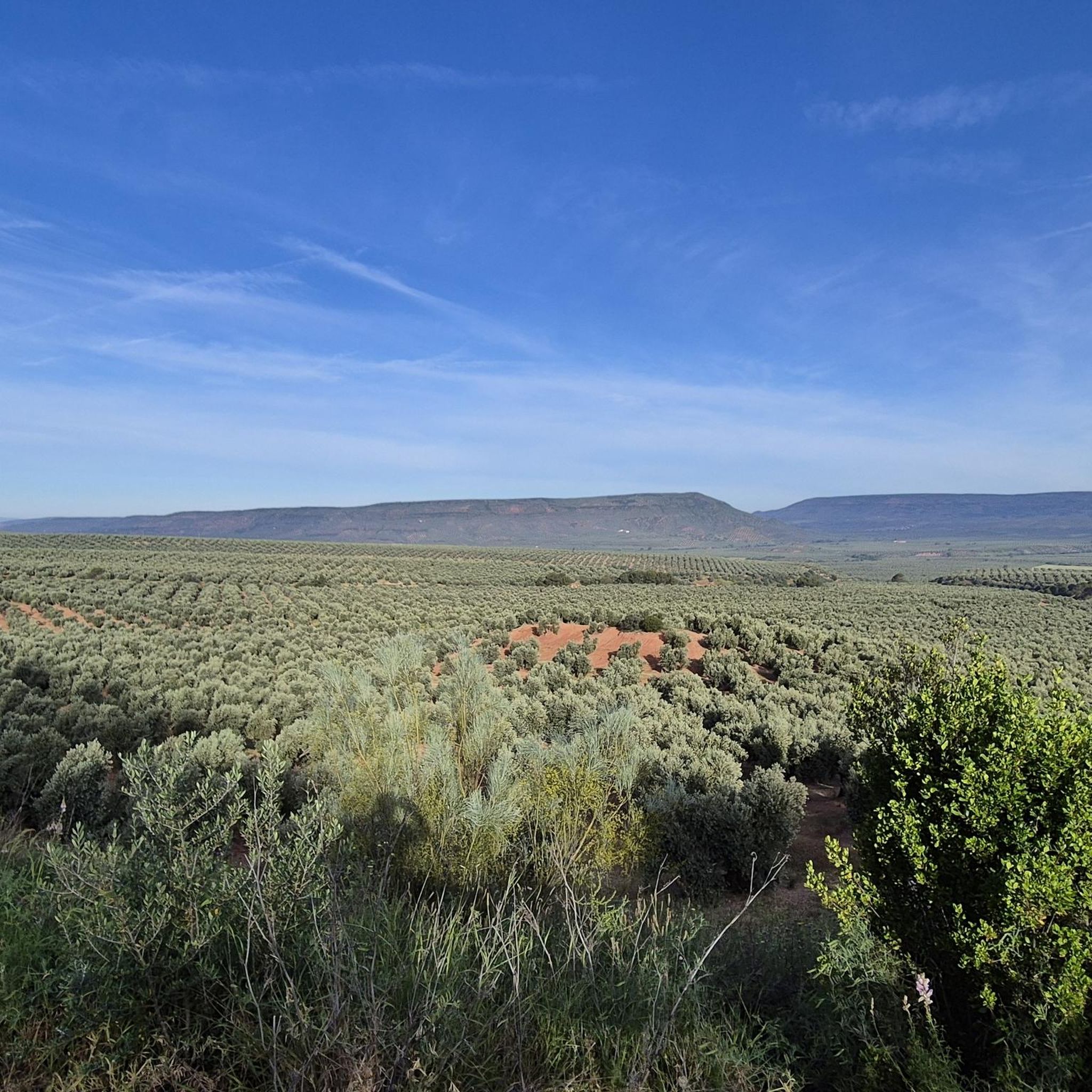
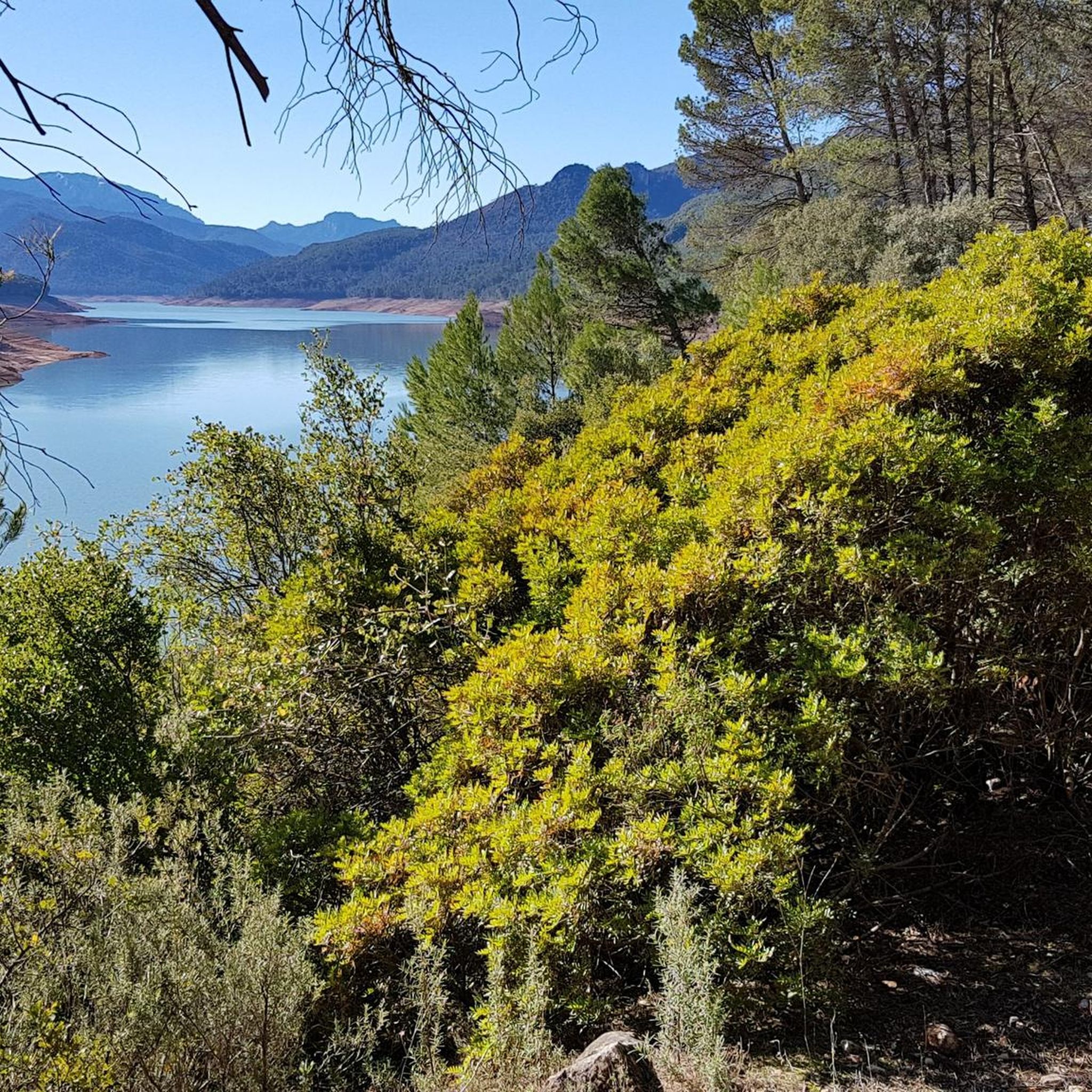
Road cycling routes around Beas De Segura traverse a diverse landscape within the Sierras de Cazorla, Segura y Las Villas Natural Park. The region features dramatic mountainous terrain with significant elevation changes, encompassing vast pine forests and karstic gorges. Cyclists will encounter limestone plateaus and the headwaters of major rivers, including the Segura and Guadalquivir, which feed into the expansive Tranco de Beas reservoir. This varied topography provides a range of conditions for road cyclists.
Best road cycling routes around…
Last updated: May 14, 2026
17
riders
75.3km
04:19
1,710m
1,710m
Hard road ride. Very good fitness required. Mostly well-paved surfaces and easy to ride.
15
riders
64.9km
03:58
1,620m
1,620m
Hard road ride. Very good fitness required. Mostly well-paved surfaces and easy to ride.

Sign up for free
5.0
(1)
11
riders
37.4km
01:59
700m
700m
Moderate road ride. Good fitness required. Mostly well-paved surfaces and easy to ride.
1
riders
59.8km
04:50
1,270m
1,270m
Hard road ride. Very good fitness required. Some segments of this route may be unpaved and difficult to ride.
31
riders
108km
05:59
2,320m
2,320m
Hard road ride. Very good fitness required. Mostly well-paved surfaces and easy to ride.
Get access to more routes and recommendations from other explorers.
Sign up for free
Already have an account?
Our route recommendations are based on thousands of hikes, rides, and runs completed by other people on komoot.
Start today with a free account
Your next adventure awaits.
Login or Signup
Other adventures around Beas De Segura

Tips from the Community

From the highway, next to a building, a narrow road leads off, with many potholes at first. There's only one turnoff (left) a few kilometers later, to Robledo. The other takes you directly to the summit. At the end, the gradient increases. Once at the top, the views are impressive. From the guardhouse, you can see half the Sierra, and on the opposite side of the guardhouse, the other half.
0
0

Incredible, beautiful, desolate climb. If climbing from El Robledo the road will be quite rough all the way. If climbing from Hornos the first approx 10km is a great surface but also becomes quite rough when turning off for the last section.
0
0

On one of the roads that go in the direction of Hornos from its southern side we find this viewpoint that lets us see the Tranco de Beas Reservoir and the set of mountains that surround it.
0
0
From this curve you can see a good panorama of the whole of the Embalse del Tranco and the whole of the Sierra de Cazorla that surrounds it.
0
0

The panoramic views that you get from this viewpoint to the surrounding mountains are very beautiful. It is an ideal place to take a break and savor the charming picture that you have in front of you.
0
0

Small refugio in good condition. There is no water inside but a little further down the road there is a fountain. However, it was dried up when I was there in April, 2023.
1
1

The Tranco reservoir is one of the largest in Spain.
0
0
This shelter is located at the southeast base of El Yelmo. The old house where the forest ranger lived is in ruins, but there is an auxiliary building where you can spend the night. The closest water point to the refuge is the Avellanar spring. To find it, take the road in the direction of Segura de la Sierra and after 600 meters you will find a signposted path that opens to the left. The source is about 300 meters.
1
0
Frequently Asked Questions
How many road cycling routes are available around Beas De Segura?
There are over 50 road cycling routes in the Beas De Segura region, offering a diverse range of experiences. You'll find a good mix of moderate and difficult routes, with 26 moderate and 31 difficult options, catering to various skill levels.
What kind of terrain can I expect when road cycling in Beas De Segura?
Road cycling in Beas De Segura features dramatic mountainous terrain with significant elevation changes, including peaks up to 2,000 meters. You'll traverse lush pine forests, karstic gorges, and limestone plateaus. The region is also home to the headwaters of the Segura and Guadalquivir rivers, with routes often circling the expansive Tranco de Beas reservoir. Expect varied conditions and challenging climbs.
Are there any circular road cycling routes in the area?
Yes, many of the routes around Beas De Segura are circular, allowing you to start and finish in the same location. For example, the Embalse del Tranco de Beas and ascent to Mirador de Huelguecillas — circular from Hornos is a popular option, as is the Ascent to El Yelmo — circular route around the Tranco Reservoir.
What are some notable landmarks or natural features I can see along the road cycling routes?
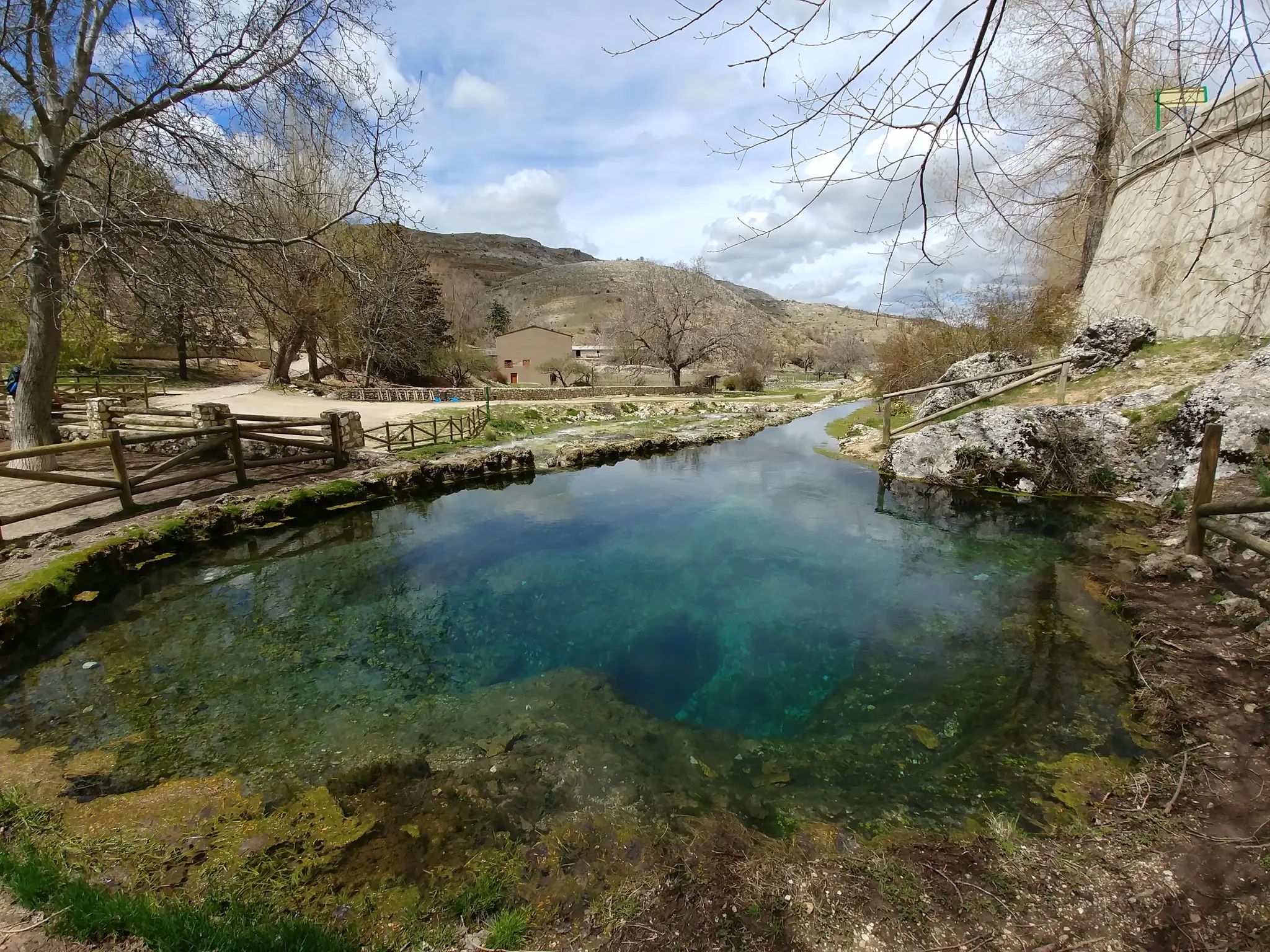
The region is rich in natural beauty and historical sites. You can cycle past the expansive Tranco Reservoir, visit the historic Castillo de Segura de la Sierra, or enjoy panoramic views from spots like the Mirador de Juan de León. Other natural highlights include the Charco del Aceite and Charco de la Pringue, both beautiful lake areas.
Are there any challenging climbs for experienced road cyclists?
Absolutely. Beas De Segura is known for its demanding ascents. Routes like the Ascent to El Yelmo feature sustained climbing towards the 1,808m summit of El Yelmo. Many routes involve significant elevation gains, with some difficult trails featuring over 1,600 meters of climbing.
What is the best time of year for road cycling in Beas De Segura?
The region offers diverse conditions throughout the year. Spring and autumn generally provide the most pleasant temperatures for road cycling, avoiding the intense heat of summer. However, the dramatic mountainous terrain means conditions can vary, so it's always advisable to check local weather forecasts before heading out.
What do other road cyclists enjoy most about the routes in Beas De Segura?
The routes in Beas De Segura are highly rated by the komoot community, with an average score of 4.7 stars. Cyclists often praise the 'wild nature' and 'paradise-like' scenic beauty, combined with relatively quiet roads, which make for an immersive and rewarding experience. The diverse and challenging experiences, from peaceful loops to demanding ascents, are also frequently highlighted.
Are there any family-friendly road cycling options?
While many routes in Beas De Segura are rated moderate to difficult due to the mountainous terrain and significant elevation changes, some sections around the Tranco Reservoir or within flatter valley areas might be suitable for families with older children or those seeking a less strenuous ride. It's best to review individual route profiles for distance and elevation to find the most appropriate option for your family's ability.
Is it possible to find parking for road cycling routes?
Yes, many villages and key starting points for routes within the Sierras de Cazorla, Segura y Las Villas Natural Park offer parking facilities. When planning your ride, consider starting from towns like Hornos or Orcera, which are common access points for popular routes and generally have parking available for visitors.
Can I bring my dog on road cycling routes?
While the natural park is generally welcoming to visitors, road cycling routes are primarily designed for cyclists. If you plan to bring a dog, ensure it is well-behaved and can keep pace safely alongside your bike, or consider routes that incorporate quieter roads or designated paths where dogs are permitted and can be safely managed. Always adhere to local regulations regarding leashes and waste disposal within the protected area.
Are there places to stop for refreshments or accommodation along the routes?
Yes, the region features charming villages like Segura de la Sierra and Hornos de Segura, which are ideal spots for rest, resupply, and finding cafes or restaurants. For multi-day adventures, mountain refuges are also available. It's a good idea to plan your route to pass through these villages for convenient breaks.
Most popular attractions around Beas De Segura

Get inspired with the komoot mobile app


Explore more
Browse the best Road cycling routes in other regions.
