The best MTB trails around El Campillo
4.9
(7)
154
riders
36
rides
Mountain biking around El Campillo offers diverse terrains, from challenging routes with significant elevation changes to more moderate paths. The region features varied landscapes, including mountainous terrain and areas with reservoir views, providing a range of experiences for mountain bikers. These natural features contribute to a network of trails that cater to different skill levels. The area's topography makes it suitable for exploring both demanding ascents and more accessible loops.
Best mountain bike trails around El Campillo
- The most popular…
Last updated: June 28, 2026
35
riders
61.2km
05:03
530m
530m
Hard mountain bike ride. Very good fitness required. Suitable for all skill levels.
5.0
(2)
13
riders
58.8km
04:26
280m
280m
Moderate mountain bike ride. Good fitness required. Advanced riding skills necessary.

Sign up for free
8
riders
48.9km
03:44
200m
200m
Moderate mountain bike ride. Good fitness required. Suitable for all skill levels.
4.5
(2)
5
riders
Moderate mountain bike ride. Good fitness required. Suitable for all skill levels.
5.0
(1)
8
riders
57.4km
04:17
190m
190m
Moderate mountain bike ride. Good fitness required. Advanced riding skills necessary.
Get access to more routes and recommendations from other explorers.
Sign up for free
Already have an account?
Our route recommendations are based on thousands of hikes, rides, and runs completed by other people on komoot.
Start today with a free account
Your next adventure awaits.
Login or Signup

Tips from the Community

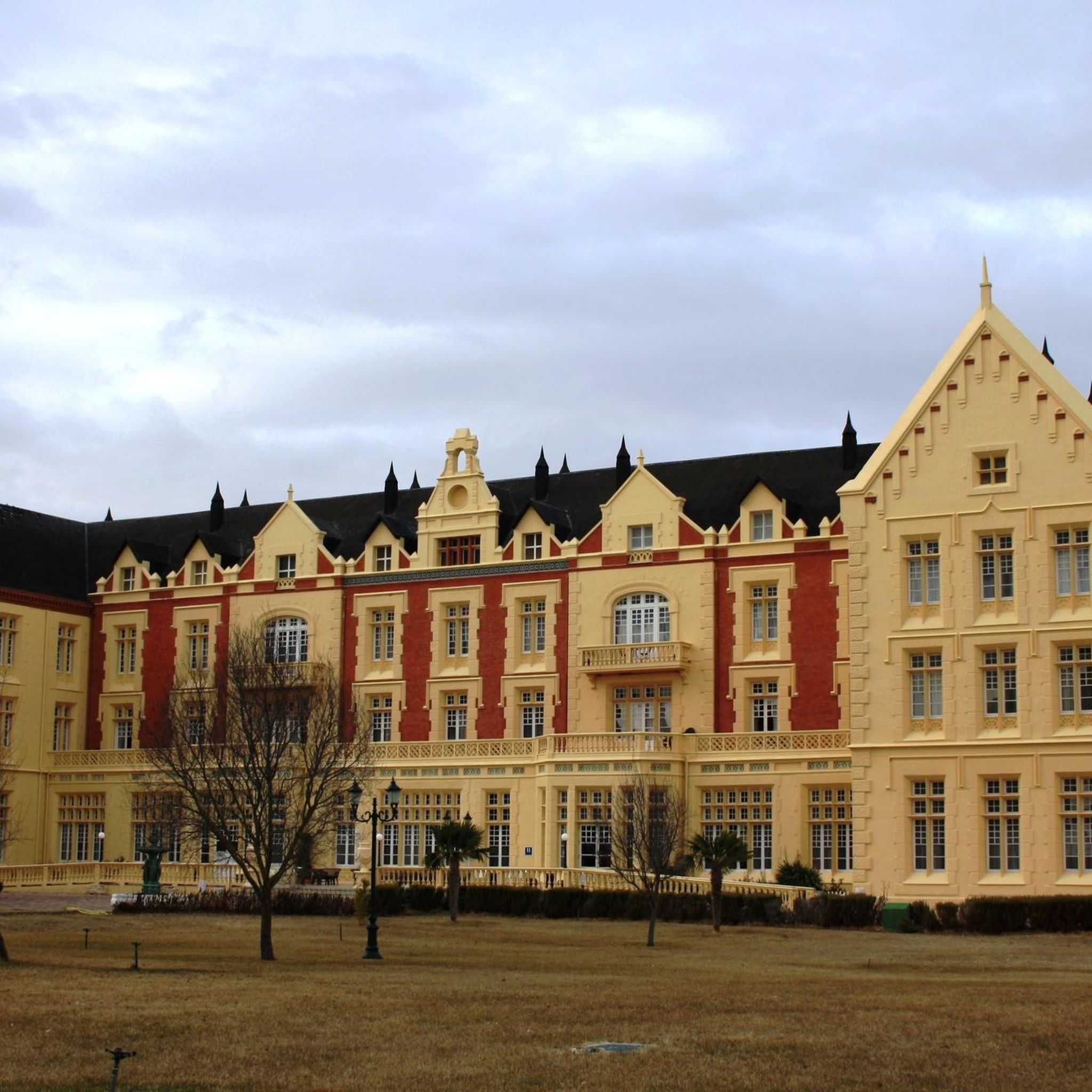
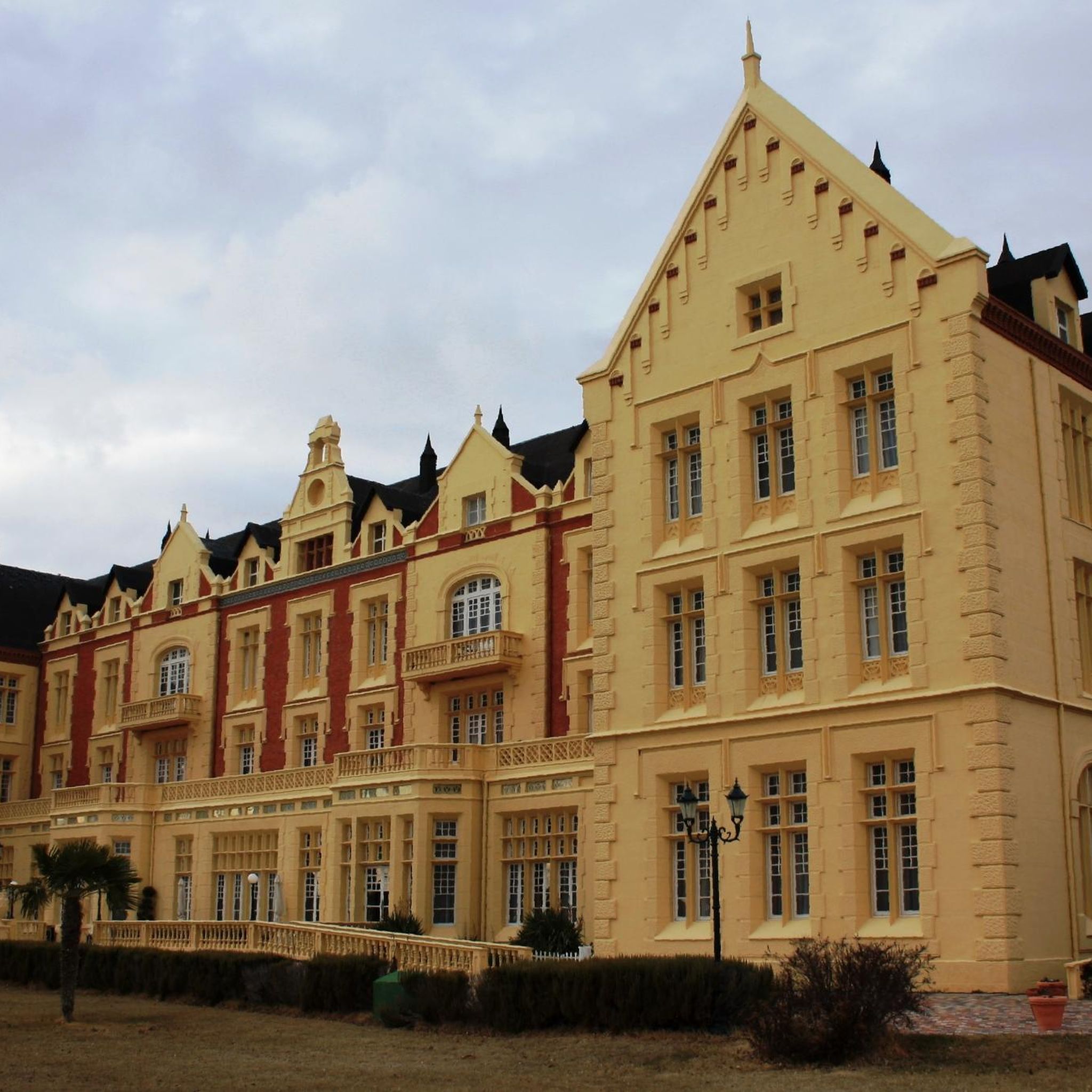
Built in the 16th century by Diego Beltrán, a nobleman and member of the Royal Council of the Indies, around 1528–1533, on a site previously used on Santiago Street. Its design is attributed to the royal architect Luis de Vega. From 1602 to 1604, it housed the Royal Chancery; later, it served as the residence of the Marquis of Ensenada during his exile. In 1916, it was acquired by the Marquises of Argüeso; in 1950, it passed into the hands of the State and was used as a vocational institute, currently functioning as an educational center.
5
0
Church of San Juan in Nava del Rey (Valladolid): Built between the 16th and 18th centuries, it incorporates the work of several architects: Juan Campero (apse and side chapels, early 16th century) and Rodrigo Gil de Hontañón (from 1560). After the tower collapsed in 1663, destroying the rear section, choir, and organ, it was rebuilt, and Juan de Revilla completed the new tower in 1702.
2
0
The bridge spans the Zapardiel River, on the old road that connected the now-abandoned village of Zofraga with Rueda, in the province of Valladolid. It played an important role in connecting Zofraga (abandoned after an epidemic) with Rueda, allowing the abandoned inhabitants to reach the town and carry out their agricultural work.
2
0
The Church of Our Lady of the Assumption in Rueda (Valladolid) is a prominent 18th-century Baroque church that, together with its Renaissance tower, shines in the heart of the town. It was designed by the architect Manuel Serrano and built in the mid-18th century; the main portal and altarpiece are attributed to Pedro de Sierra. The five-tiered tower dates from the earlier Renaissance construction and was preserved in the new structure. Declared a Site of Cultural Interest (monument) on October 17, 2013.
2
0
Also known as the Main Parish Church of San Antolín. The original parish dates back to 1177, founded by settlers from the north (Palencia) and dedicated to Saint Antolín. In 1480, the Catholic Monarchs obtained a papal bull from Pope Sixtus IV elevating its status to a collegiate church with a free abbey. Construction of the current church began in 1502 and continued into the 18th century, with prominent architects such as Juan Gil de Hontañón, Rodrigo Gil, and the Gutiérrez brothers. It lost its collegiate church status in 1851, becoming simply the main parish church.
9
0
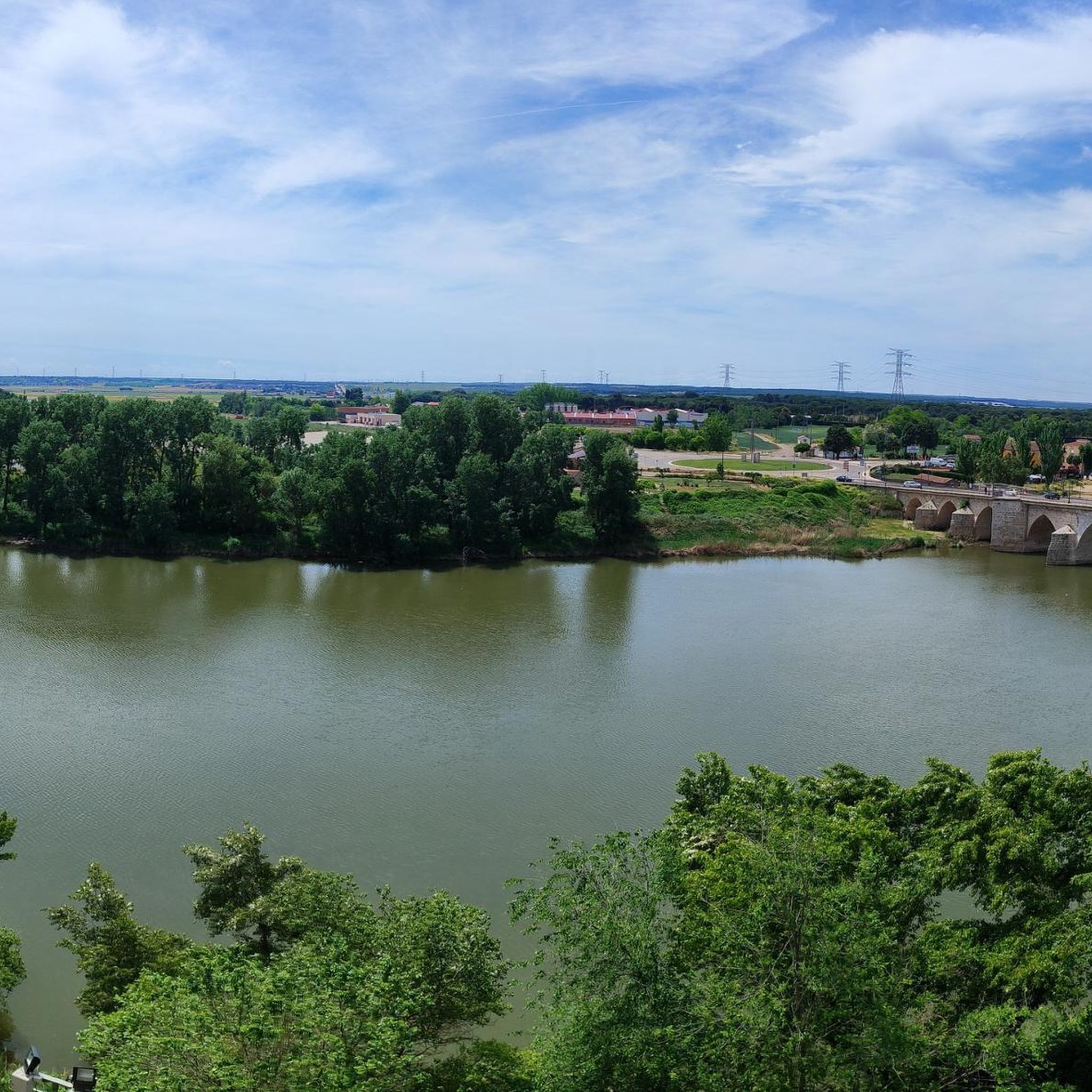
The medieval bridge over the Duero River, with its perfectly aligned arches, connects the historic center to the opposite bank. The monumental skyline of Tordesillas, highlighting the Plaza Mayor, the Casas del Tratado (Houses of the Treaty), and the Monastery of Santa Clara, all framed by reddish rooftops and the silhouette of the Church of San Antolín. The Duero River winds beneath the bridge, its reflections shifting with the changing light, creating a highly photogenic scene. Natural surroundings: riverside vegetation and, in autumn, golden hues that enhance the scenery.
6
0
The view of the Stone Bridge and Tordesillas from the viewpoint on Avenida de Portugal is considered one of the most beautiful panoramas of the town.
6
0

This is a Renaissance building constructed in the 16th century. It was designed by Luis de Vega, who was the architect of Charles V. Importantly, the Marquis of Ensenada lived in exile and died in this building in December 1781.
11
0
Frequently Asked Questions
How many mountain bike trails are available around El Campillo?
El Campillo offers a diverse network of over 40 mountain bike trails. These routes cater to various skill levels, ranging from easy paths to more challenging rides.
What types of terrain can I expect on mountain bike trails in El Campillo?
The terrain around El Campillo is quite varied. You'll find routes that traverse open plains, connect local towns, and feature significant elevation changes, particularly in areas like Campillo De Arenas. Some trails offer scenic reservoir views, while others lead through rural landscapes.
Are there mountain bike trails suitable for beginners in El Campillo?
Yes, El Campillo has options for beginners. While many routes are moderate, there are 3 easy mountain bike trails available, providing a good starting point for those new to the sport or looking for a more relaxed ride.
Are there challenging mountain bike trails for experienced riders in El Campillo?
Absolutely. For experienced riders seeking a challenge, there are 4 difficult mountain bike trails. These routes often feature significant elevation changes and require good fitness and advanced riding skills. An example of a more demanding route is the Castle of La Mota – Medieval bridge loop from Estación de Medina del Campo, which covers over 61 km with substantial climbing.
What are some notable landmarks or attractions I can see along the mountain bike trails?
Many routes in El Campillo pass by interesting historical and natural sites. You might encounter the impressive Castle of La Mota, or the beautiful Collegiate Church of San Antolín. Some trails also offer views of reservoirs or lead through unique natural settings like the Valdegalindo Cork Oak Forest.
Are there any loop mountain bike trails in El Campillo?
Yes, many of the mountain bike trails in El Campillo are designed as loops, offering convenient starting and ending points. Examples include the Tordillas Center – Tordesillas loop from Medina del Campo and the Town center of Nava del Rey loop from Campillo.
What do other mountain bikers say about the trails in El Campillo?
The mountain bike trails in El Campillo are highly regarded by the komoot community, with an average rating of 4.9 stars from around 10 reviews. Over 160 mountain bikers have explored the area using komoot, often praising the varied terrain and the opportunities to connect with local towns and historical sites.
What is the best time of year for mountain biking in El Campillo?
While specific seasonal data isn't provided, regions like coastal El Campello (if applicable to your specific El Campillo location) are noted for year-round favorable weather. Generally, spring and autumn offer pleasant temperatures for mountain biking, avoiding the peak heat of summer or potential chill of winter, though the varied landscapes mean conditions can differ.
Are there any routes that connect different towns or villages?
Yes, several routes are designed to connect local towns and villages, offering a mix of open terrain and local scenery. For instance, the Tordillas Center – Tordesillas loop from Medina del Campo connects two town centers, providing a cultural element to your ride.
What is the typical length of mountain bike trails in El Campillo?
The mountain bike trails in El Campillo vary significantly in length. You can find shorter routes, but many popular trails are longer, such as the Castle of La Mota – Valdegalindo Cork Oak Forest loop from Medina del Campo which is over 50 km, or the Castle of La Mota – Collegiate Church of San Antolín loop from Estación de Medina del Campo at nearly 40 km.
Are there any specific natural features to look out for while mountain biking?
Beyond the general mountainous terrain and reservoir views, some routes may lead you through unique natural areas. For example, the Castle of La Mota – Valdegalindo Cork Oak Forest loop from Medina del Campo highlights a cork oak forest, offering a distinct natural environment to explore.
Most popular attractions around El Campillo

Get inspired with the komoot mobile app


Explore more
Browse the best MTB trails in other regions.
