The best walks and hikes around Zarzalejo
4.5
(76)
460
hikers
18
hikes
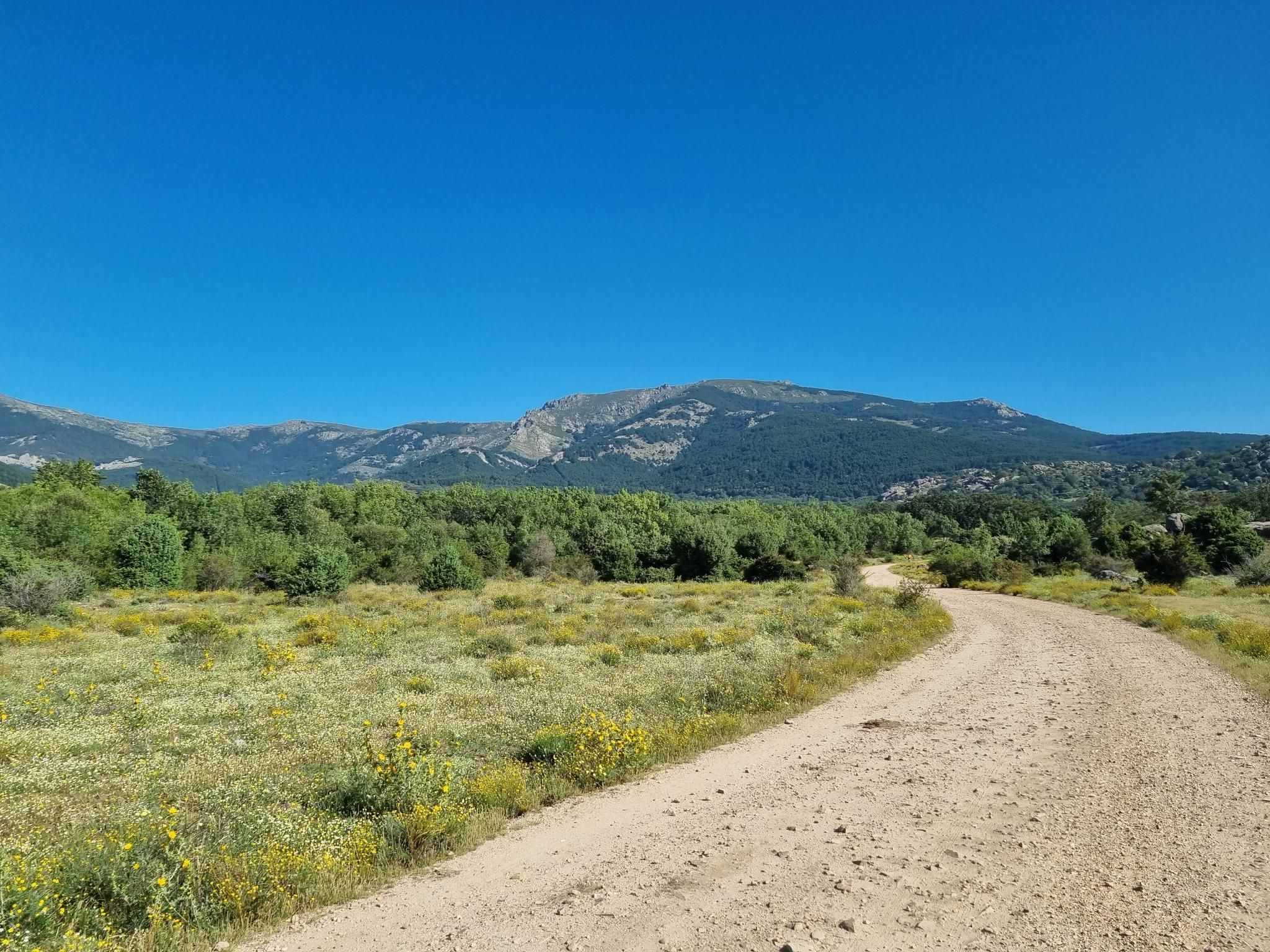
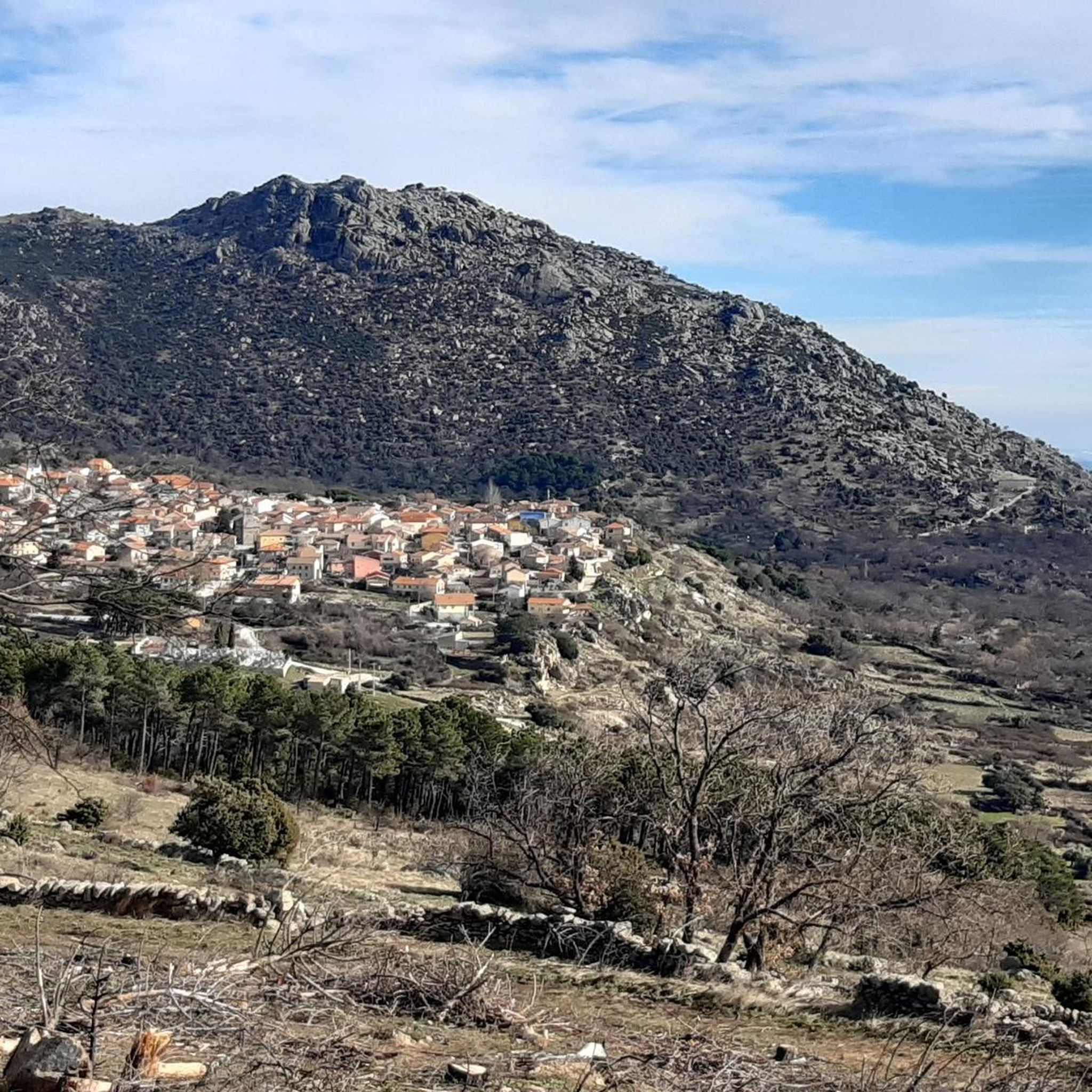
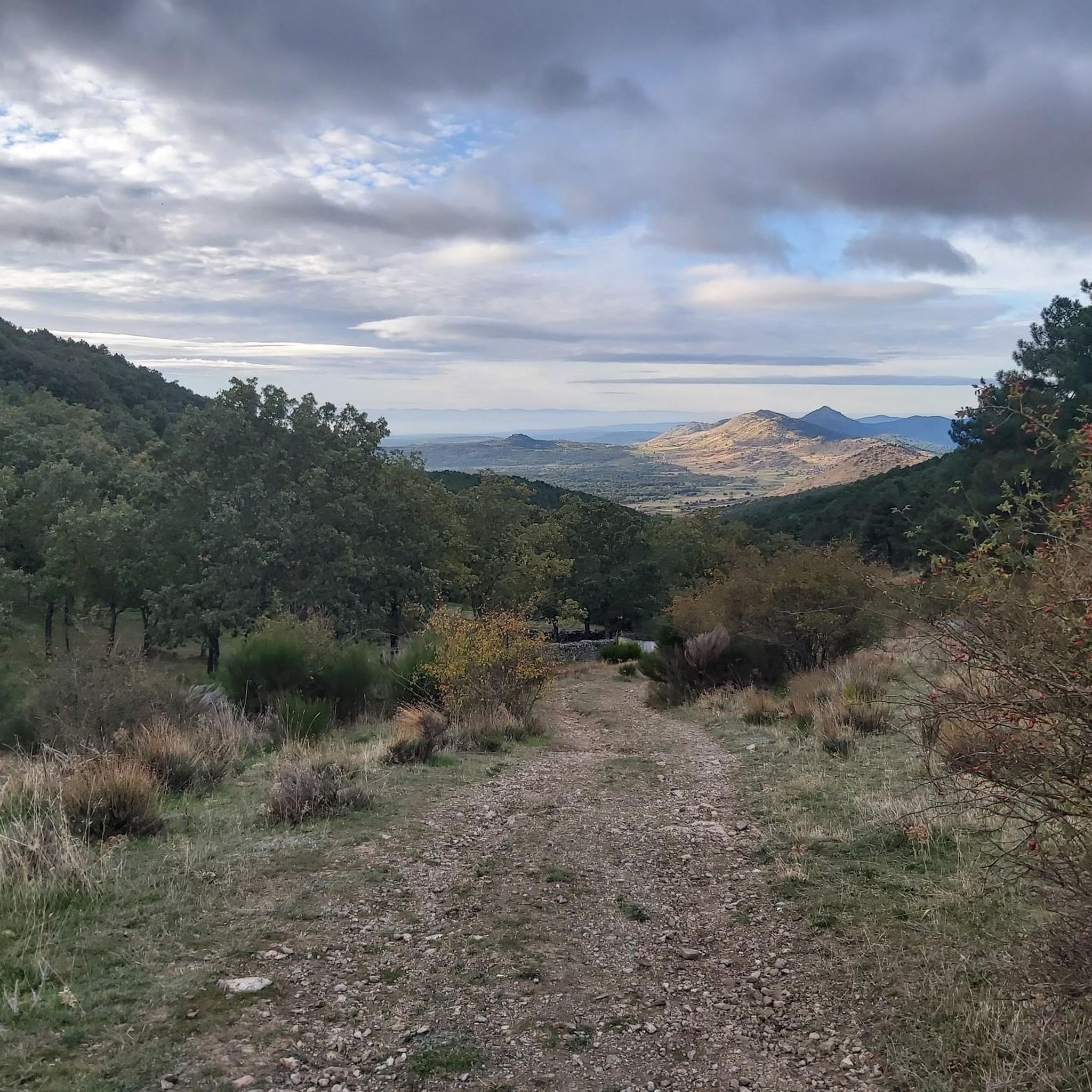
Hiking around Zarzalejo offers access to the Sierra Oeste of Madrid, characterized by its granitic mountains known as Las Machotas. The region features prominent granite formations, including Machota Alta and Machota Baja, which define the landscape. Trails often lead through areas with diverse flora and fauna, alongside features like the La Herrería forest and the Lagunas de Castrejón. This natural environment provides varied terrain for outdoor activities.
Best hiking trails around Zarzalejo
- The most popular hiking route is Las Machotas…
Last updated: July 7, 2026
4.8
(13)
61
hikers
7.96km
03:13
420m
430m
Hard hike. Good fitness required. Sure-footedness, sturdy shoes and alpine experience required.
4.7
(7)
44
hikers
6.51km
02:29
270m
270m
Moderate hike. Good fitness required. Mostly accessible paths. Sure-footedness required.

Sign up for free
5.0
(5)
35
hikers
Hard hike. Very good fitness required. Sure-footedness, sturdy shoes and alpine experience required.
4.7
(6)
30
hikers
10.2km
03:17
300m
300m
Moderate hike. Good fitness required. Mostly accessible paths. Sure-footedness required.
4.8
(4)
20
hikers
11.7km
03:50
360m
360m
Moderate hike. Good fitness required. Mostly accessible paths. Sure-footedness required.
Get access to more routes and recommendations from other explorers.
Sign up for free
Already have an account?
Our route recommendations are based on thousands of hikes, rides, and runs completed by other people on komoot.
Start today with a free account
Your next adventure awaits.
Login or Signup

Other adventures around Zarzalejo

Tips from the Community

They say (I don't know how true this is) that Philip II used to watch the progress of the construction of the colossal monastery from this very spot during his hunting trips, which he was very fond of. Whether true or not, it makes for a beautiful viewpoint, especially in autumn.
1
0

The Chair of Philip II is a famous granite viewpoint in San Lorenzo de El Escorial, near Madrid. Legend has it that King Philip II used it to view the construction of the Monastery of El Escorial. However, experts believe it was actually an ancient Celtic altar, possibly used for rituals. Today, it's a popular hiking spot with stunning views of the monastery and its surroundings.
4
0
The Chair of Philip II is a famous granite viewpoint in San Lorenzo de El Escorial, near Madrid. Legend has it that King Philip II used it to view the construction of the Monastery of El Escorial. However, experts believe it was actually an ancient Celtic altar, possibly used for rituals. Today, it's a popular hiking spot with stunning views of the monastery and its surroundings.
3
0

Views of Mount Abantos with the Monastery of El Escorial
0
0

The Chair of Philip II is a group of platforms and seats carved in granite. According to tradition, Philip II used this site as an observatory during the construction of the Monastery of El Escorial. However, some theories suggest that it could be an ancient Vetton altar. This site offers spectacular views of the Monastery of El Escorial and its surroundings, including the La Herrería forest. The route to reach the Chair of Philip II is quite accessible and can be done in approximately one hour from the San Lorenzo de El Escorial Tourist Office.
1
0
The Chair of Philip II is a group of platforms and seats carved in granite. According to tradition, Philip II used this site as an observatory during the construction of the Monastery of El Escorial. However, some theories suggest that it could be an ancient Vetton altar. This site offers spectacular views of the Monastery of El Escorial and its surroundings, including the La Herrería forest. The route to reach the Chair of Philip II is quite accessible and can be done in approximately one hour from the San Lorenzo de El Escorial Tourist Office.
1
0

This church began to be built in the year of the discovery of America, in 1492, and was officially completed in 1619, although it was restored in the following centuries.
0
0
This hill is located right between the Machota Alta and the Baja, and connects the area of the Silla de Felipe II with Zarzalejo. Once at this point, we can climb either of the two Machotas or begin the descent, either to the Felipe II chair or to Zarzalejo. A little further along the road, towards Zarzalejo, we can find the Entre Cabezas fountain.
1
0
Frequently Asked Questions
What kind of terrain can I expect on hikes around Zarzalejo?
Hiking around Zarzalejo is characterized by its granitic mountains, particularly the impressive Las Machotas. You'll encounter significant granite formations, which can make for challenging but rewarding routes. Trails often lead through forested areas, including parts of the La Herrería forest, and feature diverse flora and fauna. Some paths also include historical elements like sections of a Roman road.
Are there easy hiking options suitable for beginners in Zarzalejo?
Yes, Zarzalejo offers a variety of trails for different fitness levels. While many routes involve challenging granite formations, there are also easier paths available. The guide lists 2 easy routes, and 11 moderate routes, providing options for those new to hiking or looking for a less strenuous experience.
What are some notable viewpoints or natural attractions to see while hiking in Zarzalejo?
From elevated points like Las Machotas, you can enjoy panoramic views of the Sierra de Guadarrama and the Monastery of El Escorial. A particularly famous viewpoint is the Seat of Philip II, offering spectacular vistas. You might also encounter the Lower Machota summit, the Bear Cave, and the ecologically valuable Lagunas de Castrejón at the foot of Las Machotas.
Are there any circular hiking routes available in Zarzalejo?
Yes, many of the popular routes in Zarzalejo are circular. For example, the Las Machotas Loop from Zarzalejo is a challenging circular route. Another option is the Entrecabezas Spring – The Lower Machota loop from Zarzalejo, which is a moderate circular path exploring the area around the Machotas.
Can I bring my dog on the hiking trails in Zarzalejo?
The natural spaces around Zarzalejo, including Las Machotas, are legally protected. While specific regulations for dogs can vary, generally, dogs are permitted on trails but should be kept under control, especially in areas with wildlife or livestock. It's always best to check local signage or official park guidelines for the most current rules.
Are there family-friendly hiking trails in Zarzalejo?
Zarzalejo offers a range of trails, including easier and moderate options that can be suitable for families. While some routes are difficult due to elevation and granite formations, you can find paths that are less strenuous. Look for routes described as 'easy' or 'moderate' for a more family-friendly experience.
What is the best time of year to go hiking in Zarzalejo?
Zarzalejo is enjoyable for hiking throughout much of the year. Spring and autumn offer pleasant temperatures and vibrant landscapes. Summer can be hot, so early morning or late afternoon hikes are recommended. Winter hiking is possible, but be prepared for cooler temperatures and potentially icy conditions at higher elevations on Las Machotas.
How can I get to the hiking trailheads in Zarzalejo using public transport?
Zarzalejo has a train station (Zarzalejo Estación) which connects to Madrid. Many hiking routes, such as the El Fraile Rock Formation – Seat of Philip II loop from Zarzalejo (estación), start directly from the station, making public transport a convenient option for accessing the trails.
Where can I park my car when hiking in Zarzalejo?
Zarzalejo is a rural town, and parking is generally available in and around the village center or near the train station. Many trailheads are accessible from these points. Always ensure you park in designated areas and respect local residents.
What wildlife might I encounter on the trails around Zarzalejo?
The protected natural spaces of Las Machotas provide a habitat for diverse wildlife. You might spot foxes, wild boars, various reptiles, and a variety of birds, including birds of prey. The area's vegetation, including oaks, chestnuts, junipers, and rockroses, also supports a rich insect and bird life.
What do other hikers say about the trails in Zarzalejo?
The routes in Zarzalejo are highly rated by the komoot community, with an average score of 4.6 stars from over 70 reviews. Hikers often praise the unique granite formations, the challenging yet rewarding climbs, and the spectacular panoramic views from elevated points like Las Machotas.
Are there any historical sites or ancient paths to explore in Zarzalejo?
Yes, Zarzalejo has a rich history reflected in its trails. You can explore the historic 'Camino de Entrecabezas,' an ancient path connecting Zarzalejo with El Escorial. Additionally, some routes feature well-preserved sections of a Roman road with granite paving, offering a glimpse into the region's past.
What should I wear or bring for hiking in Zarzalejo?
Given the varied terrain and granite formations, sturdy hiking boots with good ankle support are recommended. Layers of clothing are advisable to adapt to changing weather conditions, especially when gaining elevation. Don't forget water, snacks, sun protection, and a map or GPS device, as some trails can be challenging.
Most popular routes around Zarzalejo
Most popular attractions around Zarzalejo

Get inspired with the komoot mobile app


Explore more
Browse the best Hikes in other regions.
