Top 6 Castles around Daroca
Best castles around Daroca are found in a historic town in the province of Zaragoza, Spain, renowned for its extensive medieval fortifications. The area features a defensive system with walls spanning approximately 4 kilometers, built between the 13th and 16th centuries. These structures offer a glimpse into the region's strategic importance and rich history. The elevated positions of the castles and wall walks provide panoramic views of Daroca and the surrounding landscapes.
Best castles around Daroca
- The most popular castles…
Last updated: June 29, 2026
Daroca
Highlight • Settlement
Translated by Google •
Tip by

Walls and Main Castle of Daroca
Highlight • Castle
Translated by Google •
Tip by

Sign up now to discover places like this
Get recommendations on the best single tracks, peaks, & plenty of other exciting outdoor places.
Sign up for free
Villafeliche
Highlight • Settlement
Translated by Google •
Tip by

Anento Village and Red Rock Cliffs
Highlight • Settlement
Tip by

Castillo de Santed
Highlight • Castle
Translated by Google •
Tip by

Sign up for free to discover even more castles around Daroca.
Sign up for free
Already have an account?
Start today with a free account
Your next adventure awaits.
Login or Signup
Popular around Daroca
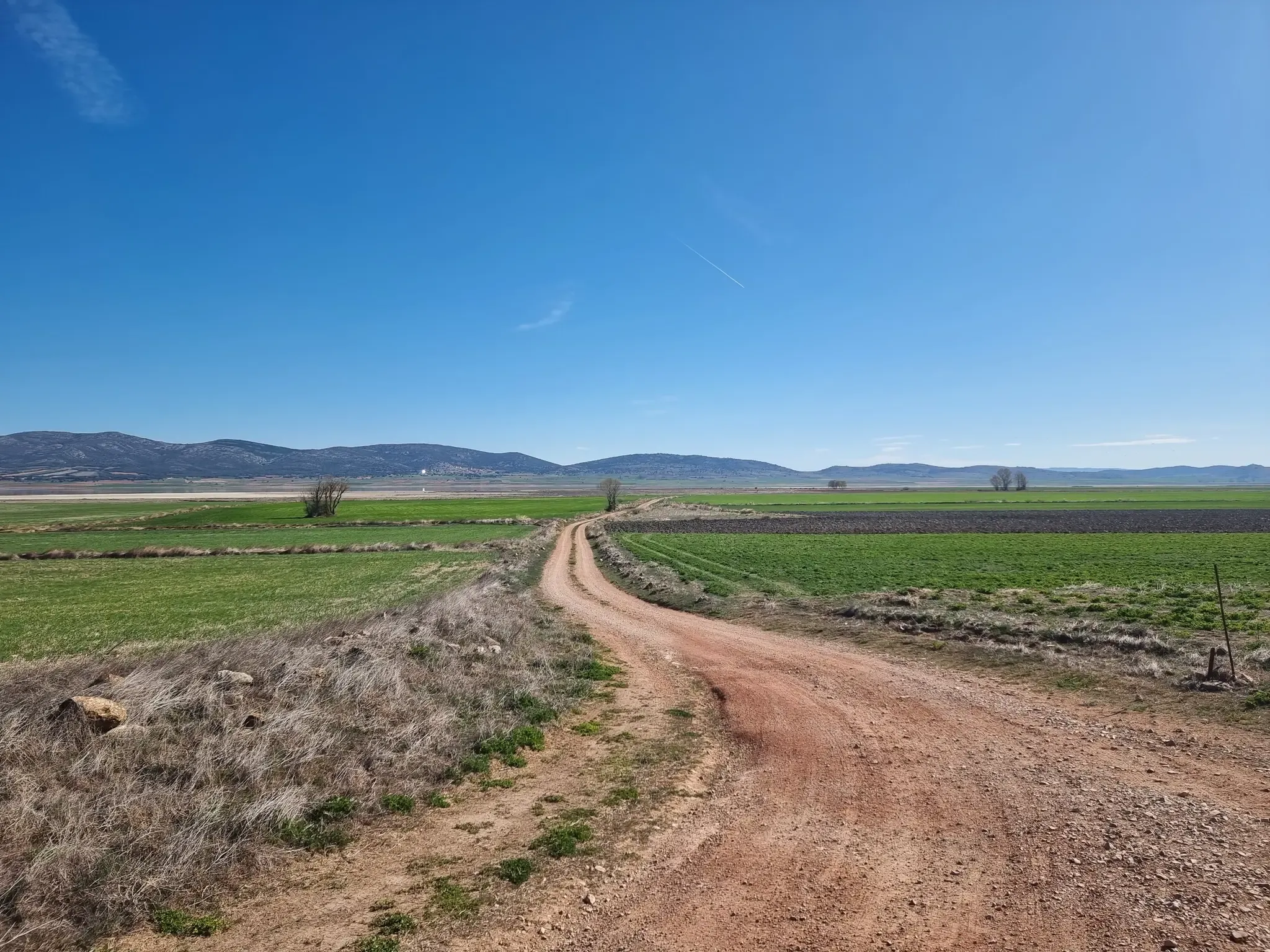
The paradise of the cranes - Gallocanta Ring
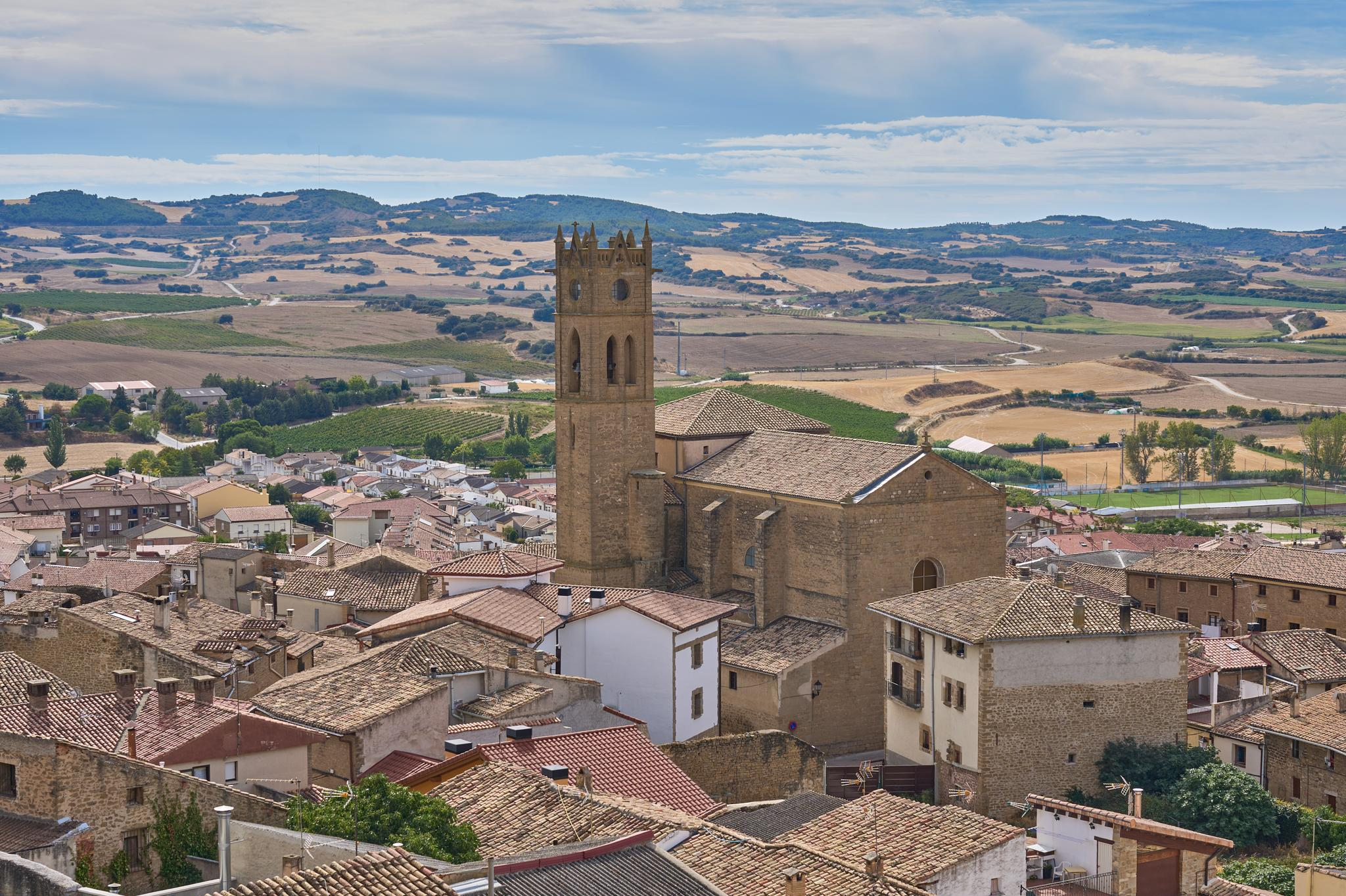
Path of the Templars — Path of the True Cross (GR 250)
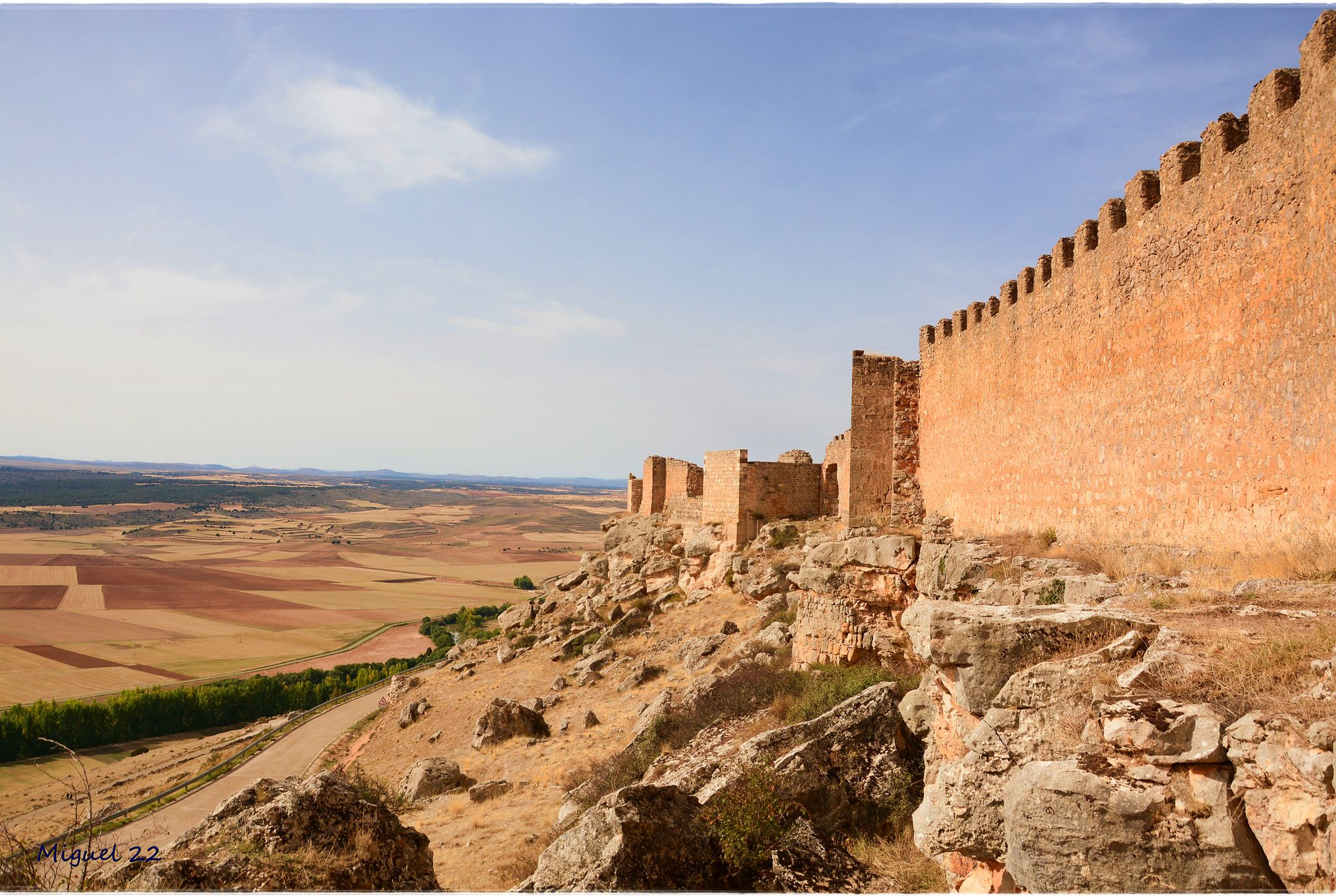
A journey through mediaeval Spain – El Camino del Cid (GR 160)
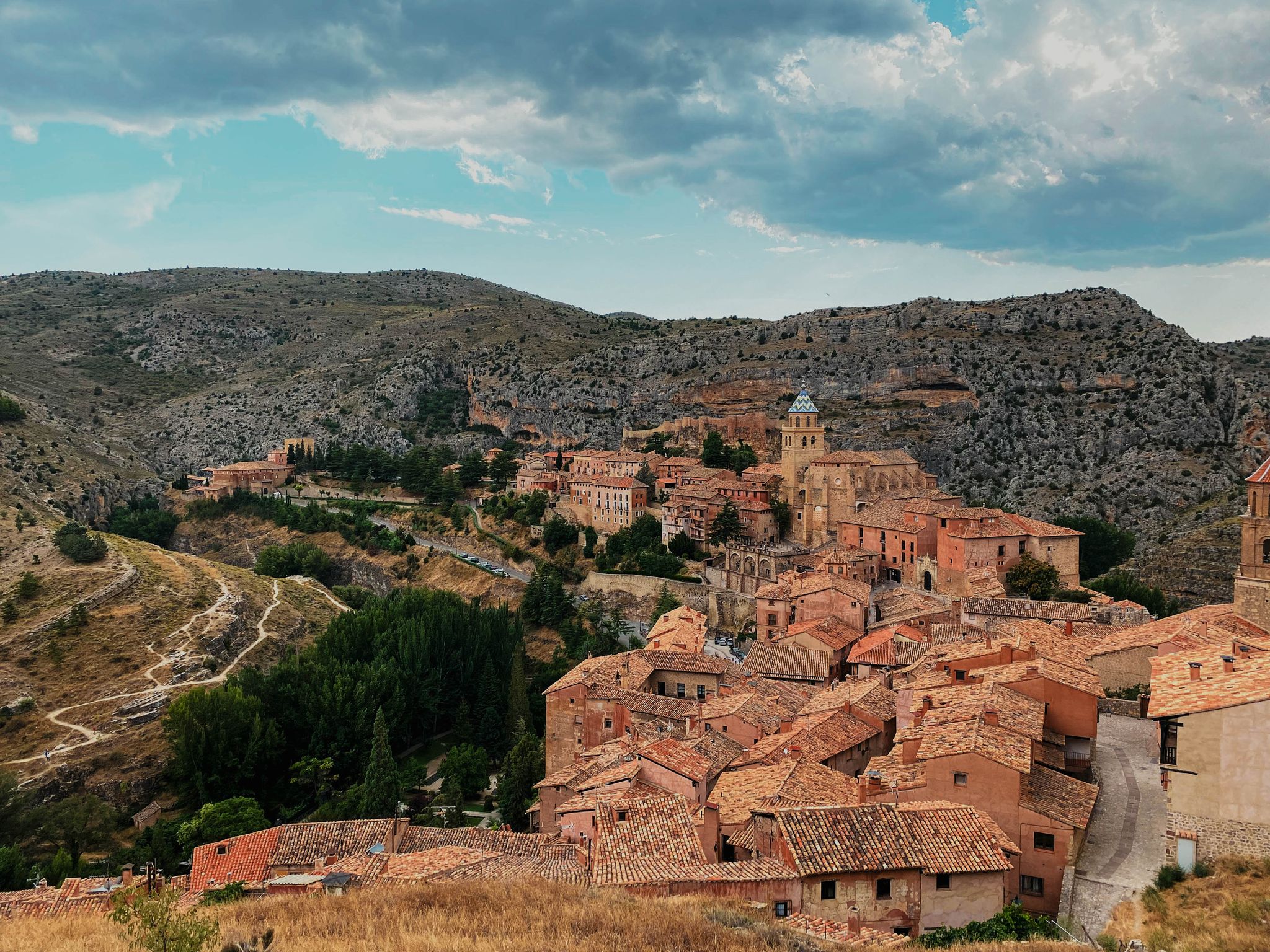
The Three Taifas by gravel bike – El Camino del Cid
El Camino del Cid – The Three Taifas on MTB
The Way of El Cid by bike – The Three Taifas
Bike tour into the Spanish Middle Ages - the Camino del Cid
Road Cycling Routes around Daroca
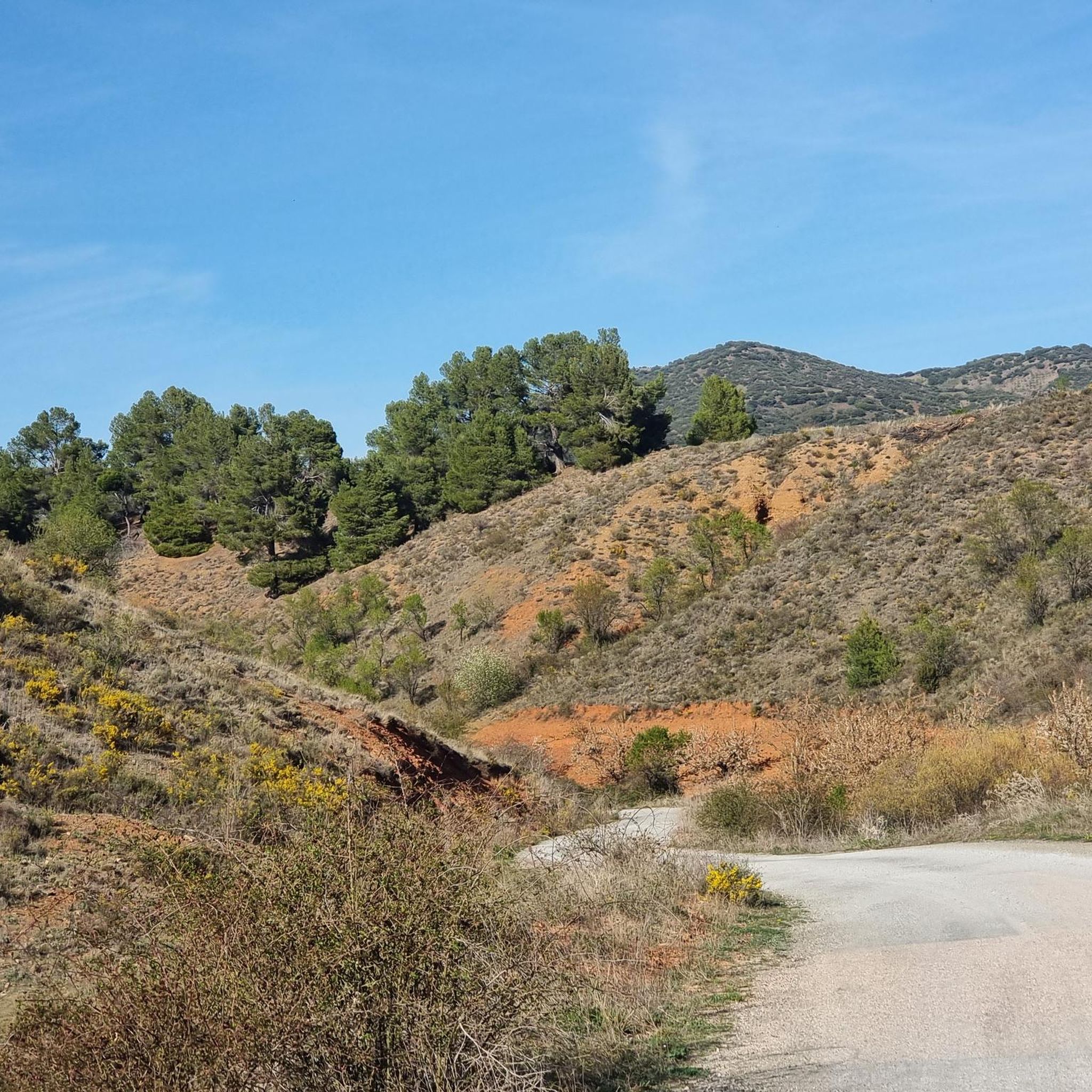
Hiking around Daroca
Running Trails around Daroca
Other adventures around Daroca


Tips from the Community

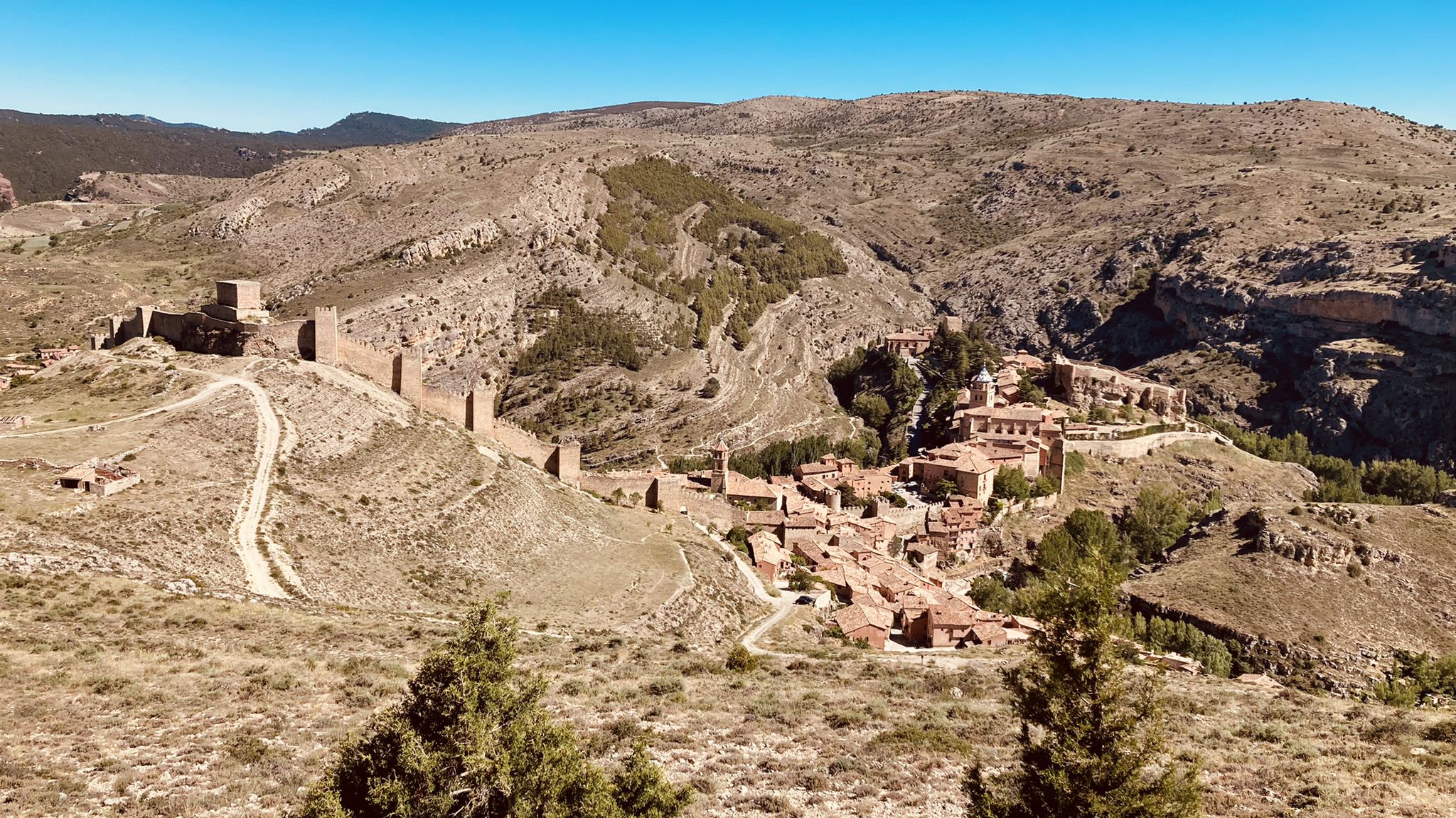
Watched over by the remains of its ancient castle, Daroca emerges, one of the most beautiful cities in Aragon. Without a doubt, one of the charms of the town is to walk along its walls, with their imposing towers, until you reach the castle, from which you can enjoy a beautiful panoramic view.
0
0

This Castle corresponds to the Major Castle of Daroca, of Muslim origin and built in the 11th Century.
0
0

The rich history of Daroca, from a Celtiberian town to a Roman city, and later from an Arab enclave to an important town in the kingdom of Aragon, is manifested in the variety of monuments and historical vestiges that it preserves in its urban center. Churches, fountains, mines, and, especially, the wall and the Mayor castle, transport you to the fascinating past of this Aragonese town.
0
0

Stroll around and take the walk to the Aguallueve pond spring
0
0

Calamocha, has a lot of very good routes, for mbt and road
0
0

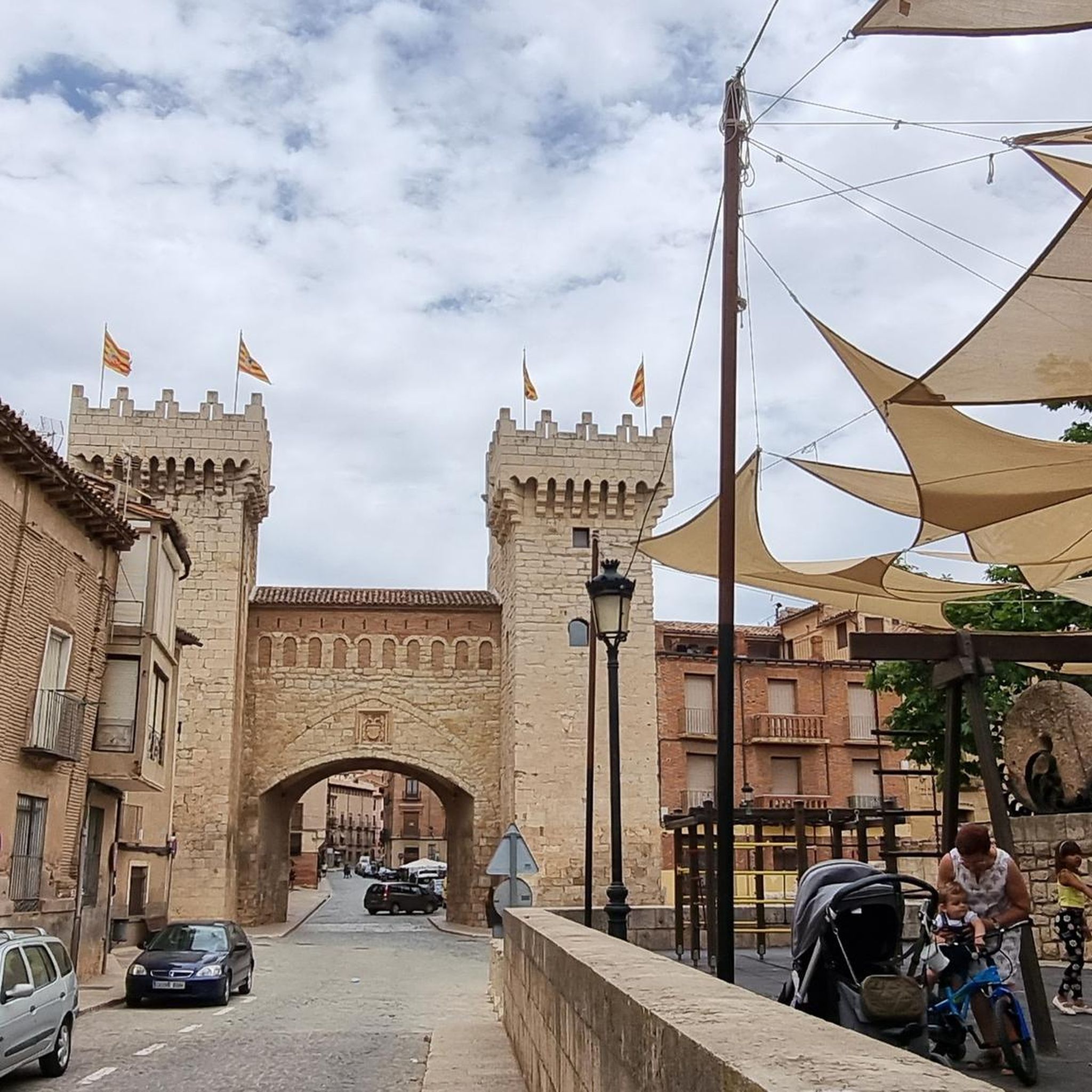
The fact of being a border city between regions and kingdoms has marked the history of one of the most suffered but at the same time beautiful cities in Aragon. At this point we find ourselves at the Lower Gate that welcomes us to the city through which we can tour its walls, built at different times, up to the old castle from which we can enjoy an impressive panoramic view of Daroca.
2
0
This small town located in the Jiloca valley still preserves several vestiges of its Moorish past. Remains of an old mosque still remain, as well as the ruins of a 13th-century castle. It is worth going up to the castle to enjoy the views of the valley. As a reward for the climb to the castle, you can relax afterwards in the village bar.
3
0

The Ayyub Castle or Castillo Mayor is a fortress of Muslim origin, built in the 9th century and located in the Zaragoza municipality of Calatayud.
9
1
Frequently Asked Questions
What are the most historically significant castles in Daroca?
The fortifications of Daroca are rich in history, spanning centuries from Moorish origins to Christian expansions. The Walls and Main Castle of Daroca, also known as Castillo Mayor, originated as a Muslim fortress in the 9th century and played a crucial role in defending the region. The entire walled enclosure, approximately 4 kilometers long, showcases architectural diversity including Muslim, Romanesque, Gothic, and Mudéjar elements.
Are there any family-friendly castles or historical sites to visit in Daroca?
Yes, Daroca offers several family-friendly historical sites. The town of Daroca itself, with its extensive walls and old castle, is considered family-friendly. You can wander through its alleys and explore the historical vestiges. Additionally, Villafeliche, with its 13th-century castle ruins, is also listed as family-friendly and offers rewarding views after a climb.
What kind of views can I expect from the castles in Daroca?
The elevated positions of Daroca's castles and wall walks offer spectacular panoramic views. From the old castle in Daroca, you can enjoy an impressive panorama of the town. Similarly, climbing to the ruins of the castle in Villafeliche provides excellent views of the valley. The Castle of San Cristóbal (Torre del Andador) also offers a panoramic viewpoint over Daroca.
What outdoor activities can I do near the castles of Daroca?
The area around Daroca offers various outdoor activities. You can find numerous hiking and cycling routes. For hiking, explore options like the 'Aguallueve and Arguilay Circular Trail' or the 'Sierra de Santa Cruz Circular'. Cyclists can enjoy routes such as 'Gallocanta Circular Route from Daroca' or 'The Three Taifas Trail'. You can find more details on these activities in the hiking guide, road cycling guide, and general cycling guide for Daroca.
What is the best time of year to visit the castles in Daroca?
While specific seasonal recommendations are not provided, exploring the extensive walls and castles is best enjoyed in pleasant weather. Spring and autumn generally offer milder temperatures, making them ideal for walking and exploring the outdoor sites without extreme heat or cold. This allows for comfortable enjoyment of the panoramic views and historical sites.
Are there any castles near Daroca that played a significant defensive role?
Yes, the region is known for its defensive structures. The Castillo de Santed, located on a mountain dominating the border between Aragon and Castile, was particularly important in the Middle Ages. It formed part of Aragon's defense line against the Kingdom of Castile, alongside other castles like Peracense and Albarracín.
What makes the Walls of Daroca particularly noteworthy?
The Walls of Daroca are exceptional due to their length, approximately 4 kilometers, making them one of the longest and most well-preserved fortified walls in Aragon. They incorporate 114 towers and several impressive gates, such as the Puerta Baja and Puerta Alta. These walls were built between the 13th and 16th centuries, showcasing various construction elements and styles, and played a crucial role in the town's defense.
Can I explore the Jewish Quarter in Daroca and are there any castles nearby?
Yes, Daroca has a historic Jewish Quarter known for its 16th and 17th-century Renaissance and Baroque buildings. The Castle of the Judería, though in ruins, is part of Daroca's extensive defensive network and is located near this old Jewish quarter, offering a glimpse into the town's diverse historical layers.
What kind of architectural styles can be observed in Daroca's fortifications?
Daroca's fortifications display a rich mix of architectural styles, reflecting its long history. You can observe elements from Muslim, Romanesque, Gothic, and Mudéjar periods. This diversity is evident in the construction of the walls, towers, and gates, offering a unique architectural journey through different historical eras.
What do visitors appreciate most about the castles and walls in Daroca?
Visitors frequently appreciate the immersive experience of stepping back in time while exploring the extensive walls, towers, and gates. The sheer scale and historical depth of Daroca's fortifications, combined with the spectacular panoramic views of the town and surrounding landscapes from elevated points, are often highlighted as key attractions. The town's rich history, from Celtiberian to Roman and Arab influences, also captivates visitors.
Is there a castle overlooking the Gallocanta lagoon near Daroca?
Yes, the village of Berrueco, located north of the Gallocanta lagoon, features a castle at the top of the town. The Castillo de Berruecos offers views overlooking the lagoon, providing a picturesque setting for a visit.
Most popular attractions around Daroca

Get inspired with the komoot mobile app


Explore more
Looking for the best castles somewhere else? Discover other guides around Daroca:
