Attractions and Places To See around Rubí - Top 20
Best attractions and places to see around Rubí, a municipality in Catalonia, offer a blend of historical sites, modernist architecture, and natural landscapes. Located near Barcelona, the area is characterized by its position in the Vallès Occidental comarca and its connection to the Collserola mountain range. Visitors can explore a variety of cultural landmarks and green spaces that reflect the region's history and natural beauty. The Riera de Rubí, a local river, has also played a significant role in the area's development.
Best attractions and places to see around Rubí
- The most popular attractions is Horta to Cerdanyola Road, a cycle way that offers spectacular views of Barcelona and is known for having less vehicle traffic. It is a recommended route for cycling enthusiasts.
- Another must-see spot is Expiatory Temple of the Sacred Heart, a religious building featuring monumental neo-Gothic architecture and offering extensive views of Barcelona from its upper levels. The construction of this temple began in 1902.
- Visitors also love Pi d'en Xandri, a natural monument, recognized as one of Catalonia's oldest pines and a symbol of local natural heritage. This stone pine is estimated to have been born around the year 1774.
- Rubí is known for its historical sites, religious buildings, and natural monuments. The area offers a variety of attractions to see and explore, from ancient Roman vestiges to modernist architecture and significant natural landmarks.
- The attractions around Rubí are appreciated by the komoot community, with more than 800 upvotes and over 500 photos shared by visitors.
Last updated: July 6, 2026
Expiatory Temple of the Sacred Heart
Highlight • Religious Site
Hours: 11: 00h to 18: 00/20: 00
Elevator: 3, 50 €
Translated by Google •
Tip by

Sant Medir Hermitage
Highlight • Religious Site
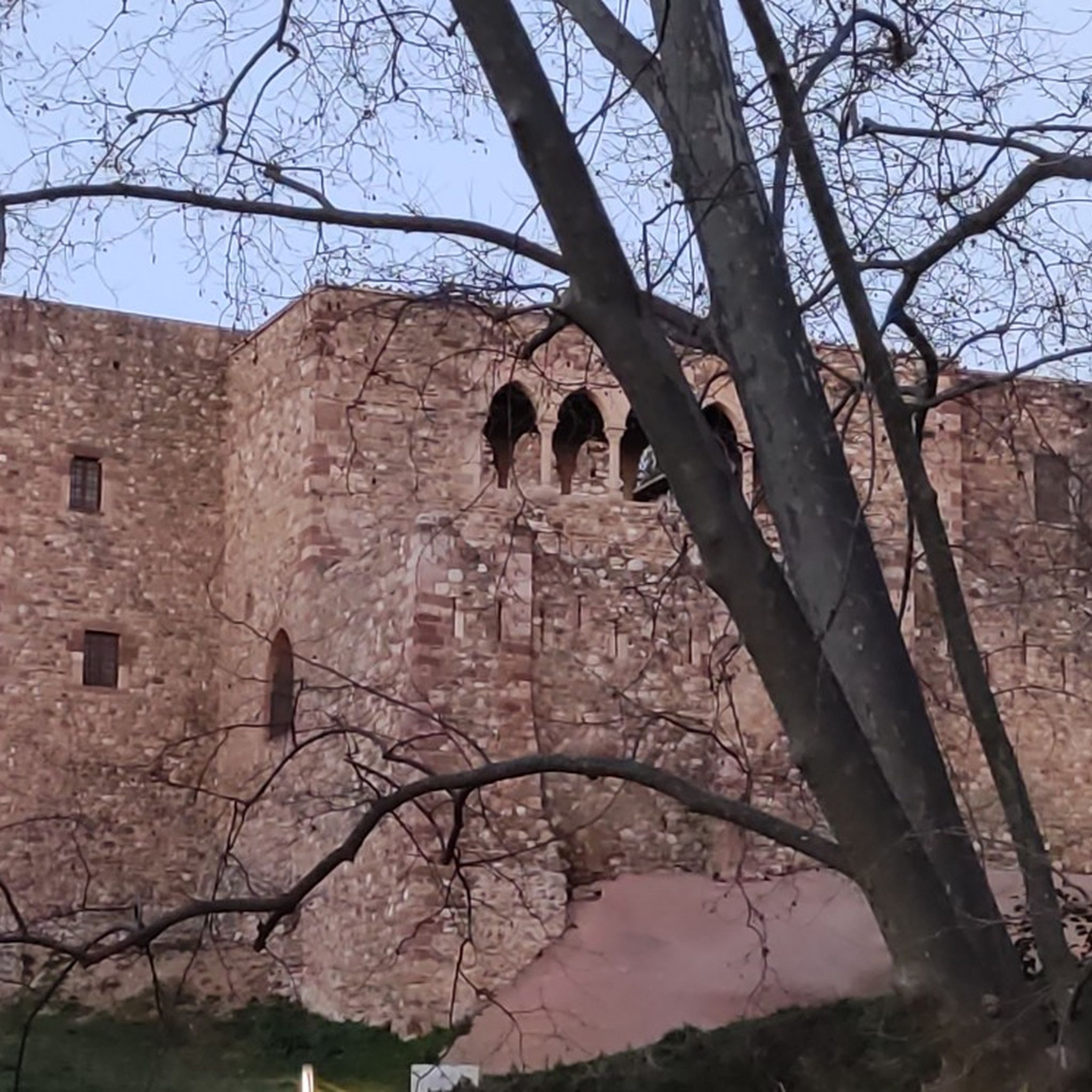
Formerly called San Emeterio, the hermitage is of Romanesque origin, although due to the transformations it has undergone there are hardly any original traces left. It has a rectangular floor plan with a sacristy. Outside there is a bell tower and the entrance door.
Translated by Google •
Tip by

Sign up now to discover places like this
Get recommendations on the best single tracks, peaks, & plenty of other exciting outdoor places.
Sign up for free
Pi d'en Xandri
Highlight • Natural Monument
It is a stone pine (pinus pinea) and is located in the Torre Negra rural park. It has a considerable height -23 meters- and a trunk of 3.20 meters in diameter. Its crown is 21 meters wide and has a peculiar shape, like a parasol, with a wayward, half-naked branch. The Pi d'en Xandri lost part of its branches due to the snow that accumulated on Christmas night in the year 62, when a formidable snowfall covered Catalonia in white. In 1997 some vandals tried to saw it off and set it on fire. It was necessary to graft a piece of live trunk so that the sap could circulate again and it was held with the trunks that surround it today to facilitate its healing.
Translated by Google •
Tip by

Horta to Cerdanyola Road
Highlight • Cycleway
Translated by Google •
Tip by

Ascent of Carretera de l'Arrabassada
Highlight • Climb
There's a gas station halfway with a bike cleaning service that comes in handy when you're coming downhill.
On Friday afternoons and Sundays it's a high-traffic area, I would avoid it.
Showing Translation
Tip by

Sign up for free to discover even more attractions around Rubí.
Sign up for free
Already have an account?
Start today with a free account
Your next adventure awaits.
Login or Signup


Tips from the Community

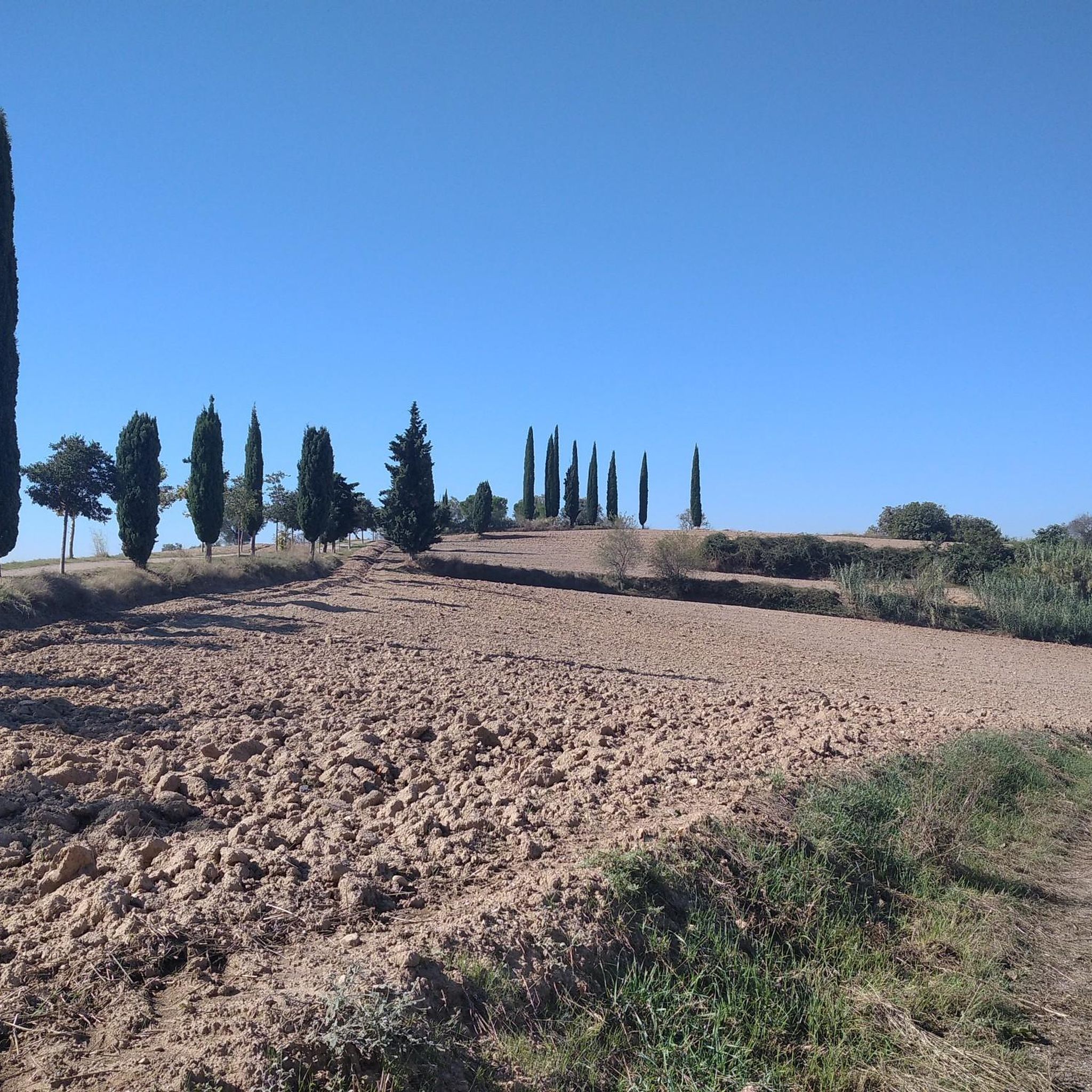
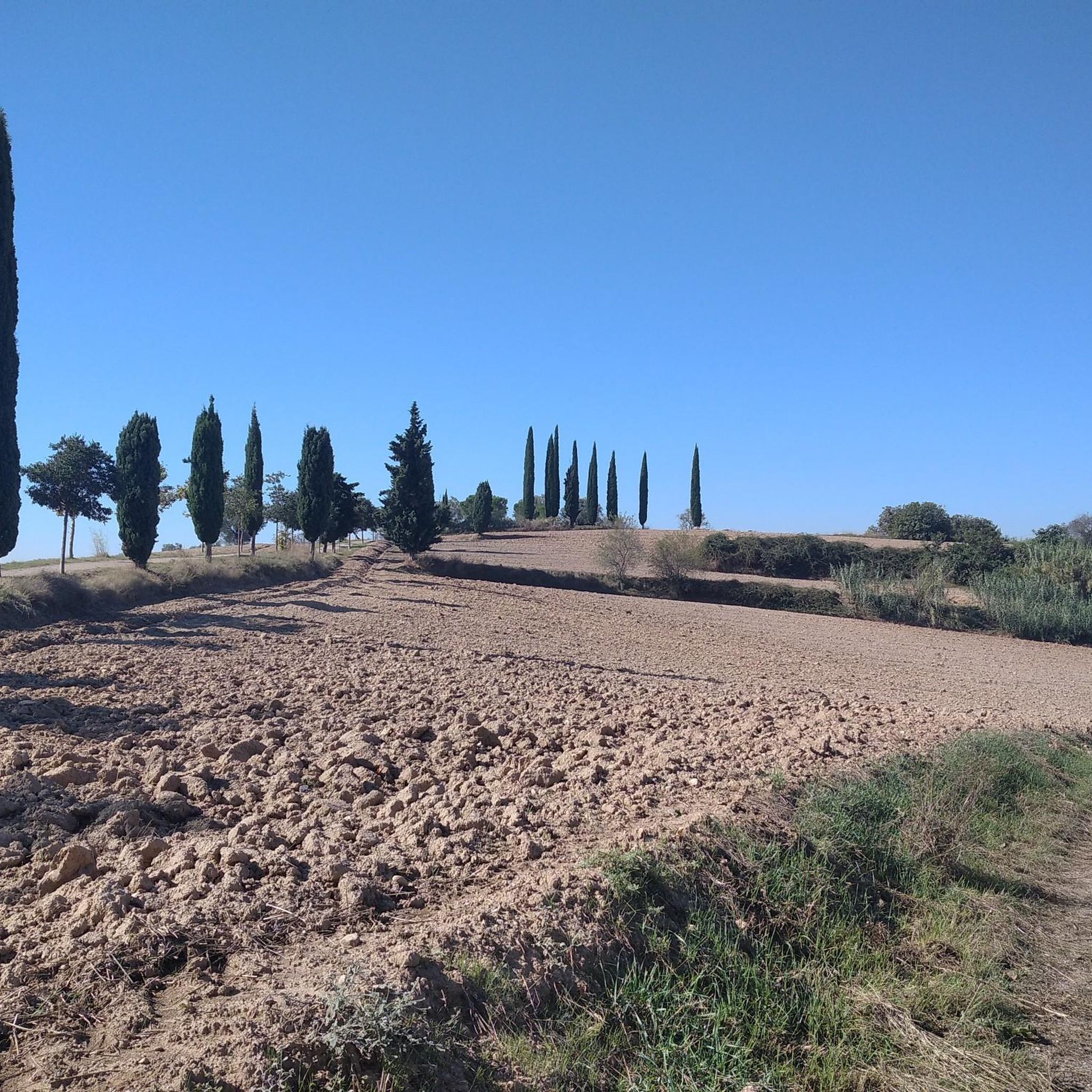
The road from Horta to Cerdanyola connects the Vallés with Baecelona and the northern part of Collserola. At the col del forat del vent it connects with the passeig de les Aigües.
1
1

One of the best ways out of Barcelona towards Vallés with little traffic and fantastic views of the city. It is well worth the visit for tourists who come to discover Barcelona.
0
0
This segment is the gentlest section of the ascent of the Arrabassada, the best known for reaching Tibidabo. Here you will find a false plan where you can recover and also a gas station where you can buy supplies or wash your bike. Always with good views of the city.
0
0

It is a charming Romanesque style hermitage and has almost a thousand years of history (built in 1046 AD). It has been restored but retains its original structure.
4
0

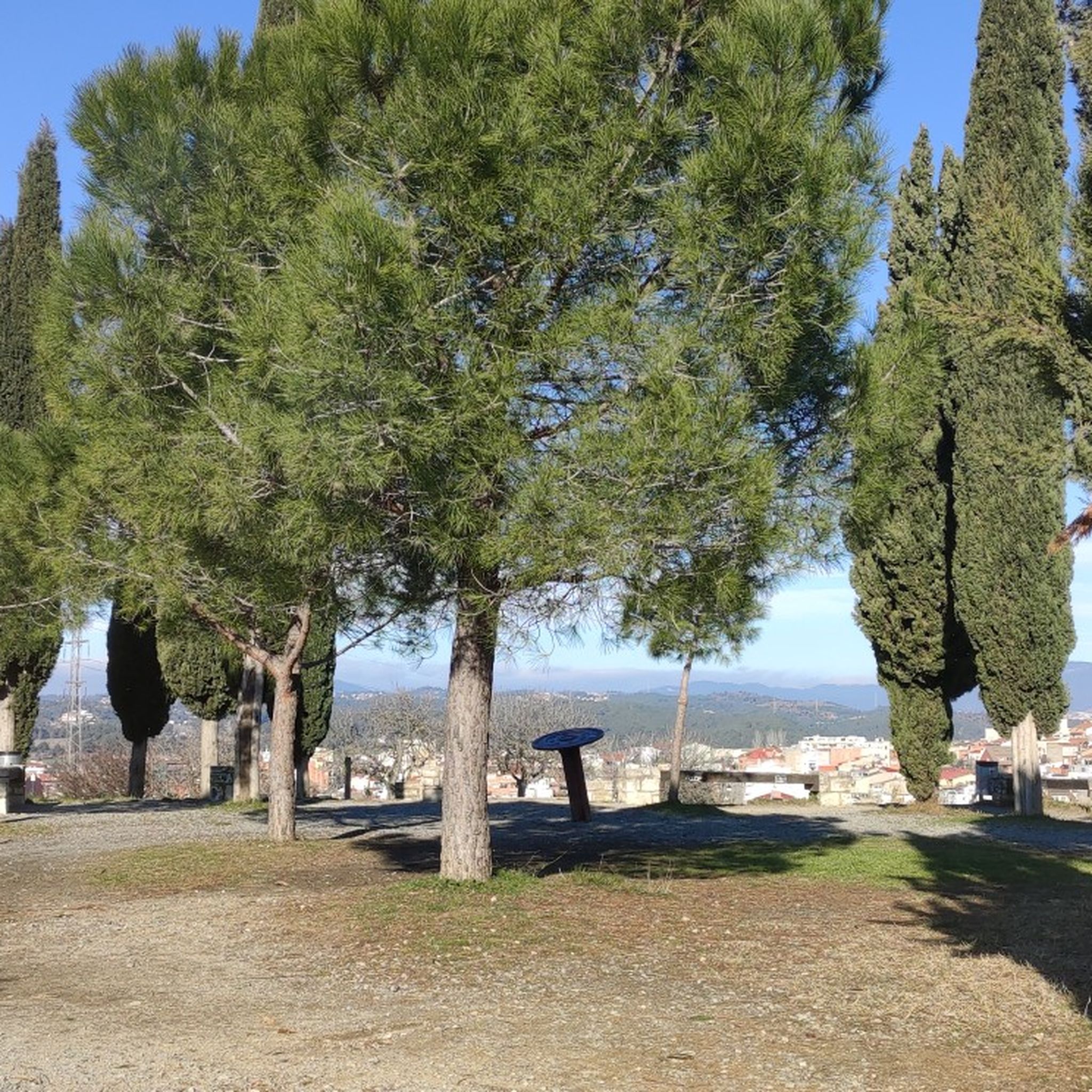
The Xandri pine is a monumental pinyoner pine (Pinus pinea in Latin) located in the territory of the rural park of Torre Negra in Sant Cugat del Vallès, about 250 years old (according to a dendrological analysis it germinated in 1774). The tree has a height of 23 meters, a trunk circumference of 3.20 meters and a trunk thickness of 3.60 meters. Its head has a width of 21 by 15 meters. It is called Xandri because it is located on land that was once owned by a farmer named Xandri
3
0

Perfect to go out on a bike and take some photos
4
0

The Pi d'en Xandri is one of the oldest pines in Catalonia and an ecological, cultural and historical symbol of Sant Cugat. It is estimated that he was born around the year 1774, at the time of Mozart, Kant and Napoleon Bonaparte, now about 248 years ago. It is a stone pine (pinus pinea) and is located in the Torre Negra rural park. It has a considerable height -23 meters- and a trunk of 3.20 meters in diameter. Its crown is 21 meters wide and has a peculiar shape, like a parasol, with a wayward, half-naked branch. The Pi d'en Xandri lost part of its branches due to the snow that accumulated on Christmas night in the year 62, when a formidable snowfall covered Catalonia in white. In 1997 some vandals tried to saw it off and set it on fire. It was necessary to graft a piece of live trunk so that the sap could circulate again and it was held with the trunks that surround it today to facilitate its healing.
29
0

A stretch of road with beautiful views of Barcelona. It is one of the climbs in the area with fewer cars, so highly recommended! In winter, be careful in the northern part of Sant Cugat, which is more humid and cold.
0
1
Frequently Asked Questions
What historical sites can I explore in Rubí?
Rubí boasts a rich history with several notable sites. You can visit the Rubí Castle, which now houses the Rubí Municipal Museum, preserving the city's heritage. The 10th-century Romanesque Church of San Pedro showcases different construction stages, and the Roman Site of Ca n'Oriol offers vestiges of Rubí's ancient past. Don't miss the modernist Cooperative Winery, built by a disciple of Gaudí, or the charming Ermita de Sant Muç just outside the city.
Are there any natural monuments or significant green spaces in Rubí?
Yes, Rubí offers several natural attractions. The Parc de Ca n'Oriol is a large green space perfect for walks, featuring routes, fields, and picnic areas. It also encompasses the Roman Site of Ca n'Oriol. Another significant natural landmark is Pi d'en Xandri, one of Catalonia's oldest stone pines and a symbol of local natural heritage, estimated to be over 240 years old.
What kind of outdoor activities can I do near Rubí's attractions?
The area around Rubí is excellent for various outdoor activities. You can find numerous hiking trails, such as the easy 'Torrent dels Alous – Terres de Ca n'Oriol loop' or the moderate 'Parque Ibérico – Bosc de l'Ermita de Sant Genís loop'. For cycling enthusiasts, there are road cycling routes like the 'Beachfront Cycle Path – Secondary Road Near Barcelona loop' and gravel biking options. You can explore more routes in the Hiking around Rubí, Gravel biking around Rubí, and Road Cycling Routes around Rubí guides.
Are there family-friendly attractions in Rubí?
Many attractions in Rubí are suitable for families. The Parc de Ca n'Oriol offers picnic areas and space for children to play. The Pi d'en Xandri, a monumental pine, can be an interesting stop for its historical and natural significance. The Sant Medir Hermitage also provides picnic areas and a water fountain, making it a pleasant spot for a family break during a walk.
Where can I find the best views of Barcelona from Rubí's vicinity?
For spectacular views of Barcelona, head to the Expiatory Temple of the Sacred Heart. Located on Tibidabo hill, its upper levels offer extensive panoramas of the city. While entry to the temple and crypt is free, there's a fee to take the elevator to the very top for the best vantage point. Cyclists also enjoy the views from the Horta to Cerdanyola Road and the Rabassada climb.
What is the significance of the Cooperative Winery in Rubí?
The Cooperative Winery (Celler Cooperatiu) is a significant modernist building in Rubí, constructed between 1920 and 1921 by Cèsar Martinell i Brunet, a disciple of Antoni Gaudí. Originally founded by local peasants, it now serves as a vibrant venue for various cultural activities, showcasing Rubí's architectural heritage and community spirit.
Are there any museums in Rubí?
Yes, Rubí has a couple of museums that delve into its past. The Rubí Municipal Museum is housed within the historic Rubí Castle, preserving and disseminating the city's heritage. Additionally, the Vallhonrat Museum features six rooms displaying the customs and traditions of the town through a collection of objects dating back to the 18th century.
What makes the <a href="https://www.komoot.com/highlight/2630086" target="_blank" rel="noopener">Pi d'en Xandri</a> special?
The Pi d'en Xandri is a monumental stone pine, recognized as one of Catalonia's oldest pines, estimated to have been born around 1774. It stands as an ecological, cultural, and historical symbol of Sant Cugat and the wider region. Its unique parasol-like crown and resilience after past acts of vandalism have made it a cherished landmark and a testament to local conservation efforts.
What is the <a href="https://www.komoot.com/highlight/2630087" target="_blank" rel="noopener">Sant Medir Hermitage</a> and what does it offer visitors?
The Sant Medir Hermitage is a Romanesque-origin sanctuary located in the Collserola mountain range. It serves as a popular starting point for many hiking trails and offers a pleasant space for visitors to take a break. Amenities include a water fountain, picnic areas, and shaded spots. There's also a restaurant, Masía Can Jané, nearby.
What is the best time to visit Rubí for outdoor activities?
The region around Rubí, being close to Barcelona, generally enjoys a Mediterranean climate. Spring (April-May) and Autumn (September-October) are often considered the best times for outdoor activities like hiking and cycling, as the weather is mild and pleasant. Summers can be hot, making early mornings or late afternoons preferable for activities, while winters are generally mild but can be cooler and more humid in shaded areas like the northern part of Sant Cugat.
Are there any specific cycling routes or climbs recommended near Rubí?
Yes, cycling enthusiasts have popular options. The Horta to Cerdanyola Road is a cycle way known for its spectacular views of Barcelona and less vehicle traffic. Another popular choice is the Rabassada climb, a well-used route to Tibidabo with smooth tarmac and great views. Be aware that the Rabassada climb can have high traffic on Friday afternoons and Sundays.
What is the significance of the Riera de Rubí?
The Riera de Rubí is the local river around which Rubí's history is deeply intertwined. From its first settlers to modern times, the river has played a significant role in the area's development. The Rubí Municipal Museum features an exhibition called 'Riera de Identidades' which explores this profound connection between the community and its river.
Most popular attractions around Rubí

Get inspired with the komoot mobile app


Explore more
Still not found the Highlight you’re looking for? See guides of the top attractions in other regions:
